Best Places Similar in Kanchipuram
Best Places Similar to Kanchipuram
Kanchipuram, one of India's seven sacred pilgrimage cities and the Temple City of Tamil Nadu, is home to over 1,000 temples and is equally renowned worldwide as the Silk City for its exquisite handwoven Kanchipuram silk sarees, prized as among the finest in the world. The magnificent Ekambaranatha Temple, Kamakshi Amman Temple, and the Kailasanathar Temple — one of the oldest temples in South India — are masterpieces of Pallava and Chola Dravidian architecture. Kanchipuram has been a seat of Hindu philosophical learning for centuries and remains a living embodiment of Tamil cultural and spiritual heritage.
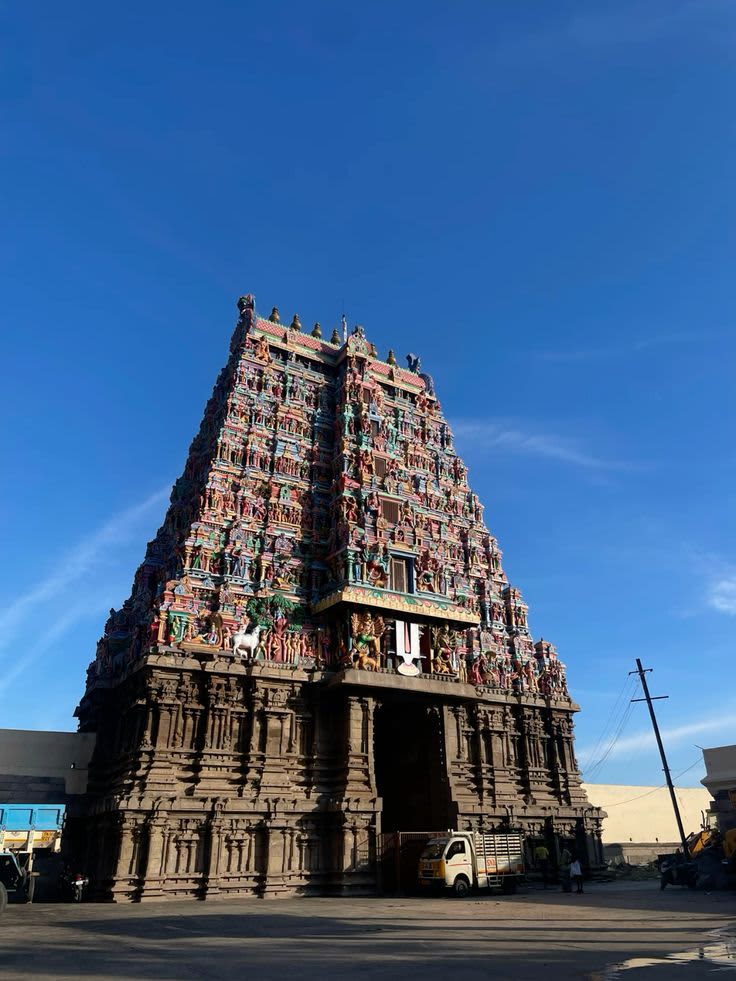
Madurai
→Madurai, one of the oldest continuously inhabited cities in the world and a major pilgrimage hub in Tamil Nadu, is centered on the awe-inspiring Meenakshi Amman Temple — a Dravidian architectural masterpiece with 14 elaborately sculpted gopurams that tower over the city's skyline. Dedicated to the goddess Meenakshi and her consort Sundareswarar (Shiva), the temple complex with its celebrated Hall of Thousand Pillars and sacred Golden Lotus Tank draws millions of devotees and travelers each year. Madurai's vibrant jasmine flower markets, street food culture, and the evening temple ceremony make it one of South India's most atmospheric and spiritually alive cities.
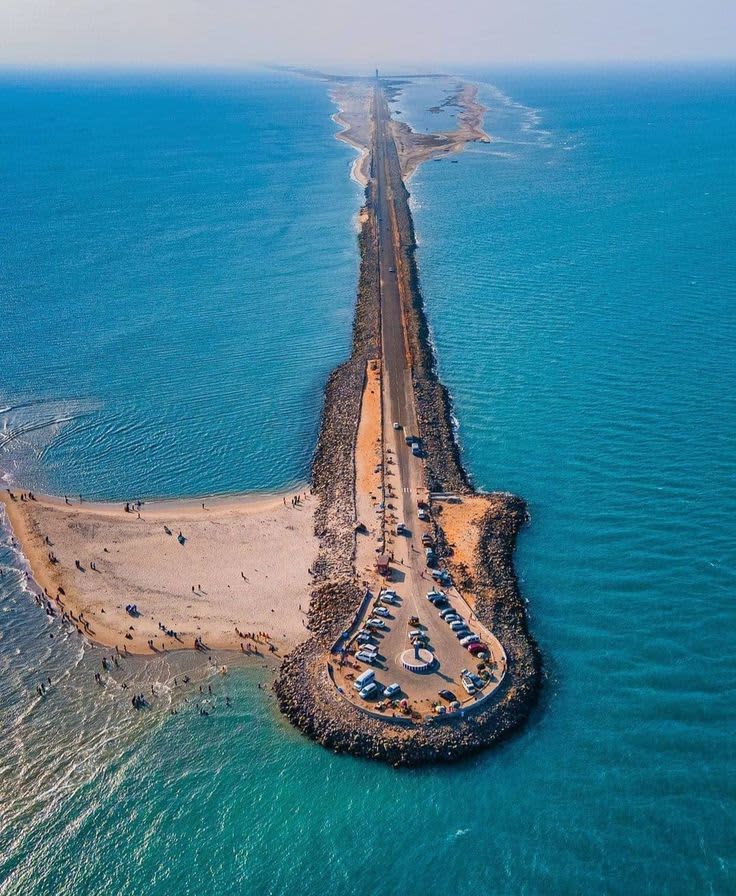
Rameswaram
→Rameswaram, an island town in Tamil Nadu connected to the mainland by the iconic Pamban Bridge, is one of the holiest sites in Hinduism and one of the four sacred dhams (Char Dham) that every devout Hindu aspires to visit. The Ramanathaswamy Temple, famous for its 1,200-meter-long ornate corridors — the longest in any Hindu temple in the world — and its 22 sacred theerthams (water tanks), is the spiritual heart of the island. The pristine beaches, the mythological connection to the Ramayana, and the dramatic vistas of the Pamban Railway Bridge make Rameswaram a unique confluence of faith, history, and natural beauty.

Tirupati
→Tirupati, in Andhra Pradesh, is home to the Tirumala Venkateswara Temple atop the Tirumala Hills — the most visited place of worship on earth, receiving an average of 60,000 to 100,000 pilgrims daily. Dedicated to Lord Venkateswara, a form of Vishnu, the temple is not only the world's richest religious institution but also one of the most spiritually charged destinations in Hinduism. The famous 'Tirupati laddu' prasad, the tradition of tonsuring one's head as an offering, and the breathtaking view of the gilded gopuram rising above the Nallamala Hills make a Tirupati pilgrimage an unforgettable experience.
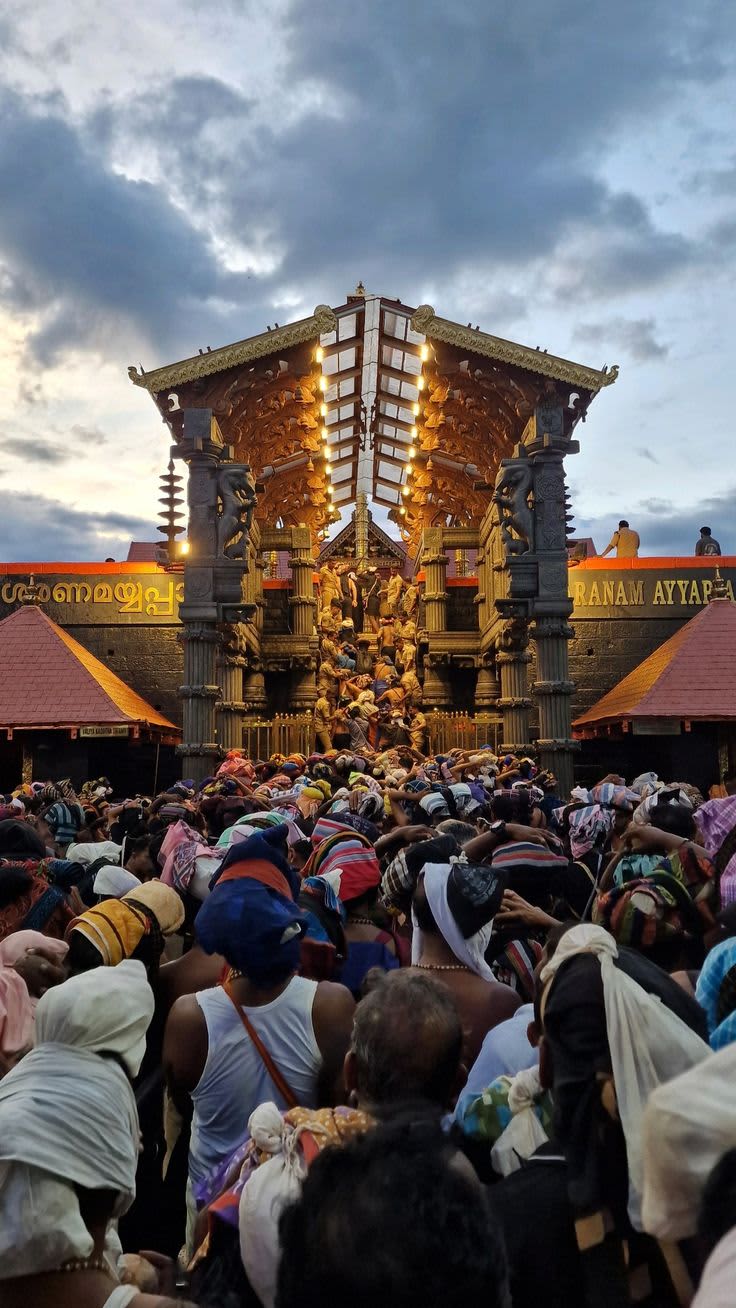
Sabarimala
→Sabarimala, nestled in the forested hills of the Western Ghats in Kerala, is one of the largest Hindu pilgrimage sites in the world and the abode of Lord Ayyappa — a deity embodying dharma, celibacy, and universal brotherhood. The annual pilgrimage season from November to January sees millions of devotees, clad in traditional black attire, undertaking the challenging 5-kilometer trek through dense jungle to reach the hilltop shrine. The journey to Sabarimala is as much a physical and spiritual ordeal as it is an act of devotion, passing through the sacred 18 golden steps before reaching the temple.
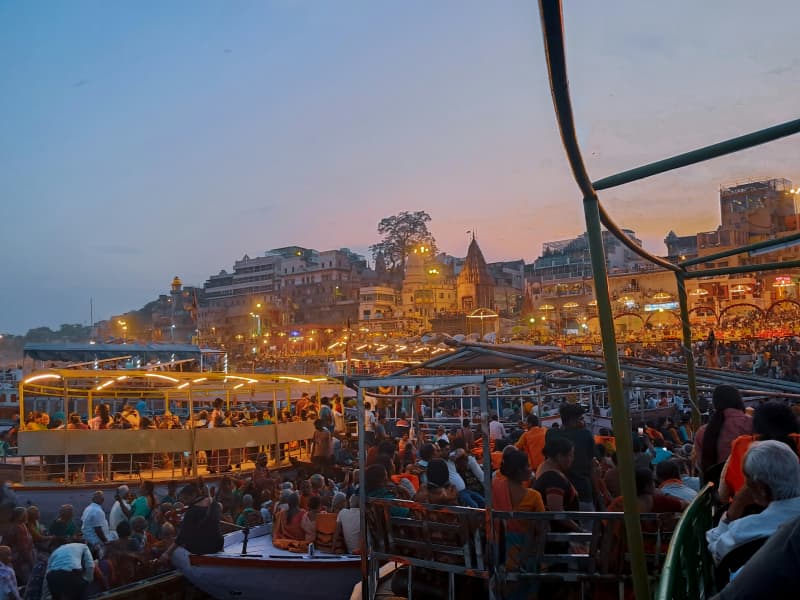
Varanasi
→Varanasi, one of the world's oldest continuously inhabited cities and Hinduism's most sacred destination, sits on the banks of the Ganges in Uttar Pradesh and is believed by Hindus to be the city where dying releases one from the cycle of rebirth. The ghats of Varanasi — 84 in all — are the spiritual heartbeat of India, where the faithful bathe at dawn, priests perform elaborate fire rituals, and funeral pyres burn perpetually at the Manikarnika Ghat. The ancient temples, the labyrinthine old city lanes, the evening Ganga Aarti ceremony, and the profound sense of mortality and transcendence make Varanasi the most spiritually intense city in India.
Hampi
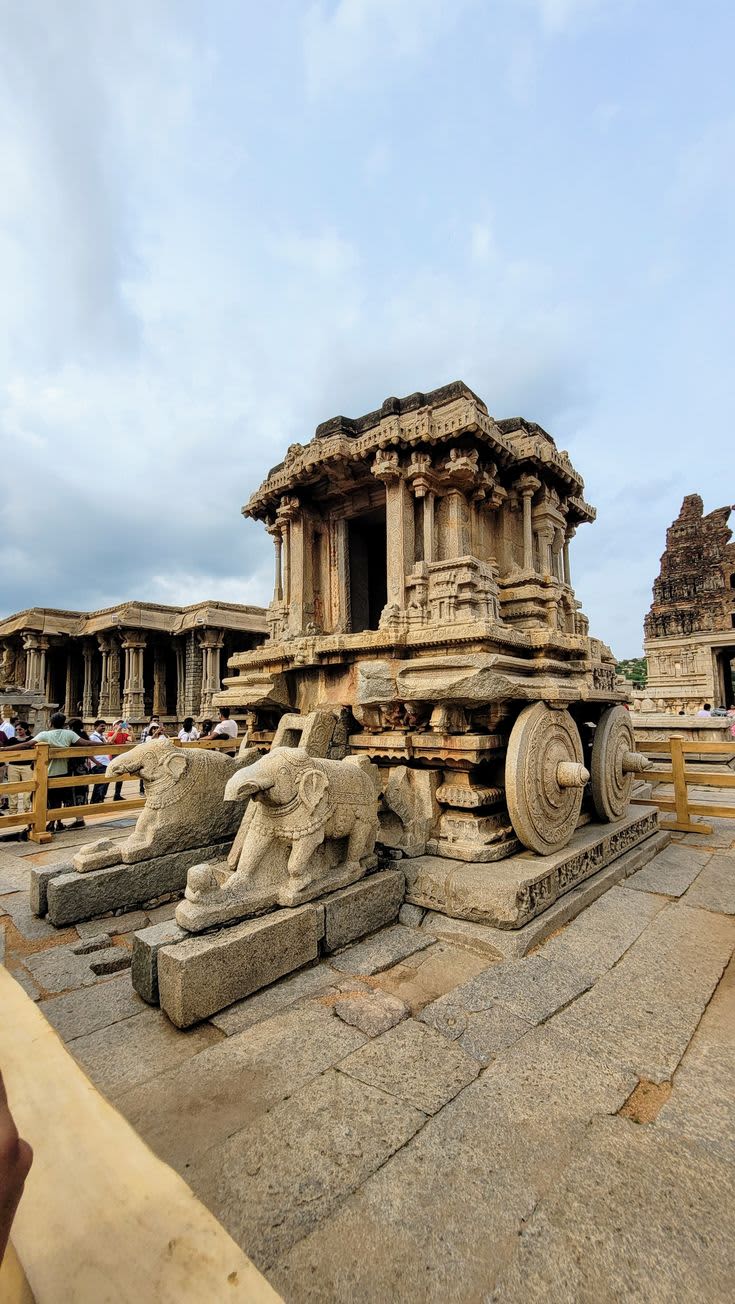
→Hampi, a UNESCO World Heritage Site in Karnataka, is one of the most evocative and visually stunning historical destinations in India — the ruins of Vijayanagara, once one of the largest and wealthiest cities in the medieval world and capital of the last great Hindu empire, spread across an otherworldly landscape of giant boulders, banana plantations, and the Tungabhadra River. The Virupaksha Temple, Vittala Temple with its famous Stone Chariot and musical pillars, the Lotus Mahal, and Elephant Stables are architectural masterpieces within a landscape of over 1,600 monuments. Cycling or hiking among Hampi's surreal boulder fields at sunrise and sunset is an experience of rare beauty and historical majesty.
Badami
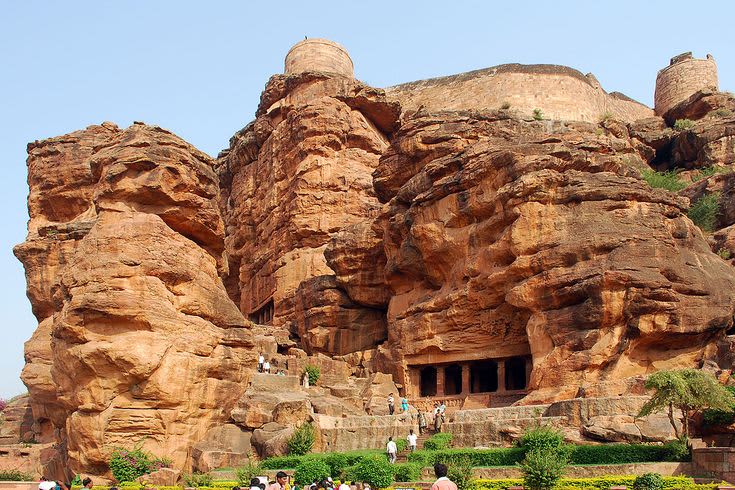
→Badami, the ancient capital of the early Chalukya dynasty in Karnataka, is a historically rich town known above all for its four magnificent rock-cut cave temples carved into the face of a red sandstone cliff overlooking the scenic Agastya Lake in the 6th and 7th centuries CE. The caves contain exceptional sculptures of Shiva as Nataraja with 18 arms, various Vishnu avatars including the colossal reclining Vishnu in Cave 3, and Jain tirthankaras that represent some of the finest examples of early Deccan sculpture. The fortified hilltop above the caves, the temples on the lake's southern shore, and the nearby Pattadakal and Aihole make Badami the hub of an extraordinary ancient Chalukyan heritage trail.
Haridwar
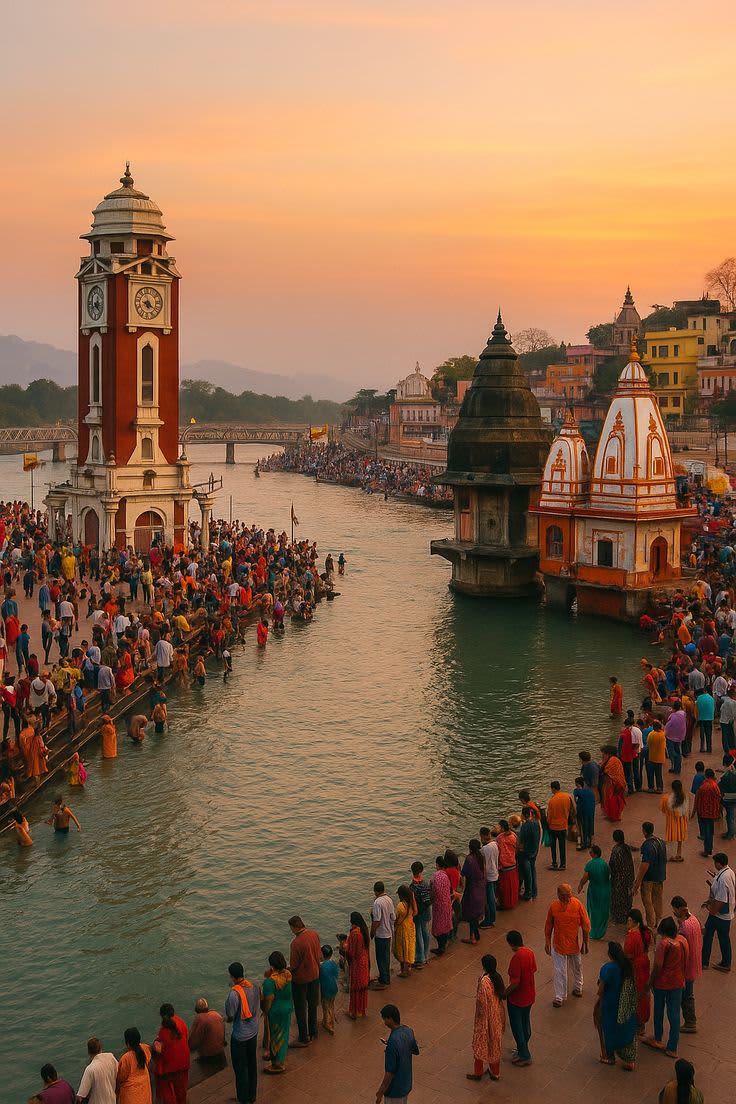
→The holy city of Haridwar translates to "Gateway to God," and this breathtaking destination, replete with ancient temples and sacred ghats, is a magnet for religious pilgrims from all over the globe. Religious festivals like Kumbh Mela and Kanwar Yatra hold further draw, and visitors can't help but be compelled by the city's aura of intense spirituality. Don't miss the iconic Har ki Pauri ghat and the hilltop Chandi Devi Temple.
Mathura
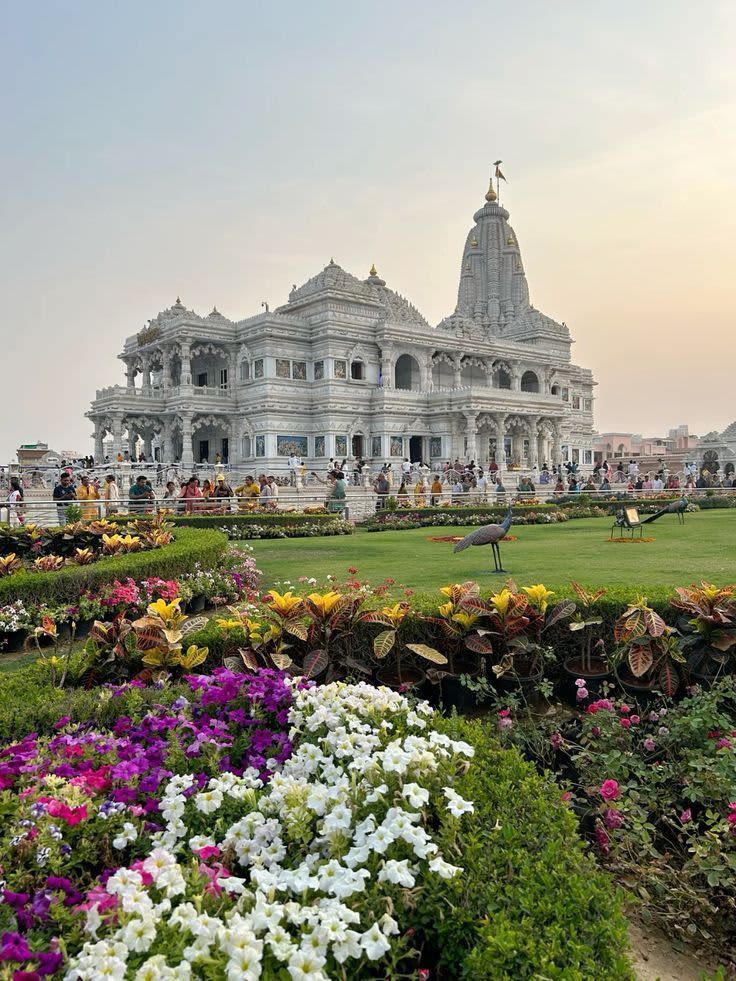
→Mathura, situated on the western bank of the Yamuna River in Uttar Pradesh, is one of Hinduism's most sacred cities and the birthplace of Lord Krishna — the beloved deity whose life and teachings form the foundation of the Bhagavad Gita. The city's Krishna Janmabhoomi temple complex marks the exact spot of Krishna's birth, while the ghats along the Yamuna, the Dwarkadhish Temple, and dozens of ancient temples make Mathura a vibrant center of Vaishnava devotion. The Holi festival celebrated in Mathura and nearby Vrindavan is one of India's most ecstatic and visually spectacular events, drawing visitors from across the globe.
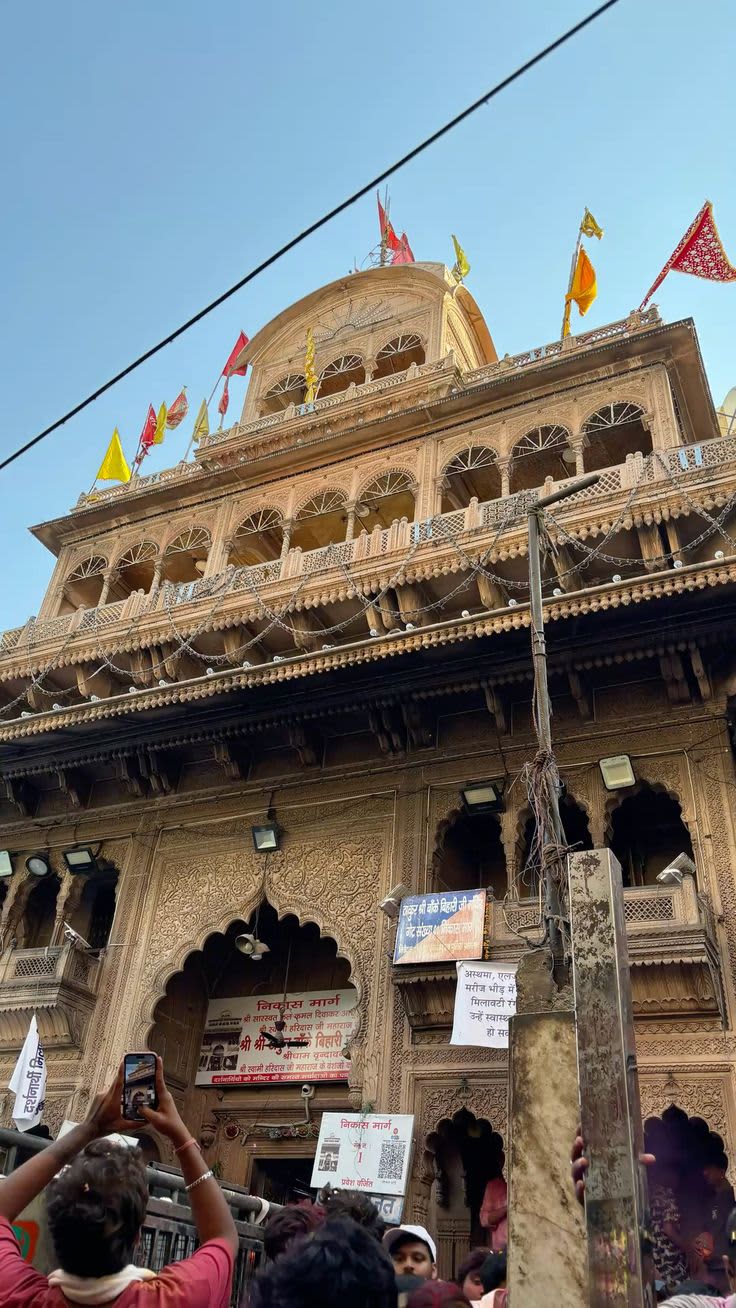
Vrindavan
→Vrindavan, a sacred town on the Yamuna River near Mathura in Uttar Pradesh, is revered as the place where young Krishna spent his childhood, and every corner of this town resonates with devotional music, temple bells, and the fragrance of flowers and incense. The town's 5,000-plus temples — including the grand Banke Bihari Mandir, the Radha Raman Temple, and the ISKCON complex — are centers of intense Vaishnava worship that pulsates with joy and bhakti. The enchanting Yamuna ghats, the Nidhivan forest sacred to Radha-Krishna lore, and the festival of Radhashtami make Vrindavan one of India's most spiritually alive and emotionally moving destinations.