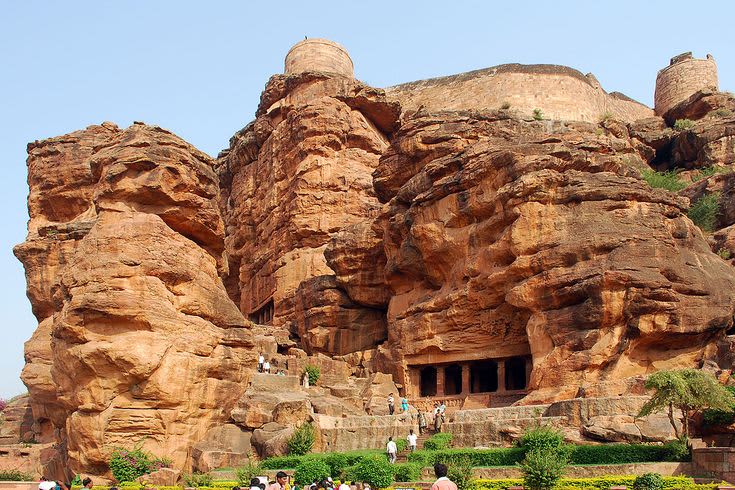
Badami, the ancient capital of the early Chalukya dynasty in Karnataka, is a historically rich town known above all for its four magnificent rock-cut cave temples carved into the face of a red sandsto...
Badami
Chalukya's Cradle of Rock-Cut Architecture
Karnataka, India
4.6
Cave TemplesAgastya LakeChalukyan Heritage
heritage
Duration: 1–2 Days
Budget/day: ₹800 – ₹3,000
Best season: Oct – Mar
Altitude: 587 m
Nearest airport: Hubli Airport (105 km)
Nearest railway: Badami Railway Station (within town)
Best places to visit in Badami


Things to do in Badami
- No photoHeritage / SpiritualView full guide
2–3 hours
Badami Cave Temples Exploration
Carved into towering red sandstone cliffs in the 6th century by the Chalukya dynasty, the four Badami cave temples are among the finest examples of early Indian rock-cut architecture. Each cave — dedicated to Shiva, Vishnu, and Jainism — is a masterclass in sculptural artistry: the 18-armed Nataraja, the stunning Trivikrama striding across three worlds, and intricately carved ceilings that feel impossibly detailed for their age. This is Karnataka's answer to Ajanta and Ellora.
- No photoNature / SpiritualView full guide
1 hour
Agastya Lake Sunrise Walk
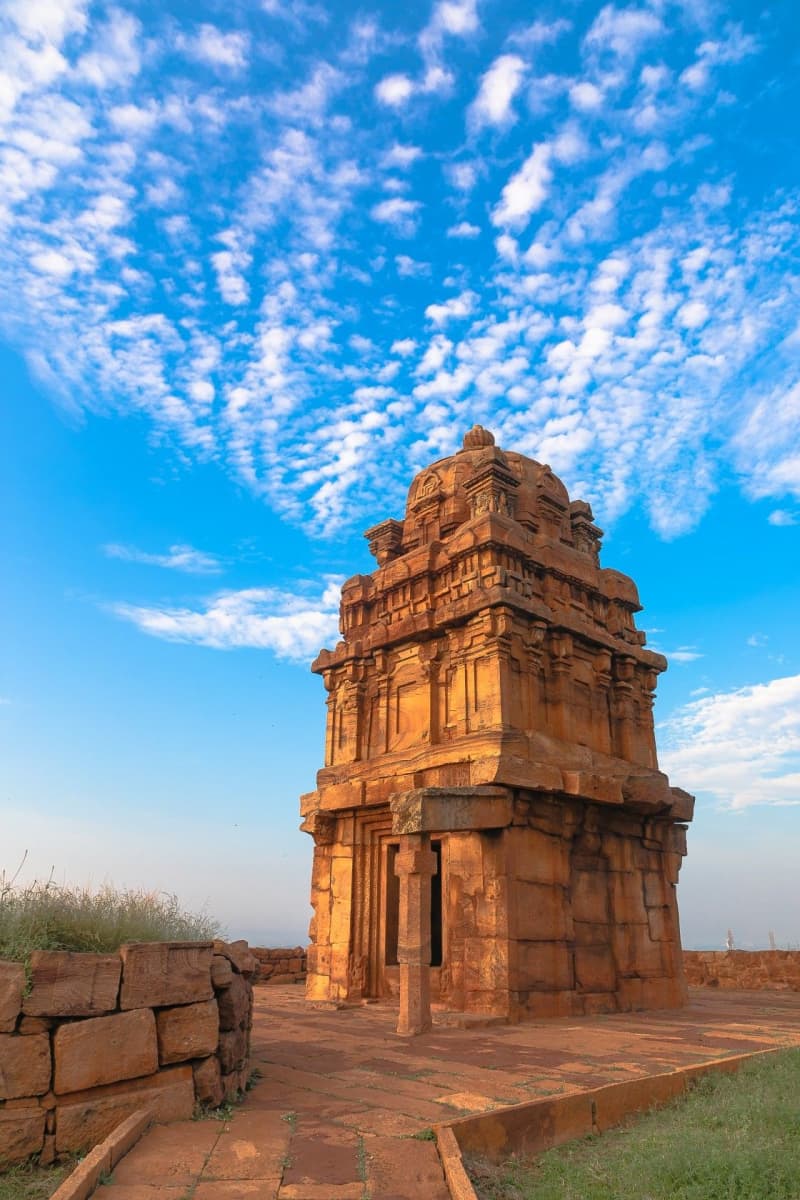
The sacred Agastya Lake sitting at the foot of Badami's sandstone cliffs reflects the ancient temples in its still morning waters like a painting. A quiet walk around the lakeside ghats just after dawn — when the sky turns orange and temple bells begin to ring — is one of those simple travel moments you carry with you for years. The 5th-century Bhutanatha temples on the eastern bank add a wonderful sense of timelessness to the scene.
- No photoAdventureView full guide
Half day to full day
Rock Climbing on Badami Cliffs
Badami's distinctive red Deccan sandstone cliffs have become one of South India's most exciting rock climbing destinations. With over 50 established routes ranging from beginner-friendly slabs to challenging overhangs, climbers from across India and abroad flock here between October and February. Even if you've never climbed before, several local operators offer guided introductory sessions on the lower cliff faces with breathtaking views across the village.
Best Time to Visit and Weather Info
Best time: October to March
Summer is scorching among the red sandstone hills. The post-monsoon period (October) is lush and beautiful.
Winter
Best Time ⭐Oct – Mar
14°C – 30°C
Ideal for exploring the rock-cut cave temples and the fort. The red sandstone glows magnificently in winter sun. The Agastya Lake is full and scenic.
- The sunrise view from Badami Fort over Agastya Lake and the town is spectacular
- Badami, Aihole, and Pattadakal form the Chalukya heritage triangle — cover all three in 2 days
How to Reach
✈️By Air
Airport: Hubli Airport (105 km from Badami)
Duration: ~2.5 hrs by road
Fly to Hubli, then taxi to Badami. Alternatively, fly to Bengaluru (490 km) and take an overnight bus.
Taxi: ₹2,000 – ₹3,500 (Hubli to Badami)
Airlines: IndiGo, Air India
🚂By Train
Station: Badami Railway Station (within town)
Direct trains from Hubli, Bijapur (Vijayapura), and Bengaluru. The Hubli–Badami route is well-serviced.
- Badami Express — Bengaluru (KSR) (~8 hrs)
🚌By Road
KSRTC buses from Hubli, Hospet, Bijapur, and Bengaluru.
- Hubli: 105 km, 2.5 hrs via NH-67
- Bijapur (Vijayapura): 130 km, 3 hrs via NH-67
- Hampi: 140 km, 3 hrs via Hospet – Gadag
- Pattadakal: 22 km, 30 mins via SH-14
Local Food
Badami is a small North Karnataka town — food is simple Kannada rural cuisine from local dhabas.
Jolada Rotti
Thick jowar (sorghum) flatbread — the staple of North Karnataka, served with spiced brinjal curry.
Where: Local dhabas throughout Badami
₹60 – ₹100
Enne Badane Palya
Brinjal stuffed with peanut and sesame masala — a North Karnataka specialty.
Where: Any local restaurant
₹80 – ₹140
Uppittu (Upma)
Semolina cooked with mustard, onion, and vegetables — North Karnataka morning staple.
Where: Morning dhabas near the bus stand
₹40 – ₹70
Holige (Puran Poli)
Sweet flatbread stuffed with jaggery and lentils — Karnataka's beloved festive sweet.
Where: Local sweet shops
₹20 – ₹40 per piece
Shengayi (Groundnut Chutney)
Dry roasted peanut chutney with garlic and dry red chili — the universal North Karnataka accompaniment.
Where: Served with every meal in local restaurants
Accompaniment
Mysore Masala Dosa
Crispy dosa with red masala and potato filling — South Indian staple available in Badami.
Where: Hotels near the bus stand
₹60 – ₹100
Badami has very basic food options. Stock up on snacks and water before visiting the cave temples. Hotel Mayura Chalukya (Karnataka Tourism) is the best reliable dining option.
FAQs
- Badami is the former capital of the Chalukya dynasty (6th–8th century CE) — famous for its four magnificent rock-cut cave temples carved into red sandstone cliffs, and the scenic Agastya Lake surrounded by ancient temples.
Best Places Similar
Hampi
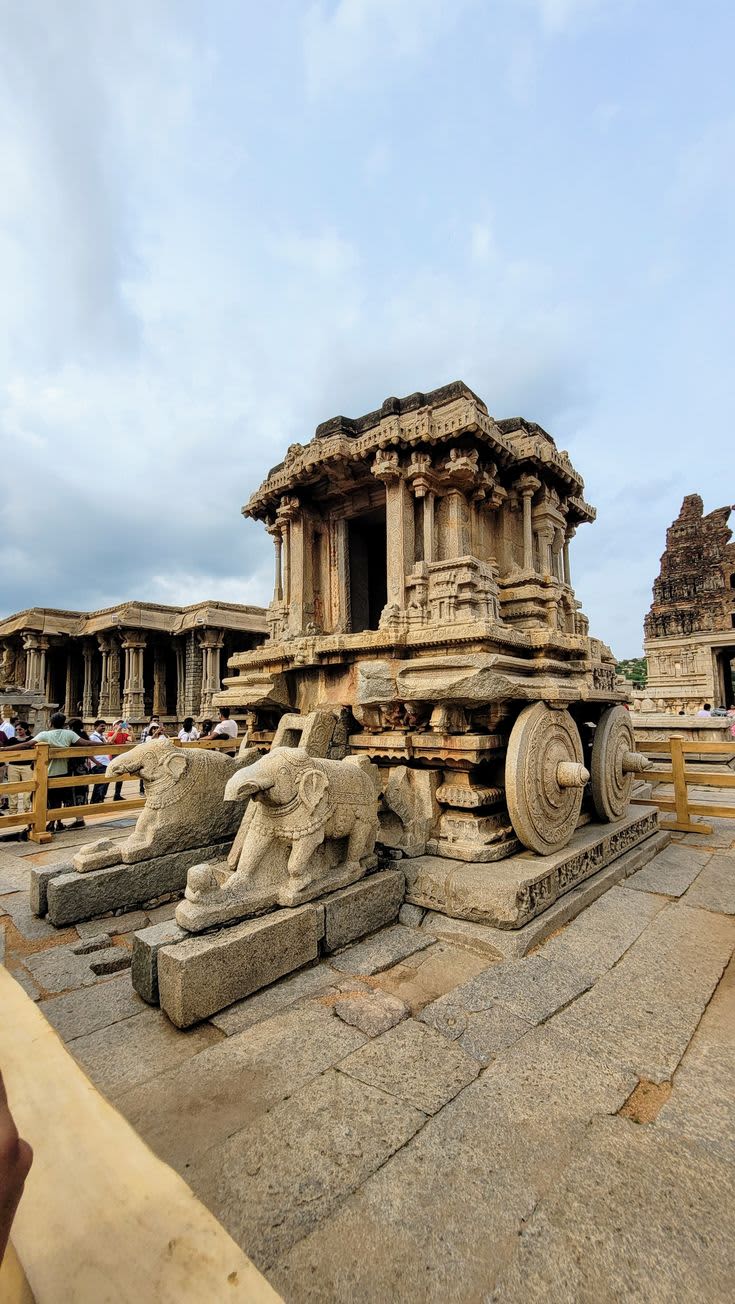
Hampi, a UNESCO World Heritage Site in Karnataka, is one of the most evocative and visually stunning historical destinations in India — the ruins of Vijayanagara, once one of the largest and wealthiest cities in the medieval world and capital of the last great Hindu empire, spread across an otherworldly landscape of giant boulders, banana plantations, and the Tungabhadra River. The Virupaksha Temple, Vittala Temple with its famous Stone Chariot and musical pillars, the Lotus Mahal, and Elephant Stables are architectural masterpieces within a landscape of over 1,600 monuments. Cycling or hiking among Hampi's surreal boulder fields at sunrise and sunset is an experience of rare beauty and historical majesty.
Pattadakal
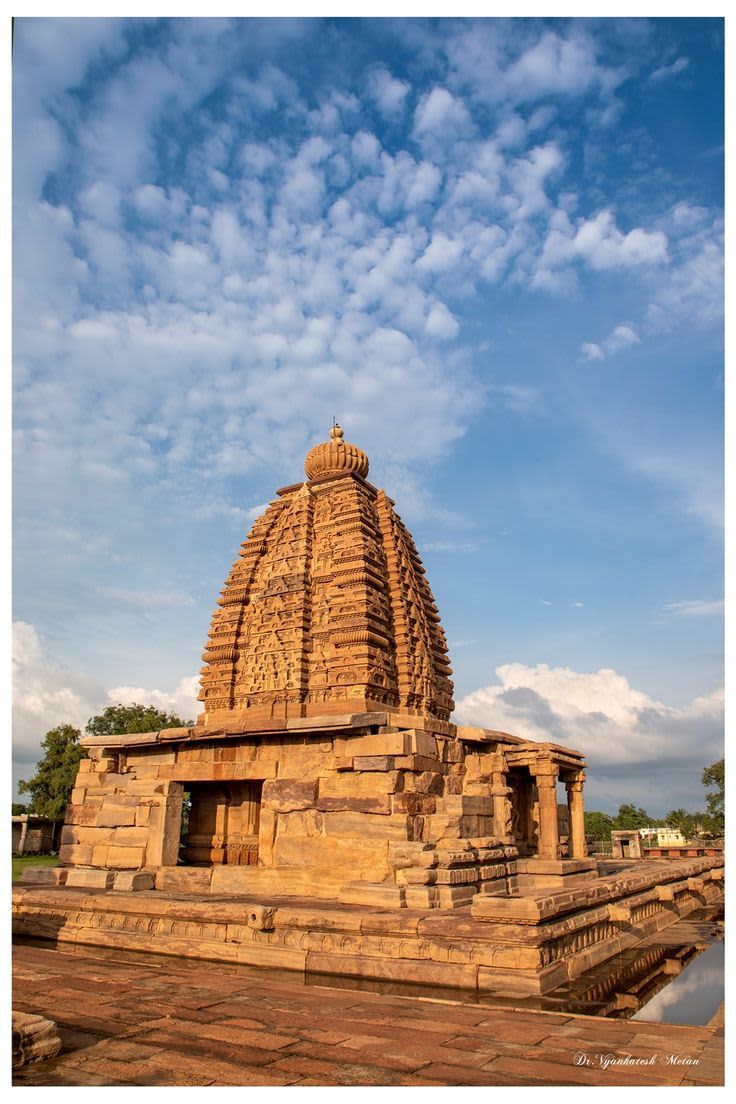
Pattadakal, a UNESCO World Heritage Site on the banks of the Malaprabha River in Karnataka, is a remarkable gallery of 8th-century Chalukyan temples that uniquely showcases the evolution of two distinct South Indian temple architectural styles — the nagara (northern) and dravidian (southern) — side by side. The Virupaksha Temple, built by Queen Lokamahadevi to commemorate the Chalukyan victory over the Pallavas, is the most impressive of the complex's ten temples and served as the model for the famous Kailasanatha Temple at Ellora. Visiting Pattadakal as part of a Chalukyan heritage trail with Badami and Aihole is one of the most richly rewarding historical journeys in all of South India.
Bijapur
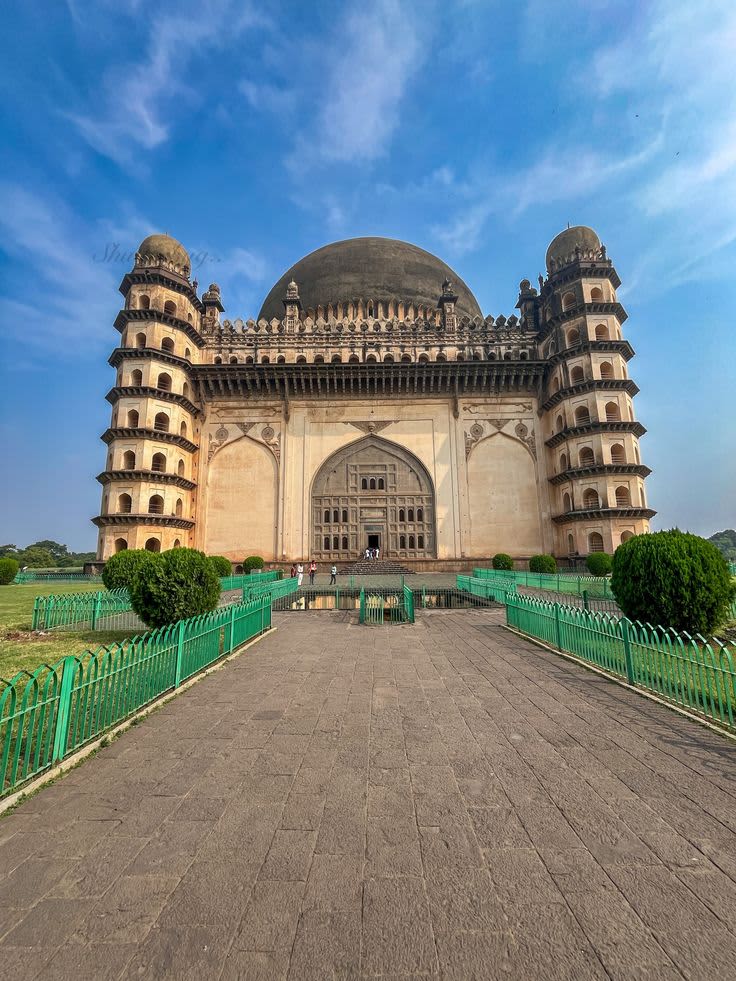
Bijapur, now officially renamed Vijayapura, in Karnataka is home to some of the finest examples of Deccan Sultanate architecture in India, most magnificently the Gol Gumbaz — the mausoleum of Sultan Muhammad Adil Shah, crowned by the world's second-largest dome after St. Peter's Basilica in Rome, famous for its extraordinary Whispering Gallery where even the softest sound bounces around the dome audibly. The city's wealth of Islamic heritage — including the Ibrahim Rauza (considered more beautiful than the Taj Mahal by some), the Jama Masjid, and the Malik-e-Maidan cannon — makes Bijapur one of the most architecturally significant and underappreciated cities in India.
Nearby destinations
Pattadakal
15 km · Pattadakal, a UNESCO World Heritage Site on the banks of the Malaprabha River in Karnataka, is a remarkable gallery of 8th-century Chalukyan temples that uniquely showcases the evolution of two distinct South Indian temple architectural styles — the nagara (northern) and dravidian (southern) — side by side. The Virupaksha Temple, built by Queen Lokamahadevi to commemorate the Chalukyan victory over the Pallavas, is the most impressive of the complex's ten temples and served as the model for the famous Kailasanatha Temple at Ellora. Visiting Pattadakal as part of a Chalukyan heritage trail with Badami and Aihole is one of the most richly rewarding historical journeys in all of South India.
Bijapur
102 km · Bijapur, now officially renamed Vijayapura, in Karnataka is home to some of the finest examples of Deccan Sultanate architecture in India, most magnificently the Gol Gumbaz — the mausoleum of Sultan Muhammad Adil Shah, crowned by the world's second-largest dome after St. Peter's Basilica in Rome, famous for its extraordinary Whispering Gallery where even the softest sound bounces around the dome audibly. The city's wealth of Islamic heritage — including the Ibrahim Rauza (considered more beautiful than the Taj Mahal by some), the Jama Masjid, and the Malik-e-Maidan cannon — makes Bijapur one of the most architecturally significant and underappreciated cities in India.
Hampi
106 km · Hampi, a UNESCO World Heritage Site in Karnataka, is one of the most evocative and visually stunning historical destinations in India — the ruins of Vijayanagara, once one of the largest and wealthiest cities in the medieval world and capital of the last great Hindu empire, spread across an otherworldly landscape of giant boulders, banana plantations, and the Tungabhadra River. The Virupaksha Temple, Vittala Temple with its famous Stone Chariot and musical pillars, the Lotus Mahal, and Elephant Stables are architectural masterpieces within a landscape of over 1,600 monuments. Cycling or hiking among Hampi's surreal boulder fields at sunrise and sunset is an experience of rare beauty and historical majesty.