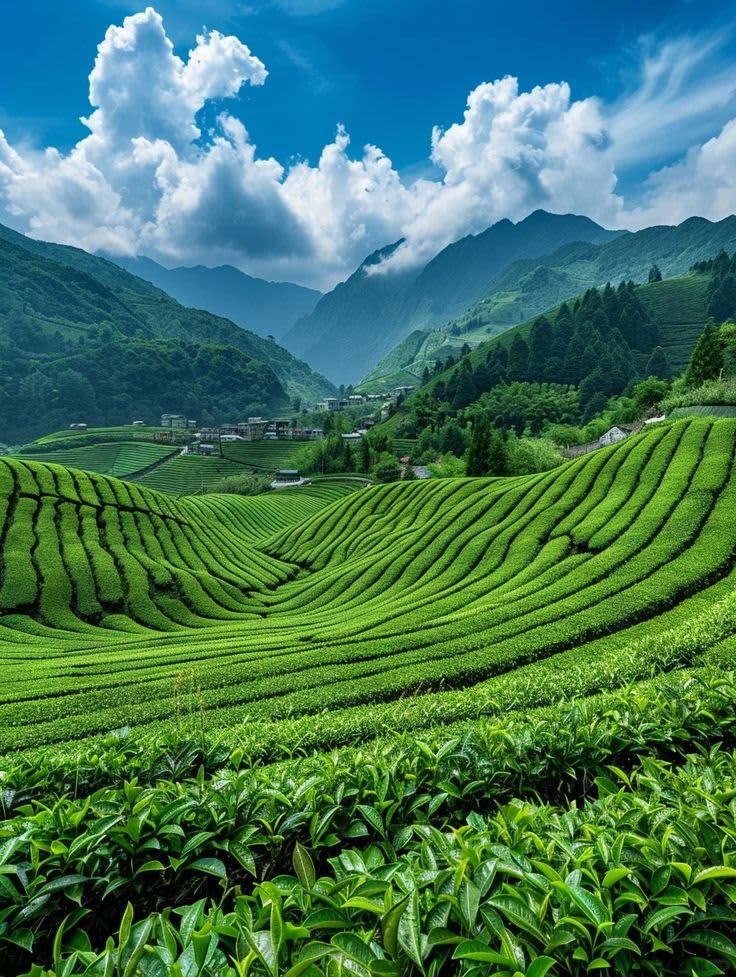
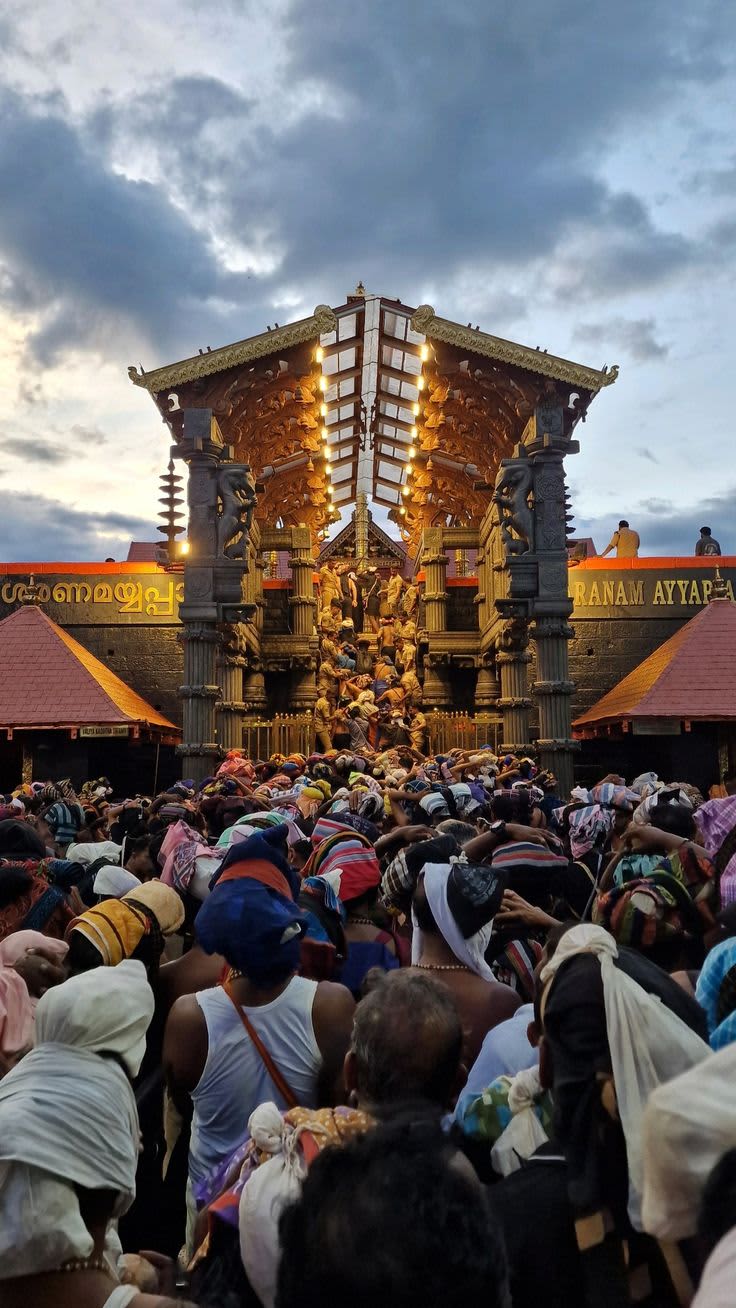
Sabarimala, nestled in the forested hills of the Western Ghats in Kerala, is one of the largest Hindu pilgrimage sites in the world and the abode of Lord Ayyappa — a deity embodying dharma, celibacy,...
Sabarimala
Sacred Abode of Lord Ayyappa
Kerala, India
4.8
Ayyappa TemplePilgrimage TrekStrict Rituals
spiritual
Duration: 2–3 Days
Budget/day: ₹1,500 – ₹4,000
Best season: Nov – Jan (Mandalam–Makaravilakku season)
Altitude: 914 m
Nearest airport: Cochin International Airport (190 km)
Nearest railway: Chengannur Railway Station (65 km)
Best places to visit in Sabarimala


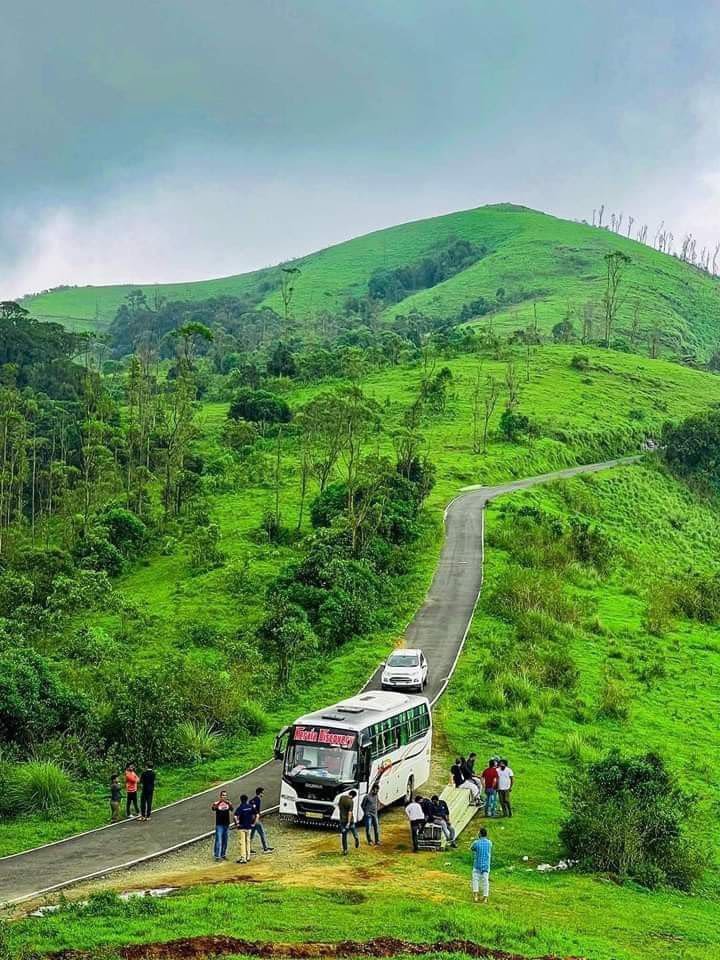
Things to do in Sabarimala
- No photoSpiritual & TrekView full guide
5–7 hours (trek round trip); 41-day preparation beforehand
Lord Ayyappa pilgrimage trek
One of the most spiritually demanding and physically rigorous pilgrimages in India, the Sabarimala yatra requires 41 days of strict fasting and celibacy before the trek itself — a 4.8 km climb through Kerala's dense Periyar forest to the hilltop shrine at 914 metres. Millions of devotees in black dress, carrying irumudi (two-compartment bundle) on their heads, make this journey each year during the Mandala-Makaravilakku season, creating a river of devotion flowing through the jungle.
- No photoSpiritualView full guide
Full evening/night
Makaravilakku festival witnessing
On Makaravilakku night in January, the sacred Makara Jyothi star appears on the Ponnambalamedu hills above Sabarimala — a celestial phenomenon that is one of the most extraordinary sights in all of Indian religious life. The hilltop erupts in chants and the millions of pilgrims gathered on the slopes light their own diyas in response. It is a moment of collective devotion of almost indescribable scale.
- No photoWildlifeView full guide
2–3 hours (boat safari)
Periyar Tiger Reserve safari (nearby)
Just 75 kilometres from Sabarimala, the Periyar Tiger Reserve around Thekkady is one of Kerala's finest wildlife sanctuaries and one of India's most celebrated. A boat cruise on the Periyar Lake watches herds of wild elephants come to the water's edge to drink, while tiger, gaur, and sambar move through the surrounding forest. It is the perfect companion experience to the Sabarimala pilgrimage for nature lovers.
Best Time to Visit and Weather Info
Best time: November to January (Mandalam season)
Temple opens only during specific pilgrimage seasons. The Makaravilakku festival in January is the most auspicious.
Mandalam–Makaravilakku
Best Time ⭐Nov – Jan
15°C – 25°C
The main pilgrimage season. Makaravilakku festival on Makara Sankranti (Jan 14) sees peak devotion.
- Book virtual queue token online at sabarimalaonline.org
- Carry traditional black/blue attire (Mala dhari dress)
Vishu & Other Openings
Good 🟡Apr, Jun, Aug (short openings)
20°C – 30°C
Temple opens for a few days during Malayalam festivals. Fewer crowds, more peaceful.
- Check official TTB schedule for opening dates
- Comfortable for elderly pilgrims
Off Season
Avoid 🔴Feb – Oct (mostly closed)
22°C – 35°C
Temple is closed for most of this period. Monsoon makes trekking dangerous.
- Do not plan pilgrimage without checking temple schedule
- Avoid monsoon trek — leeches and slippery paths
How to Reach
✈️By Air
Airport: Cochin International Airport (190 km)
Duration: ~4 hrs
Taxis and KSRTC buses connect Cochin to Pamba (base camp). Trivandrum airport is 175 km away.
Taxi: ₹3,000 – ₹4,500
Airlines: IndiGo, Air India, GoFirst
🚂By Train
Station: Chengannur Railway Station (65 km to Pamba)
Chengannur is the nearest major station. KSRTC and private taxis connect to Pamba (base camp).
- Sabari Express — Ernakulam (2 hrs to Chengannur)
- Intercity Express — Thiruvananthapuram (3 hrs to Chengannur)
🚌By Road
KSRTC runs special pilgrim buses to Pamba during the season. Private vehicles can go up to Pamba parking.
- Ernakulam (Kochi): 190 km, 4.5 hrs via NH-183
- Thiruvananthapuram: 175 km, 4 hrs via NH-183
- Chengannur: 65 km, 2 hrs via State Highway
Itineraries
Local Food
Food at Sabarimala is simple and sattvic. The Annadanam (free meals) offered at Pamba and the temple is a highlight.
Annadanam
Free meal offered by TTB and NGOs at Pamba — rice, dal, and vegetables.
Where: Pamba camp area
Free
Aval (Beaten Rice) & Banana
Traditional pilgrim snack — light and energizing for the trek.
Where: Stalls at Pamba
₹20 – ₹40
Puttu & Kadala Curry
Steamed rice cylinders with black chickpea curry — Kerala staple.
Where: Dhabas at Pamba
₹60 – ₹100
Kanji (Rice Porridge)
Warm rice gruel, perfect for tired pilgrims after the trek.
Where: Pamba base camp eateries
₹30 – ₹60
Non-vegetarian food is strictly prohibited in the entire Sabarimala pilgrimage zone including Pamba.
FAQs
- As per the Supreme Court's 2018 ruling, all women can visit Sabarimala. Traditionally, male pilgrims of all ages and women outside the menstruating age group visited, but the legal position now permits all.
Best Places Similar

Tirupati
Tirupati, in Andhra Pradesh, is home to the Tirumala Venkateswara Temple atop the Tirumala Hills — the most visited place of worship on earth, receiving an average of 60,000 to 100,000 pilgrims daily. Dedicated to Lord Venkateswara, a form of Vishnu, the temple is not only the world's richest religious institution but also one of the most spiritually charged destinations in Hinduism. The famous 'Tirupati laddu' prasad, the tradition of tonsuring one's head as an offering, and the breathtaking view of the gilded gopuram rising above the Nallamala Hills make a Tirupati pilgrimage an unforgettable experience.
Madurai
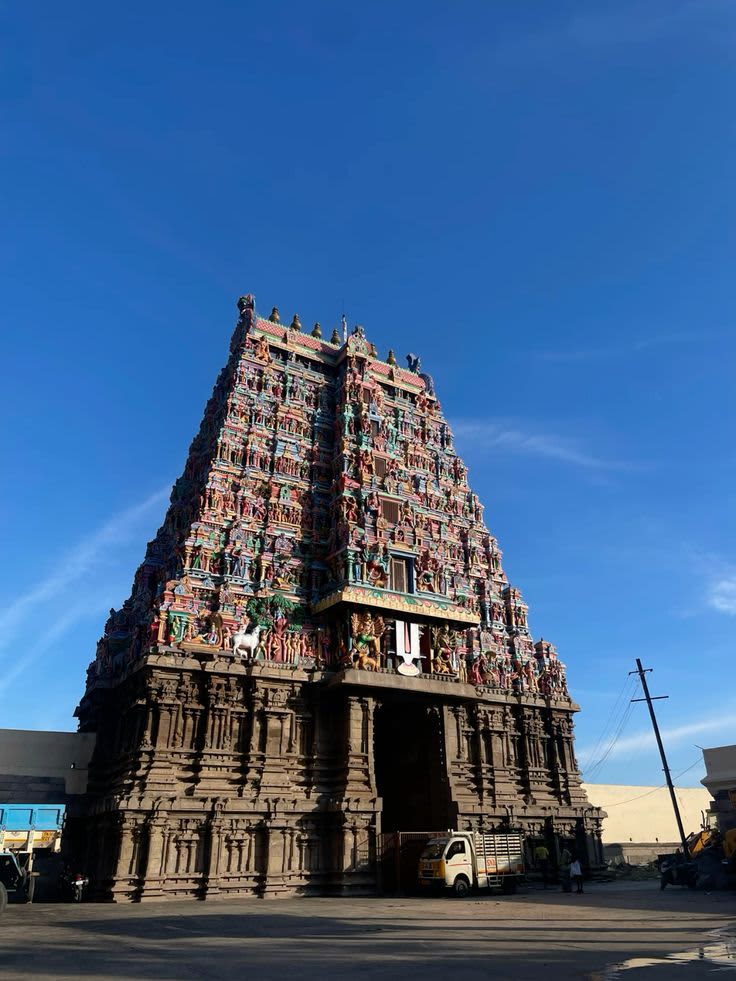
Madurai, one of the oldest continuously inhabited cities in the world and a major pilgrimage hub in Tamil Nadu, is centered on the awe-inspiring Meenakshi Amman Temple — a Dravidian architectural masterpiece with 14 elaborately sculpted gopurams that tower over the city's skyline. Dedicated to the goddess Meenakshi and her consort Sundareswarar (Shiva), the temple complex with its celebrated Hall of Thousand Pillars and sacred Golden Lotus Tank draws millions of devotees and travelers each year. Madurai's vibrant jasmine flower markets, street food culture, and the evening temple ceremony make it one of South India's most atmospheric and spiritually alive cities.
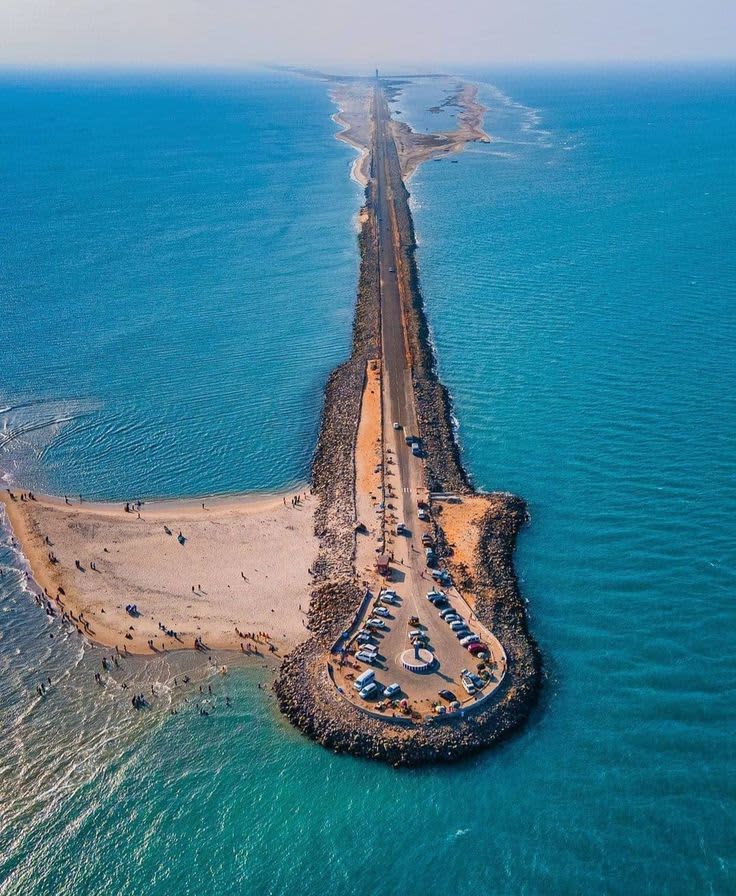
Rameswaram
Rameswaram, an island town in Tamil Nadu connected to the mainland by the iconic Pamban Bridge, is one of the holiest sites in Hinduism and one of the four sacred dhams (Char Dham) that every devout Hindu aspires to visit. The Ramanathaswamy Temple, famous for its 1,200-meter-long ornate corridors — the longest in any Hindu temple in the world — and its 22 sacred theerthams (water tanks), is the spiritual heart of the island. The pristine beaches, the mythological connection to the Ramayana, and the dramatic vistas of the Pamban Railway Bridge make Rameswaram a unique confluence of faith, history, and natural beauty.
Nearby destinations

Munnar
73 km · Munnar, perched at 1,600 meters in the Western Ghats of Kerala, is one of South India's most stunning hill stations, famous for its endless rolling carpets of tea plantations, misty mountains, and biodiversity-rich forests. The Eravikulam National Park near Munnar is the last stronghold of the endangered Nilgiri Tahr and transforms into a floral wonderland when the rare Neelakurinji flowers bloom every 12 years. Tea museum visits, plantation walks, sunrise at Meesapulimala peak, and stays in colonial-era tea estate bungalows make Munnar a quintessential Kerala highlands experience.
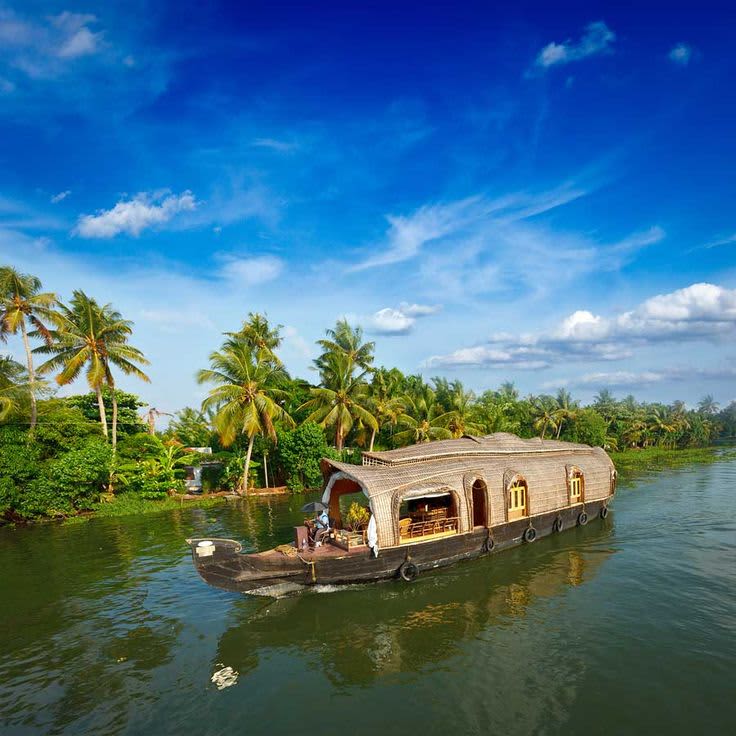
Alleppey
82 km · Alleppey, officially Alappuzha and known as the Venice of the East, is the gateway to Kerala's celebrated backwaters — a 900-kilometer network of lakes, rivers, and canals that form one of the most enchanting and photogenic landscapes in India. A houseboat cruise through the palm-fringed waterways of the Kuttanad region, gliding past paddy fields, coconut groves, and traditional villages accessible only by water, is one of India's most quintessential travel experiences. The Nehru Trophy Boat Race held on Punnamada Lake in August, the beautiful Alleppey Beach, and the region's delectable Kerala seafood cuisine complete the backwater experience.
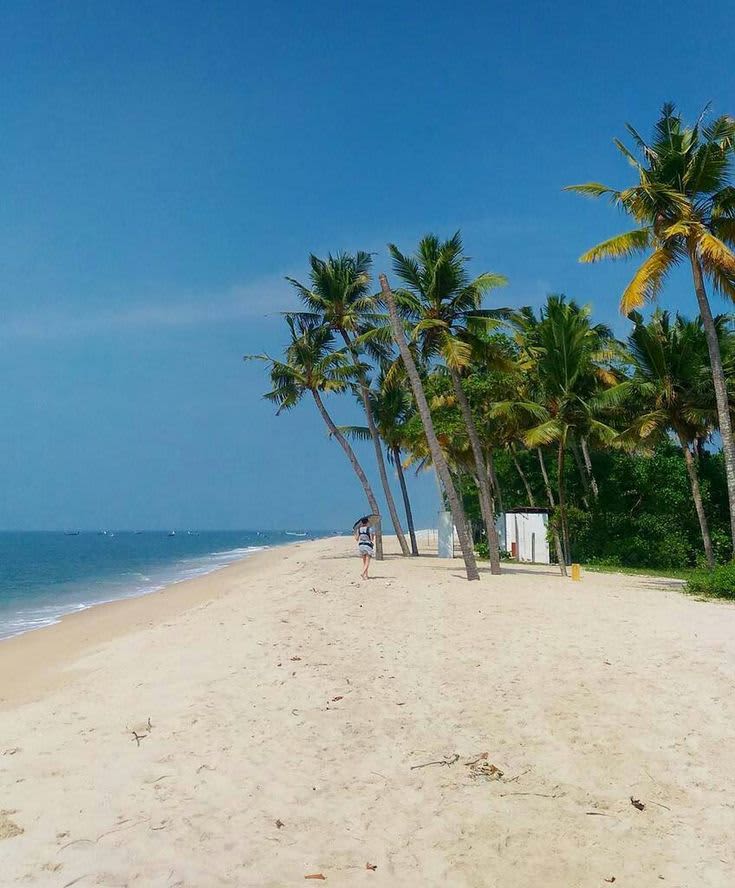
Marari
86 km · Marari, a tranquil fishing village on Kerala's coast between Kochi and Alleppey (Alappuzha), is home to one of India's most pristine and uncrowded beaches — a long, flat stretch of powdery white sand backed by casuarina groves and coconut palms, where the only disturbance is the gentle lapping of the Arabian Sea. Unlike the more tourist-heavy beaches of Kovalam, Marari retains the authentic character of a Kerala fishing village, with traditional wooden boats drawn up on the sand and local fishermen mending their nets. Eco-friendly beach resorts offering authentic Kerala cuisine, Ayurvedic treatments, and yoga retreats make Marari a perfect slow-travel destination.