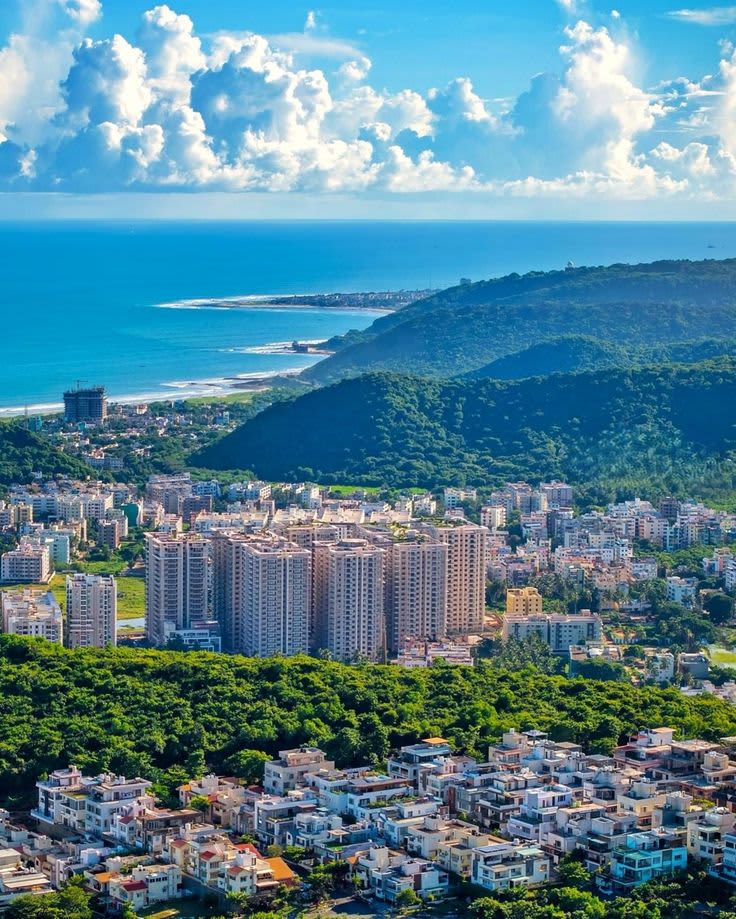
Tirupati, in Andhra Pradesh, is home to the Tirumala Venkateswara Temple atop the Tirumala Hills — the most visited place of worship on earth, receiving an average of 60,000 to 100,000 pilgrims daily....

Tirupati
Abode of Lord Venkateswara
Andhra Pradesh, India
4.9
Venkateswara TempleRichest TempleSeven Hills
spiritual
Duration: 1–2 Days
Budget/day: ₹1,000 – ₹3,500
Best season: Sep – Feb
Altitude: 152 m (city); 853 m (Tirumala)
Nearest airport: Tirupati Airport (15 km)
Nearest railway: Tirupati Railway Station (2 km)
Best places to visit in Tirupati


Things to do in Tirupati
- No photoSpiritualView full guide
3–8 hours (queue times vary enormously)
Tirumala Venkateswara Temple darshan
Perched at 853 metres atop the seven sacred hills of Tirumala, the Sri Venkateswara Temple is the most visited place of worship on earth — welcoming between 50,000 and 100,000 pilgrims every single day. The deity, Balaji or Venkateswara, is one of the most beloved forms of Lord Vishnu, and the darshan experience — moving through the ancient halls, hearing the Vedic chants, and finally standing before the golden idol — is overwhelming in its spiritual power regardless of your faith.
- No photoNature & SpiritualView full guide
2–3 hours
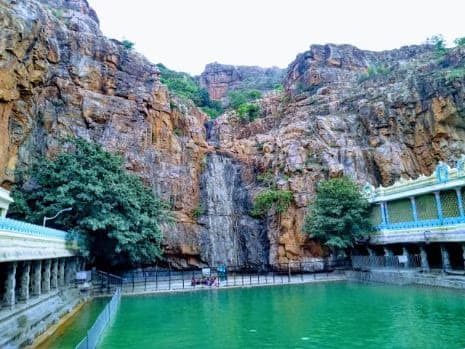
Akasaganga and Papavinasam waterfalls hike
The forested Tirumala hills above Tirupati hide two sacred waterfalls — Akasaganga, a small fall that pilgrims bathe in on the way to the temple, and Papavinasam, a larger cascade reached by a forest trail and believed to wash away sins. Both falls are set in beautiful, peaceful forest that feels far removed from the pilgrimage city below, and the trail between them is one of the best nature walks in Andhra Pradesh.
- No photoSpiritualView full guide
2–3 hours (including drive)
Sri Kalahasti Temple visit
Fifty kilometres from Tirupati, the ancient Sri Kalahasteeswara Temple is one of the Pancha Bhuta Stalas — the five temples representing the five elements of nature, with Kalahasti representing air (vayu). The temple sits at the base of a hill on the banks of the Swarnamukhi river, and its gopurams soaring above the riverside are one of the finest pieces of Dravidian temple architecture in South India.
Best Time to Visit and Weather Info
Best time: September to February
Avoid summer (Apr–Jun) as it gets very hot. Brahmotsavam festival months see massive crowds.
Winter
Best Time ⭐Oct – Feb
15°C – 28°C
Pleasant weather for darshan and exploration. Festive atmosphere during Brahmotsavam.
- Book TTD darshan tickets in advance online
- Arrive early for shorter queues
Summer
Avoid 🔴Mar – Jun
28°C – 42°C
Extremely hot, especially at the hilltop. Long queues in intense heat can be exhausting.
- Stay hydrated
- Avoid peak afternoon hours
Monsoon
Good 🟡Jul – Sep
22°C – 33°C
Lush greenery around Tirumala Hills. Moderate crowds. Occasional road disruptions.
- Carry rain gear
- Roads can be slippery
How to Reach
✈️By Air
Airport: Tirupati Airport (15 km)
Duration: ~30 mins
Flights from Hyderabad, Chennai, Bengaluru, and Delhi. Prepaid taxis available.
Taxi: ₹400 – ₹600
Airlines: IndiGo, Air India, SpiceJet
🚂By Train
Station: Tirupati Railway Station (2 km from city center)
Well-connected to Chennai, Hyderabad, Bengaluru, and Mumbai. Special pilgrim trains run frequently.
- Sapthagiri Express — Chennai (3.5 hrs)
- Venkatadri Express — Bengaluru (8 hrs)
🚌By Road
Well-connected via National Highways. APSRTC runs buses from major Andhra and Tamil Nadu cities.
- Chennai: 130 km, 3 hrs via NH-16
- Hyderabad: 570 km, 9 hrs via NH-65
- Bengaluru: 260 km, 5 hrs via NH-44
Itineraries
Local Food
Tirupati is known for its sattvic vegetarian food. The famous Tirupati Laddu (prasadam) is a GI-tagged delicacy.
Tirupati Laddu
Iconic GI-tagged prasadam made of besan, sugar, and dry fruits — a must-carry.
Where: TTD counters at Tirumala
₹50 – ₹25 (prasadam)
Pulihora
Tamarind rice tempered with mustard and peanuts — distributed as prasadam.
Where: Temple premises
Free (prasadam)
Dosa & Idli
Classic South Indian breakfast served across eateries.
Where: Local restaurants near bus stand
₹60 – ₹120
Pesarattu
Green moong dal crepe, a local Andhra specialty.
Where: Dhabas near Tirupati railway station
₹50 – ₹80
Non-vegetarian food is restricted in and around the temple town. Most hotels serve only vegetarian meals.
FAQs
- TTD offers various darshan options — free (special entry darshan), ₹300 (Sudarshana token), and VIP Seva tickets. Book online at ttdevasthanams.ap.gov.in well in advance.
Best Places Similar
Madurai
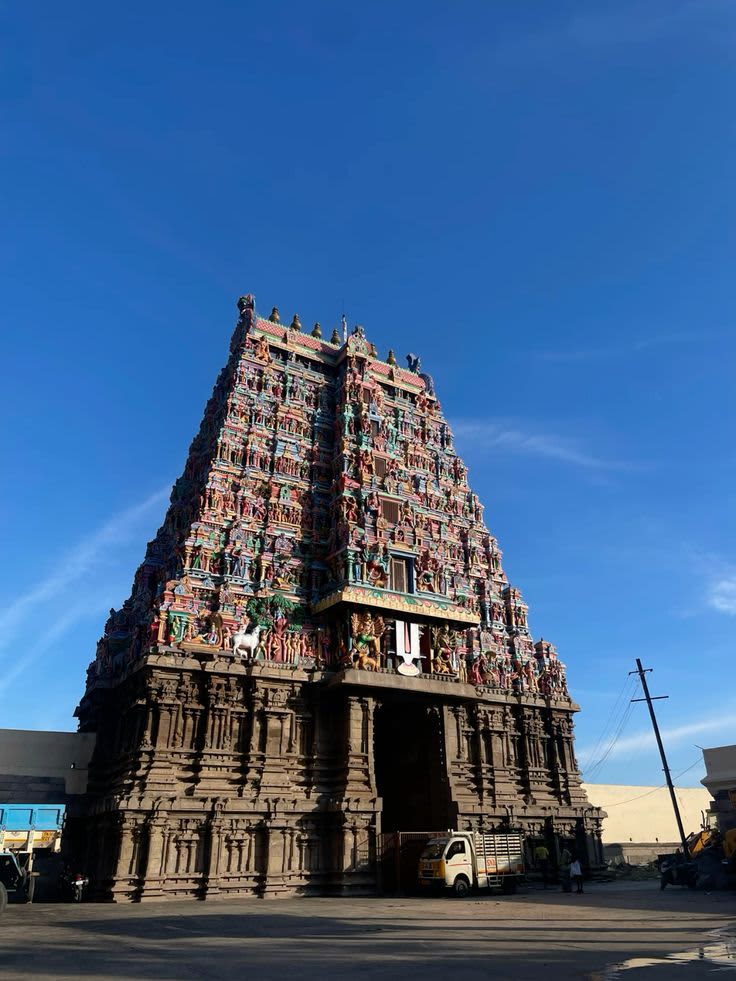
Madurai, one of the oldest continuously inhabited cities in the world and a major pilgrimage hub in Tamil Nadu, is centered on the awe-inspiring Meenakshi Amman Temple — a Dravidian architectural masterpiece with 14 elaborately sculpted gopurams that tower over the city's skyline. Dedicated to the goddess Meenakshi and her consort Sundareswarar (Shiva), the temple complex with its celebrated Hall of Thousand Pillars and sacred Golden Lotus Tank draws millions of devotees and travelers each year. Madurai's vibrant jasmine flower markets, street food culture, and the evening temple ceremony make it one of South India's most atmospheric and spiritually alive cities.

Rameswaram
Rameswaram, an island town in Tamil Nadu connected to the mainland by the iconic Pamban Bridge, is one of the holiest sites in Hinduism and one of the four sacred dhams (Char Dham) that every devout Hindu aspires to visit. The Ramanathaswamy Temple, famous for its 1,200-meter-long ornate corridors — the longest in any Hindu temple in the world — and its 22 sacred theerthams (water tanks), is the spiritual heart of the island. The pristine beaches, the mythological connection to the Ramayana, and the dramatic vistas of the Pamban Railway Bridge make Rameswaram a unique confluence of faith, history, and natural beauty.
Kanchipuram
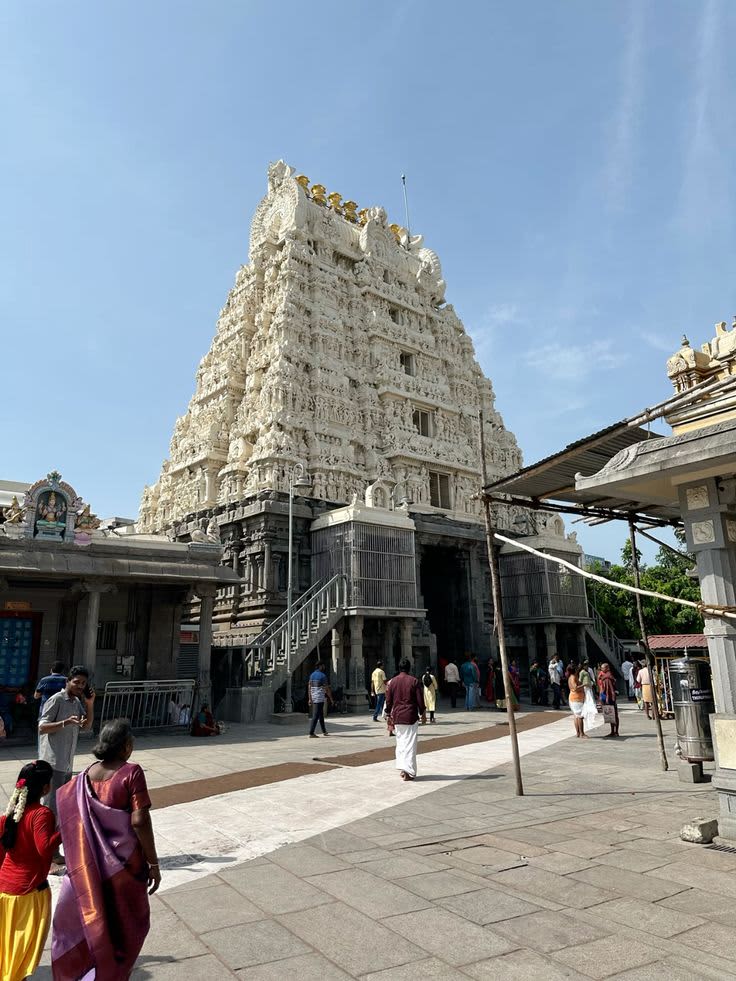
Kanchipuram, one of India's seven sacred pilgrimage cities and the Temple City of Tamil Nadu, is home to over 1,000 temples and is equally renowned worldwide as the Silk City for its exquisite handwoven Kanchipuram silk sarees, prized as among the finest in the world. The magnificent Ekambaranatha Temple, Kamakshi Amman Temple, and the Kailasanathar Temple — one of the oldest temples in South India — are masterpieces of Pallava and Chola Dravidian architecture. Kanchipuram has been a seat of Hindu philosophical learning for centuries and remains a living embodiment of Tamil cultural and spiritual heritage.
Nearby destinations
Kanchipuram
94 km · Kanchipuram, one of India's seven sacred pilgrimage cities and the Temple City of Tamil Nadu, is home to over 1,000 temples and is equally renowned worldwide as the Silk City for its exquisite handwoven Kanchipuram silk sarees, prized as among the finest in the world. The magnificent Ekambaranatha Temple, Kamakshi Amman Temple, and the Kailasanathar Temple — one of the oldest temples in South India — are masterpieces of Pallava and Chola Dravidian architecture. Kanchipuram has been a seat of Hindu philosophical learning for centuries and remains a living embodiment of Tamil cultural and spiritual heritage.
Hampi
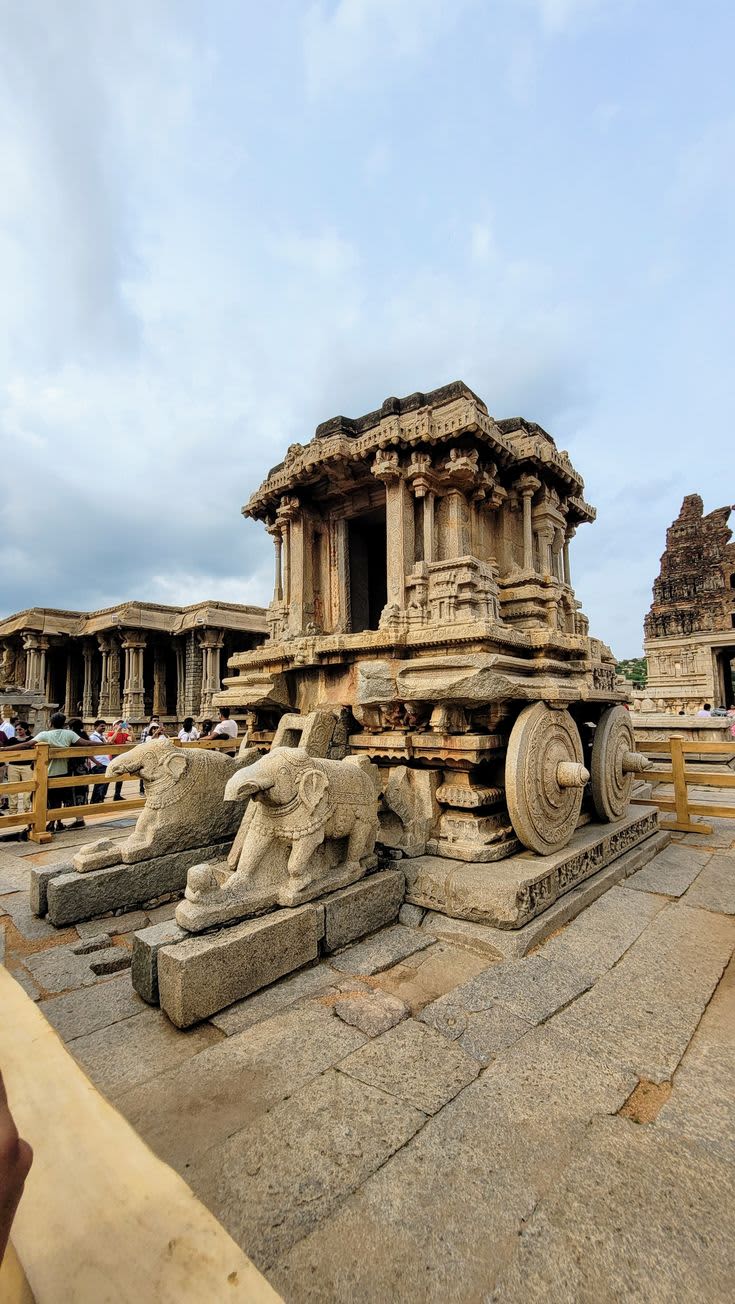
371 km · Hampi, a UNESCO World Heritage Site in Karnataka, is one of the most evocative and visually stunning historical destinations in India — the ruins of Vijayanagara, once one of the largest and wealthiest cities in the medieval world and capital of the last great Hindu empire, spread across an otherworldly landscape of giant boulders, banana plantations, and the Tungabhadra River. The Virupaksha Temple, Vittala Temple with its famous Stone Chariot and musical pillars, the Lotus Mahal, and Elephant Stables are architectural masterpieces within a landscape of over 1,600 monuments. Cycling or hiking among Hampi's surreal boulder fields at sunrise and sunset is an experience of rare beauty and historical majesty.
Coonoor
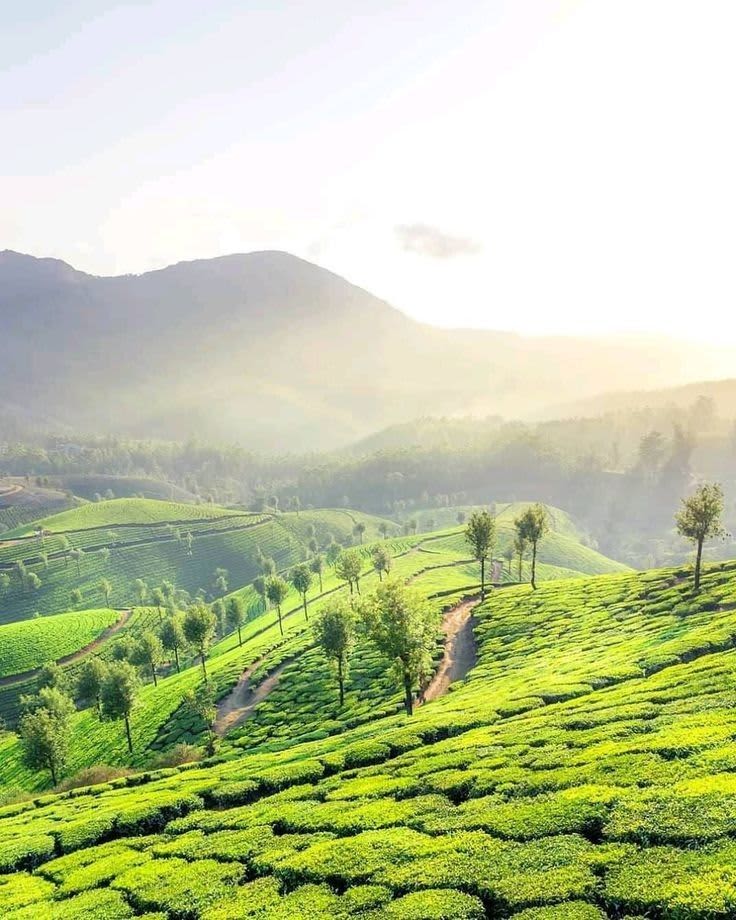
381 km · Coonoor, the second-largest hill station in the Nilgiris after Ooty, is a tranquil retreat in Tamil Nadu known for its rolling tea plantations, colonial-era bungalows, and a refreshingly unhurried pace of life. The iconic Nilgiri Mountain Railway — a UNESCO World Heritage toy train — connects Coonoor to Ooty through breathtaking scenery of tea estates and forests. Sim's Park with its impressive botanical collection, the dramatic Dolphin's Nose viewpoint, and proximity to the organic tea gardens of the Nilgiris make Coonoor an ideal offbeat hill station getaway.