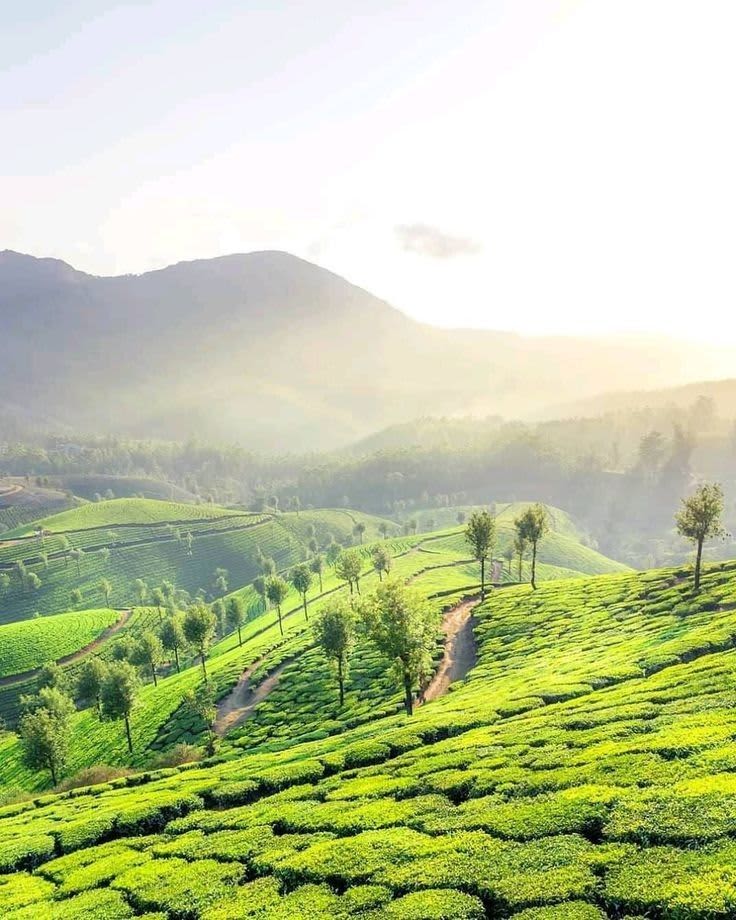
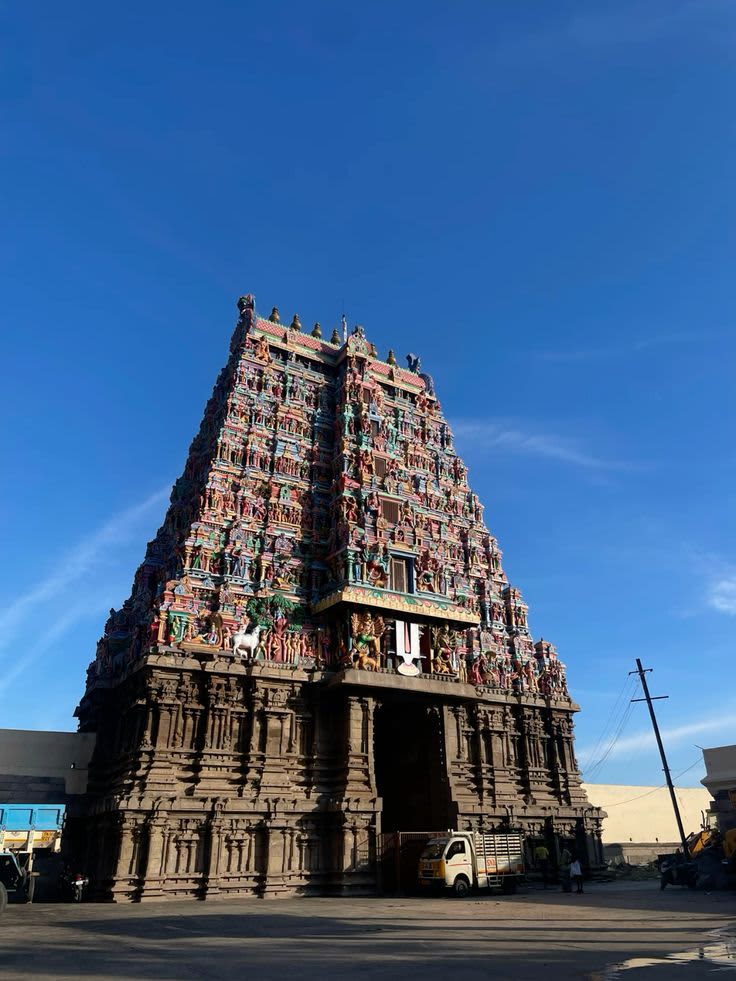
Madurai, one of the oldest continuously inhabited cities in the world and a major pilgrimage hub in Tamil Nadu, is centered on the awe-inspiring Meenakshi Amman Temple — a Dravidian architectural mast...
Madurai
Temple City of South India
Tamil Nadu, India
4.8
Meenakshi TempleAncient CityTamil Culture
spiritualheritage
Duration: 2–3 Days
Budget/day: ₹1,200 – ₹3,500
Best season: Oct – Mar
Altitude: 101 m
Nearest airport: Madurai Airport (12 km)
Nearest railway: Madurai Junction (3 km)
Best places to visit in Madurai


Things to do in Madurai
- No photoSpiritual & HeritageView full guide
2–4 hours
Meenakshi Amman Temple exploration
The Meenakshi Amman Temple is one of the greatest masterpieces of Dravidian architecture ever built — a 45-acre complex of towering gopurams covered in thousands of hand-carved and brightly painted deities, corridors of columns stretching hundreds of metres, sacred tanks reflecting the towers in still water, and the constant sound of music, bells, and chanting. It is not just a temple but an entire sacred city, and no number of photographs can prepare you for the scale and intensity of being inside it.
- No photoHeritageView full guide
1–1.5 hours
Thirumalai Nayakkar Mahal palace tour
The 17th-century palace of King Thirumalai Nayakkar is a magnificent example of Dravidian and Baroque architecture — an unusual Indo-Italian hybrid with massive 12-metre stone columns, an enormous central octagonal courtyard, and stuccoed ceilings that give the space an almost Mediterranean grandeur. Less visited than the temple, it offers a quieter but equally impressive glimpse into Madurai's royal history.
- No photoCulture & FoodView full guide
2–3 hours
Old city bazaar and street food walk
Madurai's ancient bazaar lanes radiating from the temple are among the most intense and aromatic market experiences in South India — jasmine flower sellers, silk saree shops, brass lamp vendors, and street food stalls serving jigarthanda, kari dosas, and filter coffee in a barely-changed medieval streetscape. This is where the city's 2,500-year mercantile history plays out daily in full sensory colour.
Best Time to Visit and Weather Info
Best time: October to March
Avoid April–June as it gets scorchingly hot. The Chithirai festival (April–May) draws massive crowds despite heat.
Winter
Best Time ⭐Oct – Mar
20°C – 32°C
Most pleasant weather for sightseeing. Ideal for temple exploration and cultural tours.
- Visit Meenakshi Amman Temple at sunrise
- Evening aarti at 9 PM is unmissable
Summer
Avoid 🔴Apr – Jun
30°C – 42°C
Very hot and humid. Chithirai Brahmotsavam in April–May is grand but extremely crowded.
- Carry sun protection
- Visit temples early morning
Monsoon
Good 🟡Jul – Sep
25°C – 35°C
North-east monsoon in Oct–Nov can cause heavy rain. City sightseeing mostly unaffected.
- Carry umbrella
- Check festival calendars
How to Reach
✈️By Air
Airport: Madurai Airport (12 km)
Duration: ~30 mins
Flights from Chennai, Bengaluru, Mumbai, and Delhi. Auto-rickshaws and taxis available.
Taxi: ₹300 – ₹500
Airlines: IndiGo, Air India, SpiceJet
🚂By Train
Station: Madurai Junction
Excellent rail connectivity to Chennai, Bengaluru, Mumbai, and Kochi. Madurai is a major South Indian railway hub.
- Vaigai Express — Chennai (7 hrs)
- Pandian Express — Chennai (9 hrs)
🚌By Road
TNSTC and private operators run buses from Chennai, Coimbatore, Trichy, and other cities.
- Chennai: 462 km, 8 hrs via NH-38
- Coimbatore: 210 km, 4 hrs via NH-544
- Rameswaram: 173 km, 3.5 hrs via NH-87
Local Food
Madurai is a food lover's paradise with spicy Chettinad cuisine and famous street food. Mutton-based dishes are especially popular.
Madurai Kari Dosa
Crispy dosa topped with spiced minced meat — a legendary street food.
Where: Murugan Idli Shop, West Masi Street
₹80 – ₹150
Jigarthanda
Famous local cold drink made of milk, almond gum, sarsaparilla syrup, and ice cream.
Where: Old Jigarthanda shops near Meenakshi Temple
₹50 – ₹100
Parotta & Salna
Flaky layered flatbread with spicy gravy — a Madurai street classic.
Where: Street stalls around railway station
₹60 – ₹100
Chettinad Chicken Curry
Aromatic South Indian curry with kalpasi and marathi mokku spices.
Where: Amma Mess, North Veli Street
₹150 – ₹250
Idiyappam & Coconut Milk
Delicate rice noodles served with sweet coconut milk — a gentle breakfast.
Where: Local eateries near Meenakshi Temple
₹50 – ₹80
Madurai has excellent vegetarian and non-vegetarian options. Street food near the temple is legendary.
FAQs
- Madurai is famous for the Meenakshi Amman Temple — one of India's grandest Dravidian temples — along with its history, street food, and the annual Chithirai festival.
Best Places Similar
Rameswaram
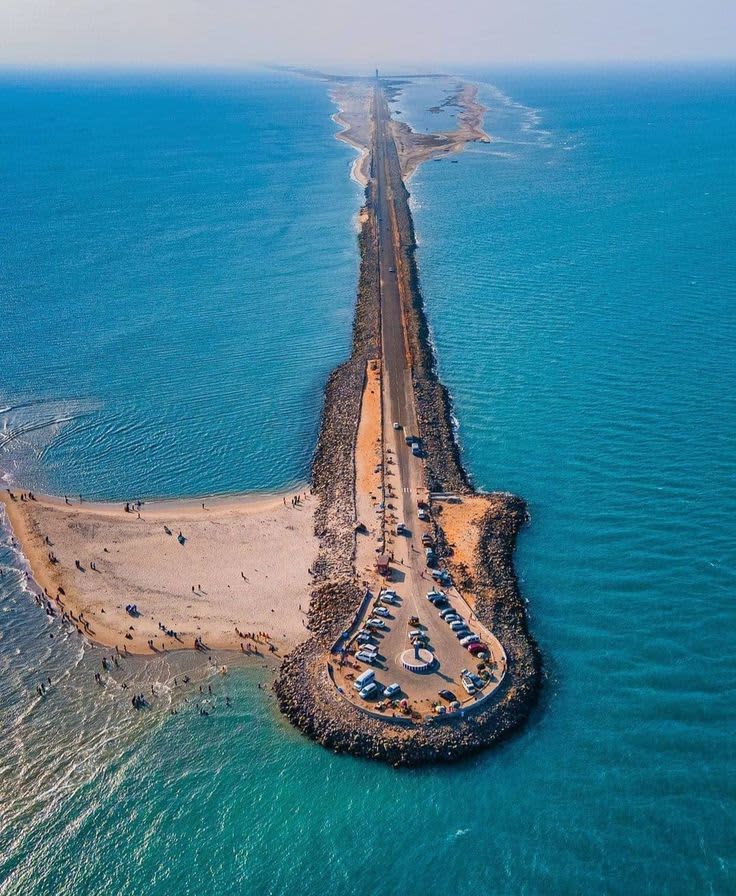
Rameswaram, an island town in Tamil Nadu connected to the mainland by the iconic Pamban Bridge, is one of the holiest sites in Hinduism and one of the four sacred dhams (Char Dham) that every devout Hindu aspires to visit. The Ramanathaswamy Temple, famous for its 1,200-meter-long ornate corridors — the longest in any Hindu temple in the world — and its 22 sacred theerthams (water tanks), is the spiritual heart of the island. The pristine beaches, the mythological connection to the Ramayana, and the dramatic vistas of the Pamban Railway Bridge make Rameswaram a unique confluence of faith, history, and natural beauty.
Kanchipuram
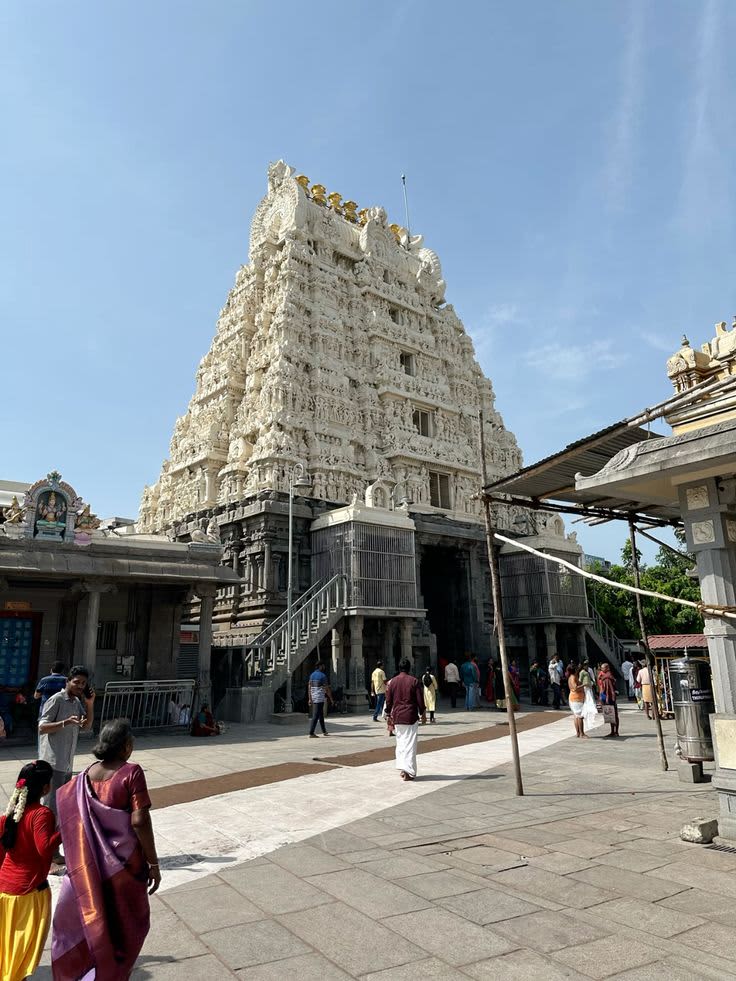
Kanchipuram, one of India's seven sacred pilgrimage cities and the Temple City of Tamil Nadu, is home to over 1,000 temples and is equally renowned worldwide as the Silk City for its exquisite handwoven Kanchipuram silk sarees, prized as among the finest in the world. The magnificent Ekambaranatha Temple, Kamakshi Amman Temple, and the Kailasanathar Temple — one of the oldest temples in South India — are masterpieces of Pallava and Chola Dravidian architecture. Kanchipuram has been a seat of Hindu philosophical learning for centuries and remains a living embodiment of Tamil cultural and spiritual heritage.

Tirupati
Tirupati, in Andhra Pradesh, is home to the Tirumala Venkateswara Temple atop the Tirumala Hills — the most visited place of worship on earth, receiving an average of 60,000 to 100,000 pilgrims daily. Dedicated to Lord Venkateswara, a form of Vishnu, the temple is not only the world's richest religious institution but also one of the most spiritually charged destinations in Hinduism. The famous 'Tirupati laddu' prasad, the tradition of tonsuring one's head as an offering, and the breathtaking view of the gilded gopuram rising above the Nallamala Hills make a Tirupati pilgrimage an unforgettable experience.
Nearby destinations
Kodaikanal
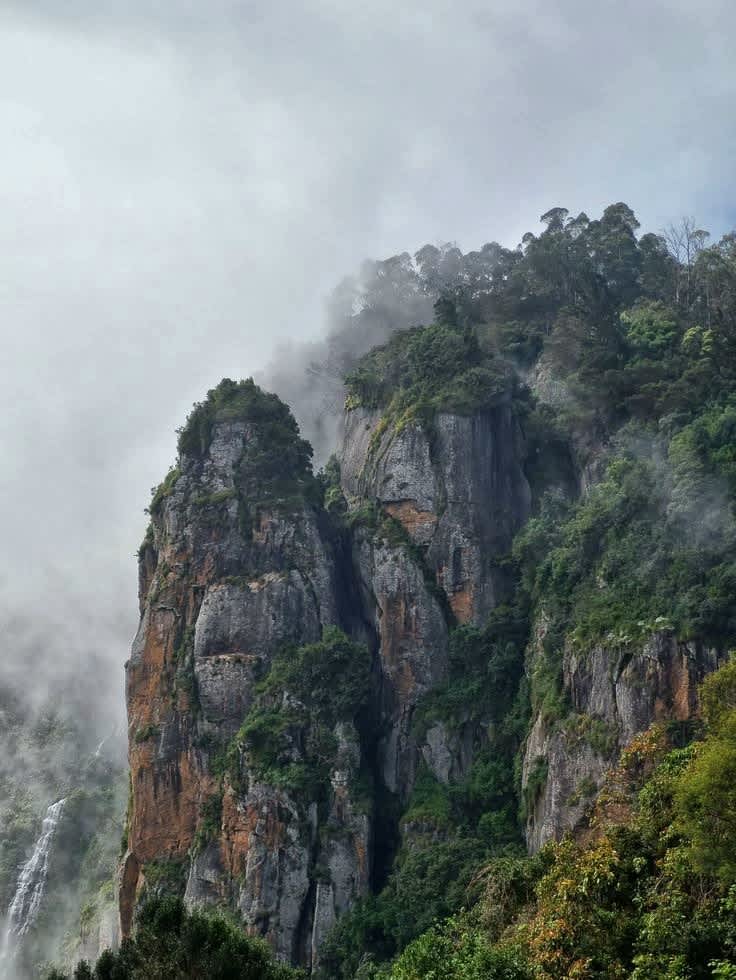
77 km · Kodaikanal, the "Princess of Hill Stations" in Tamil Nadu's Palani Hills, sits at 2,133 meters and enchants visitors with its star-shaped Kodai Lake, shola forests, dramatic cliff-top viewpoints, and the rare Kurinji flowers that bloom in purple waves across the hillsides every 12 years. The Pillar Rocks — three vertical rock pillars rising 122 meters above a wooded valley — and the Bear Shola Falls are among the natural highlights, while the lake promenade lined with rental boats and picnicking families captures the town's leisurely atmosphere. Kodaikanal's cool, misty climate, flower nurseries, and home-made chocolates and eucalyptus oil make it a uniquely charming South Indian hill retreat.

Munnar
118 km · Munnar, perched at 1,600 meters in the Western Ghats of Kerala, is one of South India's most stunning hill stations, famous for its endless rolling carpets of tea plantations, misty mountains, and biodiversity-rich forests. The Eravikulam National Park near Munnar is the last stronghold of the endangered Nilgiri Tahr and transforms into a floral wonderland when the rare Neelakurinji flowers bloom every 12 years. Tea museum visits, plantation walks, sunrise at Meesapulimala peak, and stays in colonial-era tea estate bungalows make Munnar a quintessential Kerala highlands experience.
Sabarimala
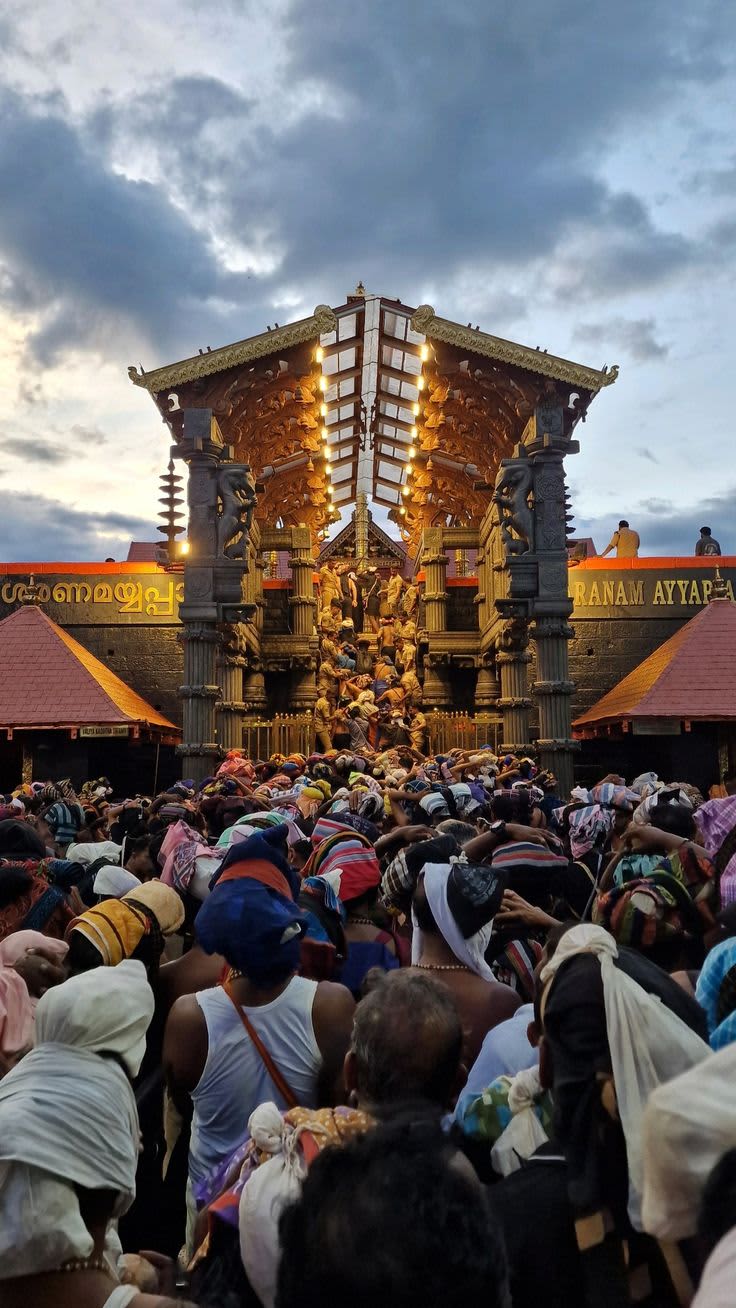
126 km · Sabarimala, nestled in the forested hills of the Western Ghats in Kerala, is one of the largest Hindu pilgrimage sites in the world and the abode of Lord Ayyappa — a deity embodying dharma, celibacy, and universal brotherhood. The annual pilgrimage season from November to January sees millions of devotees, clad in traditional black attire, undertaking the challenging 5-kilometer trek through dense jungle to reach the hilltop shrine. The journey to Sabarimala is as much a physical and spiritual ordeal as it is an act of devotion, passing through the sacred 18 golden steps before reaching the temple.