Mathura, situated on the western bank of the Yamuna River in Uttar Pradesh, is one of Hinduism's most sacred cities and the birthplace of Lord Krishna — the beloved deity whose life and teachings form...
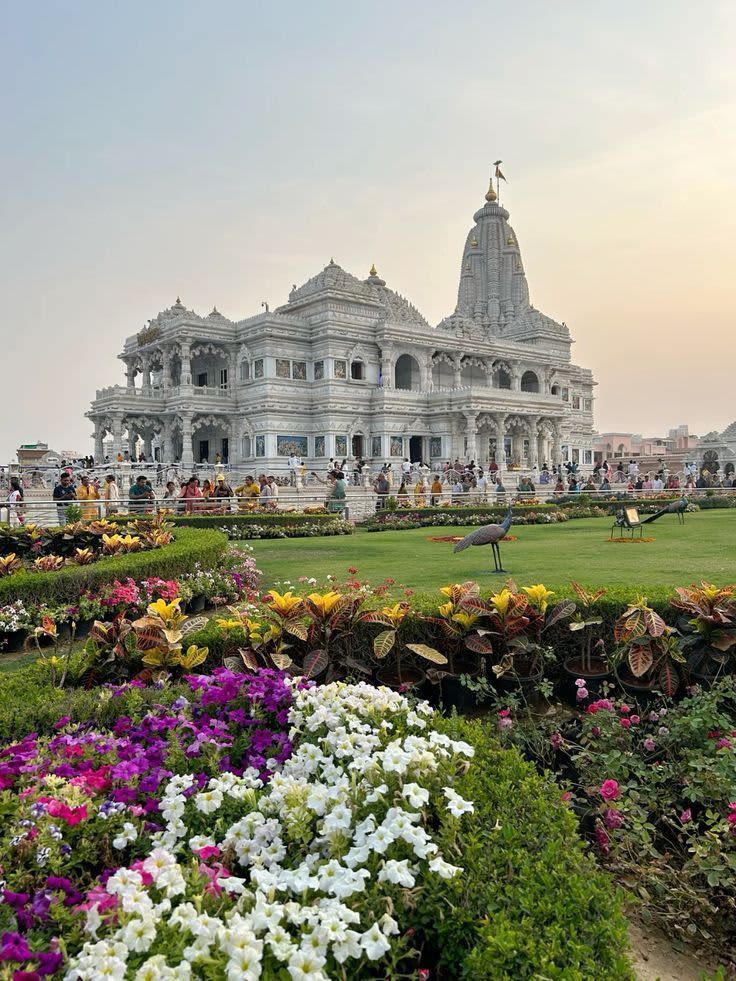
Mathura
Birthplace of Lord Krishna
Uttar Pradesh, India
4.7
Krishna JanmabhoomiAncient TemplesYamuna Ghats
spiritual
Duration: 1–2 Days
Budget/day: ₹1,000 – ₹3,000
Best season: Oct – Mar
Altitude: 174 m
Nearest airport: Agra Airport (58 km) / Delhi Airport (160 km)
Nearest railway: Mathura Junction (2 km)
Best places to visit in Mathura

Things to do in Mathura
- No photoSpiritualView full guide
1.5–2 hours
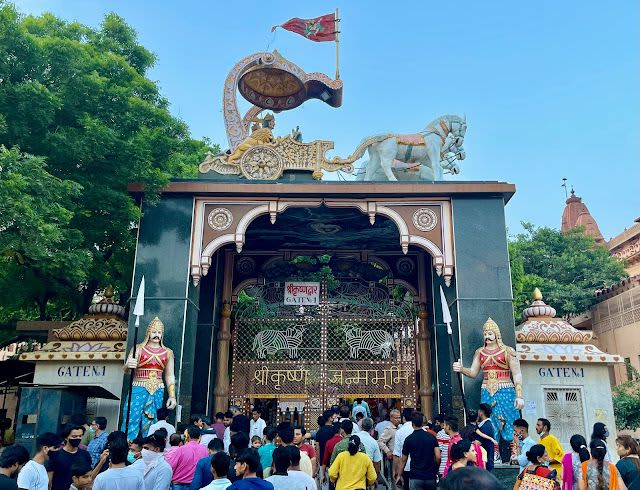
Krishna Janmabhoomi Temple complex
The Krishna Janmabhoomi complex in Mathura marks the exact site of Lord Krishna's birth — a prison cell in the Kansa palace where Devaki and Vasudeva were held captive. The complex includes the main Keshav Dev temple, the underground cell (prison chamber) that is the actual birthplace, and the adjoining mosque — a setting of extraordinary and complicated historical layering. For devotees of Krishna, this is the holiest ground on earth.
- No photoSpiritual & ScenicView full guide
45 minutes to 1 hour
Yamuna ghats boat ride
The Yamuna river flows through Mathura and its ghats — Vishram Ghat, Kans Qila Ghat, Swami Ghat — are the living heart of the city's daily devotional life. A simple wooden boat rowed along the river at dawn passes all these ghats with pilgrims bathing, priests performing rituals, and the ancient city rising above the riverbanks in a scene that has barely changed for centuries.
- No photoSpiritualView full guide
4–5 hours (half day)
Vrindavan day trip — 108 temples
Twelve kilometres from Mathura, Vrindavan is where the young Krishna grew up and performed his legendary Rasleela with the Gopis in the forests along the Yamuna. Today those forests are gone but the town contains over 5,000 temples — including the magnificent Banke Bihari, the ancient Radha Raman, and the towering ISKCON temple — creating an atmosphere of almost continuous devotional music and colour.
Best Time to Visit and Weather Info
Best time: October to March
Holi festival (Feb–Mar) in Mathura–Vrindavan is legendary but extremely crowded. Janmashtami (Aug) is Krishna's birthday festival.
Winter
Best Time ⭐Oct – Feb
5°C – 22°C
Ideal for temple visits and Yamuna Ghat walks. Parikrama is comfortable in cool weather.
- Visit Shri Krishna Janmabhoomi at dawn
- Attend Yamuna Ghat aarti at sunrise and sunset
Holi
Festive 🎉Mar
18°C – 30°C
Mathura celebrates Holi over multiple weeks starting with Barsana Lathmar Holi. The most vibrant Holi in India.
- Book accommodation 2 months ahead
- Barsana Lathmar Holi is the most famous
How to Reach
✈️By Air
Airport: Agra Airport (58 km) / Indira Gandhi International, Delhi (160 km) (58–160 km)
Duration: 1.5–3 hrs
Flying to Delhi and driving to Mathura via Yamuna Expressway is the most common route.
Taxi: ₹2,500 – ₹4,000 from Delhi
Airlines: IndiGo, Air India
🚂By Train
Station: Mathura Junction
Excellent connectivity on Delhi–Mumbai and Delhi–Chennai main lines. Many trains stop here.
- Gatimaan Express — Delhi Hazrat Nizamuddin (1.5 hrs to Agra, 1 hr to Mathura)
- Shatabdi Express — Delhi (2 hrs to Mathura)
🚌By Road
Yamuna Expressway from Delhi (160 km, 2.5 hrs). UPSRTC buses from Delhi, Agra, and Jaipur.
- Delhi: 160 km, 2.5 hrs via Yamuna Expressway
- Agra: 58 km, 1 hr via NH-19
- Jaipur: 235 km, 4.5 hrs via NH-21
Local Food
Mathura is the land of Peda — the most famous sweet in all of India, made here for centuries. All food is strictly vegetarian.
Mathura Peda
GI-tagged milk-based sweet — the most famous peda in India, sold fresh at every sweet shop.
Where: Brij Bhoomi Sweets, Holi Gate
₹300 – ₹600/kg
Kachori & Jalebi
Crispy stuffed kachori with spicy potato filling, paired with golden jalebi for breakfast.
Where: Old market near Vishram Ghat
₹40 – ₹80
Lassi
Thick creamy yogurt drink — served in kulhads (clay cups) at Yamuna Ghat stalls.
Where: Stalls near Vishram Ghat
₹30 – ₹60
Gajak
Sesame and jaggery brittle — a winter specialty from the Braj region.
Where: Sweet shops in Mathura market
₹150 – ₹300/kg
Mathura is a vegetarian city. No meat, fish, or eggs are served anywhere within the city.
FAQs
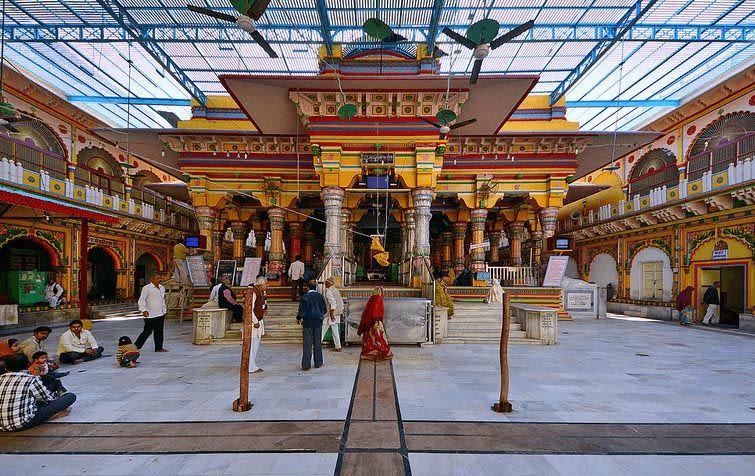
- Mathura is the birthplace of Lord Krishna — one of Hinduism's most beloved deities. Shri Krishna Janmabhoomi Temple, Vishram Ghat, Dwarkadhish Temple, and the Yamuna Ghat aarti are the main attractions.
Best Places Similar
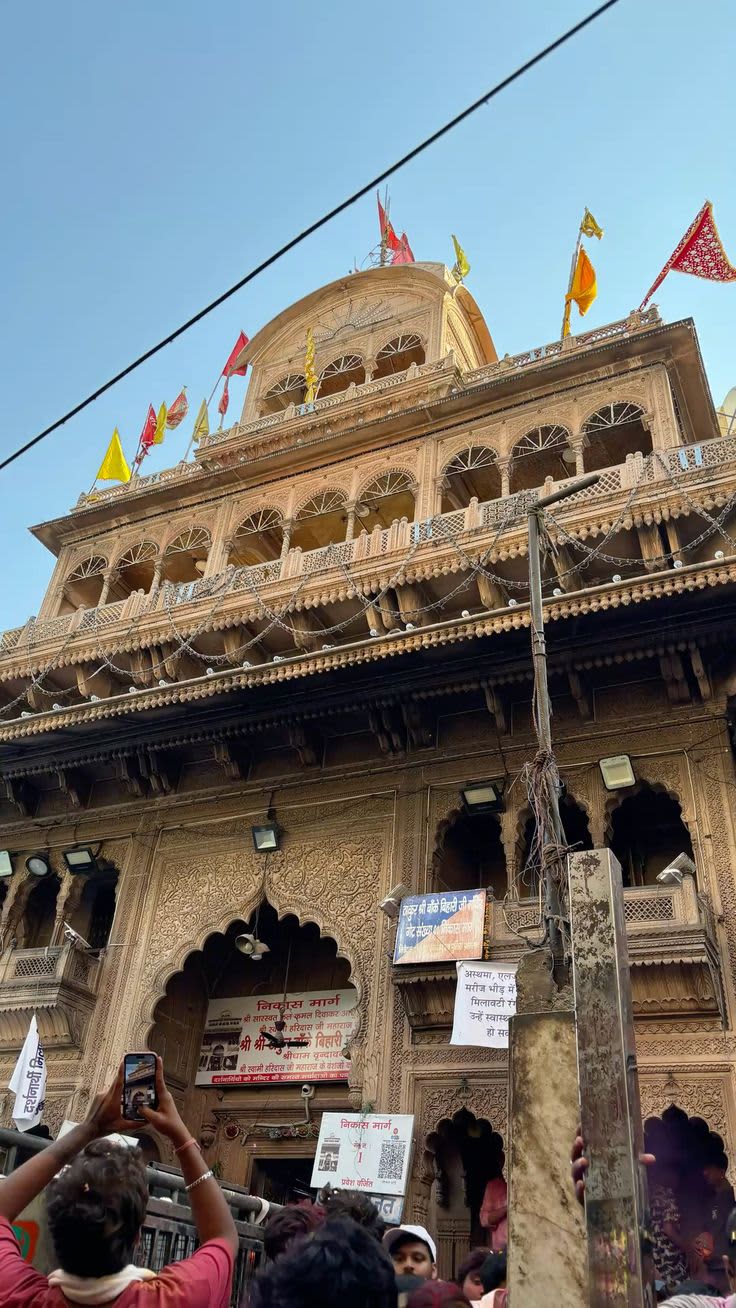
Vrindavan
Vrindavan, a sacred town on the Yamuna River near Mathura in Uttar Pradesh, is revered as the place where young Krishna spent his childhood, and every corner of this town resonates with devotional music, temple bells, and the fragrance of flowers and incense. The town's 5,000-plus temples — including the grand Banke Bihari Mandir, the Radha Raman Temple, and the ISKCON complex — are centers of intense Vaishnava worship that pulsates with joy and bhakti. The enchanting Yamuna ghats, the Nidhivan forest sacred to Radha-Krishna lore, and the festival of Radhashtami make Vrindavan one of India's most spiritually alive and emotionally moving destinations.
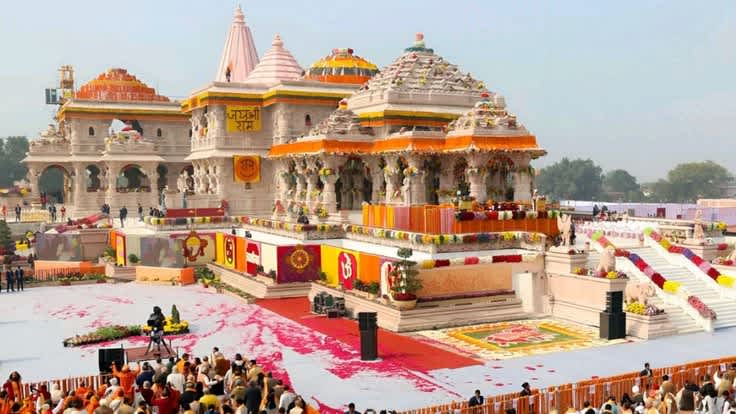
Ayodhya
Ayodhya, situated on the banks of the Sarayu River in Uttar Pradesh, is one of the seven sacred cities (Sapta Puri) of Hinduism and the legendary birthplace of Lord Rama — one of the most revered deities in the Hindu faith. The newly constructed Ram Mandir at the Ram Janmabhoomi site has transformed Ayodhya into one of India's most visited and rapidly developing pilgrimage destinations. The city's ancient ghats, the Kanak Bhawan temple, the Hanuman Garhi shrine, and the magical experience of the evening aarti on the Sarayu make Ayodhya a profoundly spiritual destination with deep historical and cultural significance.
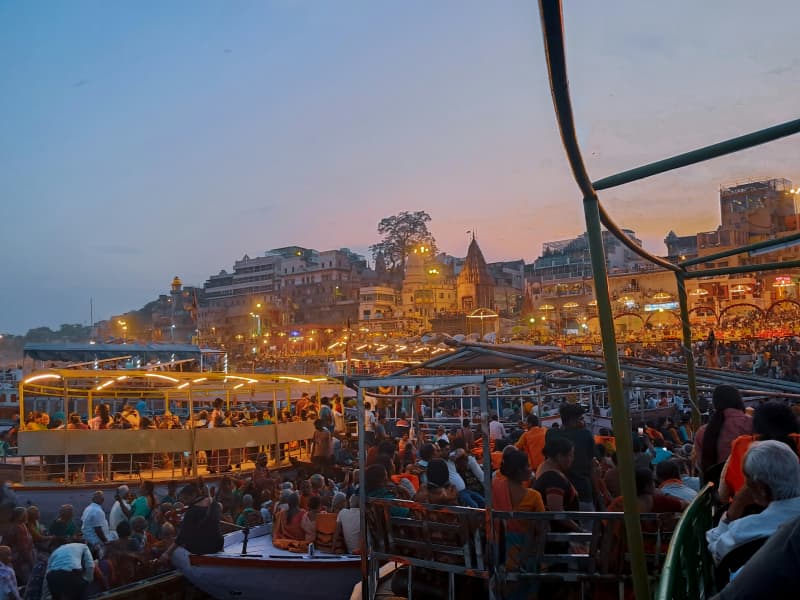
Varanasi
Varanasi, one of the world's oldest continuously inhabited cities and Hinduism's most sacred destination, sits on the banks of the Ganges in Uttar Pradesh and is believed by Hindus to be the city where dying releases one from the cycle of rebirth. The ghats of Varanasi — 84 in all — are the spiritual heartbeat of India, where the faithful bathe at dawn, priests perform elaborate fire rituals, and funeral pyres burn perpetually at the Manikarnika Ghat. The ancient temples, the labyrinthine old city lanes, the evening Ganga Aarti ceremony, and the profound sense of mortality and transcendence make Varanasi the most spiritually intense city in India.
Nearby destinations
Vrindavan
10 km · Vrindavan, a sacred town on the Yamuna River near Mathura in Uttar Pradesh, is revered as the place where young Krishna spent his childhood, and every corner of this town resonates with devotional music, temple bells, and the fragrance of flowers and incense. The town's 5,000-plus temples — including the grand Banke Bihari Mandir, the Radha Raman Temple, and the ISKCON complex — are centers of intense Vaishnava worship that pulsates with joy and bhakti. The enchanting Yamuna ghats, the Nidhivan forest sacred to Radha-Krishna lore, and the festival of Radhashtami make Vrindavan one of India's most spiritually alive and emotionally moving destinations.
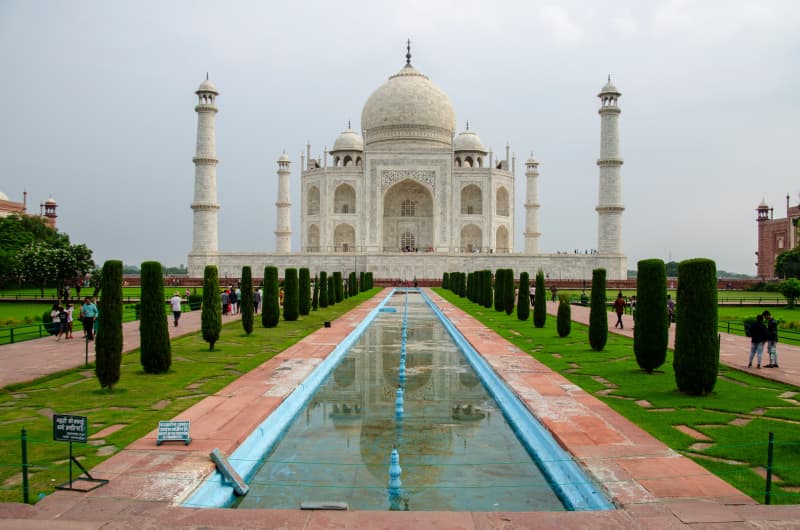
Agra
48 km · Agra, situated on the banks of the Yamuna River in Uttar Pradesh, is home to the Taj Mahal — one of the Seven Wonders of the World and perhaps the most celebrated monument to love ever built — attracting millions of visitors each year with its transcendent marble beauty at sunrise and sunset. The city also shelters the magnificent Agra Fort, a UNESCO World Heritage Site, and the deserted imperial city of Fatehpur Sikri nearby. Together these sites make Agra the crown jewel of India's Golden Triangle tourist circuit and a non-negotiable stop on any visit to the Indian subcontinent.
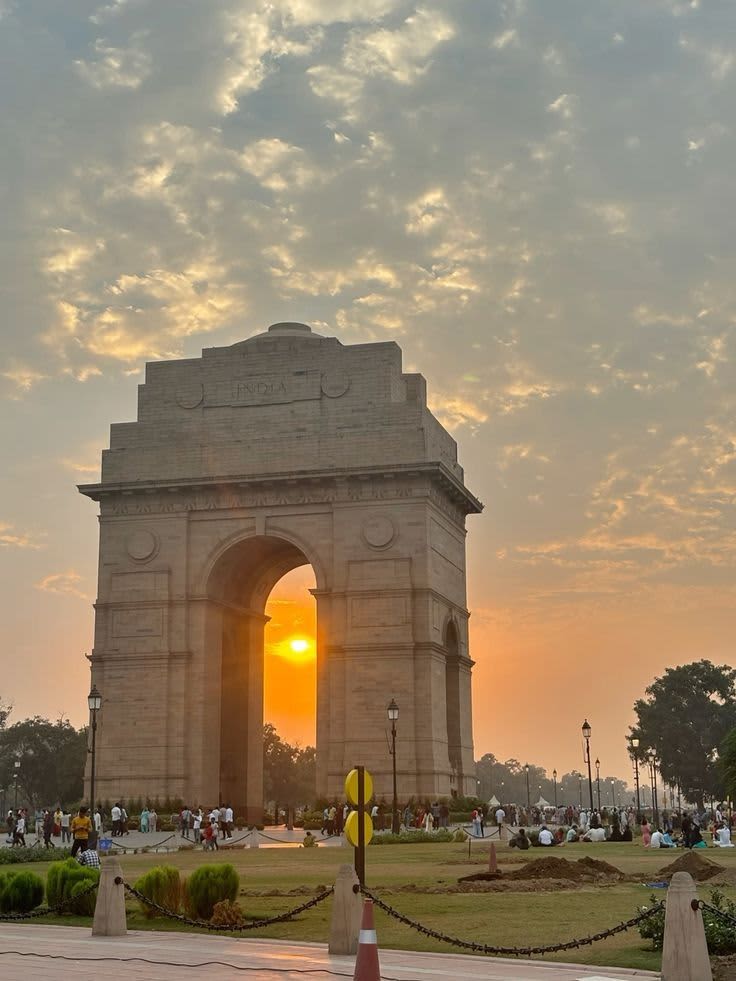
Delhi
133 km · Delhi, India's sprawling national capital, is one of the world's oldest continuously inhabited cities and a living tapestry of civilizations spanning 5,000 years, from the medieval lanes of Shahjahanabad to the wide boulevards of Lutyens' Delhi. UNESCO World Heritage Sites like the Red Fort, Humayun's Tomb, and the Qutub Minar stand alongside the modern parliament buildings and a world-class metro system. Delhi's extraordinary street food scene — from Old Delhi's parathas to Chandni Chowk's jalebis — and its vibrant markets, Mughal monuments, and cultural institutions make it an endlessly compelling destination.