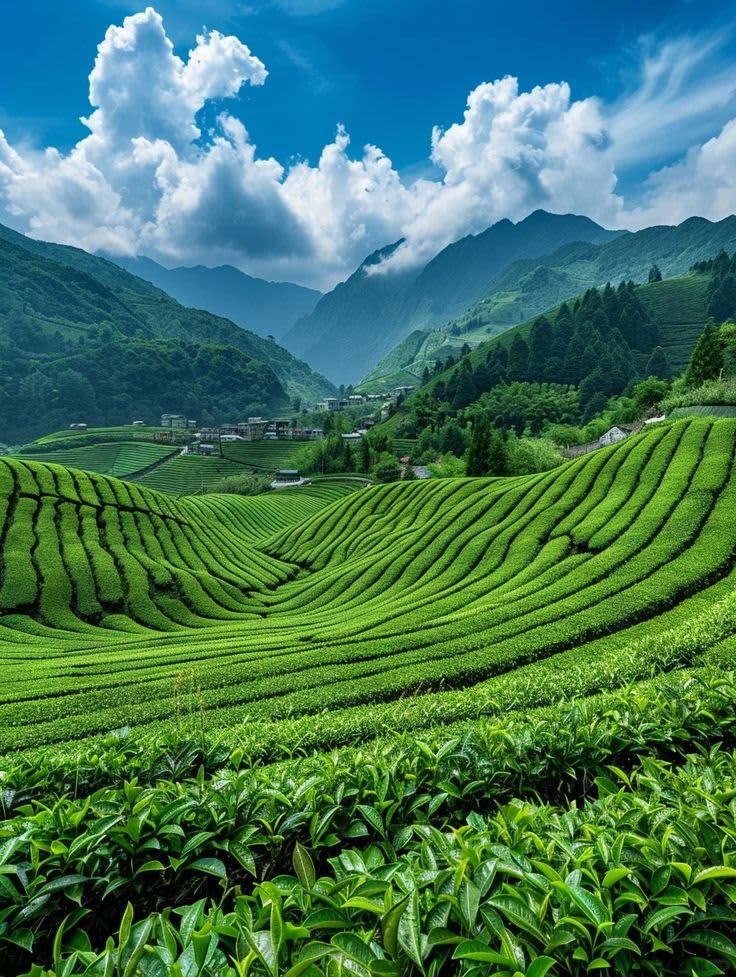
Munnar, perched at 1,600 meters in the Western Ghats of Kerala, is one of South India's most stunning hill stations, famous for its endless rolling carpets of tea plantations, misty mountains, and bio...

Munnar
Kashmir of South India
Kerala, India
4.8
Tea GardensAnamudi PeakMattupetty Dam
hillStationteaGardens
Duration: 3–4 Days
Budget/day: ₹2,000 – ₹6,000
Best season: Sep – May
Altitude: 1,600 m
Nearest airport: Cochin International Airport (130 km)
Nearest railway: Ernakulam (Cochin) Railway Station (130 km)
Best places to visit in Munnar


Things to do in Munnar
 Nature / CulturalView full guide
2–4 hours
Tea Garden Tour
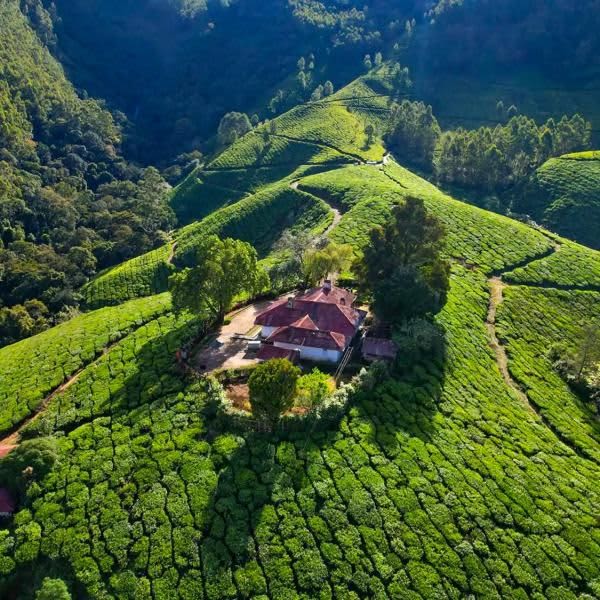
Walk through Munnar's vast emerald carpet of tea estates — the Kolukkumalai Tea Estate (highest organic tea plantation in the world at 7,900 ft), Lockhart Estate, and Top Station plantations. Factory tours explain the withering, rolling, fermenting, and drying process, followed by tasting sessions of freshly produced orthodox tea.
 LeisureView full guide
1–1.5 hours
Boating
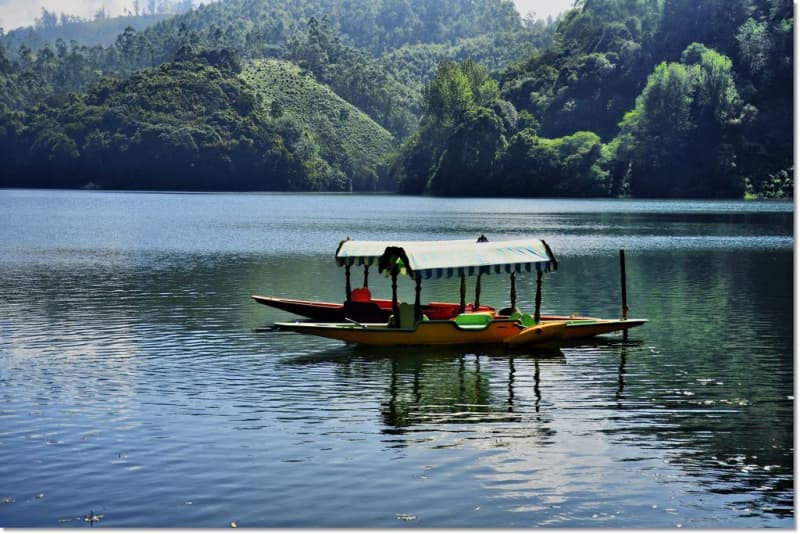
Row or take a motorboat on the scenic Mattupetty Dam reservoir — a serene 25-hectare lake ringed by rolling tea estates and shola forests. The dam viewpoint and surrounding Echo Point offer stunning water-and-mountain reflections.
 Trekking / WildlifeView full guide
3–7 hours depending on route
Trekking
Trek through Munnar's biodiverse landscape on routes like the Rajamala (Eravikulam National Park) grasslands trail — home to endangered Nilgiri tahr — or trek to Meesapulimala (2,640 m; second-highest peak in South India) and Chokramudi Peak through dense shola forests and rolling meadows.
Best Time to Visit and Weather Info
Best time: September to May
Heavy monsoon from June to August. Neelakurinji blooms once every 12 years (next bloom: 2030).
Winter
Best Time ⭐Sep – Feb
5°C – 20°C
Cool, misty, and magical. Tea estates look their best. Top Station views are spectacular.
- Visit Top Station at 5 AM for sea of clouds
- Trek Anamudi (South India's highest peak) with permit
Summer
Good 🟡Mar – May
15°C – 25°C
Pleasant and less foggy. Good visibility for trekking. Eravikulam National Park open.
- Book Anamudi Trek permit in advance
- Eravikulam National Park is open
Monsoon
Avoid 🔴Jun – Aug
12°C – 18°C
Very heavy rainfall. Waterfalls at peak but road visibility poor. Eravikulam closed.
- Avoid trekking
- Waterfalls like Attukad are stunning
How to Reach
✈️By Air
Airport: Cochin International Airport (130 km)
Duration: ~3.5 hrs
Hire cab from Cochin airport. The ghat road drive is scenic.
Taxi: ₹2,500 – ₹3,500
Airlines: IndiGo, Air India, SpiceJet
🚂By Train
Station: Ernakulam (Cochin) Junction (130 km)
No rail to Munnar. Take a train to Ernakulam, then hire a cab or bus.
- Island Express — Thiruvananthapuram (3 hrs to Ernakulam)
🚌By Road
KSRTC and private buses from Ernakulam, Madurai, and Coimbatore.
- Ernakulam (Kochi): 130 km, 3.5 hrs via NH-85
- Madurai: 175 km, 4 hrs via NH-85
- Coimbatore: 165 km, 4 hrs via NH-544
Itineraries
Local Food
Munnar offers warm comfort food suited to its cool climate — fresh tea, hot meals, and Kerala specialties.
Munnar Fresh Tea
Single-estate teas brewed freshly — green, black, white, and masala varieties from local Tea Museum shops.
Where: KDHP Tea Museum outlet and estate shops
₹30 – ₹80 per cup
Appam & Stew
Lacy Kerala rice pancakes with mild coconut-milk chicken or vegetable stew.
Where: Eastend Hotel, Munnar town
₹80 – ₹150
Kerala Meals (Onam Sadya)
Full banana-leaf meal with 20+ dishes including avial, sambar, olan, payasam.
Where: Local Kerala restaurants
₹150 – ₹250
Mutton Curry & Porotta
Spiced mutton curry with flaky Kerala porotta — a hearty meal for trekkers.
Where: Dhabas in Munnar town
₹150 – ₹250
Munnar town has good vegetarian and non-vegetarian options. Estate resorts serve excellent local Kerala food.
FAQs
- Munnar is Kerala's premier hill station, famous for endless tea estates, Eravikulam National Park (home to the rare Nilgiri Tahr), Anamudi Peak (highest in South India), and the Neelakurinji flower (blooms every 12 years).
Best Places Similar

Ooty
Ooty, officially Udhagamandalam and fondly called the "Queen of Hill Stations," is the crown jewel of Tamil Nadu's Nilgiri Hills, famed for its lush botanical gardens, shimmering Ooty Lake, and the iconic UNESCO-listed Nilgiri Mountain Railway toy train. The cool climate, eucalyptus and pine forests, and terraced tea gardens make Ooty a perennial summer escape and a popular honeymoon destination. The Government Botanical Gardens with over 650 plant species, Doddabetta Peak with panoramic Nilgiri views, and the charming colonial bazaars make Ooty one of South India's most enduring travel classics.
Coonoor
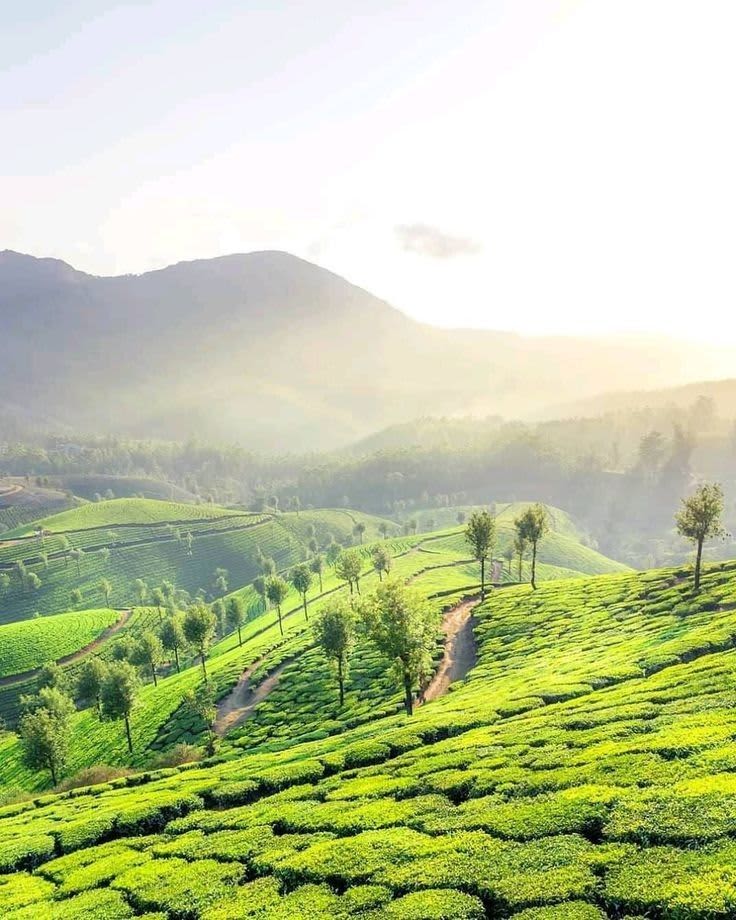
Coonoor, the second-largest hill station in the Nilgiris after Ooty, is a tranquil retreat in Tamil Nadu known for its rolling tea plantations, colonial-era bungalows, and a refreshingly unhurried pace of life. The iconic Nilgiri Mountain Railway — a UNESCO World Heritage toy train — connects Coonoor to Ooty through breathtaking scenery of tea estates and forests. Sim's Park with its impressive botanical collection, the dramatic Dolphin's Nose viewpoint, and proximity to the organic tea gardens of the Nilgiris make Coonoor an ideal offbeat hill station getaway.
Kodaikanal
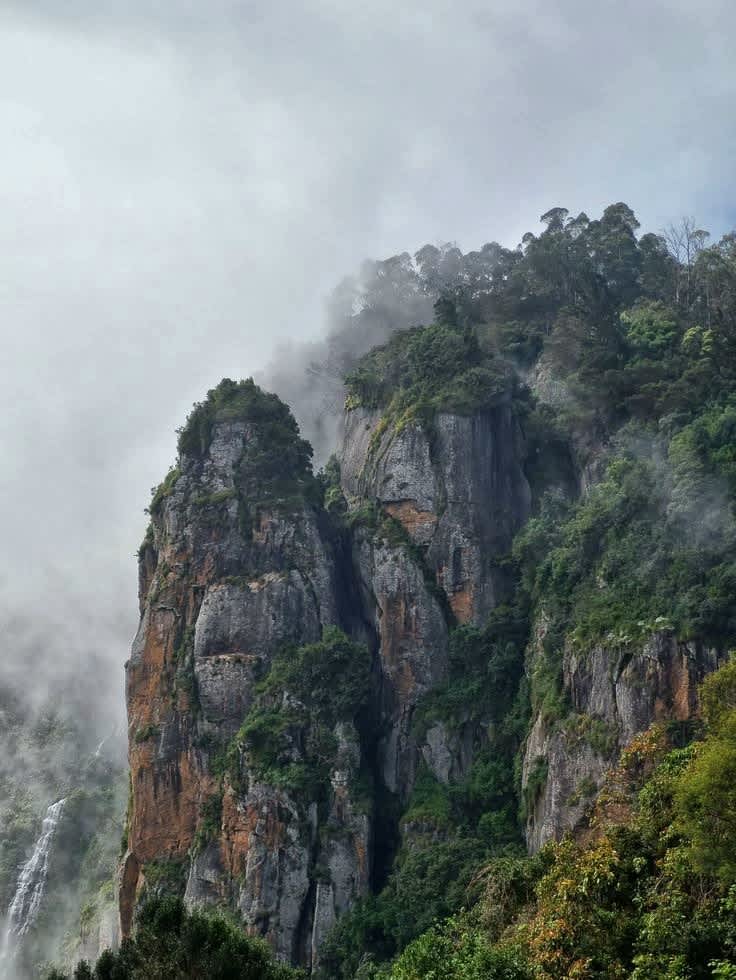
Kodaikanal, the "Princess of Hill Stations" in Tamil Nadu's Palani Hills, sits at 2,133 meters and enchants visitors with its star-shaped Kodai Lake, shola forests, dramatic cliff-top viewpoints, and the rare Kurinji flowers that bloom in purple waves across the hillsides every 12 years. The Pillar Rocks — three vertical rock pillars rising 122 meters above a wooded valley — and the Bear Shola Falls are among the natural highlights, while the lake promenade lined with rental boats and picnicking families captures the town's leisurely atmosphere. Kodaikanal's cool, misty climate, flower nurseries, and home-made chocolates and eucalyptus oil make it a uniquely charming South Indian hill retreat.
Nearby destinations
Kodaikanal
50 km · Kodaikanal, the "Princess of Hill Stations" in Tamil Nadu's Palani Hills, sits at 2,133 meters and enchants visitors with its star-shaped Kodai Lake, shola forests, dramatic cliff-top viewpoints, and the rare Kurinji flowers that bloom in purple waves across the hillsides every 12 years. The Pillar Rocks — three vertical rock pillars rising 122 meters above a wooded valley — and the Bear Shola Falls are among the natural highlights, while the lake promenade lined with rental boats and picnicking families captures the town's leisurely atmosphere. Kodaikanal's cool, misty climate, flower nurseries, and home-made chocolates and eucalyptus oil make it a uniquely charming South Indian hill retreat.
Sabarimala
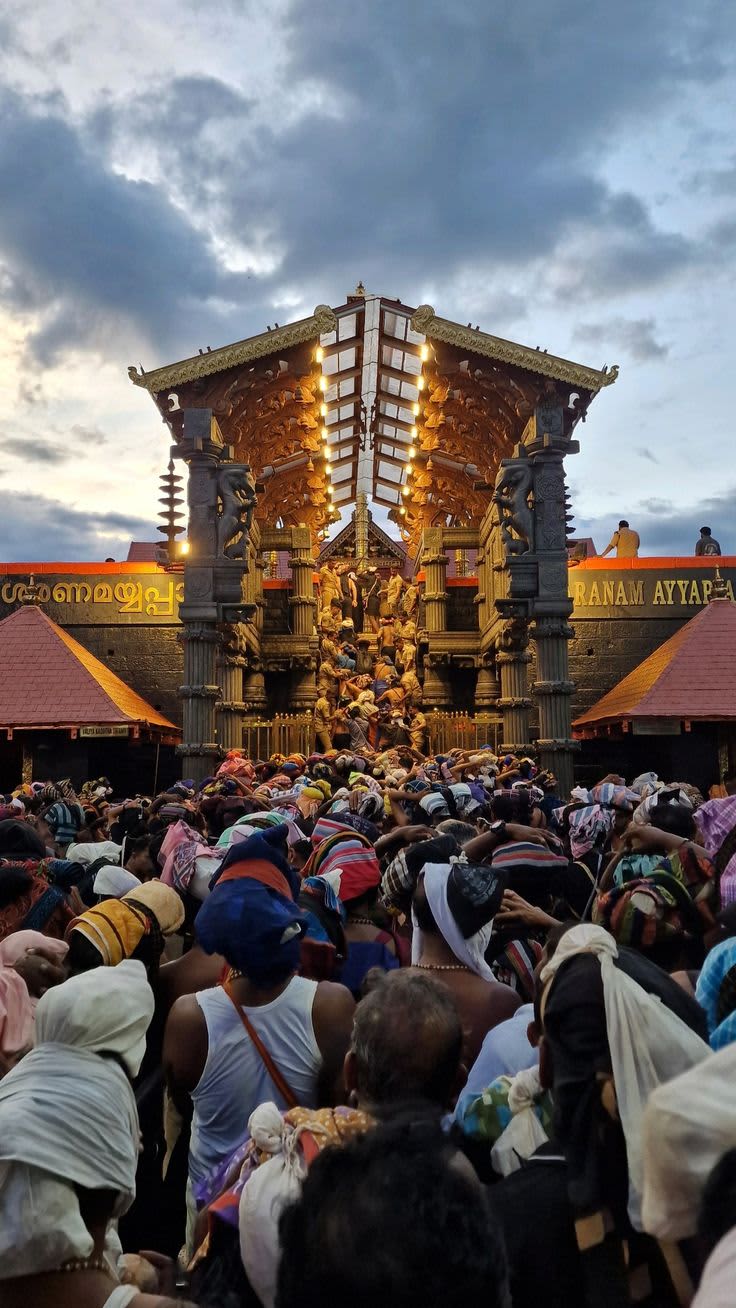
73 km · Sabarimala, nestled in the forested hills of the Western Ghats in Kerala, is one of the largest Hindu pilgrimage sites in the world and the abode of Lord Ayyappa — a deity embodying dharma, celibacy, and universal brotherhood. The annual pilgrimage season from November to January sees millions of devotees, clad in traditional black attire, undertaking the challenging 5-kilometer trek through dense jungle to reach the hilltop shrine. The journey to Sabarimala is as much a physical and spiritual ordeal as it is an act of devotion, passing through the sacred 18 golden steps before reaching the temple.
Marari
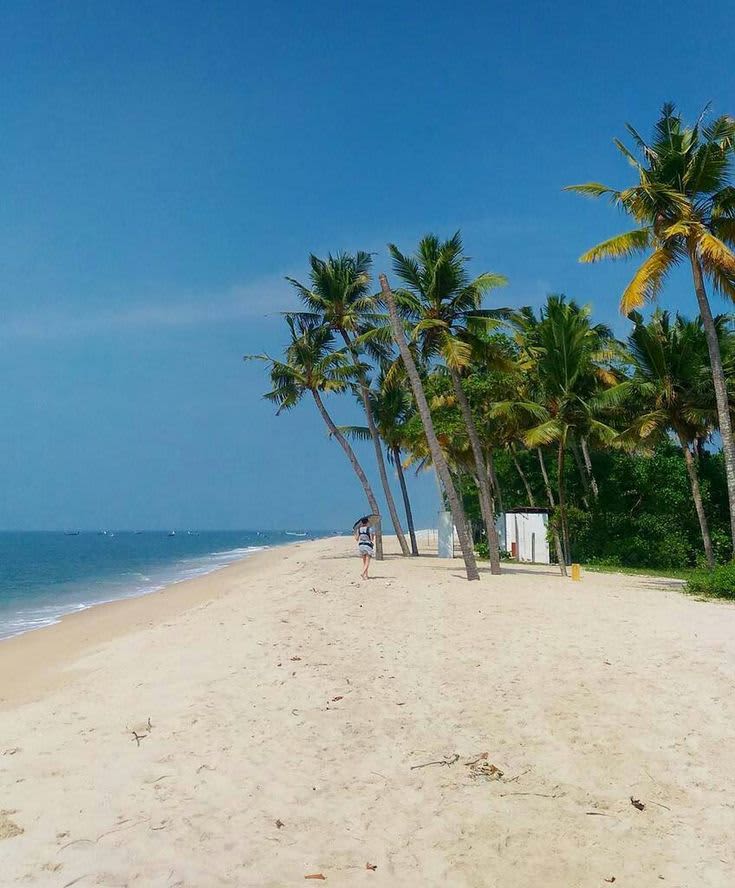
98 km · Marari, a tranquil fishing village on Kerala's coast between Kochi and Alleppey (Alappuzha), is home to one of India's most pristine and uncrowded beaches — a long, flat stretch of powdery white sand backed by casuarina groves and coconut palms, where the only disturbance is the gentle lapping of the Arabian Sea. Unlike the more tourist-heavy beaches of Kovalam, Marari retains the authentic character of a Kerala fishing village, with traditional wooden boats drawn up on the sand and local fishermen mending their nets. Eco-friendly beach resorts offering authentic Kerala cuisine, Ayurvedic treatments, and yoga retreats make Marari a perfect slow-travel destination.