Best Places Similar in Bijapur
Best Places Similar to Bijapur
Bijapur, now officially renamed Vijayapura, in Karnataka is home to some of the finest examples of Deccan Sultanate architecture in India, most magnificently the Gol Gumbaz — the mausoleum of Sultan Muhammad Adil Shah, crowned by the world's second-largest dome after St. Peter's Basilica in Rome, famous for its extraordinary Whispering Gallery where even the softest sound bounces around the dome audibly. The city's wealth of Islamic heritage — including the Ibrahim Rauza (considered more beautiful than the Taj Mahal by some), the Jama Masjid, and the Malik-e-Maidan cannon — makes Bijapur one of the most architecturally significant and underappreciated cities in India.
Hampi
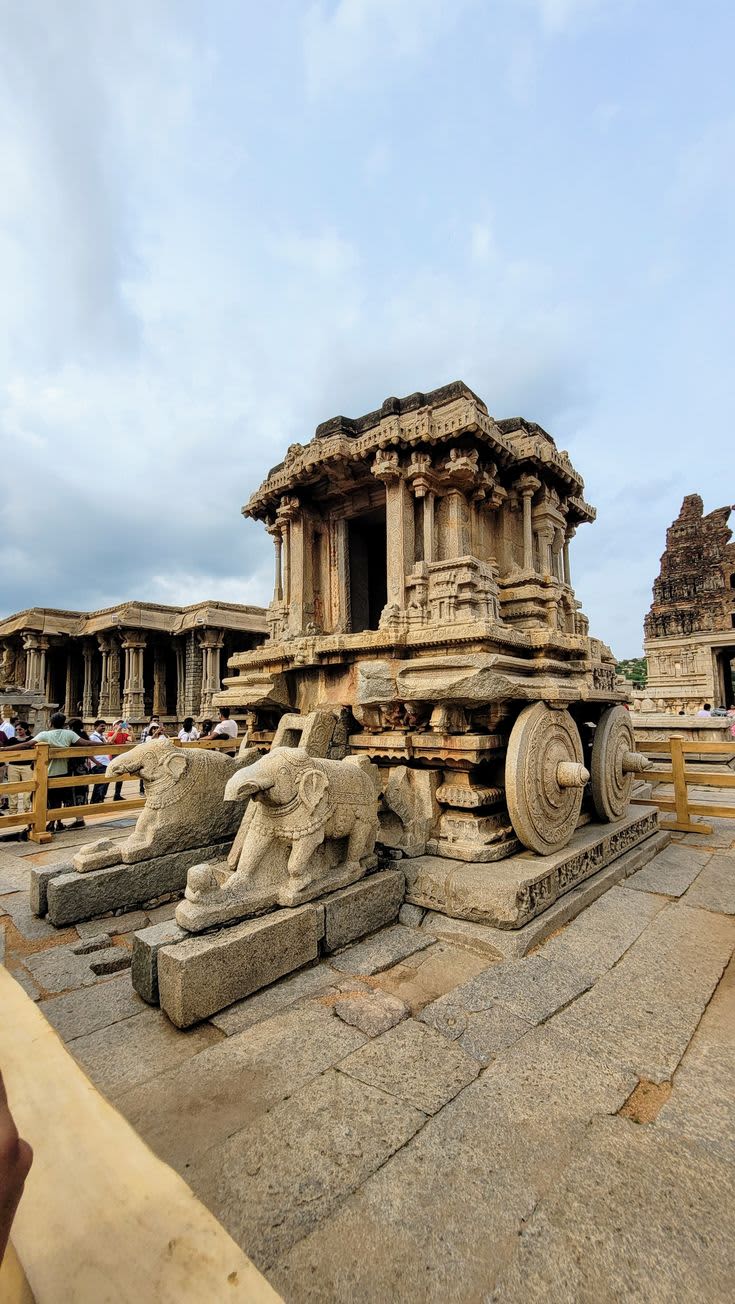
→Hampi, a UNESCO World Heritage Site in Karnataka, is one of the most evocative and visually stunning historical destinations in India — the ruins of Vijayanagara, once one of the largest and wealthiest cities in the medieval world and capital of the last great Hindu empire, spread across an otherworldly landscape of giant boulders, banana plantations, and the Tungabhadra River. The Virupaksha Temple, Vittala Temple with its famous Stone Chariot and musical pillars, the Lotus Mahal, and Elephant Stables are architectural masterpieces within a landscape of over 1,600 monuments. Cycling or hiking among Hampi's surreal boulder fields at sunrise and sunset is an experience of rare beauty and historical majesty.
Badami
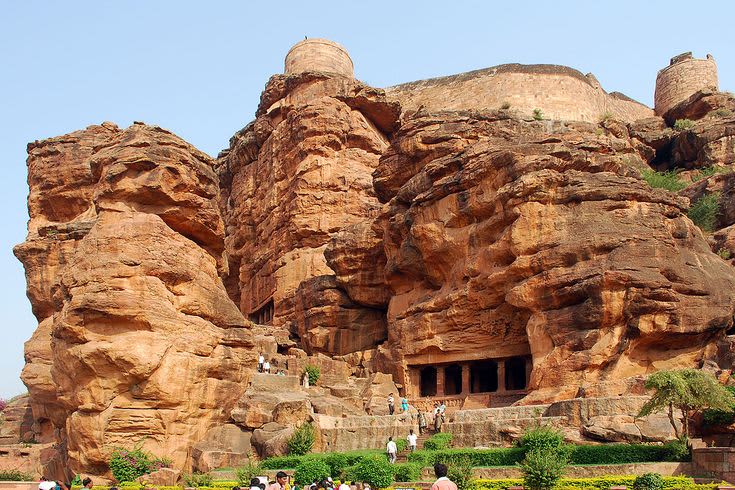
→Badami, the ancient capital of the early Chalukya dynasty in Karnataka, is a historically rich town known above all for its four magnificent rock-cut cave temples carved into the face of a red sandstone cliff overlooking the scenic Agastya Lake in the 6th and 7th centuries CE. The caves contain exceptional sculptures of Shiva as Nataraja with 18 arms, various Vishnu avatars including the colossal reclining Vishnu in Cave 3, and Jain tirthankaras that represent some of the finest examples of early Deccan sculpture. The fortified hilltop above the caves, the temples on the lake's southern shore, and the nearby Pattadakal and Aihole make Badami the hub of an extraordinary ancient Chalukyan heritage trail.
Pattadakal
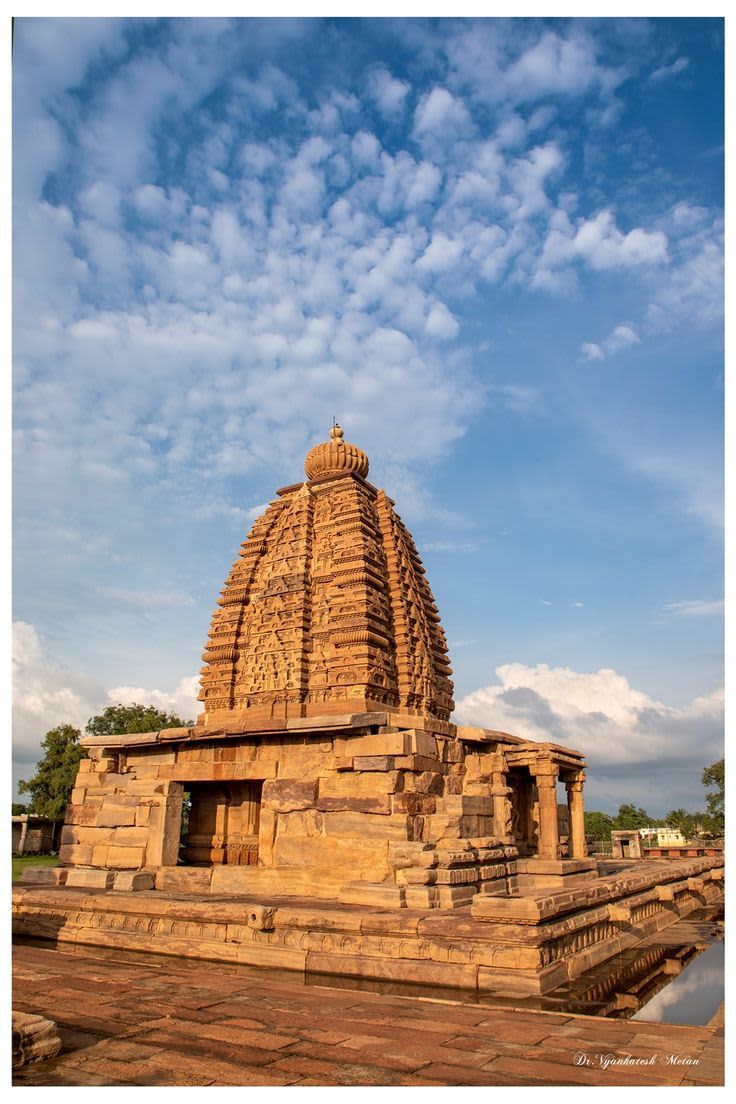
→Pattadakal, a UNESCO World Heritage Site on the banks of the Malaprabha River in Karnataka, is a remarkable gallery of 8th-century Chalukyan temples that uniquely showcases the evolution of two distinct South Indian temple architectural styles — the nagara (northern) and dravidian (southern) — side by side. The Virupaksha Temple, built by Queen Lokamahadevi to commemorate the Chalukyan victory over the Pallavas, is the most impressive of the complex's ten temples and served as the model for the famous Kailasanatha Temple at Ellora. Visiting Pattadakal as part of a Chalukyan heritage trail with Badami and Aihole is one of the most richly rewarding historical journeys in all of South India.
Gwalior
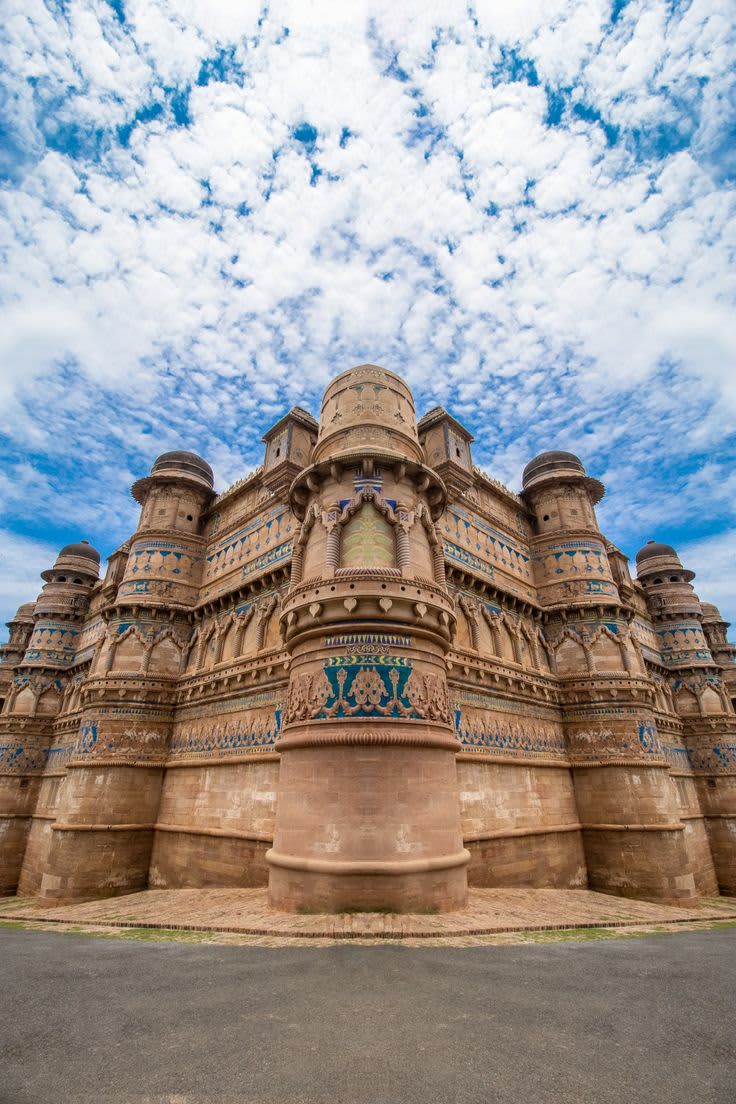
→Gwalior, in Madhya Pradesh, is dominated by one of India's most spectacular forts — the Gwalior Fort, rising 100 meters on a rocky hill above the city, described by the Mughal Emperor Babur as the pearl among fortresses of Hind. The fort complex encompasses palaces including the magnificent Man Mandir Palace with its brilliant tile work, Jain rock-cut sculptures, temples, and water tanks spanning over a thousand years of architectural history. The city also celebrates its deep musical heritage as the birthplace of the Gwalior Gharana, one of the most prestigious classical music traditions in Hindustani music, through the Tansen Music Festival held each November.
Orchha
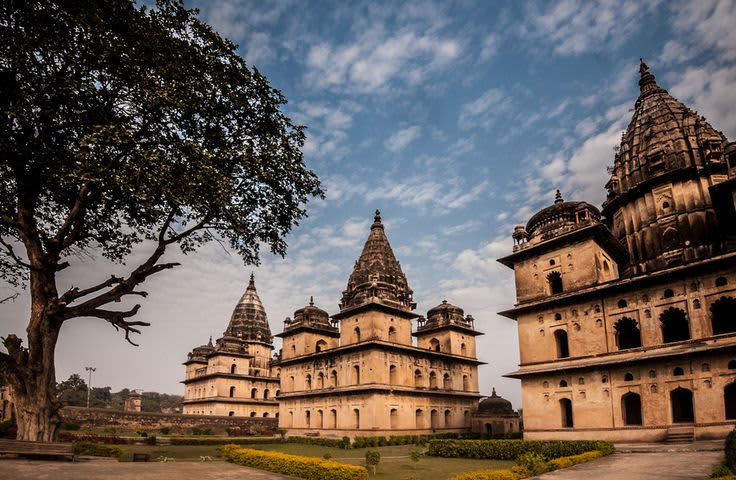
→Orchha, a small medieval town on the Betwa River in Madhya Pradesh, is one of India's most underrated historical gems — a perfectly preserved Bundela-era capital of palaces, cenotaphs, and temples that appear frozen in time since the 16th and 17th centuries. The Jahangir Mahal palace, built to honor the Mughal Emperor's visit, is a breathtaking example of Mughal-Rajput architecture, while the Ram Raja Temple — the only temple in India where Lord Rama is worshipped as a king — is an extraordinary religious and cultural anomaly. Orchha's chaturbhuj temples rising above the Betwa River, the evening light-and-sound show at the palace complex, and the vultures nesting in the riverside cenotaphs create an atmosphere of remarkable historical enchantment.
Khajuraho
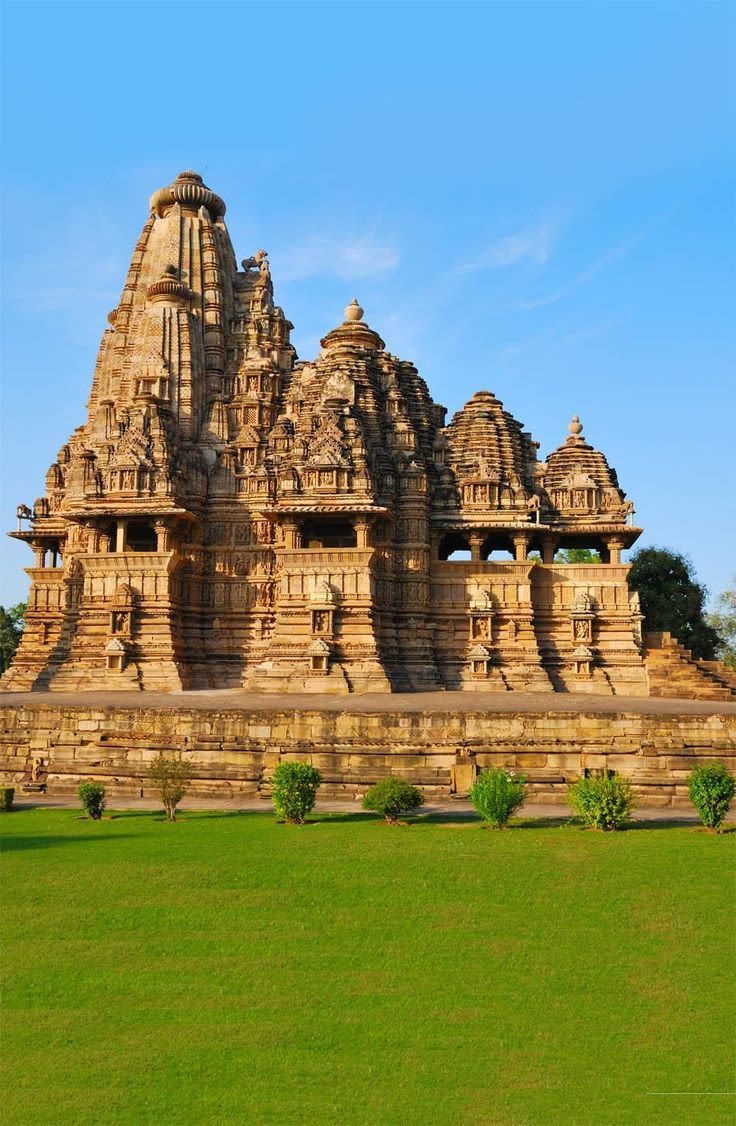
→Khajuraho, a small town in Madhya Pradesh, is home to one of India's most extraordinary UNESCO World Heritage Sites — a group of medieval Hindu and Jain temples built by the Chandela dynasty between 950 and 1050 CE, celebrated worldwide for their exquisite erotic sculptures that represent only a fraction of the temples' vast iconographic program. The three temple complexes — Western, Eastern, and Southern — contain 20 surviving temples of the original 85, each a masterpiece of Nagara-style architecture adorned with thousands of meticulously carved figures depicting every aspect of human life, divine beings, and erotic union. The annual Khajuraho Dance Festival held in front of the illuminated temple facades is a cultural highlight of India's classical arts calendar.
Agra
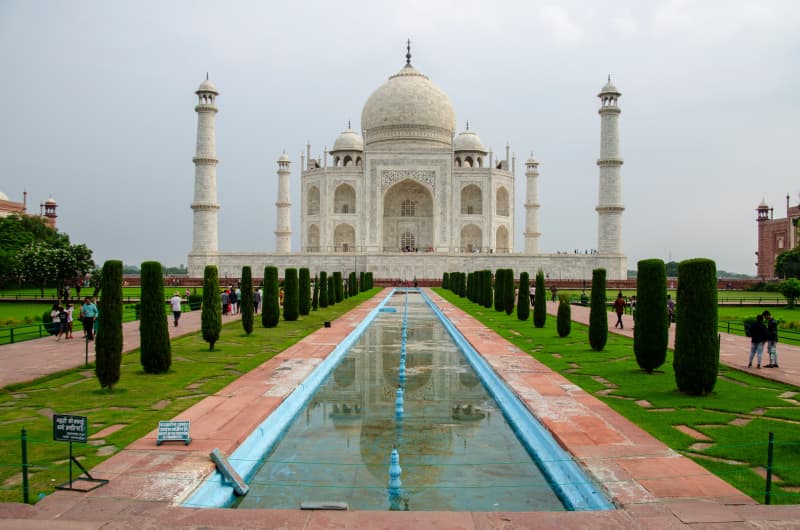
→Agra, situated on the banks of the Yamuna River in Uttar Pradesh, is home to the Taj Mahal — one of the Seven Wonders of the World and perhaps the most celebrated monument to love ever built — attracting millions of visitors each year with its transcendent marble beauty at sunrise and sunset. The city also shelters the magnificent Agra Fort, a UNESCO World Heritage Site, and the deserted imperial city of Fatehpur Sikri nearby. Together these sites make Agra the crown jewel of India's Golden Triangle tourist circuit and a non-negotiable stop on any visit to the Indian subcontinent.

Chittorgarh
→Chittorgarh, in southern Rajasthan, is home to the largest hill fort in India — the magnificent Chittorgarh Fort, a UNESCO World Heritage Site — a testament to the supreme valor and sacrifice of the Rajput warrior clans who preferred death over dishonor in three legendary sieges known as jauhars. The fort complex encompasses palaces, temples, towers, and reservoirs spread over 691 acres of a rocky plateau, including the iconic Vijay Stambha (Tower of Victory) and the Kirti Stambha (Tower of Fame). The tales of the legendary queen Rani Padmini and the warrior-poet-queen Mirabai, who spent her life of devotion within these walls, fill Chittorgarh with stories of extraordinary courage and romance.
Madurai
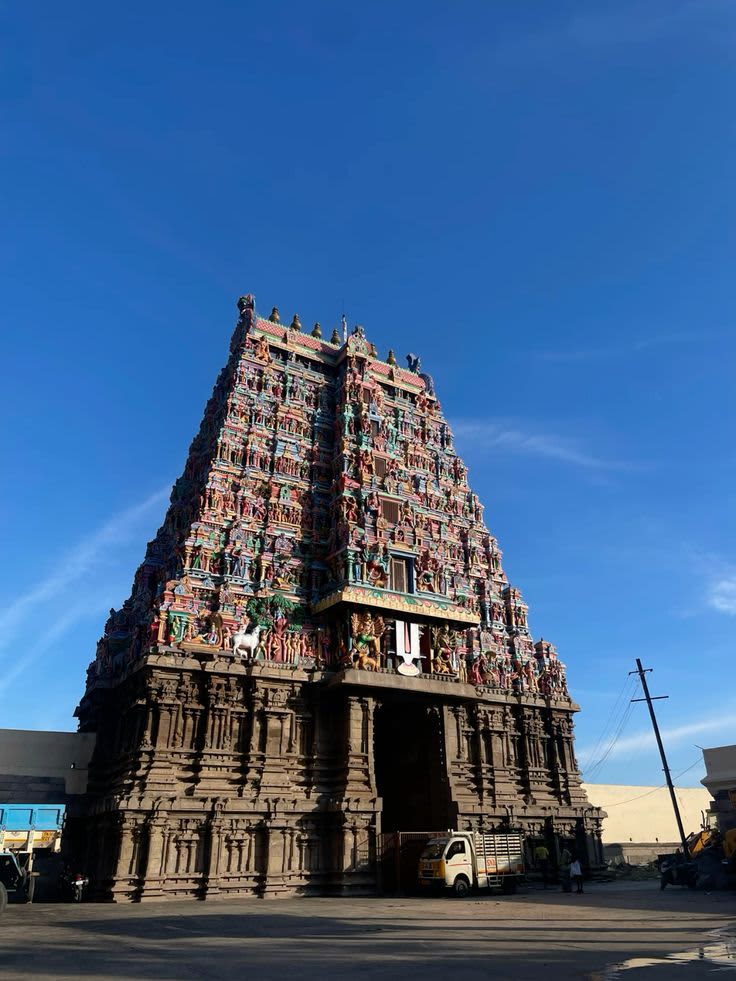
→Madurai, one of the oldest continuously inhabited cities in the world and a major pilgrimage hub in Tamil Nadu, is centered on the awe-inspiring Meenakshi Amman Temple — a Dravidian architectural masterpiece with 14 elaborately sculpted gopurams that tower over the city's skyline. Dedicated to the goddess Meenakshi and her consort Sundareswarar (Shiva), the temple complex with its celebrated Hall of Thousand Pillars and sacred Golden Lotus Tank draws millions of devotees and travelers each year. Madurai's vibrant jasmine flower markets, street food culture, and the evening temple ceremony make it one of South India's most atmospheric and spiritually alive cities.

Lonar Lake
→Lonar Lake in Maharashtra is one of only four known hyper-velocity impact craters in basaltic rock on earth, formed approximately 50,000 years ago when a meteor struck the Deccan Plateau — making it one of the planet's most extraordinary geological wonders. The lake's water is a unique combination of saltwater and alkaline water, supporting rare extremophilic microorganisms and attracting flamingos and other migratory birds. Surrounded by dense forest and ancient temples dating back to the Chalukya and Yadava dynasties, Lonar is a fascinating convergence of natural wonder, biodiversity, and historical heritage.