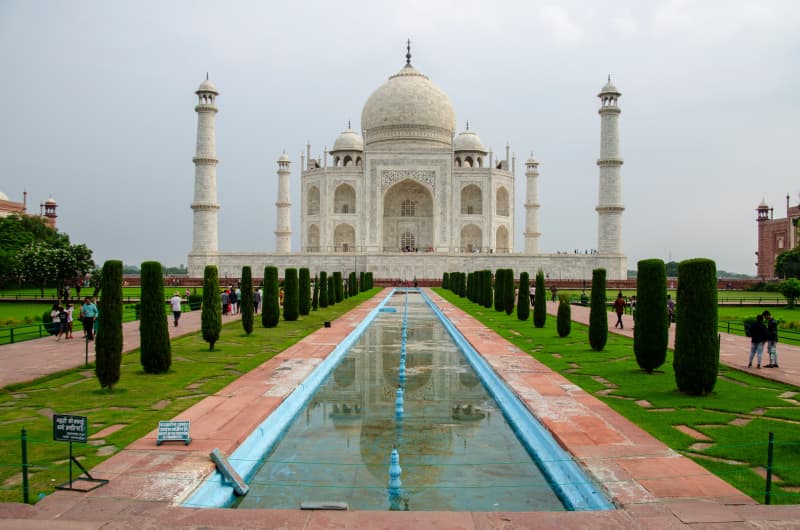
Agra, situated on the banks of the Yamuna River in Uttar Pradesh, is home to the Taj Mahal — one of the Seven Wonders of the World and perhaps the most celebrated monument to love ever built — attract...
Agra
City of the Taj Mahal
Uttar Pradesh, India
4.9
Taj MahalAgra FortFatehpur Sikri
heritage
Duration: 1–2 Days
Budget/day: ₹1,500 – ₹6,000
Best season: Oct – Mar
Altitude: 171 m
Nearest airport: Agra Airport / Pandit Deen Dayal Upadhyay Airport (within city, 9 km)
Nearest railway: Agra Cantt Railway Station (5 km); Agra Fort Station (1 km from fort)
Best places to visit in Agra


Things to do in Agra
 Heritage / CulturalView full guide
2–3 hours
Taj Mahal Visit
Stand before humanity's greatest monument to love — the Taj Mahal (1632–1643), built by Mughal Emperor Shah Jahan for his wife Mumtaz Mahal. The white marble mausoleum's 22-year construction employed 20,000 craftsmen, its surface inlaid with 28 types of precious and semi-precious stones in intricate floral pietra dura patterns.
 HeritageView full guide
2–3 hours
Agra Fort Tour
Explore the magnificent Agra Fort — a UNESCO World Heritage Site and the primary Mughal residence before Delhi. This red sandstone citadel (1565–1573) contains palaces, mosques, and audience halls including the Diwan-i-Khas, Khas Mahal, and the poignant Musamman Burj where Shah Jahan spent his final years gazing at the Taj Mahal.
 HeritageView full guide
3–4 hours
Fatehpur Sikri Visit
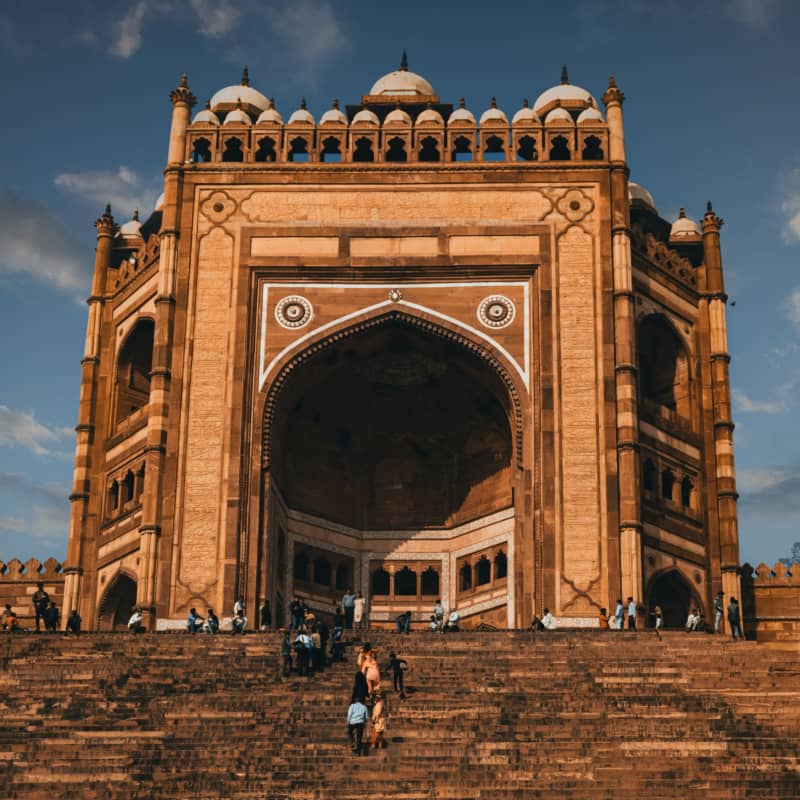
Drive 40 km to the ghost city of Fatehpur Sikri — Akbar's magnificent palace-city built in 1571 and inexplicably abandoned 14 years later. The UNESCO-listed complex contains the stunning Buland Darwaza (world's tallest gateway), Jodha Bai's palace, Diwan-i-Khas with its unique central pillar, and Salim Chishti's white marble dargah.
Best Time to Visit and Weather Info
Best time: October to March
Summer (April–June) is brutally hot (45°C+). Monsoon (July–September) adds haze. Winter mornings can be foggy, occasionally obscuring Taj Mahal views.
Winter
Best Time ⭐Oct – Mar
5°C – 25°C
The only comfortable time to explore Agra's outdoor monuments. The Taj Mahal at sunrise in clear winter air is one of the world's most breathtaking views.
- Arrive at the Taj Mahal gates at opening time (30 mins before sunrise) to beat crowds
- December–January fog can reduce visibility in the morning
Summer
Very Hot 🔴Apr – Jun
30°C – 46°C
Intense heat. The marble of the Taj Mahal becomes scalding. Outdoor sightseeing is extremely uncomfortable.
- If visiting in summer, go before 7 AM
- White socks required at Taj Mahal — marble gets dangerously hot
How to Reach
✈️By Air
Airport: Agra Airport (Pandit Deen Dayal Upadhyay Airport) (9 km from city centre)
Duration: ~20 mins by taxi
Limited flights. Most visitors fly to Delhi and take road or train to Agra (3–4 hrs).
Taxi: ₹300 – ₹500 (Airport to Taj Mahal)
Airlines: Air India (seasonal), IndiGo (seasonal)
🚂By Train
Station: Agra Cantt (main) or Agra Fort Station
Excellent rail connectivity from Delhi (2 hrs by Shatabdi) and Jaipur (4 hrs). Most recommended mode of transport.
- Gatimaan Express — Delhi (Hazrat Nizamuddin) (1.5 hrs — India's fastest train)
- Taj Express / Shatabdi — Delhi (2 hrs to Agra Cantt)
🚌By Road
The Yamuna Expressway (206 km) from Delhi to Agra is one of India's best expressways — smooth and fast.
- Delhi: 206 km, 3 hrs via Yamuna Expressway
- Jaipur: 238 km, 4.5 hrs via NH-21 (Golden Triangle circuit)
- Mathura: 58 km, 1.5 hrs via NH-44
Itineraries
Local Food
Agra's cuisine is shaped by Mughal culinary heritage — rich, fragrant, and meaty — alongside its famous sweets.
Agra Petha
Translucent white ash gourd candy in dozens of flavours (angoori, kesar, pan) — Agra's most iconic food product.
Where: Panchi Petha, Fatehabad Road; shops near Taj Mahal East Gate
₹100 – ₹500 per box
Bedai with Aloo Sabzi
Crispy lentil-stuffed puri served with spiced potato curry — Agra's signature breakfast.
Where: Deviram Sweets, Loha Mandi; street stalls near Agra Fort
₹60 – ₹100
Mughlai Biryani
Fragrant rice layered with slow-cooked mutton — cooked in the Mughal dum style.
Where: Dasaprakash, Hotel Mughal; restaurants near Taj Mahal
₹250 – ₹500
Dalmoth
Crunchy spiced lentil snack mix — Agra's traditional namkeen, perfect as a takeaway souvenir.
Where: Local sweet shops throughout Agra
₹100 – ₹300 per kg
Jalebi and Rabdi
Hot fresh jalebis with thick cold rabdi — a beloved Agra dessert combination.
Where: Sweet shops near Kinari Bazaar
₹80 – ₹150
Rewari
Sesame and jaggery sweet balls — a traditional winter sweet widely available in Agra.
Where: Local confectioneries
₹100 – ₹200 per 250g
Agra Petha is the must-buy souvenir. Panchi Petha (established 1950s) near Sadar Bazaar is the most famous and reliable brand.
FAQs
- Agra is famous for the Taj Mahal (one of the Seven Wonders of the World, UNESCO Heritage), Agra Fort (UNESCO Heritage), Fatehpur Sikri, Itimad-ud-Daulah (Baby Taj), and its Mughal heritage and cuisine.
Best Places Similar
Delhi
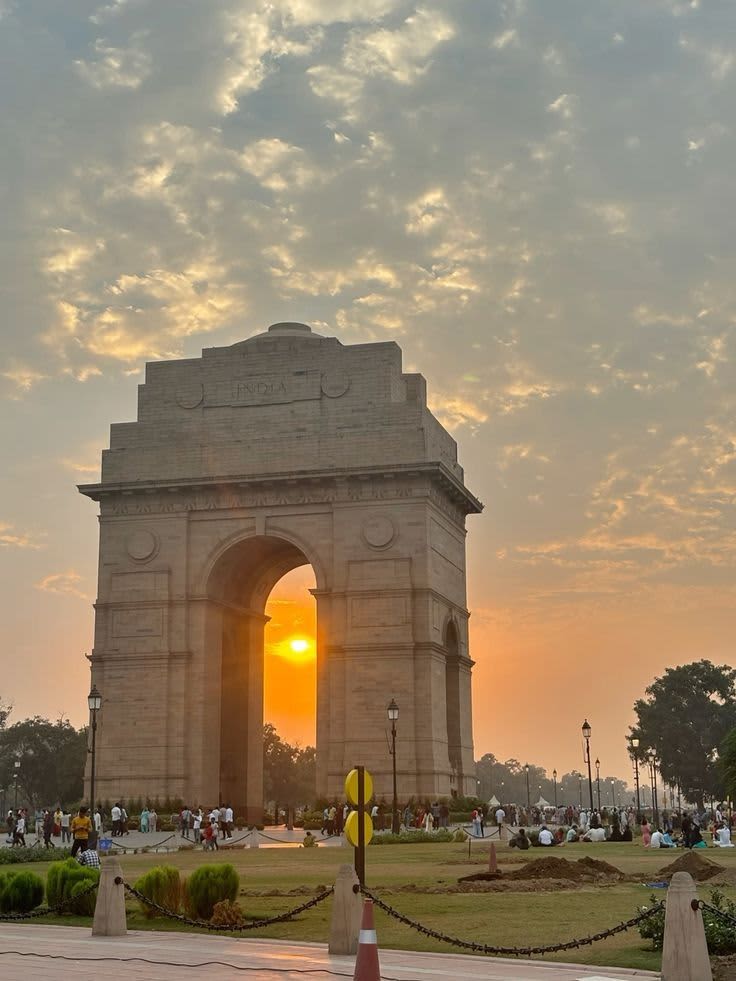
Delhi, India's sprawling national capital, is one of the world's oldest continuously inhabited cities and a living tapestry of civilizations spanning 5,000 years, from the medieval lanes of Shahjahanabad to the wide boulevards of Lutyens' Delhi. UNESCO World Heritage Sites like the Red Fort, Humayun's Tomb, and the Qutub Minar stand alongside the modern parliament buildings and a world-class metro system. Delhi's extraordinary street food scene — from Old Delhi's parathas to Chandni Chowk's jalebis — and its vibrant markets, Mughal monuments, and cultural institutions make it an endlessly compelling destination.
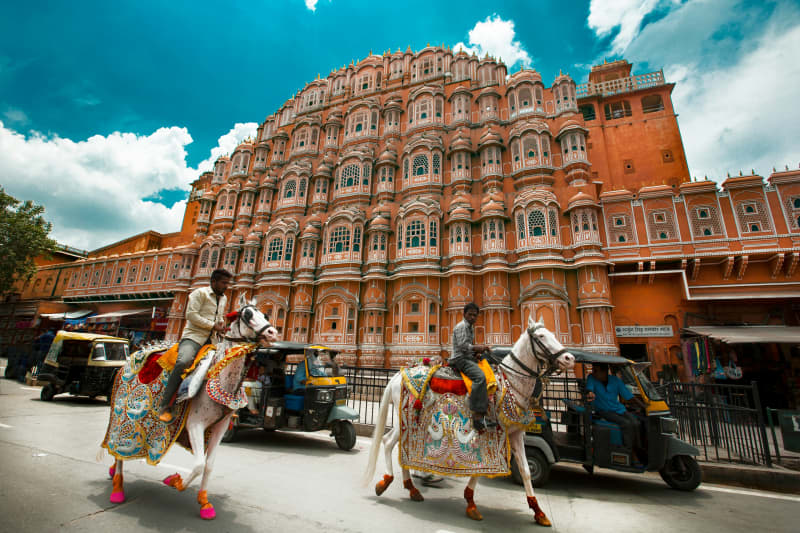
Jaipur
Jaipur, the Pink City and capital of Rajasthan, is one of India's most vibrant and photogenic destinations, famous for its rose-tinted heritage architecture, colorful bazaars overflowing with textiles and jewelry, and the formidable Amer Fort. Built by Maharaja Jai Singh II in 1727 as India's first planned city, Jaipur's geometric street layout and magnificent palaces — including the City Palace and the iconic Hawa Mahal — reflect the opulence of Rajput royalty. The city is the gateway to Rajasthan's royal heartland and forms the third vertex of India's legendary Golden Triangle alongside Delhi and Agra.
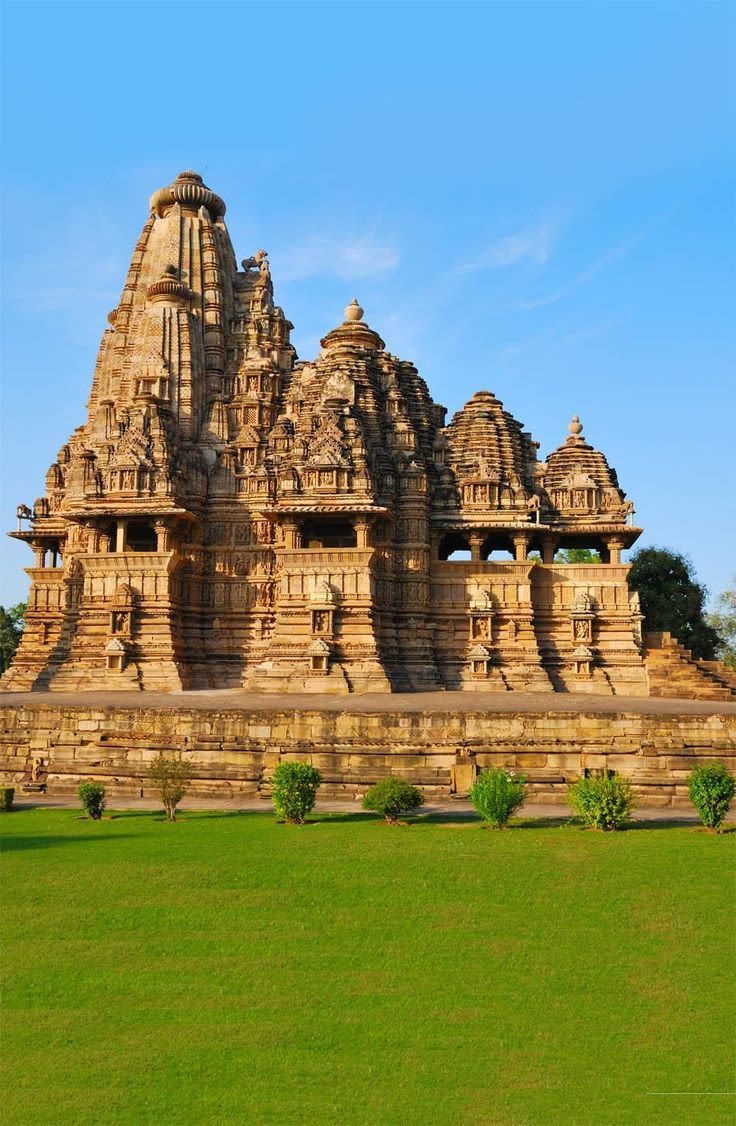
Khajuraho
Khajuraho, a small town in Madhya Pradesh, is home to one of India's most extraordinary UNESCO World Heritage Sites — a group of medieval Hindu and Jain temples built by the Chandela dynasty between 950 and 1050 CE, celebrated worldwide for their exquisite erotic sculptures that represent only a fraction of the temples' vast iconographic program. The three temple complexes — Western, Eastern, and Southern — contain 20 surviving temples of the original 85, each a masterpiece of Nagara-style architecture adorned with thousands of meticulously carved figures depicting every aspect of human life, divine beings, and erotic union. The annual Khajuraho Dance Festival held in front of the illuminated temple facades is a cultural highlight of India's classical arts calendar.
Nearby destinations
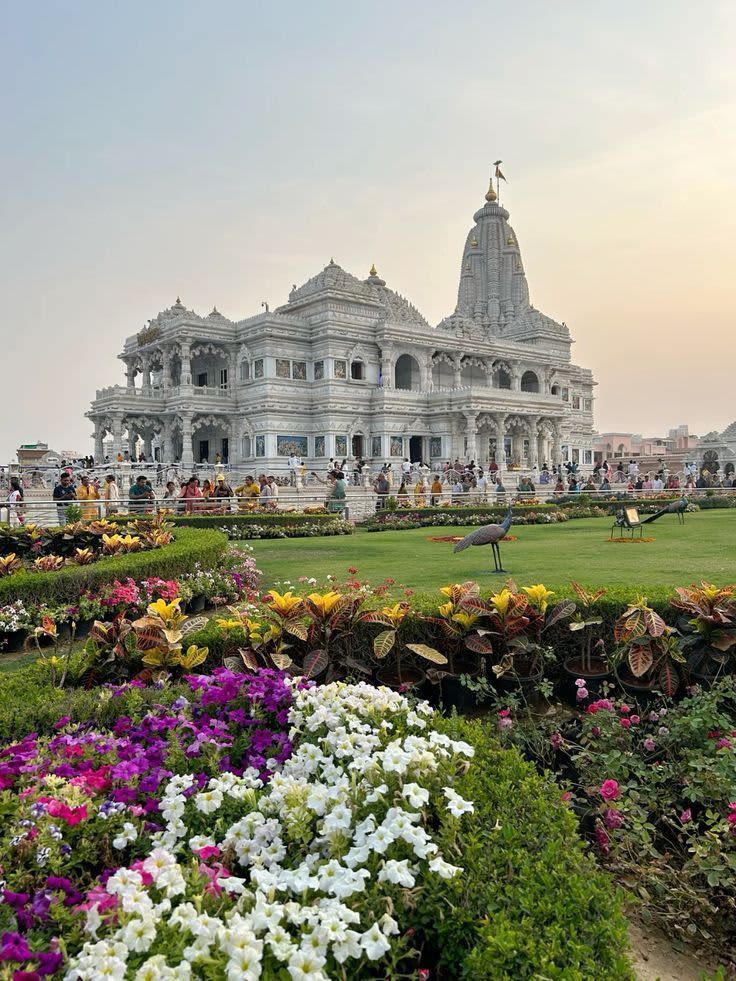
Mathura
48 km · Mathura, situated on the western bank of the Yamuna River in Uttar Pradesh, is one of Hinduism's most sacred cities and the birthplace of Lord Krishna — the beloved deity whose life and teachings form the foundation of the Bhagavad Gita. The city's Krishna Janmabhoomi temple complex marks the exact spot of Krishna's birth, while the ghats along the Yamuna, the Dwarkadhish Temple, and dozens of ancient temples make Mathura a vibrant center of Vaishnava devotion. The Holi festival celebrated in Mathura and nearby Vrindavan is one of India's most ecstatic and visually spectacular events, drawing visitors from across the globe.
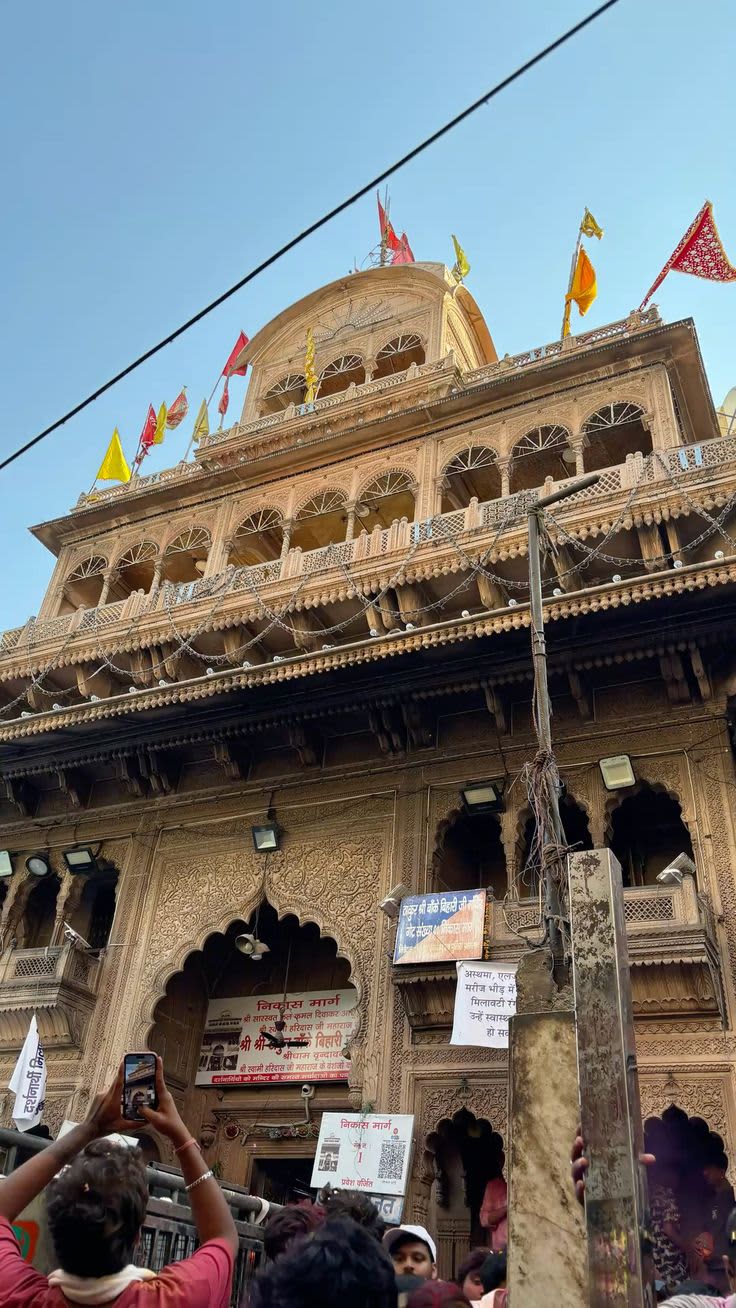
Vrindavan
54 km · Vrindavan, a sacred town on the Yamuna River near Mathura in Uttar Pradesh, is revered as the place where young Krishna spent his childhood, and every corner of this town resonates with devotional music, temple bells, and the fragrance of flowers and incense. The town's 5,000-plus temples — including the grand Banke Bihari Mandir, the Radha Raman Temple, and the ISKCON complex — are centers of intense Vaishnava worship that pulsates with joy and bhakti. The enchanting Yamuna ghats, the Nidhivan forest sacred to Radha-Krishna lore, and the festival of Radhashtami make Vrindavan one of India's most spiritually alive and emotionally moving destinations.
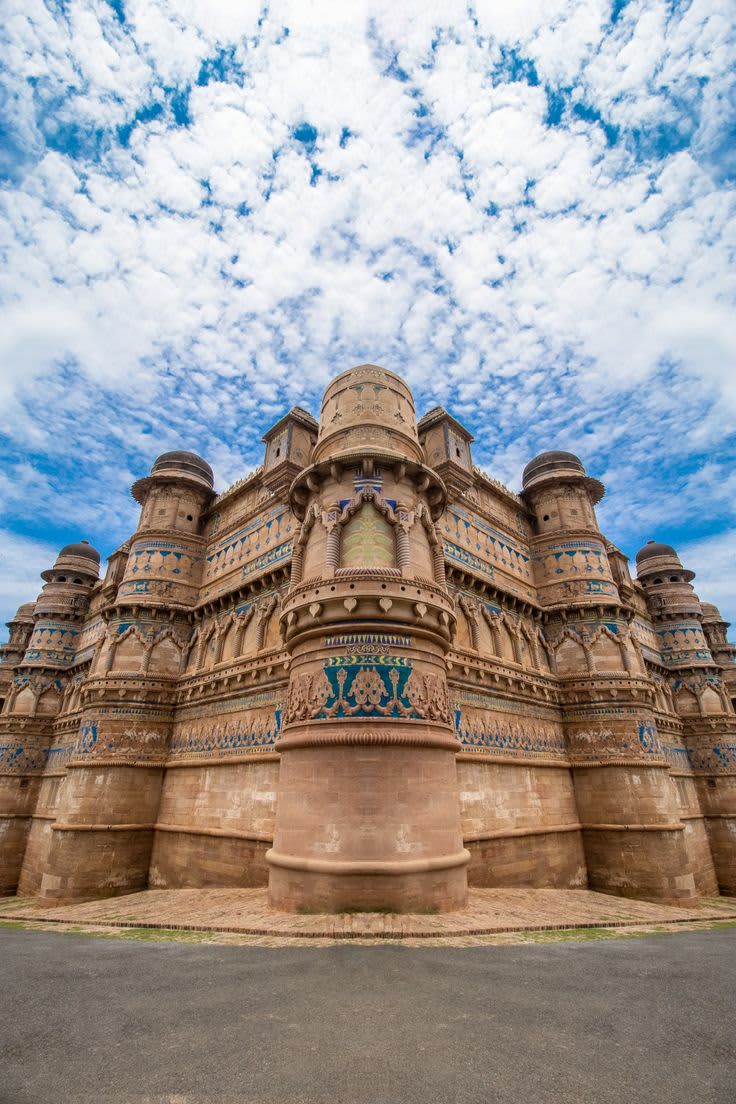
Gwalior
108 km · Gwalior, in Madhya Pradesh, is dominated by one of India's most spectacular forts — the Gwalior Fort, rising 100 meters on a rocky hill above the city, described by the Mughal Emperor Babur as the pearl among fortresses of Hind. The fort complex encompasses palaces including the magnificent Man Mandir Palace with its brilliant tile work, Jain rock-cut sculptures, temples, and water tanks spanning over a thousand years of architectural history. The city also celebrates its deep musical heritage as the birthplace of the Gwalior Gharana, one of the most prestigious classical music traditions in Hindustani music, through the Tansen Music Festival held each November.