Pattadakal, a UNESCO World Heritage Site on the banks of the Malaprabha River in Karnataka, is a remarkable gallery of 8th-century Chalukyan temples that uniquely showcases the evolution of two distin...
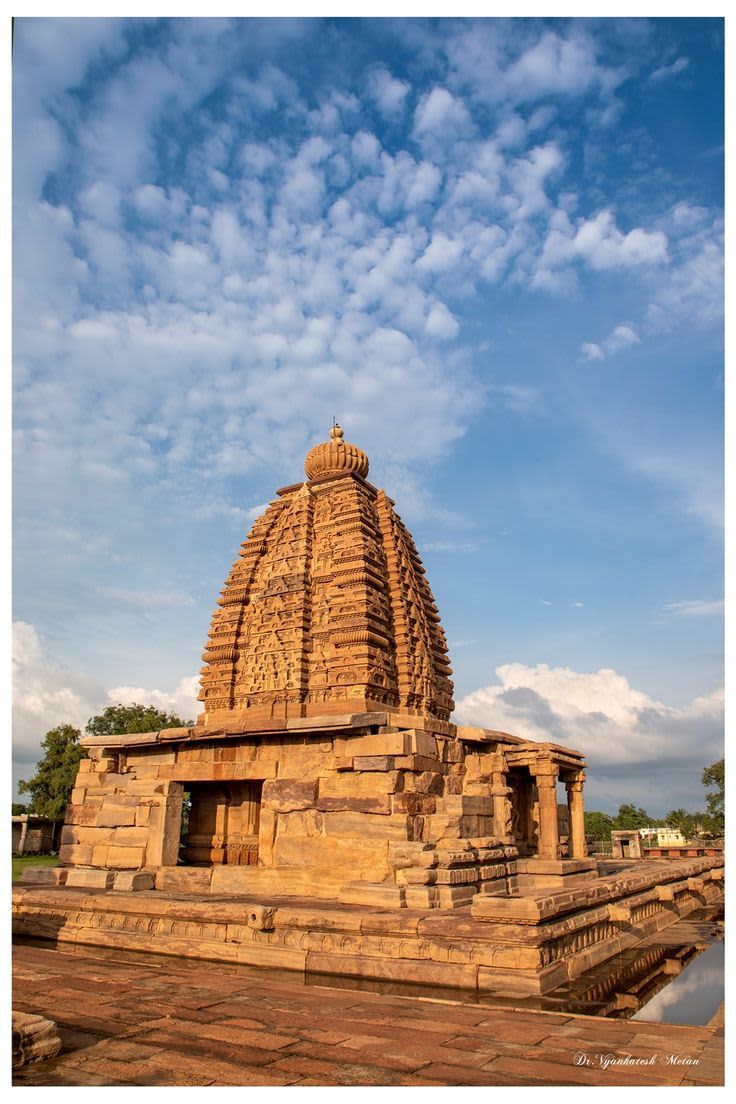
Pattadakal
UNESCO's Architectural Symphony in Stone
Karnataka, India
4.7
UNESCO SiteTemple ComplexChalukyan Art
heritage
Duration: Half Day – 1 Day
Budget/day: ₹800 – ₹2,500
Best season: Oct – Mar
Altitude: 500 m
Nearest airport: Hubli Airport (140 km)
Nearest railway: Badami Railway Station (22 km)
Best places to visit in Pattadakal

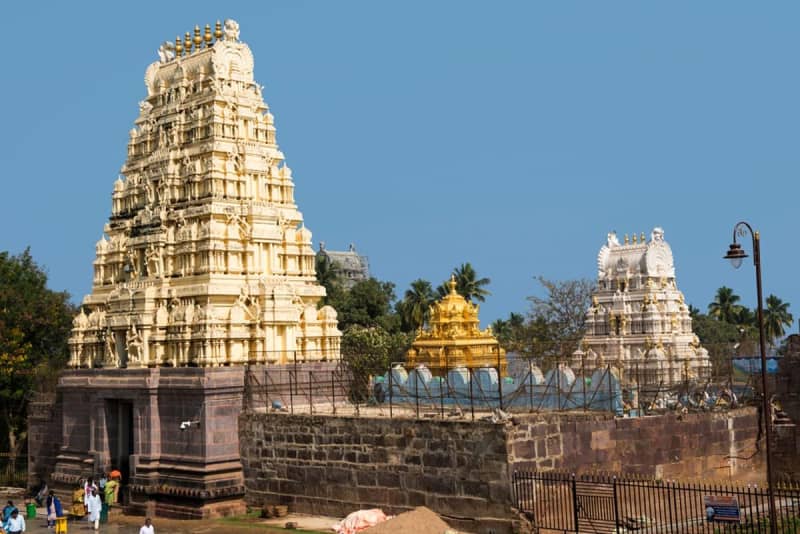
Things to do in Pattadakal
- No photoHeritage / SpiritualView full guide
1.5–2 hours
Virupaksha Temple Exploration
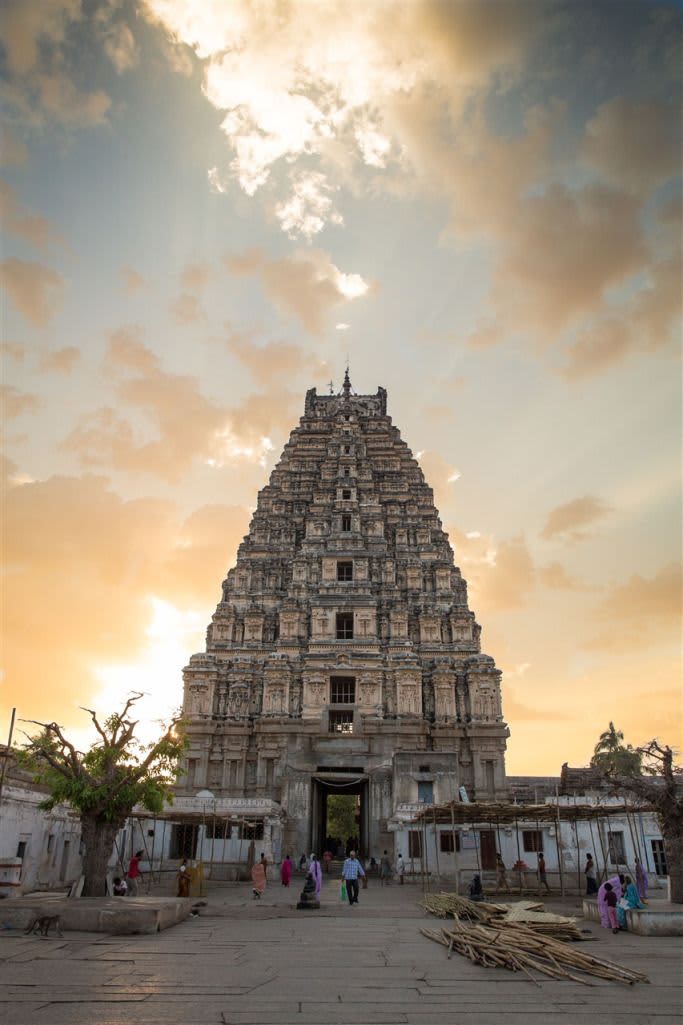
The Virupaksha Temple at Pattadakal is the crown jewel of a UNESCO World Heritage Site — a 8th-century Dravidian masterpiece commissioned by Queen Lokamahadevi to celebrate her husband's military victory over the Pallavas. Modelled on the Kailasanatha Temple at Kanchipuram, its towering shikhara, intricately carved outer walls, and stunning interior pillars covered in scenes from the Ramayana and Mahabharata make it one of the most accomplished temple buildings in all of South India.
- No photoHeritageView full guide
2–3 hours
UNESCO Temple Complex Walk
Pattadakal's temple complex contains ten major temples built between the 7th and 8th centuries by successive Chalukya rulers — making it a unique open-air textbook of early Indian temple architecture. You can literally walk from a simple early Chalukya shrine to a fully evolved Dravidian temple within a few hundred metres and watch the architectural style evolve in real time. The Sangameshvara, Mallikarjuna, and Jain Narayana temples are all highlights of this extraordinary group.
- No photoEducational / CulturalView full guide
2–2.5 hours
Guided Sculpture & Iconography Tour
The temple walls of Pattadakal are essentially an encyclopedia of Hindu, Buddhist, and Jain iconography carved in stone — but without a guide, most visitors walk right past the most incredible details. A certified INTACH or ASI guide will decode the sculptural programmes: identifying the Shaiva, Vaishnava, and Shakta panels, explaining the mythological narratives unfolding across the friezes, and pointing out the stylistic differences between Nagara (North Indian) and Vesara (hybrid) architectural forms present in the same complex.
Best Time to Visit and Weather Info
Best time: October to March
Summer is very hot among the stone temples. Post-monsoon (October) the landscape is lush. Same as Badami and Aihole.
Winter
Best Time ⭐Oct – Mar
14°C – 30°C
Pleasant weather for exploring the 10 UNESCO-listed temples. Usually combined with Badami and Aihole as part of the Chalukya triangle.
- Cover all three — Badami, Aihole, and Pattadakal — in a 2-day itinerary
- The Virupaksha Temple at Pattadakal is the finest and largest Chalukyan temple
How to Reach
✈️By Air
Airport: Hubli Airport (140 km) (140 km from Hubli)
Duration: ~3 hrs
Fly to Hubli then taxi to Pattadakal via Badami (22 km from Badami).
Taxi: ₹3,000 – ₹5,000 (Hubli to Pattadakal)
Airlines: IndiGo, Air India
🚂By Train
Station: Badami Railway Station (22 km)
Take a train to Badami, then taxi or auto to Pattadakal (22 km).
- Badami Express — Bengaluru (~8 hrs to Badami)
🚌By Road
Pattadakal is on the Badami–Aihole road. Best covered by hiring a taxi for the full Chalukya circuit.
- Badami: 22 km, 30 mins via Pattadakal
- Aihole: 14 km, 20 mins via Pattadakal
Local Food
Pattadakal is essentially a monument-only stop with no significant food infrastructure. Eat in Badami before visiting.
Jolada Rotti with Shenga Chutney
Jowar flatbread with peanut garlic chutney — the standard North Karnataka meal available at the one or two basic dhabas.
Where: Basic dhabas near the monument entrance
₹60 – ₹100
Tea and Biscuits
The only consistent food option at the site — small tea stalls near the ticket counter.
Where: Stalls at monument entrance
₹10 – ₹30
Carry your own food, water, and snacks to Pattadakal. Plan to eat lunch in Badami.
FAQs
- Pattadakal is a UNESCO World Heritage Site — home to 10 magnificent Chalukyan temples from the 7th–8th century CE. It represents the culmination of early Chalukyan architecture, harmoniously blending Nagara (north Indian) and Dravida (south Indian) temple styles.
Best Places Similar
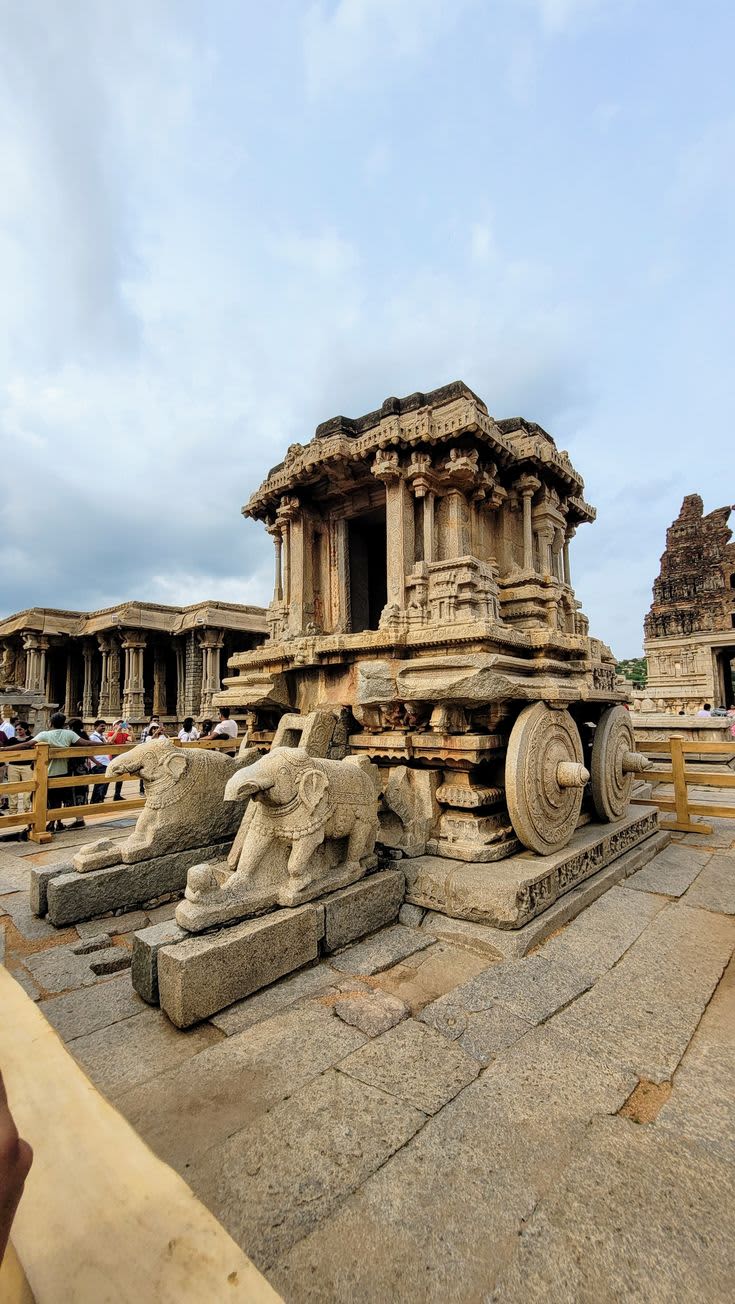
Hampi
Hampi, a UNESCO World Heritage Site in Karnataka, is one of the most evocative and visually stunning historical destinations in India — the ruins of Vijayanagara, once one of the largest and wealthiest cities in the medieval world and capital of the last great Hindu empire, spread across an otherworldly landscape of giant boulders, banana plantations, and the Tungabhadra River. The Virupaksha Temple, Vittala Temple with its famous Stone Chariot and musical pillars, the Lotus Mahal, and Elephant Stables are architectural masterpieces within a landscape of over 1,600 monuments. Cycling or hiking among Hampi's surreal boulder fields at sunrise and sunset is an experience of rare beauty and historical majesty.
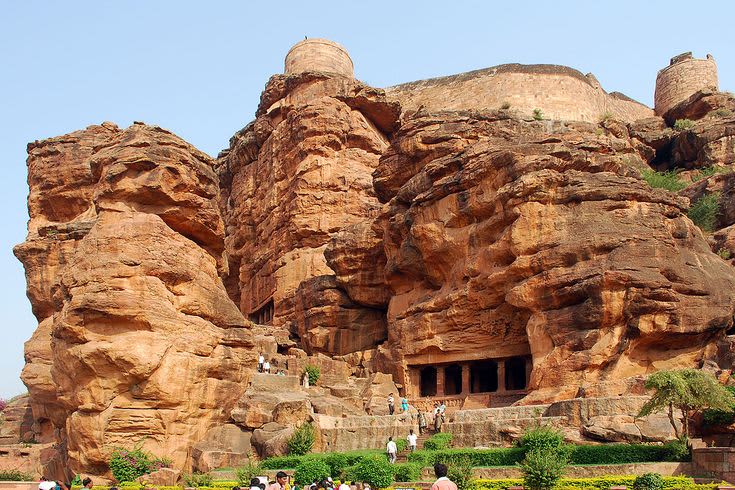
Badami
Badami, the ancient capital of the early Chalukya dynasty in Karnataka, is a historically rich town known above all for its four magnificent rock-cut cave temples carved into the face of a red sandstone cliff overlooking the scenic Agastya Lake in the 6th and 7th centuries CE. The caves contain exceptional sculptures of Shiva as Nataraja with 18 arms, various Vishnu avatars including the colossal reclining Vishnu in Cave 3, and Jain tirthankaras that represent some of the finest examples of early Deccan sculpture. The fortified hilltop above the caves, the temples on the lake's southern shore, and the nearby Pattadakal and Aihole make Badami the hub of an extraordinary ancient Chalukyan heritage trail.
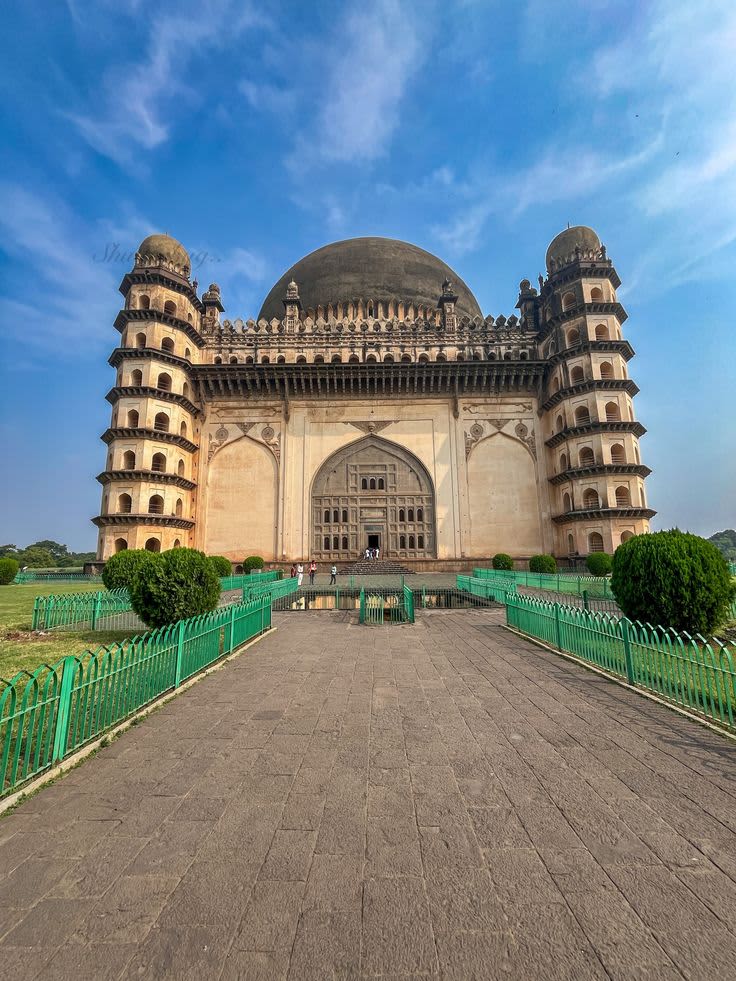
Bijapur
Bijapur, now officially renamed Vijayapura, in Karnataka is home to some of the finest examples of Deccan Sultanate architecture in India, most magnificently the Gol Gumbaz — the mausoleum of Sultan Muhammad Adil Shah, crowned by the world's second-largest dome after St. Peter's Basilica in Rome, famous for its extraordinary Whispering Gallery where even the softest sound bounces around the dome audibly. The city's wealth of Islamic heritage — including the Ibrahim Rauza (considered more beautiful than the Taj Mahal by some), the Jama Masjid, and the Malik-e-Maidan cannon — makes Bijapur one of the most architecturally significant and underappreciated cities in India.
Nearby destinations
Badami
15 km · Badami, the ancient capital of the early Chalukya dynasty in Karnataka, is a historically rich town known above all for its four magnificent rock-cut cave temples carved into the face of a red sandstone cliff overlooking the scenic Agastya Lake in the 6th and 7th centuries CE. The caves contain exceptional sculptures of Shiva as Nataraja with 18 arms, various Vishnu avatars including the colossal reclining Vishnu in Cave 3, and Jain tirthankaras that represent some of the finest examples of early Deccan sculpture. The fortified hilltop above the caves, the temples on the lake's southern shore, and the nearby Pattadakal and Aihole make Badami the hub of an extraordinary ancient Chalukyan heritage trail.
Hampi
97 km · Hampi, a UNESCO World Heritage Site in Karnataka, is one of the most evocative and visually stunning historical destinations in India — the ruins of Vijayanagara, once one of the largest and wealthiest cities in the medieval world and capital of the last great Hindu empire, spread across an otherworldly landscape of giant boulders, banana plantations, and the Tungabhadra River. The Virupaksha Temple, Vittala Temple with its famous Stone Chariot and musical pillars, the Lotus Mahal, and Elephant Stables are architectural masterpieces within a landscape of over 1,600 monuments. Cycling or hiking among Hampi's surreal boulder fields at sunrise and sunset is an experience of rare beauty and historical majesty.
Bijapur
99 km · Bijapur, now officially renamed Vijayapura, in Karnataka is home to some of the finest examples of Deccan Sultanate architecture in India, most magnificently the Gol Gumbaz — the mausoleum of Sultan Muhammad Adil Shah, crowned by the world's second-largest dome after St. Peter's Basilica in Rome, famous for its extraordinary Whispering Gallery where even the softest sound bounces around the dome audibly. The city's wealth of Islamic heritage — including the Ibrahim Rauza (considered more beautiful than the Taj Mahal by some), the Jama Masjid, and the Malik-e-Maidan cannon — makes Bijapur one of the most architecturally significant and underappreciated cities in India.