Best Places Similar in Ajmer
Best Places Similar to Ajmer
Ajmer, a city in the heart of Rajasthan, is one of the most important Islamic pilgrimage sites in South Asia, home to the Dargah Sharif — the tomb of the Sufi saint Khwaja Moinuddin Chishti, who is revered by Muslims and Hindus alike as a symbol of love, tolerance, and universal brotherhood. Millions of pilgrims visit the Dargah each year, particularly during the annual Urs festival, to seek blessings at the shrine's gilded tomb. The 12th-century Adhai Din Ka Jhonpra mosque and the stunning Ana Sagar Lake, where Emperor Jahangir built a beautiful marble pavilion, make Ajmer a city of remarkable composite heritage and spiritual significance.
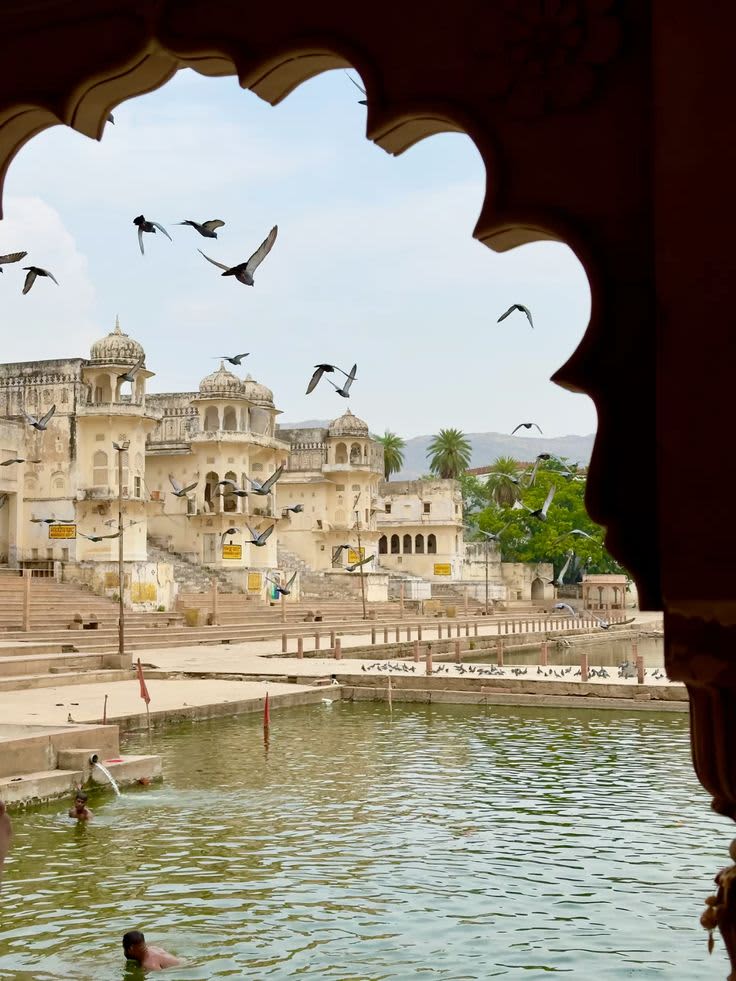
Pushkar
→Pushkar, a sacred lake town in Rajasthan's Ajmer district, is built around the holy Pushkar Lake and is one of the five sacred dhams (pilgrimage sites) in Hinduism, home to the Brahma Temple — one of the very few temples in the world dedicated to the creator god Brahma. The 52 ghats surrounding the lake are the scene of continuous ritual activity and evening aarti ceremonies, while the flower-filled bazaars and the proliferation of ashrams and yoga centers give Pushkar a genuinely spiritual and otherworldly atmosphere. Every November, the Pushkar Camel Fair transforms the desert surrounds into the world's largest camel fair and a spectacular pageant of Rajasthani folk culture.
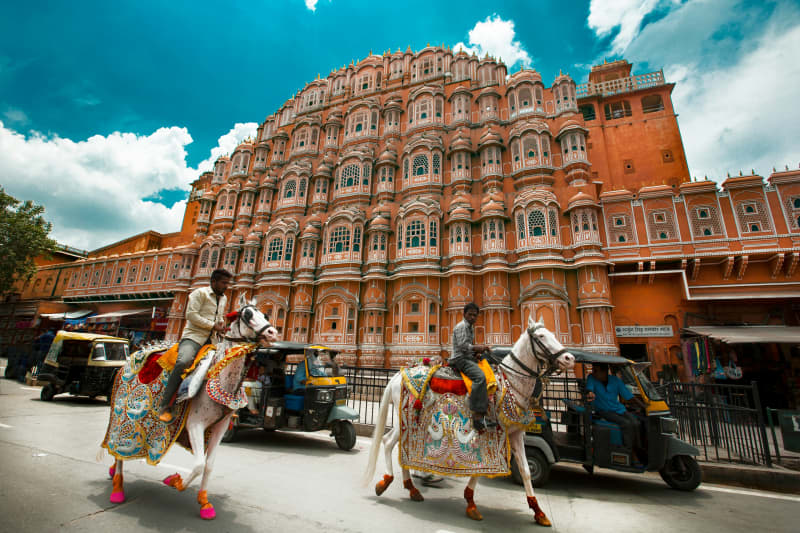
Jaipur
→Jaipur, the Pink City and capital of Rajasthan, is one of India's most vibrant and photogenic destinations, famous for its rose-tinted heritage architecture, colorful bazaars overflowing with textiles and jewelry, and the formidable Amer Fort. Built by Maharaja Jai Singh II in 1727 as India's first planned city, Jaipur's geometric street layout and magnificent palaces — including the City Palace and the iconic Hawa Mahal — reflect the opulence of Rajput royalty. The city is the gateway to Rajasthan's royal heartland and forms the third vertex of India's legendary Golden Triangle alongside Delhi and Agra.
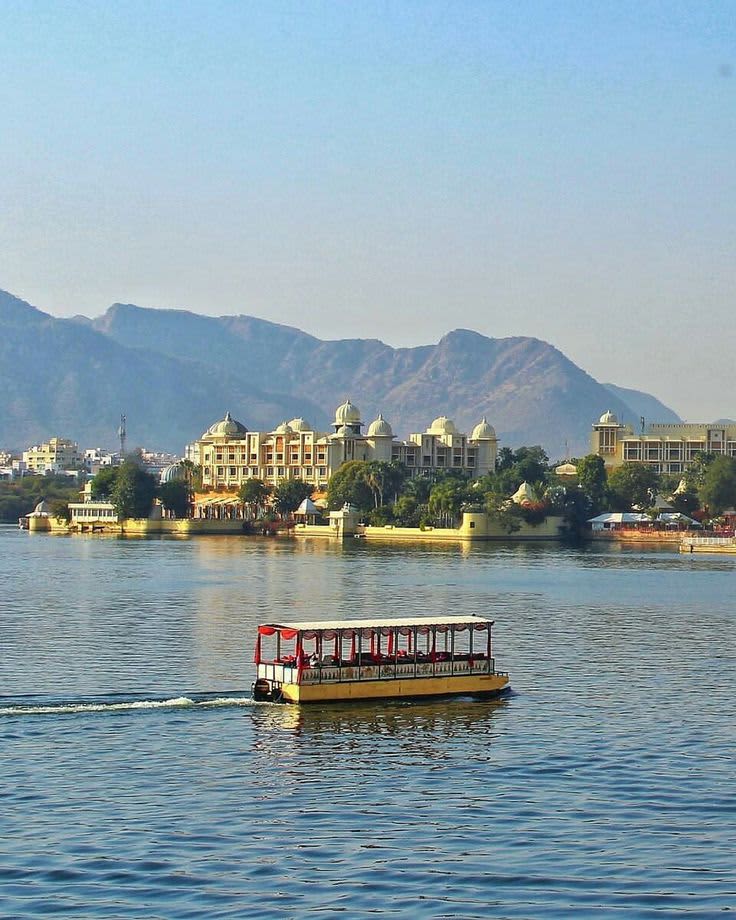
Udaipur
→Udaipur, the City of Lakes in Rajasthan, is widely considered one of the most romantic cities in India, a dreamlike destination of shimmering lake palaces, white marble temples, and haveli-lined ghats reflected in the placid waters of Lake Pichola. The iconic Lake Palace — seemingly floating on the waters of Pichola — and the grand City Palace complex are among the finest examples of Rajput architecture anywhere in India. Udaipur's vibrant arts scene, exquisite handicrafts, and the mesmerizing evening boat rides on the lake make it a city that captures hearts and refuses to let go.
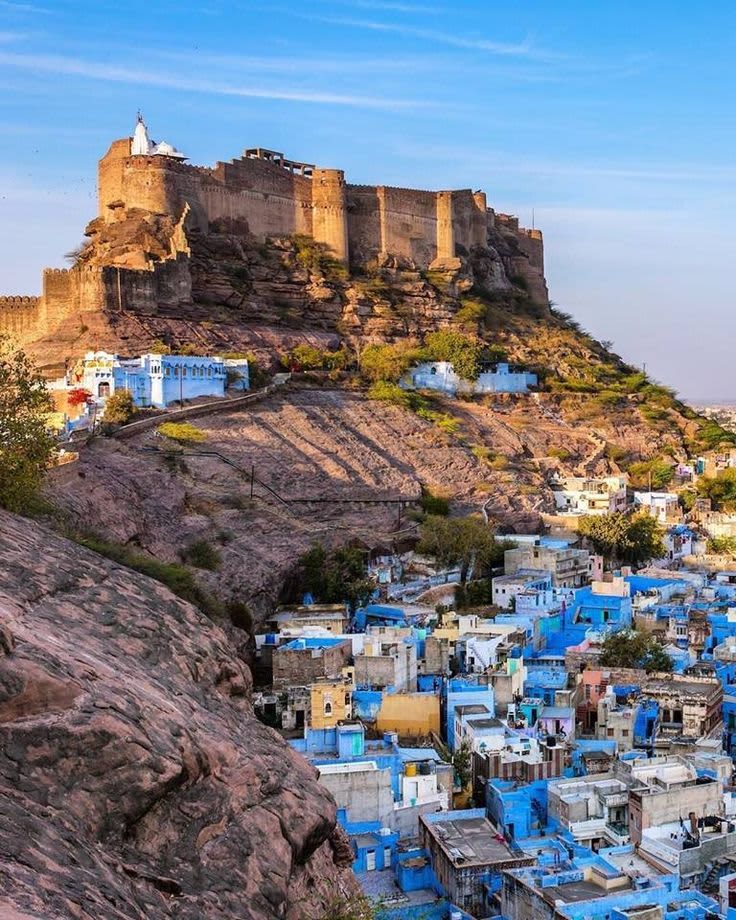
Jodhpur
→Jodhpur, the Blue City of Rajasthan, is dominated by the magnificent Mehrangarh Fort — one of India's largest and best-preserved forts — rising 150 meters above a sea of indigo-painted houses in the old city below, creating one of the most dramatic urban vistas on earth. The city's blue color, traditionally used by Brahmin residents to distinguish their homes, has now been adopted across the old city, giving it its poetic nickname. The bustling Clock Tower market, the ornate Umaid Bhawan Palace, and the narrow lanes of the old city teeming with spice merchants and craftspeople make Jodhpur an unmissable Rajasthani experience.
Bikaner
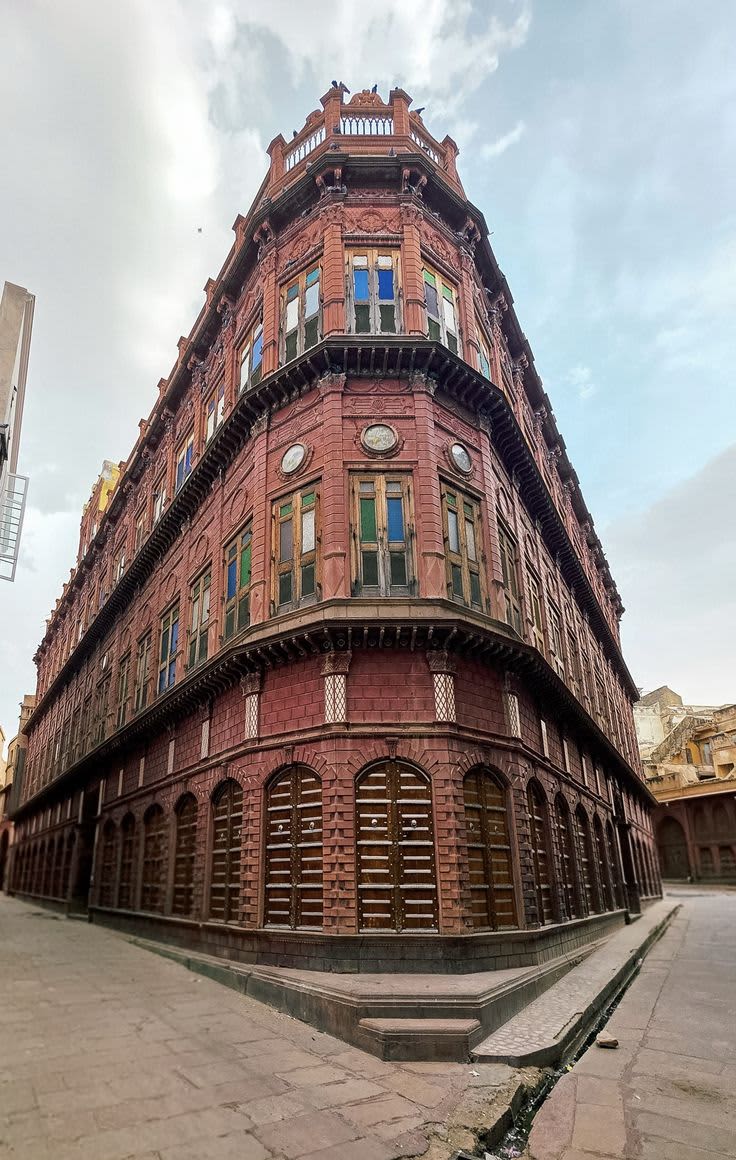
→Bikaner, a royal desert city in northern Rajasthan founded in 1488, is an oft-overlooked gem that rewards visitors with its stunning sandstone architecture, the formidable Junagarh Fort, and a distinctive culture shaped by centuries of camel trade and warrior tradition. The city is famous for its bikaneri bhujia and sweets, elaborate havelis with ornate facades, and the unique Karni Mata Temple at Deshnoke — home to thousands of sacred rats. Bikaner's National Research Centre on Camel and its vibrant Camel Festival in January make it one of Rajasthan's most characterful and authentic destinations.
Jaisalmer
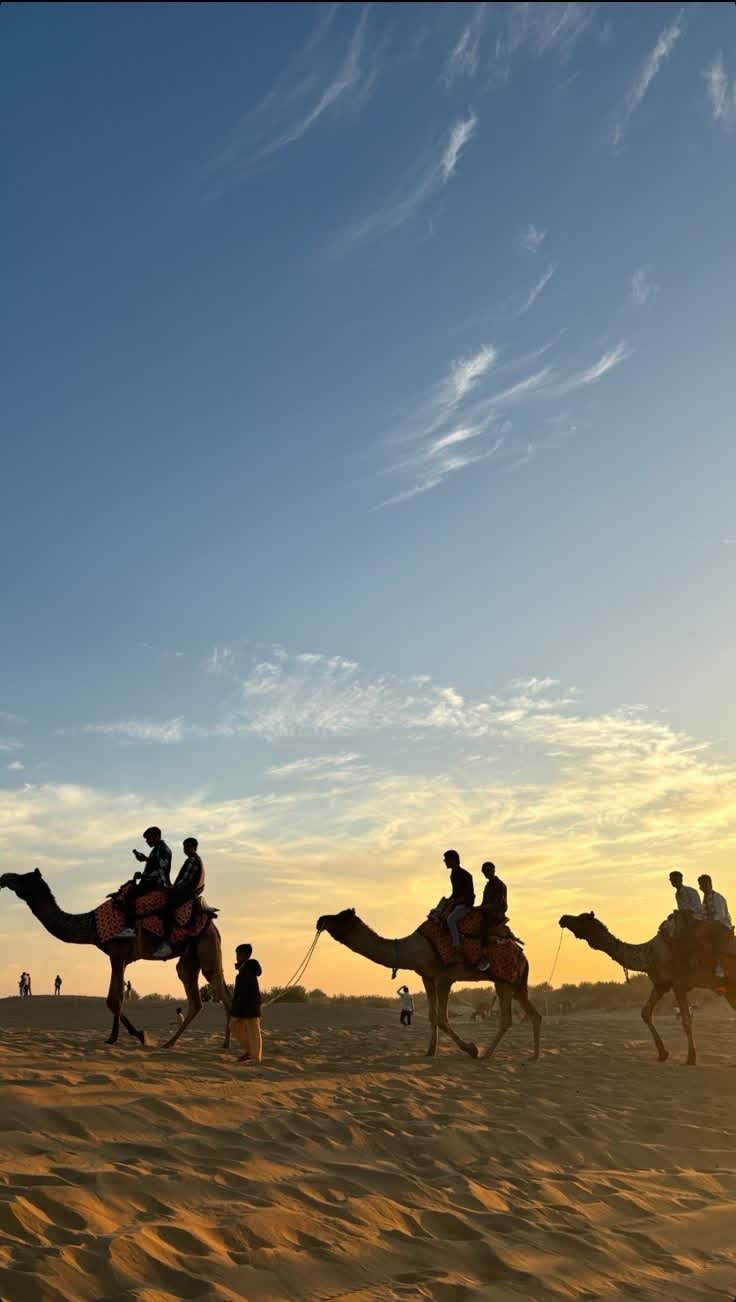
→Jaisalmer, the Golden City of Rajasthan, rises like a mirage from the Thar Desert with its honey-colored sandstone fort, havelis, and temples that seem to glow in the desert light — earning it its poetic name. The living Jaisalmer Fort, one of the largest fully preserved fortified cities in the world and a UNESCO World Heritage Site, still houses a thriving community within its medieval ramparts. Camel safaris into the sweeping sand dunes of Sam and Khuri, overnight camps under the vast desert sky, and the intricately carved Patwon Ki Haveli make Jaisalmer a destination of extraordinary romance and adventure.
Delhi
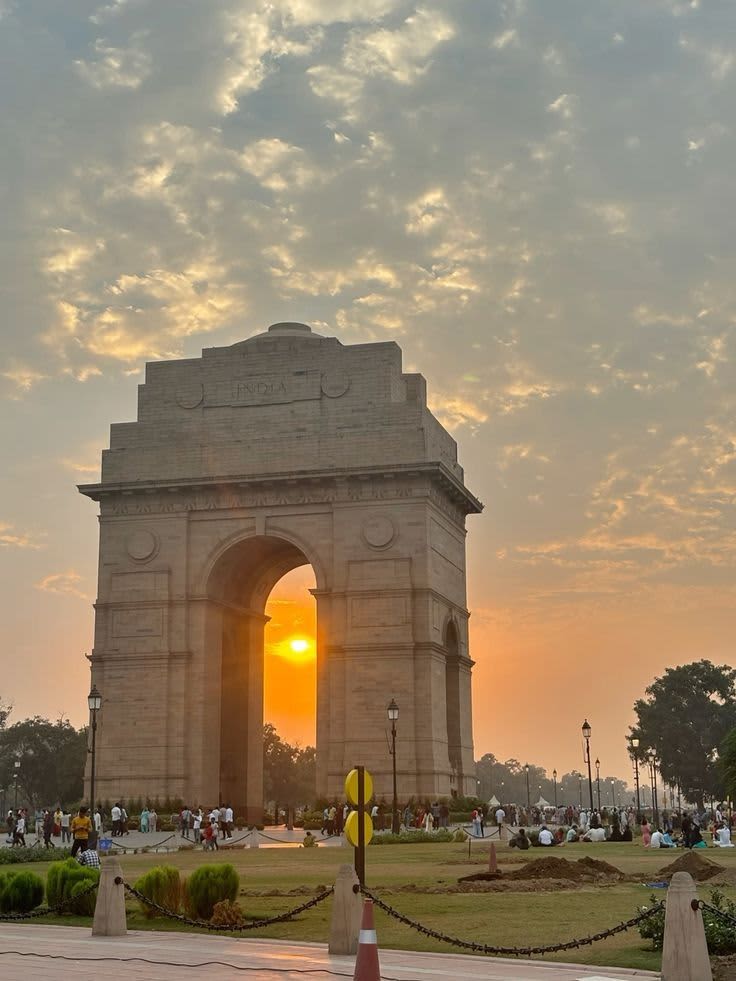
→Delhi, India's sprawling national capital, is one of the world's oldest continuously inhabited cities and a living tapestry of civilizations spanning 5,000 years, from the medieval lanes of Shahjahanabad to the wide boulevards of Lutyens' Delhi. UNESCO World Heritage Sites like the Red Fort, Humayun's Tomb, and the Qutub Minar stand alongside the modern parliament buildings and a world-class metro system. Delhi's extraordinary street food scene — from Old Delhi's parathas to Chandni Chowk's jalebis — and its vibrant markets, Mughal monuments, and cultural institutions make it an endlessly compelling destination.
Agra
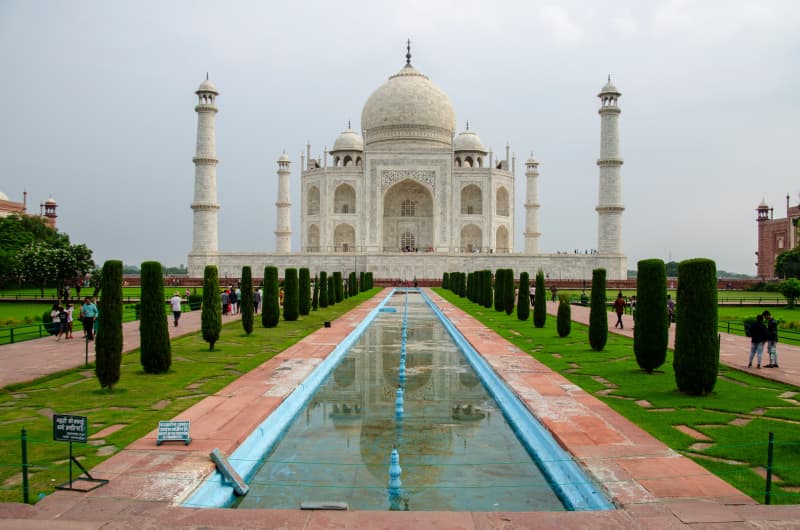
→Agra, situated on the banks of the Yamuna River in Uttar Pradesh, is home to the Taj Mahal — one of the Seven Wonders of the World and perhaps the most celebrated monument to love ever built — attracting millions of visitors each year with its transcendent marble beauty at sunrise and sunset. The city also shelters the magnificent Agra Fort, a UNESCO World Heritage Site, and the deserted imperial city of Fatehpur Sikri nearby. Together these sites make Agra the crown jewel of India's Golden Triangle tourist circuit and a non-negotiable stop on any visit to the Indian subcontinent.

Lucknow
→Lucknow, the capital of Uttar Pradesh and the City of Nawabs, is a magnificent and cultured city renowned across India for its exquisite Nawabi-era architecture, the refined Urdu spoken in its bazaars, the legendary tehzeeb (etiquette) of its people, and some of the finest cuisine India has to offer. The Bara Imambara complex with its mesmerizing Bhool Bhulaiya labyrinth, the elegant Residency ruins from the 1857 uprising, and the Rumi Darwaza modeled on a Lucknow gateway in Turkey are architectural landmarks of great distinction. The Hazratganj promenade, the kebab trail on Tunday Kababi street, and the chikankari embroidery bazaars make Lucknow one of India's most pleasurably civilized cities to explore.
Prayagraj
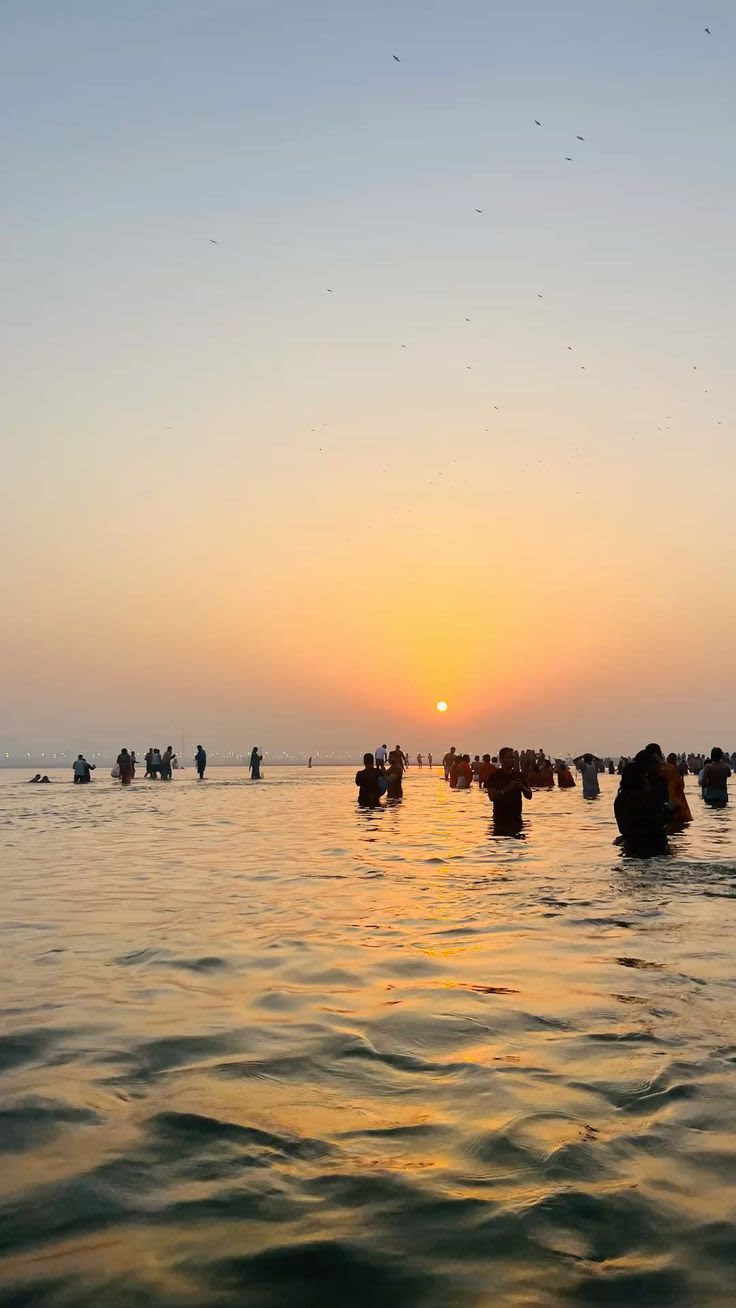
→Prayagraj, formerly known as Allahabad, is one of Hinduism's most sacred cities, situated at the Triveni Sangam — the holy confluence of the Ganges, Yamuna, and the mythical Saraswati rivers — a site of such spiritual significance that bathing here is believed to wash away all sins. Every 12 years, the Maha Kumbh Mela held at Prayagraj becomes the world's largest human gathering, drawing over 100 million pilgrims in a single season. The Kumbh Mela 2026 and 2036 promises to be a once-in-a-generation event. Beyond the ghats, the Allahabad Fort, the Anand Bhawan museum (former home of the Nehru-Gandhi family), and the beautiful Khusro Bagh make Prayagraj a city of great historical depth.