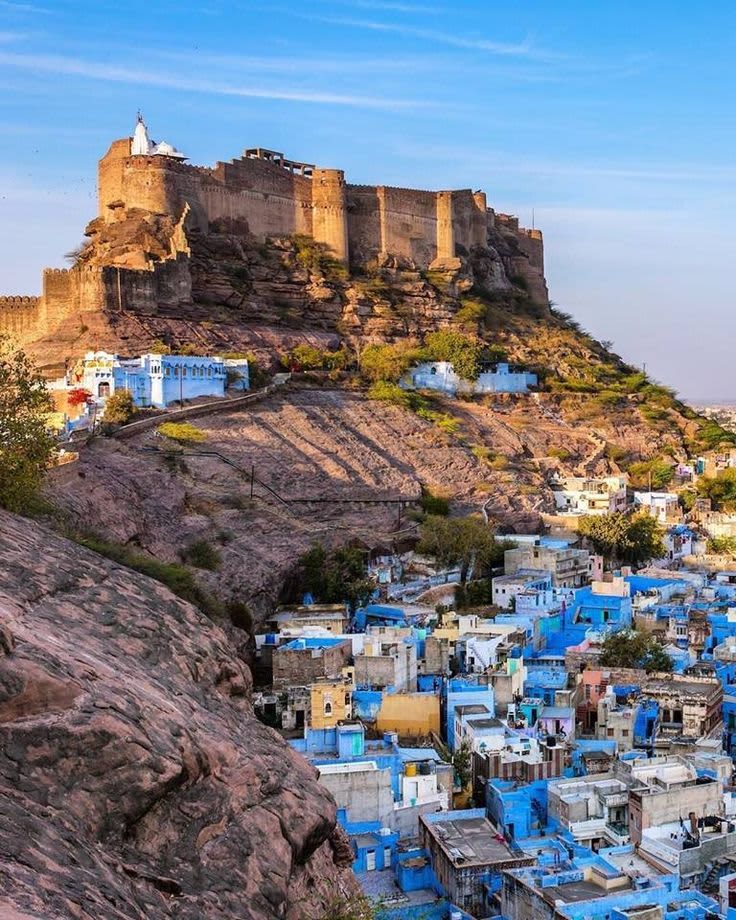
Jodhpur, the Blue City of Rajasthan, is dominated by the magnificent Mehrangarh Fort — one of India's largest and best-preserved forts — rising 150 meters above a sea of indigo-painted houses in the o...
Jodhpur
The Blue City
Rajasthan, India
4.7
Mehrangarh FortBlue HousesUmaid Bhawan
heritage
Duration: 1–2 Days
Budget/day: ₹1,500 – ₹6,000
Best season: Oct – Mar
Altitude: 231 m
Nearest airport: Jodhpur Airport (5 km from city centre)
Nearest railway: Jodhpur Railway Station (city centre)
Best places to visit in Jodhpur

Things to do in Jodhpur
- No photoHeritageView full guide
3–4 hours
Mehrangarh Fort exploration
One of the largest and most magnificently preserved forts in all of India, Mehrangarh rises 125 metres above the blue-washed city of Jodhpur on a sheer rocky outcrop. Its palaces, courtyards, and museum are immaculately maintained, the carved sandstone interiors are breathtaking, and the views over the sea of blue rooftops below are everything the photographs promise. This is the single best fort experience in Rajasthan.
- No photoCulture & ExplorationView full guide
2–3 hours
Exploring the Blue City lanes
The old city of Jodhpur is a labyrinth of indigo-blue painted houses that cluster around the base of Mehrangarh Fort — and wandering through these narrow lanes is one of the great urban exploring experiences in India. The blue is historically associated with Brahmin households but today the entire neighbourhood has adopted it, creating one of the most visually distinctive cityscapes anywhere in the world.
- No photoHeritageView full guide
1–1.5 hours
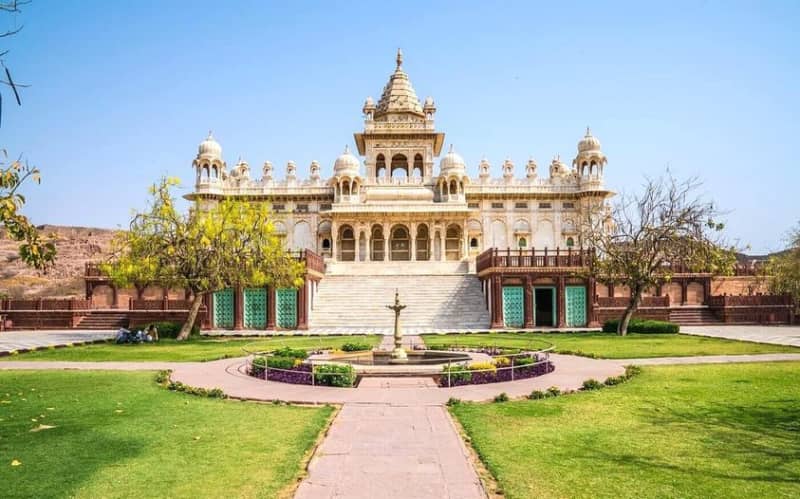
Jaswant Thada and royal cenotaphs
A hauntingly beautiful white marble memorial built in 1899 for Maharaja Jaswant Singh II, Jaswant Thada sits on a rocky hill with the fort looming behind it and the blue city stretching away below. The marble is so finely carved it becomes translucent in sunlight, and the surrounding garden of cenotaphs is quiet, romantic, and one of the most underrated heritage sites in all of Rajasthan.
Best Time to Visit and Weather Info
Best time: October to March
Summer (April–June) can reach 45°C. Monsoon (July–September) brings mild relief but Rajasthan's rain is limited.
Winter
Best Time ⭐Oct – Mar
8°C – 28°C
Perfect weather for exploring the Blue City's rooftop views, Mehrangarh Fort, and bazaars. The International Folk Festival (RIFF) is held in October.
- Climb to Mehrangarh Fort for panoramic blue city views
- Visit the Jaswant Thada cenotaph at sunset for golden light
Summer
Very Hot 🔴Apr – Jun
30°C – 45°C
Extremely hot. Sightseeing is uncomfortable after 9 AM.
- Visit fort interiors (cooled by thick stone walls) in summer
- Do all outdoor sightseeing before 8:30 AM
How to Reach
✈️By Air
Airport: Jodhpur Airport (5 km from city centre)
Duration: ~15 mins
Direct flights from Delhi, Mumbai, Jaipur, and Bengaluru.
Taxi: ₹200 – ₹400
Airlines: IndiGo, Air India, SpiceJet
🚂By Train
Station: Jodhpur Railway Station
Well-connected to Delhi (10 hrs), Jaipur (6 hrs), Udaipur (7 hrs), and Mumbai (16 hrs).
- Mandore Express — Delhi (Hazrat Nizamuddin) (10 hrs)
- Suryanagri Express — Mumbai (Bandra Terminus) (~18 hrs)
🚌By Road
Well-connected by RSRTC and Volvo buses. Roads are good and distances are manageable.
- Jaipur: 342 km, 5.5 hrs via NH-62
- Udaipur: 265 km, 5 hrs via NH-25
- Jaisalmer: 285 km, 5 hrs via NH-125
Itineraries
Local Food
Jodhpur's food is bold, spiced, and deeply Rajasthani — from the iconic Makhania Lassi to fiery Mirchi Bada and Pyaaz Kachori.
Makhania Lassi
Jodhpur's legendary thick yogurt drink flavoured with cardamom, kesar, and served with a thick malai float.
Where: Shri Mishrilal Hotel, near Clock Tower
₹80 – ₹150
Mirchi Bada
Large green chili stuffed with spiced potato filling, deep-fried in gram flour batter — Jodhpur's favourite street snack.
Where: Jodhpur Clock Tower market; roadside stalls
₹20 – ₹40 per piece
Pyaaz Kachori
Flaky onion-stuffed fried pastry served with tamarind chutney — Jodhpur's breakfast staple.
Where: Janta Sweets, Sojati Gate
₹30 – ₹60 per piece
Dal Baati Churma
Rajasthan's defining dish — ghee-bathed wheat balls with dal and sweet churma.
Where: On the Rocks restaurant, Ajit Bhawan hotel
₹200 – ₹400
Gatte ki Khichdi
Chickpea flour dumplings cooked into a one-pot spiced rice dish — a Rajasthani home-comfort meal.
Where: Traditional thali restaurants
₹120 – ₹200
Gulab Jamun (Jodhpur-style)
Soft, spongy milk-solid balls soaked in rose-flavored sugar syrup — Jodhpur's sweet shops are famous for them.
Where: Sweet shops near Sardar Market
₹30 – ₹60 per 100g
The Clock Tower (Ghanta Ghar) market is Jodhpur's best street food hub — Mirchi Bada, Makhania Lassi, and fresh kachoris are all sold within steps of each other.
FAQs
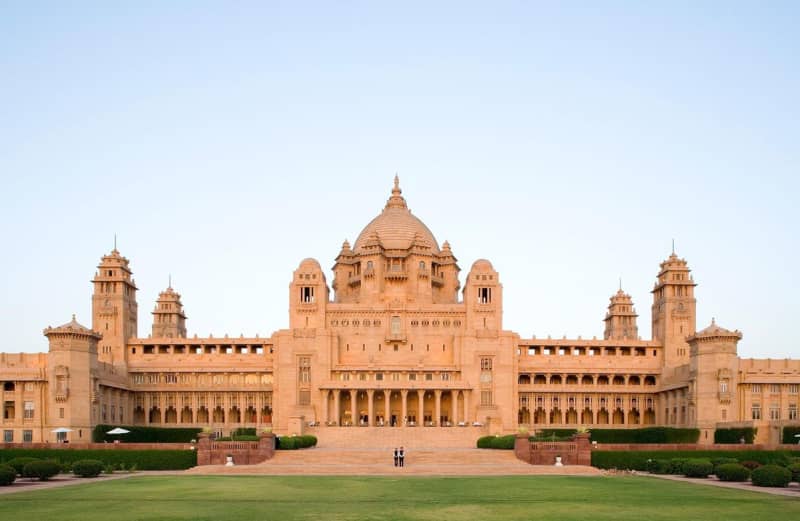
- Jodhpur, the 'Blue City', is famous for the mighty Mehrangarh Fort (one of India's largest), the indigo-blue painted Brahmin homes of the old city, Umaid Bhawan Palace, the Jaswant Thada cenotaph, and its vibrant Clock Tower market.
Best Places Similar
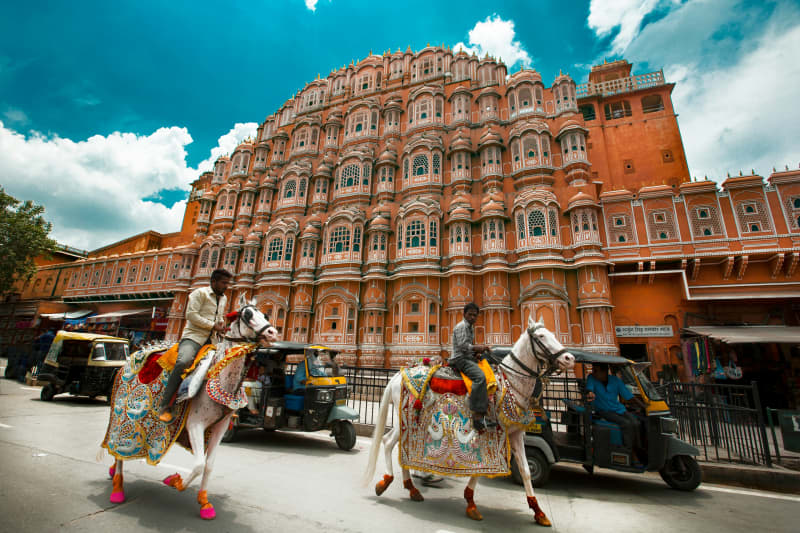
Jaipur
Jaipur, the Pink City and capital of Rajasthan, is one of India's most vibrant and photogenic destinations, famous for its rose-tinted heritage architecture, colorful bazaars overflowing with textiles and jewelry, and the formidable Amer Fort. Built by Maharaja Jai Singh II in 1727 as India's first planned city, Jaipur's geometric street layout and magnificent palaces — including the City Palace and the iconic Hawa Mahal — reflect the opulence of Rajput royalty. The city is the gateway to Rajasthan's royal heartland and forms the third vertex of India's legendary Golden Triangle alongside Delhi and Agra.
Jaisalmer
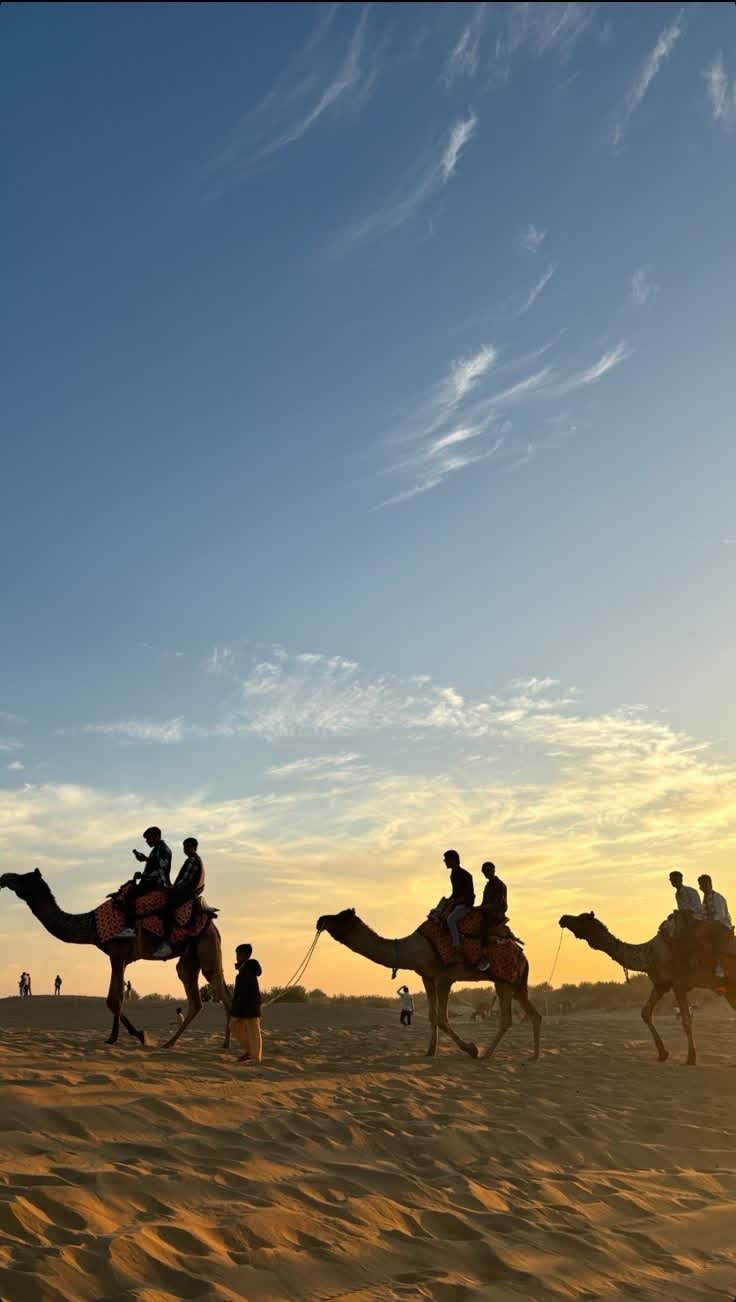
Jaisalmer, the Golden City of Rajasthan, rises like a mirage from the Thar Desert with its honey-colored sandstone fort, havelis, and temples that seem to glow in the desert light — earning it its poetic name. The living Jaisalmer Fort, one of the largest fully preserved fortified cities in the world and a UNESCO World Heritage Site, still houses a thriving community within its medieval ramparts. Camel safaris into the sweeping sand dunes of Sam and Khuri, overnight camps under the vast desert sky, and the intricately carved Patwon Ki Haveli make Jaisalmer a destination of extraordinary romance and adventure.
Bikaner
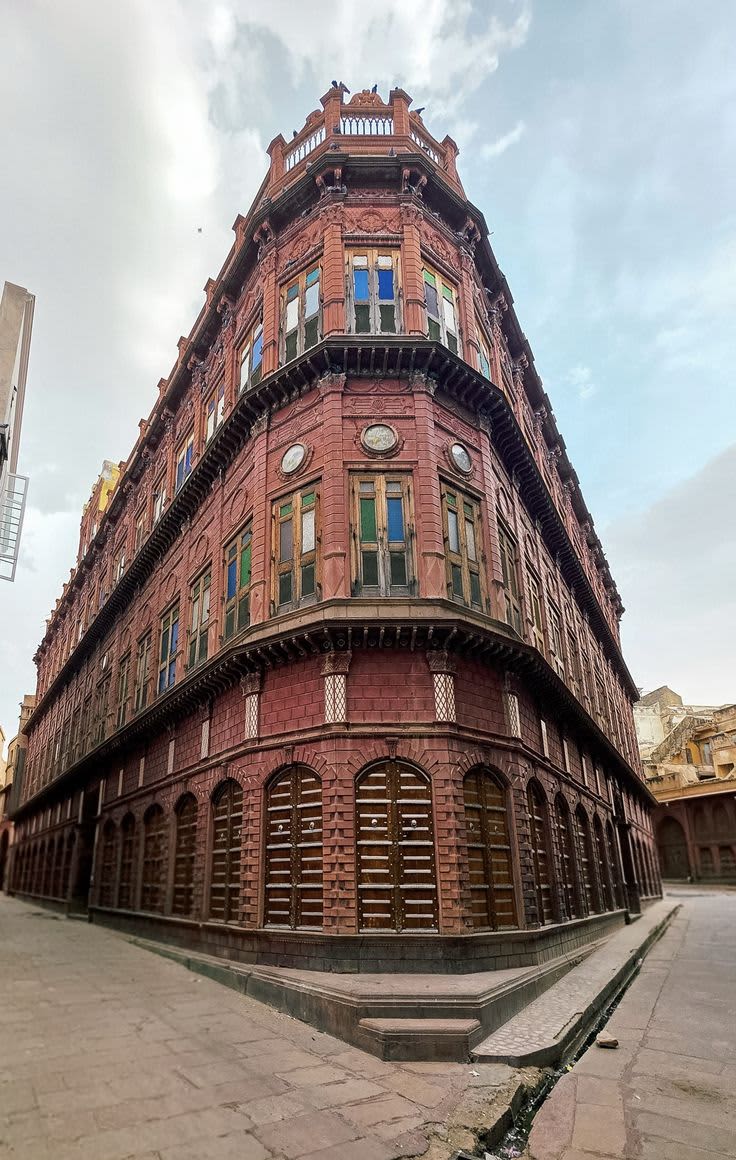
Bikaner, a royal desert city in northern Rajasthan founded in 1488, is an oft-overlooked gem that rewards visitors with its stunning sandstone architecture, the formidable Junagarh Fort, and a distinctive culture shaped by centuries of camel trade and warrior tradition. The city is famous for its bikaneri bhujia and sweets, elaborate havelis with ornate facades, and the unique Karni Mata Temple at Deshnoke — home to thousands of sacred rats. Bikaner's National Research Centre on Camel and its vibrant Camel Festival in January make it one of Rajasthan's most characterful and authentic destinations.
Nearby destinations
Pushkar
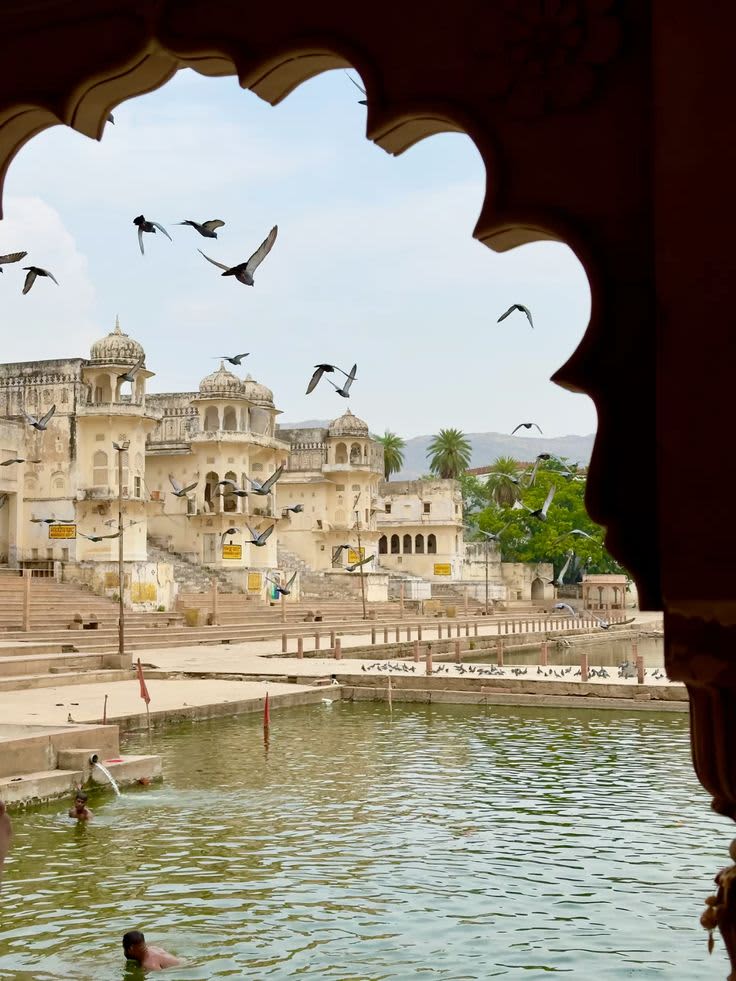
155 km · Pushkar, a sacred lake town in Rajasthan's Ajmer district, is built around the holy Pushkar Lake and is one of the five sacred dhams (pilgrimage sites) in Hinduism, home to the Brahma Temple — one of the very few temples in the world dedicated to the creator god Brahma. The 52 ghats surrounding the lake are the scene of continuous ritual activity and evening aarti ceremonies, while the flower-filled bazaars and the proliferation of ashrams and yoga centers give Pushkar a genuinely spiritual and otherworldly atmosphere. Every November, the Pushkar Camel Fair transforms the desert surrounds into the world's largest camel fair and a spectacular pageant of Rajasthani folk culture.
Ajmer
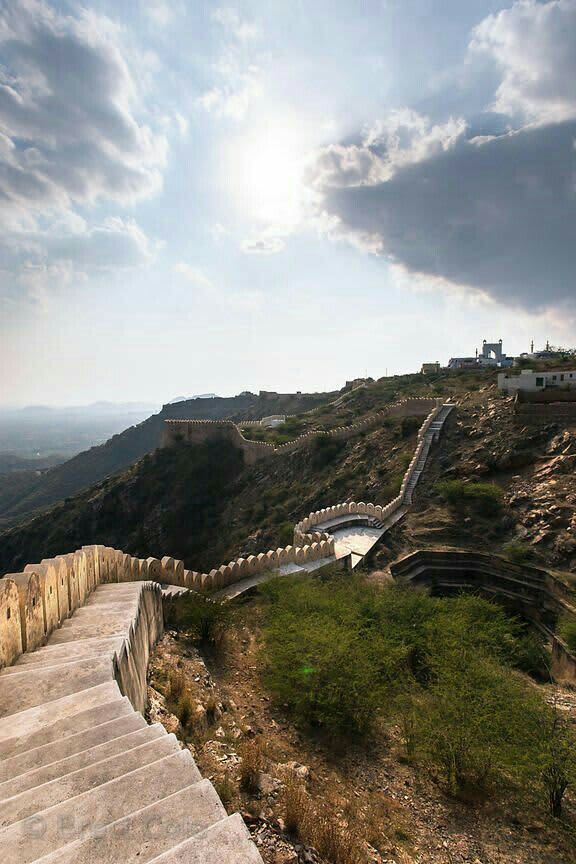
163 km · Ajmer, a city in the heart of Rajasthan, is one of the most important Islamic pilgrimage sites in South Asia, home to the Dargah Sharif — the tomb of the Sufi saint Khwaja Moinuddin Chishti, who is revered by Muslims and Hindus alike as a symbol of love, tolerance, and universal brotherhood. Millions of pilgrims visit the Dargah each year, particularly during the annual Urs festival, to seek blessings at the shrine's gilded tomb. The 12th-century Adhai Din Ka Jhonpra mosque and the stunning Ana Sagar Lake, where Emperor Jahangir built a beautiful marble pavilion, make Ajmer a city of remarkable composite heritage and spiritual significance.
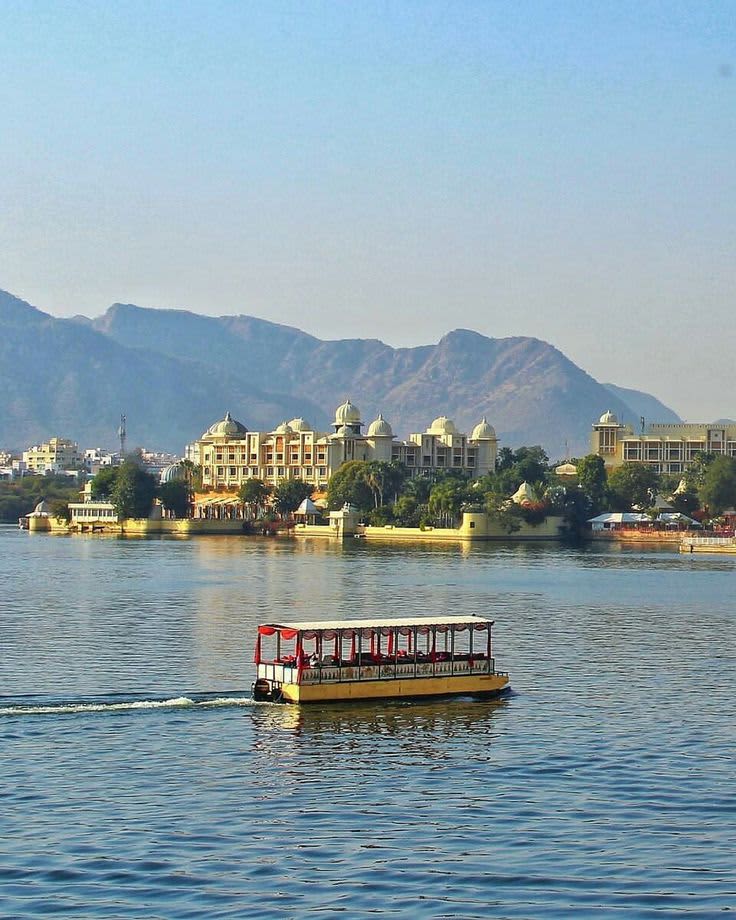
Udaipur
196 km · Udaipur, the City of Lakes in Rajasthan, is widely considered one of the most romantic cities in India, a dreamlike destination of shimmering lake palaces, white marble temples, and haveli-lined ghats reflected in the placid waters of Lake Pichola. The iconic Lake Palace — seemingly floating on the waters of Pichola — and the grand City Palace complex are among the finest examples of Rajput architecture anywhere in India. Udaipur's vibrant arts scene, exquisite handicrafts, and the mesmerizing evening boat rides on the lake make it a city that captures hearts and refuses to let go.