Delhi, India's sprawling national capital, is one of the world's oldest continuously inhabited cities and a living tapestry of civilizations spanning 5,000 years, from the medieval lanes of Shahjahana...
Delhi
Capital of Seven Empires
Delhi, India
4.6
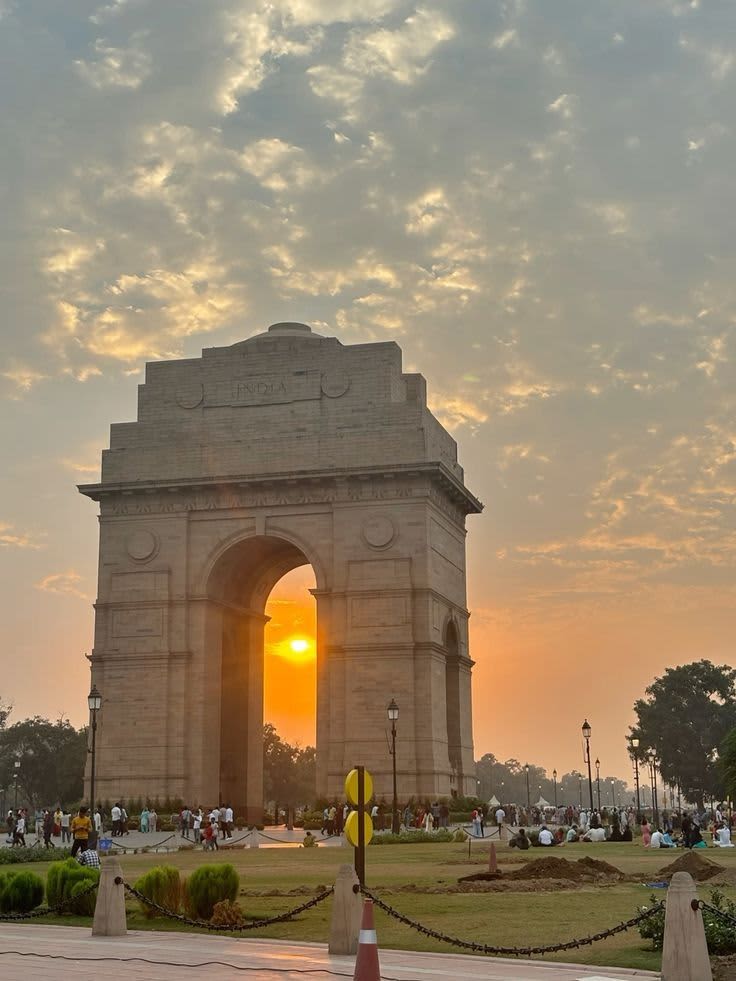
Red FortQutub MinarIndia Gate
cityheritage
Duration: 3–5 Days
Budget/day: ₹1,500 – ₹8,000
Best season: Oct – Mar
Altitude: 216 m
Nearest airport: Indira Gandhi International Airport (within city)
Nearest railway: New Delhi Railway Station, Hazrat Nizamuddin Station, Anand Vihar Station
Best places to visit in Delhi


Things to do in Delhi
- No photoHeritage / CulturalView full guide
Full day (multiple sites)
Heritage Walk
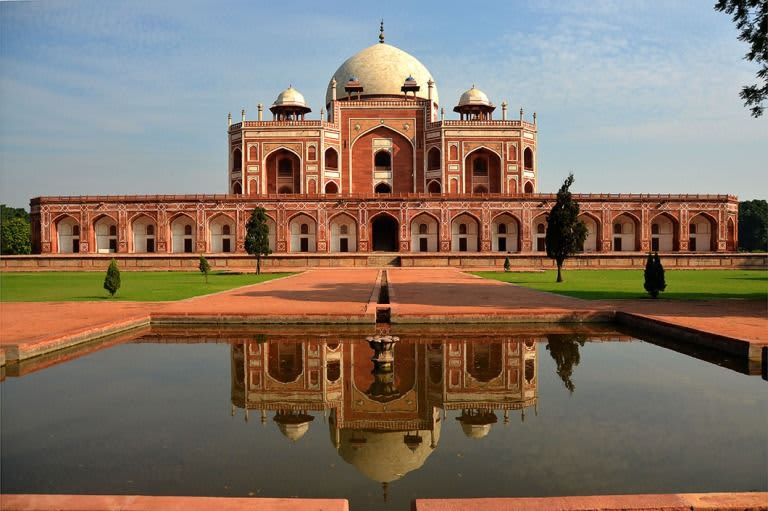
Explore Delhi's extraordinary layered history through its UNESCO monuments — Red Fort (Mughal masterpiece, 1648), Qutub Minar (72.5 m tall; world's tallest brick minaret, 1193 AD), Humayun's Tomb (prototype of the Taj Mahal), India Gate, Purana Qila, Lodhi Garden's medieval tombs, and the Hauz Khas complex.
- No photoEducational / CulturalView full guide
2–4 hours per museum
Museum Visit
Delhi's world-class museums include the National Museum (nation's largest — Indus Valley to Mughal artefacts), National Gallery of Modern Art, Crafts Museum (India's largest crafts collection), National Rail Museum (steam locomotives and royal saloons), and the interactive Partition Museum in Amritsar's Delhi branch.
- No photoCulinaryView full guide
2–4 hours
Street Food Tour
Devour Delhi's legendary street food — the parathas of Paranthe Wali Gali (Old Delhi; 200-year-old paratha shops), chaat (aloo tikki, gol gappe, dahi bhalle) at Bengali Market, butter chicken at its alleged birthplace (Moti Mahal, Daryaganj), Jama Masjid's non-vegetarian street food lane (bade kebab, nihari, korma).
Best Time to Visit and Weather Info
Best time: October to March
Summers (April–June) are extremely hot (45°C+). Monsoon (July–September) brings humidity and occasional flooding.
Winter
Best Time ⭐Oct – Feb
5°C – 25°C
Pleasant weather for sightseeing. All monuments, gardens, and outdoor markets are enjoyable. Delhi's food and cultural scene is at its peak.
- December–January mornings can have thick fog — plan accordingly
- Republic Day parade on Jan 26 is a spectacular experience
Summer
Very Hot 🔴Mar – Jun
30°C – 47°C
Fierce heat. Most outdoor sightseeing is unpleasant. Best for indoor museums and air-conditioned shopping malls.
- Start sightseeing before 8 AM
- Carry water constantly
Monsoon
Hot & Humid 🔴Jul – Sep
28°C – 38°C
Hot, humid, and occasionally flooding. Some areas have waterlogging issues.
- Delhi often floods in low-lying areas
- Heritage sites are still accessible
How to Reach
✈️By Air
Airport: Indira Gandhi International Airport (T1, T2, T3) (20 km from city centre)
Duration: ~45 mins by metro or cab
India's busiest airport with direct flights from across India and internationally. Delhi Airport Metro Express connects T3 to New Delhi station in 20 mins.
Taxi: ₹400 – ₹700 (Airport T3 to Connaught Place)
Airlines: IndiGo, Air India, SpiceJet, Vistara, Emirates, Singapore Airlines
🚂By Train
Station: New Delhi, Hazrat Nizamuddin, Anand Vihar, Delhi Cantt
Delhi is India's railway hub — connected to every major city. New Delhi Station handles the most trains.
- Rajdhani Express — Mumbai/Chennai/Kolkata (Varies — flagship express trains)
- Shatabdi Express — Chandigarh/Agra/Jaipur (3–5 hrs from nearby cities)
🚌By Road
Delhi is connected by expressways and national highways to all major North Indian cities. ISBT Kashmere Gate is the main bus terminal.
- Agra: 206 km, 3 hrs via Yamuna Expressway
- Jaipur: 281 km, 5 hrs via NH-48 via Gurugram
- Chandigarh: 248 km, 4.5 hrs via NH-44
Itineraries
Local Food
Delhi is India's food capital — a city where street food, Mughal cuisine, and global restaurants coexist in every neighbourhood.
Butter Chicken
The dish invented in Delhi — tender chicken in a rich, creamy tomato-butter gravy. Try it at the original source.
Where: Moti Mahal, Daryaganj (claimed birthplace)
₹300 – ₹600
Paranthe Wali Gali Paranthas
The famous lane in Old Delhi (Chandni Chowk) serving 50+ varieties of stuffed paranthas since the 1870s.
Where: Paranthe Wali Gali, Chandni Chowk
₹80 – ₹180
Chole Bhature
Fluffy deep-fried bread with spiced chickpeas — Delhi's iconic breakfast and brunch dish.
Where: Sita Ram Diwan Chand, Paharganj; Nand di Hatti
₹100 – ₹200
Old Delhi Nihari
Slow-cooked overnight beef or mutton shank — a Mughal-era breakfast dish from Old Delhi.
Where: Al-Jawahar, Matia Mahal Lane, Jama Masjid
₹200 – ₹400
Jalebi and Rabdi
Crispy hot jalebis dunked in cold thickened milk (rabdi) — Delhi's most indulgent sweet.
Where: Old Famous Jalebi Wala, Chandni Chowk (since 1884)
₹80 – ₹150
Delhi Chaat
Golgappe (pani puri), aloo tikki, dahi bhalle — Delhi's street chaat scene is unmatched.
Where: Bengali Market, Lajpat Nagar, Khan Market
₹60 – ₹150
Old Delhi (Chandni Chowk area) is the epicentre of Delhi's food heritage. A food walk through the lanes of Jama Masjid, Paranthe Wali Gali, and Karim's is a non-negotiable experience.
FAQs
- Delhi is India's capital and a city of multiple empires — famous for the Red Fort, Qutub Minar, Humayun's Tomb (UNESCO), India Gate, Lotus Temple, Akshardham, Old Delhi's Mughal bazaars, and the vibrant food and art scene.
Best Places Similar
Agra
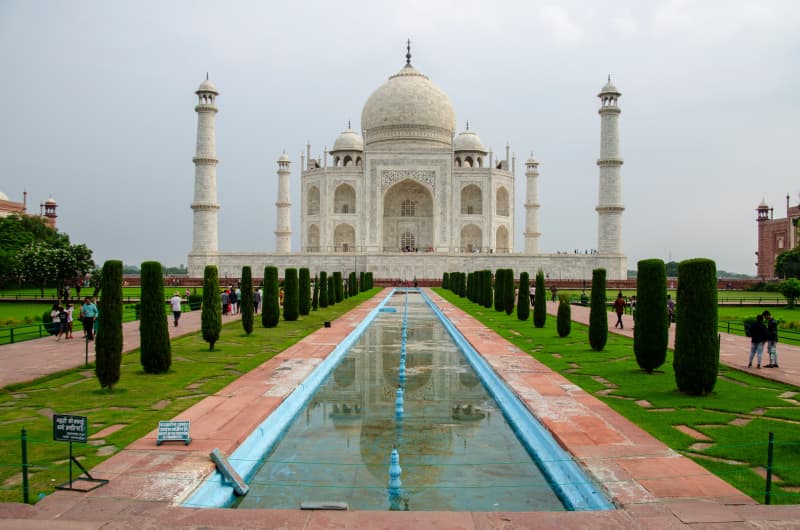
Agra, situated on the banks of the Yamuna River in Uttar Pradesh, is home to the Taj Mahal — one of the Seven Wonders of the World and perhaps the most celebrated monument to love ever built — attracting millions of visitors each year with its transcendent marble beauty at sunrise and sunset. The city also shelters the magnificent Agra Fort, a UNESCO World Heritage Site, and the deserted imperial city of Fatehpur Sikri nearby. Together these sites make Agra the crown jewel of India's Golden Triangle tourist circuit and a non-negotiable stop on any visit to the Indian subcontinent.
Jaipur
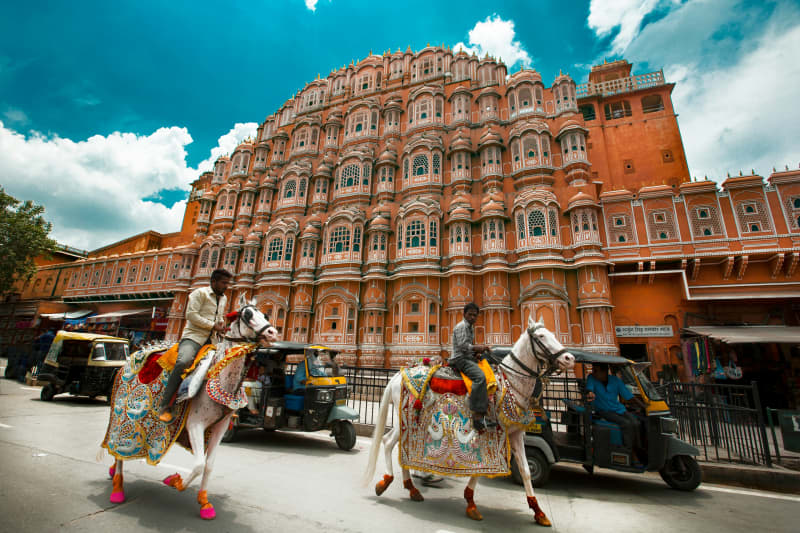
Jaipur, the Pink City and capital of Rajasthan, is one of India's most vibrant and photogenic destinations, famous for its rose-tinted heritage architecture, colorful bazaars overflowing with textiles and jewelry, and the formidable Amer Fort. Built by Maharaja Jai Singh II in 1727 as India's first planned city, Jaipur's geometric street layout and magnificent palaces — including the City Palace and the iconic Hawa Mahal — reflect the opulence of Rajput royalty. The city is the gateway to Rajasthan's royal heartland and forms the third vertex of India's legendary Golden Triangle alongside Delhi and Agra.

Lucknow
Lucknow, the capital of Uttar Pradesh and the City of Nawabs, is a magnificent and cultured city renowned across India for its exquisite Nawabi-era architecture, the refined Urdu spoken in its bazaars, the legendary tehzeeb (etiquette) of its people, and some of the finest cuisine India has to offer. The Bara Imambara complex with its mesmerizing Bhool Bhulaiya labyrinth, the elegant Residency ruins from the 1857 uprising, and the Rumi Darwaza modeled on a Lucknow gateway in Turkey are architectural landmarks of great distinction. The Hazratganj promenade, the kebab trail on Tunday Kababi street, and the chikankari embroidery bazaars make Lucknow one of India's most pleasurably civilized cities to explore.
Nearby destinations
Vrindavan
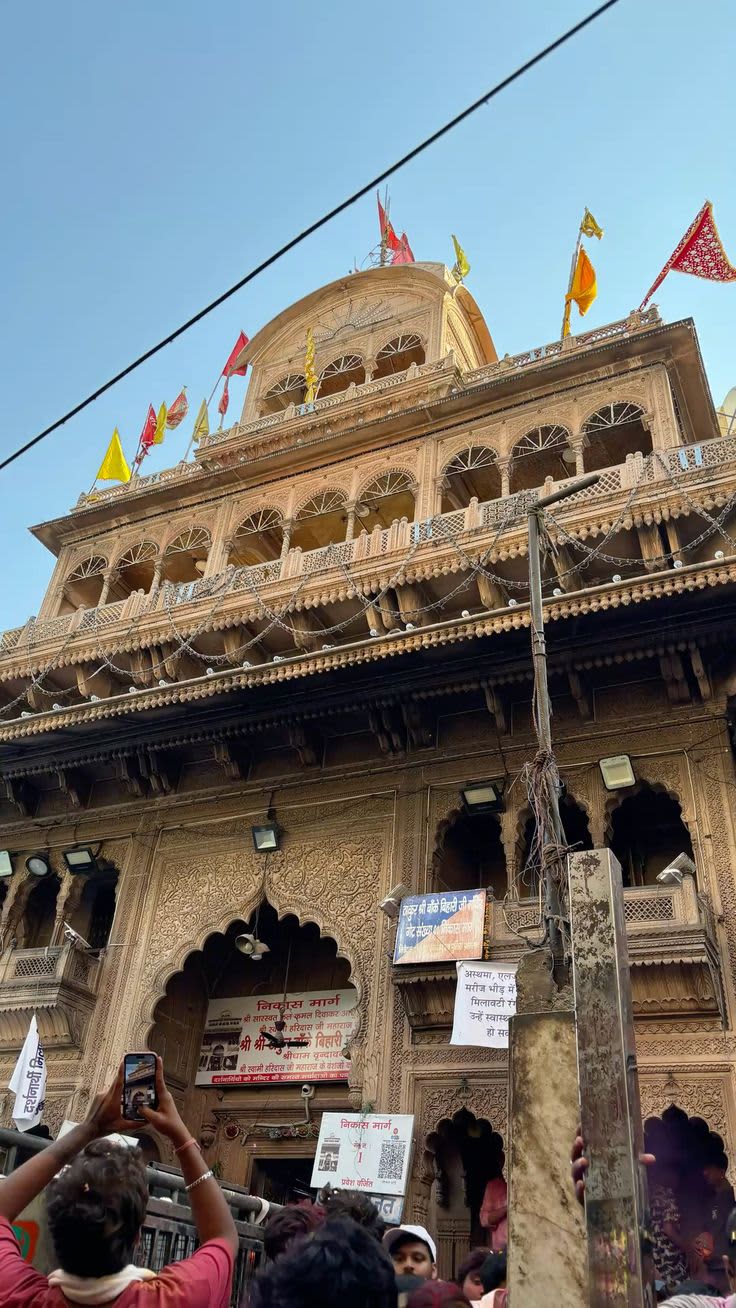
124 km · Vrindavan, a sacred town on the Yamuna River near Mathura in Uttar Pradesh, is revered as the place where young Krishna spent his childhood, and every corner of this town resonates with devotional music, temple bells, and the fragrance of flowers and incense. The town's 5,000-plus temples — including the grand Banke Bihari Mandir, the Radha Raman Temple, and the ISKCON complex — are centers of intense Vaishnava worship that pulsates with joy and bhakti. The enchanting Yamuna ghats, the Nidhivan forest sacred to Radha-Krishna lore, and the festival of Radhashtami make Vrindavan one of India's most spiritually alive and emotionally moving destinations.
Mathura
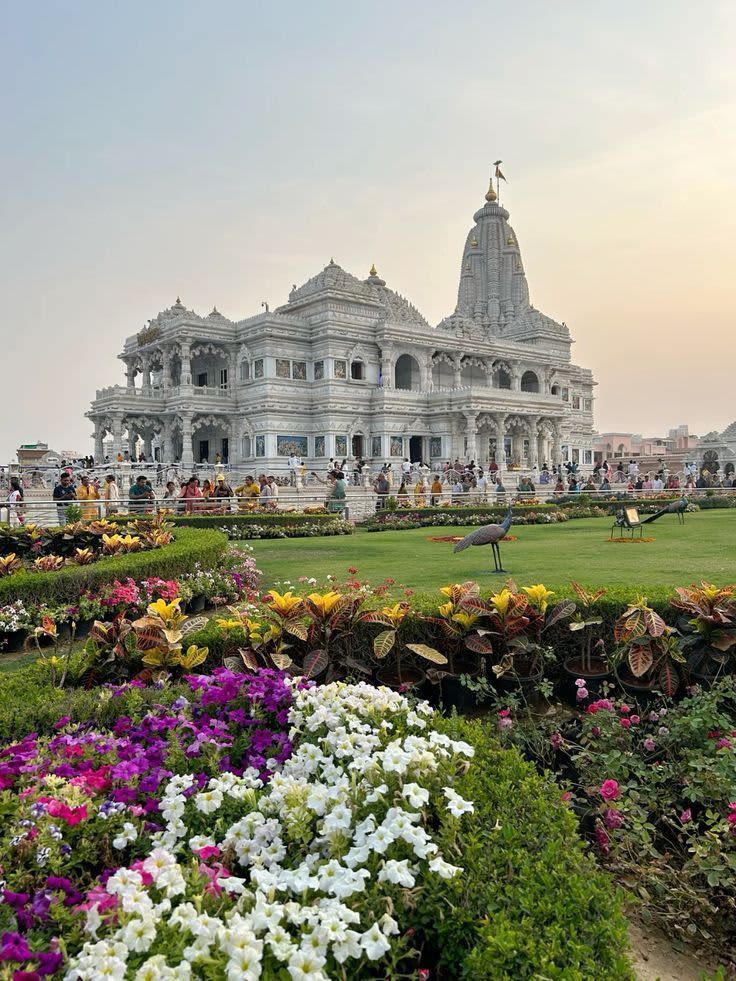
133 km · Mathura, situated on the western bank of the Yamuna River in Uttar Pradesh, is one of Hinduism's most sacred cities and the birthplace of Lord Krishna — the beloved deity whose life and teachings form the foundation of the Bhagavad Gita. The city's Krishna Janmabhoomi temple complex marks the exact spot of Krishna's birth, while the ghats along the Yamuna, the Dwarkadhish Temple, and dozens of ancient temples make Mathura a vibrant center of Vaishnava devotion. The Holi festival celebrated in Mathura and nearby Vrindavan is one of India's most ecstatic and visually spectacular events, drawing visitors from across the globe.
Haridwar
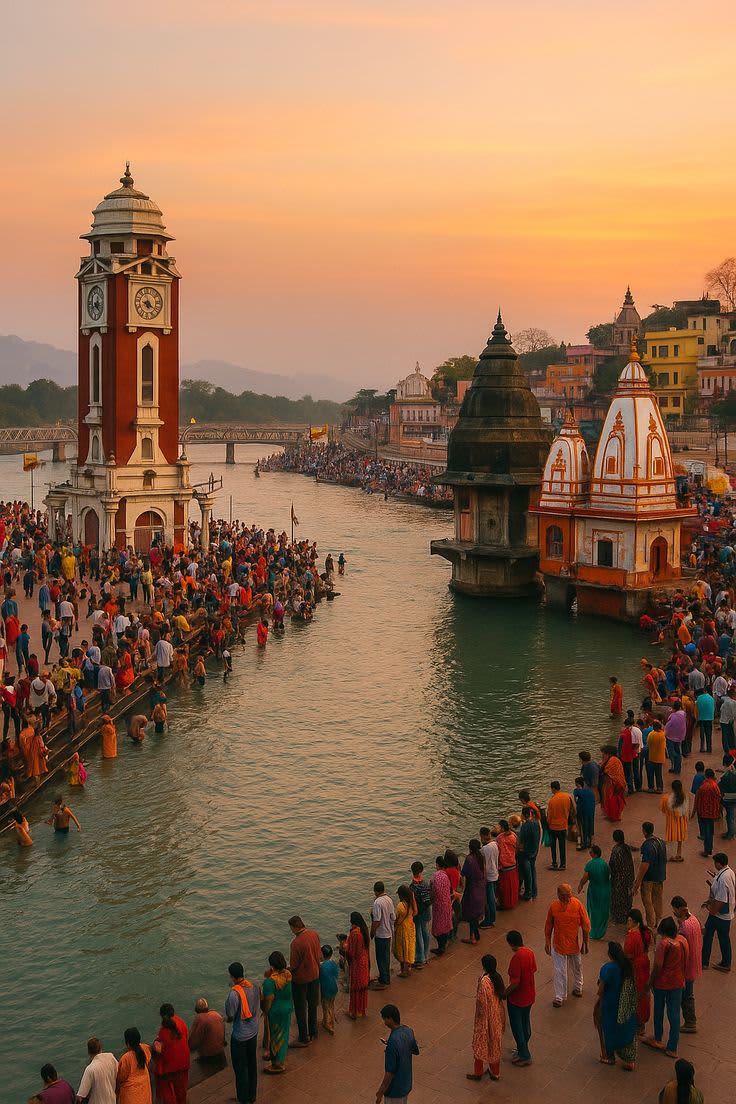
175 km · The holy city of Haridwar translates to "Gateway to God," and this breathtaking destination, replete with ancient temples and sacred ghats, is a magnet for religious pilgrims from all over the globe. Religious festivals like Kumbh Mela and Kanwar Yatra hold further draw, and visitors can't help but be compelled by the city's aura of intense spirituality. Don't miss the iconic Har ki Pauri ghat and the hilltop Chandi Devi Temple.