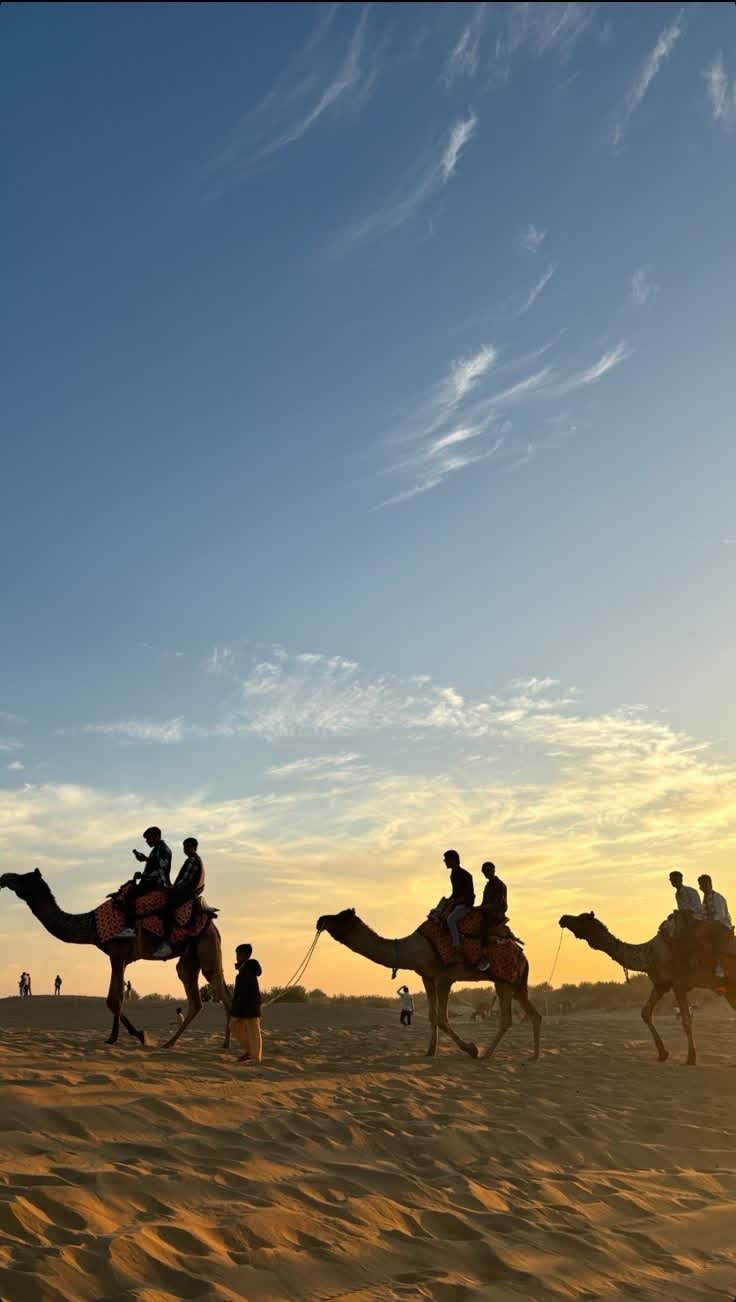
Udaipur, the City of Lakes in Rajasthan, is widely considered one of the most romantic cities in India, a dreamlike destination of shimmering lake palaces, white marble temples, and haveli-lined ghats...
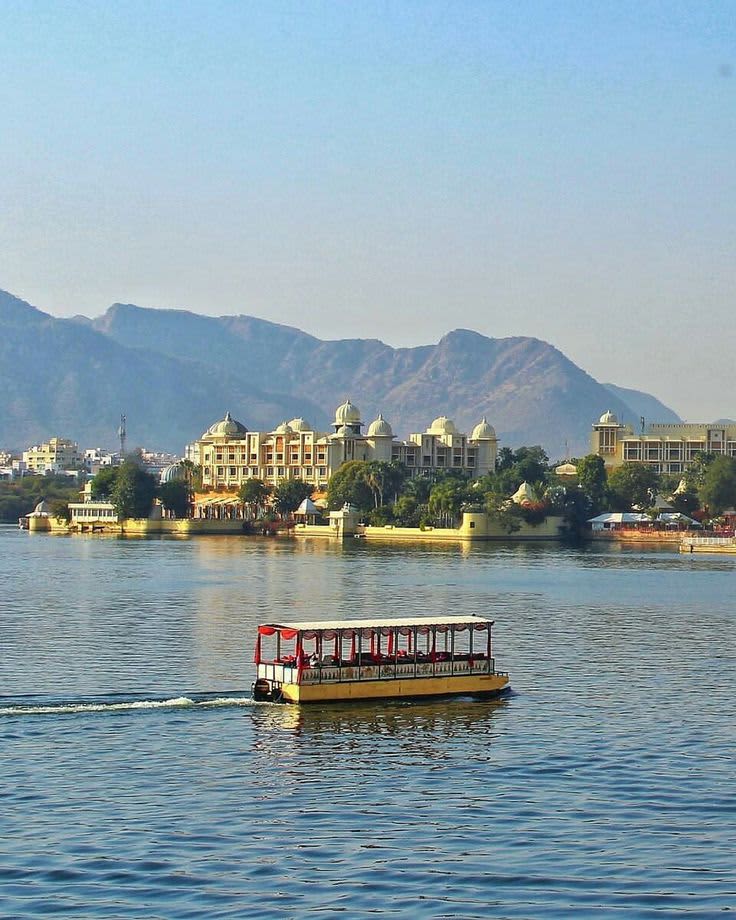
Udaipur
City of Lakes
Rajasthan, India
4.8
Lake PicholaCity PalaceJag Mandir
heritagelake
Duration: 2–4 Days
Budget/day: ₹2,000 – ₹8,000
Best season: Sep – Mar
Altitude: 598 m
Nearest airport: Maharana Pratap Airport, Dabok (24 km)
Nearest railway: Udaipur City Railway Station (within city)
Best places to visit in Udaipur


Things to do in Udaipur
- No photoLeisure / SightseeingView full guide
1 hour
Boat Ride on Lake Pichola
Sail across the shimmering Lake Pichola on a government-operated boat or private chartered vessel, gliding past the fairy-tale Jag Niwas (Lake Palace Hotel, 1746 — now the Taj Lake Palace), the royal Jag Mandir island palace, and the spectacular City Palace complex rising from the eastern lakeshore.
- No photoHeritage / CulturalView full guide
2–3 hours
City Palace Tour
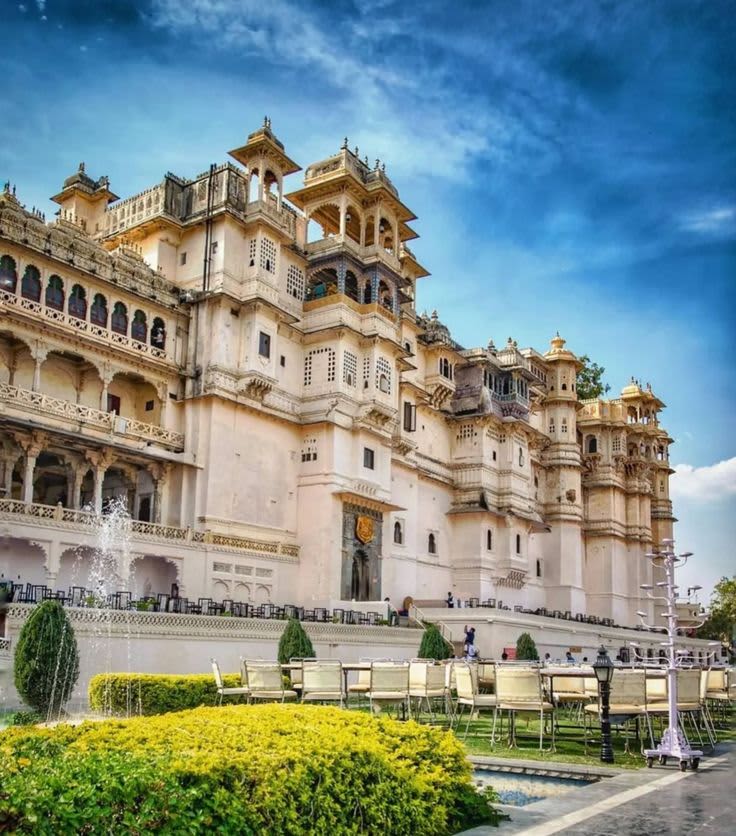
Explore Rajasthan's largest royal complex — the City Palace (construction began 1559 under Udai Singh II, completed by 22 successive rulers) overlooking Lake Pichola. The museum inside exhibits royal artefacts, miniature paintings, crystal collections, and the famous glass and mirror inlay work of Sheesh Mahal and Manak Chowk.
- No photoCultural / ArtsView full guide
1 hour
Cultural Show
Attend a Rajasthani cultural performance at Bagore Ki Haveli (lakeside heritage mansion) — nightly Dharohar Folk Dance shows featuring Ghoomar (circular skirt dance), Kalbelia (snake charmer dance), Bhavai (pot-balancing dance), and puppet shows representing the living cultural traditions of Rajasthan.
Best Time to Visit and Weather Info
Best time: September to March
Summer (April–June) is hot and dry. Monsoon (July–August) fills the lakes beautifully but can be humid.
Winter
Best Time ⭐Sep – Mar
10°C – 30°C
The most pleasant time. Lake Pichola is full from monsoon rains. The City Palace, boat rides, and Havelis are all at their best.
- Boat ride to Jag Mandir and Lake Palace at sunset is unmissable
- Book Lake Palace Hotel far in advance for a stay
Monsoon
Lush & Romantic 🟡Jul – Aug
25°C – 35°C
The Aravalli hills turn green. Lake Pichola fills up. The city is misty and romantic with fewer tourists.
- Lake levels are highest in August–September
- The Mewar Festival (March) is spectacular
Summer
Hot 🔴Apr – Jun
28°C – 42°C
Hot, dry weather. Lakes may have lower water levels. Outdoor sightseeing is harsh.
- Lake levels drop significantly in summer
- Carry water constantly
How to Reach
✈️By Air
Airport: Maharana Pratap Airport, Dabok (24 km from city centre)
Duration: ~45 mins by cab
Flights from Delhi, Mumbai, Jaipur, and Bengaluru. Cabs available from airport.
Taxi: ₹600 – ₹1,000
Airlines: IndiGo, Air India, SpiceJet
🚂By Train
Station: Udaipur City Railway Station
Trains from Delhi (12 hrs), Jaipur (7 hrs), and Mumbai (14 hrs). The Palace on Wheels luxury train also stops here.
- Mewar Express — Delhi (Hazrat Nizamuddin) (12 hrs)
- Udaipur City-Jaipur Express — Jaipur (7 hrs)
🚌By Road
RSRTC and private Volvo buses connect Udaipur to Jaipur, Jodhpur, and Ahmedabad. Roads are scenic through Aravalli hills.
- Jaipur: 400 km, 7 hrs via NH-58
- Jodhpur: 265 km, 5 hrs via NH-25
- Ahmedabad: 250 km, 5 hrs via NH-48
- Mount Abu: 185 km, 4 hrs via Sirohi
Itineraries
Local Food
Udaipur's cuisine blends royal Mewar cooking with Rajasthani street food — elegant flavours and hearty traditional dishes.
Dal Baati Churma
The definitive Rajasthani meal — ghee-soaked baati with dal and sweet churma.
Where: Natraj Restaurant, Udaipur; local dhabas
₹200 – ₹400
Laal Maas
Rich red mutton curry with Mathania chilies and yogurt — the pride of Mewar royal cuisine.
Where: Millets of Mewar; Ambrai Restaurant
₹350 – ₹600
Mawa Kachori
Sweet deep-fried pastry stuffed with mawa — Udaipur's famous dessert snack.
Where: Johri Market sweet shops
₹40 – ₹80 per piece
Gatte ki Sabzi
Chickpea flour dumplings in a spiced yogurt gravy — a Rajasthani home staple.
Where: Local thali restaurants
₹120 – ₹200
Lassi with Malai
Thick chilled yogurt drink topped with fresh cream — perfectly cooling in Udaipur's warmth.
Where: Shree Mishri Lal Hotel (Fateh Sagar Lake)
₹60 – ₹120
Sunset Rooftop Dining
Udaipur's famous restaurant experience — dining with Lake Pichola and City Palace views at sunset.
Where: Ambrai, Upre, Savage Garden rooftop restaurants
₹500 – ₹1,500 per person
Ambrai restaurant (at Amet Haveli hotel) on the lakeside is considered one of India's most romantic dining experiences, with unobstructed views of the Lake Palace at sunset.
FAQs
- Udaipur, the 'City of Lakes', is famous for Lake Pichola, the City Palace, Lake Palace Hotel (James Bond's Octopussy), Jag Mandir island, the Jagdish Temple, Bagore-ki-Haveli, Rajput art and miniature painting tradition.
Best Places Similar
Jaipur
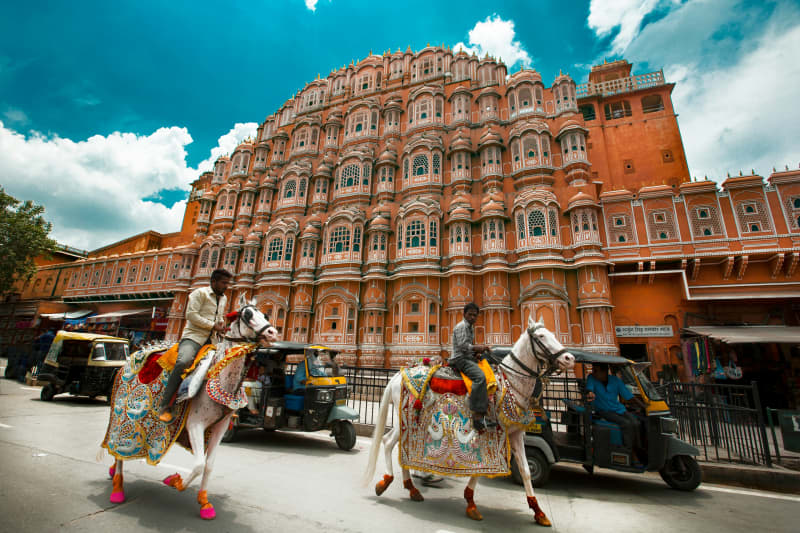
Jaipur, the Pink City and capital of Rajasthan, is one of India's most vibrant and photogenic destinations, famous for its rose-tinted heritage architecture, colorful bazaars overflowing with textiles and jewelry, and the formidable Amer Fort. Built by Maharaja Jai Singh II in 1727 as India's first planned city, Jaipur's geometric street layout and magnificent palaces — including the City Palace and the iconic Hawa Mahal — reflect the opulence of Rajput royalty. The city is the gateway to Rajasthan's royal heartland and forms the third vertex of India's legendary Golden Triangle alongside Delhi and Agra.
Jodhpur
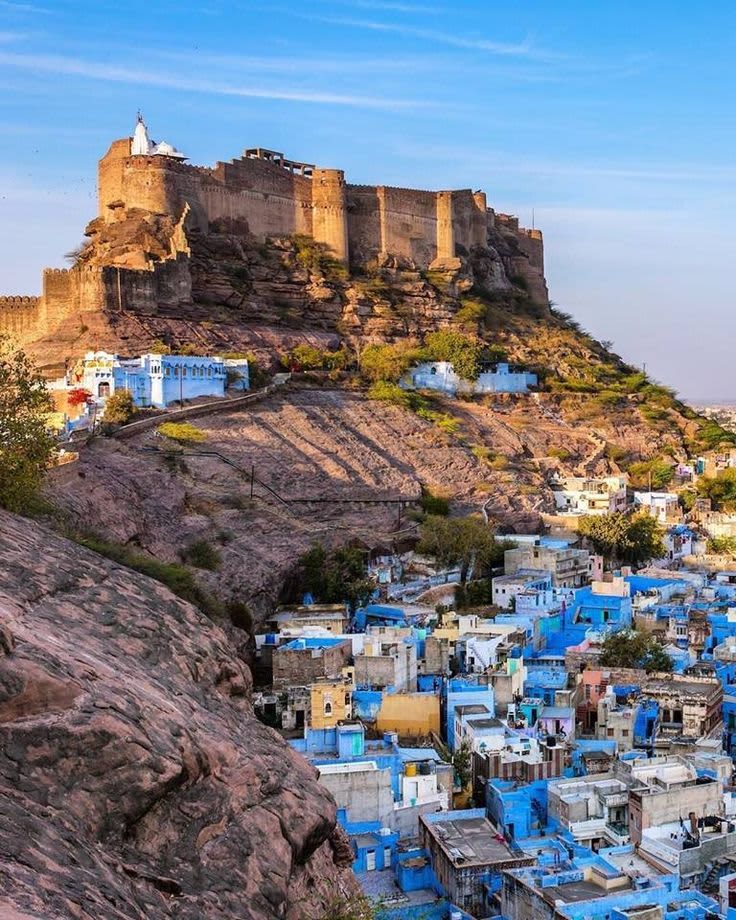
Jodhpur, the Blue City of Rajasthan, is dominated by the magnificent Mehrangarh Fort — one of India's largest and best-preserved forts — rising 150 meters above a sea of indigo-painted houses in the old city below, creating one of the most dramatic urban vistas on earth. The city's blue color, traditionally used by Brahmin residents to distinguish their homes, has now been adopted across the old city, giving it its poetic nickname. The bustling Clock Tower market, the ornate Umaid Bhawan Palace, and the narrow lanes of the old city teeming with spice merchants and craftspeople make Jodhpur an unmissable Rajasthani experience.

Chittorgarh
Chittorgarh, in southern Rajasthan, is home to the largest hill fort in India — the magnificent Chittorgarh Fort, a UNESCO World Heritage Site — a testament to the supreme valor and sacrifice of the Rajput warrior clans who preferred death over dishonor in three legendary sieges known as jauhars. The fort complex encompasses palaces, temples, towers, and reservoirs spread over 691 acres of a rocky plateau, including the iconic Vijay Stambha (Tower of Victory) and the Kirti Stambha (Tower of Fame). The tales of the legendary queen Rani Padmini and the warrior-poet-queen Mirabai, who spent her life of devotion within these walls, fill Chittorgarh with stories of extraordinary courage and romance.
Nearby destinations
Chittorgarh
98 km · Chittorgarh, in southern Rajasthan, is home to the largest hill fort in India — the magnificent Chittorgarh Fort, a UNESCO World Heritage Site — a testament to the supreme valor and sacrifice of the Rajput warrior clans who preferred death over dishonor in three legendary sieges known as jauhars. The fort complex encompasses palaces, temples, towers, and reservoirs spread over 691 acres of a rocky plateau, including the iconic Vijay Stambha (Tower of Victory) and the Kirti Stambha (Tower of Fame). The tales of the legendary queen Rani Padmini and the warrior-poet-queen Mirabai, who spent her life of devotion within these walls, fill Chittorgarh with stories of extraordinary courage and romance.
Jodhpur
196 km · Jodhpur, the Blue City of Rajasthan, is dominated by the magnificent Mehrangarh Fort — one of India's largest and best-preserved forts — rising 150 meters above a sea of indigo-painted houses in the old city below, creating one of the most dramatic urban vistas on earth. The city's blue color, traditionally used by Brahmin residents to distinguish their homes, has now been adopted across the old city, giving it its poetic nickname. The bustling Clock Tower market, the ornate Umaid Bhawan Palace, and the narrow lanes of the old city teeming with spice merchants and craftspeople make Jodhpur an unmissable Rajasthani experience.
Ajmer
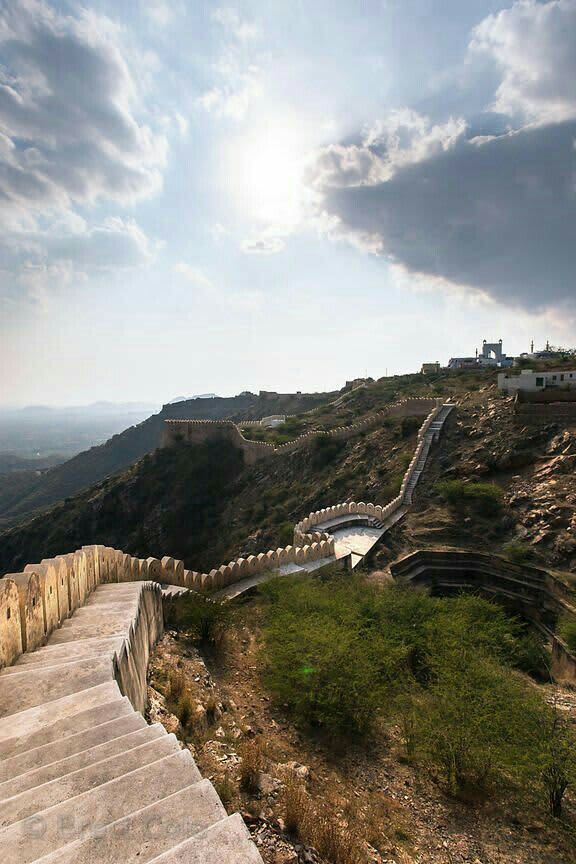
227 km · Ajmer, a city in the heart of Rajasthan, is one of the most important Islamic pilgrimage sites in South Asia, home to the Dargah Sharif — the tomb of the Sufi saint Khwaja Moinuddin Chishti, who is revered by Muslims and Hindus alike as a symbol of love, tolerance, and universal brotherhood. Millions of pilgrims visit the Dargah each year, particularly during the annual Urs festival, to seek blessings at the shrine's gilded tomb. The 12th-century Adhai Din Ka Jhonpra mosque and the stunning Ana Sagar Lake, where Emperor Jahangir built a beautiful marble pavilion, make Ajmer a city of remarkable composite heritage and spiritual significance.