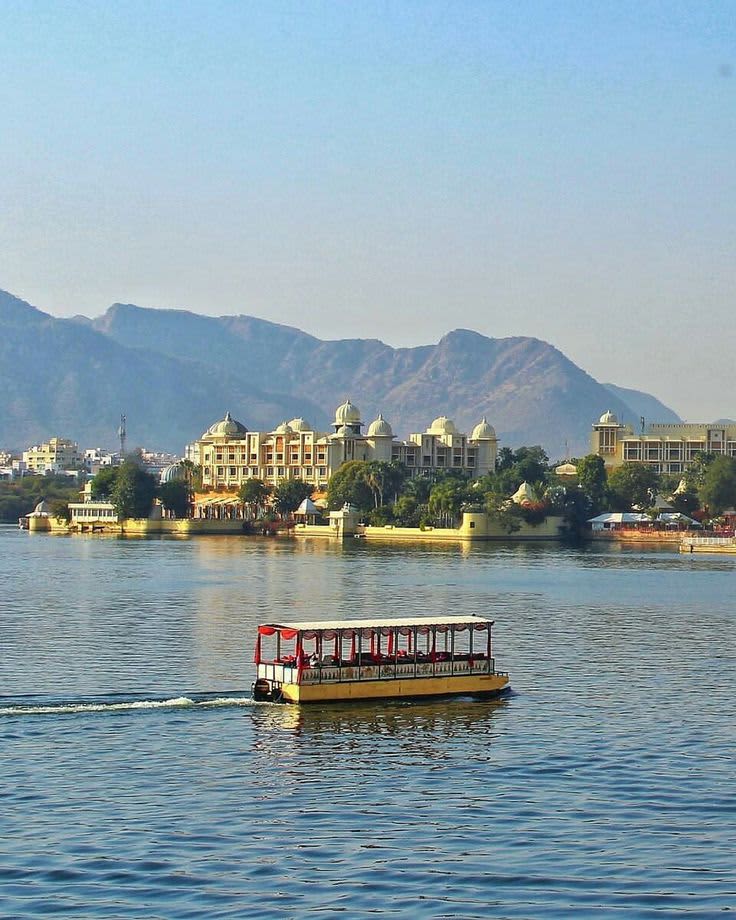
Jaisalmer, the Golden City of Rajasthan, rises like a mirage from the Thar Desert with its honey-colored sandstone fort, havelis, and temples that seem to glow in the desert light — earning it its poe...
Jaisalmer
The Golden City
Rajasthan, India
4.8
Jaisalmer FortSand DunesHavelis
desertheritage
Duration: 2–3 Days
Budget/day: ₹1,500 – ₹6,000
Best season: Oct – Mar
Altitude: 225 m
Nearest airport: Jaisalmer Airport (within city, 12 km)
Nearest railway: Jaisalmer Railway Station (city centre)
Best places to visit in Jaisalmer

Things to do in Jaisalmer
- No photoAdventure / CulturalView full guide
2–6 hours; overnight options available
Camel Safari
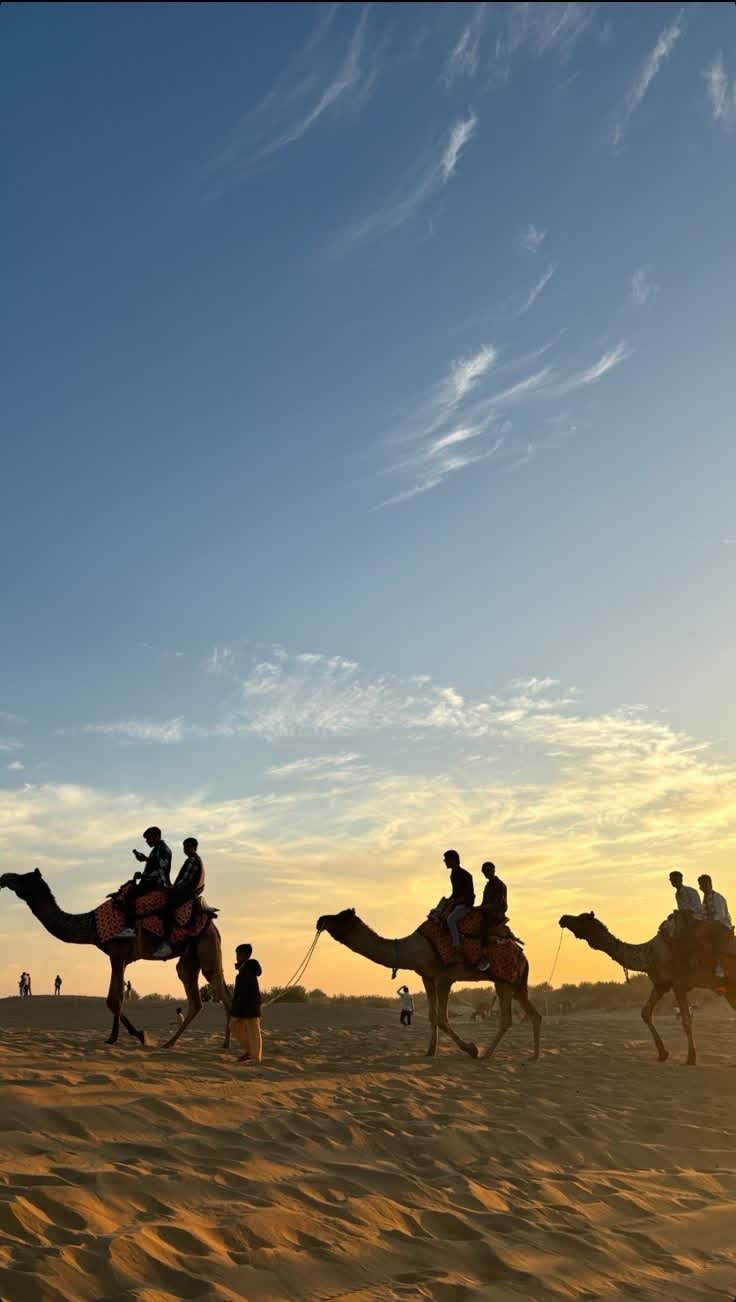
Ride a camel through the golden sand dunes of the Thar Desert — the Sam Sand Dunes (42 km from Jaisalmer) and Khuri Dunes offer dramatic desert landscapes. Sunset camel rides dip below the horizon casting long camel-silhouette shadows across the dunes — one of India's most iconic travel photographs.
- No photoCultural / AdventureView full guide
Overnight (1–2 nights)
Sand Dune Camp
Spend a night under the stars in a luxury tented camp at Sam or Khuri sand dunes — enjoying a traditional Rajasthani cultural evening with folk music, Ghoomar dance, puppet shows, bonfire, and traditional thali dinner, before sleeping in plush desert tents surrounded by nothing but silent dunes.
- No photoHeritageView full guide
2–3 hours
Fort Walk
Wander through Sonar Quila (Golden Fort) — one of the world's few living forts (3,000+ people still reside inside). This UNESCO World Heritage 12th-century sandstone citadel rises 80 metres above the desert plain and contains palaces, Jain temples (beautiful 12th–16th century carved marble), havelis, and the royal palace of the Bhati Rajput rulers.
Best Time to Visit and Weather Info
Best time: October to March
Summer (April–June) brings extreme heat — 48°C+. The Desert Festival is held in February.
Winter
Best Time ⭐Oct – Mar
5°C – 25°C
The Thar Desert is most comfortable to explore. Camel safaris at sunset, overnight desert camping, and the living fort are all magical.
- Desert camping at Sam Sand Dunes is a must — watch the sunset and star-filled sky
- The Jaisalmer Desert Festival (February) features camel races, folk music, and turban-tying competitions
Monsoon
Avoid 🔴Jul – Sep
25°C – 40°C
The Thar Desert receives very little rainfall but can have flash floods. Heat and humidity make it uncomfortable.
- Very few tourists
- Accommodation prices lowest
How to Reach
✈️By Air
Airport: Jaisalmer Airport (12 km from city/fort)
Duration: ~25 mins
Flights from Delhi and Jaipur. Limited operations — check availability in advance.
Taxi: ₹300 – ₹500
Airlines: Air India, IndiGo (seasonal)
🚂By Train
Station: Jaisalmer Railway Station
Direct trains from Delhi (18 hrs) and Jodhpur (6 hrs). The overnight Jaisalmer Express from Delhi is very popular.
- Jaisalmer Express — Delhi (Sarai Rohilla) (~18 hrs)
- Jodhpur-Jaisalmer Intercity — Jodhpur (~6 hrs)
🚌By Road
RSRTC and private bus services from Jodhpur, Bikaner, and Jaipur. NH-125 runs through the desert.
- Jodhpur: 285 km, 5 hrs via NH-125
- Bikaner: 335 km, 5–6 hrs via NH-15
- Jaipur: 575 km, 9–10 hrs via NH-62 via Jodhpur
Itineraries
Local Food
Jaisalmer's desert cuisine is designed for the harsh Thar environment — dry, long-lasting ingredients like ker-sangri, dried lentils, and gram flour are the foundation.
Ker Sangri
Wild desert berry (ker) and dried beans (sangri) cooked with dry spices — indigenous desert food unique to the Thar.
Where: Desert restaurant in the fort and town
₹120 – ₹200
Laal Maas
Fiery red mutton curry — essential Rajasthani non-veg dish.
Where: 1st Gate Home Fusion, inside the fort
₹320 – ₹550
Bajra Khichdi
Pearl millet porridge cooked with ghee — a Rajasthani desert staple, nutritious and warming on cold nights.
Where: Local dhabas in Jaisalmer
₹100 – ₹160
Desert Camp Dinner
Traditional Rajasthani dinner at a desert camp — dal baati churma, traditional dance, and a bonfire under the stars.
Where: Sam Sand Dunes desert camps
₹600 – ₹1,500 per person
Khoba Roti
Thick wheat flatbread with decorative indentations, cooked on an open flame — a desert village specialty.
Where: Local homes and traditional restaurants
₹50 – ₹90
Chai in the Fort
Sit in a centuries-old fort rooftop café with views over the golden city and sip spiced chai at sunrise.
Where: Rooftop cafes inside Jaisalmer Fort
₹30 – ₹60
Jaisalmer Fort has several good rooftop cafes with views over the desert. Avoid eating at hawker stalls outside the fort — they are tourist traps. Seek out locally-run family restaurants inside the fort.
FAQs
- Jaisalmer is the 'Golden City' — famous for the honey-yellow sandstone Jaisalmer Fort (a living UNESCO Heritage site where 3,000 people still live), Sam Sand Dunes camel safaris, intricate Haveli architecture (Patwon ki Haveli, Nathmal ki Haveli), and its unique Thar Desert culture.
Best Places Similar
Jodhpur
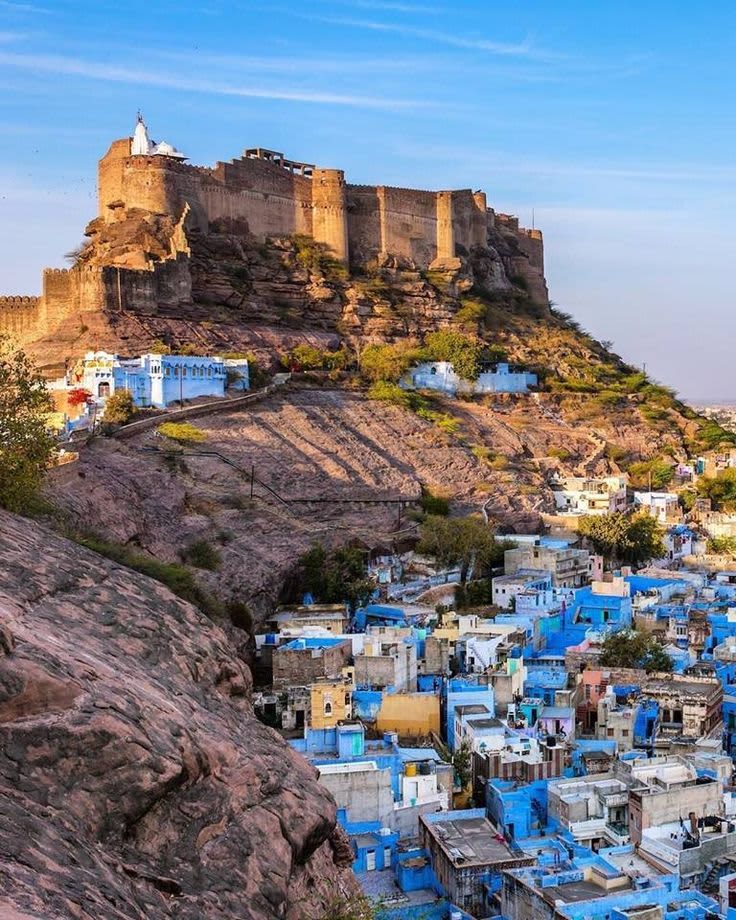
Jodhpur, the Blue City of Rajasthan, is dominated by the magnificent Mehrangarh Fort — one of India's largest and best-preserved forts — rising 150 meters above a sea of indigo-painted houses in the old city below, creating one of the most dramatic urban vistas on earth. The city's blue color, traditionally used by Brahmin residents to distinguish their homes, has now been adopted across the old city, giving it its poetic nickname. The bustling Clock Tower market, the ornate Umaid Bhawan Palace, and the narrow lanes of the old city teeming with spice merchants and craftspeople make Jodhpur an unmissable Rajasthani experience.
Bikaner
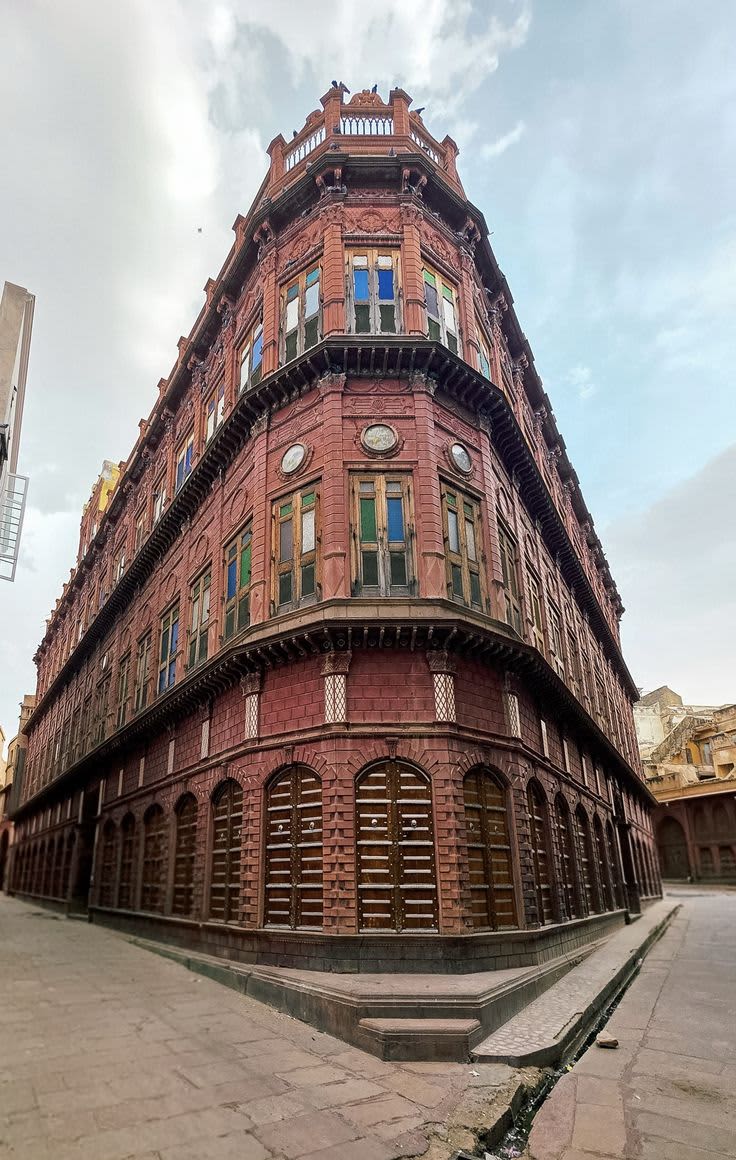
Bikaner, a royal desert city in northern Rajasthan founded in 1488, is an oft-overlooked gem that rewards visitors with its stunning sandstone architecture, the formidable Junagarh Fort, and a distinctive culture shaped by centuries of camel trade and warrior tradition. The city is famous for its bikaneri bhujia and sweets, elaborate havelis with ornate facades, and the unique Karni Mata Temple at Deshnoke — home to thousands of sacred rats. Bikaner's National Research Centre on Camel and its vibrant Camel Festival in January make it one of Rajasthan's most characterful and authentic destinations.
Jaipur
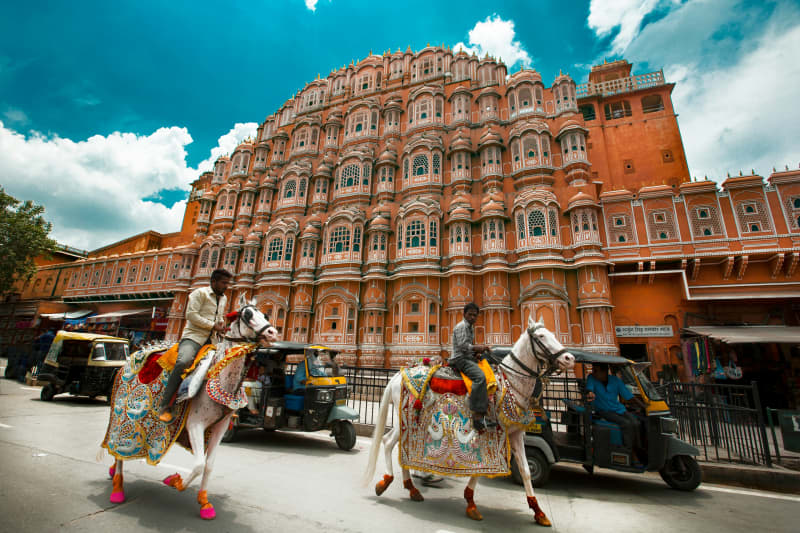
Jaipur, the Pink City and capital of Rajasthan, is one of India's most vibrant and photogenic destinations, famous for its rose-tinted heritage architecture, colorful bazaars overflowing with textiles and jewelry, and the formidable Amer Fort. Built by Maharaja Jai Singh II in 1727 as India's first planned city, Jaipur's geometric street layout and magnificent palaces — including the City Palace and the iconic Hawa Mahal — reflect the opulence of Rajput royalty. The city is the gateway to Rajasthan's royal heartland and forms the third vertex of India's legendary Golden Triangle alongside Delhi and Agra.
Nearby destinations
Jodhpur
223 km · Jodhpur, the Blue City of Rajasthan, is dominated by the magnificent Mehrangarh Fort — one of India's largest and best-preserved forts — rising 150 meters above a sea of indigo-painted houses in the old city below, creating one of the most dramatic urban vistas on earth. The city's blue color, traditionally used by Brahmin residents to distinguish their homes, has now been adopted across the old city, giving it its poetic nickname. The bustling Clock Tower market, the ornate Umaid Bhawan Palace, and the narrow lanes of the old city teeming with spice merchants and craftspeople make Jodhpur an unmissable Rajasthani experience.
Bikaner
267 km · Bikaner, a royal desert city in northern Rajasthan founded in 1488, is an oft-overlooked gem that rewards visitors with its stunning sandstone architecture, the formidable Junagarh Fort, and a distinctive culture shaped by centuries of camel trade and warrior tradition. The city is famous for its bikaneri bhujia and sweets, elaborate havelis with ornate facades, and the unique Karni Mata Temple at Deshnoke — home to thousands of sacred rats. Bikaner's National Research Centre on Camel and its vibrant Camel Festival in January make it one of Rajasthan's most characterful and authentic destinations.
Pushkar
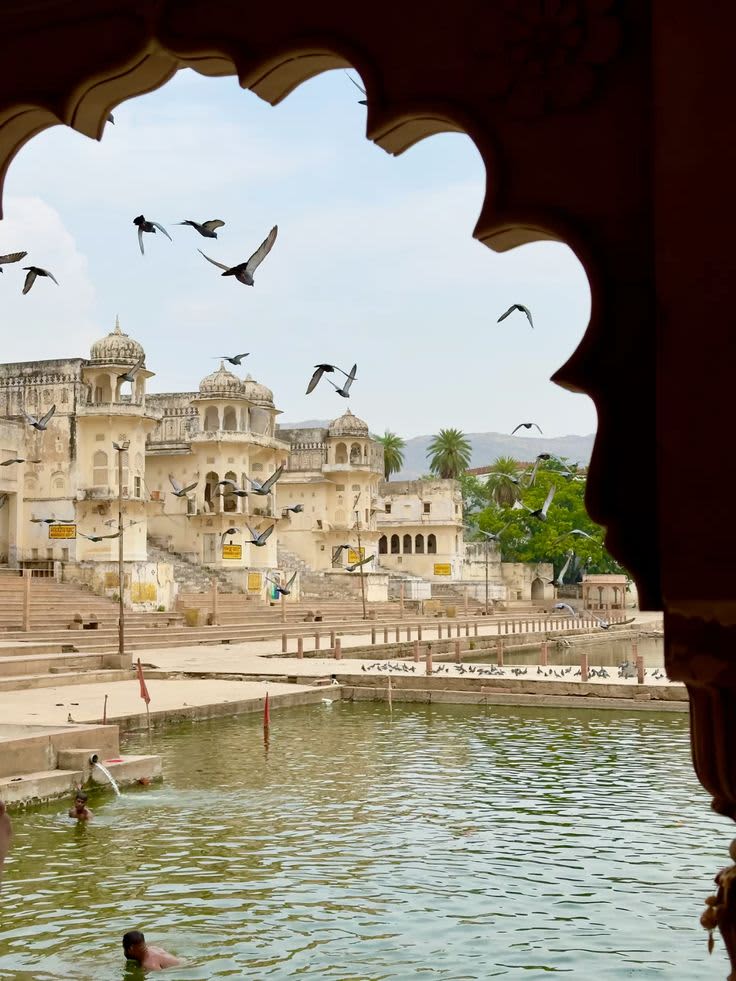
365 km · Pushkar, a sacred lake town in Rajasthan's Ajmer district, is built around the holy Pushkar Lake and is one of the five sacred dhams (pilgrimage sites) in Hinduism, home to the Brahma Temple — one of the very few temples in the world dedicated to the creator god Brahma. The 52 ghats surrounding the lake are the scene of continuous ritual activity and evening aarti ceremonies, while the flower-filled bazaars and the proliferation of ashrams and yoga centers give Pushkar a genuinely spiritual and otherworldly atmosphere. Every November, the Pushkar Camel Fair transforms the desert surrounds into the world's largest camel fair and a spectacular pageant of Rajasthani folk culture.