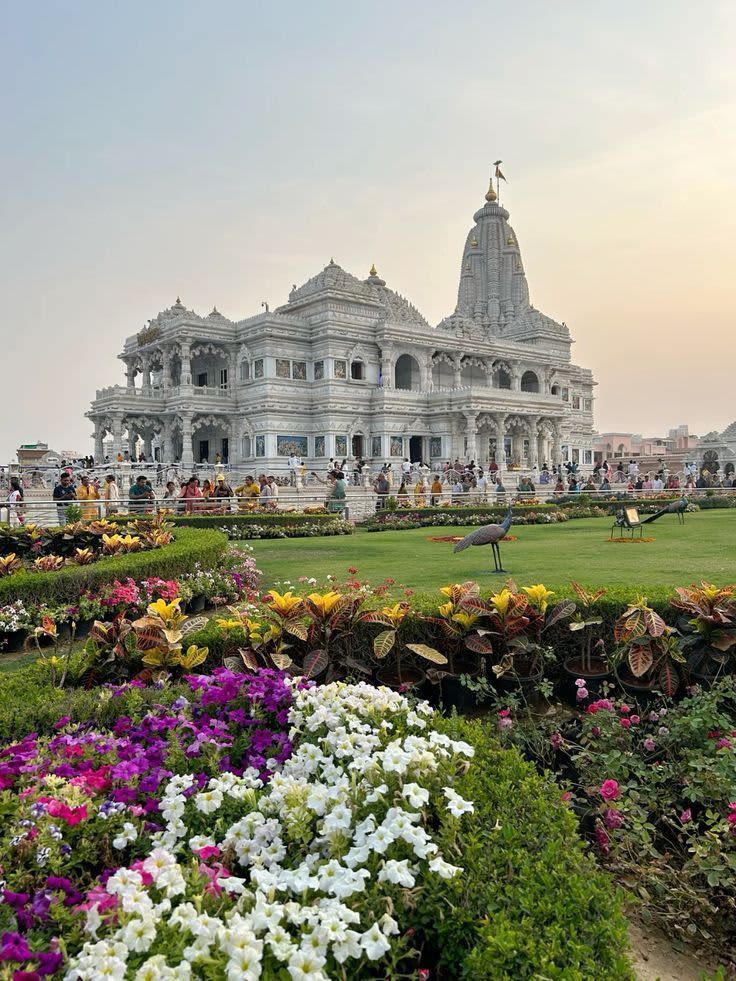
Lucknow, the capital of Uttar Pradesh and the City of Nawabs, is a magnificent and cultured city renowned across India for its exquisite Nawabi-era architecture, the refined Urdu spoken in its bazaars...

Lucknow
City of Nawabs
Uttar Pradesh, India
4.7
Bara ImambaraRumi DarwazaTunday Kababi
cityheritage
Duration: 2–3 Days
Budget/day: ₹1,200 – ₹5,000
Best season: Oct – Mar
Altitude: 123 m
Nearest airport: Chaudhary Charan Singh International Airport (25 km)
Nearest railway: Lucknow Charbagh Railway Station (city centre)
Best places to visit in Lucknow


Things to do in Lucknow
- No photoHeritage / HistoricalView full guide
2–3 hours
Bara Imambara and Bhulbhulaiya Exploration
The Bara Imambara built by Nawab Asaf-ud-Daula in 1784 is an architectural marvel — its central hall is one of the largest arched chambers in the world, built without beams or iron. The Bhulbhulaiya (labyrinth) on the roof is a 489-passage maze where even locals lose their way without a guide.
- No photoFood / CulturalView full guide
3–4 hours
Lucknawi Cuisine Trail
Lucknow's culinary heritage is royally rich — from the melt-in-the-mouth galawti kebabs of Tunday Kababi to the nihari and sheermal of Aminabad's old chowk, and the creamy rabri of Hazratganj. A dedicated food trail through the old city is one of India's most rewarding gastronomic experiences.
- No photoHeritage / HistoricalView full guide
1.5–2 hours
Residency Ruins Visit
The ruins of the British Residency in Lucknow are maintained exactly as they were left after the 1857 Siege — with cannonball-pocked walls, broken pillars, and the graves of those who fell within, all preserved as a national monument. It's a haunting and deeply evocative place to spend a quiet hour.
Best Time to Visit and Weather Info
Best time: October to March
Summer (April–June) is very hot. Lucknow is best visited in winter when its bazaars, heritage, and food culture are most enjoyable.
Winter
Best Time ⭐Oct – Mar
8°C – 28°C
The city's Nawabi culture, heritage walks, and food trails are all best enjoyed in cool weather. Lucknow Mahotsav (November) celebrates the city's culture.
- Do a Lucknow food trail — kebabs, biryani, and Tunday Kababi are unmissable
- Visit Bara Imambara's Bhulbhulaiya (labyrinth) with a guide
Summer
Very Hot 🔴Apr – Jun
28°C – 45°C
Intense heat. Outdoor Nawabi monument exploration is very harsh.
- Avoid outdoor monuments in peak afternoon
- Residency ruins and British Residency are manageable early morning
How to Reach
✈️By Air
Airport: Chaudhary Charan Singh International Airport (25 km from city centre)
Duration: ~45 mins
Direct flights from Delhi, Mumbai, Bengaluru, Kolkata, and international destinations.
Taxi: ₹500 – ₹900
Airlines: IndiGo, Air India, SpiceJet, Vistara
🚂By Train
Station: Lucknow Charbagh (main) or Lucknow Junction (NR)
Excellent connectivity. The iconic Charbagh station itself is a heritage building worth photographing.
- Lucknow Shatabdi — Delhi (New Delhi) (~6 hrs)
- Lucknow Mail — Delhi (Old Delhi) (~8 hrs)
🚌By Road
Lucknow is the hub of Uttar Pradesh — well-connected to all UP cities and beyond by Expressways.
- Delhi: 551 km, 7–8 hrs via Agra–Lucknow Expressway
- Agra: 363 km, 5 hrs via Agra–Lucknow Expressway
- Prayagraj: 200 km, 4 hrs via NH-27
- Varanasi: 320 km, 5 hrs via NH-31
Itineraries
Local Food
Lucknow is India's food capital for Nawabi cuisine — home to the dum biryani, Galouti kebab, Tunday kebab, and an incomparably refined culinary tradition.
Tunday Kababi Galouti Kebab
The legendary 150-year-old melt-in-mouth minced meat kebab made with 160 spices — invented for a toothless Nawab.
Where: Tunday Kababi, Aminabad (original, since 1905)
₹150 – ₹300
Lucknawi Biryani
Delicately spiced dum biryani with long-grain rice and tender meat — lighter and more aromatic than Hyderabadi biryani.
Where: Wahid Biryani, Aminabad; Idris ki Biryani
₹200 – ₹450
Sheermal
Saffron-infused soft flatbread made with milk and ghee — a Nawabi delicacy eaten with seekh kebab.
Where: Bakeries in Aminabad and Chowk
₹30 – ₹60 per piece
Basket Chaat
Lucknow's unique chaat served in an edible fried potato basket — filled with yogurt, chutneys, and toppings.
Where: Chaat stalls in Hazratganj and Aminabad
₹60 – ₹120
Makkhan Malai (Daulat ki Chaat)
Gossamer-light saffron-whipped cream dish available only on winter mornings — a Lucknow winter delicacy.
Where: Old Lucknow market stalls, winter mornings only
₹40 – ₹80
Kulfi Faluda
Dense pistachio ice cream on a stick with rose-flavored vermicelli — Lucknow's beloved summer dessert.
Where: Prakash Kulfi, Hazratganj; roadside stalls
₹60 – ₹120
Aminabad and Chowk are the epicentres of Lucknow's old food culture. Hazratganj is the upscale, modern food district. A dedicated food walk is highly recommended.
FAQs
- Lucknow is famous for its Nawabi (Awadhi) culture, refined food (Galouti kebab, dum biryani), the Bara and Chota Imambara, British Residency, Hazratganj market, Chikankari embroidery, and its legendary tehzeeb (etiquette) culture.
Best Places Similar
Delhi
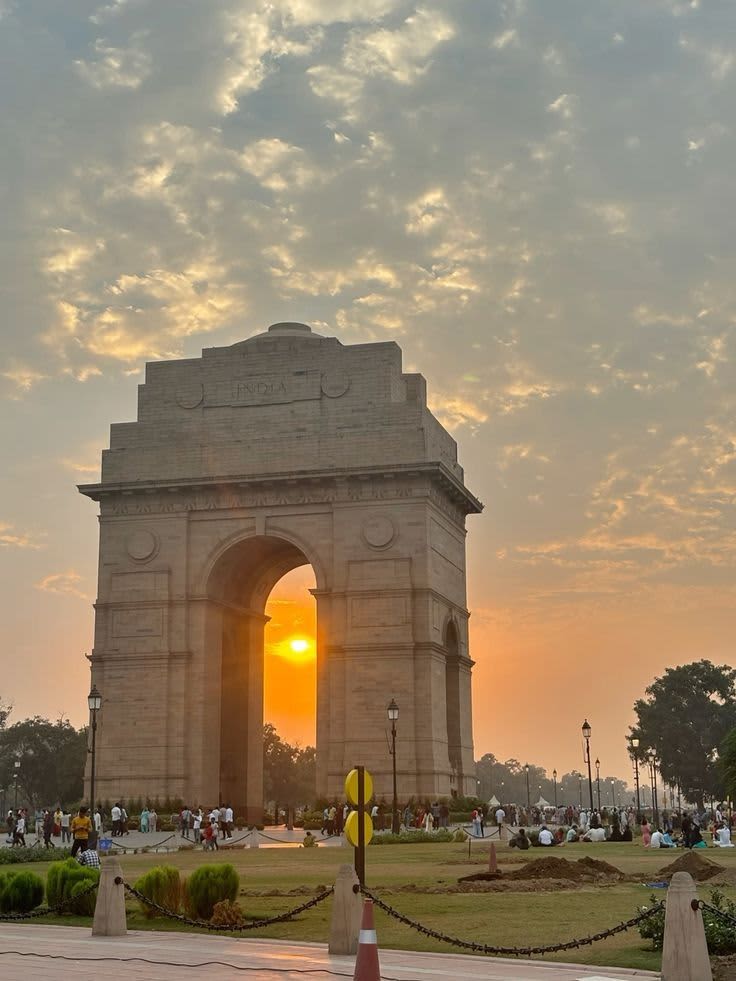
Delhi, India's sprawling national capital, is one of the world's oldest continuously inhabited cities and a living tapestry of civilizations spanning 5,000 years, from the medieval lanes of Shahjahanabad to the wide boulevards of Lutyens' Delhi. UNESCO World Heritage Sites like the Red Fort, Humayun's Tomb, and the Qutub Minar stand alongside the modern parliament buildings and a world-class metro system. Delhi's extraordinary street food scene — from Old Delhi's parathas to Chandni Chowk's jalebis — and its vibrant markets, Mughal monuments, and cultural institutions make it an endlessly compelling destination.
Agra
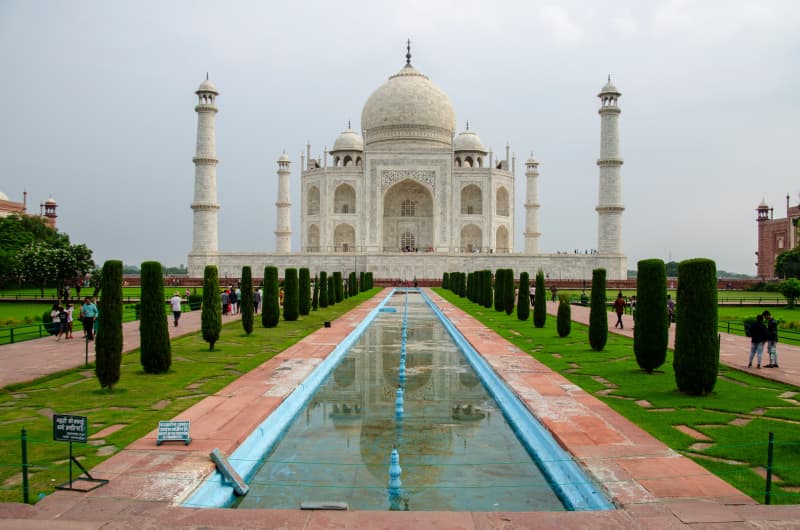
Agra, situated on the banks of the Yamuna River in Uttar Pradesh, is home to the Taj Mahal — one of the Seven Wonders of the World and perhaps the most celebrated monument to love ever built — attracting millions of visitors each year with its transcendent marble beauty at sunrise and sunset. The city also shelters the magnificent Agra Fort, a UNESCO World Heritage Site, and the deserted imperial city of Fatehpur Sikri nearby. Together these sites make Agra the crown jewel of India's Golden Triangle tourist circuit and a non-negotiable stop on any visit to the Indian subcontinent.
Prayagraj
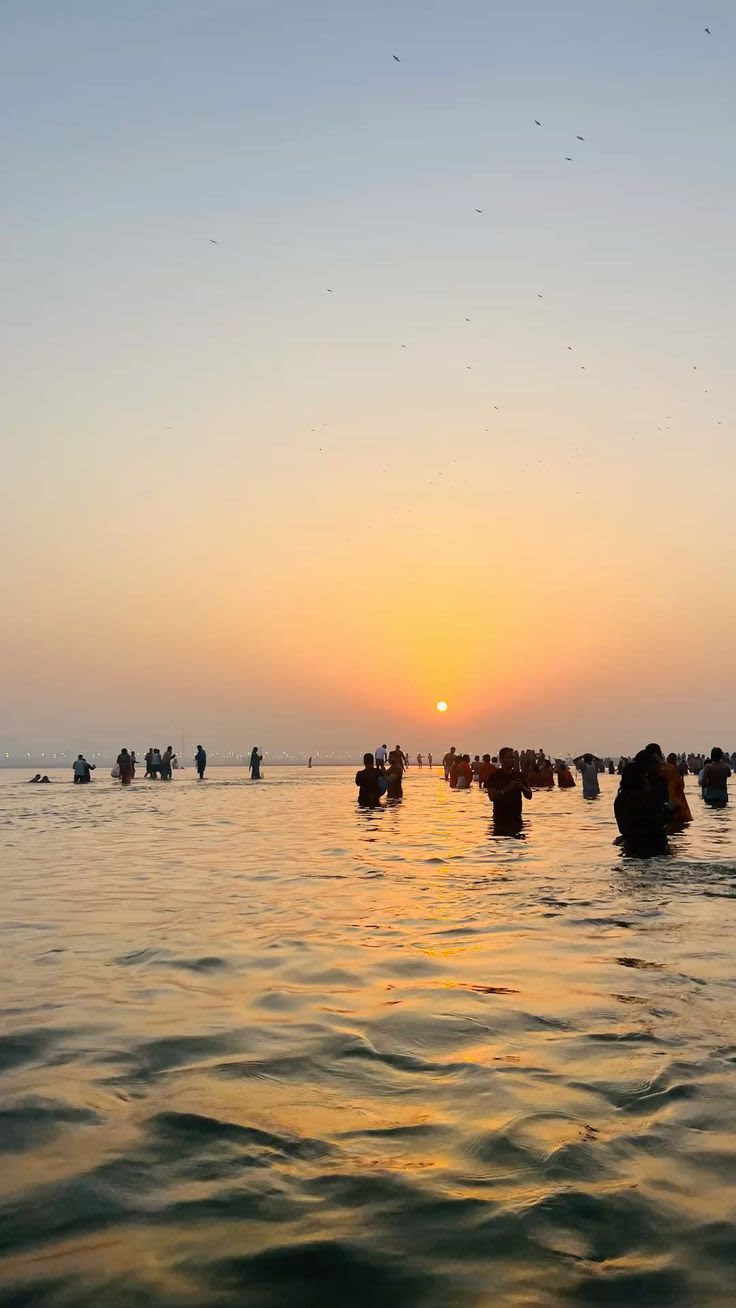
Prayagraj, formerly known as Allahabad, is one of Hinduism's most sacred cities, situated at the Triveni Sangam — the holy confluence of the Ganges, Yamuna, and the mythical Saraswati rivers — a site of such spiritual significance that bathing here is believed to wash away all sins. Every 12 years, the Maha Kumbh Mela held at Prayagraj becomes the world's largest human gathering, drawing over 100 million pilgrims in a single season. The Kumbh Mela 2026 and 2036 promises to be a once-in-a-generation event. Beyond the ghats, the Allahabad Fort, the Anand Bhawan museum (former home of the Nehru-Gandhi family), and the beautiful Khusro Bagh make Prayagraj a city of great historical depth.
Nearby destinations
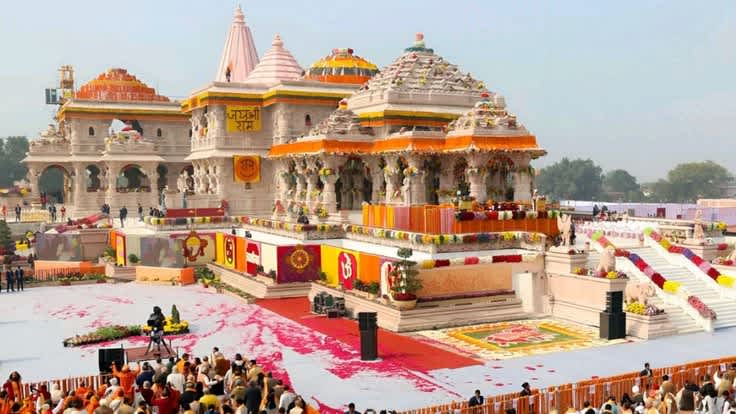
Ayodhya
125 km · Ayodhya, situated on the banks of the Sarayu River in Uttar Pradesh, is one of the seven sacred cities (Sapta Puri) of Hinduism and the legendary birthplace of Lord Rama — one of the most revered deities in the Hindu faith. The newly constructed Ram Mandir at the Ram Janmabhoomi site has transformed Ayodhya into one of India's most visited and rapidly developing pilgrimage destinations. The city's ancient ghats, the Kanak Bhawan temple, the Hanuman Garhi shrine, and the magical experience of the evening aarti on the Sarayu make Ayodhya a profoundly spiritual destination with deep historical and cultural significance.
Prayagraj
181 km · Prayagraj, formerly known as Allahabad, is one of Hinduism's most sacred cities, situated at the Triveni Sangam — the holy confluence of the Ganges, Yamuna, and the mythical Saraswati rivers — a site of such spiritual significance that bathing here is believed to wash away all sins. Every 12 years, the Maha Kumbh Mela held at Prayagraj becomes the world's largest human gathering, drawing over 100 million pilgrims in a single season. The Kumbh Mela 2026 and 2036 promises to be a once-in-a-generation event. Beyond the ghats, the Allahabad Fort, the Anand Bhawan museum (former home of the Nehru-Gandhi family), and the beautiful Khusro Bagh make Prayagraj a city of great historical depth.
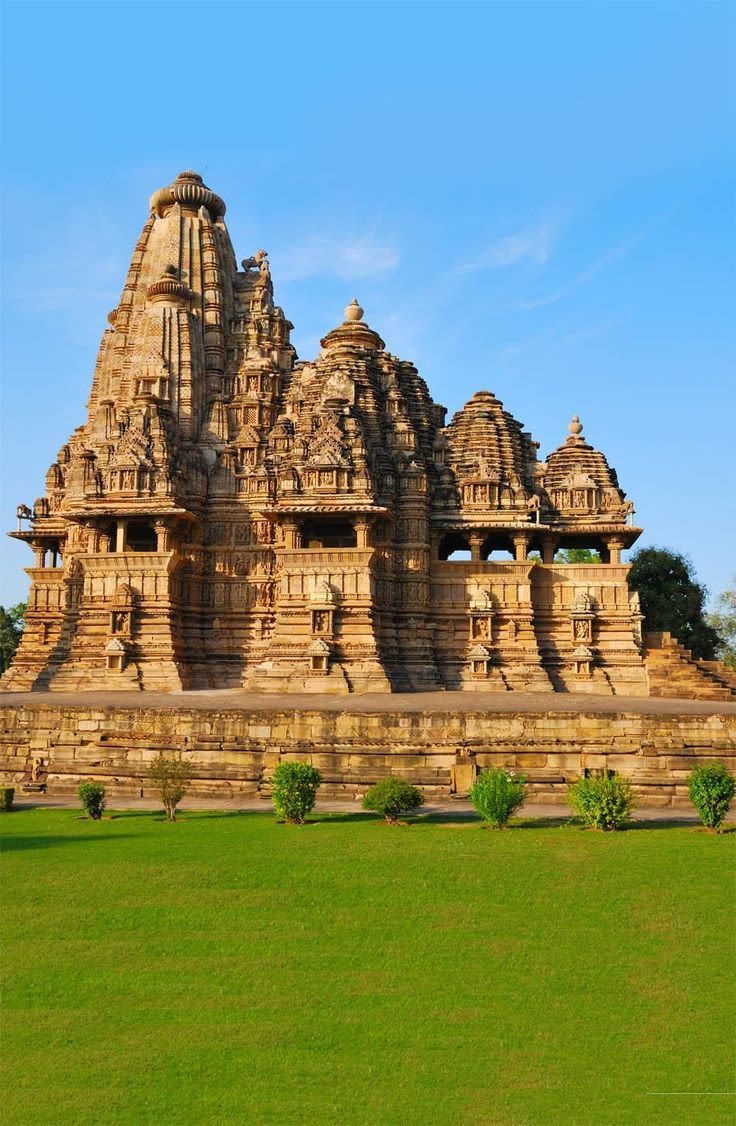
Khajuraho
246 km · Khajuraho, a small town in Madhya Pradesh, is home to one of India's most extraordinary UNESCO World Heritage Sites — a group of medieval Hindu and Jain temples built by the Chandela dynasty between 950 and 1050 CE, celebrated worldwide for their exquisite erotic sculptures that represent only a fraction of the temples' vast iconographic program. The three temple complexes — Western, Eastern, and Southern — contain 20 surviving temples of the original 85, each a masterpiece of Nagara-style architecture adorned with thousands of meticulously carved figures depicting every aspect of human life, divine beings, and erotic union. The annual Khajuraho Dance Festival held in front of the illuminated temple facades is a cultural highlight of India's classical arts calendar.