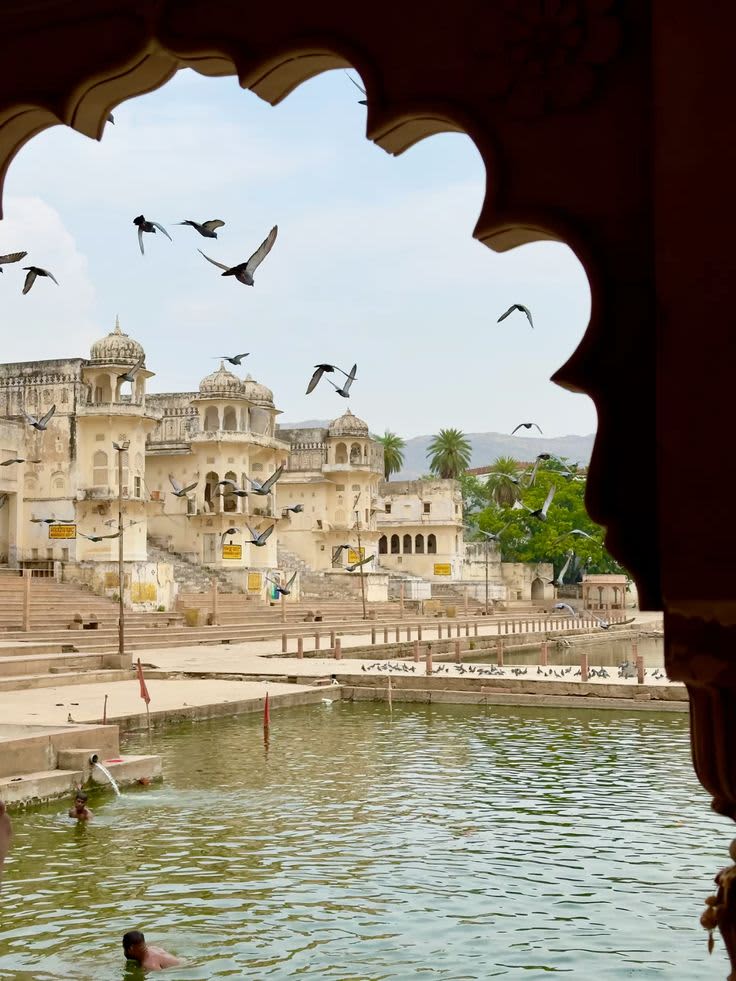
Pushkar, a sacred lake town in Rajasthan's Ajmer district, is built around the holy Pushkar Lake and is one of the five sacred dhams (pilgrimage sites) in Hinduism, home to the Brahma Temple — one of...
Pushkar
Sacred Lake Town
Rajasthan, India
4.6
Pushkar LakeBrahma TempleCamel Fair
spiritual
Duration: 2–3 Days
Budget/day: ₹1,200 – ₹4,000
Best season: Oct – Mar
Altitude: 510 m
Nearest airport: Jaipur International Airport (150 km) / Kishangarh Airport (45 km)
Nearest railway: Ajmer Junction (11 km)
Best places to visit in Pushkar


Things to do in Pushkar
- No photoSpiritualView full guide
1–2 hours
Brahma Temple Darshan
Pushkar is home to one of the very few temples in the world dedicated to Lord Brahma — the creator god of the Hindu trinity — and a visit to this ancient lakeside temple is a deeply significant pilgrimage experience. The serene white-and-red marble temple with its distinctive red spire is a Pushkar icon.
- No photoSpiritual / CulturalView full guide
1–1.5 hours
Pushkar Lake Sunrise Ritual Bath
Pushkar's sacred lake is surrounded by 52 ghats where pilgrims perform ritual bathing and flower offerings at sunrise in a ceremony that's been practiced for thousands of years. The atmosphere at dawn — with priests chanting, the lake turning gold, and the smell of marigolds in the air — is profoundly moving.
- No photoAdventure / CulturalView full guide
1–3 hours
Pushkar Camel Safari
Take a camel safari from Pushkar through the sand dunes and scrub desert to reach viewpoints overlooking the town and Brahma Temple, especially magical at sunrise and sunset when the landscape turns various shades of gold and amber. Local guides share stories of Pushkar's trading history during the ride.
Best Time to Visit and Weather Info
Best time: October to March
Pushkar Camel Fair (Nov) is a bucket-list event — book months in advance. Kartik Purnima is the holiest dip.
Pushkar Camel Fair
Best Time ⭐Nov
15°C – 28°C
The world-famous Pushkar Camel Fair (Kartik Mela) — thousands of camels, folk performers, and pilgrims. Kartik Purnima holy dip in the lake.
- Book accommodation 6 months ahead — luxury camps fill up fast
- The ghats on Kartik Purnima are unforgettable
Winter
Best Time ⭐Nov – Feb
8°C – 25°C
Ideal weather. Brahma Temple, Pushkar Lake, and the markets are peaceful and beautiful.
- Visit Brahma Temple (one of the few in the world)
- Camel/horse rides on the sand dunes
Summer
Avoid 🔴Apr – Jun
28°C – 45°C
Extremely hot Rajasthan desert summer. Uncomfortable for exploration.
- Visit only if unavoidable
- Plan activities for early morning only
How to Reach
✈️By Air
Airport: Kishangarh Airport (45 km) / Jaipur Airport (150 km) (45–150 km)
Duration: 1–3 hrs
Fly to Kishangarh (Ajmer) or Jaipur, then cab to Pushkar.
Taxi: ₹800 – ₹2,500
Airlines: IndiGo, Air India
🚂By Train
Station: Ajmer Junction (11 km)
Ajmer is the nearest station with excellent connectivity to Delhi, Jaipur, Mumbai.
- Ajmer Shatabdi — Delhi (5.5 hrs to Ajmer)
- Pink City Express — Delhi (8 hrs to Ajmer)
🚌By Road
RSRTC buses from Ajmer (11 km), Jaipur (150 km), and Jodhpur (195 km).
- Ajmer: 11 km, 20 mins via NH-158
- Jaipur: 150 km, 2.5 hrs via NH-58
- Jodhpur: 195 km, 3.5 hrs via NH-62
Itineraries
Local Food
Pushkar is vegetarian and has a strong café culture influenced by its backpacker scene. Famous for malpua, dal baati churma, and rooftop cafés.
Malpua
Sweet fried pancakes soaked in sugar syrup — a Pushkar specialty distributed as temple offering.
Where: Shops near Brahma Temple
₹50 – ₹100
Dal Baati Churma
The definitive Rajasthani dish — baked wheat balls with lentil curry and sweetened crumbled wheat.
Where: On The Rocks Restaurant, Pushkar
₹150 – ₹250
Lassi
Thick creamy Rajasthani lassi — sweet or salted, best at lakeside cafés.
Where: Raju Lassi Shop, near Pushkar Lake
₹40 – ₹80
Banana Smoothie & Israeli Breakfast
Pushkar's Israeli tourist influence means excellent fruit smoothies and hummus at guesthouses.
Where: Seventh Heaven Café
₹100 – ₹180
Pushkar is strictly vegetarian — no meat, eggs, or alcohol. The town enforces this rigorously due to its sacred status.
FAQs
- Pushkar is famous for the Brahma Temple (one of only a few in the world), Pushkar Lake (sacred for bathing), the annual Pushkar Camel Fair, and its vibrant backpacker and pilgrim atmosphere.
Best Places Similar
Ajmer
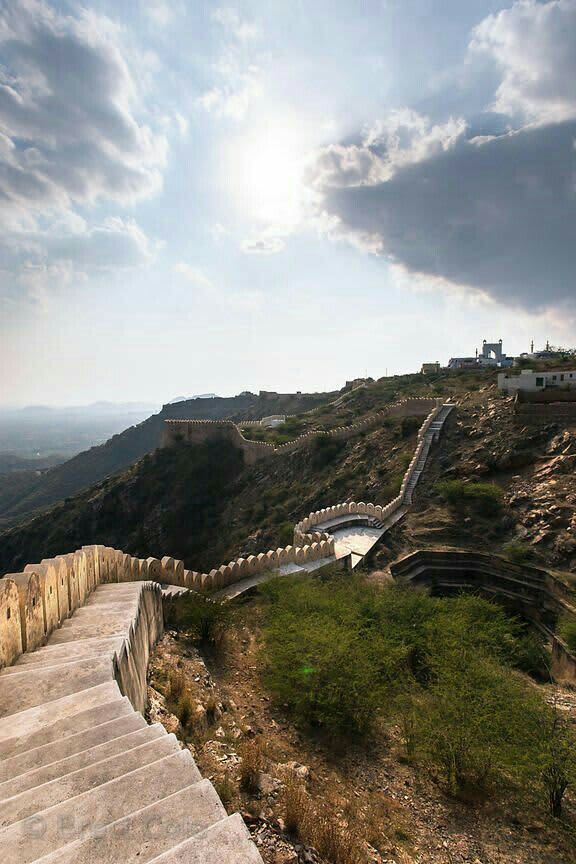
Ajmer, a city in the heart of Rajasthan, is one of the most important Islamic pilgrimage sites in South Asia, home to the Dargah Sharif — the tomb of the Sufi saint Khwaja Moinuddin Chishti, who is revered by Muslims and Hindus alike as a symbol of love, tolerance, and universal brotherhood. Millions of pilgrims visit the Dargah each year, particularly during the annual Urs festival, to seek blessings at the shrine's gilded tomb. The 12th-century Adhai Din Ka Jhonpra mosque and the stunning Ana Sagar Lake, where Emperor Jahangir built a beautiful marble pavilion, make Ajmer a city of remarkable composite heritage and spiritual significance.
Jaipur
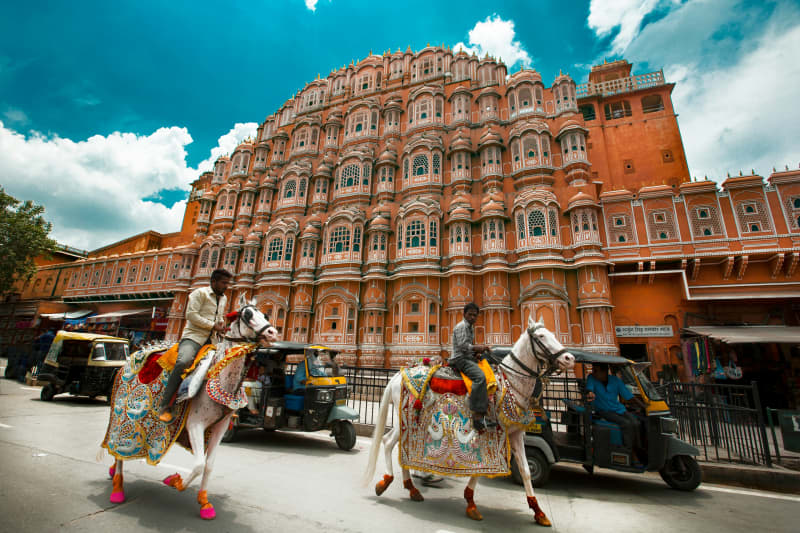
Jaipur, the Pink City and capital of Rajasthan, is one of India's most vibrant and photogenic destinations, famous for its rose-tinted heritage architecture, colorful bazaars overflowing with textiles and jewelry, and the formidable Amer Fort. Built by Maharaja Jai Singh II in 1727 as India's first planned city, Jaipur's geometric street layout and magnificent palaces — including the City Palace and the iconic Hawa Mahal — reflect the opulence of Rajput royalty. The city is the gateway to Rajasthan's royal heartland and forms the third vertex of India's legendary Golden Triangle alongside Delhi and Agra.
Udaipur
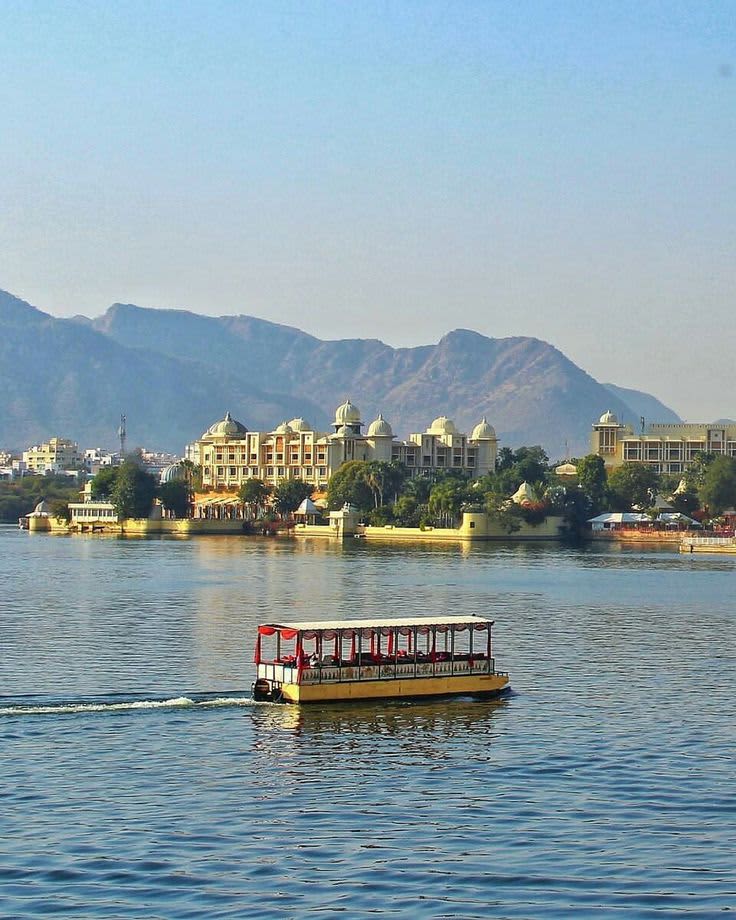
Udaipur, the City of Lakes in Rajasthan, is widely considered one of the most romantic cities in India, a dreamlike destination of shimmering lake palaces, white marble temples, and haveli-lined ghats reflected in the placid waters of Lake Pichola. The iconic Lake Palace — seemingly floating on the waters of Pichola — and the grand City Palace complex are among the finest examples of Rajput architecture anywhere in India. Udaipur's vibrant arts scene, exquisite handicrafts, and the mesmerizing evening boat rides on the lake make it a city that captures hearts and refuses to let go.
Nearby destinations
Ajmer
10 km · Ajmer, a city in the heart of Rajasthan, is one of the most important Islamic pilgrimage sites in South Asia, home to the Dargah Sharif — the tomb of the Sufi saint Khwaja Moinuddin Chishti, who is revered by Muslims and Hindus alike as a symbol of love, tolerance, and universal brotherhood. Millions of pilgrims visit the Dargah each year, particularly during the annual Urs festival, to seek blessings at the shrine's gilded tomb. The 12th-century Adhai Din Ka Jhonpra mosque and the stunning Ana Sagar Lake, where Emperor Jahangir built a beautiful marble pavilion, make Ajmer a city of remarkable composite heritage and spiritual significance.
Jaipur
131 km · Jaipur, the Pink City and capital of Rajasthan, is one of India's most vibrant and photogenic destinations, famous for its rose-tinted heritage architecture, colorful bazaars overflowing with textiles and jewelry, and the formidable Amer Fort. Built by Maharaja Jai Singh II in 1727 as India's first planned city, Jaipur's geometric street layout and magnificent palaces — including the City Palace and the iconic Hawa Mahal — reflect the opulence of Rajput royalty. The city is the gateway to Rajasthan's royal heartland and forms the third vertex of India's legendary Golden Triangle alongside Delhi and Agra.
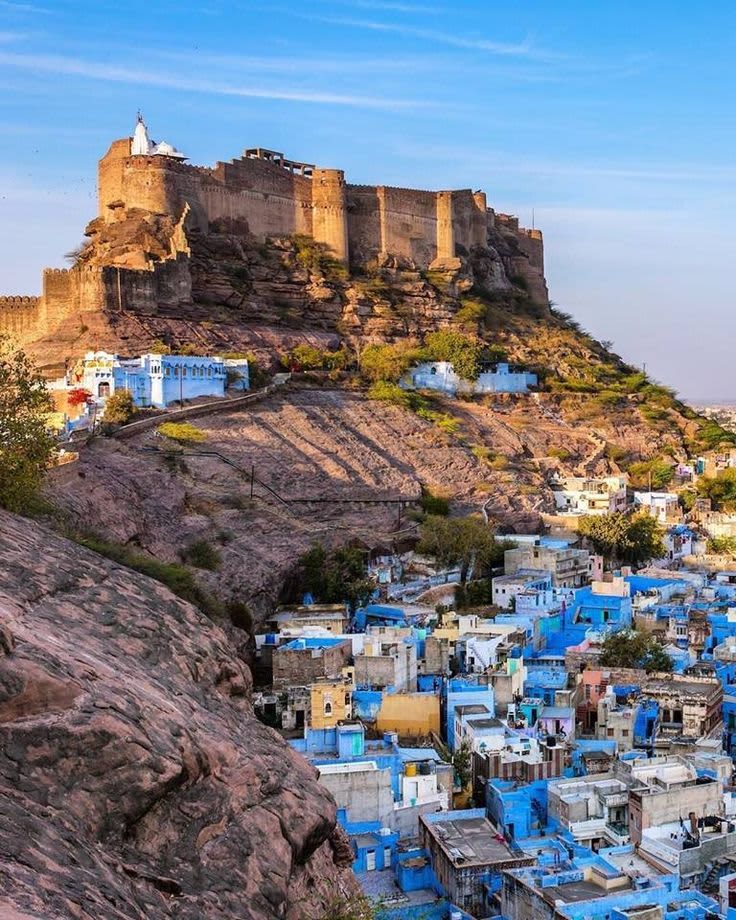
Jodhpur
155 km · Jodhpur, the Blue City of Rajasthan, is dominated by the magnificent Mehrangarh Fort — one of India's largest and best-preserved forts — rising 150 meters above a sea of indigo-painted houses in the old city below, creating one of the most dramatic urban vistas on earth. The city's blue color, traditionally used by Brahmin residents to distinguish their homes, has now been adopted across the old city, giving it its poetic nickname. The bustling Clock Tower market, the ornate Umaid Bhawan Palace, and the narrow lanes of the old city teeming with spice merchants and craftspeople make Jodhpur an unmissable Rajasthani experience.