Best Places Similar in Ajanta Caves
Best Places Similar to Ajanta Caves
The Ajanta Caves, a UNESCO World Heritage Site in Maharashtra, comprise 30 rock-cut Buddhist cave monuments excavated between the 2nd century BCE and 480 CE containing the finest surviving examples of ancient Indian art — murals and sculptures of extraordinary refinement and beauty that depict the life of Buddha and Jataka tales with a naturalism and emotional depth that influenced Buddhist art across Asia. The paintings, preserved in remarkable condition within the caves' controlled environment, are considered among the greatest works of art in human history. Rediscovered by a British hunting party in 1819 after centuries of jungle overgrowth, Ajanta remains one of the most awe-inspiring artistic and archaeological treasures in India.
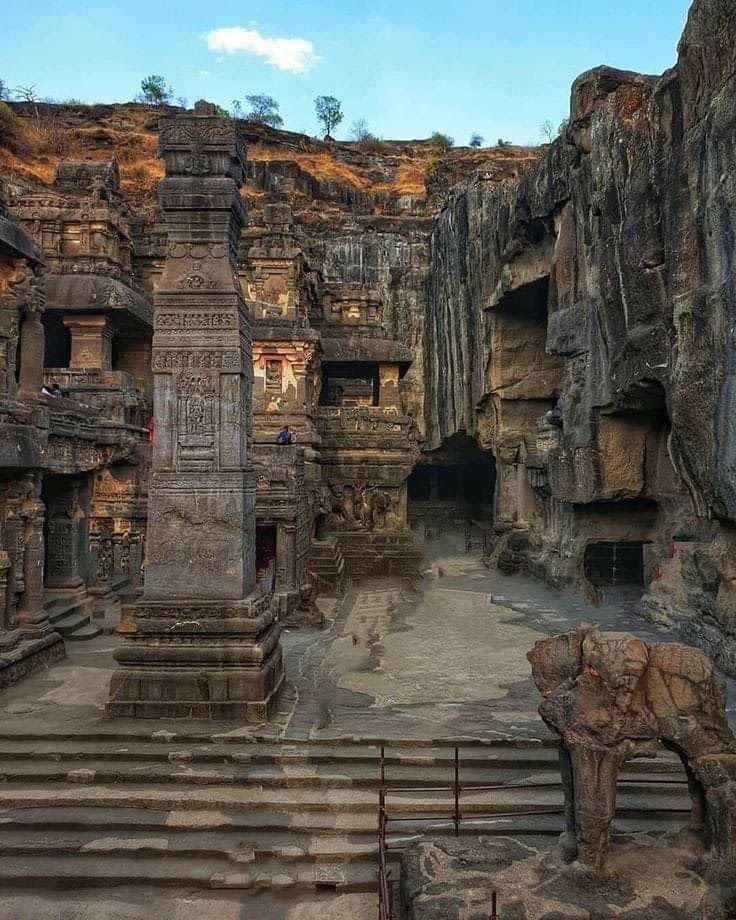
Ellora Caves
→Ellora, a UNESCO World Heritage Site in Maharashtra, is perhaps the greatest testament to India's tradition of religious tolerance and artistic ambition — a 2-kilometer stretch of cliff containing 34 remarkable rock-cut monasteries and temples representing Buddhism, Hinduism, and Jainism, created between the 6th and 11th centuries CE. The centerpiece is the awe-inspiring Kailasa Temple (Cave 16) — entirely carved out of a single basalt rock face from the top down in a feat of engineering that remains miraculous to this day, a monolithic reproduction of Mount Kailash dedicated to Shiva. The Buddhist viharas and chaityas, the towering Jain temples, and the dynamic Hindu sculptures of Shiva make Ellora a journey through the artistic genius of ancient India.

Lonar Lake
→Lonar Lake in Maharashtra is one of only four known hyper-velocity impact craters in basaltic rock on earth, formed approximately 50,000 years ago when a meteor struck the Deccan Plateau — making it one of the planet's most extraordinary geological wonders. The lake's water is a unique combination of saltwater and alkaline water, supporting rare extremophilic microorganisms and attracting flamingos and other migratory birds. Surrounded by dense forest and ancient temples dating back to the Chalukya and Yadava dynasties, Lonar is a fascinating convergence of natural wonder, biodiversity, and historical heritage.
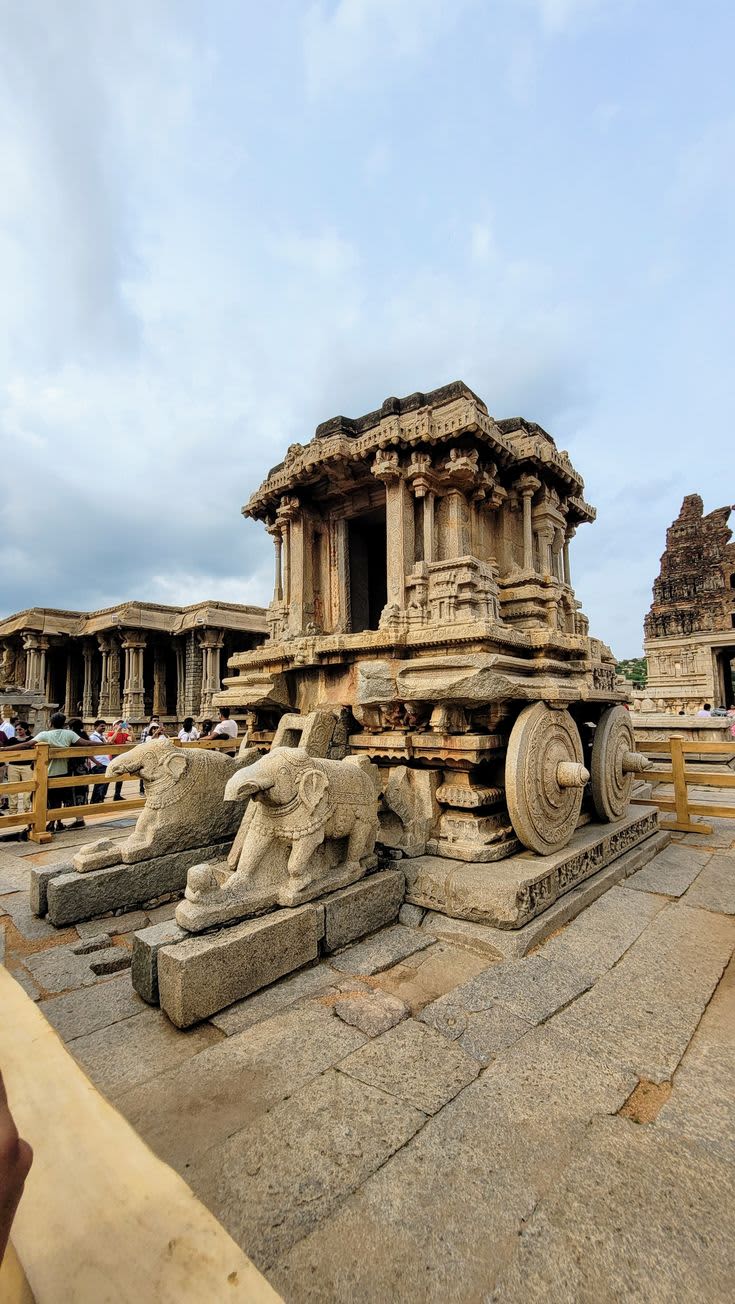
Hampi
→Hampi, a UNESCO World Heritage Site in Karnataka, is one of the most evocative and visually stunning historical destinations in India — the ruins of Vijayanagara, once one of the largest and wealthiest cities in the medieval world and capital of the last great Hindu empire, spread across an otherworldly landscape of giant boulders, banana plantations, and the Tungabhadra River. The Virupaksha Temple, Vittala Temple with its famous Stone Chariot and musical pillars, the Lotus Mahal, and Elephant Stables are architectural masterpieces within a landscape of over 1,600 monuments. Cycling or hiking among Hampi's surreal boulder fields at sunrise and sunset is an experience of rare beauty and historical majesty.
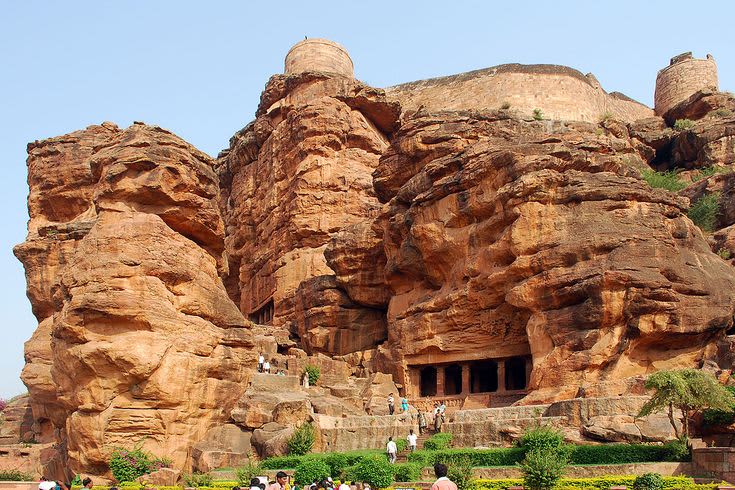
Badami
→Badami, the ancient capital of the early Chalukya dynasty in Karnataka, is a historically rich town known above all for its four magnificent rock-cut cave temples carved into the face of a red sandstone cliff overlooking the scenic Agastya Lake in the 6th and 7th centuries CE. The caves contain exceptional sculptures of Shiva as Nataraja with 18 arms, various Vishnu avatars including the colossal reclining Vishnu in Cave 3, and Jain tirthankaras that represent some of the finest examples of early Deccan sculpture. The fortified hilltop above the caves, the temples on the lake's southern shore, and the nearby Pattadakal and Aihole make Badami the hub of an extraordinary ancient Chalukyan heritage trail.
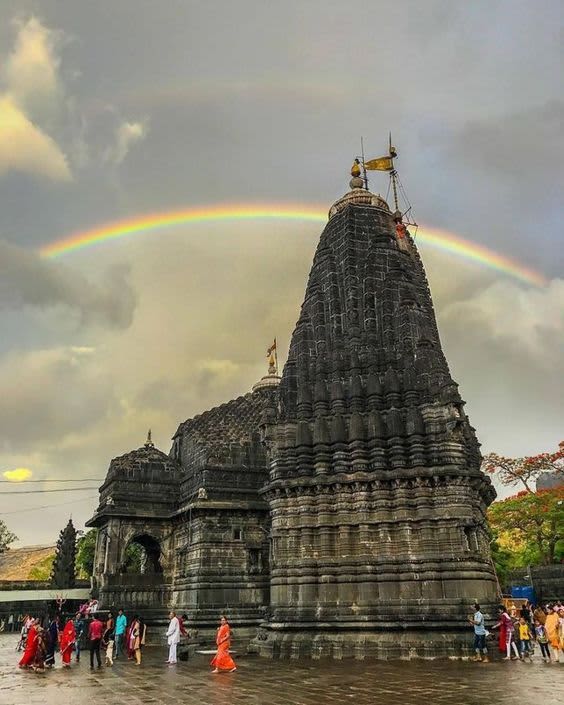
Nashik
→Nashik, situated on the banks of the holy Godavari River in Maharashtra, is one of India's most important pilgrimage cities and one of the four sacred venues for the Kumbh Mela, the world's largest human gathering. The city is famous for its ghats along the Godavari, the Panchavati area associated with the Ramayana, and the ancient cave temples of Pandavleni. Nashik also sits at the heart of India's most celebrated wine country, the Sula Vineyards and surrounding wine region, making it a uniquely dual destination that appeals to both pilgrims and modern lifestyle travelers.
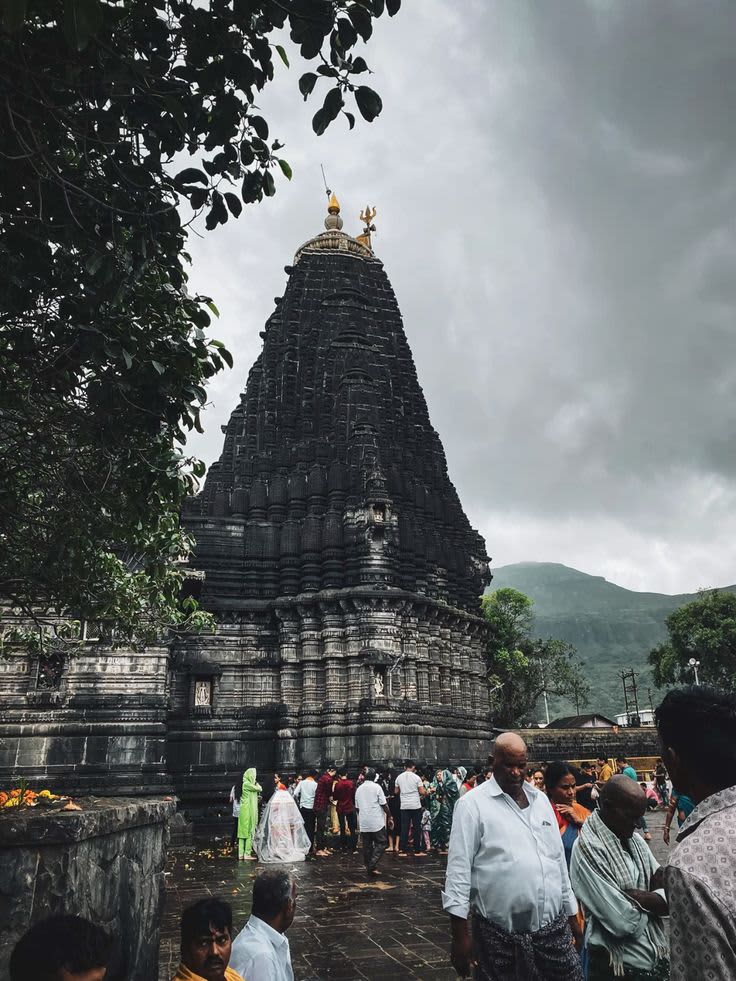
Trimbakeshwar
→Trimbakeshwar, situated at the source of the sacred Godavari River near Nashik in Maharashtra, is one of the twelve Jyotirlingas — the most sacred shrines of Lord Shiva in Hinduism. The magnificent Trimbakeshwar Shiva Temple, built in the Hemadpanthi style of black stone, is unique in housing a Jyotirlinga with three faces representing Brahma, Vishnu, and Shiva. The temple town is also the starting point of the Brahmagiri mountain trek, from the summit of which the Godavari River originates, making it a deeply sacred and scenically beautiful pilgrimage destination.
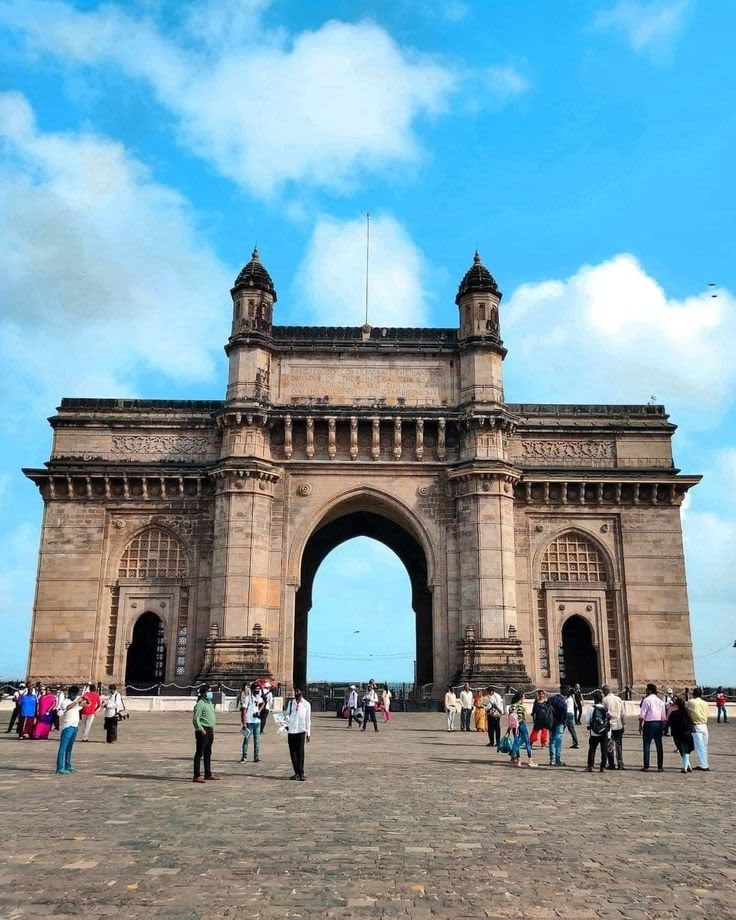
Mumbai
→Mumbai, India's Maximum City and financial capital, is a teeming, dynamic metropolis of 20 million people where Bollywood glamour, colonial grandeur, cutting-edge fashion, and ancient fishing villages all collide in an exhilarating urban tapestry unlike anywhere else on earth. The iconic Gateway of India overlooking the Arabian Sea, the UNESCO-listed Chhatrapati Shivaji Maharaj Terminus railway station, and the elegant promenade of Marine Drive are symbols of Mumbai's unique civic pride. From the street food heaven of Mohammed Ali Road and Juhu Beach to the art deco architecture of Oval Maidan and the vibrant gallery scene of Colaba, Mumbai is a city that rewards every type of curious traveler.
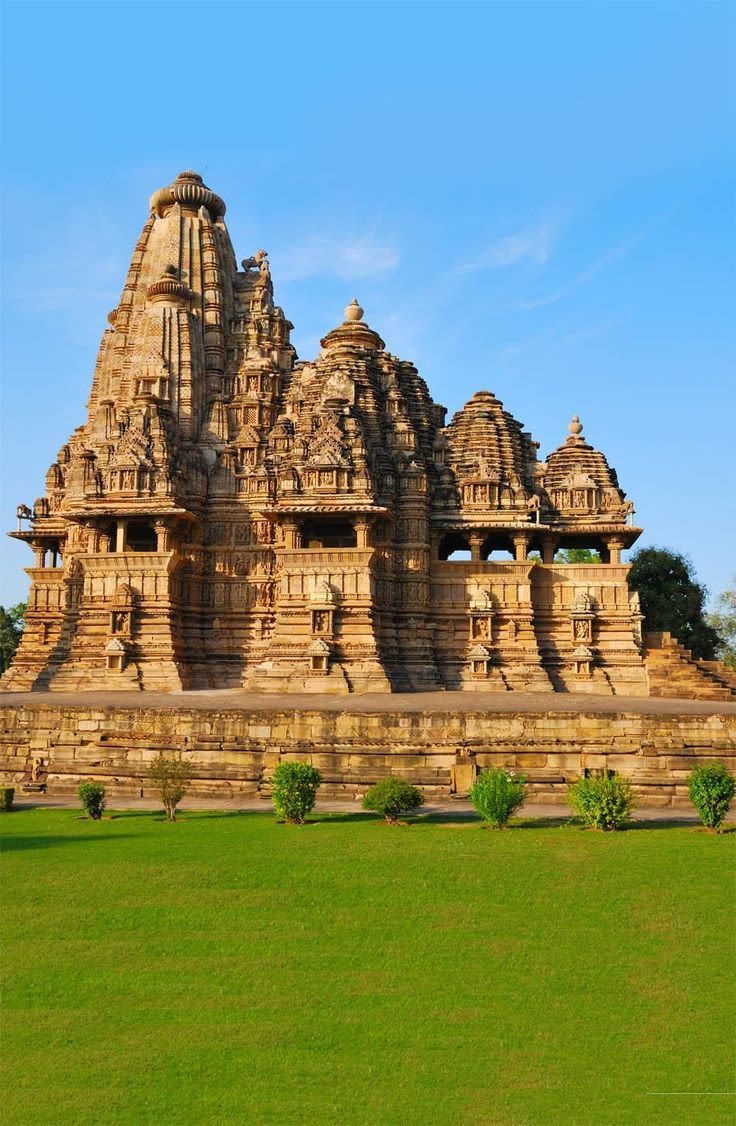
Khajuraho
→Khajuraho, a small town in Madhya Pradesh, is home to one of India's most extraordinary UNESCO World Heritage Sites — a group of medieval Hindu and Jain temples built by the Chandela dynasty between 950 and 1050 CE, celebrated worldwide for their exquisite erotic sculptures that represent only a fraction of the temples' vast iconographic program. The three temple complexes — Western, Eastern, and Southern — contain 20 surviving temples of the original 85, each a masterpiece of Nagara-style architecture adorned with thousands of meticulously carved figures depicting every aspect of human life, divine beings, and erotic union. The annual Khajuraho Dance Festival held in front of the illuminated temple facades is a cultural highlight of India's classical arts calendar.
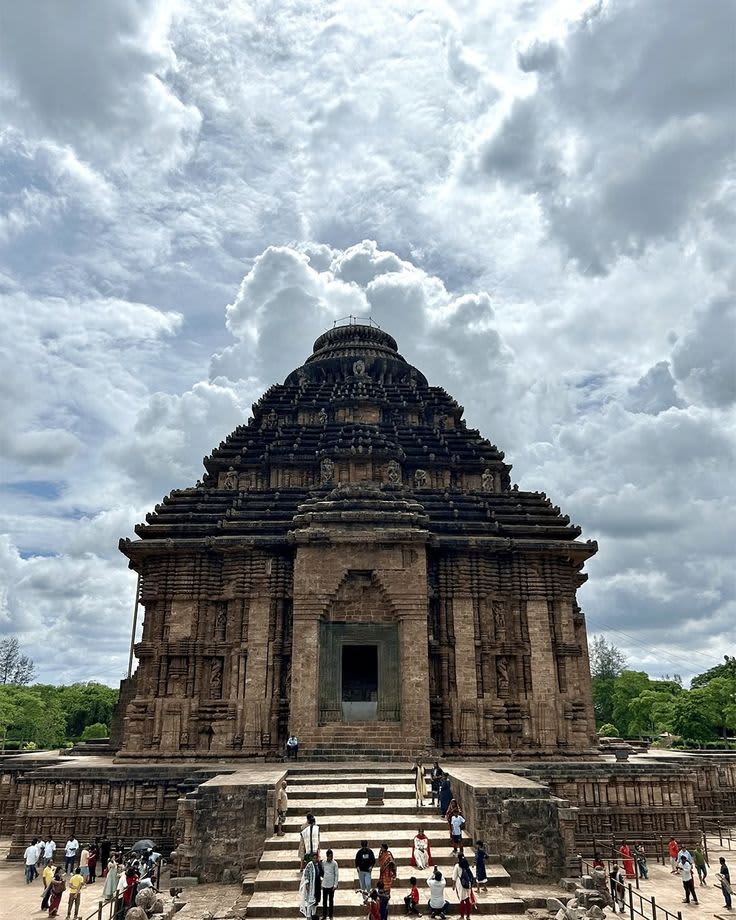
Konark
→Konark, a small town on Odisha's coast 35 kilometers from Puri, is home to one of India's greatest architectural wonders — the Sun Temple, a UNESCO World Heritage Site built in the 13th century by King Narasimhadeva I, conceived as a colossal stone chariot of the Sun God Surya with 24 intricately carved wheels and seven horses. The temple's thousands of sculptures depicting celestial beings, erotic carvings, animals, and mythological scenes represent the apex of Odishan temple architecture and craftsmanship. The annual Konark Dance Festival held against the dramatic backdrop of the illuminated Sun Temple is one of India's most magnificent cultural events.
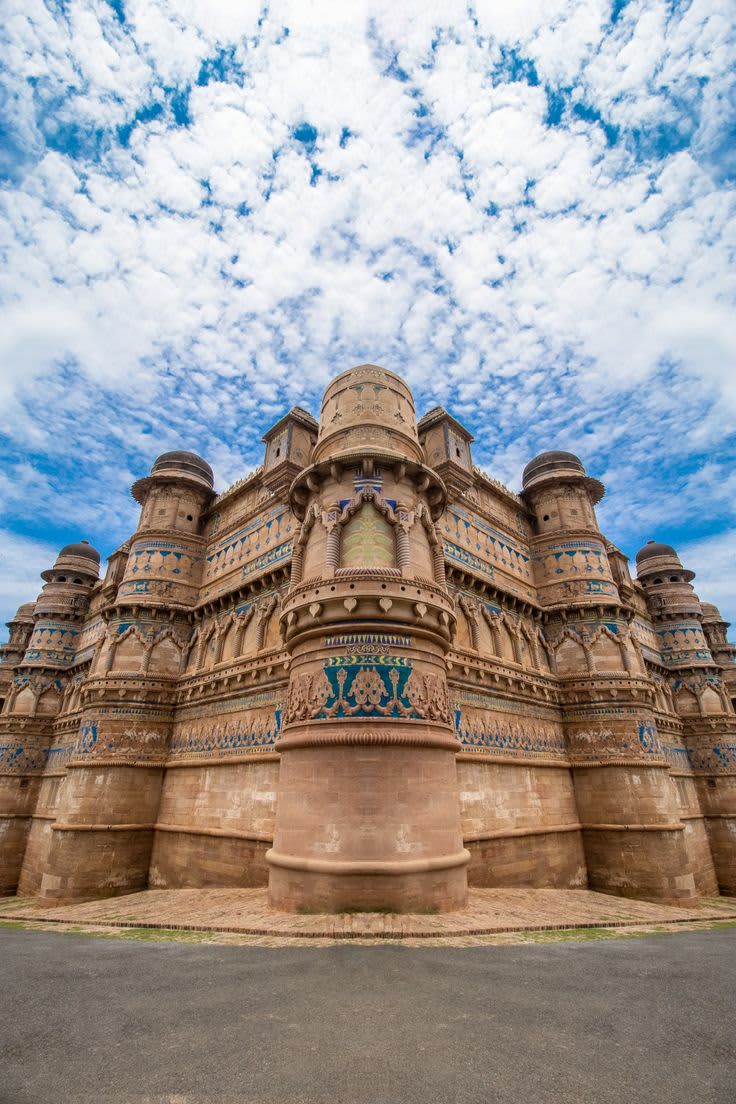
Gwalior
→Gwalior, in Madhya Pradesh, is dominated by one of India's most spectacular forts — the Gwalior Fort, rising 100 meters on a rocky hill above the city, described by the Mughal Emperor Babur as the pearl among fortresses of Hind. The fort complex encompasses palaces including the magnificent Man Mandir Palace with its brilliant tile work, Jain rock-cut sculptures, temples, and water tanks spanning over a thousand years of architectural history. The city also celebrates its deep musical heritage as the birthplace of the Gwalior Gharana, one of the most prestigious classical music traditions in Hindustani music, through the Tansen Music Festival held each November.