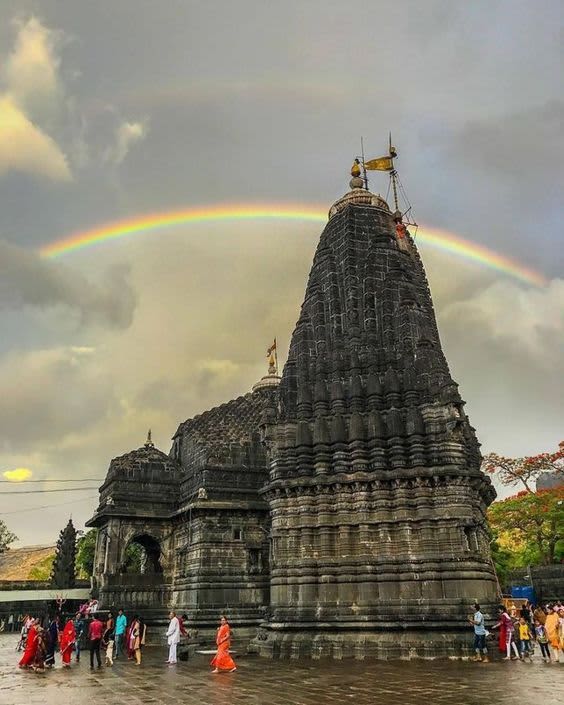
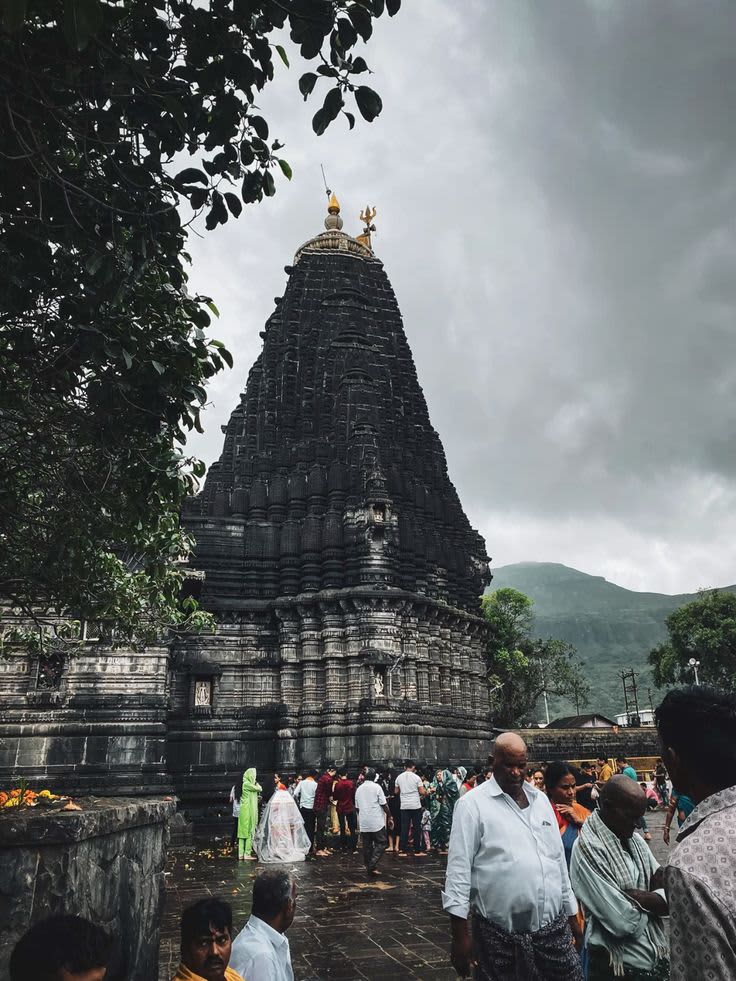
The Ajanta Caves, a UNESCO World Heritage Site in Maharashtra, comprise 30 rock-cut Buddhist cave monuments excavated between the 2nd century BCE and 480 CE containing the finest surviving examples of...

Ajanta Caves
Masterpiece of Buddhist Rock Art
Maharashtra, India
4.8
UNESCO World HeritageAncient FrescoesRock-Cut ArchitectureBuddhist Art
heritage
Duration: 1 Day
Budget/day: ₹1,000 – ₹3,500
Best season: Oct – Mar
Altitude: 360 m
Nearest airport: Aurangabad Airport (100 km)
Nearest railway: Jalgaon Railway Station (60 km); Aurangabad Station (100 km)
Best places to visit in Ajanta Caves

Things to do in Ajanta Caves
- No photoHeritage / ArtView full guide
4–5 hours
Buddhist Cave Paintings & Sculpture Tour
The Ajanta Caves are India's greatest artistic achievement — 30 rock-cut Buddhist sanctuaries carved into a horseshoe-shaped basalt cliff between the 2nd century BCE and 6th century CE. The cave paintings inside depict the life of Buddha and the Jataka tales in breathtaking naturalistic detail, using mineral pigments so skillfully applied that some retain their original luminosity 1,500 years later. Cave 1, 2, 16, and 17 contain the finest murals — each a complete masterclass in ancient Indian painting.
- No photoSightseeing / NatureView full guide
30–45 minutes
Viewpoint Walk & Gorge Panorama
Before descending into the caves, take the trail to the main Ajanta viewpoint overlooking the dramatic horseshoe gorge of the Waghora River — this is the perspective from which British Army officer John Smith famously 'rediscovered' the caves in 1819. Seeing the 29 dark openings carved into the cliff face rising from the jungle is genuinely spine-tingling, and the scale of the human endeavour involved in creating them over 800 years becomes viscerally clear from this vantage point.
- No photoEducational / CulturalView full guide
4–5 hours
Guided Archaeological Interpretation Tour
Ajanta's layers of artistic and religious history are simply too complex to appreciate without expert guidance. A certified ASI guide or an archaeologist-led tour can explain the chronological sequence of the caves, decode the iconographic programmes of the murals (identifying the specific Jataka tales depicted), discuss the extraordinary scaffolding techniques used by ancient artists to paint cave ceilings, and distinguish between the Hinayana caves (with no Buddha images) and the Mahayana caves (with elaborate figurative programmes).
Best Time to Visit and Weather Info
Best time: October to March
Summer (April–June) is extremely hot at these caves. Monsoon makes the gorge waterfalls spectacular but can be hot and humid.
Winter
Best Time ⭐Oct – Mar
12°C – 30°C
Comfortable weather for the morning walk through all 30 caves. The viewpoint from opposite the cave complex gives the best overview photograph.
- Arrive at opening time (9 AM) to avoid tourist rush
- Cave 1, 2, 17, and 19 have the finest paintings and sculpture
How to Reach
✈️By Air
Airport: Aurangabad Airport (Dr. Babasaheb Ambedkar Airport) (100 km from Ajanta Caves)
Duration: ~2.5 hrs by road
Fly to Aurangabad (also gateway to Ellora Caves), then taxi or MSRTC bus to Ajanta.
Taxi: ₹2,000 – ₹3,500 (Aurangabad to Ajanta)
Airlines: IndiGo, Air India, SpiceJet
🚂By Train
Station: Jalgaon Railway Station (60 km) — most convenient
Jalgaon is on the Mumbai–Delhi mainline. From Jalgaon, take a taxi or bus to Ajanta (1.5 hrs).
- Punjab Mail — Mumbai (CST) (~7 hrs to Jalgaon)
- Gitanjali Express — Mumbai (CST) (~7 hrs to Jalgaon)
🚌By Road
Ajanta is on the Jalgaon–Aurangabad highway. MSRTC and private buses available.
- Aurangabad: 100 km, 2.5 hrs via NH-52
- Jalgaon: 60 km, 1.5 hrs via State Highway
- Ellora Caves: 100 km, 2.5 hrs via Aurangabad
Local Food
Ajanta has very limited food options. Eat well in Aurangabad before visiting. MTDC has a cafeteria near the cave entrance.
Aurangabadi Naan Kebab
Local naan bread with seekh kebabs — a legacy of Mughal Aurangabad's culinary culture.
Where: Restaurants in Aurangabad
₹150 – ₹280
Shikanji
Chilled spiced lemonade — a refreshing drink after the hot cave walk.
Where: Stalls at cave entrance
₹20 – ₹50
MTDC Canteen Food
The MTDC cafeteria near the caves serves basic vegetarian and non-vegetarian meals.
Where: MTDC Cafeteria, Ajanta Caves complex
₹150 – ₹250
Fresh Fruit Plates
Seasonal fruit vendors near the entrance — bananas, oranges, and local fruit.
Where: Stalls near the bus stop
₹30 – ₹80
Carry packed food and water from Jalgaon or Aurangabad. The cave complex is large and the walk takes 4–5 hours — good energy food is important.
FAQs
- Ajanta is a UNESCO World Heritage Site containing 30 Buddhist rock-cut caves with the world's most extraordinary ancient paintings and sculptures — created between the 2nd century BCE and 6th century CE.
Best Places Similar
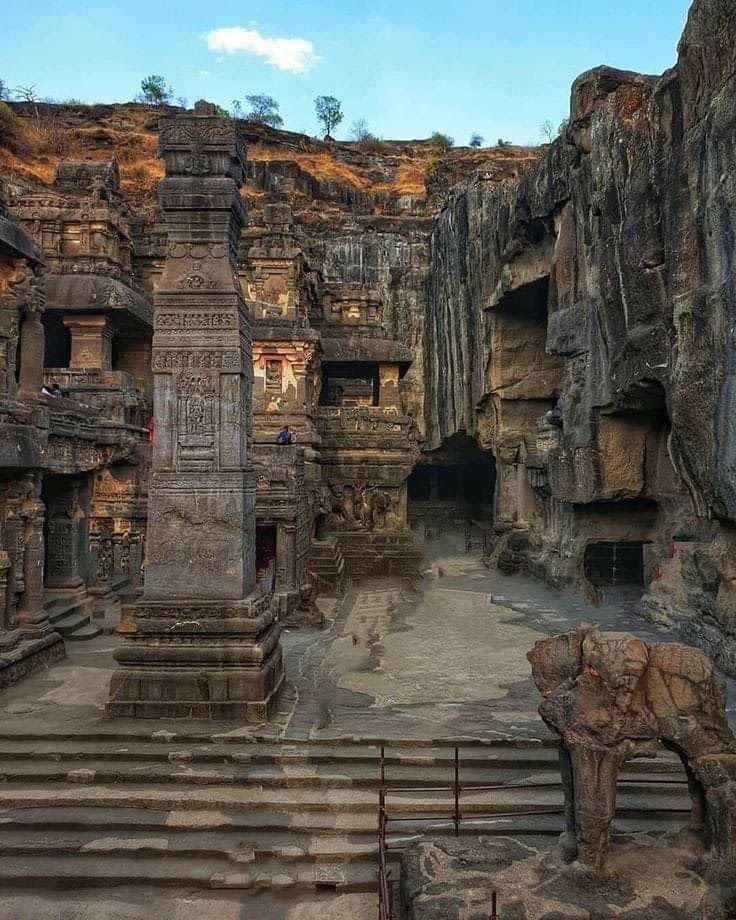
Ellora Caves
Ellora, a UNESCO World Heritage Site in Maharashtra, is perhaps the greatest testament to India's tradition of religious tolerance and artistic ambition — a 2-kilometer stretch of cliff containing 34 remarkable rock-cut monasteries and temples representing Buddhism, Hinduism, and Jainism, created between the 6th and 11th centuries CE. The centerpiece is the awe-inspiring Kailasa Temple (Cave 16) — entirely carved out of a single basalt rock face from the top down in a feat of engineering that remains miraculous to this day, a monolithic reproduction of Mount Kailash dedicated to Shiva. The Buddhist viharas and chaityas, the towering Jain temples, and the dynamic Hindu sculptures of Shiva make Ellora a journey through the artistic genius of ancient India.

Lonar Lake
Lonar Lake in Maharashtra is one of only four known hyper-velocity impact craters in basaltic rock on earth, formed approximately 50,000 years ago when a meteor struck the Deccan Plateau — making it one of the planet's most extraordinary geological wonders. The lake's water is a unique combination of saltwater and alkaline water, supporting rare extremophilic microorganisms and attracting flamingos and other migratory birds. Surrounded by dense forest and ancient temples dating back to the Chalukya and Yadava dynasties, Lonar is a fascinating convergence of natural wonder, biodiversity, and historical heritage.
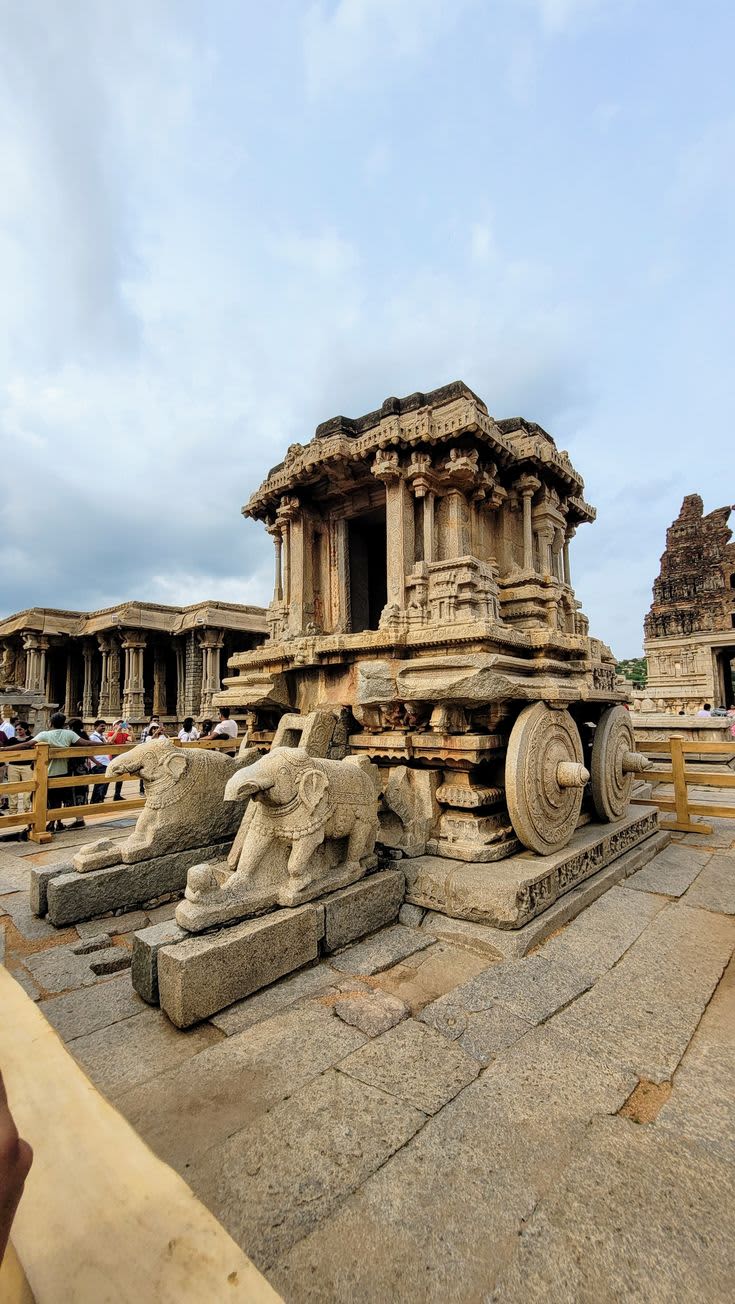
Hampi
Hampi, a UNESCO World Heritage Site in Karnataka, is one of the most evocative and visually stunning historical destinations in India — the ruins of Vijayanagara, once one of the largest and wealthiest cities in the medieval world and capital of the last great Hindu empire, spread across an otherworldly landscape of giant boulders, banana plantations, and the Tungabhadra River. The Virupaksha Temple, Vittala Temple with its famous Stone Chariot and musical pillars, the Lotus Mahal, and Elephant Stables are architectural masterpieces within a landscape of over 1,600 monuments. Cycling or hiking among Hampi's surreal boulder fields at sunrise and sunset is an experience of rare beauty and historical majesty.
Nearby destinations
Ellora Caves
80 km · Ellora, a UNESCO World Heritage Site in Maharashtra, is perhaps the greatest testament to India's tradition of religious tolerance and artistic ambition — a 2-kilometer stretch of cliff containing 34 remarkable rock-cut monasteries and temples representing Buddhism, Hinduism, and Jainism, created between the 6th and 11th centuries CE. The centerpiece is the awe-inspiring Kailasa Temple (Cave 16) — entirely carved out of a single basalt rock face from the top down in a feat of engineering that remains miraculous to this day, a monolithic reproduction of Mount Kailash dedicated to Shiva. The Buddhist viharas and chaityas, the towering Jain temples, and the dynamic Hindu sculptures of Shiva make Ellora a journey through the artistic genius of ancient India.
Lonar Lake
106 km · Lonar Lake in Maharashtra is one of only four known hyper-velocity impact craters in basaltic rock on earth, formed approximately 50,000 years ago when a meteor struck the Deccan Plateau — making it one of the planet's most extraordinary geological wonders. The lake's water is a unique combination of saltwater and alkaline water, supporting rare extremophilic microorganisms and attracting flamingos and other migratory birds. Surrounded by dense forest and ancient temples dating back to the Chalukya and Yadava dynasties, Lonar is a fascinating convergence of natural wonder, biodiversity, and historical heritage.
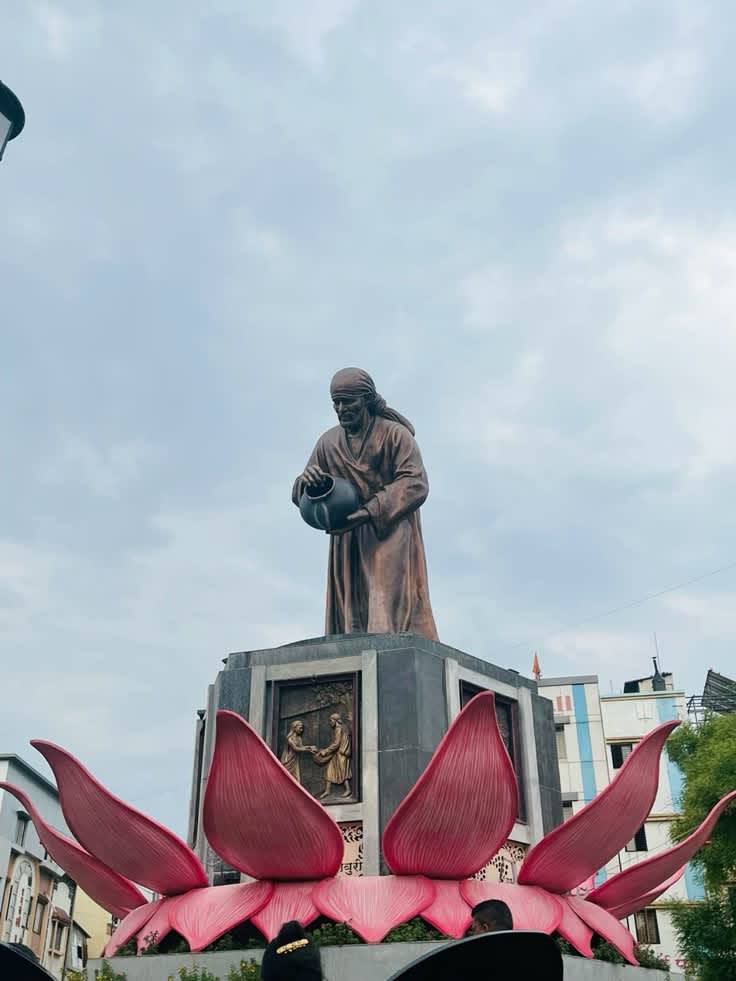
Shirdi
155 km · Shirdi, a small town in Maharashtra's Ahmednagar district, is one of the most visited pilgrimage destinations in India — home to the Shri Sai Baba Samadhi Mandir, the shrine of the revered saint Sai Baba of Shirdi, who is worshipped by both Hindus and Muslims as a manifestation of God and whose teachings of love, forgiveness, and brotherhood continue to attract millions of devotees from across India and the world. The Samadhi Mandir housing the marble idol of Sai Baba, the Dwarkamai mosque where Sai Baba lived for much of his life, and the Chavadi where he slept on alternate nights are the three most sacred sites in the Shirdi complex, creating a deeply moving spiritual circuit for devotees of every faith.