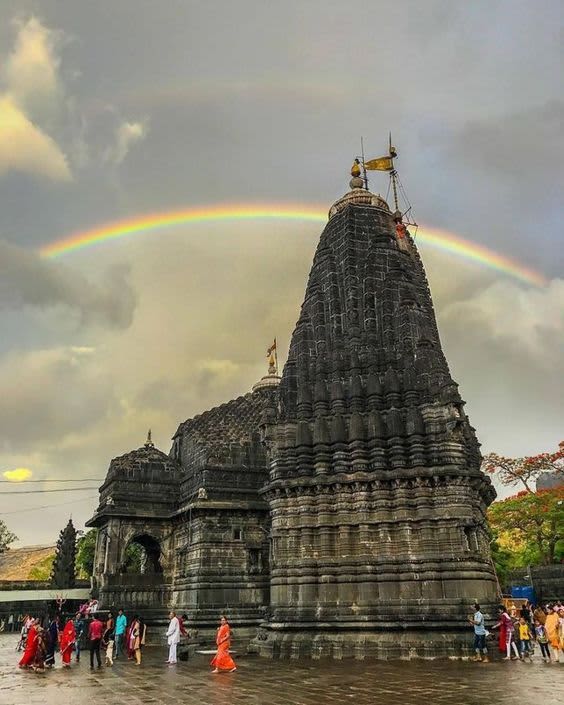
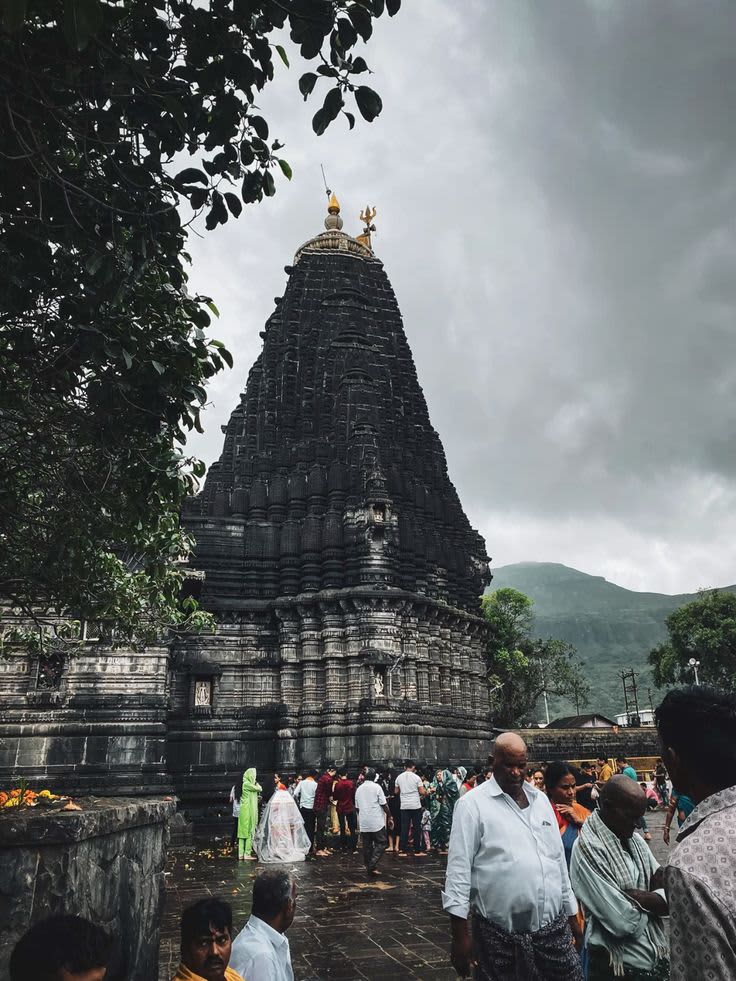
Ellora, a UNESCO World Heritage Site in Maharashtra, is perhaps the greatest testament to India's tradition of religious tolerance and artistic ambition — a 2-kilometer stretch of cliff containing 34...
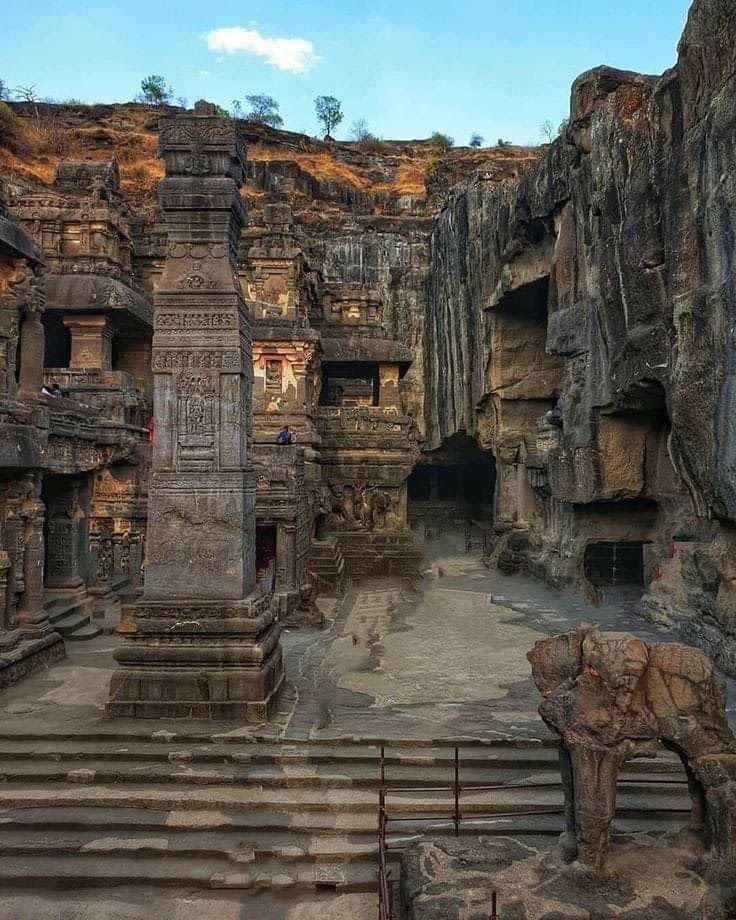
Ellora Caves
Where Three Faiths Unite in Stone
Maharashtra, India
4.9
UNESCO World HeritageKailasa TempleMulti-Religious CavesRock-Cut Marvels
heritage
Duration: 1 Day
Budget/day: ₹1,000 – ₹3,500
Best season: Oct – Mar
Altitude: 380 m
Nearest airport: Aurangabad Airport (30 km)
Nearest railway: Aurangabad Railway Station (30 km)
Best places to visit in Ellora Caves


Things to do in Ellora Caves
- No photoHeritage / SpiritualView full guide
2–2.5 hours (Kailasa alone)
Kailasa Temple (Cave 16) Exploration
The Kailasa Temple at Ellora is, without question, one of the greatest architectural achievements in human history — a monolithic temple carved top-down from a single basalt cliff face between 757–783 CE. Covering twice the area of the Parthenon and carved to twice its height, the entire structure — pillared halls, elephant sculptures, soaring towers — was created by removing 400,000 tonnes of rock without a single load-bearing structure. Walking around it, you genuinely struggle to believe it was made by human hands.
- No photoHeritage / SpiritualView full guide
5–6 hours (full trail)
Full 34-Cave Trail (Buddhist, Hindu & Jain)
What makes Ellora unique among all the world's rock-cut heritage sites is the co-existence of Buddhist (Caves 1–12), Hindu (Caves 13–29), and Jain (Caves 30–34) monuments on a single hill — created over five centuries between the 6th and 11th centuries. Walking the full cave trail is a profound journey through India's spiritual pluralism: the serene Buddhist monasteries, the exuberant Shaiva carvings, and the delicately painted Jain sanctuaries collectively tell the story of medieval India's extraordinary religious creativity.
- No photoHeritageView full guide
Full day (10–12 hours)
Ellora Ajanta Combined Day Tour
Both Ajanta and Ellora are UNESCO World Heritage Sites and together they represent the absolute pinnacle of ancient Indian rock-cut art and architecture. A combined day tour (covering Ellora in the morning, then Ajanta in the afternoon or vice versa — they are 100 km apart) is the most efficient way to experience both, and many travellers consider this two-site circuit to be the most culturally significant day trip anywhere in India. Aurangabad serves as the ideal base for this classic Maharashtra heritage tour.
Best Time to Visit and Weather Info
Best time: October to March
Summer is very hot on the Deccan Plateau. Monsoon makes the landscape green but caves are very humid inside.
Winter
Best Time ⭐Oct – Mar
12°C – 30°C
Best weather for a full day of exploring all 34 caves — Buddhist (1–12), Hindu (13–29), and Jain (30–34). The Kailasa Temple (Cave 16) is best seen in morning light.
- Start with Cave 16 (Kailasa Temple) — the most extraordinary
- Cave 32 (Indra Sabha, Jain) is often overlooked but exquisite
How to Reach
✈️By Air
Airport: Aurangabad Airport (30 km from Ellora Caves)
Duration: ~45 mins by road
Fly to Aurangabad then taxi to Ellora. The airport is also the gateway to Ajanta Caves (100 km).
Taxi: ₹600 – ₹1,000 (Aurangabad to Ellora)
Airlines: IndiGo, Air India, SpiceJet
🚂By Train
Station: Aurangabad Railway Station (30 km)
Trains from Mumbai, Delhi, and Hyderabad to Aurangabad. Then taxi to Ellora.
- Devagiri Express — Mumbai (CST) (~8 hrs to Aurangabad)
- Tapovan Express — Nashik (~3.5 hrs to Aurangabad)
🚌By Road
Ellora is 30 km from Aurangabad. MSRTC buses and autos available. Best to hire a taxi for flexibility.
- Aurangabad: 30 km, 45 mins via Aurangabad-Ellora Road
- Ajanta Caves: 100 km, 2.5 hrs via Aurangabad
Local Food
Food at Ellora is limited to MTDC canteen and a few stalls. Eat in Aurangabad for the best culinary experience.
Aurangabadi Biryani (Tamba)
Slow-cooked Mughal-style biryani — Aurangabad's most famous dish, available in the city before or after the cave visit.
Where: Bhoj restaurant, Aurangabad; local Muslim eateries
₹200 – ₹450
Naan and Kebab
Legacy of the Mughal court at Aurangabad — soft naan with seekh or shami kebabs.
Where: Old city restaurants in Aurangabad
₹150 – ₹280
Fresh Coconut Water
Widely available near the cave entrance — essential refreshment.
Where: Vendors at Ellora
₹30 – ₹50
MTDC Restaurant
Standard government canteen with basic vegetarian and non-vegetarian meals near Cave 16.
Where: MTDC Complex, Ellora
₹150 – ₹250
Plan to have a proper meal in Aurangabad (Mughal-influenced cuisine is excellent here) before or after visiting the caves.
FAQs
- Ellora is a UNESCO World Heritage Site containing 34 rock-cut caves representing three religions — Buddhist (1–12), Hindu (13–29), and Jain (30–34) — spanning 5th–12th century CE. The Kailasa Temple (Cave 16) is the single largest rock-cut structure in the world.
Best Places Similar

Ajanta Caves
The Ajanta Caves, a UNESCO World Heritage Site in Maharashtra, comprise 30 rock-cut Buddhist cave monuments excavated between the 2nd century BCE and 480 CE containing the finest surviving examples of ancient Indian art — murals and sculptures of extraordinary refinement and beauty that depict the life of Buddha and Jataka tales with a naturalism and emotional depth that influenced Buddhist art across Asia. The paintings, preserved in remarkable condition within the caves' controlled environment, are considered among the greatest works of art in human history. Rediscovered by a British hunting party in 1819 after centuries of jungle overgrowth, Ajanta remains one of the most awe-inspiring artistic and archaeological treasures in India.

Lonar Lake
Lonar Lake in Maharashtra is one of only four known hyper-velocity impact craters in basaltic rock on earth, formed approximately 50,000 years ago when a meteor struck the Deccan Plateau — making it one of the planet's most extraordinary geological wonders. The lake's water is a unique combination of saltwater and alkaline water, supporting rare extremophilic microorganisms and attracting flamingos and other migratory birds. Surrounded by dense forest and ancient temples dating back to the Chalukya and Yadava dynasties, Lonar is a fascinating convergence of natural wonder, biodiversity, and historical heritage.
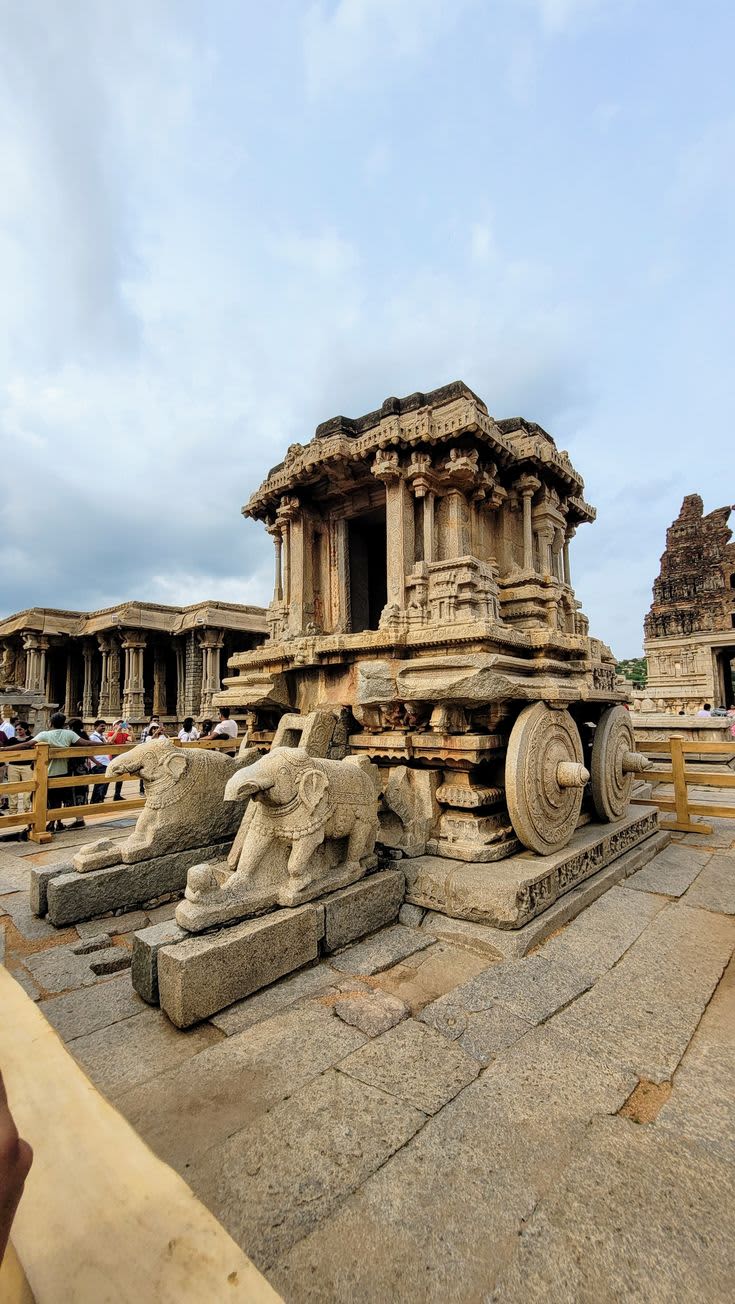
Hampi
Hampi, a UNESCO World Heritage Site in Karnataka, is one of the most evocative and visually stunning historical destinations in India — the ruins of Vijayanagara, once one of the largest and wealthiest cities in the medieval world and capital of the last great Hindu empire, spread across an otherworldly landscape of giant boulders, banana plantations, and the Tungabhadra River. The Virupaksha Temple, Vittala Temple with its famous Stone Chariot and musical pillars, the Lotus Mahal, and Elephant Stables are architectural masterpieces within a landscape of over 1,600 monuments. Cycling or hiking among Hampi's surreal boulder fields at sunrise and sunset is an experience of rare beauty and historical majesty.
Nearby destinations
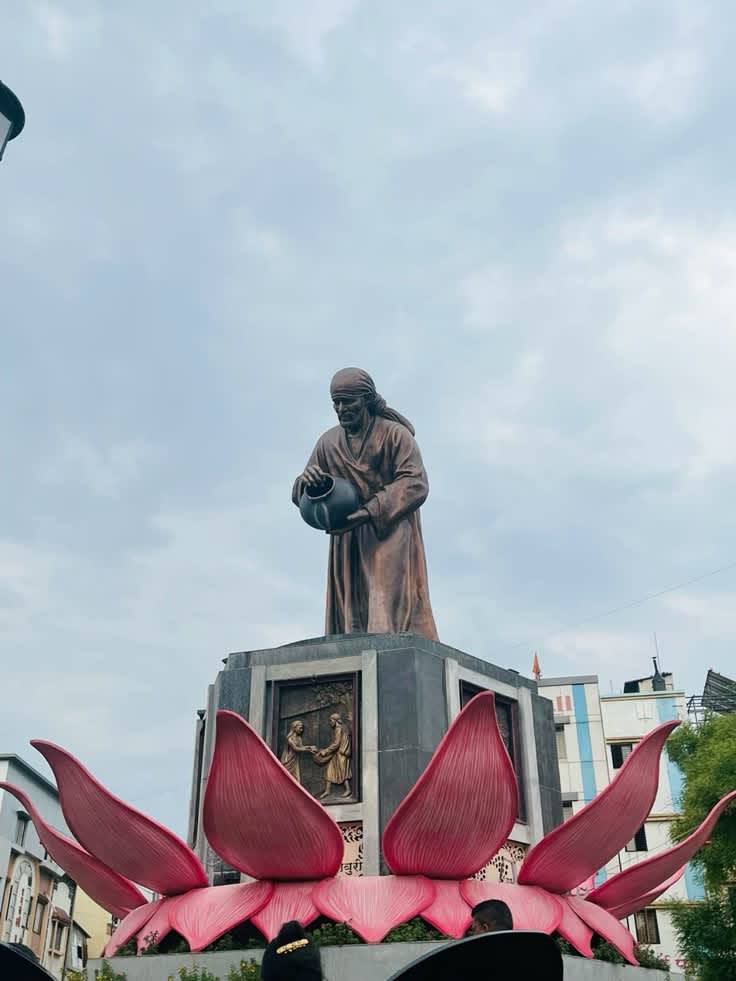
Shirdi
79 km · Shirdi, a small town in Maharashtra's Ahmednagar district, is one of the most visited pilgrimage destinations in India — home to the Shri Sai Baba Samadhi Mandir, the shrine of the revered saint Sai Baba of Shirdi, who is worshipped by both Hindus and Muslims as a manifestation of God and whose teachings of love, forgiveness, and brotherhood continue to attract millions of devotees from across India and the world. The Samadhi Mandir housing the marble idol of Sai Baba, the Dwarkamai mosque where Sai Baba lived for much of his life, and the Chavadi where he slept on alternate nights are the three most sacred sites in the Shirdi complex, creating a deeply moving spiritual circuit for devotees of every faith.
Ajanta Caves
80 km · The Ajanta Caves, a UNESCO World Heritage Site in Maharashtra, comprise 30 rock-cut Buddhist cave monuments excavated between the 2nd century BCE and 480 CE containing the finest surviving examples of ancient Indian art — murals and sculptures of extraordinary refinement and beauty that depict the life of Buddha and Jataka tales with a naturalism and emotional depth that influenced Buddhist art across Asia. The paintings, preserved in remarkable condition within the caves' controlled environment, are considered among the greatest works of art in human history. Rediscovered by a British hunting party in 1819 after centuries of jungle overgrowth, Ajanta remains one of the most awe-inspiring artistic and archaeological treasures in India.
Lonar Lake
140 km · Lonar Lake in Maharashtra is one of only four known hyper-velocity impact craters in basaltic rock on earth, formed approximately 50,000 years ago when a meteor struck the Deccan Plateau — making it one of the planet's most extraordinary geological wonders. The lake's water is a unique combination of saltwater and alkaline water, supporting rare extremophilic microorganisms and attracting flamingos and other migratory birds. Surrounded by dense forest and ancient temples dating back to the Chalukya and Yadava dynasties, Lonar is a fascinating convergence of natural wonder, biodiversity, and historical heritage.