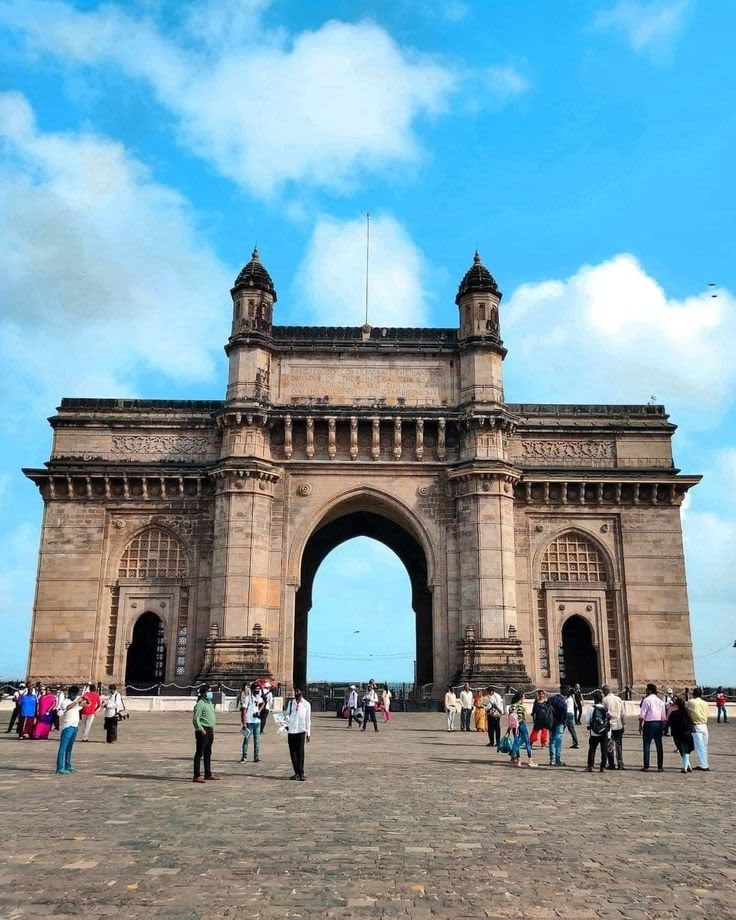
Trimbakeshwar, situated at the source of the sacred Godavari River near Nashik in Maharashtra, is one of the twelve Jyotirlingas — the most sacred shrines of Lord Shiva in Hinduism. The magnificent Tr...
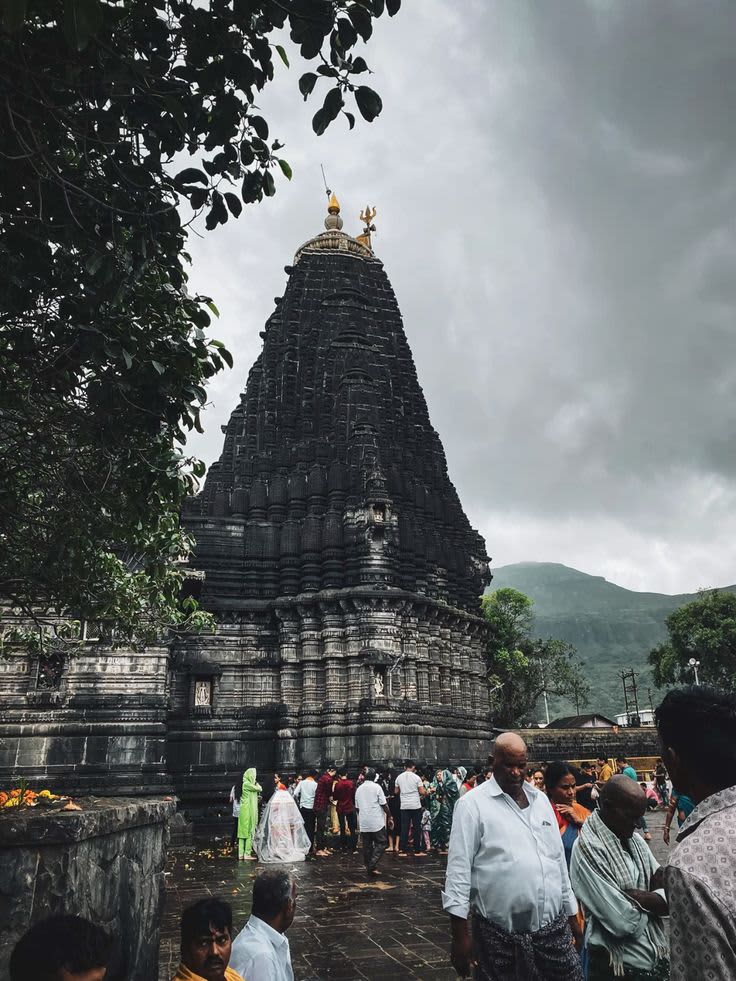
Trimbakeshwar
Sacred Jyotirlinga Temple
Maharashtra, India
4.8
JyotirlingaGodavari OriginAncient Temple
spiritual
Duration: 1–2 Days
Budget/day: ₹1,000 – ₹3,000
Best season: Oct – Mar
Altitude: 2,800 ft (850 m)
Nearest airport: Nashik Airport (28 km) / Mumbai Airport (170 km)
Nearest railway: Nashik Road Station (27 km)
Best places to visit in Trimbakeshwar


Things to do in Trimbakeshwar
- No photoSpiritualView full guide
1–2 hours
Trimbakeshwar Jyotirlinga darshan
The main temple at Trimbakeshwar houses one of the most sacred Jyotirlinga shrines in Hinduism — a lingam said to be the origin point of the holy Godavari river. The black stone temple dates to the 18th century and was built by Peshwa Nanasaheb, with an architectural style that differs markedly from the temple traditions of North India. The inner sanctum holds the tri-faced lingam in a gold crown, a sight of profound religious significance.
- No photoSpiritual TrekView full guide
4–5 hours (round trip)
Brahmagiri mountain trek to Godavari source
A 4-kilometre trek from Trimbakeshwar town climbs the Brahmagiri plateau to a small sacred kund at 4,250 feet where the Godavari river originates as a spring from the earth. The trail passes through dense forest, past rock-cut caves and small shrines, and the summit offers 360-degree views over the Sahyadri range. It is one of the most spiritually significant treks in Maharashtra.
- No photoSpiritual TrekView full guide
3–4 hours (round trip)
Anjneri Hill trek (birthplace of Hanuman)
The forested Anjneri Hill near Trimbakeshwar is believed by many Hindu traditions to be the birthplace of Lord Hanuman — a claim that gives the already beautiful trek a layer of spiritual weight. The summit plateau is ringed by towering basalt columns and has a small temple marking the sacred spot. The views from the top over the surrounding Nasik wine country and Sahyadri hills are outstanding.
Best Time to Visit and Weather Info
Best time: October to March
Maha Shivaratri (Feb–Mar) and Shravan month (July–Aug) see peak crowds.
Winter
Best Time ⭐Oct – Mar
10°C – 25°C
Ideal weather for pilgrimage and nearby Brahmagiri Hill trek.
- Visit early morning for peaceful darshan
- Brahmagiri Hill trek for Godavari River origin
Shravan
Festive 🎉Jul – Aug
20°C – 30°C
Holy month of Shravan — the temple sees massive crowds. Spiritual energy peaks.
- Arrive at 4 AM for early darshan
- Monsoon rains add to the natural beauty
How to Reach
✈️By Air
Airport: Nashik Airport (28 km) (28 km)
Duration: ~45 mins
Limited flights to Nashik from Mumbai. Better to fly Mumbai and drive 170 km.
Taxi: ₹600 – ₹900 from Nashik
Airlines: Air India
🚂By Train
Station: Nashik Road Station (27 km from Trimbakeshwar)
Nashik Road is well-connected to Mumbai, Pune, and Delhi. Taxi/bus onward.
- Panchvati Express — Mumbai (CST) (3 hrs to Nashik Road)
🚌By Road
MSRTC buses from Nashik to Trimbakeshwar run every 30 minutes. Auto-rickshaws available.
- Nashik: 28 km, 45 mins via Trimbak Road
- Mumbai: 170 km, 3.5 hrs via NH-160
- Pune: 190 km, 4 hrs via Nashik
Local Food
Trimbakeshwar is a vegetarian pilgrim town. Simple Maharashtrian meals and temple food are the norm.
Misal Pav
Spicy sprouted lentil curry with pav bread — a Nashik-region classic.
Where: Local eateries near the temple
₹60 – ₹100
Puran Poli
Sweet flatbread stuffed with jaggery and chana dal — a Maharashtrian festive staple.
Where: Sweet shops near temple
₹30 – ₹60
Sabudana Khichdi
Sago pearl stir-fry with peanuts and ghee — a fasting food widely available.
Where: Dhabas near bus stand
₹50 – ₹80
Non-vegetarian food is unavailable in the immediate temple vicinity. Nashik city (28 km) has more food options.
FAQs
- Trimbakeshwar is home to one of the 12 sacred Jyotirlingas (Trimbakeshwar Temple) and is the source of the holy Godavari River at nearby Brahmagiri Hill. The Kumbh Mela is held here (at Nashik) every 12 years.
Best Places Similar
Nashik
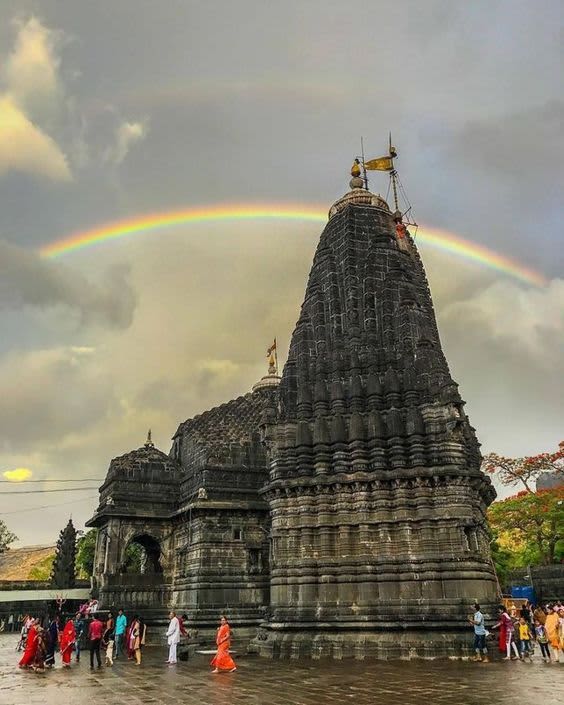
Nashik, situated on the banks of the holy Godavari River in Maharashtra, is one of India's most important pilgrimage cities and one of the four sacred venues for the Kumbh Mela, the world's largest human gathering. The city is famous for its ghats along the Godavari, the Panchavati area associated with the Ramayana, and the ancient cave temples of Pandavleni. Nashik also sits at the heart of India's most celebrated wine country, the Sula Vineyards and surrounding wine region, making it a uniquely dual destination that appeals to both pilgrims and modern lifestyle travelers.
Shirdi
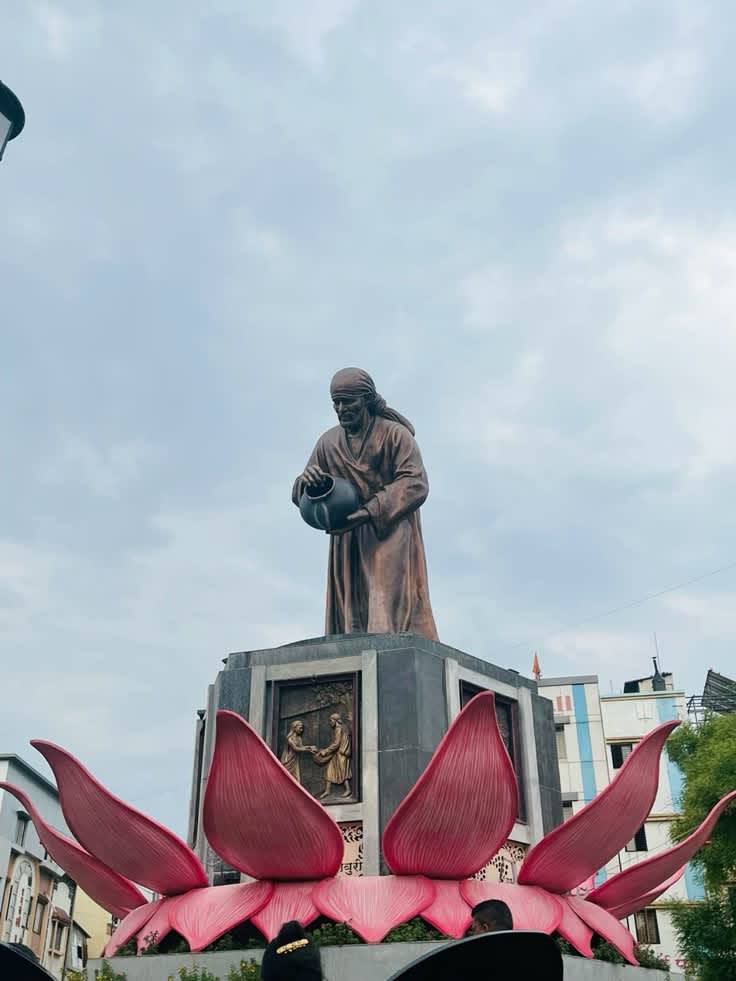
Shirdi, a small town in Maharashtra's Ahmednagar district, is one of the most visited pilgrimage destinations in India — home to the Shri Sai Baba Samadhi Mandir, the shrine of the revered saint Sai Baba of Shirdi, who is worshipped by both Hindus and Muslims as a manifestation of God and whose teachings of love, forgiveness, and brotherhood continue to attract millions of devotees from across India and the world. The Samadhi Mandir housing the marble idol of Sai Baba, the Dwarkamai mosque where Sai Baba lived for much of his life, and the Chavadi where he slept on alternate nights are the three most sacred sites in the Shirdi complex, creating a deeply moving spiritual circuit for devotees of every faith.
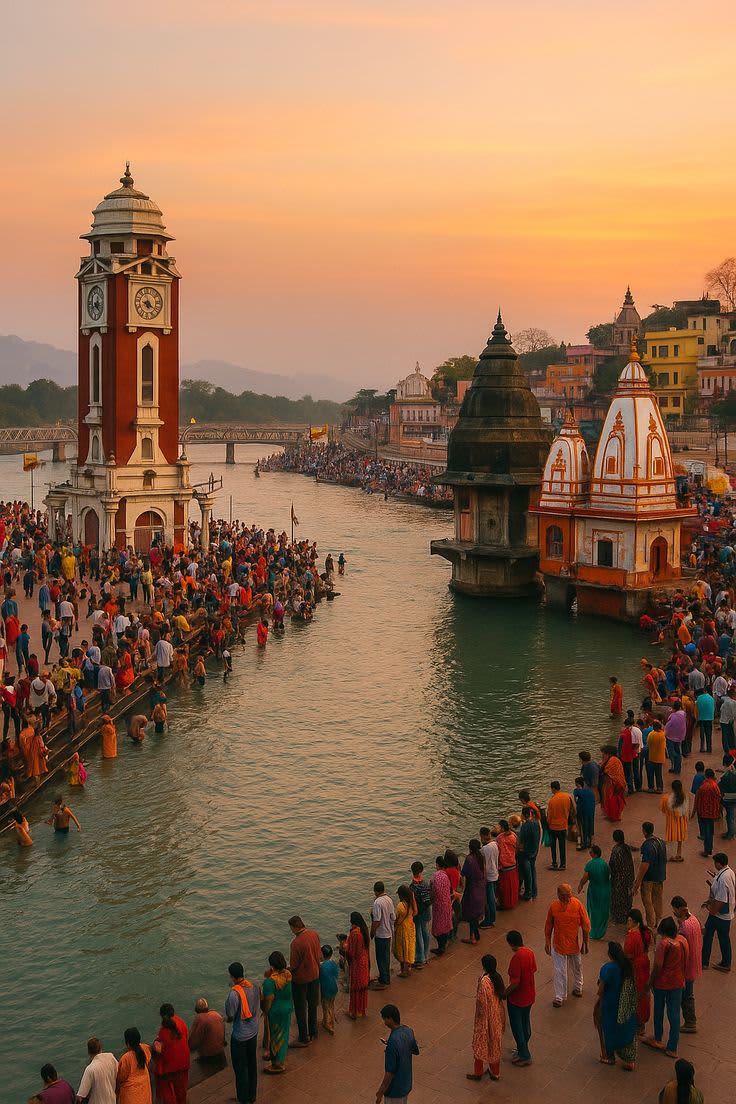
Haridwar
The holy city of Haridwar translates to "Gateway to God," and this breathtaking destination, replete with ancient temples and sacred ghats, is a magnet for religious pilgrims from all over the globe. Religious festivals like Kumbh Mela and Kanwar Yatra hold further draw, and visitors can't help but be compelled by the city's aura of intense spirituality. Don't miss the iconic Har ki Pauri ghat and the hilltop Chandi Devi Temple.
Nearby destinations
Nashik
28 km · Nashik, situated on the banks of the holy Godavari River in Maharashtra, is one of India's most important pilgrimage cities and one of the four sacred venues for the Kumbh Mela, the world's largest human gathering. The city is famous for its ghats along the Godavari, the Panchavati area associated with the Ramayana, and the ancient cave temples of Pandavleni. Nashik also sits at the heart of India's most celebrated wine country, the Sula Vineyards and surrounding wine region, making it a uniquely dual destination that appeals to both pilgrims and modern lifestyle travelers.
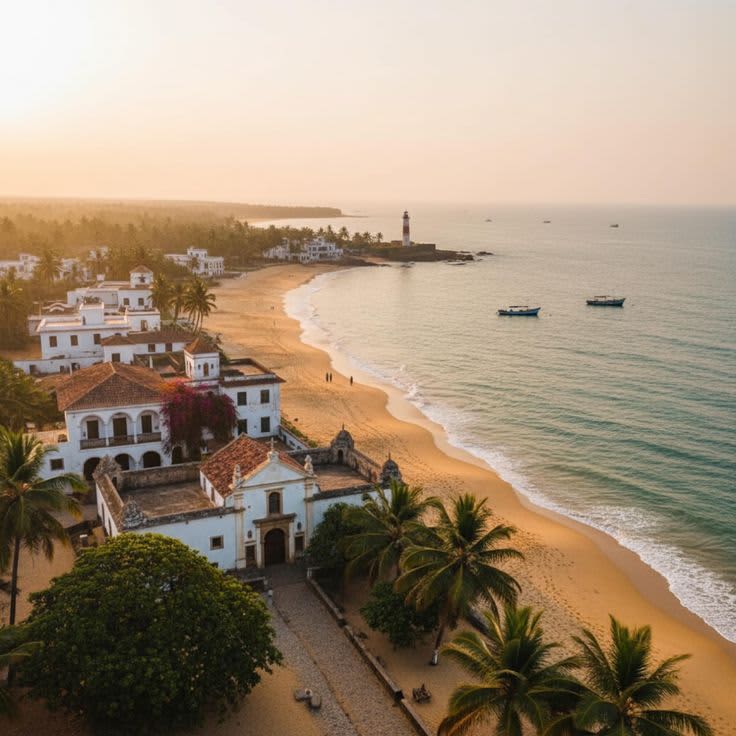
Daman
90 km · Daman, a Union Territory on India's western coast north of Mumbai, is a compact beach destination with a distinctive Portuguese colonial heritage visible in its old churches, forts, and cobbled streets. The Moti Daman Fort and Nani Daman Fort, both well-preserved Portuguese bastions from the 16th century, flank the Damanganga River mouth and reflect Daman's four centuries of Portuguese rule before independence in 1961. The relatively uncrowded Jampore and Devka beaches, the Church of Bom Jesus, and the duty-free liquor policy that makes Daman popular with visitors from neighboring dry state Gujarat add to the town's laid-back beach holiday appeal.
Shirdi
101 km · Shirdi, a small town in Maharashtra's Ahmednagar district, is one of the most visited pilgrimage destinations in India — home to the Shri Sai Baba Samadhi Mandir, the shrine of the revered saint Sai Baba of Shirdi, who is worshipped by both Hindus and Muslims as a manifestation of God and whose teachings of love, forgiveness, and brotherhood continue to attract millions of devotees from across India and the world. The Samadhi Mandir housing the marble idol of Sai Baba, the Dwarkamai mosque where Sai Baba lived for much of his life, and the Chavadi where he slept on alternate nights are the three most sacred sites in the Shirdi complex, creating a deeply moving spiritual circuit for devotees of every faith.