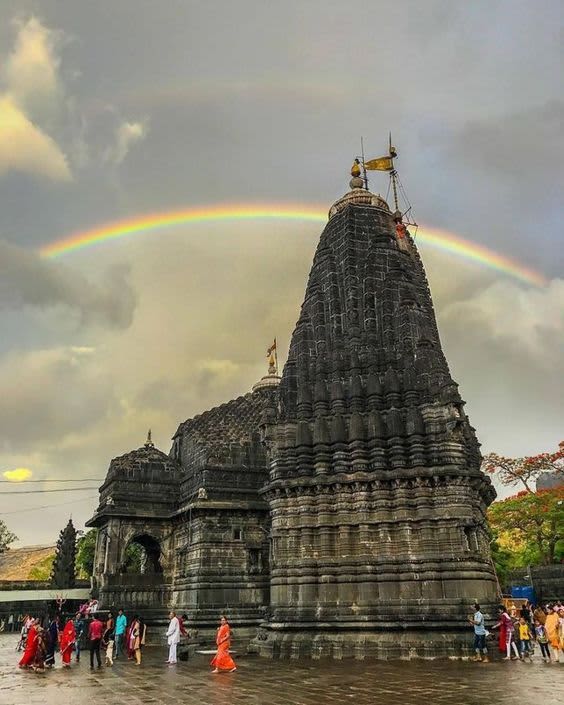
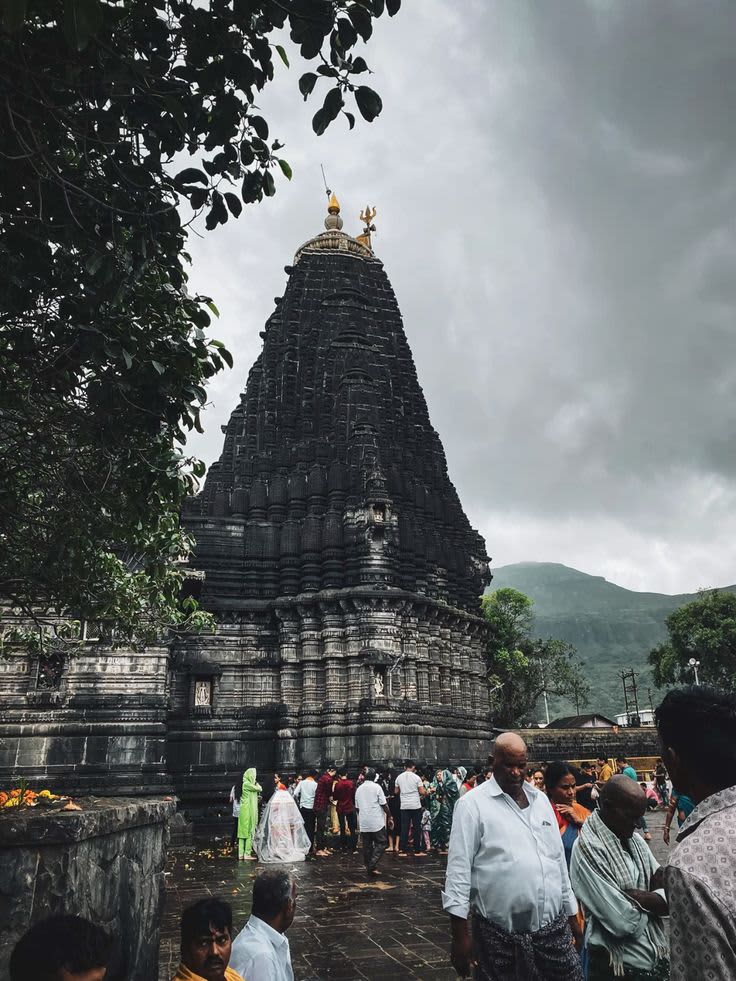
Mumbai, India's Maximum City and financial capital, is a teeming, dynamic metropolis of 20 million people where Bollywood glamour, colonial grandeur, cutting-edge fashion, and ancient fishing villages...
Mumbai
The City of Dreams
Maharashtra, India
4.7
Gateway of IndiaBollywoodStreet FoodMarine Drive
city
Duration: 3–5 Days
Budget/day: ₹2,000 – ₹10,000+
Best season: Oct – Mar
Altitude: Sea level
Nearest airport: Chhatrapati Shivaji Maharaj International Airport (within city)
Nearest railway: Mumbai CST, Mumbai Central, Bandra Terminus, Dadar
Best places to visit in Mumbai

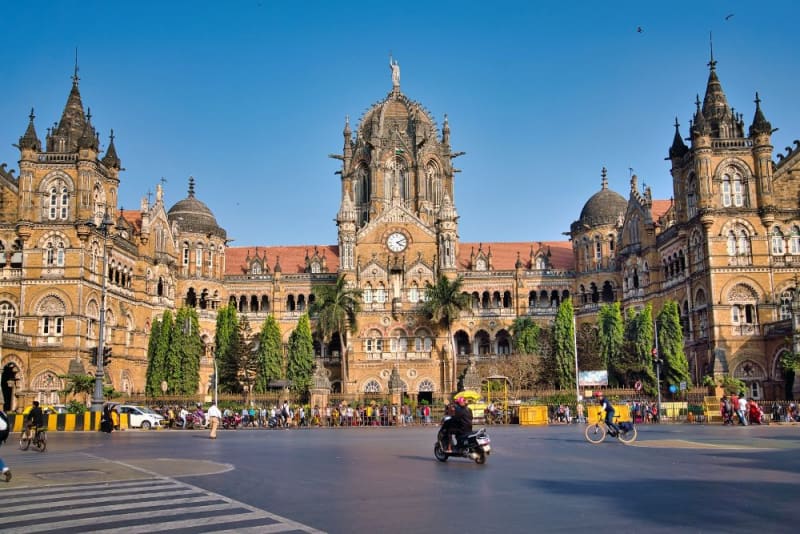
Things to do in Mumbai
- No photoLeisure / SightseeingView full guide
1–2 hours
Marine Drive Walk
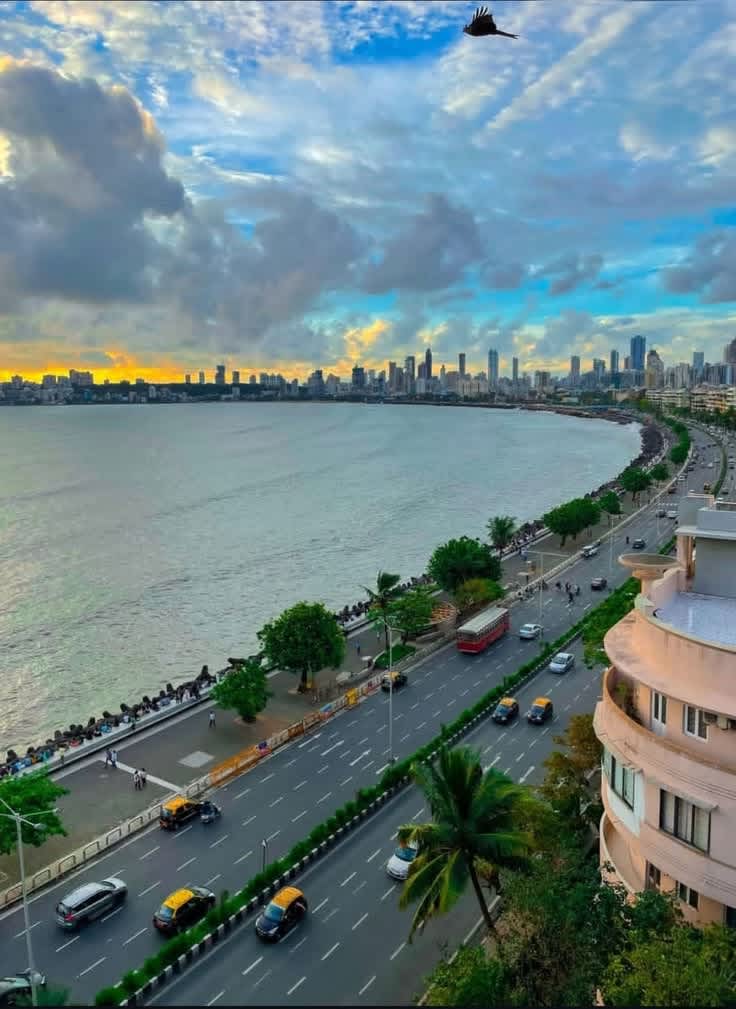
Stroll the 3.6 km Queen's Necklace — Marine Drive's sweeping art-deco promenade curving along the Arabian Sea. The boulevard is lined with 1930s–40s Art Deco buildings (the world's largest intact Art Deco ensemble outside Miami), making it a UNESCO aspirant site. The view of the crescent bay lit by street lamps at night forms a perfect necklace of light.
- No photoHeritage / SightseeingView full guide
Full day
Heritage Tour
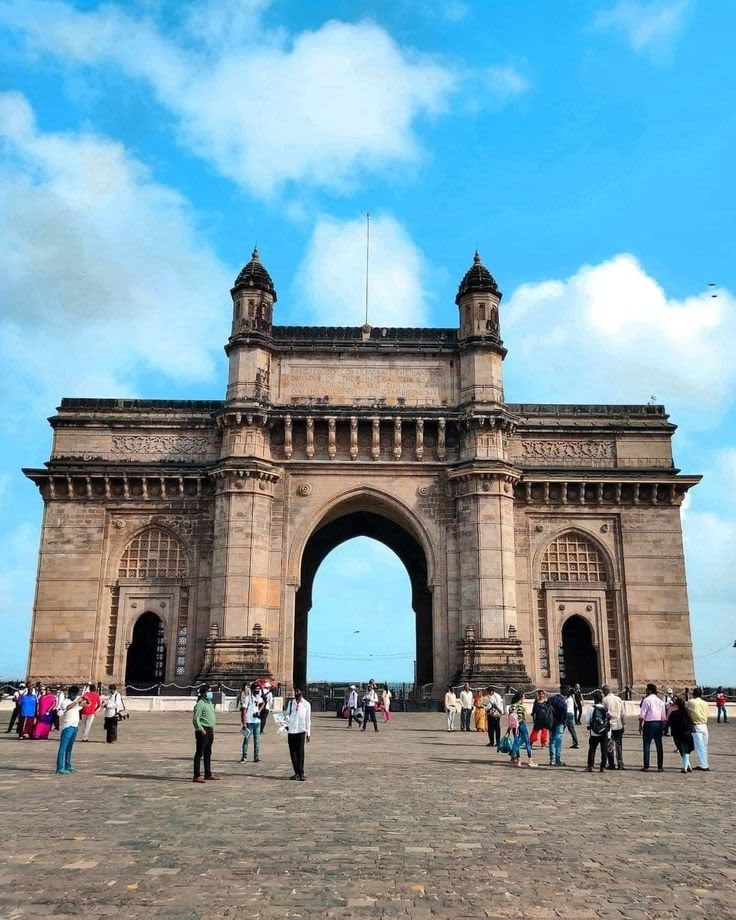
Explore Mumbai's extraordinary architectural layering — the Gateway of India (1924, Indo-Saracenic arch), Chhatrapati Shivaji Maharaj Terminus (1887, UNESCO — Gothic-meets-Mughal architecture), the Rajabai Clock Tower, Mumbai High Court, and the recently restored Art Deco Regal Cinema on Colaba Causeway.
- No photoCulinaryView full guide
2–4 hours
Street Food Tour
Devour Mumbai's legendary street food — vada pav (Mumbai's own potato dumpling burger), pav bhaji (buttery vegetable mash with soft buns) at Trishna or Cannon, bhel puri and sev puri at Chowpatty Beach, Juhu's mixed-cuisine street food strip, Sarvi restaurant's Mughlai cuisine in Byculla, and the iconic Irani cafes (Kyani & Co., Café Britannia).
Best Time to Visit and Weather Info
Best time: October to March
Monsoon (June–September) brings extreme rainfall (Mumbai receives 2,500mm+ annually) and flooding. Summer is hot and humid.
Winter
Best Time ⭐Oct – Mar
18°C – 32°C
Mumbai's social season — the most comfortable time to explore the city. Sea breezes, clear skies, and the city's famous street food and cultural life at full energy.
- Mumbai is experienced best on foot and by local train
- The Kala Ghoda Arts Festival (February) is one of India's finest
Monsoon
Avoid 🔴Jun – Sep
26°C – 34°C
Extremely heavy rain — Mumbai's famous flooding. Daily life continues but tourist activities are disrupted.
- Monsoon is spectacular from a visual standpoint
- Marine Drive and Bandra Bandstand are beautiful in rain
How to Reach
✈️By Air
Airport: Chhatrapati Shivaji Maharaj International Airport (T1 and T2) (28 km from South Mumbai)
Duration: ~45 mins to 1.5 hrs (traffic dependent)
India's busiest international airport. Direct flights from worldwide and all Indian cities.
Taxi: ₹600 – ₹1,200 (T2 to South Mumbai)
Airlines: IndiGo, Air India, SpiceJet, Vistara, Emirates, British Airways, Singapore Airlines
🚂By Train
Station: Mumbai CST (Central), Mumbai Central (Western), Bandra Terminus
Mumbai is India's railway hub with three main termini. Local suburban trains (most dense network in Asia) serve the city itself.
- Rajdhani Express — Delhi (Hazrat Nizamuddin) (~15.5 hrs)
- Duronto Express — Kolkata / Delhi (~17 hrs from Delhi)
🚌By Road
Mumbai Pune Expressway (one of India's finest), NH-48 from Delhi. Long-distance buses from Pune, Goa, and Nasik.
- Pune: 149 km, 3 hrs via Mumbai-Pune Expressway
- Nashik: 167 km, 3 hrs via Mumbai-Nashik Expressway
- Goa: 590 km, 10 hrs via NH-66 (Coastal)
Itineraries
Local Food
Mumbai is India's street food capital — an extraordinary culinary democracy where ₹30 vada pav from a handcart competes with world-class fine dining restaurants.
Vada Pav
Mumbai's soul food — spiced potato fritter in a soft bun with green chili chutney. Often called India's best burger.
Where: Ashok Vada Pav (Vileparle); Anand Vada Pav (Dadar); any street corner
₹20 – ₹40
Pav Bhaji
Buttered bread rolls with a rich vegetable mash — invented at Tardeo and now eaten across India.
Where: Sardar Refreshments, Tardeo (original); Juhu Beach stalls
₹80 – ₹200
Bombay Sandwich
Green chutney, boiled potato, cucumber, tomato stacked in white bread — Mumbai's iconic anytime snack.
Where: Sandwich stalls at Victoria Terminus and throughout the city
₹50 – ₹100
Seafood at Gajalee/Mahesh
Mumbai's finest Malvani seafood — surmai (kingfish), pomfret, prawns, and crab in rich coconut curries.
Where: Gajalee (Vile Parle); Mahesh Lunch Home (Fort)
₹400 – ₹1,200
Bhel Puri at Chowpatty
Crispy puffed rice with vegetables, tamarind, and chutneys — the quintessential Chowpatty Beach snack.
Where: Girgaon Chowpatty Beach stalls
₹50 – ₹80
Irani Café Chai and Bun Maska
Steaming strong tea and buttered soft buns at a century-old Irani café — the most Mumbai experience possible.
Where: Britannia & Co (Ballard Estate); Kyani & Co (Marine Lines)
₹50 – ₹150
Street food in Mumbai is the culture. Spend mornings at Irani cafés, evenings at Chowpatty beach stalls, and one dinner at a proper Malvani seafood restaurant.
FAQs
- Mumbai is India's financial and entertainment capital — famous for Bollywood, Gateway of India, Elephanta Caves (UNESCO), the Marine Drive Queen's Necklace, Chhatrapati Shivaji Terminus (UNESCO), Dharavi, Juhu Beach, and its extraordinary street food.
Best Places Similar
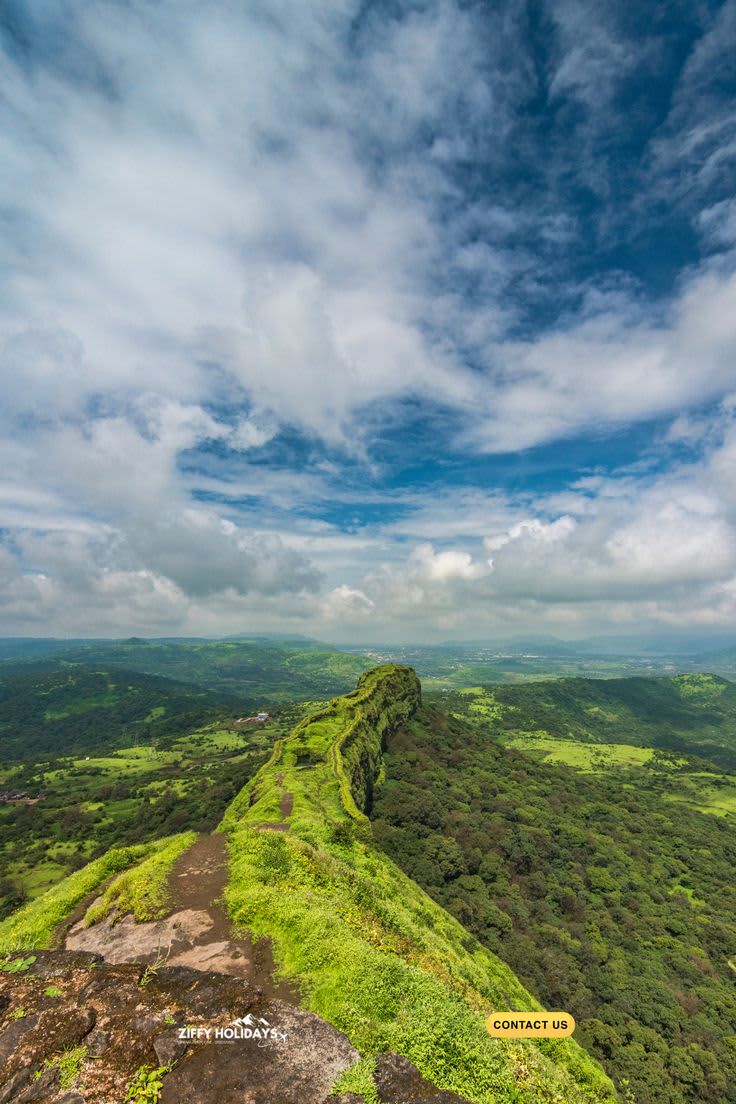
Lonavala
Lonavala, a popular hill station in Maharashtra's Sahyadri range midway between Mumbai and Pune, is famous across Maharashtra for two things above all else: its spectacular monsoon waterfalls and the irresistible sticky chikki candy made from jaggery and nuts that is synonymous with the town. The Bhushi Dam, Kune Falls, and the dramatic Rajmachi Fort trek are the most beloved attractions, while the mysterious Karla and Bhaja rock-cut Buddhist caves dating back to the 2nd century BCE add surprising historical depth to what might otherwise be seen as a weekend getaway destination. Lonavala's proximity to Mumbai and Pune makes it perpetually popular, but its natural beauty rewards every visit.
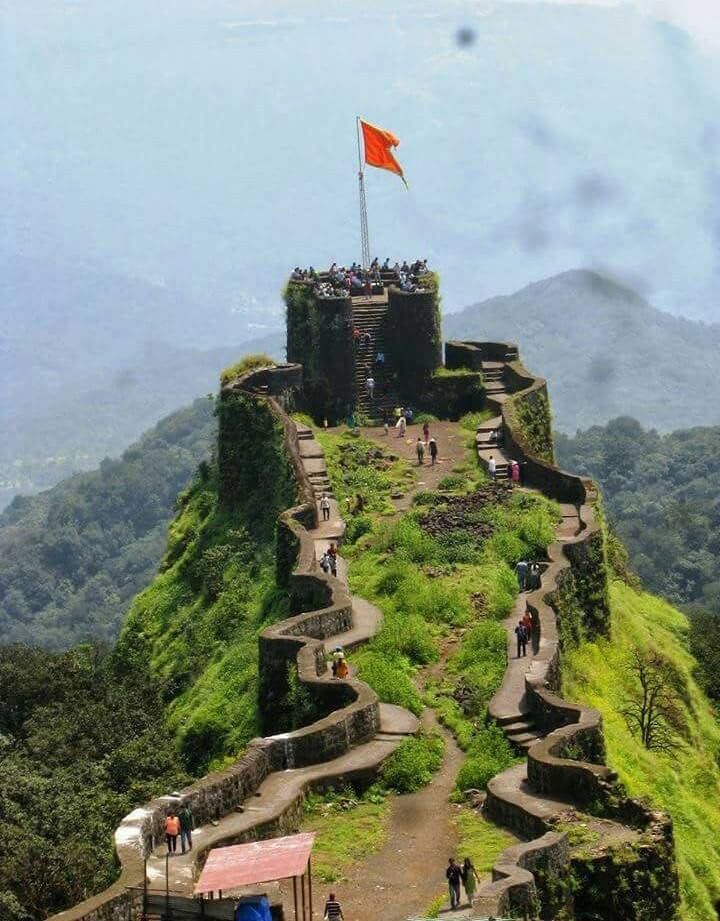
Mahabaleshwar
Mahabaleshwar, at 1,353 meters in the Sahyadri Hills of Maharashtra, is the state's most popular hill station and the summer capital of the Bombay Presidency during British times, renowned for its spectacular valley viewpoints, lush strawberry farms, and the panoramic Wilson Point from which the sunrise over the Western Ghats is one of Maharashtra's most beautiful sights. The Arthur's Seat viewpoint, known as the Queen of all Points, the sacred Krishnabai Temple at the source of the Krishna River, and the old colonial town of Old Mahabaleshwar with its charming 16th-century stone church add historical depth to the scenic beauty. Fresh strawberries, cream, and the local chikki candy make Mahabaleshwar's food as memorable as its views.
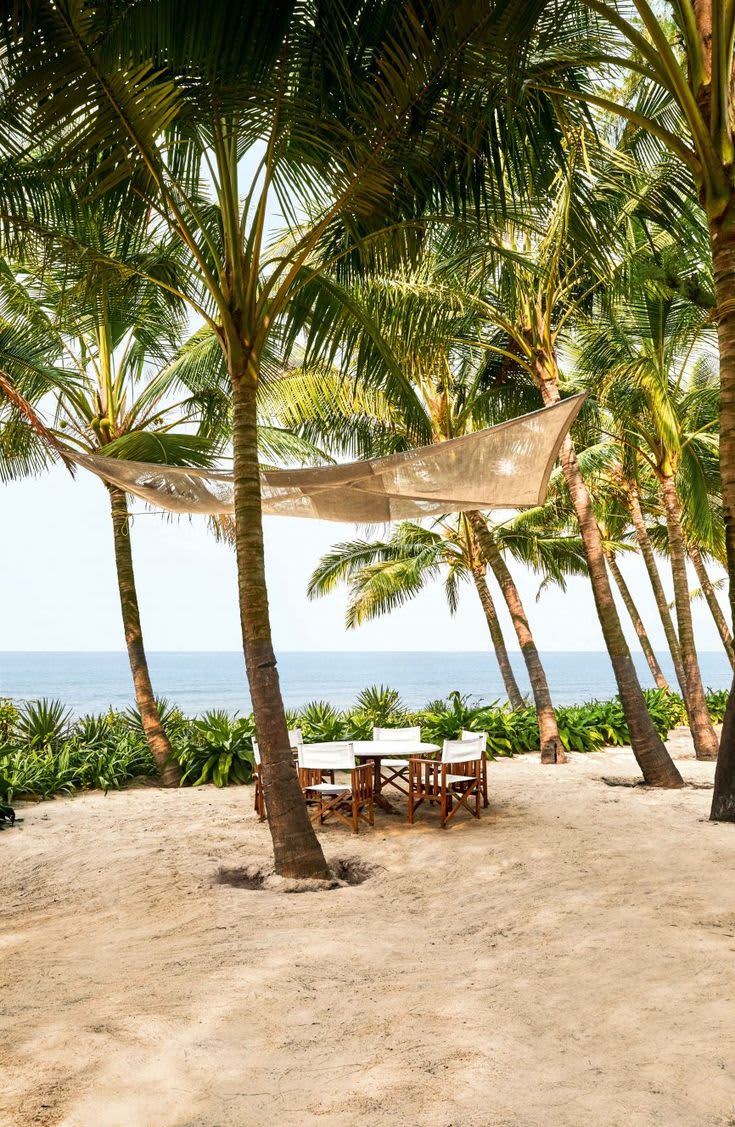
Alibaug
Alibaug, a coastal town in Maharashtra's Raigad district just 100 kilometers south of Mumbai and accessible by a scenic ferry ride from the Gateway of India, is the preferred beach escape for Mumbaikars and is increasingly popular for its luxury beach resorts, water sports, and historic Maratha coastal forts. The Kulaba Fort rising dramatically from the sea near Alibaug beach, the beautiful Kashid Beach, and the forested hillsides of the Konkan coastline make Alibaug a scenic destination beyond its role as a city escape. The region's fresh seafood, particularly the Alibag seafood thali, and the lush Konkan landscape in monsoon make Alibaug particularly enchanting from June to September.
Nearby destinations
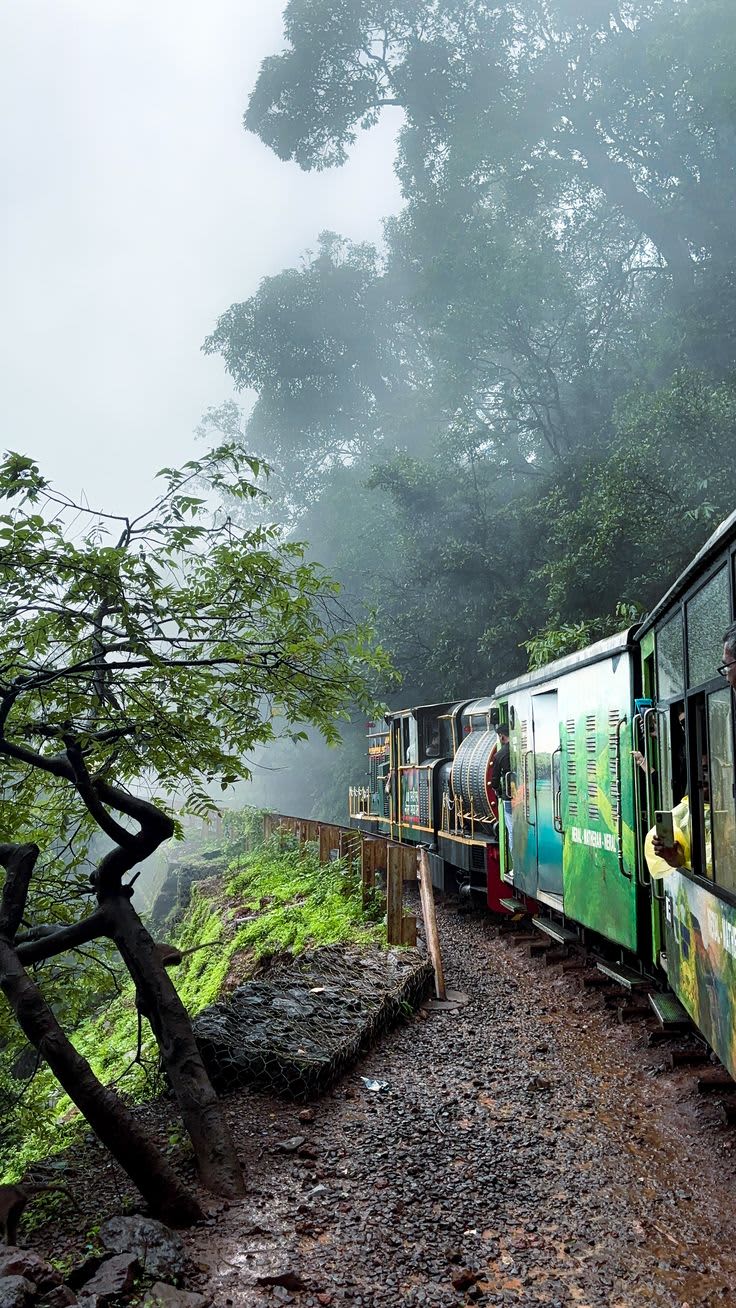
Matheran
42 km · Matheran, nestled in the Sahyadri Hills at 800 meters just 90 kilometers from Mumbai, holds the unique distinction of being Asia's only automobile-free hill station — a haven of absolute peace where the only sounds are birdsong, rustling leaves, and the charming whistle of the narrow-gauge toy train from Neral. The 38 viewpoints around the town, including Echo Point, Porcupine Point, and the One Tree Hill panorama, offer spectacular views of the Sahyadri valleys below, particularly magical during and after the monsoon. Matheran's car-free lanes, horse rides, red laterite paths through dense forests, and the heritage toy train journey make it a uniquely restorative escape from urban Maharashtra.
Alibaug
48 km · Alibaug, a coastal town in Maharashtra's Raigad district just 100 kilometers south of Mumbai and accessible by a scenic ferry ride from the Gateway of India, is the preferred beach escape for Mumbaikars and is increasingly popular for its luxury beach resorts, water sports, and historic Maratha coastal forts. The Kulaba Fort rising dramatically from the sea near Alibaug beach, the beautiful Kashid Beach, and the forested hillsides of the Konkan coastline make Alibaug a scenic destination beyond its role as a city escape. The region's fresh seafood, particularly the Alibag seafood thali, and the lush Konkan landscape in monsoon make Alibaug particularly enchanting from June to September.
Lonavala
66 km · Lonavala, a popular hill station in Maharashtra's Sahyadri range midway between Mumbai and Pune, is famous across Maharashtra for two things above all else: its spectacular monsoon waterfalls and the irresistible sticky chikki candy made from jaggery and nuts that is synonymous with the town. The Bhushi Dam, Kune Falls, and the dramatic Rajmachi Fort trek are the most beloved attractions, while the mysterious Karla and Bhaja rock-cut Buddhist caves dating back to the 2nd century BCE add surprising historical depth to what might otherwise be seen as a weekend getaway destination. Lonavala's proximity to Mumbai and Pune makes it perpetually popular, but its natural beauty rewards every visit.