Shirdi, a small town in Maharashtra's Ahmednagar district, is one of the most visited pilgrimage destinations in India — home to the Shri Sai Baba Samadhi Mandir, the shrine of the revered saint Sai B...
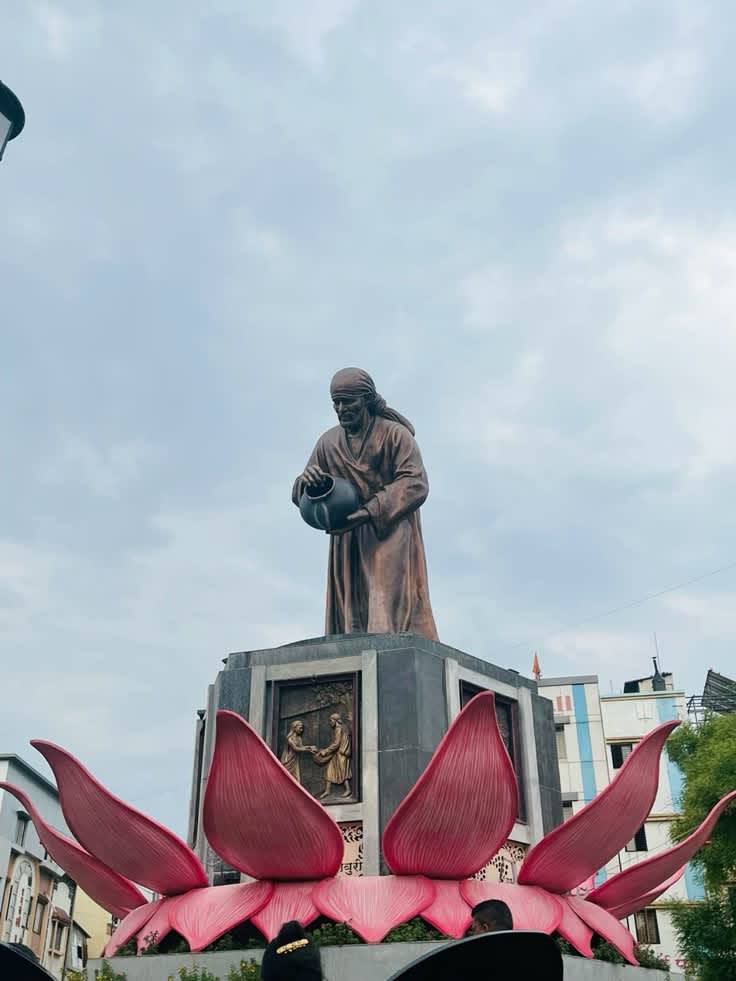
Shirdi
Abode of Sai Baba
Maharashtra, India
4.6
Sai Baba TempleSpiritual DestinationReligious SignificancePilgrimage Center
spiritual
Duration: 1–2 Days
Budget/day: ₹800 – ₹3,000
Best season: Year-round
Altitude: 576 m
Nearest airport: Shirdi Airport (15 km)
Nearest railway: Sainagar Shirdi Railway Station (1 km from temple)
Best places to visit in Shirdi

Things to do in Shirdi
- No photoSpiritualView full guide
2–4 hours (including queuing time)
Sai Baba Temple Darshan
The Sai Baba Samadhi Mandir at Shirdi is one of the most visited pilgrimage sites in all of Asia — welcoming over 25,000 to 100,000 devotees daily who come to seek blessings at the white marble samadhi (resting place) of the beloved saint Sai Baba of Shirdi. The main darshan queue winds through a vast temple complex beautifully maintained by the Shri Saibaba Sansthan Trust. The atmosphere inside — incense, devotional songs, and the quiet reverence of thousands of pilgrims — is deeply moving even for non-religious visitors.
- No photoSpiritual / HeritageView full guide
1–1.5 hours
Dwarkamai Mosque & Chavadi Visit
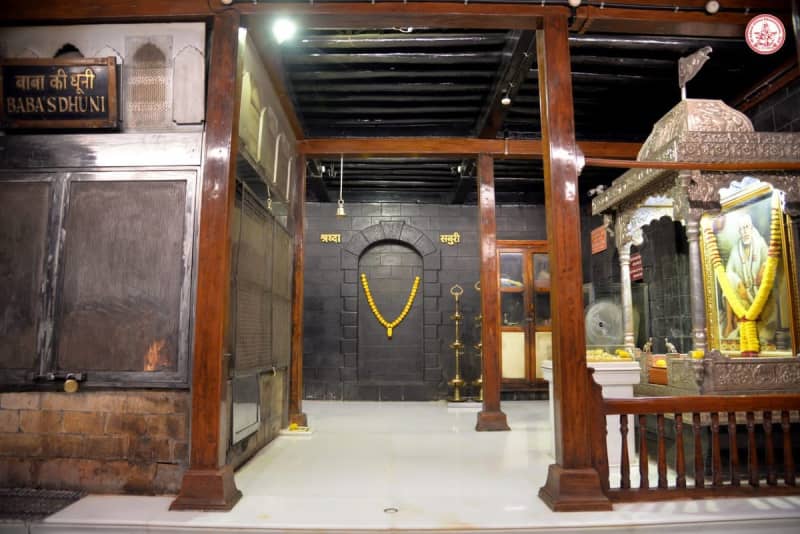
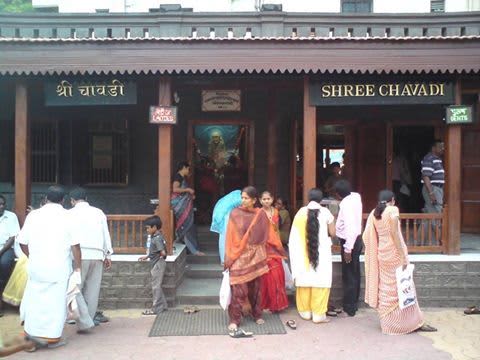
Before the grand Samadhi Temple was built, Sai Baba lived, received devotees, and performed miracles from two deeply humble locations — Dwarkamai, a small dilapidated mosque where he resided for 60 years, and Chavadi, a small rest house where he slept on alternate nights. Both are now preserved exactly as they were during Sai Baba's lifetime, with personal belongings, his grinding stone, and the sacred dhuni (eternal fire) still burning in Dwarkamai. These intimate spaces are deeply beloved by serious devotees.
- No photoSpiritual / CulturalView full guide
1 hour
Shri Saibaba Sansthan Heritage Museum
The museum operated by the Shri Saibaba Sansthan Trust displays an extraordinary collection of original photographs of Sai Baba (he was one of the most photographed saints of his era), personal belongings, rare documents, and artistic interpretations of key events in his life. For anyone wanting to understand who Sai Baba was beyond the mythology — his teachings, his daily routines, his relationship with both Muslim and Hindu devotees — this museum provides a thoughtful and well-curated biographical narrative.
Best Time to Visit and Weather Info
Best time: October to March (Shirdi is a year-round pilgrimage destination)
Shirdi can be visited any time of year. Summer is hot but devotees visit regardless. Winter is the most comfortable.
Winter
Best Time ⭐Oct – Feb
12°C – 28°C
The most comfortable weather for the pilgrimage. Festivals like Ram Navami (April) and Guru Purnima (July) attract the largest crowds.
- Book darshan slots online (Shree Saibaba Sansthan Trust website) to avoid multi-hour queues
- The 'Kakad Aarti' (pre-dawn aarti at 5 AM) is the most sacred and atmospheric
Festival Periods
Crowded but Sacred 🟡Apr & Jul
30°C – 42°C
Ram Navami (April) and Guru Purnima (July) are Shirdi's biggest festivals — millions of devotees visit. Extremely crowded but spiritually significant.
- Book accommodation 3–6 months in advance for festivals
- Expect very long darshan queues during major festivals
How to Reach
✈️By Air
Airport: Shirdi Airport (15 km from temple) (15 km)
Duration: ~30 mins by road
Direct flights from Delhi, Mumbai, Hyderabad, Bengaluru, and Chennai. One of India's busiest pilgrimage airports.
Taxi: ₹300 – ₹600 (Airport to Shirdi temple)
Airlines: IndiGo, Air India, SpiceJet, GoAir
🚂By Train
Station: Sainagar Shirdi Railway Station (1 km from temple)
Direct trains from Mumbai, Pune, Delhi, Hyderabad. The station is extremely well-connected as a major pilgrimage terminus.
- Sai Nagar Shirdi SF Express — Mumbai (CST) (~5 hrs)
- Sachkhand Express — Delhi (~20 hrs to Shirdi)
🚌By Road
Excellent road connectivity from Nashik, Pune, Mumbai, and Aurangabad. MSRTC and private buses available.
- Nashik: 90 km, 2 hrs via NH-160
- Pune: 185 km, 4 hrs via NH-60
- Mumbai: 240 km, 5 hrs via NH-160 via Nashik
- Aurangabad: 130 km, 3 hrs via NH-52
Local Food
Shirdi's food scene is entirely oriented around the pilgrimage — simple, sattvic (pure vegetarian) food served in massive quantities at the Prasadalaya (community kitchen).
Shree Saibaba Sansthan Prasad
The temple trust's Prasadalaya serves free meals (or subsidised meals) to all devotees — simple dal, rice, vegetables, and roti. One of the world's largest community kitchens.
Where: Prasadalaya, Shree Saibaba Sansthan Trust (inside temple complex)
Free / ₹10 – ₹50 for special meals
Misal Pav
Maharashtra's most popular street food — spicy moth bean curry with pav bread.
Where: Stalls throughout Shirdi market
₹50 – ₹100
Pohe
Maharashtrian flattened rice with spiced onion — the standard morning offering at pilgrimage town dhabas.
Where: Breakfast dhabas near the temple
₹40 – ₹70
Shira (Sooji Halwa)
Sweet semolina pudding with ghee and dry fruits — often served as temple prasad.
Where: Sweet stalls near the temple
₹30 – ₹80
Vegetarian Thali
Simple Maharashtrian thali with dal, rice, sabzi, and roti — widely available around the temple complex.
Where: Restaurants near Shirdi bus stand
₹100 – ₹200
Fresh Coconut and Fruit
Coconuts and seasonal fruit offered as prasad and available from market stalls.
Where: Vendors throughout Shirdi market
₹20 – ₹80
Shirdi is a sattvic environment — non-vegetarian food and alcohol are not served in the temple precinct. The Prasadalaya (community kitchen) serves millions of meals annually.
FAQs
- Shirdi is the hometown and resting place of Sai Baba of Shirdi — a saint revered by both Hindus and Muslims. The Shree Saibaba Samadhi Mandir (where Sai Baba is buried) is one of India's richest and most-visited religious shrines, drawing 25,000–100,000+ devotees daily.
Best Places Similar
Nashik
Nashik, situated on the banks of the holy Godavari River in Maharashtra, is one of India's most important pilgrimage cities and one of the four sacred venues for the Kumbh Mela, the world's largest human gathering. The city is famous for its ghats along the Godavari, the Panchavati area associated with the Ramayana, and the ancient cave temples of Pandavleni. Nashik also sits at the heart of India's most celebrated wine country, the Sula Vineyards and surrounding wine region, making it a uniquely dual destination that appeals to both pilgrims and modern lifestyle travelers.
Trimbakeshwar
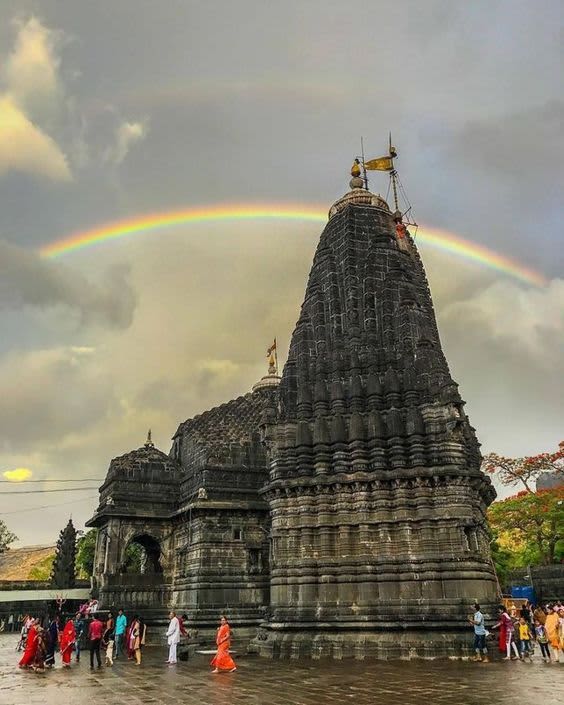
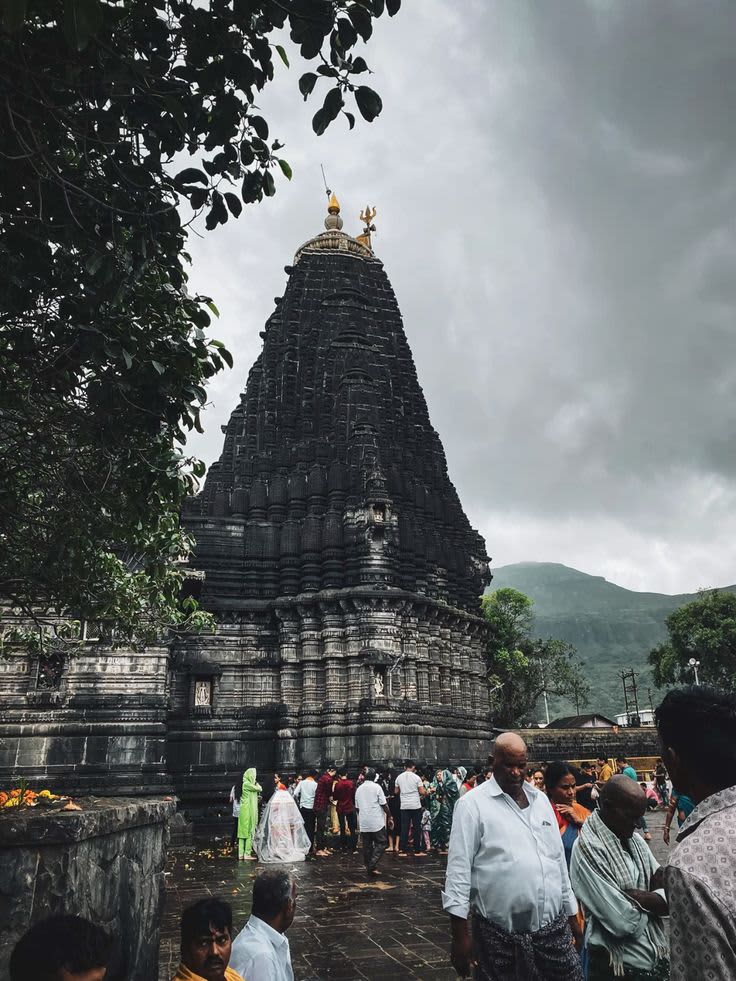
Trimbakeshwar, situated at the source of the sacred Godavari River near Nashik in Maharashtra, is one of the twelve Jyotirlingas — the most sacred shrines of Lord Shiva in Hinduism. The magnificent Trimbakeshwar Shiva Temple, built in the Hemadpanthi style of black stone, is unique in housing a Jyotirlinga with three faces representing Brahma, Vishnu, and Shiva. The temple town is also the starting point of the Brahmagiri mountain trek, from the summit of which the Godavari River originates, making it a deeply sacred and scenically beautiful pilgrimage destination.
Varanasi
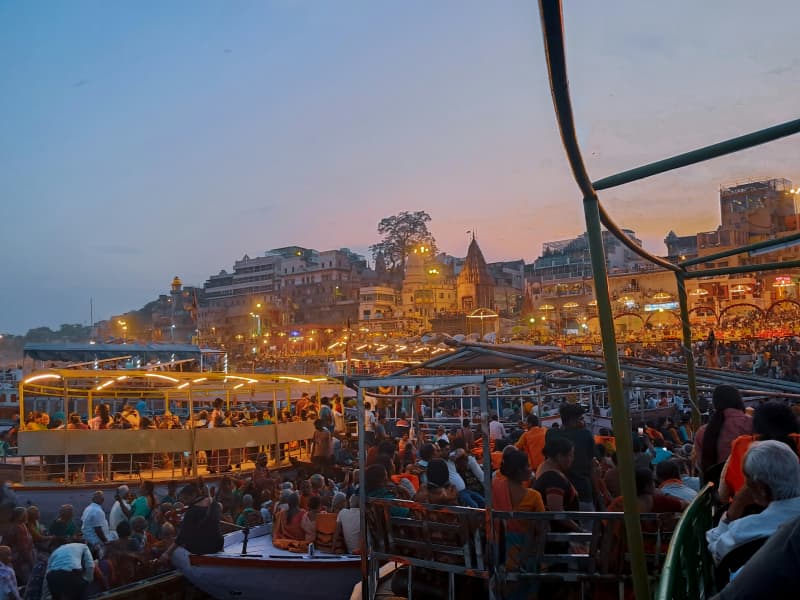
Varanasi, one of the world's oldest continuously inhabited cities and Hinduism's most sacred destination, sits on the banks of the Ganges in Uttar Pradesh and is believed by Hindus to be the city where dying releases one from the cycle of rebirth. The ghats of Varanasi — 84 in all — are the spiritual heartbeat of India, where the faithful bathe at dawn, priests perform elaborate fire rituals, and funeral pyres burn perpetually at the Manikarnika Ghat. The ancient temples, the labyrinthine old city lanes, the evening Ganga Aarti ceremony, and the profound sense of mortality and transcendence make Varanasi the most spiritually intense city in India.
Nearby destinations
Nashik
76 km · Nashik, situated on the banks of the holy Godavari River in Maharashtra, is one of India's most important pilgrimage cities and one of the four sacred venues for the Kumbh Mela, the world's largest human gathering. The city is famous for its ghats along the Godavari, the Panchavati area associated with the Ramayana, and the ancient cave temples of Pandavleni. Nashik also sits at the heart of India's most celebrated wine country, the Sula Vineyards and surrounding wine region, making it a uniquely dual destination that appeals to both pilgrims and modern lifestyle travelers.
Ellora Caves
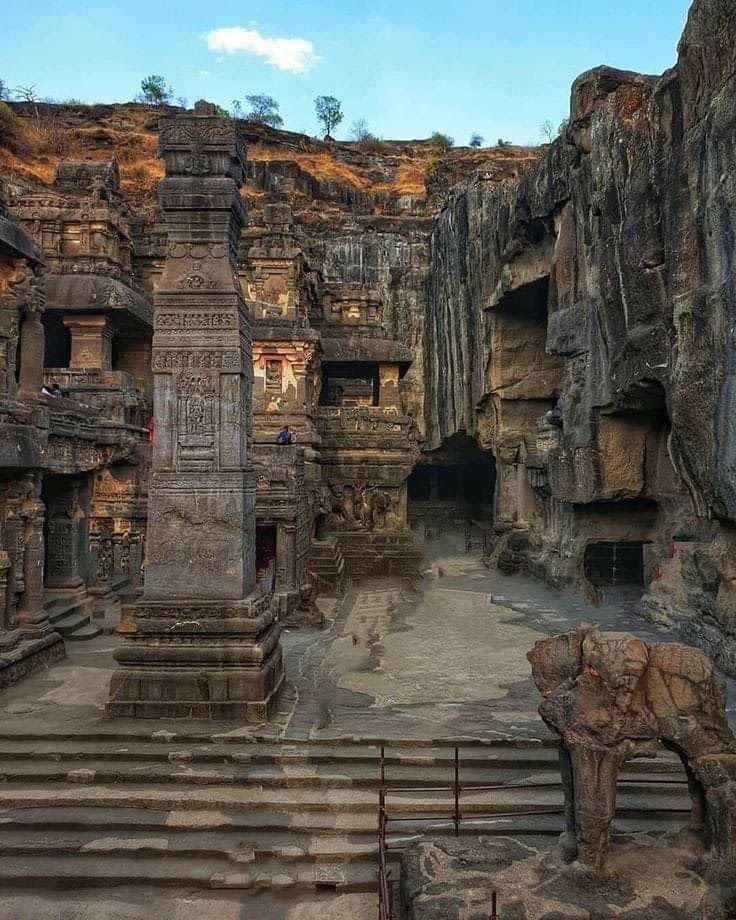
79 km · Ellora, a UNESCO World Heritage Site in Maharashtra, is perhaps the greatest testament to India's tradition of religious tolerance and artistic ambition — a 2-kilometer stretch of cliff containing 34 remarkable rock-cut monasteries and temples representing Buddhism, Hinduism, and Jainism, created between the 6th and 11th centuries CE. The centerpiece is the awe-inspiring Kailasa Temple (Cave 16) — entirely carved out of a single basalt rock face from the top down in a feat of engineering that remains miraculous to this day, a monolithic reproduction of Mount Kailash dedicated to Shiva. The Buddhist viharas and chaityas, the towering Jain temples, and the dynamic Hindu sculptures of Shiva make Ellora a journey through the artistic genius of ancient India.
Trimbakeshwar
101 km · Trimbakeshwar, situated at the source of the sacred Godavari River near Nashik in Maharashtra, is one of the twelve Jyotirlingas — the most sacred shrines of Lord Shiva in Hinduism. The magnificent Trimbakeshwar Shiva Temple, built in the Hemadpanthi style of black stone, is unique in housing a Jyotirlinga with three faces representing Brahma, Vishnu, and Shiva. The temple town is also the starting point of the Brahmagiri mountain trek, from the summit of which the Godavari River originates, making it a deeply sacred and scenically beautiful pilgrimage destination.
