Places to visit near Tirupati
Places to visit near Tirupati
Tirupati, in Andhra Pradesh, is home to the Tirumala Venkateswara Temple atop the Tirumala Hills — the most visited place of worship on earth, receiving an average of 60,000 to 100,000 pilgrims daily. Dedicated to Lord Venkateswara, a form of Vishnu, the temple is not only the world's richest religious institution but also one of the most spiritually charged destinations in Hinduism. The famous 'Tirupati laddu' prasad, the tradition of tonsuring one's head as an offering, and the breathtaking view of the gilded gopuram rising above the Nallamala Hills make a Tirupati pilgrimage an unforgettable experience.
94 km
Kanchipuram
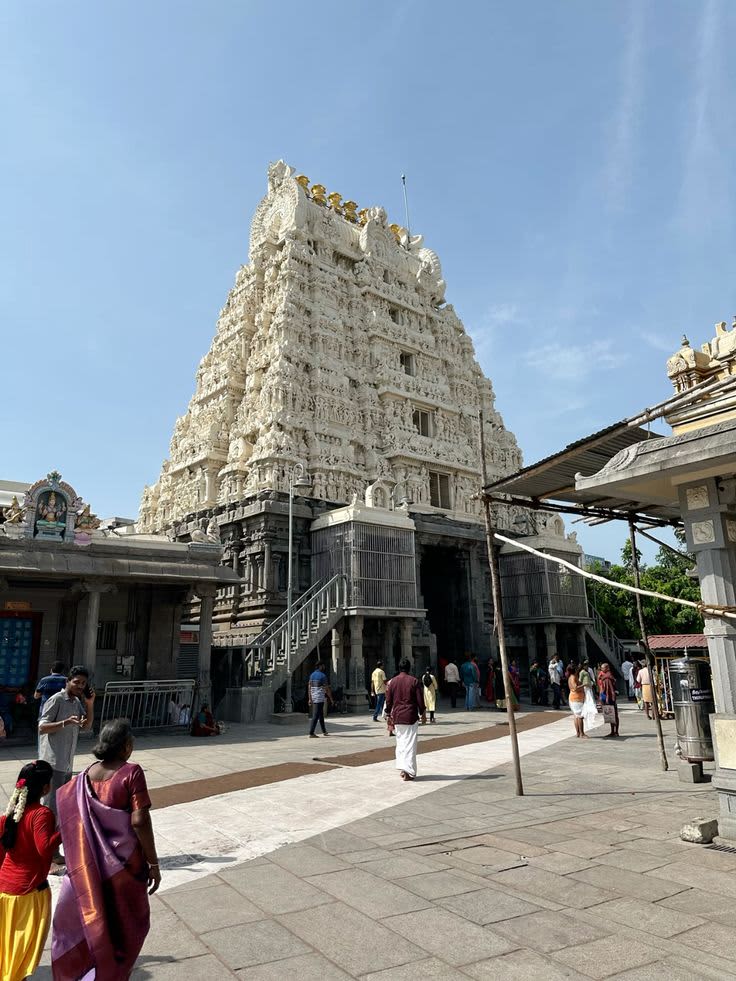
→Kanchipuram, one of India's seven sacred pilgrimage cities and the Temple City of Tamil Nadu, is home to over 1,000 temples and is equally renowned worldwide as the Silk City for its exquisite handwoven Kanchipuram silk sarees, prized as among the finest in the world. The magnificent Ekambaranatha Temple, Kamakshi Amman Temple, and the Kailasanathar Temple — one of the oldest temples in South India — are masterpieces of Pallava and Chola Dravidian architecture. Kanchipuram has been a seat of Hindu philosophical learning for centuries and remains a living embodiment of Tamil cultural and spiritual heritage.
371 km
Hampi
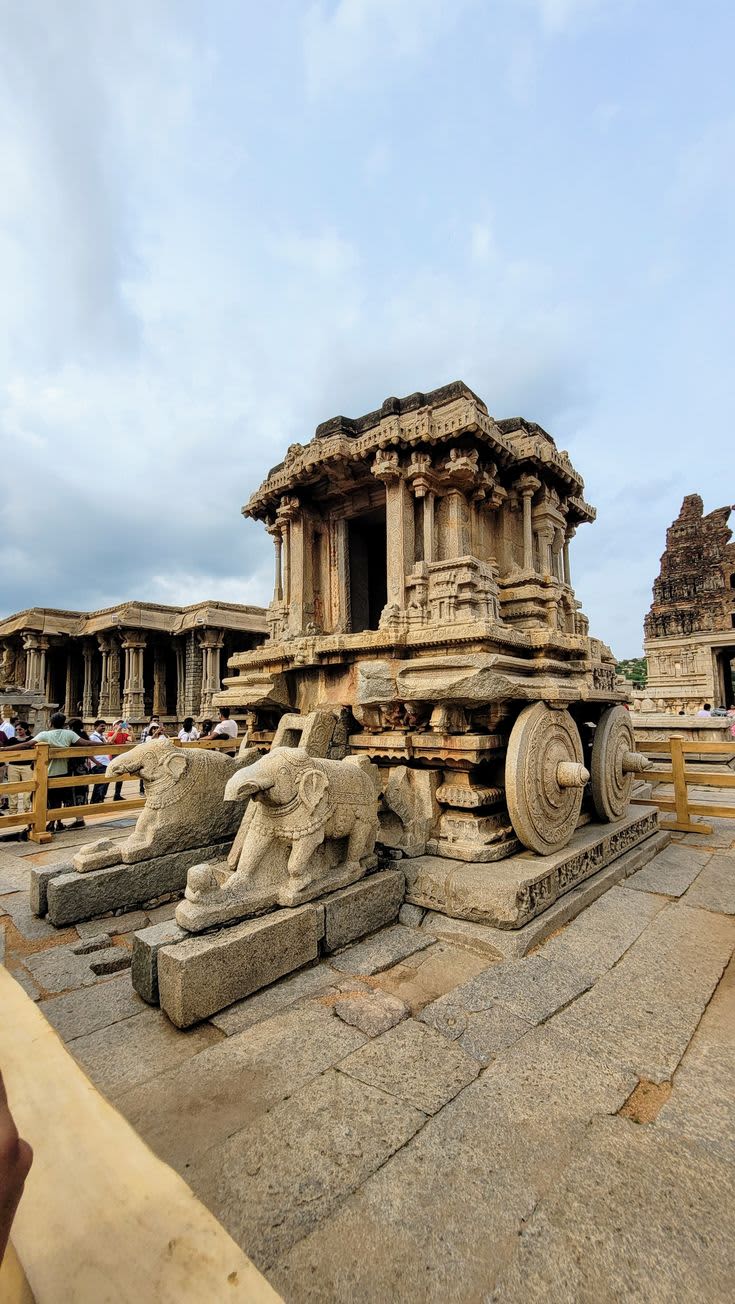
→Hampi, a UNESCO World Heritage Site in Karnataka, is one of the most evocative and visually stunning historical destinations in India — the ruins of Vijayanagara, once one of the largest and wealthiest cities in the medieval world and capital of the last great Hindu empire, spread across an otherworldly landscape of giant boulders, banana plantations, and the Tungabhadra River. The Virupaksha Temple, Vittala Temple with its famous Stone Chariot and musical pillars, the Lotus Mahal, and Elephant Stables are architectural masterpieces within a landscape of over 1,600 monuments. Cycling or hiking among Hampi's surreal boulder fields at sunrise and sunset is an experience of rare beauty and historical majesty.
381 km
Coonoor
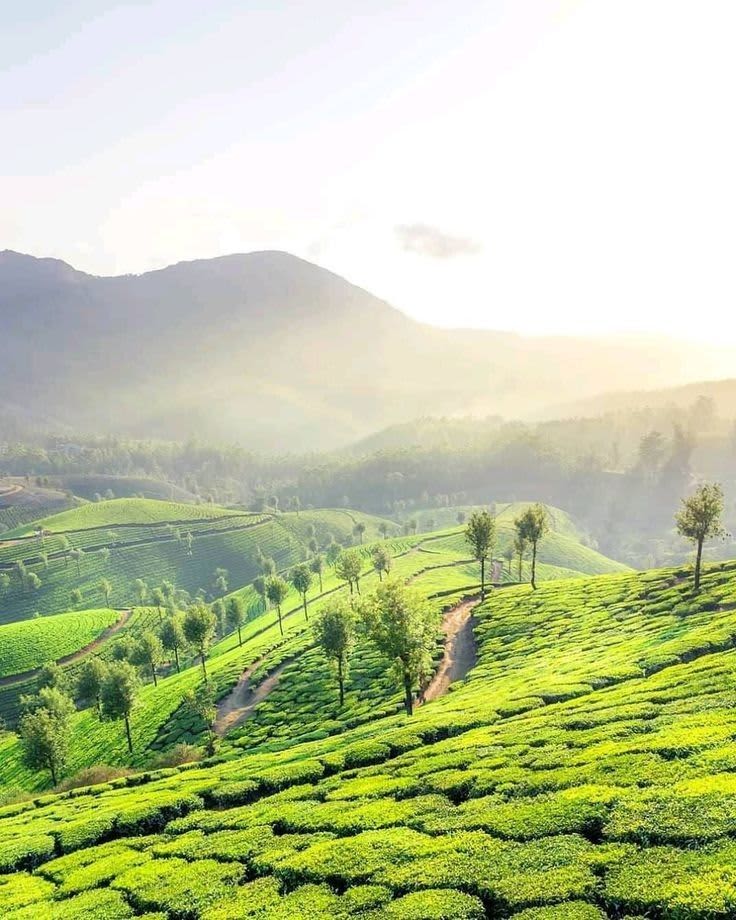
→Coonoor, the second-largest hill station in the Nilgiris after Ooty, is a tranquil retreat in Tamil Nadu known for its rolling tea plantations, colonial-era bungalows, and a refreshingly unhurried pace of life. The iconic Nilgiri Mountain Railway — a UNESCO World Heritage toy train — connects Coonoor to Ooty through breathtaking scenery of tea estates and forests. Sim's Park with its impressive botanical collection, the dramatic Dolphin's Nose viewpoint, and proximity to the organic tea gardens of the Nilgiris make Coonoor an ideal offbeat hill station getaway.

385 km
Ooty
→Ooty, officially Udhagamandalam and fondly called the "Queen of Hill Stations," is the crown jewel of Tamil Nadu's Nilgiri Hills, famed for its lush botanical gardens, shimmering Ooty Lake, and the iconic UNESCO-listed Nilgiri Mountain Railway toy train. The cool climate, eucalyptus and pine forests, and terraced tea gardens make Ooty a perennial summer escape and a popular honeymoon destination. The Government Botanical Gardens with over 650 plant species, Doddabetta Peak with panoramic Nilgiri views, and the charming colonial bazaars make Ooty one of South India's most enduring travel classics.
396 km
Chikmagalur
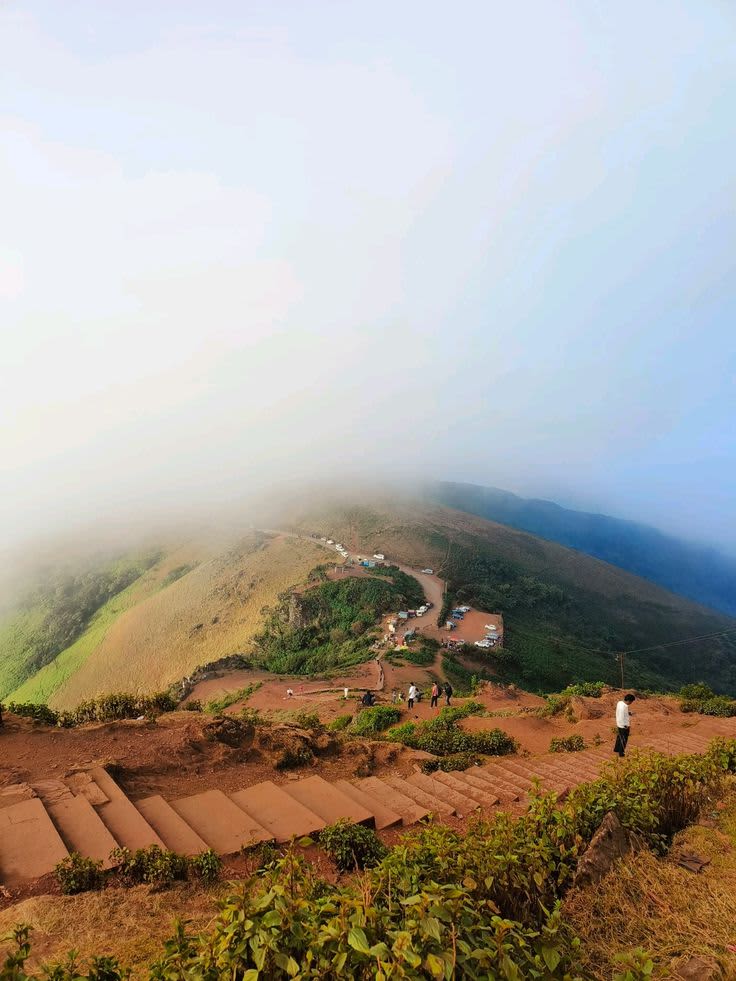
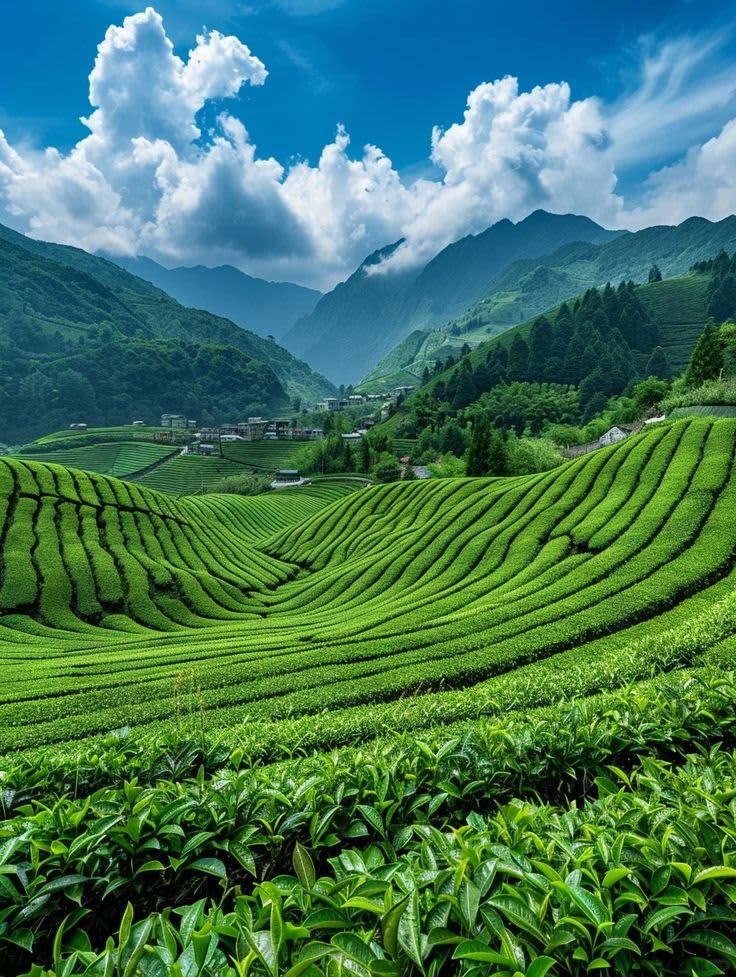
→Chikmagalur, nestled in the Western Ghats of Karnataka, is the birthplace of coffee in India and is blanketed in aromatic coffee and spice plantations that produce some of the country's finest single-origin brews. The lush green hills, misty peaks, and wildlife-rich forests of Mullayanagiri — Karnataka's highest peak — and Kudremukh National Park make it a paradise for trekkers and nature lovers. Waterfall hopping, plantation walks, and stays in heritage coffee estate bungalows complete the Chikmagalur experience.
417 km
Wayanad
→Wayanad, a verdant district in Kerala's northeastern highlands bordering Karnataka and Tamil Nadu, is a treasure chest of biodiversity, ancient tribal culture, and misty plantation landscapes. The Wayanad Wildlife Sanctuary, part of the Nilgiri Biosphere Reserve, shelters elephants, tigers, leopards, and a spectacular variety of birds. Bamboo rafting on the Kabini River, exploring the prehistoric Edakkal Caves with their neolithic carvings, and trekking to the majestic Chembra Peak — the highest in Wayanad — are experiences that make this district an extraordinary eco-tourism destination.

421 km
Coorg
→Coorg, also known as Kodagu, is Karnataka's misty hill district and one of South India's most sought-after destinations, renowned for its sweeping coffee and spice estates, cascading waterfalls, and the fierce and proud Kodava warrior culture. The emerald landscapes of the Western Ghats host an extraordinary variety of wildlife, and trekking to Tadiandamol — Coorg's highest peak — is a must-do. The Namdroling Monastery (Golden Temple) in Bylakuppe, the Raja's Seat viewpoint in Madikeri, and the thundering Abbey Falls are iconic stops on any Coorg itinerary.
432 km
Kodaikanal
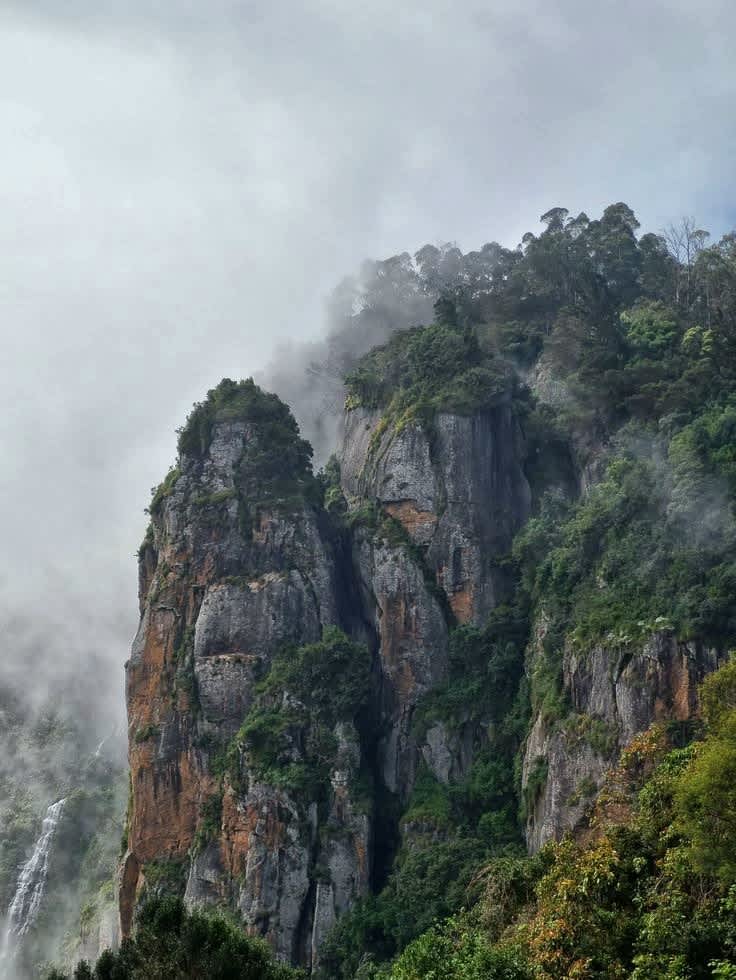
→Kodaikanal, the "Princess of Hill Stations" in Tamil Nadu's Palani Hills, sits at 2,133 meters and enchants visitors with its star-shaped Kodai Lake, shola forests, dramatic cliff-top viewpoints, and the rare Kurinji flowers that bloom in purple waves across the hillsides every 12 years. The Pillar Rocks — three vertical rock pillars rising 122 meters above a wooded valley — and the Bear Shola Falls are among the natural highlights, while the lake promenade lined with rental boats and picnicking families captures the town's leisurely atmosphere. Kodaikanal's cool, misty climate, flower nurseries, and home-made chocolates and eucalyptus oil make it a uniquely charming South Indian hill retreat.
435 km
Madurai
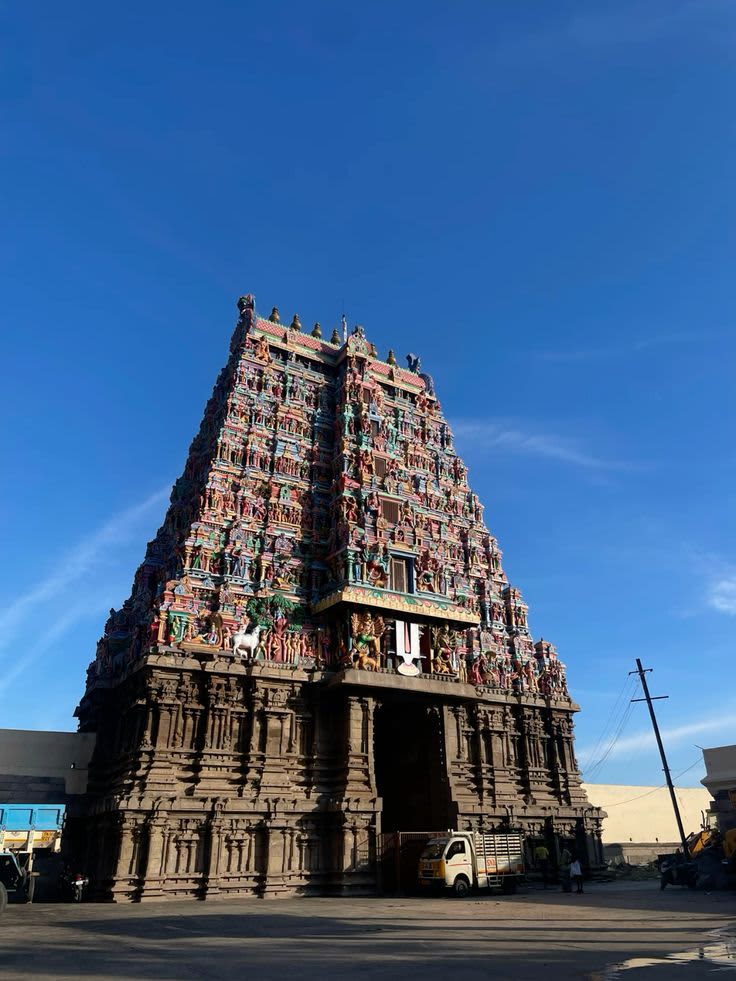
→Madurai, one of the oldest continuously inhabited cities in the world and a major pilgrimage hub in Tamil Nadu, is centered on the awe-inspiring Meenakshi Amman Temple — a Dravidian architectural masterpiece with 14 elaborately sculpted gopurams that tower over the city's skyline. Dedicated to the goddess Meenakshi and her consort Sundareswarar (Shiva), the temple complex with its celebrated Hall of Thousand Pillars and sacred Golden Lotus Tank draws millions of devotees and travelers each year. Madurai's vibrant jasmine flower markets, street food culture, and the evening temple ceremony make it one of South India's most atmospheric and spiritually alive cities.
465 km
Pattadakal
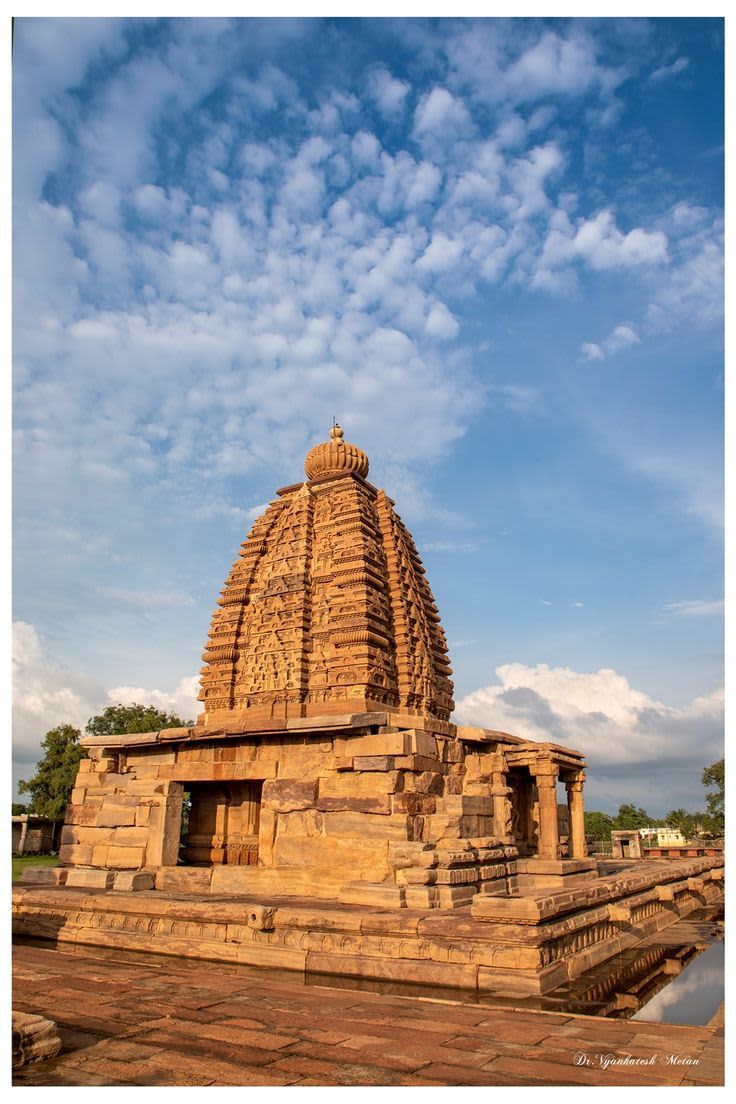
→Pattadakal, a UNESCO World Heritage Site on the banks of the Malaprabha River in Karnataka, is a remarkable gallery of 8th-century Chalukyan temples that uniquely showcases the evolution of two distinct South Indian temple architectural styles — the nagara (northern) and dravidian (southern) — side by side. The Virupaksha Temple, built by Queen Lokamahadevi to commemorate the Chalukyan victory over the Pallavas, is the most impressive of the complex's ten temples and served as the model for the famous Kailasanatha Temple at Ellora. Visiting Pattadakal as part of a Chalukyan heritage trail with Badami and Aihole is one of the most richly rewarding historical journeys in all of South India.