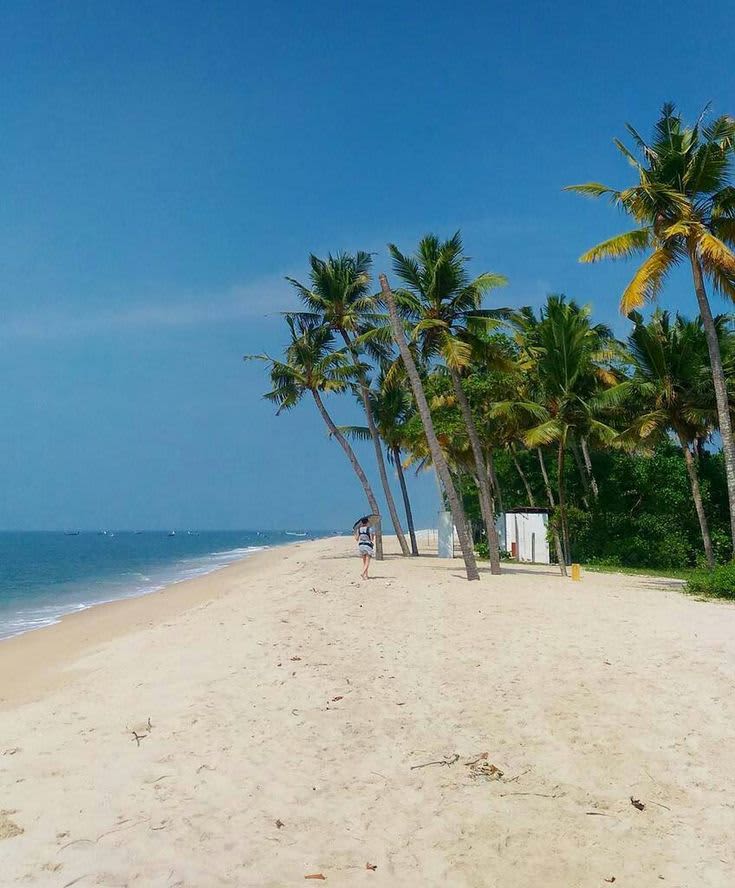
Marari, a tranquil fishing village on Kerala's coast between Kochi and Alleppey (Alappuzha), is home to one of India's most pristine and uncrowded beaches — a long, flat stretch of powdery white sand...
Marari
Tranquil Fishing Village Beach
Kerala, India
4.7
Pristine BeachFishing VillageSecluded Resorts
beach
Duration: 3–5 Days
Budget/day: ₹3,000 – ₹12,000
Best season: Oct – Mar
Altitude: 5 m
Nearest airport: Cochin International Airport (80 km)
Nearest railway: Alleppey (Alappuzha) Railway Station (13 km)
Best places to visit in Marari

Things to do in Marari
- No photoLeisure / NatureView full guide
1–2 hours
Marari Beach Sunrise Walk
Marari is Kerala's best-kept beach secret — a long, uncrowded stretch of fine golden sand lined with coconut palms where fishermen pull in their nets at dawn while egrets wade in shallow tide pools. An early morning walk here captures a version of Kerala that the more popular beaches lost decades ago.
- No photoCultural / AdventureView full guide
3–4 hours
Traditional Kerala Fishing with Local Fishermen
Team up with the fishing families of Marari village for an early morning ocean fishing experience using traditional country boats and hand-thrown nets. Haul in the catch, hear the fishermen's stories, and understand the maritime culture that has sustained this coastal community for generations.
- No photoNature / CulturalView full guide
4–8 hours (half-day or full-day cruise)
Alappuzha Backwater Day Trip
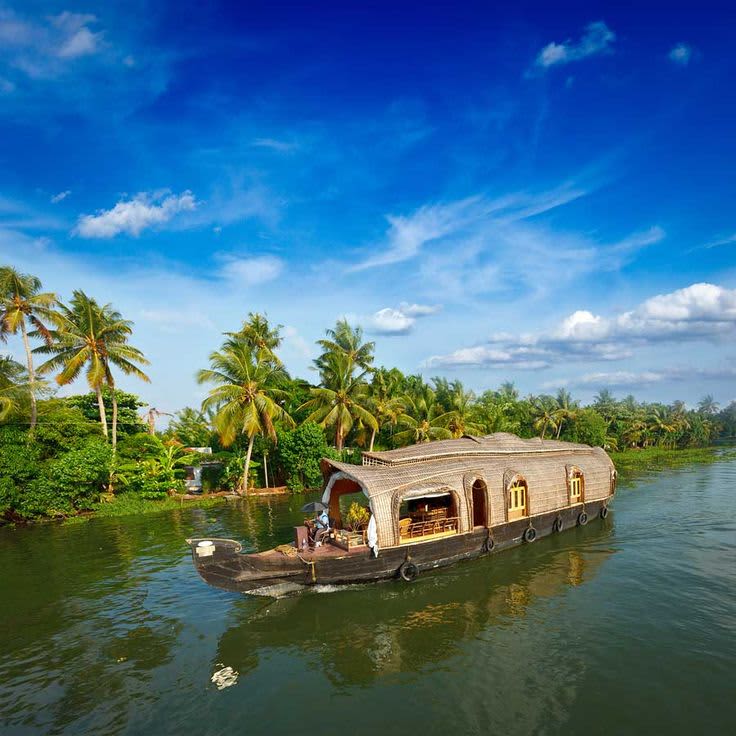
From Marari, it's a simple 15-kilometre ride to Alappuzha (Alleppey), where houseboat rides through the legendary Kerala backwaters await. The labyrinthine network of canals, coconut groves, and village life glimpsed from a traditional kettuvallam houseboat is quintessentially Kerala.
Best Time to Visit and Weather Info
Best time: October to March
Quiet beach year-round except monsoon. Rough seas in June–September restrict swimming.
Winter
Best Time ⭐Oct – Mar
22°C – 32°C
Calm, clean beach with almost no crowds. Perfect for yoga, Ayurveda, and fishing village walks.
- Stay at eco-resorts for authentic experience
- Walk through Mararikulam fishing village
How to Reach
✈️By Air
Airport: Cochin International Airport (80 km)
Duration: ~2 hrs
Pre-arranged resort transfer or taxi from Cochin airport.
Taxi: ₹1,500 – ₹2,500
Airlines: IndiGo, Air India, SpiceJet
🚂By Train
Station: Alleppey (Alappuzha) Railway Station (13 km)
Trains from Thiruvananthapuram and Ernakulam to Alappuzha. Taxi onward.
- Sabari Express — Ernakulam (1.5 hrs to Alleppey)
🚌By Road
15 km from Alleppey via the coastal road. Auto-rickshaws and cabs available.
- Alleppey: 13 km, 25 mins via NH-66
- Kochi: 80 km, 2 hrs via NH-66
Itineraries
Local Food
Marari is a secluded beach destination — food is primarily at eco-resorts, but local village eateries offer fresh seafood and Kerala meals.
Village Fisherman's Meal
Fresh catch prepared by local fishing families — rice, fish curry, and coconut sides.
Where: Mararikulam village homestays
₹150 – ₹250
Toddy (Kallu)
Fresh coconut palm toddy — a traditional Kerala drink.
Where: Toddy shops near the village
₹30 – ₹60/glass
Chemeen (Prawn) Curry
Coastal Kerala prawn curry with raw mango and coconut.
Where: Local restaurants and eco-resort restaurants
₹180 – ₹320
Marari is one of Kerala's most serene and unexplored beaches. The eco-resorts here are exceptional. CGH Earth's Marari Beach Resort is world-renowned.
FAQs
- Marari is Kerala's best-kept beach secret — a pristine, uncrowded stretch with a traditional fishing village backdrop. It is famous for luxury eco-resorts, hammock holidays, and Ayurvedic wellness.
Best Places Similar
Alleppey
Alleppey, officially Alappuzha and known as the Venice of the East, is the gateway to Kerala's celebrated backwaters — a 900-kilometer network of lakes, rivers, and canals that form one of the most enchanting and photogenic landscapes in India. A houseboat cruise through the palm-fringed waterways of the Kuttanad region, gliding past paddy fields, coconut groves, and traditional villages accessible only by water, is one of India's most quintessential travel experiences. The Nehru Trophy Boat Race held on Punnamada Lake in August, the beautiful Alleppey Beach, and the region's delectable Kerala seafood cuisine complete the backwater experience.

Varkala
Varkala, perched on dramatic red laterite cliffs above the Arabian Sea in Kerala, is unlike any other beach destination in India — a bohemian clifftop promenade of yoga centers, Ayurvedic treatment centers, seafood restaurants, and beach boutiques overlooking the strikingly beautiful Papanasam Beach below. According to Hindu belief, a dip in the Papanasam Beach's waters washes away sins, and the ancient Janardhanaswamy Temple overlooking the sea adds deep spiritual significance to this natural paradise. Varkala's unique clifftop character, the mesmerizing Arabian Sea sunsets, and the availability of traditional Kerala Ayurveda make it one of South India's most distinctive beach destinations.
Kovalam
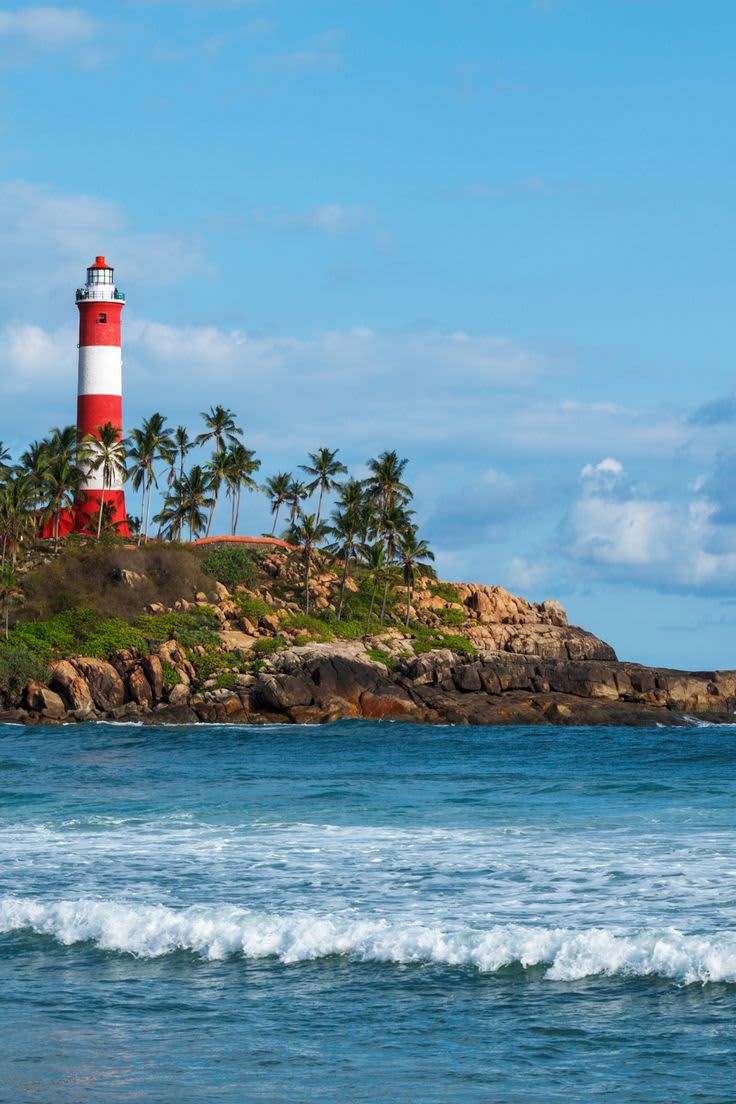
Kovalam, a crescent-shaped beach town on Kerala's Thiruvananthapuram coast, is one of South India's most celebrated beach destinations, famed for its trio of palm-lined beaches — Lighthouse Beach, Hawa Beach, and Samudra Beach — each offering a distinct character from vibrant and bustling to quiet and serene. The iconic red-and-white striped lighthouse on the headland between Lighthouse and Hawa Beach is the symbol of Kovalam and offers panoramic views of the coastline. World-class Ayurvedic treatment centers, fresh seafood restaurants, sunset boat rides, and the proximity to the cultural riches of Thiruvananthapuram make Kovalam the ideal Kerala beach holiday destination.
Nearby destinations
Alleppey
12 km · Alleppey, officially Alappuzha and known as the Venice of the East, is the gateway to Kerala's celebrated backwaters — a 900-kilometer network of lakes, rivers, and canals that form one of the most enchanting and photogenic landscapes in India. A houseboat cruise through the palm-fringed waterways of the Kuttanad region, gliding past paddy fields, coconut groves, and traditional villages accessible only by water, is one of India's most quintessential travel experiences. The Nehru Trophy Boat Race held on Punnamada Lake in August, the beautiful Alleppey Beach, and the region's delectable Kerala seafood cuisine complete the backwater experience.
Sabarimala
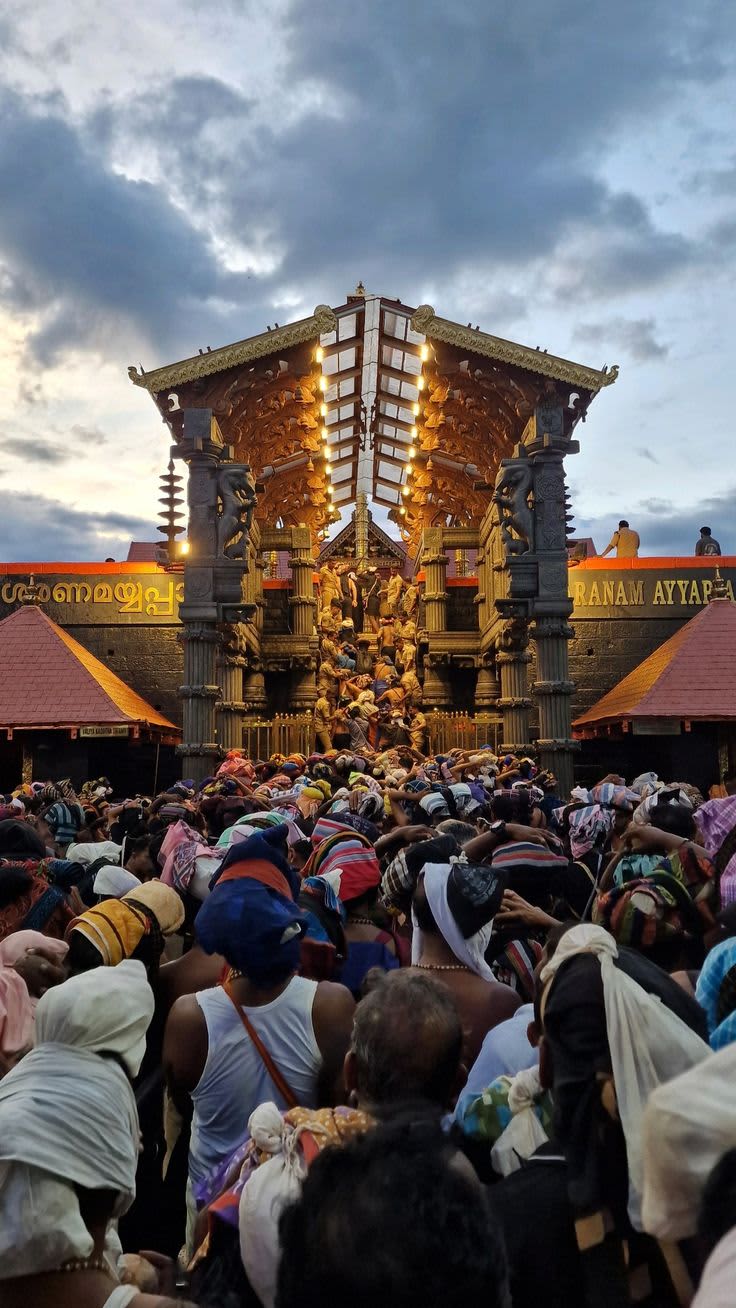
86 km · Sabarimala, nestled in the forested hills of the Western Ghats in Kerala, is one of the largest Hindu pilgrimage sites in the world and the abode of Lord Ayyappa — a deity embodying dharma, celibacy, and universal brotherhood. The annual pilgrimage season from November to January sees millions of devotees, clad in traditional black attire, undertaking the challenging 5-kilometer trek through dense jungle to reach the hilltop shrine. The journey to Sabarimala is as much a physical and spiritual ordeal as it is an act of devotion, passing through the sacred 18 golden steps before reaching the temple.

Munnar
98 km · Munnar, perched at 1,600 meters in the Western Ghats of Kerala, is one of South India's most stunning hill stations, famous for its endless rolling carpets of tea plantations, misty mountains, and biodiversity-rich forests. The Eravikulam National Park near Munnar is the last stronghold of the endangered Nilgiri Tahr and transforms into a floral wonderland when the rare Neelakurinji flowers bloom every 12 years. Tea museum visits, plantation walks, sunrise at Meesapulimala peak, and stays in colonial-era tea estate bungalows make Munnar a quintessential Kerala highlands experience.