Things to do in Badami
Things to do in Badami
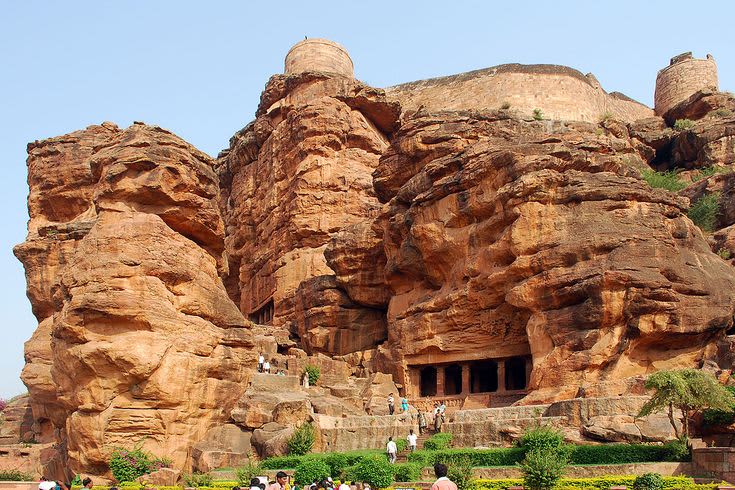
Badami, the ancient capital of the early Chalukya dynasty in Karnataka, is a historically rich town known above all for its four magnificent rock-cut cave temples carved into the face of a red sandstone cliff overlooking the scenic Agastya Lake in the 6th and 7th centuries CE. The caves contain exceptional sculptures of Shiva as Nataraja with 18 arms, various Vishnu avatars including the colossal reclining Vishnu in Cave 3, and Jain tirthankaras that represent some of the finest examples of early Deccan sculpture. The fortified hilltop above the caves, the temples on the lake's southern shore, and the nearby Pattadakal and Aihole make Badami the hub of an extraordinary ancient Chalukyan heritage trail.
- No photoHeritage / SpiritualView full guide
2–3 hours
Badami Cave Temples Exploration
Carved into towering red sandstone cliffs in the 6th century by the Chalukya dynasty, the four Badami cave temples are among the finest examples of early Indian rock-cut architecture. Each cave — dedicated to Shiva, Vishnu, and Jainism — is a masterclass in sculptural artistry: the 18-armed Nataraja, the stunning Trivikrama striding across three worlds, and intricately carved ceilings that feel impossibly detailed for their age. This is Karnataka's answer to Ajanta and Ellora.
- No photoNature / SpiritualView full guide
1 hour
Agastya Lake Sunrise Walk
The sacred Agastya Lake sitting at the foot of Badami's sandstone cliffs reflects the ancient temples in its still morning waters like a painting. A quiet walk around the lakeside ghats just after dawn — when the sky turns orange and temple bells begin to ring — is one of those simple travel moments you carry with you for years. The 5th-century Bhutanatha temples on the eastern bank add a wonderful sense of timelessness to the scene.
- No photoAdventureView full guide
Half day to full day
Rock Climbing on Badami Cliffs
Badami's distinctive red Deccan sandstone cliffs have become one of South India's most exciting rock climbing destinations. With over 50 established routes ranging from beginner-friendly slabs to challenging overhangs, climbers from across India and abroad flock here between October and February. Even if you've never climbed before, several local operators offer guided introductory sessions on the lower cliff faces with breathtaking views across the village.
- No photoCultural / EducationalView full guide
1 hour
Badami Archaeological Museum Visit
The small but excellent Archaeological Museum in Badami houses a carefully curated collection of Chalukya-era sculptures, coins, and artefacts recovered from the surrounding sites of Pattadakal, Aihole, and Mahakuta. For anyone trying to make sense of the sheer volume of carvings they've seen at the caves, spending an hour here provides invaluable context about the Chalukya dynasty's artistic evolution and their monumental contributions to Indian temple architecture.
- No photoHeritageView full guide
Full day (8 hours)
Day Trip to Pattadakal & Aihole
Badami sits at the heart of a UNESCO-listed triangle of Chalukya monuments that includes Pattadakal (15 km away) and Aihole (35 km away). Pattadakal's group of temples is a UNESCO World Heritage Site where you can see the experimental development of South Indian temple styles side by side. Aihole, the 'cradle of Indian temple architecture', has over 120 temples spread across the village — many still in active daily use. Hiring a local auto-driver for the full circuit is the easiest way to cover all three in one day.