Places to visit near Visakhapatnam
Places to visit near Visakhapatnam
Visakhapatnam, affectionately known as Vizag, is Andhra Pradesh's largest city and premier port, beautifully situated between the Eastern Ghats and the Bay of Bengal, making it one of India's few cities where beach, mountain, and urban life coexist seamlessly. The Rushikonda Beach, Rishikonda Hills, and the famous submarine museum INS Kursura are among Vizag's most popular attractions, while the nearby Araku Valley hill station — accessible via one of India's most scenic train journeys — adds a natural dimension to the city's appeal. Vizag's rapidly growing status as a tech and business hub, combined with its scenic coastline and hospitable Telugu culture, makes it one of India's most livable and visiting cities.
363 km
Puri
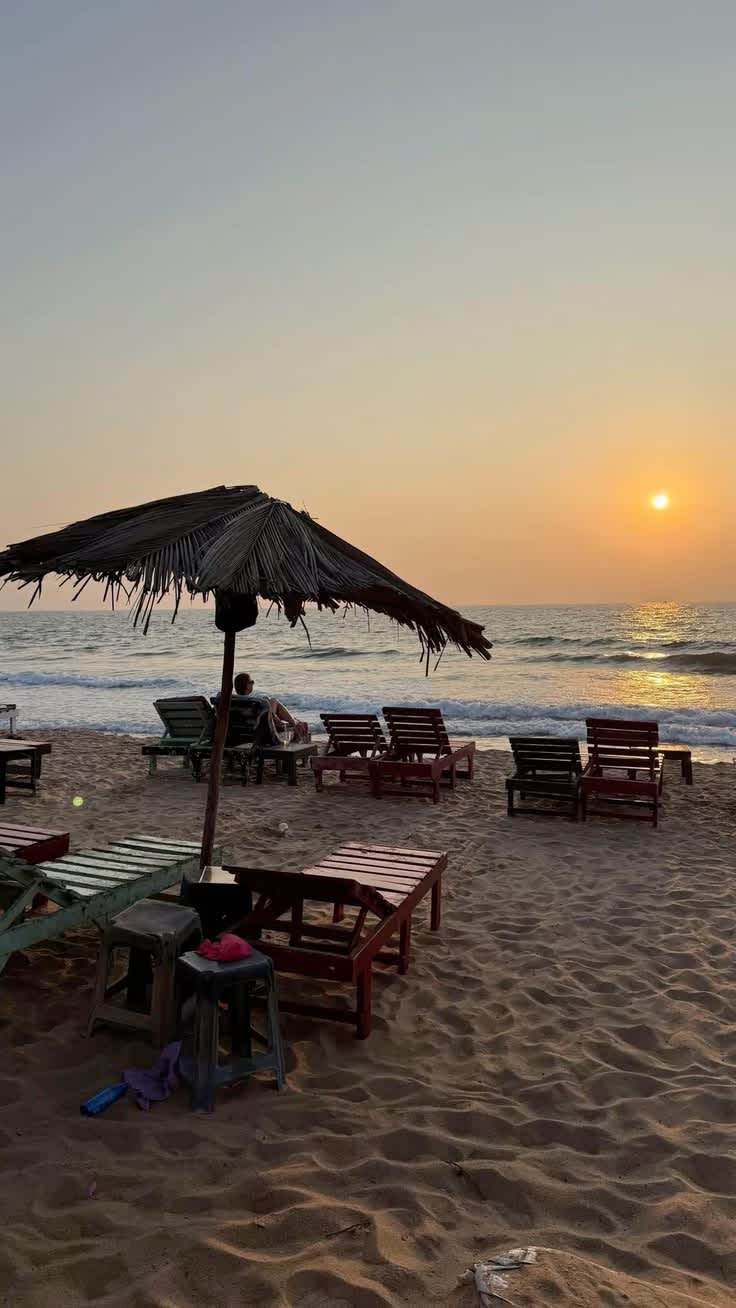
→Puri, on Odisha's Bay of Bengal coast, is one of the four sacred dhams (pilgrimage sites) of Hinduism and home to the Jagannath Temple — one of the most important and powerful Vaishnava temples in India, dedicated to Lord Jagannath (a form of Vishnu/Krishna) and famous for its annual Rath Yatra chariot festival, one of the world's largest religious processions. The long, golden Puri Beach is one of the most beautiful on India's eastern coast, and the lively beach culture of fishermen, sand artists, and evening aarti ceremonies creates a unique spiritual-seaside atmosphere. The temple town's traditional patta chitra art and its generous servings of prasad at the Ananda Bazar make Puri a destination of both devotion and delight.
390 km
Konark
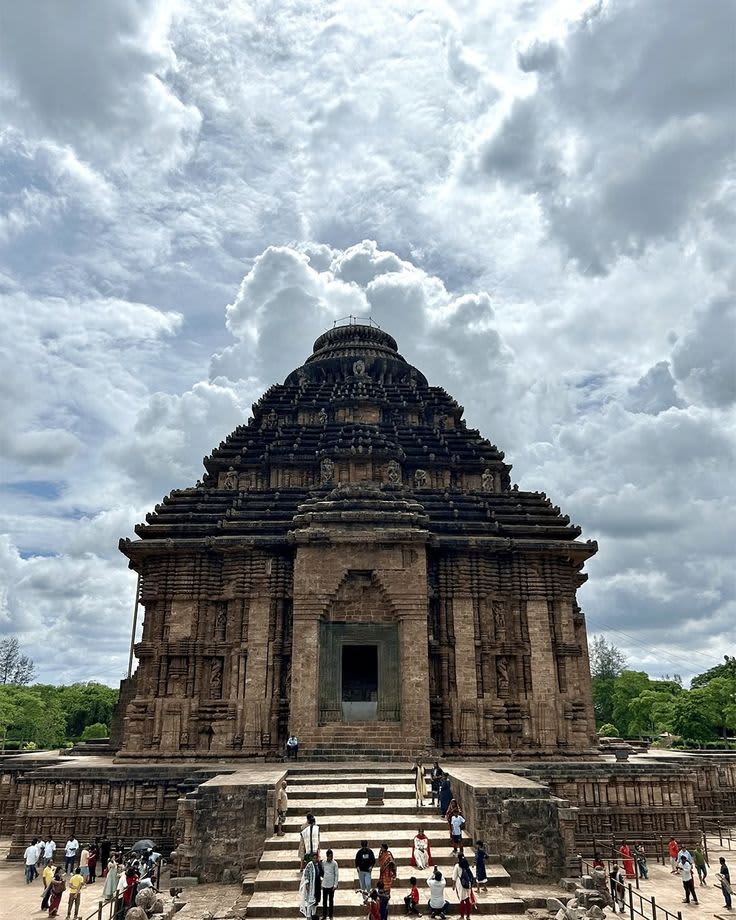
→Konark, a small town on Odisha's coast 35 kilometers from Puri, is home to one of India's greatest architectural wonders — the Sun Temple, a UNESCO World Heritage Site built in the 13th century by King Narasimhadeva I, conceived as a colossal stone chariot of the Sun God Surya with 24 intricately carved wheels and seven horses. The temple's thousands of sculptures depicting celestial beings, erotic carvings, animals, and mythological scenes represent the apex of Odishan temple architecture and craftsmanship. The annual Konark Dance Festival held against the dramatic backdrop of the illuminated Sun Temple is one of India's most magnificent cultural events.

497 km
Tadoba
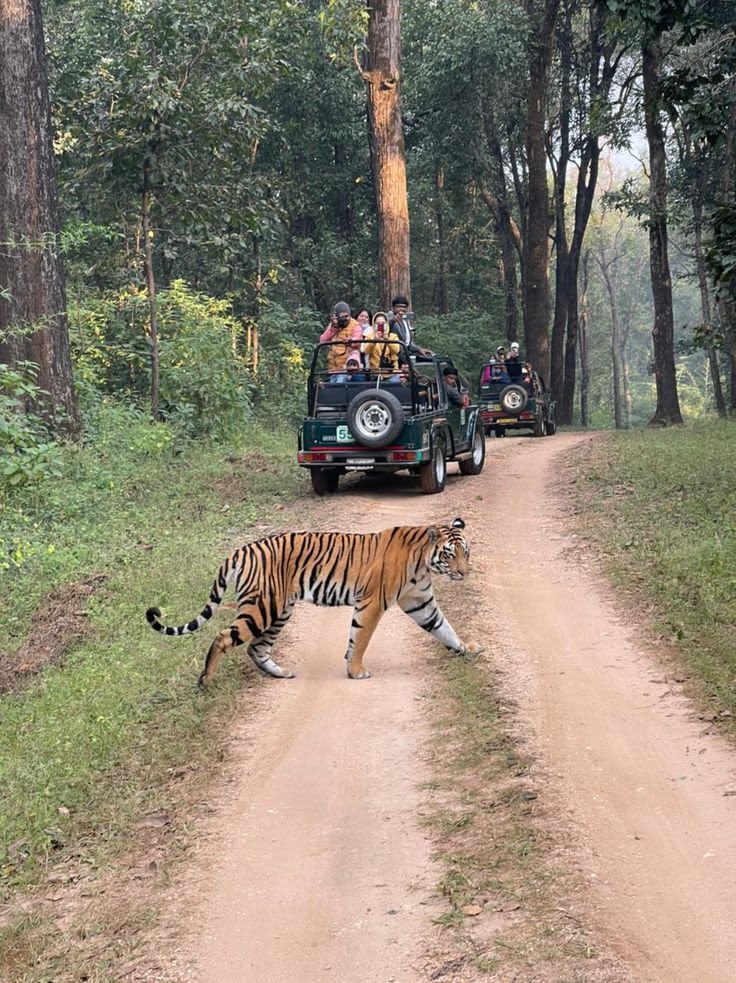
→Tadoba Andhari Tiger Reserve, Maharashtra's oldest and largest national park located in the Chandrapur district, is increasingly recognized as one of India's best tiger reserves and offers some of the highest rates of tiger sightings in the country, earning it a well-deserved reputation among wildlife photographers and safari enthusiasts. The park's dry deciduous forest, open meadows, and scenic Tadoba Lake create a diverse habitat that supports not only tigers but also leopards, sloth bears, wild dogs, gaurs, and hundreds of bird species. Tadoba's accessibility from Nagpur and the quality of its guides and safari vehicles make it an excellent alternative for those who cannot get permits at more famous reserves like Ranthambore or Kanha.
584 km
Kanha National Park
→Kanha National Park, one of India's finest and largest tiger reserves spread across the Maikal Hills of Madhya Pradesh, was the inspiration for Rudyard Kipling's 'The Jungle Book' and remains one of the subcontinent's most pristine and biodiverse wilderness areas. The park is renowned not only for tiger sightings but for successfully reviving the critically endangered Barasingha (swamp deer) from the brink of extinction. Kanha's vast meadow-filled valleys, called maidans, teeming with spotted deer and gaur, and its dense sal forests make it one of India's most rewarding national park experiences.

607 km
Tirupati
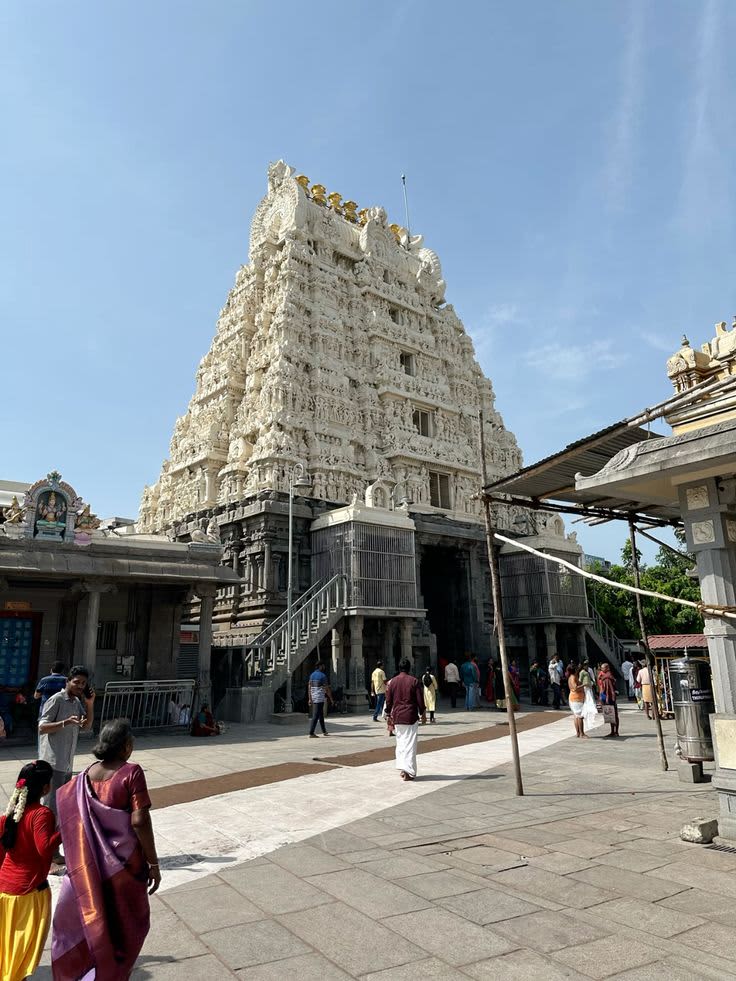
→Tirupati, in Andhra Pradesh, is home to the Tirumala Venkateswara Temple atop the Tirumala Hills — the most visited place of worship on earth, receiving an average of 60,000 to 100,000 pilgrims daily. Dedicated to Lord Venkateswara, a form of Vishnu, the temple is not only the world's richest religious institution but also one of the most spiritually charged destinations in Hinduism. The famous 'Tirupati laddu' prasad, the tradition of tonsuring one's head as an offering, and the breathtaking view of the gilded gopuram rising above the Nallamala Hills make a Tirupati pilgrimage an unforgettable experience.
658 km
Kanchipuram
→Kanchipuram, one of India's seven sacred pilgrimage cities and the Temple City of Tamil Nadu, is home to over 1,000 temples and is equally renowned worldwide as the Silk City for its exquisite handwoven Kanchipuram silk sarees, prized as among the finest in the world. The magnificent Ekambaranatha Temple, Kamakshi Amman Temple, and the Kailasanathar Temple — one of the oldest temples in South India — are masterpieces of Pallava and Chola Dravidian architecture. Kanchipuram has been a seat of Hindu philosophical learning for centuries and remains a living embodiment of Tamil cultural and spiritual heritage.
707 km
Bandhavgarh National Park
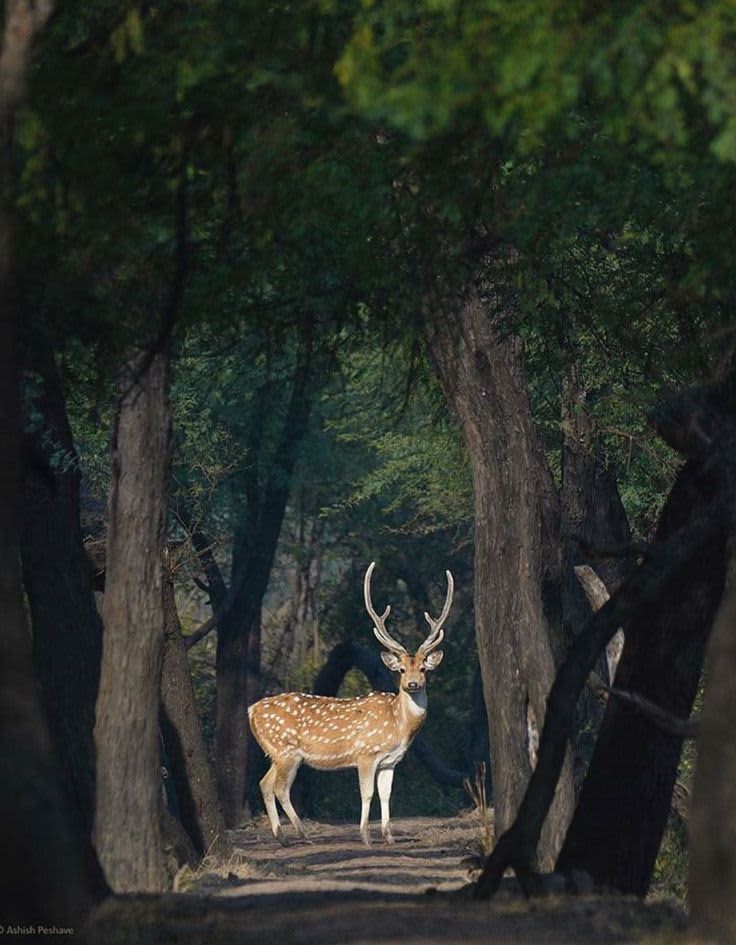
→Bandhavgarh National Park in Madhya Pradesh boasts the highest density of Bengal tigers of any national park in India, making it one of the most thrilling destinations for big cat enthusiasts and wildlife photographers. The park's diverse terrain of dense sal forests, meadows, and bamboo groves is dominated by the ancient Bandhavgarh Fort, which according to legend was built by the Hindu god Rama. Multiple daily safari zones, including the highly sought-after Tala zone, ensure excellent opportunities to witness tigers, leopards, sloth bears, and abundant birdlife in their natural environment.
720 km
Sundarbans
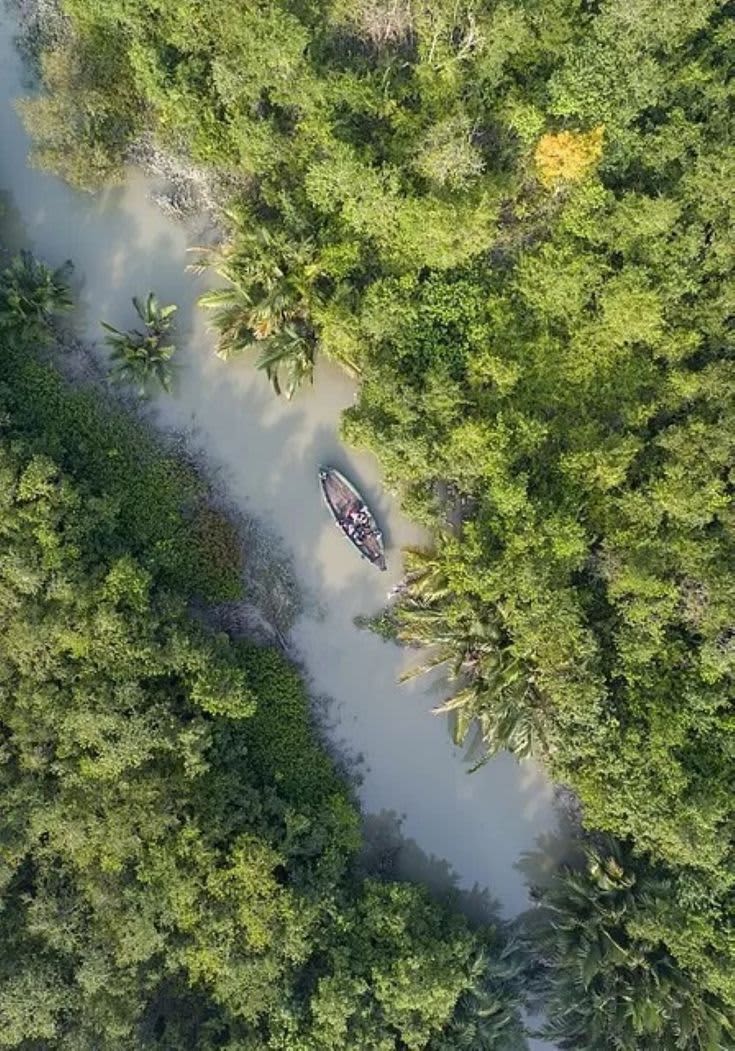
→The Sundarbans, a UNESCO World Heritage Site and the world's largest mangrove delta shared between India and Bangladesh, is one of the most unique and mysterious wildlife habitats on earth. Home to the Bengal tiger — uniquely adapted to swimming between islands — as well as saltwater crocodiles, Irrawaddy dolphins, and the endangered Gangetic dolphin, the Sundarbans is a biodiversity hotspot unlike any other. Boat safaris through the labyrinthine network of tidal creeks and mangrove channels in the West Bengal delta offer an eerie, exhilarating, and deeply memorable wildlife experience.

750 km
Lonar Lake
→Lonar Lake in Maharashtra is one of only four known hyper-velocity impact craters in basaltic rock on earth, formed approximately 50,000 years ago when a meteor struck the Deccan Plateau — making it one of the planet's most extraordinary geological wonders. The lake's water is a unique combination of saltwater and alkaline water, supporting rare extremophilic microorganisms and attracting flamingos and other migratory birds. Surrounded by dense forest and ancient temples dating back to the Chalukya and Yadava dynasties, Lonar is a fascinating convergence of natural wonder, biodiversity, and historical heritage.
766 km
Hampi
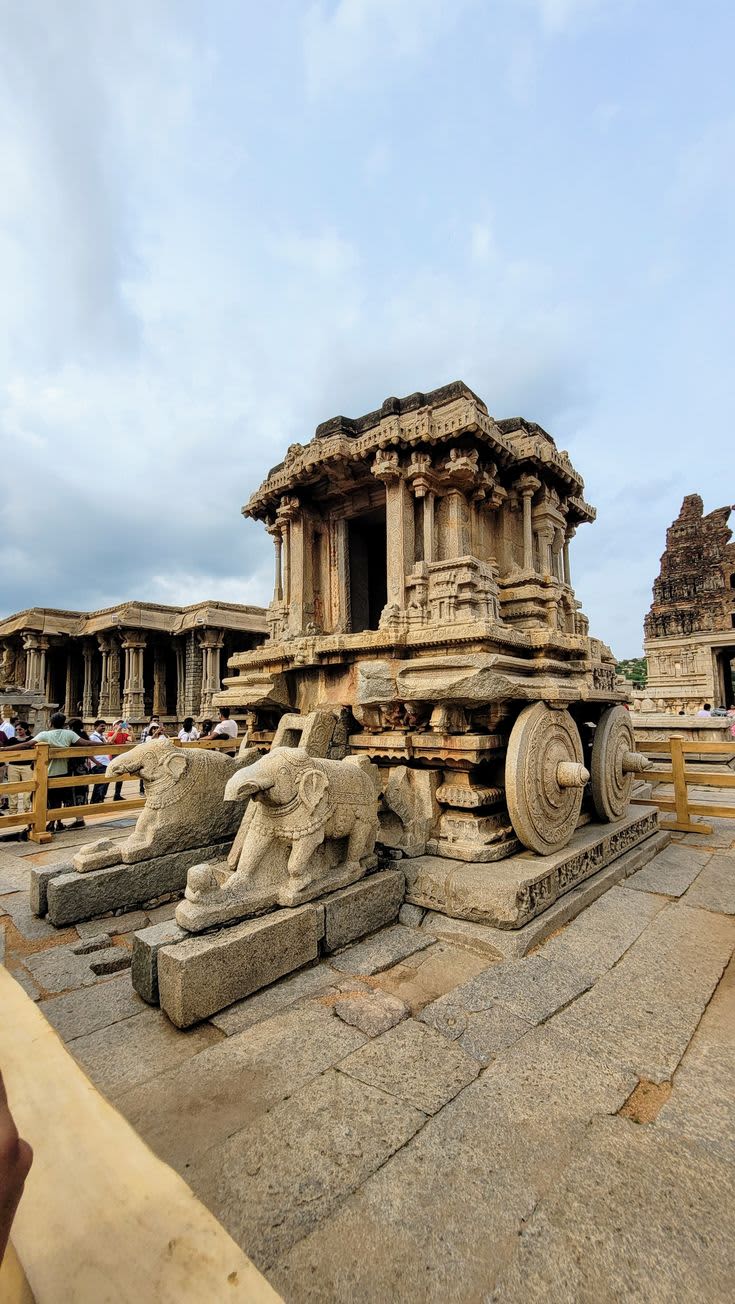
→Hampi, a UNESCO World Heritage Site in Karnataka, is one of the most evocative and visually stunning historical destinations in India — the ruins of Vijayanagara, once one of the largest and wealthiest cities in the medieval world and capital of the last great Hindu empire, spread across an otherworldly landscape of giant boulders, banana plantations, and the Tungabhadra River. The Virupaksha Temple, Vittala Temple with its famous Stone Chariot and musical pillars, the Lotus Mahal, and Elephant Stables are architectural masterpieces within a landscape of over 1,600 monuments. Cycling or hiking among Hampi's surreal boulder fields at sunrise and sunset is an experience of rare beauty and historical majesty.