The Sundarbans, a UNESCO World Heritage Site and the world's largest mangrove delta shared between India and Bangladesh, is one of the most unique and mysterious wildlife habitats on earth. Home to th...
Sundarbans
Mangrove Wilderness & Royal Bengal Tigers
West Bengal, India
4.6
Royal Bengal TigerMangrove ForestsBoat Safaris
wildlifemangrove
Duration: 2–3 Days
Budget/day: ₹2,000 – ₹6,000
Best season: Nov – Feb
Altitude: Sea level
Nearest airport: Netaji Subhas Chandra Bose International Airport, Kolkata (100 km by road + boat)
Nearest railway: Canning Railway Station (48 km from Gosaba) or Namkhana Station
Best places to visit in Sundarbans


Things to do in Sundarbans
- No photoWildlife & NatureView full guide
Full day (6–8 hours)
Boat safari through the mangrove delta
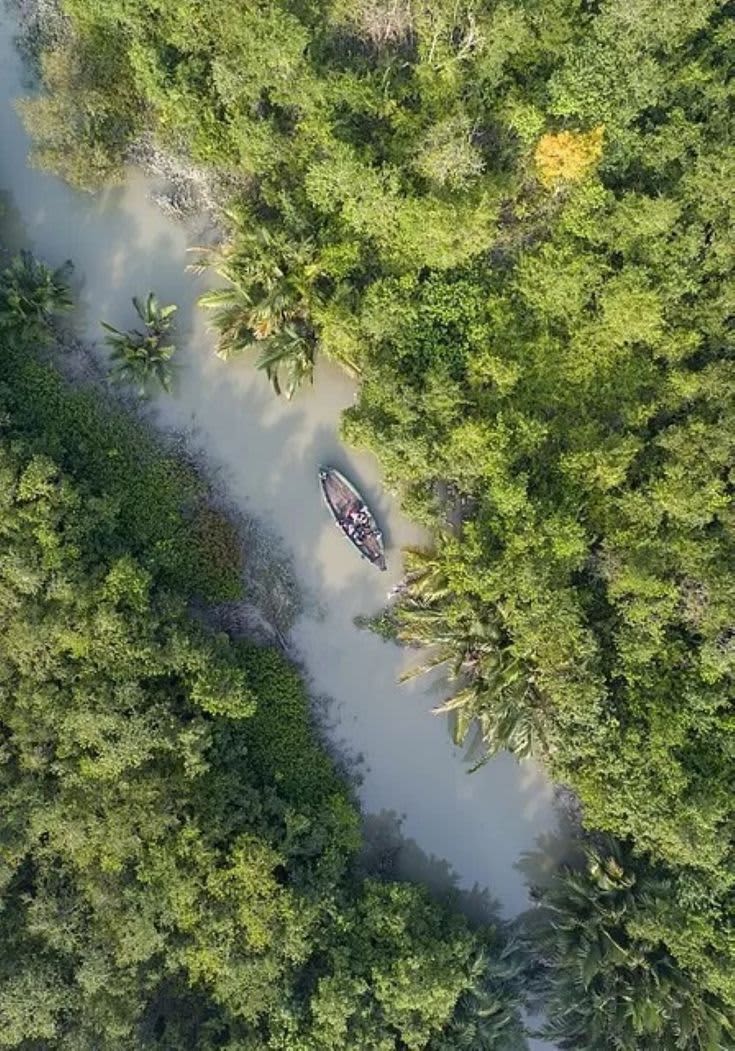
The Sundarbans is the world's largest mangrove forest — a maze of tidal rivers, mudflats, and dense Sundari trees stretching across the Bengal delta and into Bangladesh. The only way to explore it is by boat, gliding silently through narrow creeks where the trees close overhead, scanning the mudbanks for the pugmarks of Royal Bengal tigers that swim between islands, and watching the extraordinary inter-tidal wildlife that defines this UNESCO World Heritage ecosystem.
- No photoWildlifeView full guide
1–3 hours
Royal Bengal tiger watch from watchtowers
Strategically placed watchtowers at Sudhanyakhali, Sajnekhali, and Dobanki rise above the mangrove canopy and overlook freshwater ponds that tigers visit regularly to drink. Spending a patient hour or two in these towers in the early morning is the best — and safest — way to witness the Sundarbans tiger, an animal that has adapted to swimming long distances and hunting in tidal waters in a way no other tiger population on earth does.
- No photoBirding & NatureView full guide
2 hours
Sajnekhali Bird Sanctuary visit
The Sajnekhali Wildlife Sanctuary at the entrance to the Sundarbans core zone is home to a remarkable variety of birds — open-billed storks nesting in the treetops, kingfishers darting along every creek, white-bellied sea eagles soaring overhead, and waders working the mudflats at low tide. The sanctuary also has a small crocodile and turtle breeding centre and an interesting interpretive museum about Sundarbans ecology.
Best Time to Visit and Weather Info
Best time: November to February
Monsoon (June–September) is beautiful but cyclone risk makes travel dangerous. Summer (March–May) is extremely hot and humid.
Winter
Best Time ⭐Nov – Feb
12°C – 26°C
The only comfortable time to explore the mangrove delta. Water levels are stable, boat rides are pleasant, and wildlife sightings are at their best.
- All visits require a permit — get it from the Sundarban Tiger Reserve office or through a licensed tour operator
- Do not venture outside the boat after dark
Spring
Very Hot 🔴Mar – May
28°C – 40°C
Extremely hot and humid. Risk of dehydration. Few tourists visit during this period.
- Heat and humidity are oppressive
- Limited visitor infrastructure
Monsoon
Avoid 🔴Jun – Oct
28°C – 36°C
Cyclone season in the Bay of Bengal. Most tours are suspended. The delta floods heavily.
- Risk of cyclones and severe flooding
- Most tour operators suspend services
How to Reach
✈️By Air
Airport: Netaji Subhas Chandra Bose International Airport, Kolkata (~100 km (road + boat) from Sundarbans)
Duration: ~4 hrs total
Fly to Kolkata, then drive to Godkhali/Canning and take a boat into the Sundarbans. Most tours depart from Kolkata's Esplanade area.
Taxi: ₹2,000 – ₹3,500 (Kolkata to Godkhali ferry point)
Airlines: IndiGo, Air India, SpiceJet, Vistara
🚂By Train
Station: Canning Station (via Sealdah) — 48 km from Gosaba; or Namkhana Station
Take the Sealdah-Canning local train (1.5 hrs), then a bus and boat to the Sundarbans. The Namkhana route is used for the south Sundarbans.
- Kolkata-Canning Local — Sealdah (1.5 hrs to Canning)
- Rajdhani/Duronto — Delhi (~17 hrs to Kolkata)
🚌By Road
Road access leads to Godkhali or Canning. From there, boats (private or shared launches) are the only way into the mangrove delta.
- Kolkata (Esplanade): 100 km, 3–4 hrs via Basanti Highway to Godkhali
- Kolkata (via Canning train + boat): Combined, 4–5 hrs via Sealdah – Canning – Godkhali by boat
Itineraries
Local Food
Sundarbans food is classic Bengali coastal cuisine — fish-centric, mustard-flavoured, and cooked with the freshest river and sea produce.
Prawn Malai Curry
Giant river prawns (galda chingri) cooked in a fragrant coconut milk and turmeric gravy — Bengal's finest dish.
Where: Forest camp restaurants and Gosaba village eateries
₹250 – ₹500
Bhetki Paturi
Barramundi fish marinated in mustard paste, wrapped in banana leaf, and steamed — a Bengali coastal delicacy.
Where: Local homes and riverside restaurants
₹180 – ₹320
Ilish Bhapa
Hilsa fish steamed in mustard paste and green chilies — considered Bengal's most sacred dish.
Where: Local restaurants and tour boat kitchens
₹200 – ₹400
Crab Curry
Freshly caught mud crabs cooked in spiced coconut-based or onion-tomato gravy.
Where: Fish camps near Gosaba
₹200 – ₹400
Macher Jhol
Light Bengali fish curry with potatoes and mustard oil — everyday Bengali comfort food.
Where: Any local eatery
₹120 – ₹200
Sundari Honey
Wild forest honey collected from Sundarbans' mangroves by Mouli (honey collectors) — a unique souvenir.
Where: Local village markets
₹200 – ₹500 per bottle
Most Sundarbans tours are all-inclusive with meals cooked on the boat. For the freshest seafood, request the cook to prepare locally caught fish the same day.
FAQs
- The Sundarbans is the world's largest mangrove delta and a UNESCO World Heritage Site. It's famous for the Bengal tiger (which swims between islands), estuarine crocodiles, Irrawaddy dolphins, and the unique ecosystem of tidal mangrove forests.
Best Places Similar
Kaziranga National Park
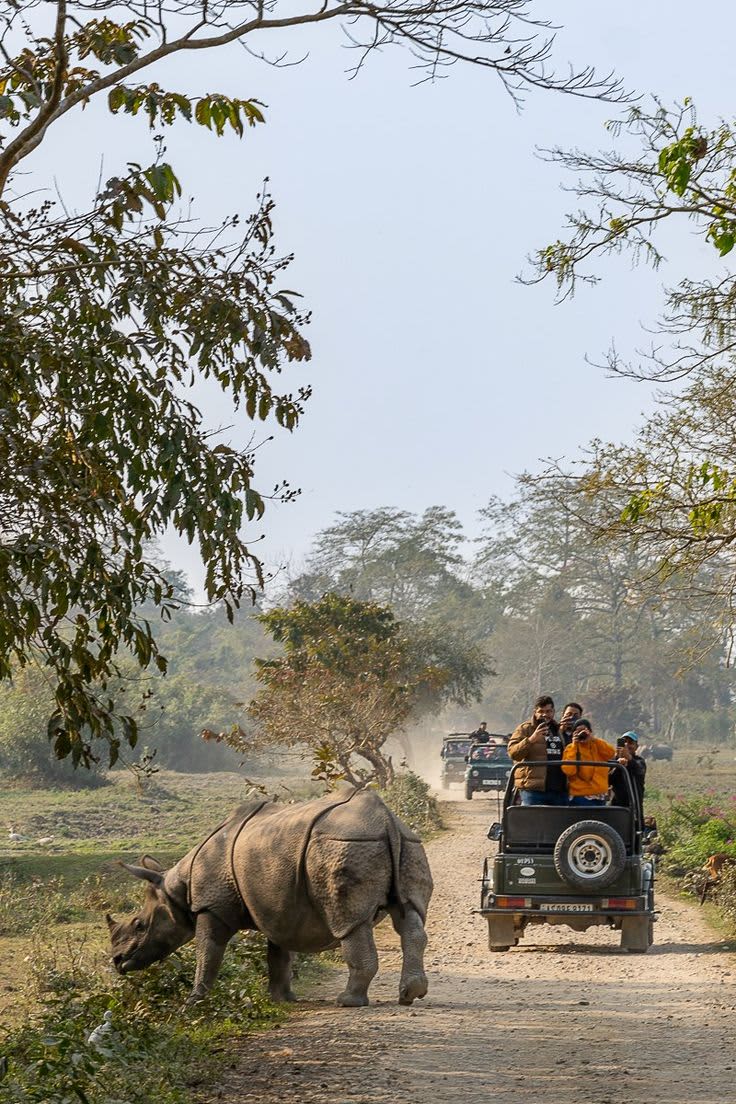
Kaziranga National Park, a UNESCO World Heritage Site in Assam, is the world's most important refuge for the endangered one-horned rhinoceros, sheltering more than two-thirds of the global population. The park's floodplain landscape of tall elephant grass, dense forests, and wetlands along the Brahmaputra River also supports the world's highest density of tigers, along with wild water buffalo, swamp deer, elephants, and thousands of migratory birds. Jeep and elephant safaris through Kaziranga offer an unparalleled wildlife experience in one of India's most biodiverse ecosystems.
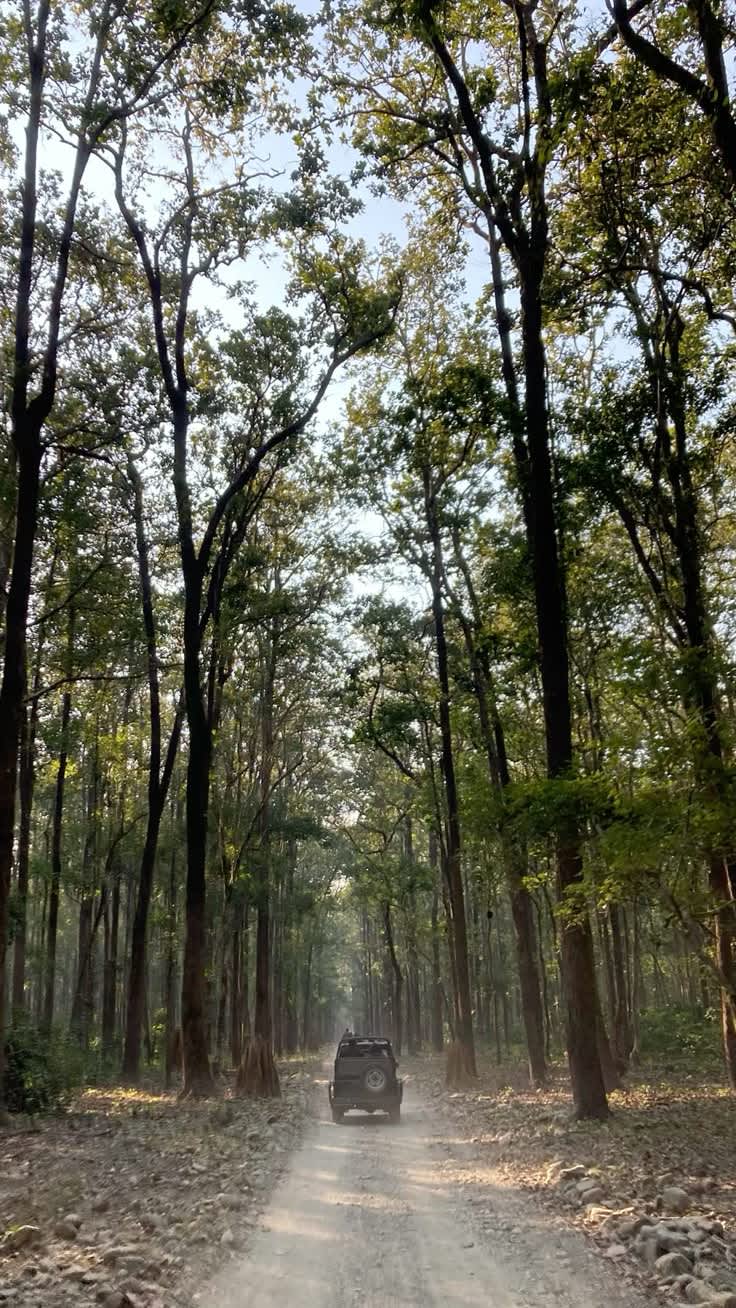
Jim Corbett National Park
Jim Corbett National Park, established in 1936 as India's first national park and named after the legendary hunter-turned-conservationist Jim Corbett, is one of the best places in the world to spot the majestic Bengal tiger in its natural habitat. Spread across over 1,300 square kilometers in the Shivalik foothills of Uttarakhand, the park encompasses dense sal forests, grasslands, and the Ramganga River, supporting rich biodiversity including elephants, leopards, gharials, and over 600 bird species. Jeep safaris into the Dhikala and Bijrani zones offer thrilling wildlife encounters in a remarkably pristine natural setting.
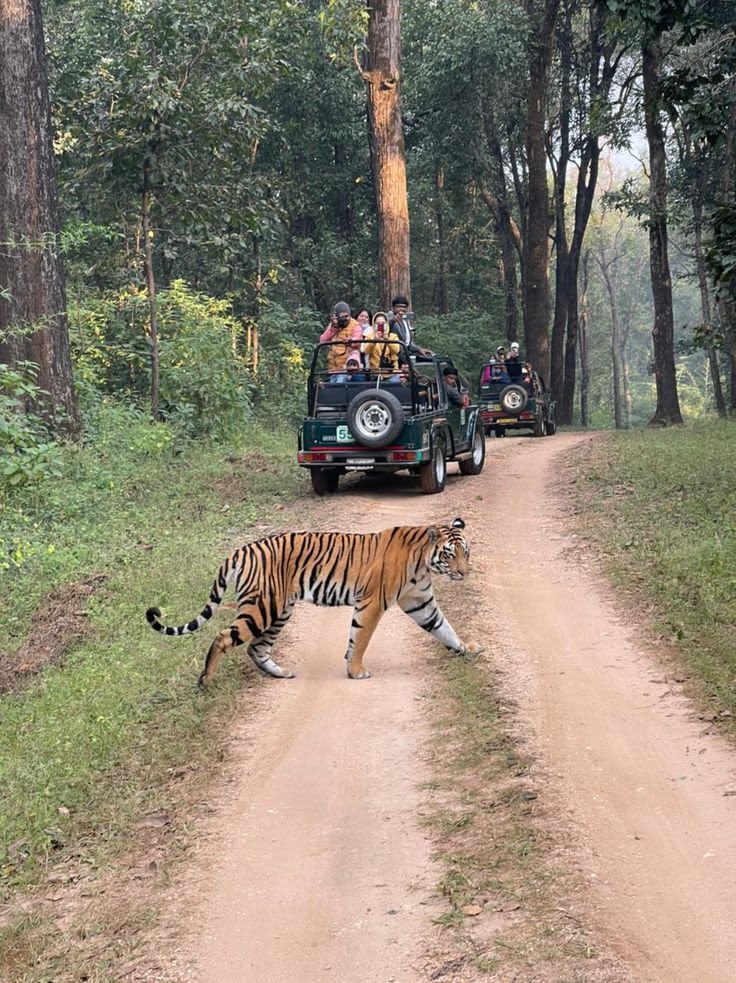
Kanha National Park
Kanha National Park, one of India's finest and largest tiger reserves spread across the Maikal Hills of Madhya Pradesh, was the inspiration for Rudyard Kipling's 'The Jungle Book' and remains one of the subcontinent's most pristine and biodiverse wilderness areas. The park is renowned not only for tiger sightings but for successfully reviving the critically endangered Barasingha (swamp deer) from the brink of extinction. Kanha's vast meadow-filled valleys, called maidans, teeming with spotted deer and gaur, and its dense sal forests make it one of India's most rewarding national park experiences.
Nearby destinations
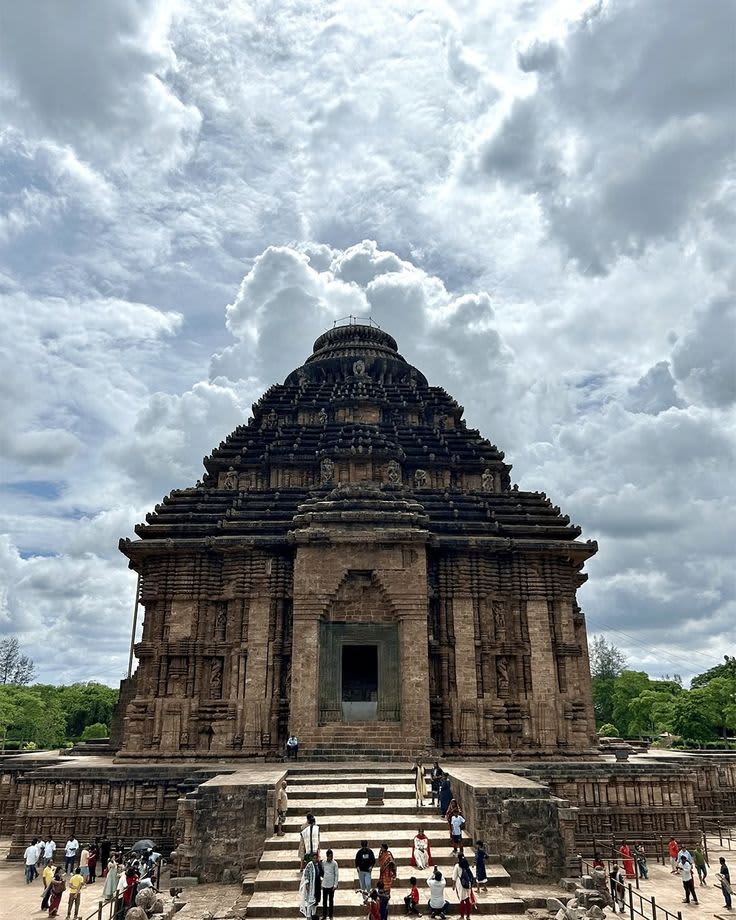
Konark
331 km · Konark, a small town on Odisha's coast 35 kilometers from Puri, is home to one of India's greatest architectural wonders — the Sun Temple, a UNESCO World Heritage Site built in the 13th century by King Narasimhadeva I, conceived as a colossal stone chariot of the Sun God Surya with 24 intricately carved wheels and seven horses. The temple's thousands of sculptures depicting celestial beings, erotic carvings, animals, and mythological scenes represent the apex of Odishan temple architecture and craftsmanship. The annual Konark Dance Festival held against the dramatic backdrop of the illuminated Sun Temple is one of India's most magnificent cultural events.
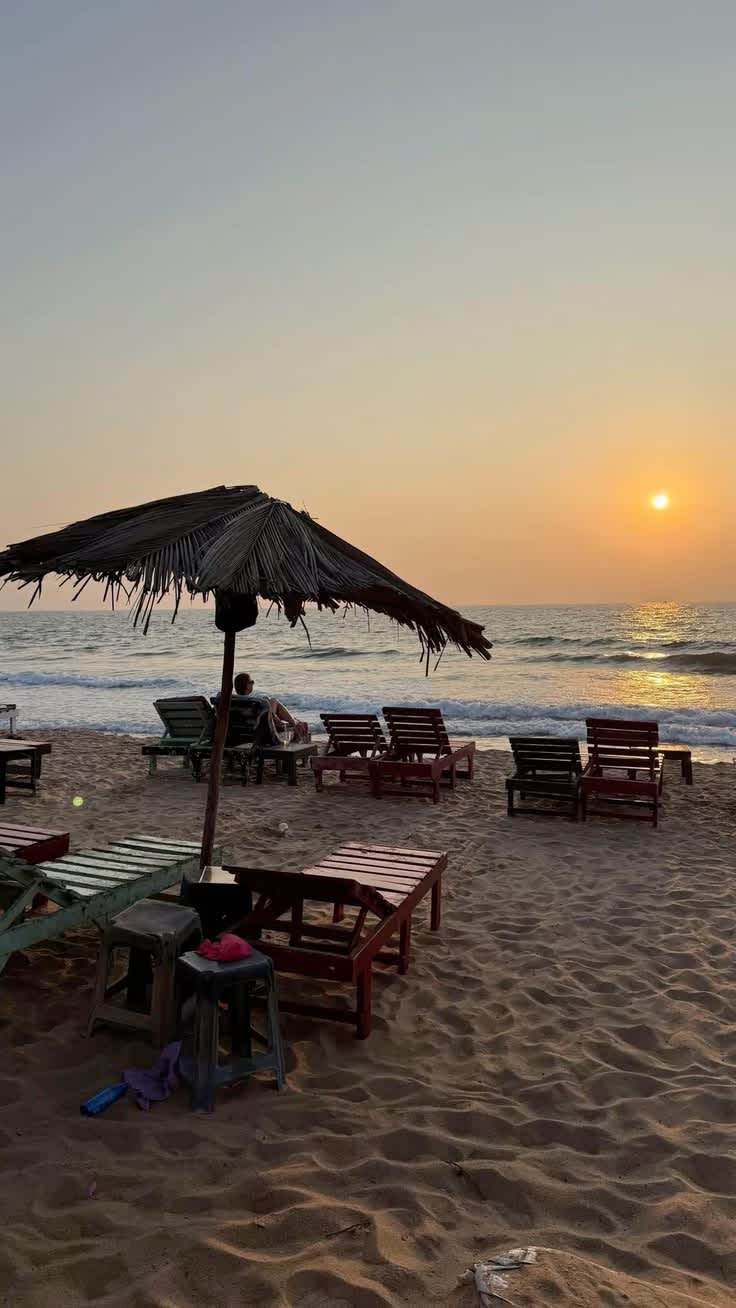
Puri
357 km · Puri, on Odisha's Bay of Bengal coast, is one of the four sacred dhams (pilgrimage sites) of Hinduism and home to the Jagannath Temple — one of the most important and powerful Vaishnava temples in India, dedicated to Lord Jagannath (a form of Vishnu/Krishna) and famous for its annual Rath Yatra chariot festival, one of the world's largest religious processions. The long, golden Puri Beach is one of the most beautiful on India's eastern coast, and the lively beach culture of fishermen, sand artists, and evening aarti ceremonies creates a unique spiritual-seaside atmosphere. The temple town's traditional patta chitra art and its generous servings of prasad at the Ananda Bazar make Puri a destination of both devotion and delight.
Cherrapunji
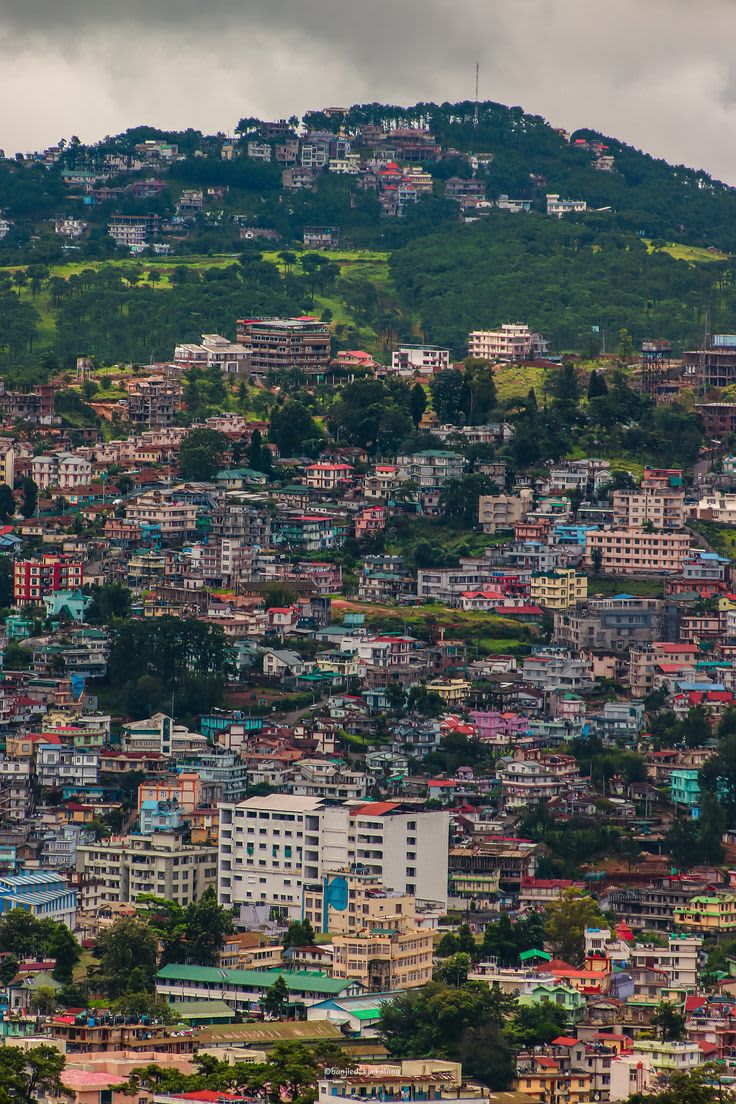
501 km · Cherrapunji, locally known as Sohra, in the East Khasi Hills of Meghalaya holds the record for some of the highest rainfall ever recorded on earth and is a land of extraordinary waterfalls, dramatic gorges, and the most remarkable feat of human bio-engineering — the living root bridges grown by the indigenous Khasi people by training ficus tree roots across streams over centuries. The Nohkalikai Falls — India's tallest plunge waterfall dropping 340 meters into a turquoise pool — and the panoramic views across the Bangladesh plains from the plateau edge make Cherrapunji one of India's most dramatic natural destinations.