Best Places Similar in Trimbakeshwar
Best Places Similar to Trimbakeshwar
Trimbakeshwar, situated at the source of the sacred Godavari River near Nashik in Maharashtra, is one of the twelve Jyotirlingas — the most sacred shrines of Lord Shiva in Hinduism. The magnificent Trimbakeshwar Shiva Temple, built in the Hemadpanthi style of black stone, is unique in housing a Jyotirlinga with three faces representing Brahma, Vishnu, and Shiva. The temple town is also the starting point of the Brahmagiri mountain trek, from the summit of which the Godavari River originates, making it a deeply sacred and scenically beautiful pilgrimage destination.
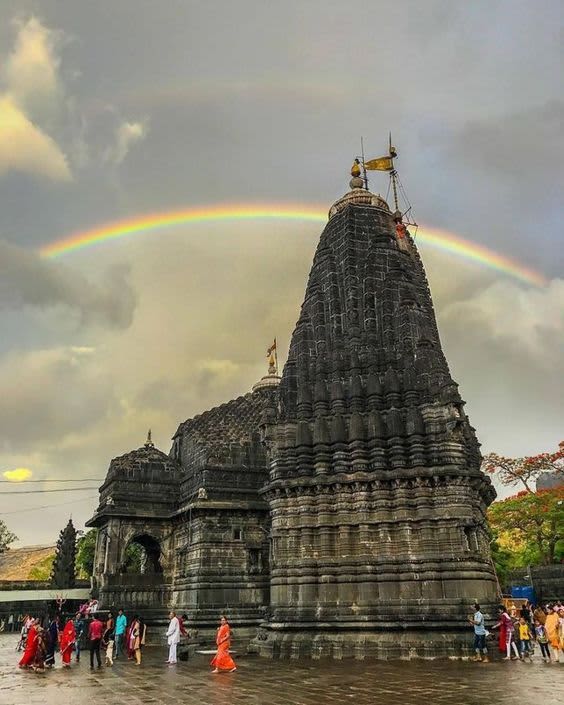
Nashik
→Nashik, situated on the banks of the holy Godavari River in Maharashtra, is one of India's most important pilgrimage cities and one of the four sacred venues for the Kumbh Mela, the world's largest human gathering. The city is famous for its ghats along the Godavari, the Panchavati area associated with the Ramayana, and the ancient cave temples of Pandavleni. Nashik also sits at the heart of India's most celebrated wine country, the Sula Vineyards and surrounding wine region, making it a uniquely dual destination that appeals to both pilgrims and modern lifestyle travelers.
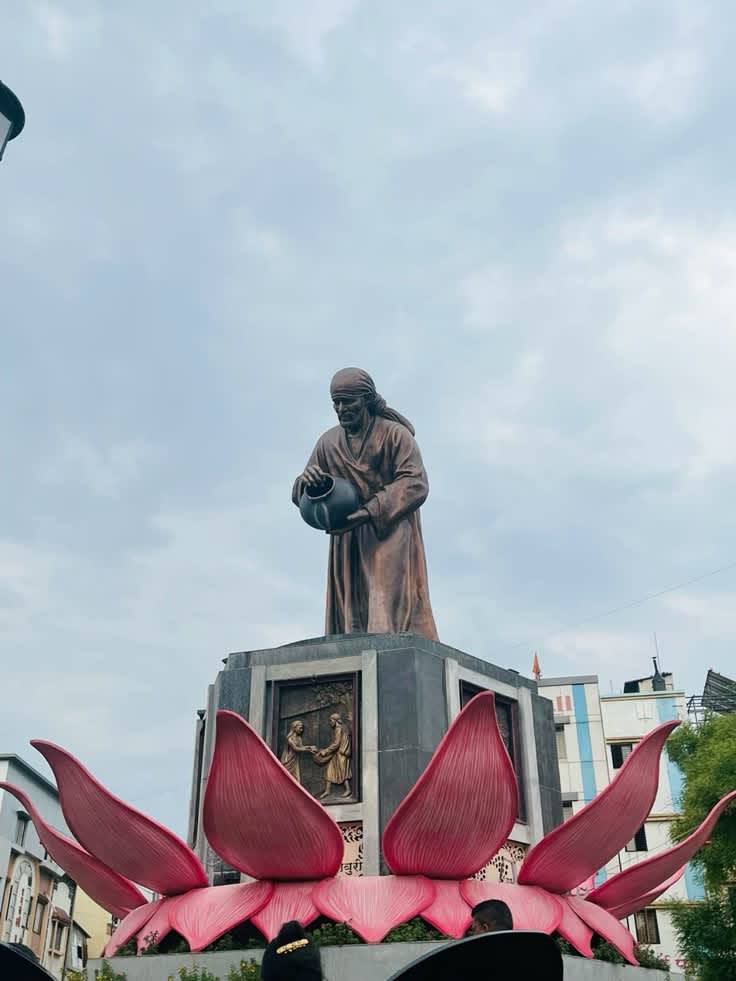
Shirdi
→Shirdi, a small town in Maharashtra's Ahmednagar district, is one of the most visited pilgrimage destinations in India — home to the Shri Sai Baba Samadhi Mandir, the shrine of the revered saint Sai Baba of Shirdi, who is worshipped by both Hindus and Muslims as a manifestation of God and whose teachings of love, forgiveness, and brotherhood continue to attract millions of devotees from across India and the world. The Samadhi Mandir housing the marble idol of Sai Baba, the Dwarkamai mosque where Sai Baba lived for much of his life, and the Chavadi where he slept on alternate nights are the three most sacred sites in the Shirdi complex, creating a deeply moving spiritual circuit for devotees of every faith.
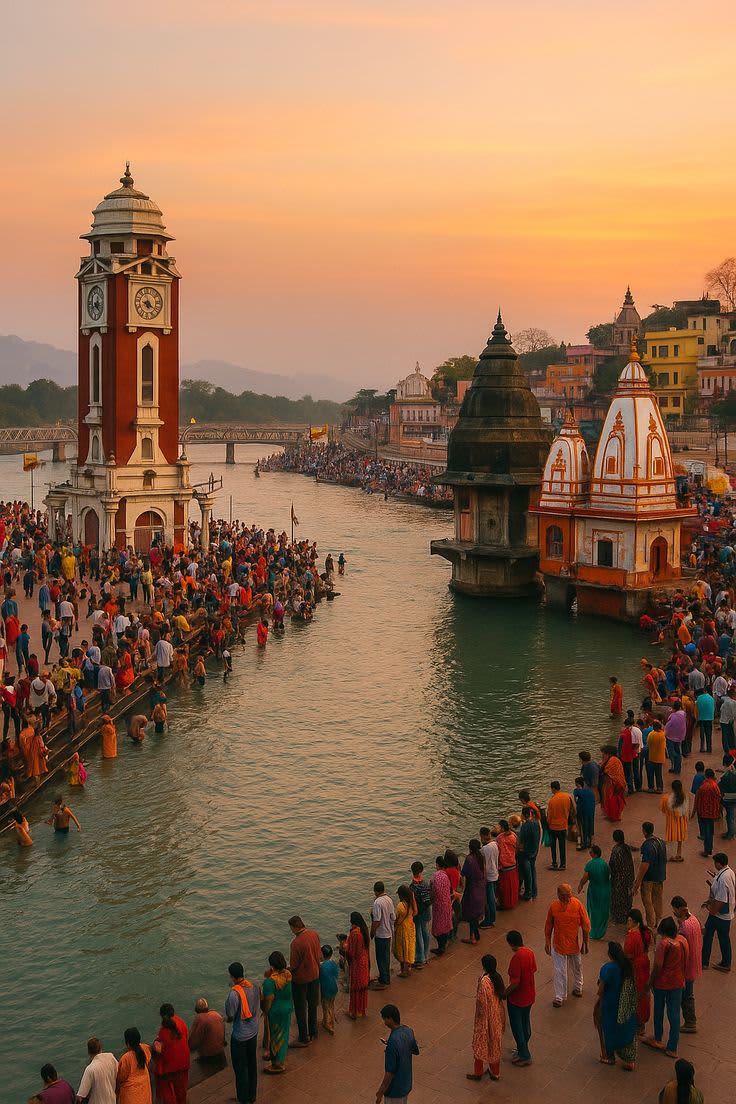
Haridwar
→The holy city of Haridwar translates to "Gateway to God," and this breathtaking destination, replete with ancient temples and sacred ghats, is a magnet for religious pilgrims from all over the globe. Religious festivals like Kumbh Mela and Kanwar Yatra hold further draw, and visitors can't help but be compelled by the city's aura of intense spirituality. Don't miss the iconic Har ki Pauri ghat and the hilltop Chandi Devi Temple.
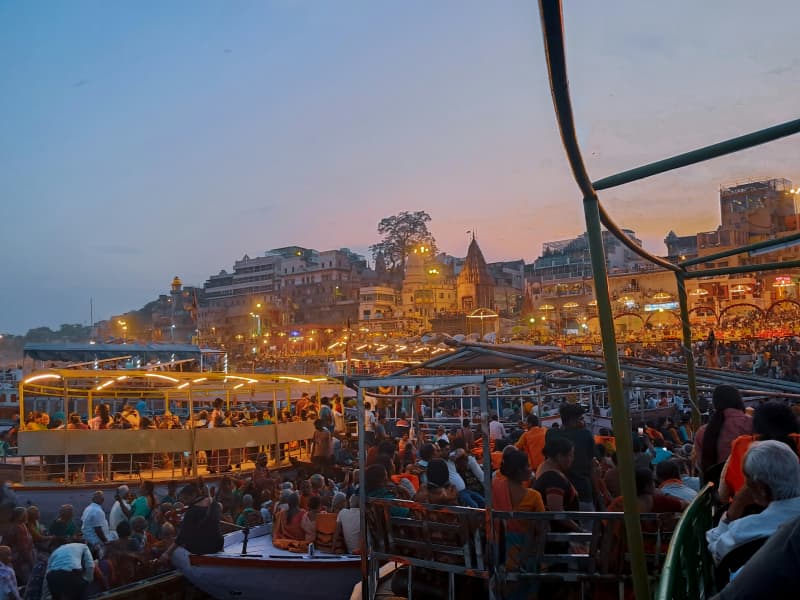
Varanasi
→Varanasi, one of the world's oldest continuously inhabited cities and Hinduism's most sacred destination, sits on the banks of the Ganges in Uttar Pradesh and is believed by Hindus to be the city where dying releases one from the cycle of rebirth. The ghats of Varanasi — 84 in all — are the spiritual heartbeat of India, where the faithful bathe at dawn, priests perform elaborate fire rituals, and funeral pyres burn perpetually at the Manikarnika Ghat. The ancient temples, the labyrinthine old city lanes, the evening Ganga Aarti ceremony, and the profound sense of mortality and transcendence make Varanasi the most spiritually intense city in India.
Prayagraj
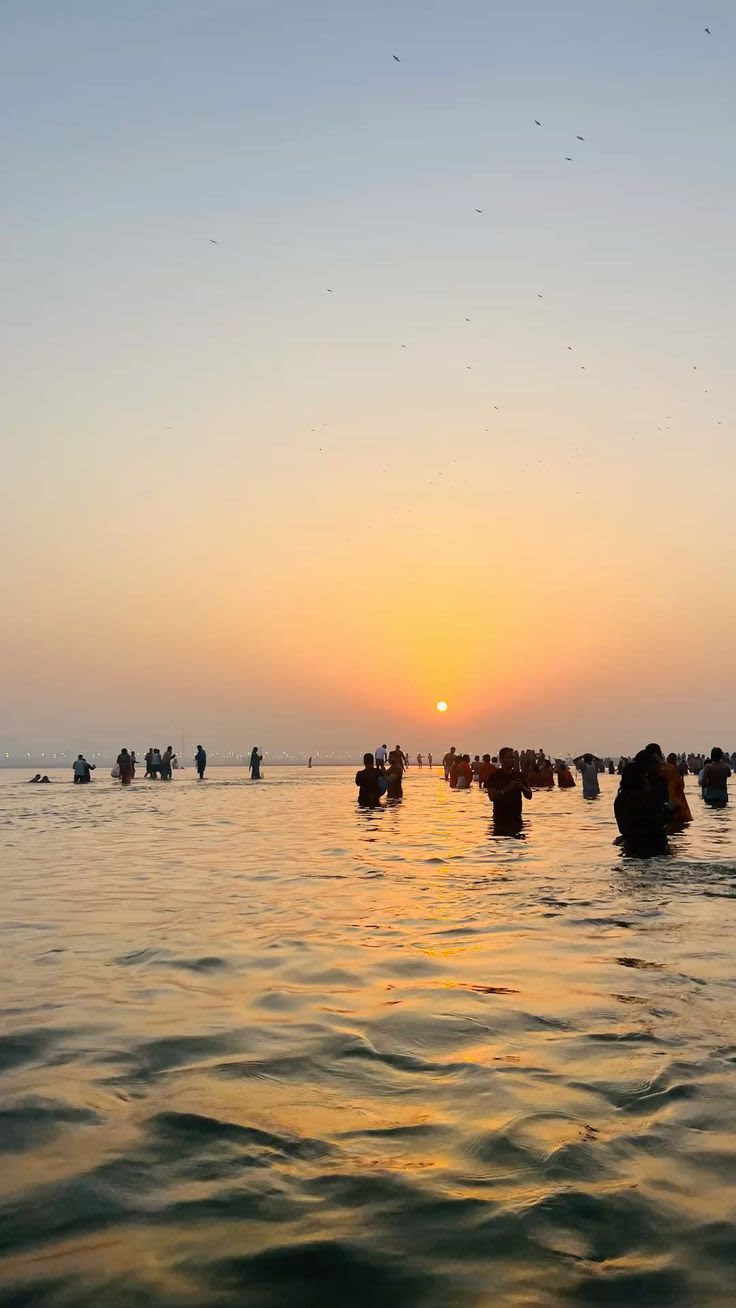
→Prayagraj, formerly known as Allahabad, is one of Hinduism's most sacred cities, situated at the Triveni Sangam — the holy confluence of the Ganges, Yamuna, and the mythical Saraswati rivers — a site of such spiritual significance that bathing here is believed to wash away all sins. Every 12 years, the Maha Kumbh Mela held at Prayagraj becomes the world's largest human gathering, drawing over 100 million pilgrims in a single season. The Kumbh Mela 2026 and 2036 promises to be a once-in-a-generation event. Beyond the ghats, the Allahabad Fort, the Anand Bhawan museum (former home of the Nehru-Gandhi family), and the beautiful Khusro Bagh make Prayagraj a city of great historical depth.

Ajanta Caves
→The Ajanta Caves, a UNESCO World Heritage Site in Maharashtra, comprise 30 rock-cut Buddhist cave monuments excavated between the 2nd century BCE and 480 CE containing the finest surviving examples of ancient Indian art — murals and sculptures of extraordinary refinement and beauty that depict the life of Buddha and Jataka tales with a naturalism and emotional depth that influenced Buddhist art across Asia. The paintings, preserved in remarkable condition within the caves' controlled environment, are considered among the greatest works of art in human history. Rediscovered by a British hunting party in 1819 after centuries of jungle overgrowth, Ajanta remains one of the most awe-inspiring artistic and archaeological treasures in India.
Ellora Caves
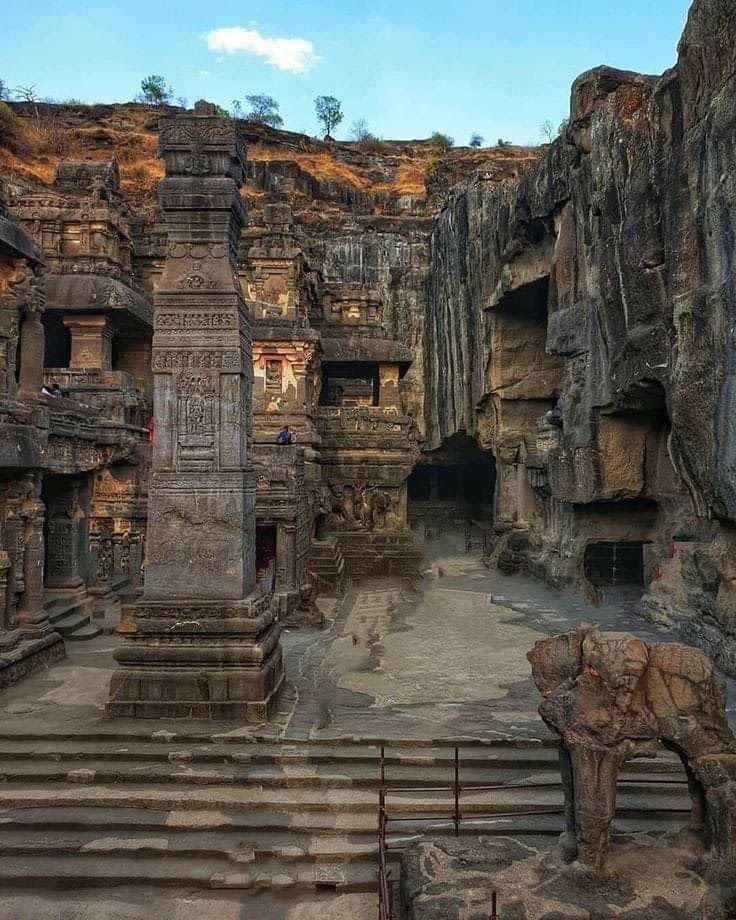
→Ellora, a UNESCO World Heritage Site in Maharashtra, is perhaps the greatest testament to India's tradition of religious tolerance and artistic ambition — a 2-kilometer stretch of cliff containing 34 remarkable rock-cut monasteries and temples representing Buddhism, Hinduism, and Jainism, created between the 6th and 11th centuries CE. The centerpiece is the awe-inspiring Kailasa Temple (Cave 16) — entirely carved out of a single basalt rock face from the top down in a feat of engineering that remains miraculous to this day, a monolithic reproduction of Mount Kailash dedicated to Shiva. The Buddhist viharas and chaityas, the towering Jain temples, and the dynamic Hindu sculptures of Shiva make Ellora a journey through the artistic genius of ancient India.
Mumbai
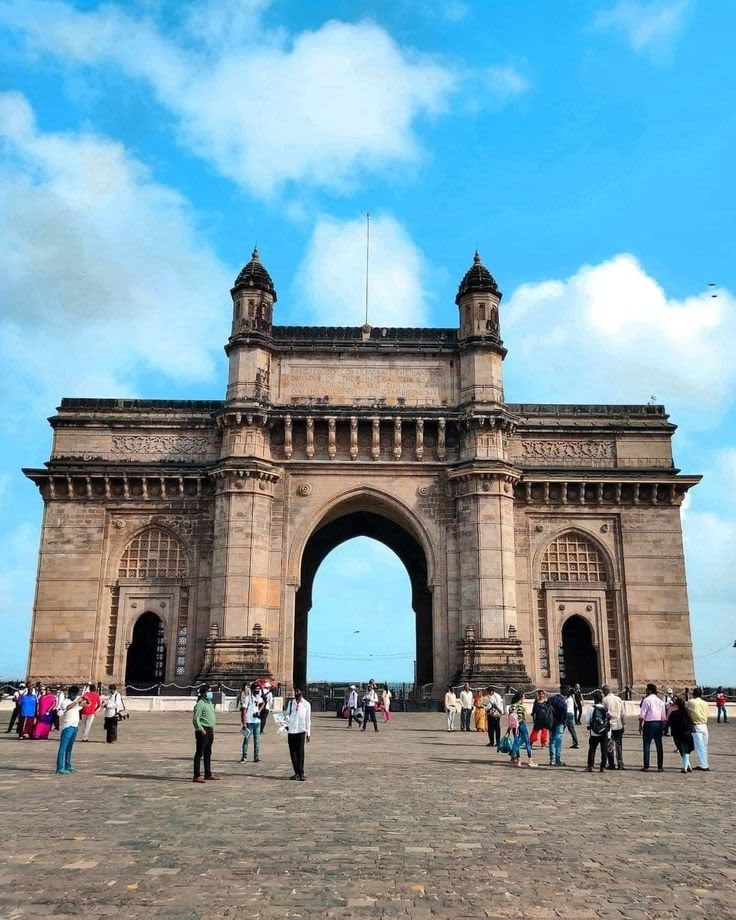
→Mumbai, India's Maximum City and financial capital, is a teeming, dynamic metropolis of 20 million people where Bollywood glamour, colonial grandeur, cutting-edge fashion, and ancient fishing villages all collide in an exhilarating urban tapestry unlike anywhere else on earth. The iconic Gateway of India overlooking the Arabian Sea, the UNESCO-listed Chhatrapati Shivaji Maharaj Terminus railway station, and the elegant promenade of Marine Drive are symbols of Mumbai's unique civic pride. From the street food heaven of Mohammed Ali Road and Juhu Beach to the art deco architecture of Oval Maidan and the vibrant gallery scene of Colaba, Mumbai is a city that rewards every type of curious traveler.
Mahabaleshwar
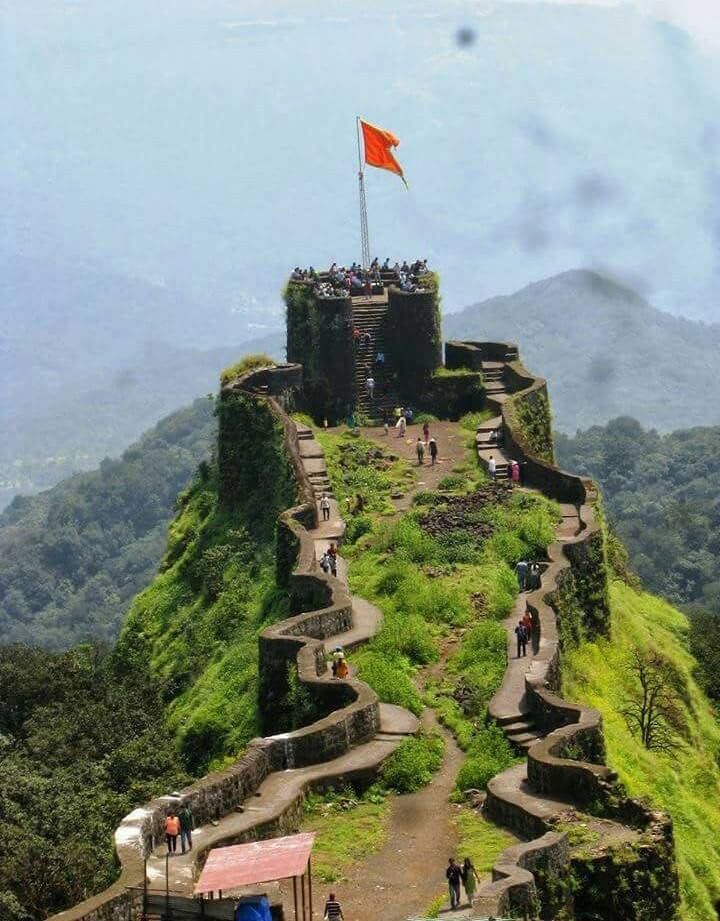
→Mahabaleshwar, at 1,353 meters in the Sahyadri Hills of Maharashtra, is the state's most popular hill station and the summer capital of the Bombay Presidency during British times, renowned for its spectacular valley viewpoints, lush strawberry farms, and the panoramic Wilson Point from which the sunrise over the Western Ghats is one of Maharashtra's most beautiful sights. The Arthur's Seat viewpoint, known as the Queen of all Points, the sacred Krishnabai Temple at the source of the Krishna River, and the old colonial town of Old Mahabaleshwar with its charming 16th-century stone church add historical depth to the scenic beauty. Fresh strawberries, cream, and the local chikki candy make Mahabaleshwar's food as memorable as its views.
Lonavala
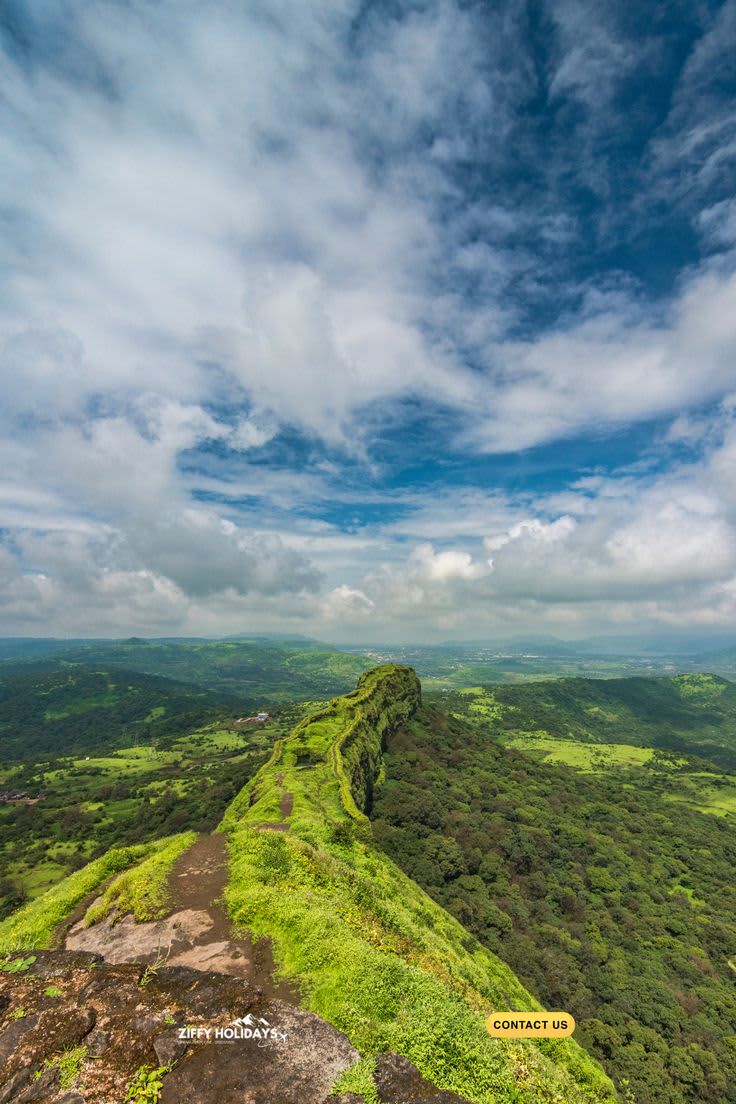
→Lonavala, a popular hill station in Maharashtra's Sahyadri range midway between Mumbai and Pune, is famous across Maharashtra for two things above all else: its spectacular monsoon waterfalls and the irresistible sticky chikki candy made from jaggery and nuts that is synonymous with the town. The Bhushi Dam, Kune Falls, and the dramatic Rajmachi Fort trek are the most beloved attractions, while the mysterious Karla and Bhaja rock-cut Buddhist caves dating back to the 2nd century BCE add surprising historical depth to what might otherwise be seen as a weekend getaway destination. Lonavala's proximity to Mumbai and Pune makes it perpetually popular, but its natural beauty rewards every visit.