Best places to visit in Shirdi
Best places to visit in Shirdi
Shirdi, a small town in Maharashtra's Ahmednagar district, is one of the most visited pilgrimage destinations in India — home to the Shri Sai Baba Samadhi Mandir, the shrine of the revered saint Sai Baba of Shirdi, who is worshipped by both Hindus and Muslims as a manifestation of God and whose teachings of love, forgiveness, and brotherhood continue to attract millions of devotees from across India and the world. The Samadhi Mandir housing the marble idol of Sai Baba, the Dwarkamai mosque where Sai Baba lived for much of his life, and the Chavadi where he slept on alternate nights are the three most sacred sites in the Shirdi complex, creating a deeply moving spiritual circuit for devotees of every faith.

Shri Sai Baba Sansthan Temple
→Shirdi Sai Baba Temple is one of India's most visited pilgrimage destinations — the sacred samadhi and temple complex of the revered 19th-century saint Sai Baba, attracting over 25,000 devotees daily from all religions. The marble samadhi mandir, built in 1922, is Shirdi's spiritual centrepiece. A top Shirdi sightseeing and pilgrimage destination for Hindus, Muslims, and followers of all faiths. Free entry; online darshan booking is strongly recommended. Most crowded on Thursdays and during festival periods.
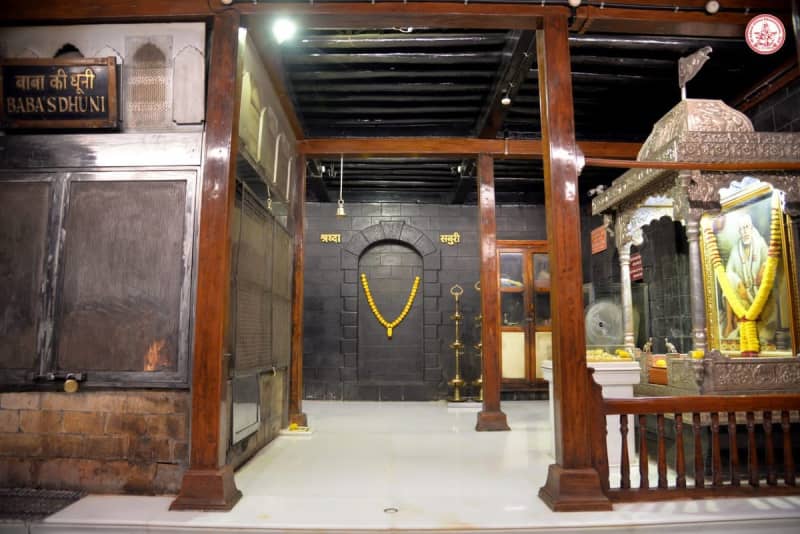
Dwarkamai
→Dwarkamai is the most sacred site in Shirdi — the ancient mosque where Sai Baba lived, meditated, and performed miracles for over 60 years until his 1918 samadhi. The eternal dhuni (sacred fire) Baba himself lit continues to burn here. Housing his original grinding stone, portrait, and padukas, it is the most intimate Shirdi sightseeing experience. Free entry; located steps from the main Sai Baba Temple. Most atmospheric in the early morning hours before the day's crowds arrive.
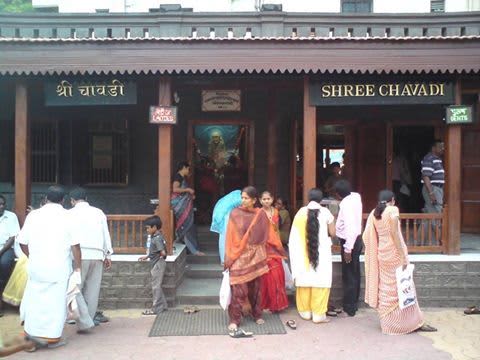
Chavadi
→Chavadi is one of Shirdi's most historically significant sites — the village hall where Sai Baba slept on alternate nights throughout his life. The ceremonial Palki procession from Dwarkamai to Chavadi, enacted every Thursday evening exactly as during Baba's lifetime, is one of Shirdi's most atmospheric and moving pilgrimage experiences. Free entry; the Thursday Palki is unmissable for serious devotees. Located within easy walking distance of the main Sai Baba Temple complex.
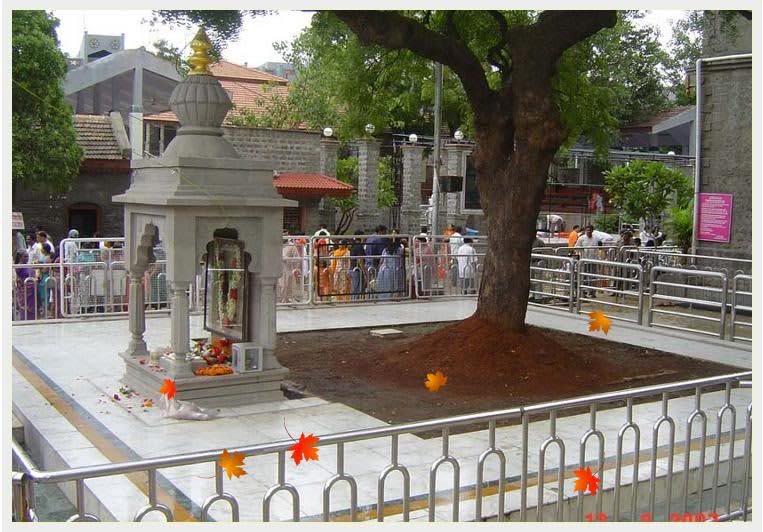
Gurusthan
→Gurusthan is Shirdi's most ancient spiritual site — a small roadside shrine beneath a neem tree marking the spot where young Sai Baba was first discovered as a sixteen-year-old in deep meditation. The original neem tree and the stone on which Baba sat are preserved here and venerated by millions. A top Shirdi pilgrimage and sightseeing destination. Free entry; located near the main temple complex. Predating all other Shirdi shrines, Gurusthan holds a quiet, foundational significance for devoted pilgrims.
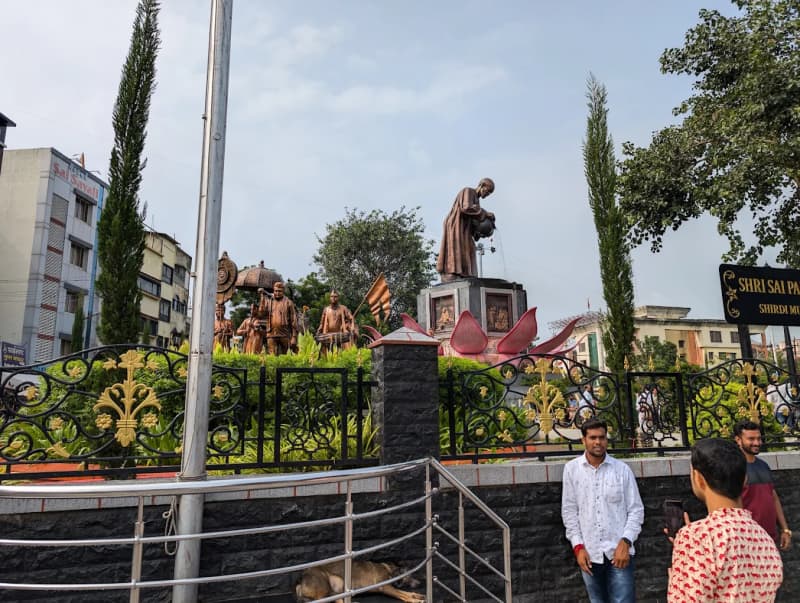
Lendi Baug
→Lendi Baug is Shirdi's most serene heritage garden — a peaceful garden cultivated personally by Sai Baba during his lifetime, where he planted a neem tree and dug a deep well (lendi) for ritual ablutions. The garden preserves Baba's original hand-dug water channel, his lamp stand (deepgriha), and several trees tended by Baba himself. A top Shirdi pilgrimage and sightseeing destination. Modest entry fee; most peaceful in the early morning before the day's pilgrims arrive.