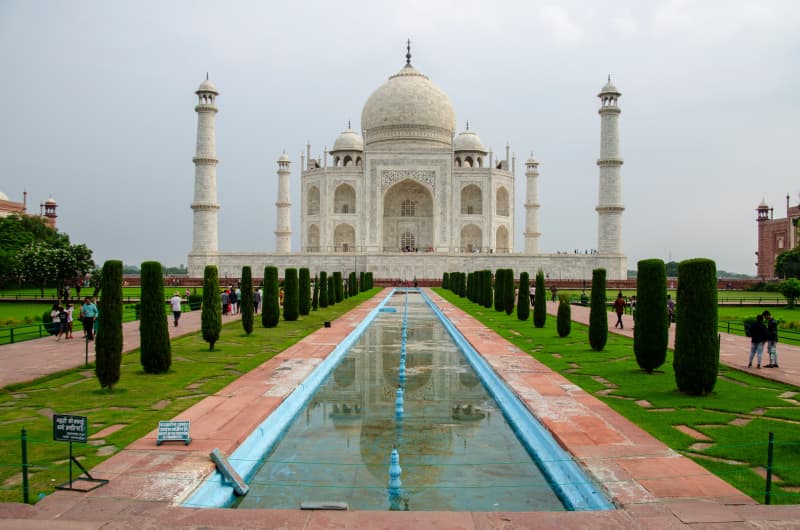
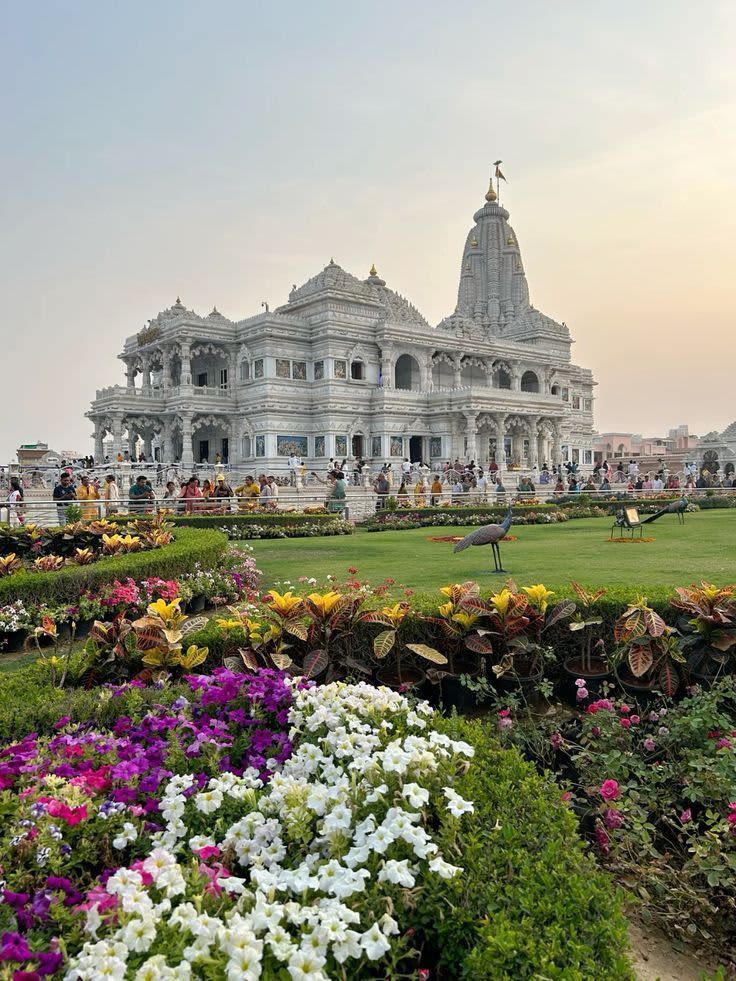
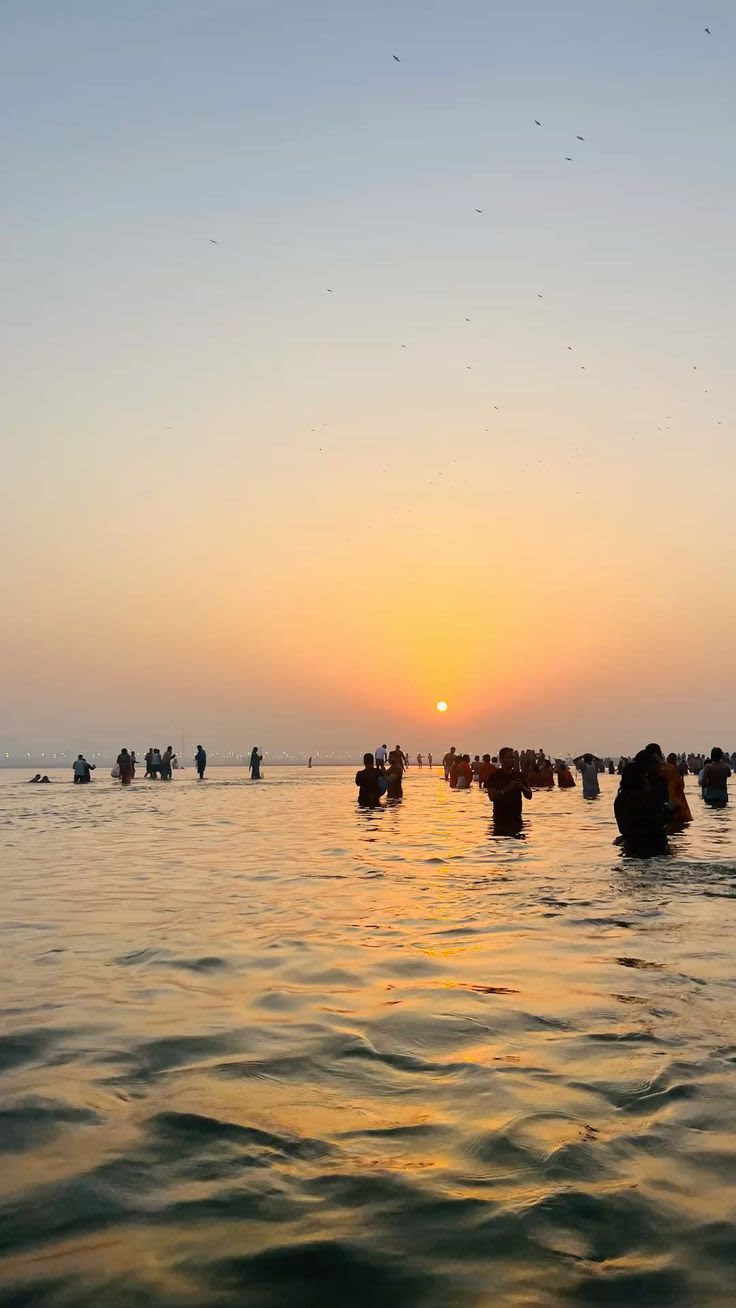
Prayagraj, formerly known as Allahabad, is one of Hinduism's most sacred cities, situated at the Triveni Sangam — the holy confluence of the Ganges, Yamuna, and the mythical Saraswati rivers — a site...
Prayagraj
City of Sangam
Uttar Pradesh, India
4.6
Triveni SangamKumbh MelaAllahabad Fort
spiritual
Duration: 2–3 Days
Budget/day: ₹1,000 – ₹3,500
Best season: Oct – Mar
Altitude: 98 m
Nearest airport: Bamrauli Airport, Prayagraj (15 km)
Nearest railway: Prayagraj Junction (city centre)
Best places to visit in Prayagraj


Things to do in Prayagraj
- No photoSpiritualView full guide
1.5–2 hours
Triveni Sangam Boat Ride and Holy Dip
Take a rowboat to the Sangam — the sacred confluence of the Ganga, Yamuna, and the mythical underground Saraswati river — and take a ritual dip in what Hindus consider the holiest bathing point on earth. The sight of two distinctly coloured rivers merging is visible from the boat and is one of India's most iconic natural phenomena.
- No photoHeritage / HistoricalView full guide
2–3 hours
Allahabad Fort Visit
The Allahabad Fort built by Akbar in 1583 is one of the largest Mughal forts in India, strategically positioned at the Sangam confluence. While most of the fort is still under military jurisdiction, the Ashoka Pillar, Saraswati Koop well, and Undying Tree within the public section are extraordinary historical treasures.
- No photoHeritage / LeisureView full guide
1.5–2 hours
Khusro Bagh Garden Visit
The Khusro Bagh is a magnificent Mughal garden complex housing the beautifully ornate sandstone tombs of Shah Begum (Jahangir's wife), Prince Khusrau, and his sister Nithar. The gardens are peaceful, the architecture is remarkable, and this is one of Prayagraj's most underrated heritage attractions.
Best Time to Visit and Weather Info
Best time: October to March
Summer (April–June) is brutally hot — 45°C+. Kumbh Mela (every 12 years) and Magh Mela (every January) are the most significant periods.
Winter
Best Time ⭐Oct – Mar
8°C – 28°C
The most comfortable time for pilgrimage and sightseeing. The Magh Mela (January) draws millions to the Sangam. Kumbh Mela occurs every 12 years (next: 2026).
- Magh Mela (January–February) is the annual sacred bathing festival at Sangam
- Boat rides at Sangam at sunrise are serene and unforgettable
Summer
Very Hot 🔴Apr – Jun
30°C – 47°C
Extremely hot and dry. The Gangetic plains heat is intense and outdoor exploration is very uncomfortable.
- Avoid outdoor sightseeing between 10 AM and 5 PM
- Indoor museums are good alternatives
Monsoon
Avoid 🔴Jul – Sep
28°C – 38°C
Heavy rains, river flooding at Sangam, and high humidity. Ganga and Yamuna levels rise significantly.
- Sangam area may flood
- Avoid riverbank areas
How to Reach
✈️By Air
Airport: Bamrauli Airport (Prayagraj Airport) (15 km from city centre)
Duration: ~30 mins by cab
Direct flights from Delhi, Mumbai, and Bengaluru. Upgraded for Kumbh Mela 2026.
Taxi: ₹400 – ₹700
Airlines: IndiGo, Air India, SpiceJet
🚂By Train
Station: Prayagraj Junction (main) or Prayagraj Rambagh / Naini
Excellent rail connectivity from Delhi, Mumbai, Varanasi, Lucknow. Prayagraj Junction is the main hub.
- Prayagraj Express — Delhi (Hazrat Nizamuddin) (~8 hrs)
- Duronto Express — Mumbai (~22 hrs)
🚌By Road
NH-2 (Delhi-Kolkata) passes through Prayagraj. UPSRTC buses and private coaches from Lucknow, Varanasi, and Agra.
- Lucknow: 200 km, 4 hrs via NH-27
- Varanasi: 125 km, 2.5 hrs via NH-2
- Agra: 388 km, 7 hrs via Yamuna Expressway – Etawah
- Delhi: 640 km, 10–12 hrs via NH-2 via Agra
Itineraries
Local Food
Prayagraj (Allahabad) has a rich food culture shaped by its position as a seat of UP's intellectual and political elite — famous for its unique chaat, sweets, and Mughal-influenced snacks.
Tehri
Spiced yellow rice cooked with vegetables and ghee — an Allahabadi one-pot meal, distinct from biryani.
Where: Local dhabas near Civil Lines
₹80 – ₹150
Aloo ki Subzi with Kachori
Crispy deep-fried lentil pastry with a spicy potato curry — Prayagraj's most popular breakfast.
Where: Kachori stalls near Chowk and Civil Lines
₹40 – ₹80
Chaat (Allahabadi Style)
Prayagraj's chaat is unique — particularly the 'Tamatar Chaat' (tomato-based) and aloo tikki with yogurt.
Where: EL Chowk; Kulfiana Chowk area
₹40 – ₹100
Shahi Tukda
Bread fried in ghee, soaked in sugar syrup and topped with rabdi — a Mughal-era dessert beloved in UP.
Where: Sweet shops in Civil Lines
₹80 – ₹150
Baati Chokha
Hard wheat balls roasted over fire, served with roasted eggplant and tomato mash — rustic UP village food.
Where: Dhabas near Sangam road
₹120 – ₹200
Allahabadi Amrood (Guava)
Prayagraj's Amrood (guava) is world-famous — large, crisp, mildly sweet. In season November–January.
Where: Fruit markets across the city
₹30 – ₹80 per kg
Civil Lines area has Prayagraj's best restaurants and cafés. The old city (Chowk area) is the best for street food and heritage eateries.
FAQs
- Prayagraj is famous for the Sangam (confluence of Ganga, Yamuna, and the mythical Saraswati), Kumbh Mela (world's largest religious gathering), Anand Bhavan (Nehru family home), Allahabad Fort, Khusro Bagh, and being India's 'City of Prime Ministers'.
Best Places Similar
Varanasi
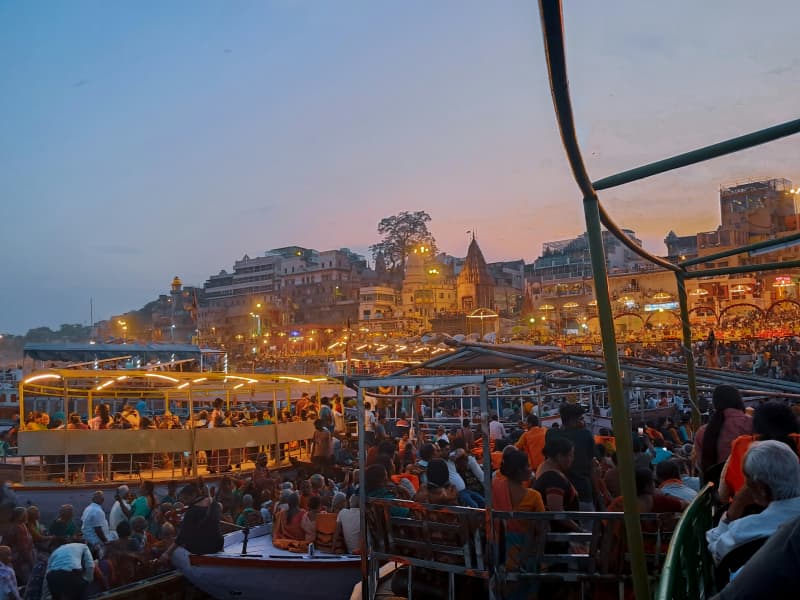
Varanasi, one of the world's oldest continuously inhabited cities and Hinduism's most sacred destination, sits on the banks of the Ganges in Uttar Pradesh and is believed by Hindus to be the city where dying releases one from the cycle of rebirth. The ghats of Varanasi — 84 in all — are the spiritual heartbeat of India, where the faithful bathe at dawn, priests perform elaborate fire rituals, and funeral pyres burn perpetually at the Manikarnika Ghat. The ancient temples, the labyrinthine old city lanes, the evening Ganga Aarti ceremony, and the profound sense of mortality and transcendence make Varanasi the most spiritually intense city in India.
Haridwar
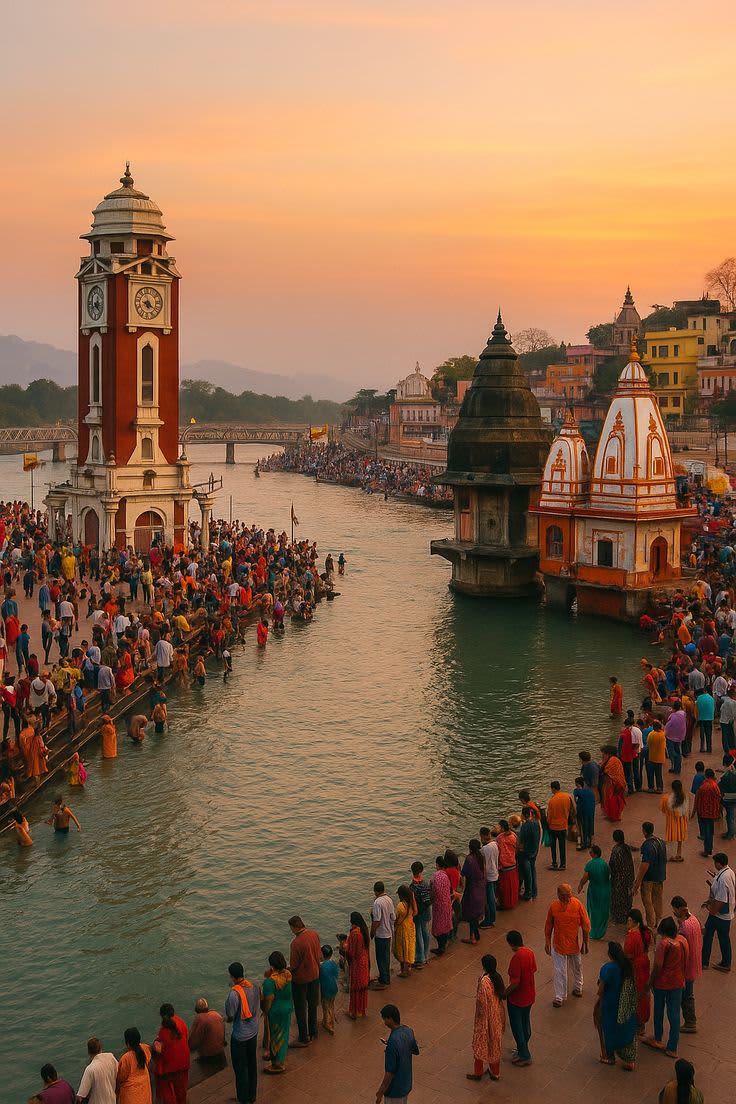
The holy city of Haridwar translates to "Gateway to God," and this breathtaking destination, replete with ancient temples and sacred ghats, is a magnet for religious pilgrims from all over the globe. Religious festivals like Kumbh Mela and Kanwar Yatra hold further draw, and visitors can't help but be compelled by the city's aura of intense spirituality. Don't miss the iconic Har ki Pauri ghat and the hilltop Chandi Devi Temple.
Ayodhya
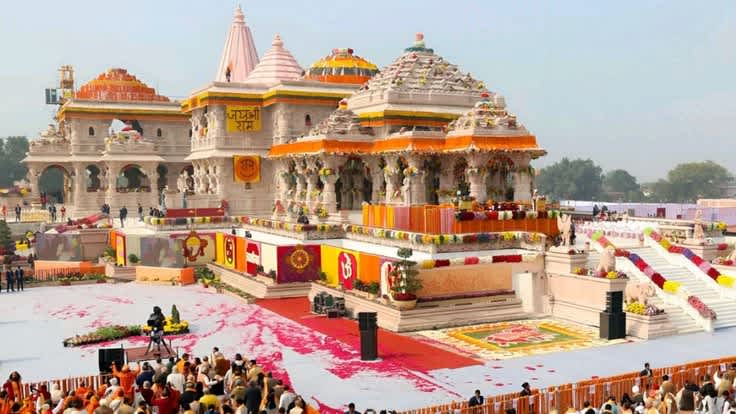
Ayodhya, situated on the banks of the Sarayu River in Uttar Pradesh, is one of the seven sacred cities (Sapta Puri) of Hinduism and the legendary birthplace of Lord Rama — one of the most revered deities in the Hindu faith. The newly constructed Ram Mandir at the Ram Janmabhoomi site has transformed Ayodhya into one of India's most visited and rapidly developing pilgrimage destinations. The city's ancient ghats, the Kanak Bhawan temple, the Hanuman Garhi shrine, and the magical experience of the evening aarti on the Sarayu make Ayodhya a profoundly spiritual destination with deep historical and cultural significance.
Nearby destinations
Varanasi
114 km · Varanasi, one of the world's oldest continuously inhabited cities and Hinduism's most sacred destination, sits on the banks of the Ganges in Uttar Pradesh and is believed by Hindus to be the city where dying releases one from the cycle of rebirth. The ghats of Varanasi — 84 in all — are the spiritual heartbeat of India, where the faithful bathe at dawn, priests perform elaborate fire rituals, and funeral pyres burn perpetually at the Manikarnika Ghat. The ancient temples, the labyrinthine old city lanes, the evening Ganga Aarti ceremony, and the profound sense of mortality and transcendence make Varanasi the most spiritually intense city in India.
Ayodhya
155 km · Ayodhya, situated on the banks of the Sarayu River in Uttar Pradesh, is one of the seven sacred cities (Sapta Puri) of Hinduism and the legendary birthplace of Lord Rama — one of the most revered deities in the Hindu faith. The newly constructed Ram Mandir at the Ram Janmabhoomi site has transformed Ayodhya into one of India's most visited and rapidly developing pilgrimage destinations. The city's ancient ghats, the Kanak Bhawan temple, the Hanuman Garhi shrine, and the magical experience of the evening aarti on the Sarayu make Ayodhya a profoundly spiritual destination with deep historical and cultural significance.

Lucknow
181 km · Lucknow, the capital of Uttar Pradesh and the City of Nawabs, is a magnificent and cultured city renowned across India for its exquisite Nawabi-era architecture, the refined Urdu spoken in its bazaars, the legendary tehzeeb (etiquette) of its people, and some of the finest cuisine India has to offer. The Bara Imambara complex with its mesmerizing Bhool Bhulaiya labyrinth, the elegant Residency ruins from the 1857 uprising, and the Rumi Darwaza modeled on a Lucknow gateway in Turkey are architectural landmarks of great distinction. The Hazratganj promenade, the kebab trail on Tunday Kababi street, and the chikankari embroidery bazaars make Lucknow one of India's most pleasurably civilized cities to explore.