Things to do in Prayagraj
Things to do in Prayagraj
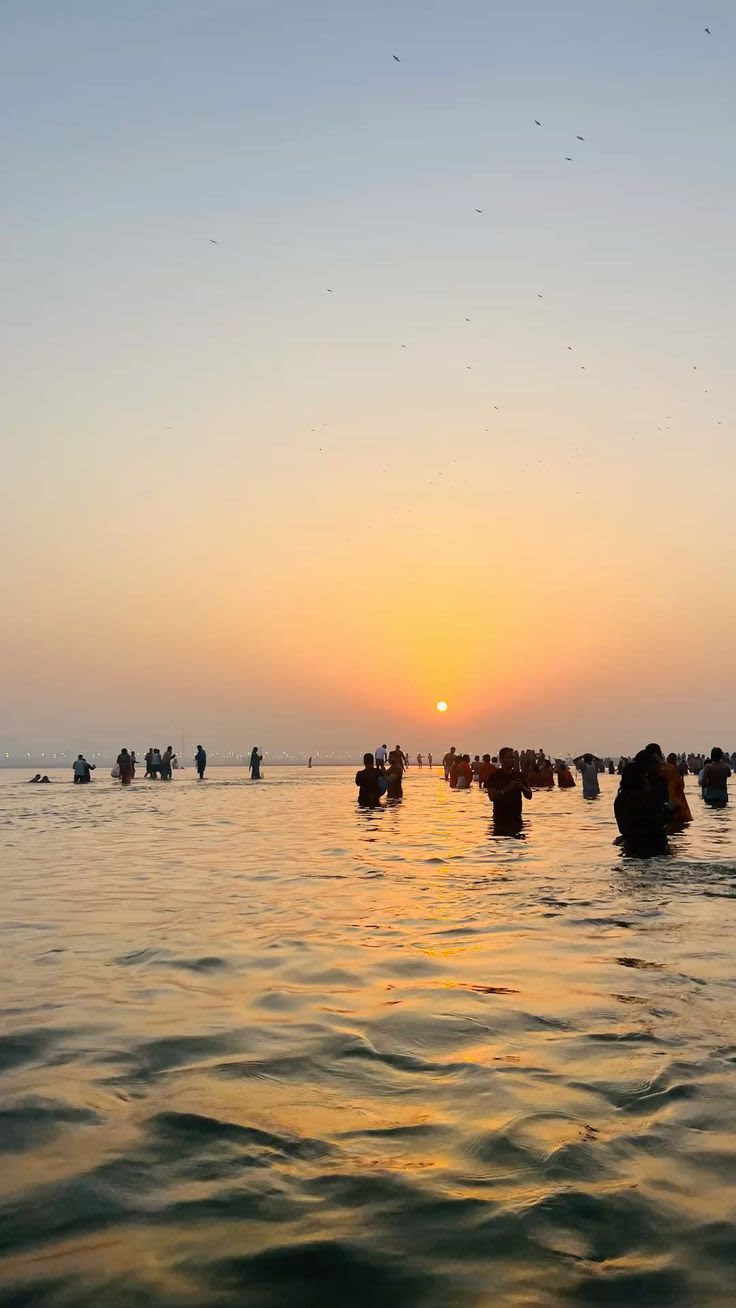
Prayagraj, formerly known as Allahabad, is one of Hinduism's most sacred cities, situated at the Triveni Sangam — the holy confluence of the Ganges, Yamuna, and the mythical Saraswati rivers — a site of such spiritual significance that bathing here is believed to wash away all sins. Every 12 years, the Maha Kumbh Mela held at Prayagraj becomes the world's largest human gathering, drawing over 100 million pilgrims in a single season. The Kumbh Mela 2026 and 2036 promises to be a once-in-a-generation event. Beyond the ghats, the Allahabad Fort, the Anand Bhawan museum (former home of the Nehru-Gandhi family), and the beautiful Khusro Bagh make Prayagraj a city of great historical depth.
- No photoSpiritualView full guide
1.5–2 hours
Triveni Sangam Boat Ride and Holy Dip
Take a rowboat to the Sangam — the sacred confluence of the Ganga, Yamuna, and the mythical underground Saraswati river — and take a ritual dip in what Hindus consider the holiest bathing point on earth. The sight of two distinctly coloured rivers merging is visible from the boat and is one of India's most iconic natural phenomena.
- No photoHeritage / HistoricalView full guide
2–3 hours
Allahabad Fort Visit
The Allahabad Fort built by Akbar in 1583 is one of the largest Mughal forts in India, strategically positioned at the Sangam confluence. While most of the fort is still under military jurisdiction, the Ashoka Pillar, Saraswati Koop well, and Undying Tree within the public section are extraordinary historical treasures.
- No photoHeritage / LeisureView full guide
1.5–2 hours
Khusro Bagh Garden Visit
The Khusro Bagh is a magnificent Mughal garden complex housing the beautifully ornate sandstone tombs of Shah Begum (Jahangir's wife), Prince Khusrau, and his sister Nithar. The gardens are peaceful, the architecture is remarkable, and this is one of Prayagraj's most underrated heritage attractions.
- No photoHeritage / HistoricalView full guide
1.5–2 hours
Anand Bhavan Museum
The ancestral home of the Nehru-Gandhi family has been converted into a fascinating museum tracing India's independence movement through personal effects, family photographs, correspondence, and period furnishings. It offers an intimate window into one of the 20th century's most consequential political families.
- No photoSpiritual / Cultural / FestivalView full guide
1 day to multiple days
Kumbh Mela Experience (when applicable)
Prayagraj hosts the Kumbh Mela — the world's largest human gathering — every 12 years (Maha Kumbh) and every 6 years (Ardh Kumbh), when tens of millions of pilgrims descend on the Sangam to bathe on auspicious dates. Even a day visit during this period is a once-in-a-lifetime human experience of staggering scale and devotion.