Places to visit near Pangong Lake
Places to visit near Pangong Lake
Pangong Lake, one of the world's highest brackish lakes at an altitude of 4,350 meters, stretches 134 kilometers across the India-China border in Ladakh and is famed for its dramatic color-shifting waters that transition from azure to turquoise to green and back in a single day. Made internationally famous by the Bollywood film '3 Idiots,' the lake's surreal reflection of surrounding snowcapped mountains makes it one of the most photographed landscapes in India. A sunrise or sunset at Pangong is an awe-inspiring, once-in-a-lifetime experience.
132 km
Leh
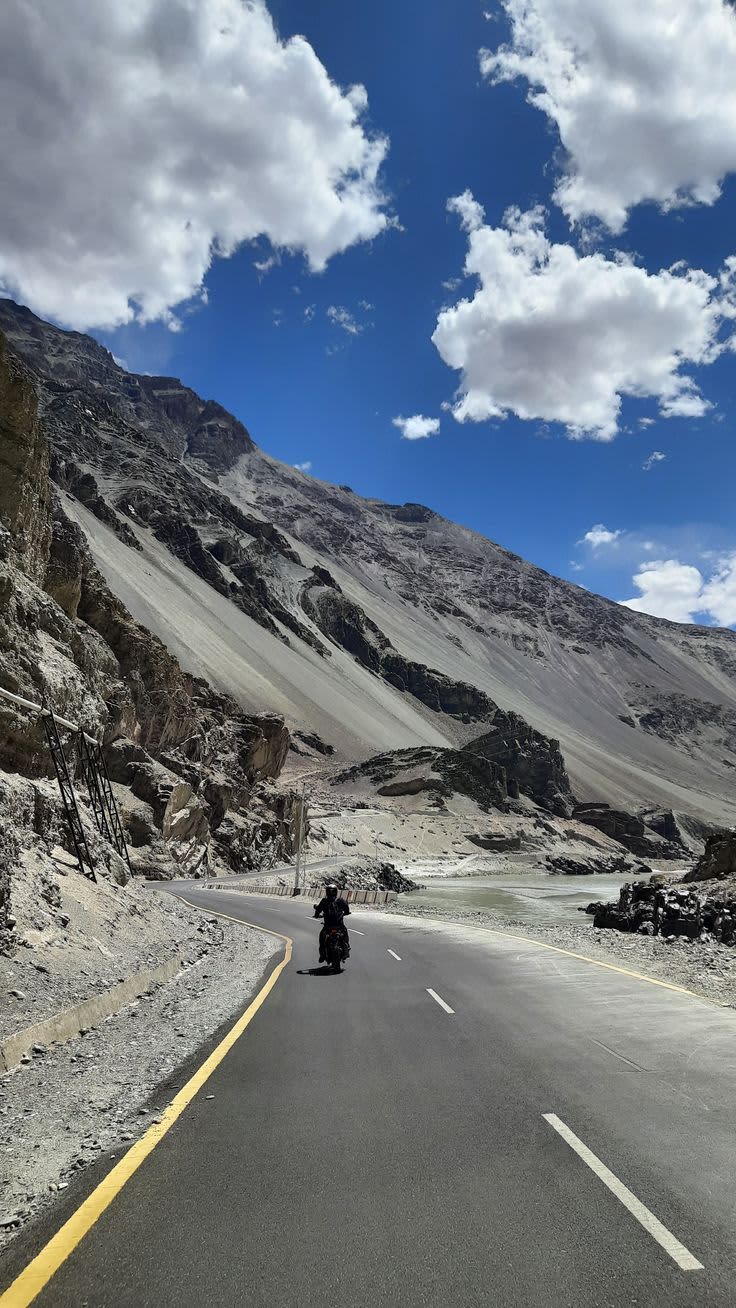
→Leh, the capital of the union territory of Ladakh at an altitude of 3,500 meters, is one of the most dramatic and culturally rich destinations in all of India, situated in a high-altitude desert valley flanked by the Karakoram and Himalayan ranges. The 9th-century Leh Palace overlooking the town, the fluttering prayer flags at Shanti Stupa, and the ancient monasteries of Hemis and Thiksey are landmarks that define this Buddhist heartland. Leh serves as the hub for epic road trips on the Manali-Leh and Srinagar-Leh highways and for organizing expeditions to Pangong Lake, Nubra Valley, and the Zanskar region.
132 km
Ladakh
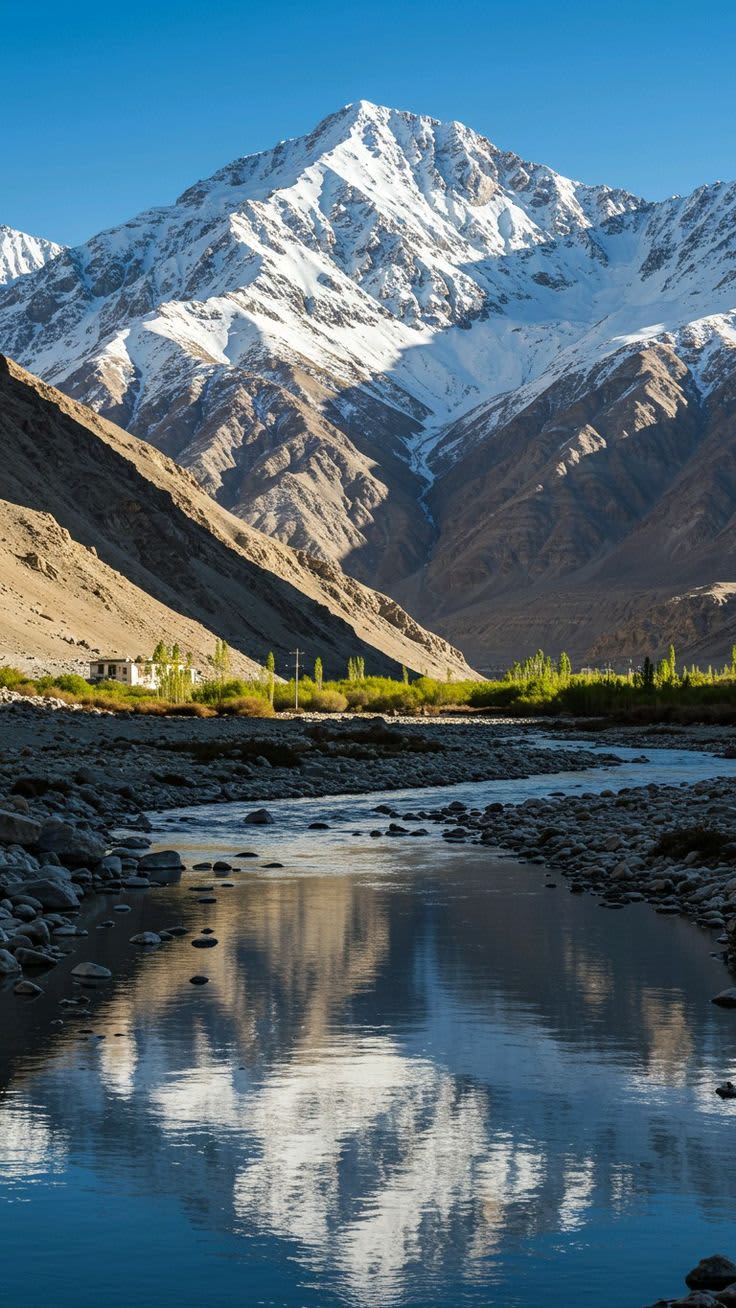
→Ladakh, the Land of High Passes, is India's largest, least populated, and perhaps most spectacular region — a high-altitude desert where ancient Buddhist culture thrives amid one of the world's most dramatic landscapes of barren mountains, glacial rivers, and impossibly blue skies. The region's legendary monasteries at Hemis, Thiksey, Lamayuru, and Alchi preserve centuries of Tibetan Buddhist art and learning, while the landscape hosts some of the planet's most ambitious adventure routes. From the azure waters of Pangong and Tso Moriri lakes to the frozen Chadar trek on the Zanskar River, Ladakh is a destination of superlatives that every traveler should experience.

156 km
Nubra Valley
→Nubra Valley, a high-altitude cold desert in northern Ladakh accessible via the exhilarating Khardung La Pass — one of the world's highest motorable roads — is a surreal landscape of sand dunes, apple orchards, and Buddhist monasteries flanked by towering Himalayan peaks. The sight of double-humped Bactrian camels against the backdrop of golden sand dunes at Hunder is one of the most iconic and unexpected images in the Indian Himalayas. The ancient Diskit Monastery with its giant Maitreya Buddha statue overlooking the valley is a deeply moving cultural highlight of any Ladakh itinerary.
181 km
Spiti Valley
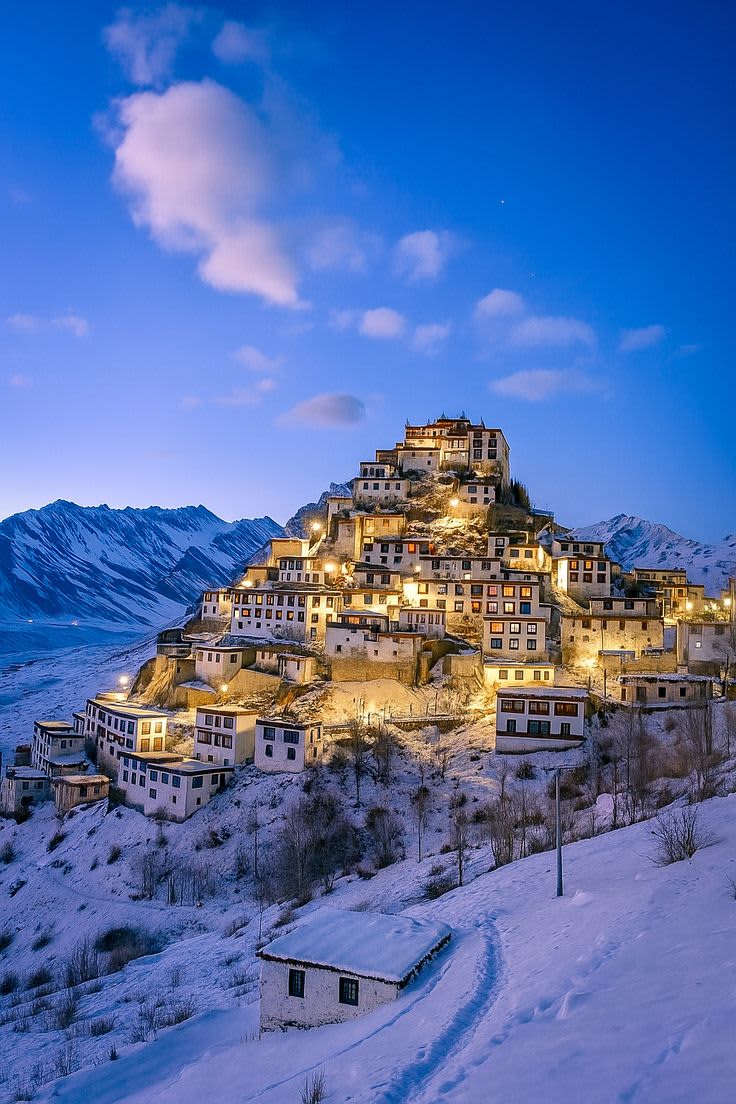
→Spiti Valley, a cold desert mountain valley in the trans-Himalayan region of Himachal Pradesh, is one of India's most remote and spectacular destinations. At an average altitude of 3,800 meters, the barren yet dramatic landscape of rugged peaks, ancient monasteries, and turquoise rivers feels otherworldly. The ancient Key Monastery, the tiny village of Kibber, the Chandratal Lake, and the iconic Kunzum Pass are highlights of this bucket-list destination accessible only a few months of the year due to heavy snowfall.
181 km
Lahaul Spiti
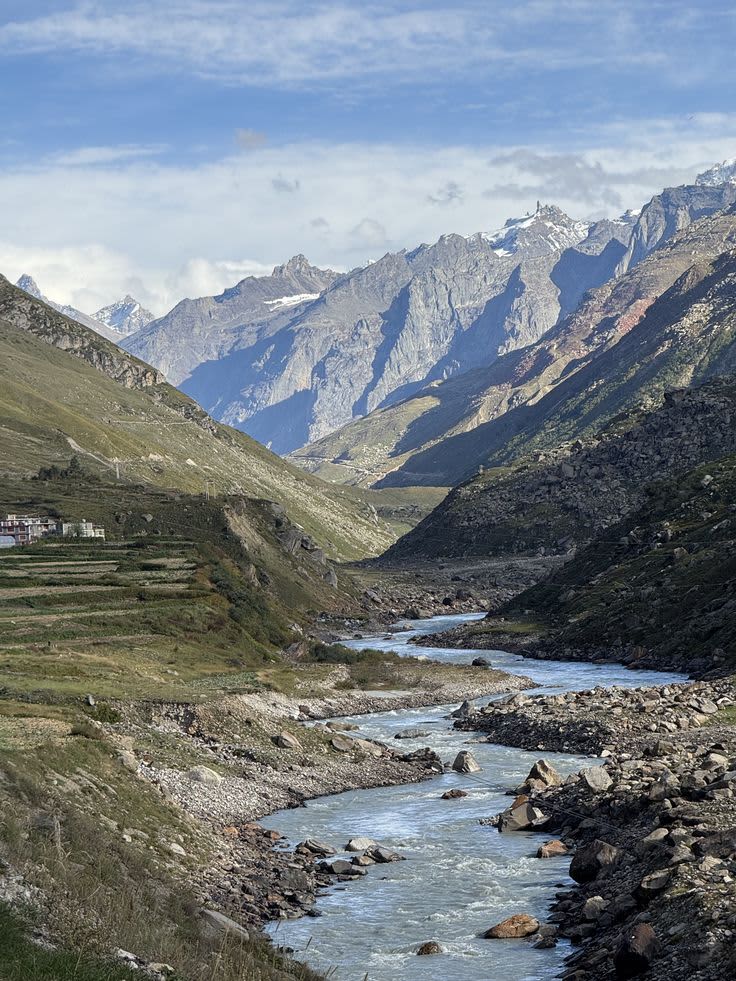
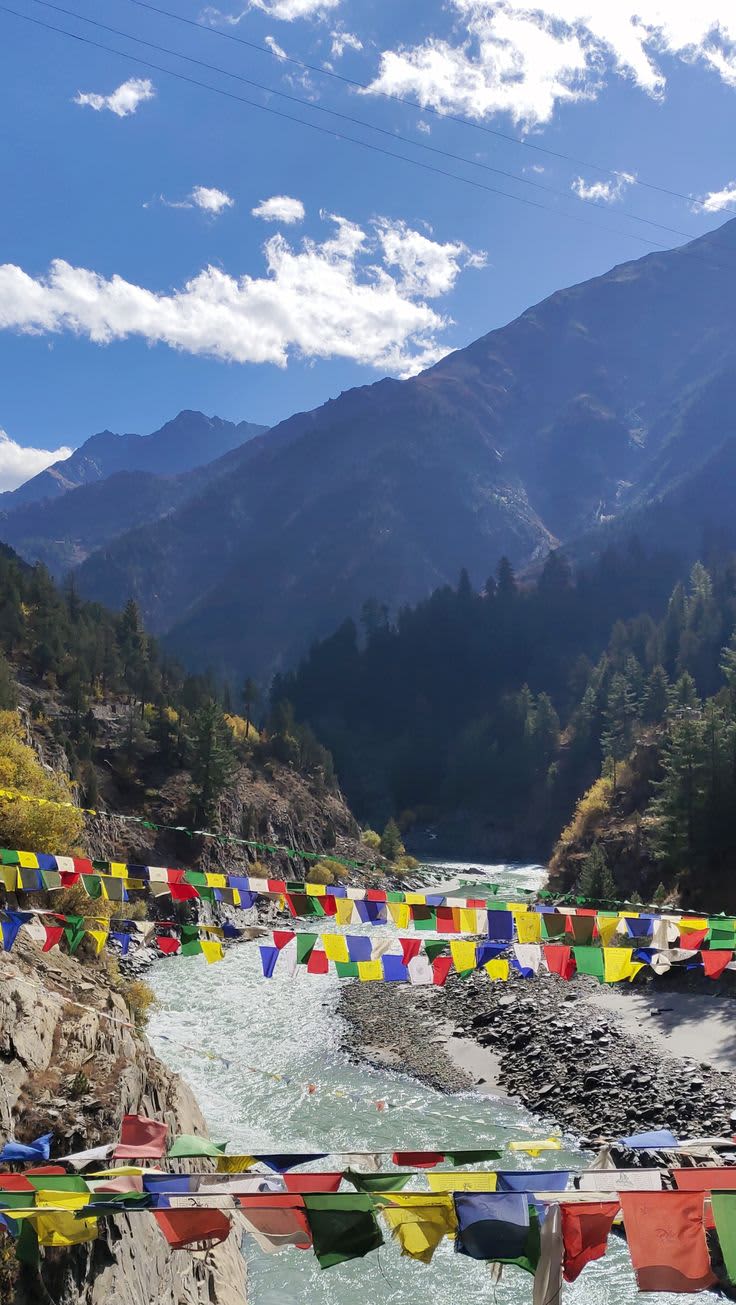
→Lahaul and Spiti, twin high-altitude districts in Himachal Pradesh, form one of India's most remote and mesmerizing frontier regions, connected to the outside world only by the Rohtang Pass and the Atal Tunnel. The stark, otherworldly landscape of barren mountains, deep gorges, and glacial rivers is punctuated by ancient monasteries, traditional Himalayan villages, and rich Buddhist heritage. Road trips through Lahaul-Spiti — past Kunzum Pass, Chandratal Lake, and Tabo Monastery — rank among India's most epic adventure journeys.
206 km
Lahaul
→Lahaul, the northern of the twin districts of Lahaul and Spiti in Himachal Pradesh, is a remote high-altitude valley carved by the Chandra and Bhaga rivers before they merge to form the Chandrabhaga (Chenab) River. Unlike the arid landscape of Spiti to the south, Lahaul has a slightly greener character with potato and pea fields at lower altitudes giving way to barren glacial terrain above. The historic Keylong town serves as the district headquarters, and the valley's ancient Tibetan Buddhist gompas, including the Kardang Monastery, and the dramatic road to the Baralacha La pass connecting to Ladakh make Lahaul a compelling destination for intrepid travelers.

227 km
Manali
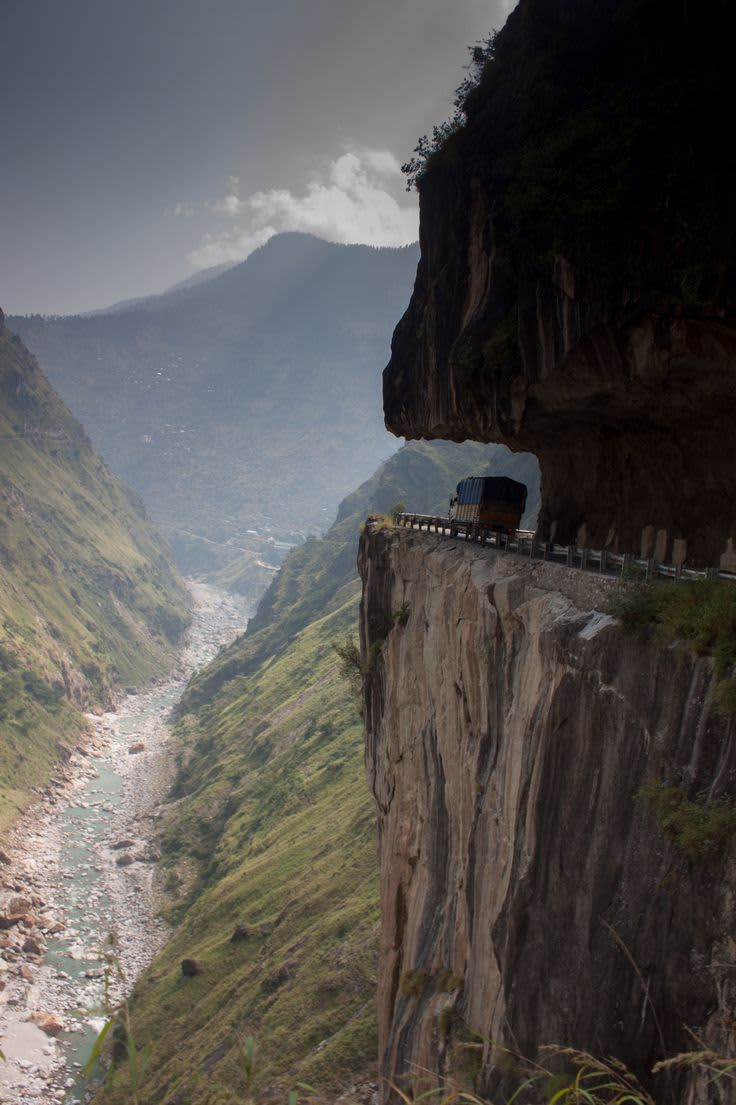
→Manali, situated at 2,050 meters in the Kullu Valley of Himachal Pradesh, is India's adventure capital and a year-round magnet for travelers seeking snow, thrills, and Himalayan beauty. In winter, the slopes of Solang Valley and Rohtang Pass transform into a snowy playground for skiing and snowboarding, while summer brings trekkers, paragliders, and mountaineers. The ancient Hadimba Devi Temple, the hippie haven of Old Manali, and the dramatic Rohtang Pass make this high-altitude town an unparalleled destination in the Indian Himalayas.
244 km
Kinnaur Valley
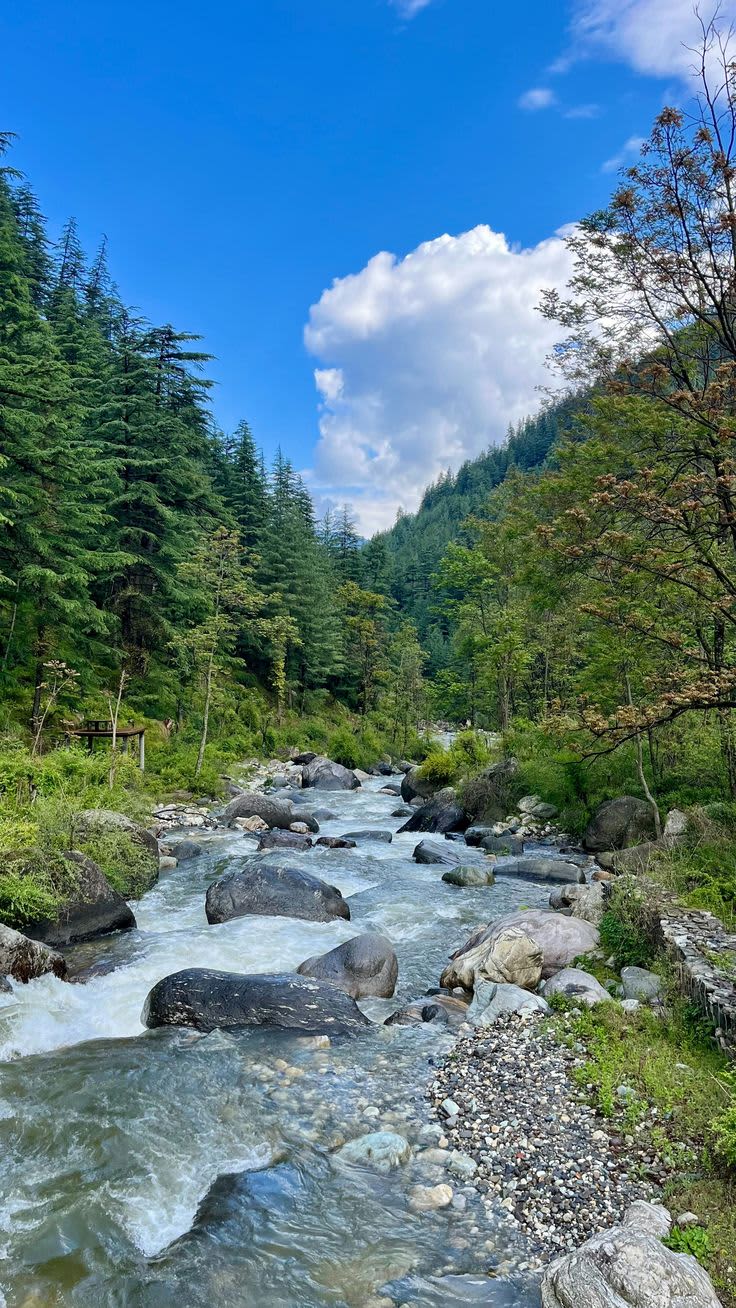
→Kinnaur Valley, nestled in the southeastern corner of Himachal Pradesh bordering Tibet, is a land of extraordinary contrasts where lush apple orchards meet barren Tibetan plateaus and ancient Hinduism blends seamlessly with Tibetan Buddhism. The spectacular Hindustan-Tibet Highway winds through the valley past cliff-hugging roads, deep gorges, and dramatically perched monasteries. Highlights include the sacred Kinnaur Kailash peak, the fortress-temple of Dhankar, and the charming village of Kalpa with its panoramic Kailash views.
256 km
Kullu
→Kullu, nestled in the wide Kullu Valley of Himachal Pradesh along the Beas River, is renowned as the "Valley of the Gods" for the hundreds of ancient temples that dot its landscape. The town comes alive every October during the world-famous Kullu Dussehra festival, when thousands of local deities are brought in procession to the Dhalpur Maidan. Kullu is also a gateway to adventure activities like river rafting, paragliding, and trout fishing, making it a vibrant complement to the nearby resort town of Manali.