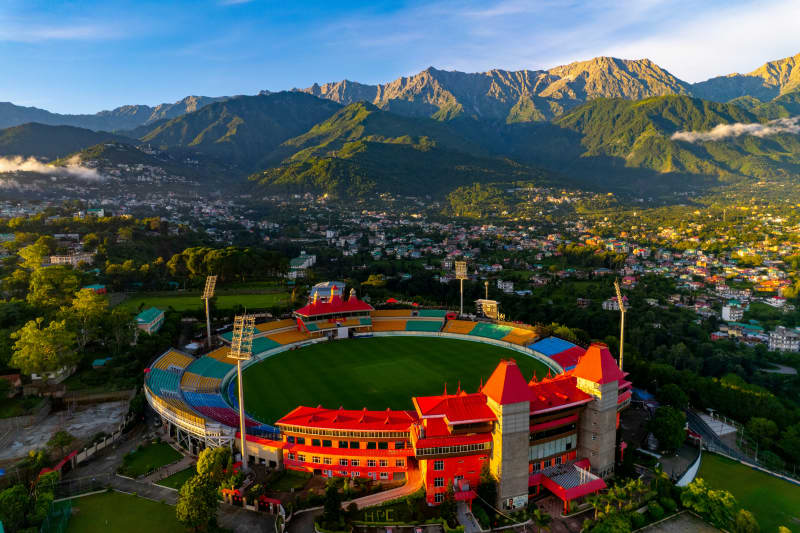
Kullu, nestled in the wide Kullu Valley of Himachal Pradesh along the Beas River, is renowned as the "Valley of the Gods" for the hundreds of ancient temples that dot its landscape. The town comes ali...
Kullu
Valley of Gods
Himachal Pradesh, India
4.5
Great Himalayan National ParkBijli MahadevRiver Rafting
hillStationvalley
Duration: 2–4 Days
Budget/day: ₹1,500 – ₹4,500
Best season: Oct – Jun
Altitude: 1,220 m
Nearest airport: Bhuntar Airport, Kullu (10 km)
Nearest railway: Joginder Nagar Railway Station (120 km)
Best places to visit in Kullu
Things to do in Kullu
- No photoAdventure / Water SportsView full guide
2–3 hours
River Rafting
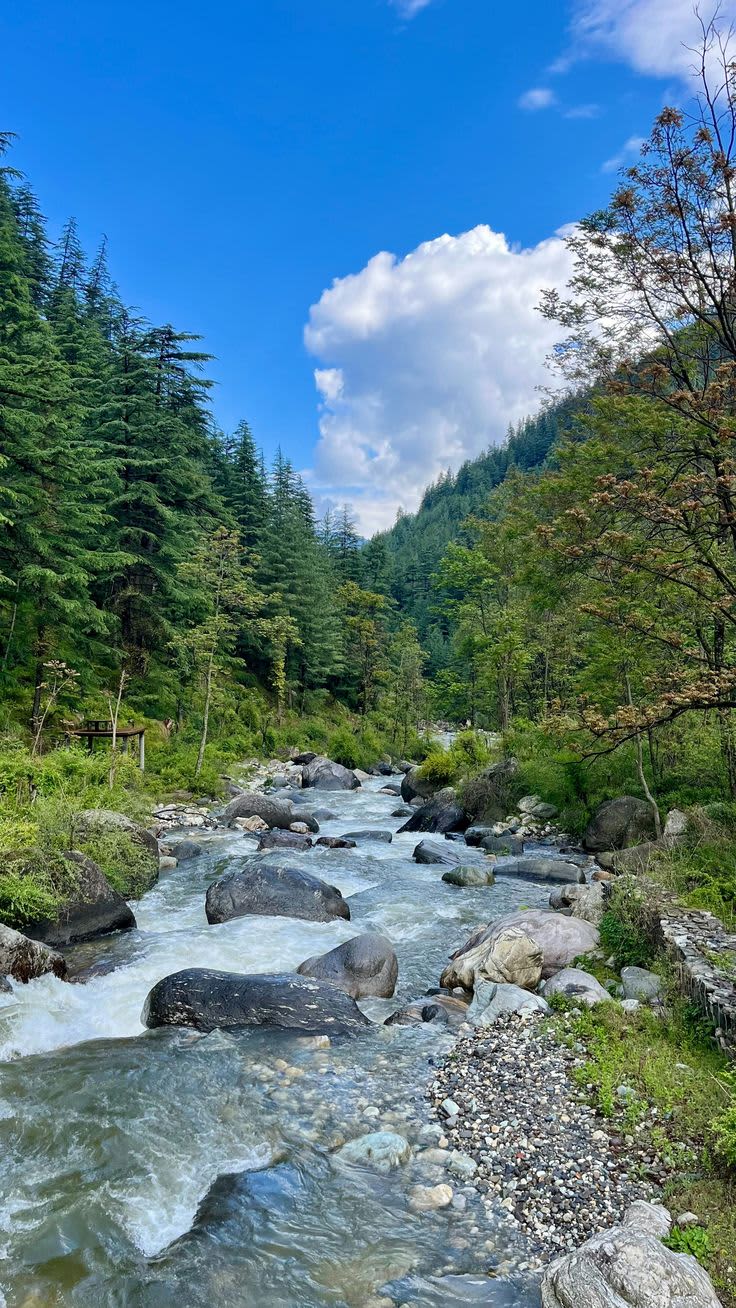
Raft through the roaring rapids of the Beas River between Pirdi and Jhiri on one of Himachal's most exciting white-water runs — a 14 km stretch featuring Grade III–IV rapids through dramatic gorges. This route is considered more challenging than Rishikesh's rafting.
- No photoTrekking / WildlifeView full guide
1 to 7 days
Trekking
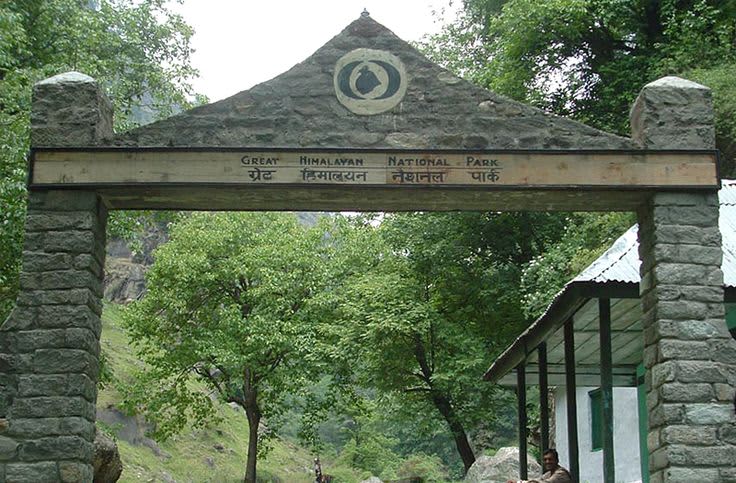
Trek into the Great Himalayan National Park (UNESCO World Heritage Site) — one of India's most biodiverse wilderness areas with routes through dense temperate forests and alpine meadows visiting the Tirthan Valley, Sainj Valley, and the Rakchham area, home to the elusive western tragopan pheasant.
- No photoSpiritual / CulturalView full guide
Half to full day
Temple Visits
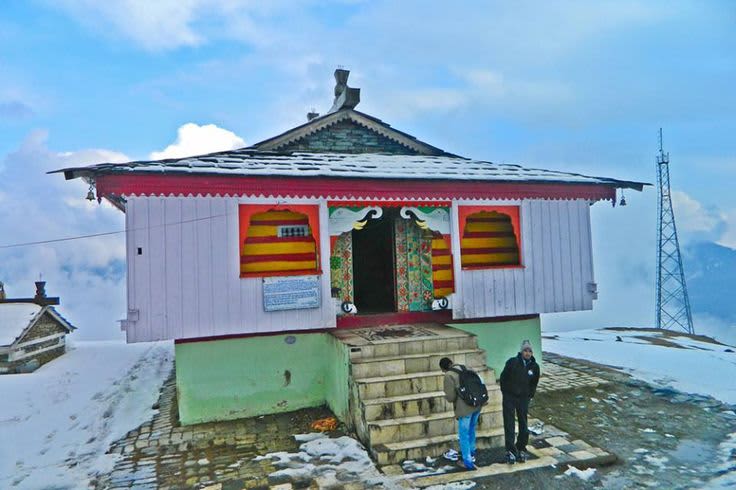
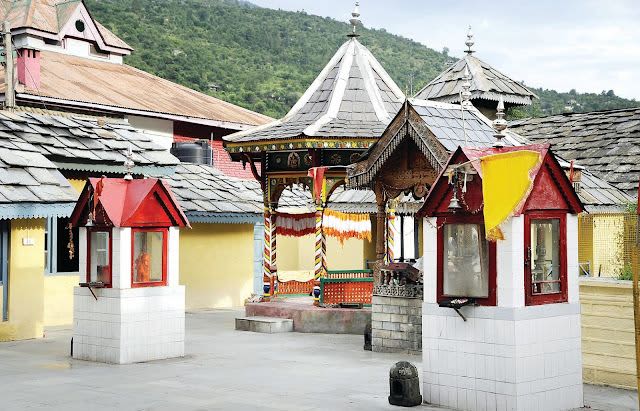
Kullu Valley is dotted with ancient temples — climb to Bijli Mahadev Temple (2,460 m) atop Bhagalog mountain via a 3 km trek for spectacular valley views and lightning-struck lingams, visit Raghunath Temple in Kullu town (centre of the famous Kullu Dussehra), and the ancient Shringi Rishi temple.
Best Time to Visit and Weather Info
Best time: October to June
Monsoon (July–September) brings heavy rains and landslide risk on hill roads.
Autumn & Winter
Best Time ⭐Oct – Feb
-2°C – 15°C
Snow-capped peaks, the famous Kullu Dussehra festival in October, and pleasant valley views.
- Attend Kullu Dussehra in October
- Carry heavy woolens for Dec–Jan
Summer
Good 🟡Mar – Jun
10°C – 30°C
Pleasant weather ideal for river rafting on the Beas, paragliding, and camping.
- Great for river rafting and paragliding
- Book accommodation in advance during May–June
Monsoon
Avoid 🔴Jul – Sep
15°C – 28°C
Heavy rainfall causes landslides and road closures. Outdoor adventure activities are suspended.
- Avoid driving on mountain roads
- Landslide risk is high
How to Reach
✈️By Air
Airport: Bhuntar Airport (Kullu-Manali Airport) (10 km from Kullu town)
Duration: ~20 mins
Flights from Delhi operate seasonally. Check availability in advance.
Taxi: ₹300 – ₹500
Airlines: Air India, Alliance Air
🚂By Train
Station: Joginder Nagar (120 km) — narrow gauge; Chandigarh (270 km) for major trains
No direct broad-gauge railway. Most travelers take a train to Chandigarh or Ambala and then a bus/taxi to Kullu.
- Himalayan Queen — Kalka (To Joginder Nagar via narrow gauge)
- Shatabdi Express — Delhi (3.5 hrs to Chandigarh)
🚌By Road
HRTC buses and private Volvo buses run from Delhi, Chandigarh, and Manali.
- Delhi: 510 km, 10–12 hrs via NH-3 via Chandigarh
- Chandigarh: 270 km, 6–7 hrs via NH-3
- Manali: 40 km, 1 hr via NH-3
- Shimla: 235 km, 7 hrs via NH-5 and NH-3
Itineraries
Local Food
Kullu's cuisine is hearty, simple Himachali fare, with influences from the Beas valley's agrarian culture.
Siddu
Steamed wheat buns stuffed with poppy seeds or walnuts, served with ghee and dal.
Where: Local dhabas in Kullu town
₹50 – ₹80
Dham
Traditional festive meal with madra (chickpeas in yogurt gravy), rice, and dal.
Where: Local events and dhabas
₹100 – ₹150
Trout Fish Curry
Fresh river trout cooked in local spices — a Kullu specialty.
Where: Restaurants near Beas riverbank
₹200 – ₹350
Aktori
Buckwheat pancake sweetened with sugar, popular during local festivals.
Where: Local homes and village eateries
₹40 – ₹70
Chha Gosht
Marinated lamb cooked in yogurt-based gravy with spices.
Where: Non-veg restaurants in Kullu
₹200 – ₹300
Apple Products
Fresh apples, apple juice, and apple jam straight from the orchards.
Where: Roadside stalls across Kullu valley
₹30 – ₹100
Non-vegetarian food is widely available. Local apple orchards are a highlight — try fresh produce straight from the farms.
FAQs
- Kullu is famous for its apple orchards, the Kullu Dussehra festival (internationally recognized), Beas river rafting, and being the gateway to Manali.
Best Places Similar

Manali
Manali, situated at 2,050 meters in the Kullu Valley of Himachal Pradesh, is India's adventure capital and a year-round magnet for travelers seeking snow, thrills, and Himalayan beauty. In winter, the slopes of Solang Valley and Rohtang Pass transform into a snowy playground for skiing and snowboarding, while summer brings trekkers, paragliders, and mountaineers. The ancient Hadimba Devi Temple, the hippie haven of Old Manali, and the dramatic Rohtang Pass make this high-altitude town an unparalleled destination in the Indian Himalayas.
Shimla
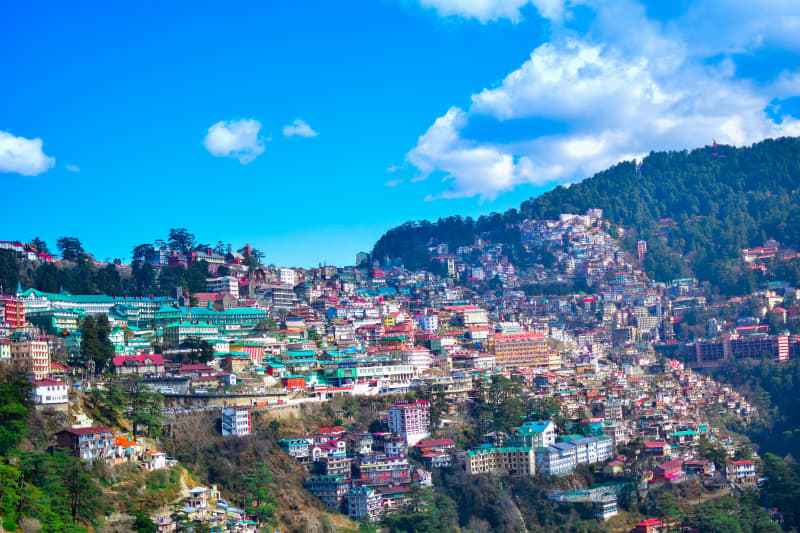
Shimla, the former summer capital of British India and now the capital of Himachal Pradesh, enchants visitors with its Victorian-era architecture, crisp mountain air, and sweeping Himalayan vistas. The iconic Ridge and Mall Road at the heart of the town bustle with activity year-round, while the UNESCO-listed Kalka-Shimla toy train journey is a scenic marvel in itself. From adventure activities like skiing and trekking to exploring colonial-era buildings and temples, Shimla is one of India's most beloved hill station destinations.
Dalhousie
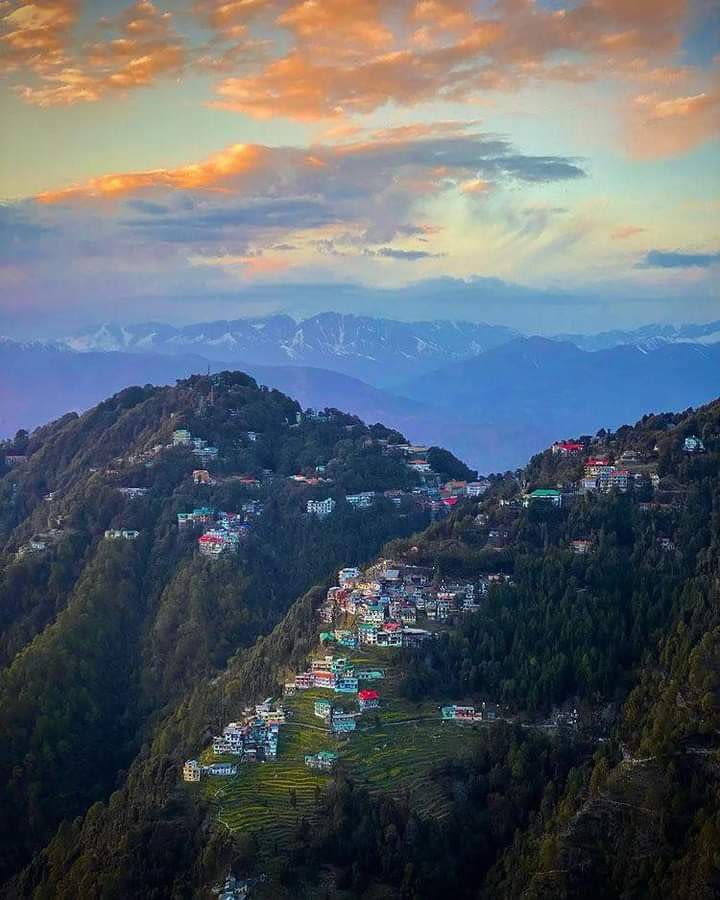
Dalhousie, a charming hill station in Himachal Pradesh named after Lord Dalhousie, sits across five hills at altitudes ranging from 1,525 to 2,036 meters and retains much of its Scottish and Victorian colonial character through its architecture and churches. The panoramic Dainkund Peak, the beautiful Khajjiar — India's mini Switzerland — and the cascading Satdhara Falls are among the most visited attractions in the area. Dalhousie's pine-scented air, colonial bungalows, and proximity to the ancient Chamba Valley make it an enchanting and often-overlooked hill station destination.
Nearby destinations
Manali
33 km · Manali, situated at 2,050 meters in the Kullu Valley of Himachal Pradesh, is India's adventure capital and a year-round magnet for travelers seeking snow, thrills, and Himalayan beauty. In winter, the slopes of Solang Valley and Rohtang Pass transform into a snowy playground for skiing and snowboarding, while summer brings trekkers, paragliders, and mountaineers. The ancient Hadimba Devi Temple, the hippie haven of Old Manali, and the dramatic Rohtang Pass make this high-altitude town an unparalleled destination in the Indian Himalayas.
Lahaul
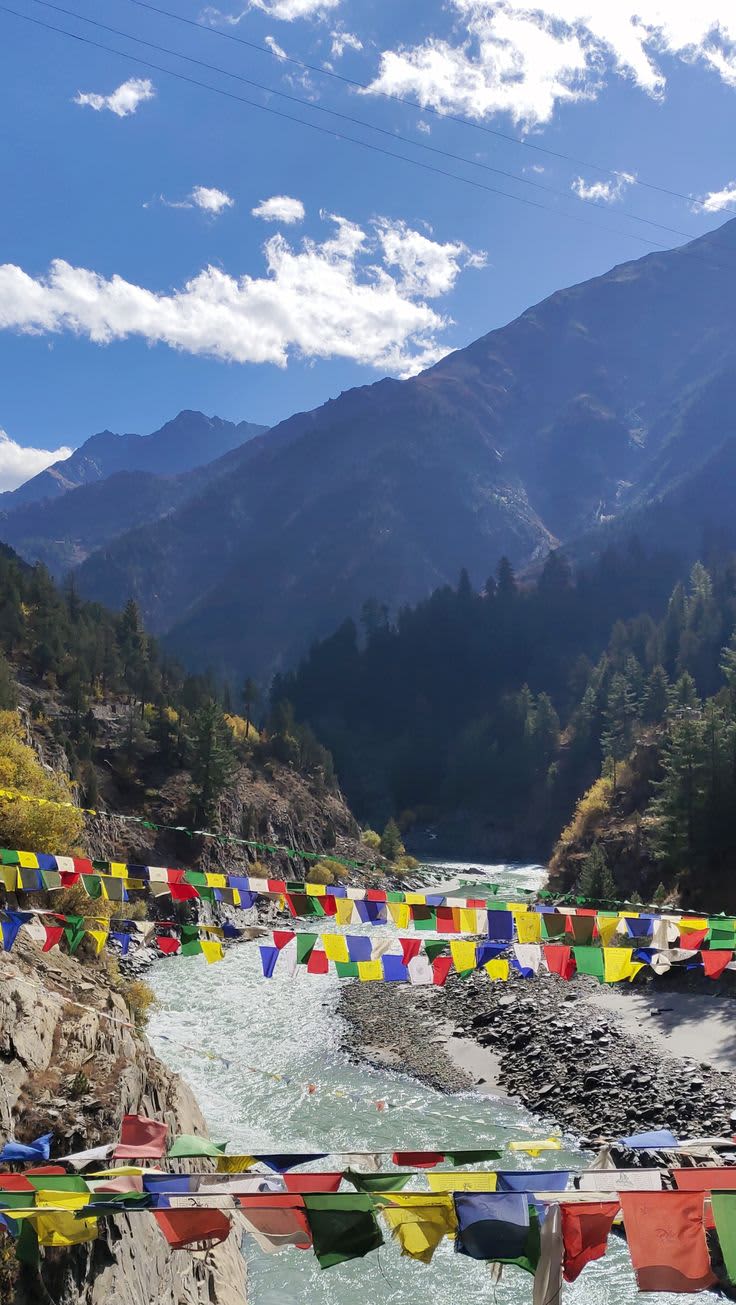
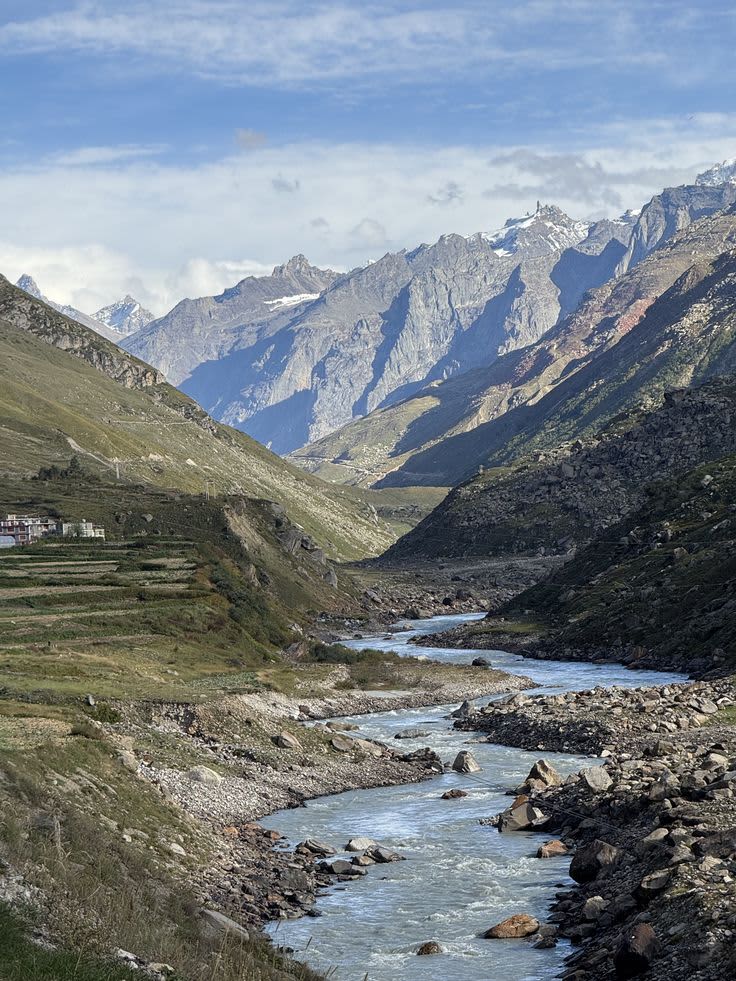
68 km · Lahaul, the northern of the twin districts of Lahaul and Spiti in Himachal Pradesh, is a remote high-altitude valley carved by the Chandra and Bhaga rivers before they merge to form the Chandrabhaga (Chenab) River. Unlike the arid landscape of Spiti to the south, Lahaul has a slightly greener character with potato and pea fields at lower altitudes giving way to barren glacial terrain above. The historic Keylong town serves as the district headquarters, and the valley's ancient Tibetan Buddhist gompas, including the Kardang Monastery, and the dramatic road to the Baralacha La pass connecting to Ladakh make Lahaul a compelling destination for intrepid travelers.
Lahaul Spiti
77 km · Lahaul and Spiti, twin high-altitude districts in Himachal Pradesh, form one of India's most remote and mesmerizing frontier regions, connected to the outside world only by the Rohtang Pass and the Atal Tunnel. The stark, otherworldly landscape of barren mountains, deep gorges, and glacial rivers is punctuated by ancient monasteries, traditional Himalayan villages, and rich Buddhist heritage. Road trips through Lahaul-Spiti — past Kunzum Pass, Chandratal Lake, and Tabo Monastery — rank among India's most epic adventure journeys.