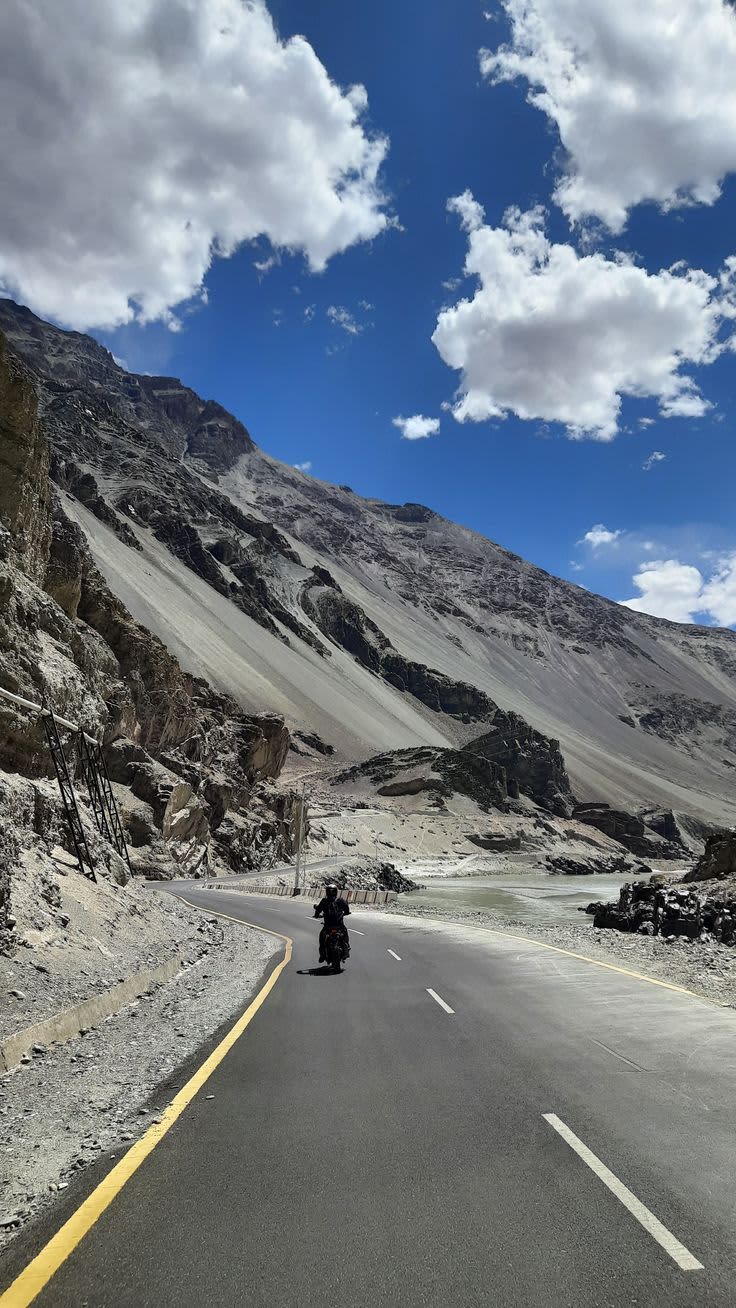
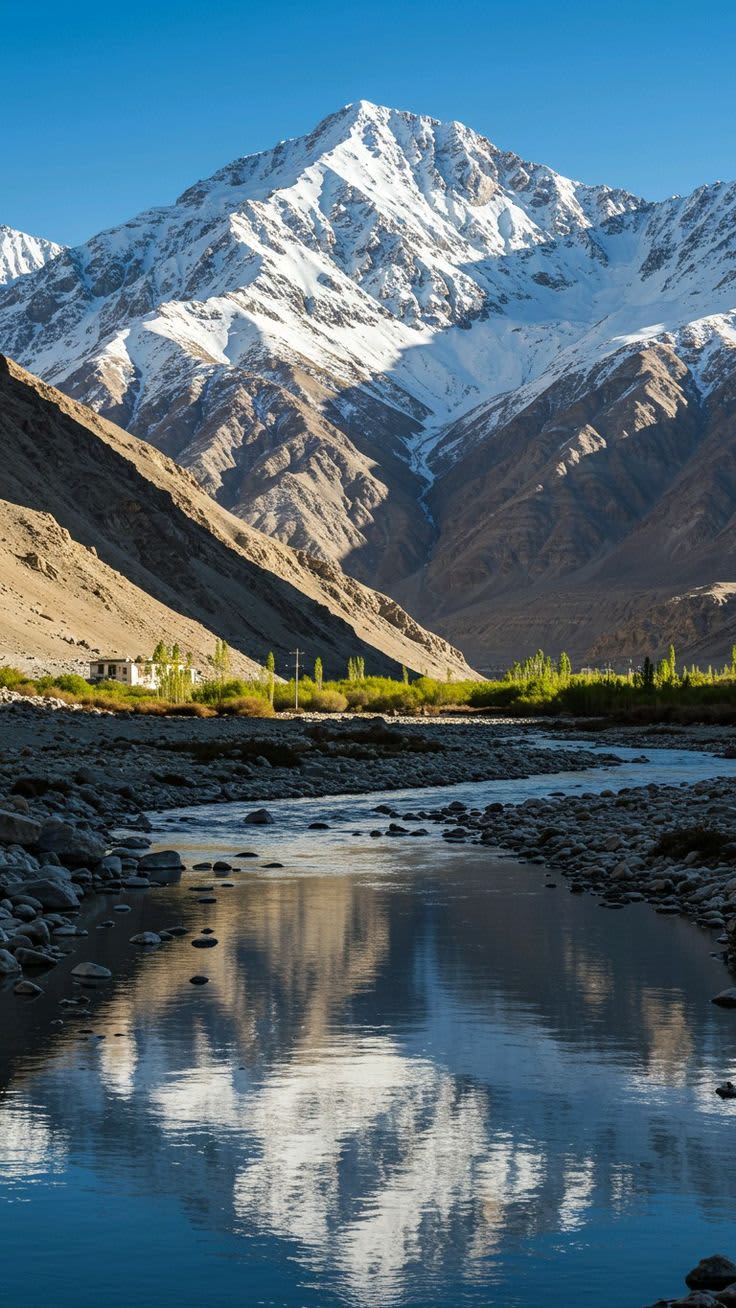
Leh, the capital of the union territory of Ladakh at an altitude of 3,500 meters, is one of the most dramatic and culturally rich destinations in all of India, situated in a high-altitude desert valle...
Leh
Capital of Little Tibet
Jammu and Kashmir, India
4.8
MonasteriesMagnetic HillLeh Palace
mountain
Duration: 3–5 Days
Budget/day: ₹2,000 – ₹7,000
Best season: May – Sep
Altitude: 3,524 m
Nearest airport: Kushok Bakula Rimpochee Airport, Leh (in city)
Nearest railway: No railway in Ladakh. Jammu Tawi (~750 km) is the nearest major station.
Best places to visit in Leh


Things to do in Leh
- No photoNature / SightseeingView full guide
Full day trip or overnight
Pangong Tso Lake Visit
Pangong Tso is arguably the most iconic lake in India — a 134-km-long saline wonder that straddles the Line of Actual Control between India and China at 4,350 metres. The lake's water shifts through an impossibly vivid spectrum from turquoise to cobalt to indigo across the day, surrounded by stark Himalayan ridgelines. Watching the sun set over Pangong from its shores is one of those rare travel experiences that makes every difficult mountain road entirely worth it.
- No photoSightseeing / SpiritualView full guide
1–1.5 hours
Magnetic Hill and Gurudwara Pathar Sahib
Magnetic Hill, 30 km from Leh on the Leh–Kargil highway, is one of India's most famous gravity-defying optical illusions where vehicles appear to roll uphill. It's a quick but fascinating roadside stop that pairs naturally with the nearby Gurudwara Pathar Sahib — a serene and historically significant Sikh shrine built in 1517 to commemorate a miracle attributed to Guru Nanak Dev Ji. The langar (community kitchen) here serves free, hot food to all visitors regardless of faith.
- No photoSpiritual / CulturalView full guide
2–3 hours
Thiksey Monastery
Thiksey Monastery is the most visually striking gompa in Central Ladakh — its twelve-storey complex rising from a rocky hill above the Indus Valley like a Tibetan Potala Palace. The gompa contains a stunning 15-metre Maitreya Buddha statue, impressive thangka collections, and dramatic wall murals. The early morning puja (prayers) at Thiksey, when monks fill the prayer hall with chanting and the smell of yak-butter lamps, is one of the most atmospheric spiritual experiences in India.
Best Time to Visit and Weather Info
Best time: May to September
Winter (November–March) is extremely cold (−20°C) and most guesthouses and hotels close. The town is accessible but harsh.
Summer
Best Time ⭐May – Sep
10°C – 30°C
All roads, passes, and attractions are open. The Hemis Festival (July) is a highlight. Mild days with cold nights.
- Acclimatize for at least 2 full days in Leh before any excursions
- Avoid strenuous activity on the first day
Winter
Extreme Cold 🔴Nov – Mar
-20°C – 5°C
Most hotels and restaurants close. The Chadar Trek (frozen river trek) is available for experienced trekkers in January–February.
- Only for experienced winter travelers
- Chadar Trek (Jan–Feb) is world-famous but physically demanding
How to Reach
✈️By Air
Airport: Kushok Bakula Rimpochee Airport (within Leh city) (5 km from Leh Market)
Duration: ~20 mins by taxi
Daily flights from Delhi. Seasonal flights from Mumbai, Chandigarh, and Srinagar. The most comfortable way to reach Leh.
Taxi: ₹200 – ₹400 (Airport to Leh Market)
Airlines: IndiGo, Air India, GoAir, SpiceJet
🚂By Train
Station: No railway in Ladakh. Jammu Tawi is the nearest (~750 km away).
Train to Jammu then bus or taxi to Leh via Srinagar (2 days) or Manali-Leh Highway (2 days).
- Jammu Mail — Delhi (~10 hrs to Jammu)
🚌By Road
Two main road routes: Manali–Leh Highway (480 km, 2 days, open June–October) and Srinagar–Leh Highway (434 km, 2 days, open May–November).
- Manali: 480 km, 2 days via Rohtang Pass – Baralacha La – Tanglang La
- Srinagar: 434 km, 2 days via Kargil – Lamayuru
Itineraries
Local Food
Leh has a surprisingly vibrant café and restaurant scene, blending Ladakhi, Tibetan, and international cuisines — popular with global backpackers.
Thukpa
The definitive Ladakhi meal — thick noodle broth with vegetables and meat, warming at high altitude.
Where: Tibetan Kitchen, Leh Market; any local restaurant
₹120 – ₹200
Momos
Steamed or fried dumplings with pork, yak, chicken, or vegetables — available everywhere in Leh.
Where: Momo cafés on Fort Road, Leh
₹80 – ₹160
Butter Tea (Po Cha)
Ladakh's cultural drink — salty, yak-butter churned tea that hydrates at altitude.
Where: Monasteries and traditional guesthouses
₹20 – ₹60
Tingmo with Stew
Steamed Tibetan bread with vegetable or meat stew — popular breakfast and lunch option.
Where: Tibetan restaurants in Leh
₹100 – ₹180
Apricot Jam on Bread
Ladakhi apricots are world-renowned — homemade jam on fresh bread is a breakfast highlight.
Where: Guesthouses and cafés in Leh
₹80 – ₹150
Seabuckthorn Juice
Bright orange berry juice loaded with Vitamin C — grown wild in Ladakh and incredibly healthy.
Where: Cafés and juice stalls in Leh Market
₹60 – ₹120
Leh's Main Market and Fort Road have numerous cafés serving pizza, pasta, and continental food alongside Ladakhi cuisine — very backpacker-friendly.
FAQs
- Leh is the capital of Ladakh and a gateway to some of the world's most dramatic high-altitude landscapes. It's famous for Leh Palace, Shanti Stupa, ancient monasteries (Thiksey, Hemis, Diskit), Pangong Lake, Nubra Valley, Khardung La, and the Manali-Leh bike expedition.
Best Places Similar
Ladakh
Ladakh, the Land of High Passes, is India's largest, least populated, and perhaps most spectacular region — a high-altitude desert where ancient Buddhist culture thrives amid one of the world's most dramatic landscapes of barren mountains, glacial rivers, and impossibly blue skies. The region's legendary monasteries at Hemis, Thiksey, Lamayuru, and Alchi preserve centuries of Tibetan Buddhist art and learning, while the landscape hosts some of the planet's most ambitious adventure routes. From the azure waters of Pangong and Tso Moriri lakes to the frozen Chadar trek on the Zanskar River, Ladakh is a destination of superlatives that every traveler should experience.

Nubra Valley
Nubra Valley, a high-altitude cold desert in northern Ladakh accessible via the exhilarating Khardung La Pass — one of the world's highest motorable roads — is a surreal landscape of sand dunes, apple orchards, and Buddhist monasteries flanked by towering Himalayan peaks. The sight of double-humped Bactrian camels against the backdrop of golden sand dunes at Hunder is one of the most iconic and unexpected images in the Indian Himalayas. The ancient Diskit Monastery with its giant Maitreya Buddha statue overlooking the valley is a deeply moving cultural highlight of any Ladakh itinerary.

Pangong Lake
Pangong Lake, one of the world's highest brackish lakes at an altitude of 4,350 meters, stretches 134 kilometers across the India-China border in Ladakh and is famed for its dramatic color-shifting waters that transition from azure to turquoise to green and back in a single day. Made internationally famous by the Bollywood film '3 Idiots,' the lake's surreal reflection of surrounding snowcapped mountains makes it one of the most photographed landscapes in India. A sunrise or sunset at Pangong is an awe-inspiring, once-in-a-lifetime experience.
Nearby destinations
Ladakh
0 km · Ladakh, the Land of High Passes, is India's largest, least populated, and perhaps most spectacular region — a high-altitude desert where ancient Buddhist culture thrives amid one of the world's most dramatic landscapes of barren mountains, glacial rivers, and impossibly blue skies. The region's legendary monasteries at Hemis, Thiksey, Lamayuru, and Alchi preserve centuries of Tibetan Buddhist art and learning, while the landscape hosts some of the planet's most ambitious adventure routes. From the azure waters of Pangong and Tso Moriri lakes to the frozen Chadar trek on the Zanskar River, Ladakh is a destination of superlatives that every traveler should experience.
Nubra Valley
44 km · Nubra Valley, a high-altitude cold desert in northern Ladakh accessible via the exhilarating Khardung La Pass — one of the world's highest motorable roads — is a surreal landscape of sand dunes, apple orchards, and Buddhist monasteries flanked by towering Himalayan peaks. The sight of double-humped Bactrian camels against the backdrop of golden sand dunes at Hunder is one of the most iconic and unexpected images in the Indian Himalayas. The ancient Diskit Monastery with its giant Maitreya Buddha statue overlooking the valley is a deeply moving cultural highlight of any Ladakh itinerary.
Pangong Lake
132 km · Pangong Lake, one of the world's highest brackish lakes at an altitude of 4,350 meters, stretches 134 kilometers across the India-China border in Ladakh and is famed for its dramatic color-shifting waters that transition from azure to turquoise to green and back in a single day. Made internationally famous by the Bollywood film '3 Idiots,' the lake's surreal reflection of surrounding snowcapped mountains makes it one of the most photographed landscapes in India. A sunrise or sunset at Pangong is an awe-inspiring, once-in-a-lifetime experience.