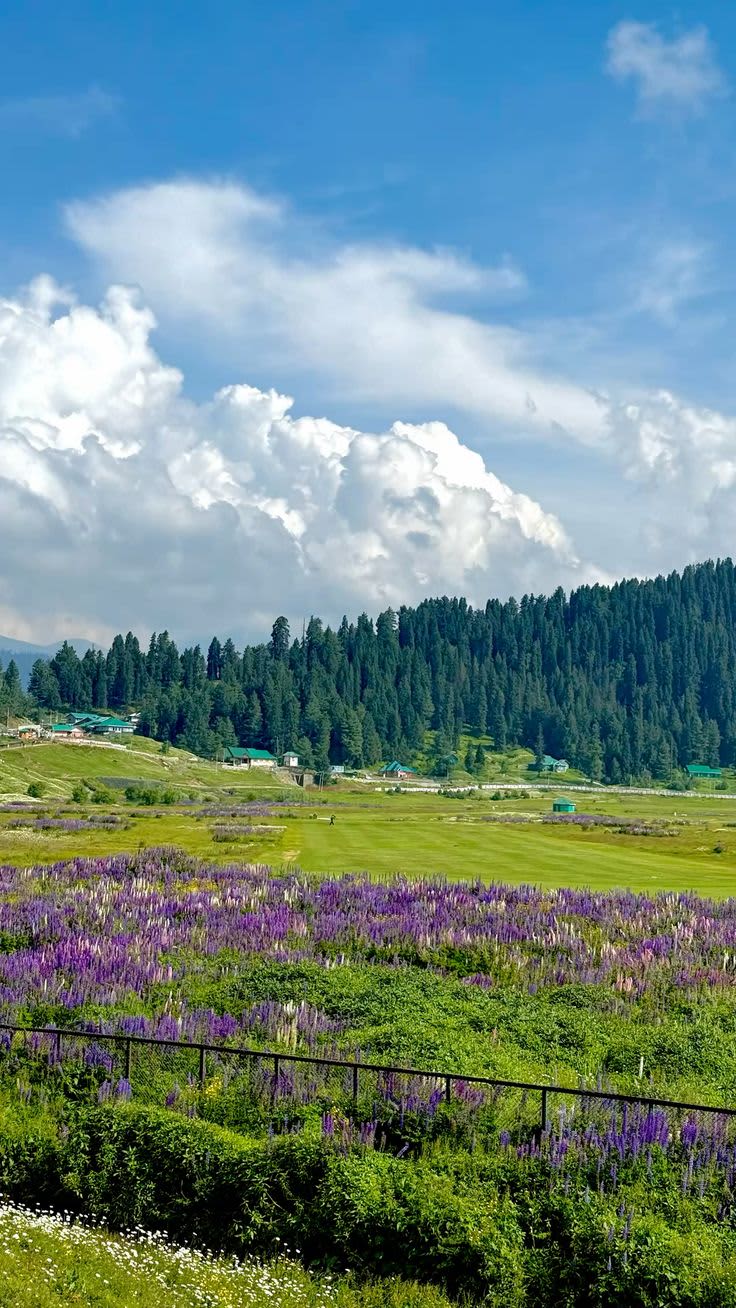
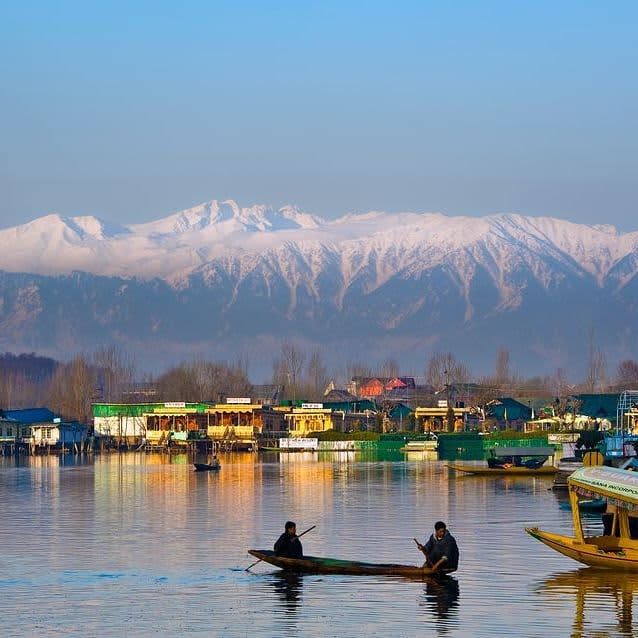
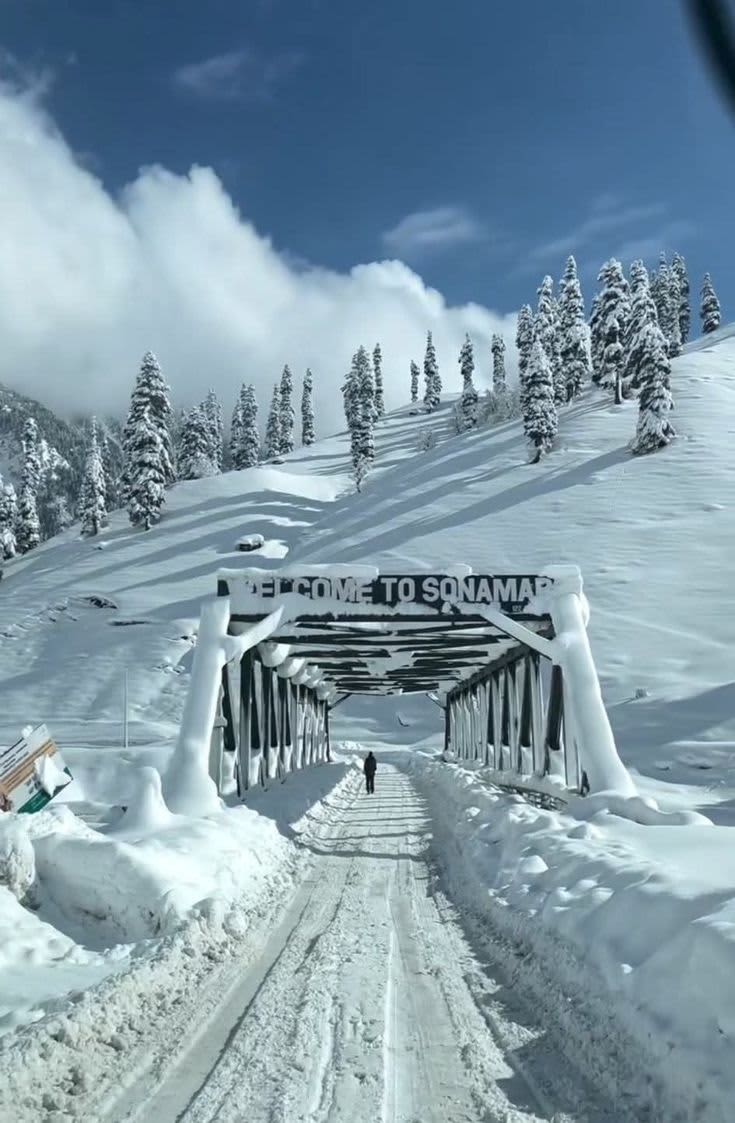
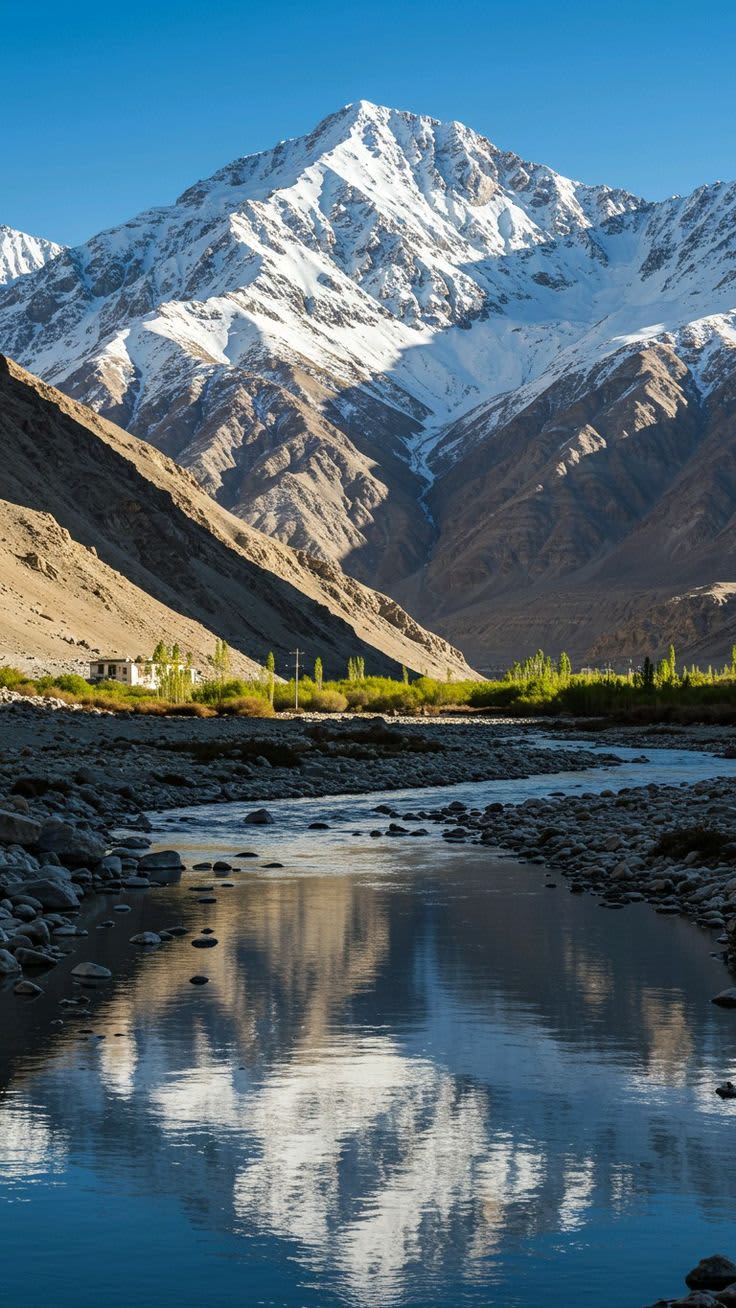
Nubra Valley, a high-altitude cold desert in northern Ladakh accessible via the exhilarating Khardung La Pass — one of the world's highest motorable roads — is a surreal landscape of sand dunes, apple...

Nubra Valley
Valley of Flowers in the High Desert
Jammu and Kashmir, India
4.9
Bactrian CamelsKhardung La PassSand Dunes
valleymountain
Duration: 2–3 Days
Budget/day: ₹2,000 – ₹6,000
Best season: Jun – Sep
Altitude: 3,048 m
Nearest airport: Kushok Bakula Rimpochee Airport, Leh (150 km via Khardung La)
Nearest railway: No railway in Ladakh. Jammu Tawi (~750 km) is the nearest major station.
Best places to visit in Nubra Valley


Things to do in Nubra Valley
- No photoAdventure / CulturalView full guide
30–45 minutes per ride
Bactrian Camel Safari at Hunder Sand Dunes
The cold desert sand dunes of Hunder in Nubra Valley are home to a small population of double-humped Bactrian camels — the only place in India where you can ride this rare Central Asian species. Taking a camel ride across the cold desert dunes with the snow-capped Karakoram Range looming above is one of the most surreal and photogenic experiences in all of Ladakh. This unique juxtaposition of sand dunes, green oasis, and Himalayan peaks found nowhere else in India makes Hunder truly unmissable.
- No photoSpiritual / CulturalView full guide
2–3 hours
Diskit Monastery and Maitreya Buddha Statue
Diskit Monastery, perched on a cliff above Nubra Valley, is the oldest and largest Buddhist monastery in the valley and one of the most dramatically situated gompas in Ladakh. The 32-metre Maitreya Buddha statue installed here in 2010 gazes serenely across the Shyok River towards the Siachen Glacier direction — a deeply moving sight. The monastery's prayer hall contains stunning medieval thangkas and a 500-year-old mummified demon head said to have threatened the region, kept as a protective relic.
- No photoRoad Trip / AdventureView full guide
4–5 hours (Leh to Nubra via Khardung La)
Khardung La Pass Drive
The drive over Khardung La (5,359 m), one of the highest motorable passes in the world, is the gateway to Nubra Valley and a legendary adventure in itself. The road winds through stark, snow-dusted moonscapes above the tree line to a windswept pass with staggering views over multiple Himalayan ranges. For most travellers, crossing Khardung La is a powerful, dizzying, and deeply exhilarating rite of passage on the Leh-Ladakh journey.
Best Time to Visit and Weather Info
Best time: June to September
The valley is snowbound and inaccessible from November to May. Khardung La (the world's second-highest motorable pass) closes in winter.
Summer
Only Season ⭐Jun – Sep
5°C – 30°C
The valley blooms with sea buckthorn, roses, and sand dunes become accessible. Double-humped Bactrian camels are a highlight. The Silk Route village of Turtuk is open.
- Inner Line Permit (ILP) required — get it in Leh before departing
- Ride a Bactrian camel at the Hunder sand dunes
Winter
Closed 🔴Oct – May
-20°C – 5°C
Khardung La closes due to heavy snow. The valley is completely cut off from Leh.
- Inaccessible via Khardung La from November
- Only experienced winter expedition teams travel here
How to Reach
✈️By Air
Airport: Kushok Bakula Rimpochee Airport, Leh (150 km from Diskit (Nubra Valley HQ) via Khardung La)
Duration: ~4–5 hrs by road
Fly to Leh, acclimatize for 2 days, then drive over Khardung La (5,359 m) to Nubra Valley.
Taxi: ₹4,000 – ₹7,000 (Leh to Nubra return)
Airlines: IndiGo, Air India, GoAir
🚂By Train
Station: No railway in Ladakh
Nearest is Jammu Tawi (~750 km). From Jammu, drive 2 days to Leh via Manali-Leh Highway or Srinagar-Leh Highway, then continue to Nubra.
- Jammu Mail — Delhi (~10 hrs to Jammu)
🚌By Road
From Leh, drive north over Khardung La Pass (5,359 m) — the main route to Nubra Valley. ILP required.
- Leh: 150 km, 4–5 hrs via Khardung La Pass
Itineraries
Local Food
Nubra Valley's food reflects its Silk Route heritage — a blend of Ladakhi, Baltistan, and Tibetan cuisines with abundant locally grown apricots.
Thukpa
Ladakhi noodle soup — warming and filling, available at all camps and homestays.
Where: Any restaurant in Diskit or Hunder
₹100 – ₹180
Momos
Steamed dumplings stuffed with yak meat, chicken, or vegetables.
Where: Restaurants in Diskit
₹80 – ₹150
Apricot Jam and Products
Nubra is Ladakh's apricot heartland — fresh, dried, and jam forms are all exceptional.
Where: Village stalls in Sumur and Diskit
₹100 – ₹300
Butter Tea (Po Cha)
Salted yak-butter churned tea — essential hydration at high altitude.
Where: Homestays throughout Nubra
₹20 – ₹50
Skyu
Traditional Ladakhi pasta stew with root vegetables — hearty and warming.
Where: Homestays in Sumur and Panamik
₹100 – ₹180
Tsampa
Roasted barley flour mixed into butter tea — a traditional Ladakhi energy meal.
Where: Homestays
₹50 – ₹80
Buy Nubra apricots and apricot oil — they are considered among the finest in the world and are excellent souvenirs.
FAQs
- Nubra Valley is famous for the Hunder cold desert sand dunes with Bactrian (double-humped) camels, Diskit Monastery and its giant Maitreya statue, the village of Turtuk (formerly Pakistan, returned to India in 1971), hot springs at Panamik, and lush apricot orchards along the Silk Route.
Best Places Similar
Leh
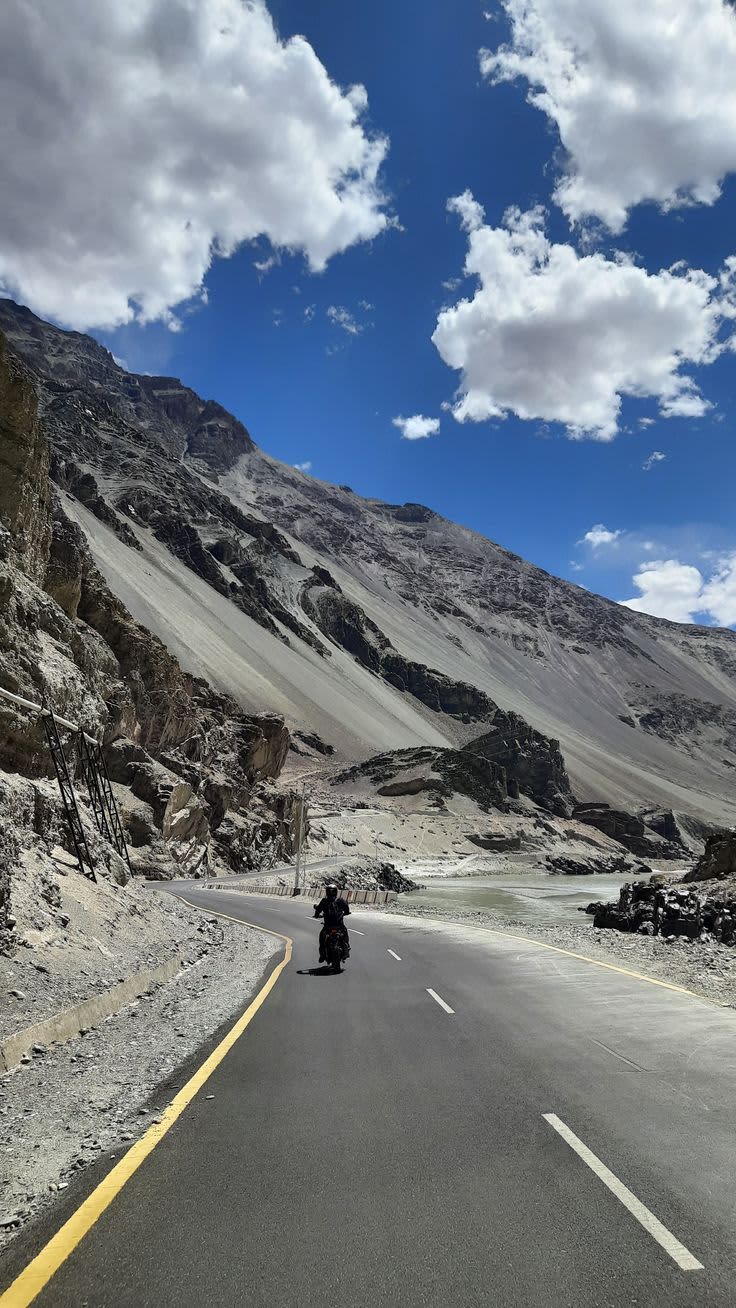
Leh, the capital of the union territory of Ladakh at an altitude of 3,500 meters, is one of the most dramatic and culturally rich destinations in all of India, situated in a high-altitude desert valley flanked by the Karakoram and Himalayan ranges. The 9th-century Leh Palace overlooking the town, the fluttering prayer flags at Shanti Stupa, and the ancient monasteries of Hemis and Thiksey are landmarks that define this Buddhist heartland. Leh serves as the hub for epic road trips on the Manali-Leh and Srinagar-Leh highways and for organizing expeditions to Pangong Lake, Nubra Valley, and the Zanskar region.
Ladakh
Ladakh, the Land of High Passes, is India's largest, least populated, and perhaps most spectacular region — a high-altitude desert where ancient Buddhist culture thrives amid one of the world's most dramatic landscapes of barren mountains, glacial rivers, and impossibly blue skies. The region's legendary monasteries at Hemis, Thiksey, Lamayuru, and Alchi preserve centuries of Tibetan Buddhist art and learning, while the landscape hosts some of the planet's most ambitious adventure routes. From the azure waters of Pangong and Tso Moriri lakes to the frozen Chadar trek on the Zanskar River, Ladakh is a destination of superlatives that every traveler should experience.

Pangong Lake
Pangong Lake, one of the world's highest brackish lakes at an altitude of 4,350 meters, stretches 134 kilometers across the India-China border in Ladakh and is famed for its dramatic color-shifting waters that transition from azure to turquoise to green and back in a single day. Made internationally famous by the Bollywood film '3 Idiots,' the lake's surreal reflection of surrounding snowcapped mountains makes it one of the most photographed landscapes in India. A sunrise or sunset at Pangong is an awe-inspiring, once-in-a-lifetime experience.
Nearby destinations
Leh
44 km · Leh, the capital of the union territory of Ladakh at an altitude of 3,500 meters, is one of the most dramatic and culturally rich destinations in all of India, situated in a high-altitude desert valley flanked by the Karakoram and Himalayan ranges. The 9th-century Leh Palace overlooking the town, the fluttering prayer flags at Shanti Stupa, and the ancient monasteries of Hemis and Thiksey are landmarks that define this Buddhist heartland. Leh serves as the hub for epic road trips on the Manali-Leh and Srinagar-Leh highways and for organizing expeditions to Pangong Lake, Nubra Valley, and the Zanskar region.
Ladakh
44 km · Ladakh, the Land of High Passes, is India's largest, least populated, and perhaps most spectacular region — a high-altitude desert where ancient Buddhist culture thrives amid one of the world's most dramatic landscapes of barren mountains, glacial rivers, and impossibly blue skies. The region's legendary monasteries at Hemis, Thiksey, Lamayuru, and Alchi preserve centuries of Tibetan Buddhist art and learning, while the landscape hosts some of the planet's most ambitious adventure routes. From the azure waters of Pangong and Tso Moriri lakes to the frozen Chadar trek on the Zanskar River, Ladakh is a destination of superlatives that every traveler should experience.
Pangong Lake
156 km · Pangong Lake, one of the world's highest brackish lakes at an altitude of 4,350 meters, stretches 134 kilometers across the India-China border in Ladakh and is famed for its dramatic color-shifting waters that transition from azure to turquoise to green and back in a single day. Made internationally famous by the Bollywood film '3 Idiots,' the lake's surreal reflection of surrounding snowcapped mountains makes it one of the most photographed landscapes in India. A sunrise or sunset at Pangong is an awe-inspiring, once-in-a-lifetime experience.