Lahaul and Spiti, twin high-altitude districts in Himachal Pradesh, form one of India's most remote and mesmerizing frontier regions, connected to the outside world only by the Rohtang Pass and the At...
Lahaul Spiti
Land of Lamas
Himachal Pradesh, India
4.9
Key MonasteryChandratal LakeSpiti Valley
mountainadventure
Duration: 5–8 Days
Budget/day: ₹2,000 – ₹5,000
Best season: Jun – Sep
Altitude: 3,800 m – 4,500 m
Nearest airport: Bhuntar Airport, Kullu (220 km from Kaza)
Nearest railway: Shimla (412 km from Kaza)
Best places to visit in Lahaul Spiti
Things to do in Lahaul Spiti
- No photoCultural / SpiritualView full guide
2–3 hours
Key Monastery Visit
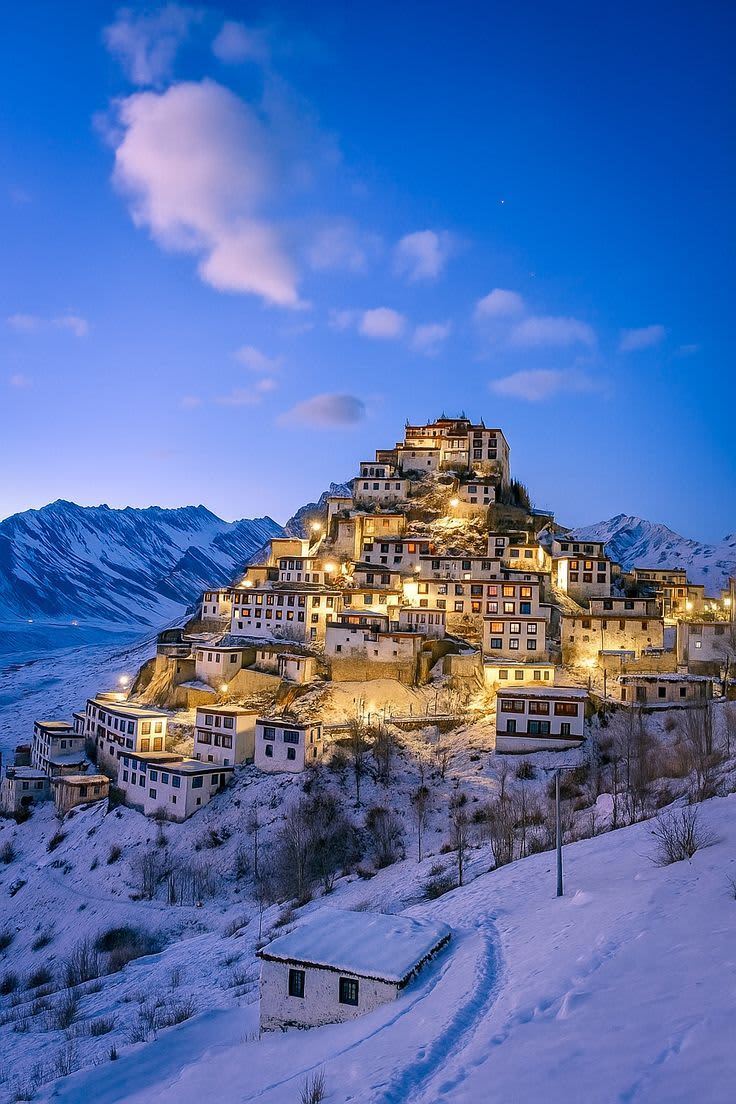
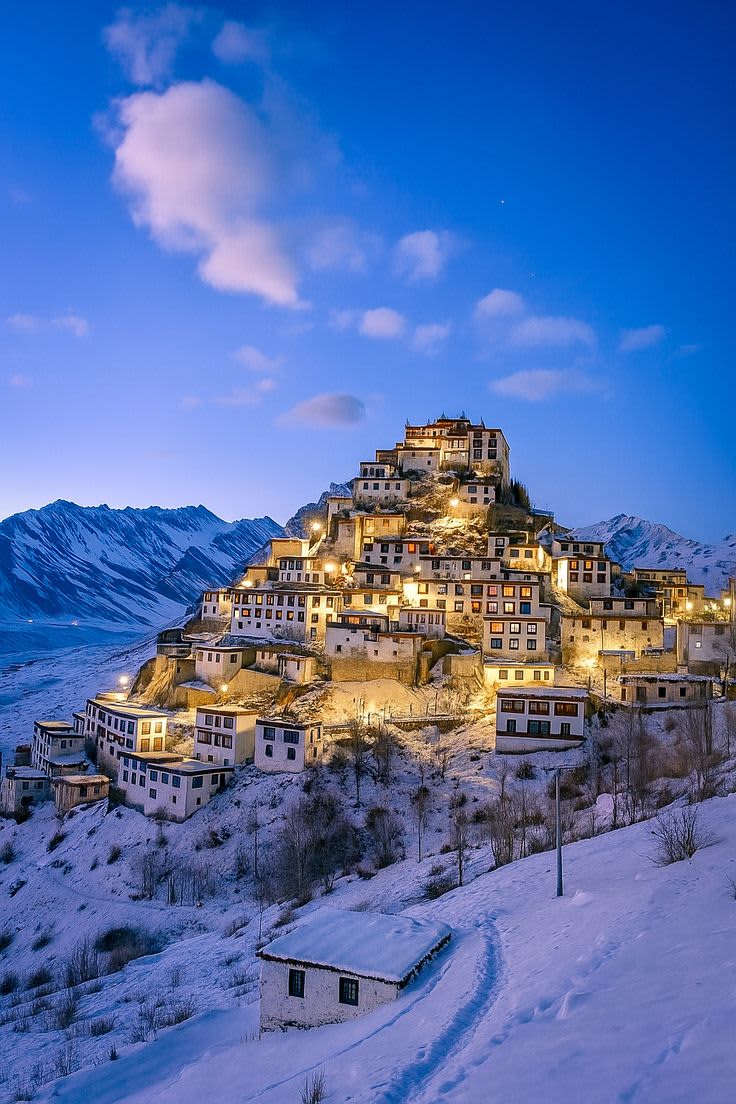
Perched dramatically at 4,166 metres above sea level, Key Monastery is the largest and oldest gompa in Spiti Valley and one of the most iconic things to do in Lahaul Spiti. The thousand-year-old Tibetan Buddhist monastery houses ancient thangkas, rare manuscripts, and centuries-old murals that tell stories of the trans-Himalayan world. Walking its labyrinthine corridors feels like stepping back into a living, breathing medieval world.
- No photoTrekking / CampingView full guide
Half day (trek) + overnight camping
Chandratal Lake Trek
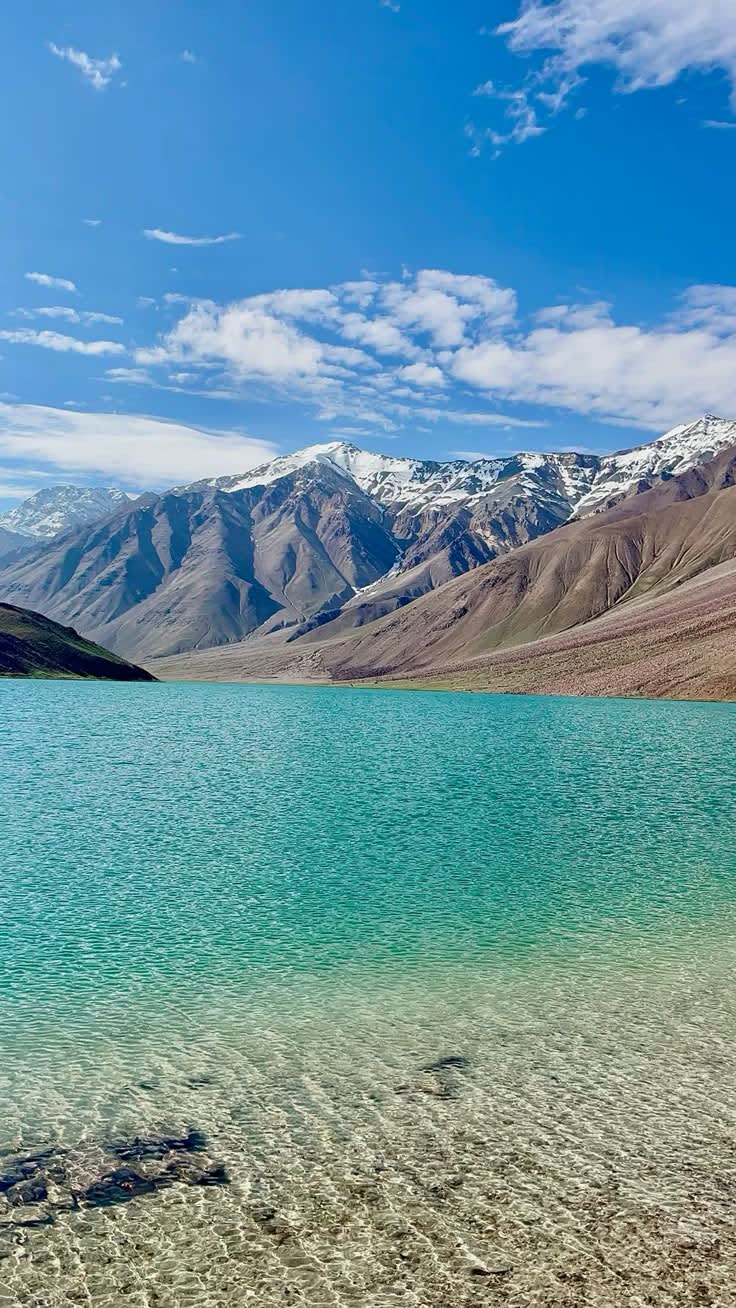
Known as the 'Moon Lake', Chandratal is one of the highest and most breathtaking camping destinations in the Indian Himalayas, sitting at roughly 4,300 metres. The crescent-shaped lake reflects deep turquoise and sapphire hues against a backdrop of barren Himalayan peaks — making it an unmissable Lahaul Spiti trekking experience. The short but rewarding 2-km trail to the lake edge passes through meadows carpeted with wildflowers in summer.
- No photoRoad Trip / AdventureView full guide
2–3 days (full valley circuit)
Spiti River Valley Drive on NH-505
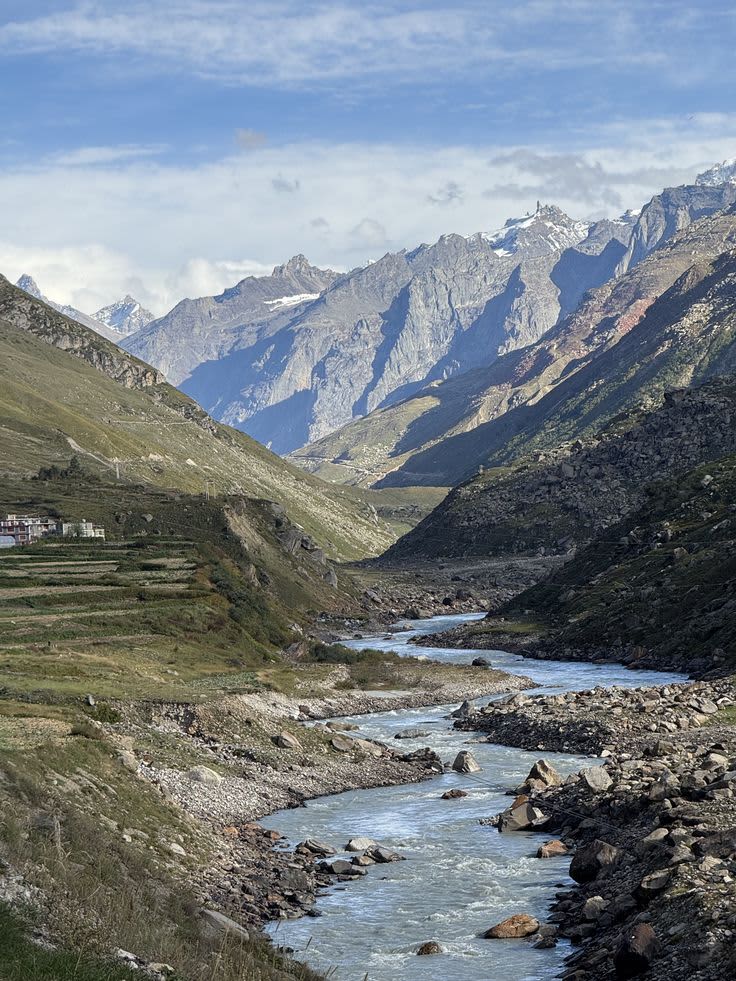
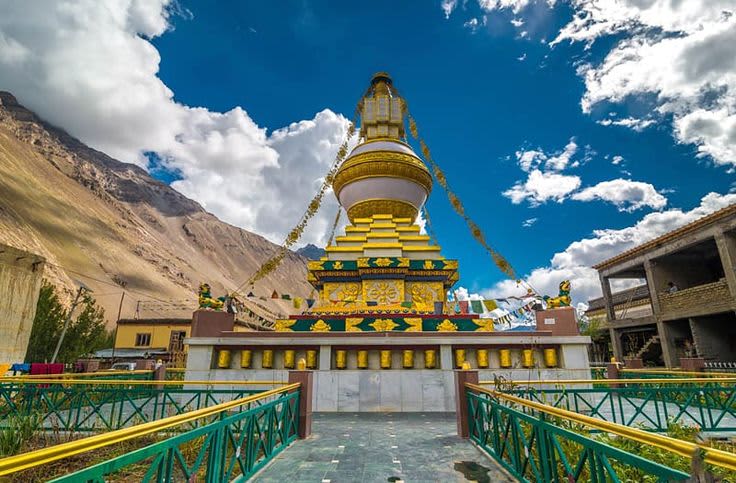
One of the most exhilarating road trips in India, driving through the Spiti Valley along the Spiti River on NH-505 is a bucket-list adventure. The route winds through jaw-dropping desert mountain landscapes, ancient villages of Pin, Tabo, and Dhankar, and some of the last true wilderness in the Indian subcontinent. Every hairpin bend reveals a new shade of gold, rust, and purple on the barren hillsides.
Best Time to Visit and Weather Info
Best time: June to September
The valley is snowbound and inaccessible for most of the year. Roads open in late May or June depending on snowfall.
Summer
Best Time ⭐Jun – Sep
5°C – 25°C
The only time both Rohtang Pass and Kunzum Pass are open. All monasteries, villages, and high-altitude lakes are accessible.
- Book accommodation in Kaza in advance — options are limited
- Carry a first-aid kit and altitude medicine
Winter
Avoid 🔴Nov – Apr
-25°C – 5°C
The region is almost entirely cut off. Only Kaza remains inhabited, with extremely harsh conditions.
- Accessible only via Shimla-Kinnaur route if open
- Not suitable for tourists
Shoulder
Okay 🟡May & Oct
-5°C – 15°C
Passes are either just opening or closing. Weather is cold but views are dramatic. Fewer crowds.
- Check road status before travel
- Some camps and guesthouses may be closed
How to Reach
✈️By Air
Airport: Bhuntar Airport, Kullu (220 km from Kaza) (220 km from Kaza (district HQ))
Duration: ~8 hrs by road
Fly to Kullu, then hire a taxi or take a bus to Kaza via Manali and Rohtang Pass.
Taxi: ₹5,000 – ₹9,000 (Manali to Kaza)
Airlines: Air India, Alliance Air
🚂By Train
Station: Shimla or Chandigarh (412 km from Kaza)
Take a train to Shimla or Chandigarh, then bus/taxi to Kaza via Narkanda–Kinnaur route (summer) or Manali (summer).
- Kalka-Shimla Toy Train — Kalka (5 hrs to Shimla)
- Shatabdi Express — Delhi (3.5 hrs to Chandigarh)
🚌By Road
Two routes: via Manali over Rohtang and Kunzum passes, or via Shimla–Kinnaur–Reckong Peo (longer but scenic and more accessible in shoulder months).
- Manali: 200 km, 8–10 hrs via Rohtang Pass & Kunzum Pass
- Shimla: 412 km, 12–14 hrs via NH-5 via Kinnaur
- Delhi: 720 km, 20+ hrs via Chandigarh – Manali – Kaza
Itineraries
Local Food
Spitian cuisine is simple, nourishing, and Tibetan-influenced, designed to fuel bodies in cold, high-altitude conditions.
Thukpa
Hearty noodle broth with yak meat or vegetables — the ultimate Spiti comfort food.
Where: Any dhaba in Kaza
₹80 – ₹150
Momos
Steamed or fried dumplings, available everywhere.
Where: Local restaurants in Kaza
₹80 – ₹140
Tsampa
Roasted barley flour mixed with butter tea, a traditional calorie-dense meal.
Where: Local homestays
₹50 – ₹80
Butter Tea
Salty yak-butter tea essential for staying warm and hydrated at high altitude.
Where: Monasteries and homestays
₹20 – ₹50
Chhurpi
Hard yak cheese — extremely long-lasting and a traditional snack.
Where: Local markets in Kaza
₹80 – ₹200
Seabuckthorn Juice
Tart, vitamin-rich berry juice native to the Spiti valley.
Where: Local shops in Kaza
₹60 – ₹120
Carry snacks, dry fruits, and energy bars as food options beyond Kaza are very limited. Homestays in villages like Langza, Hikkim, and Chicham offer home-cooked meals.
FAQs
- Lahaul Spiti is famous for its stark high-altitude desert landscapes, ancient Buddhist monasteries (Key, Dhankar, Tabo), Pin Valley National Park, and the world's highest post office in Hikkim.
Best Places Similar
Spiti Valley
Spiti Valley, a cold desert mountain valley in the trans-Himalayan region of Himachal Pradesh, is one of India's most remote and spectacular destinations. At an average altitude of 3,800 meters, the barren yet dramatic landscape of rugged peaks, ancient monasteries, and turquoise rivers feels otherworldly. The ancient Key Monastery, the tiny village of Kibber, the Chandratal Lake, and the iconic Kunzum Pass are highlights of this bucket-list destination accessible only a few months of the year due to heavy snowfall.
Ladakh
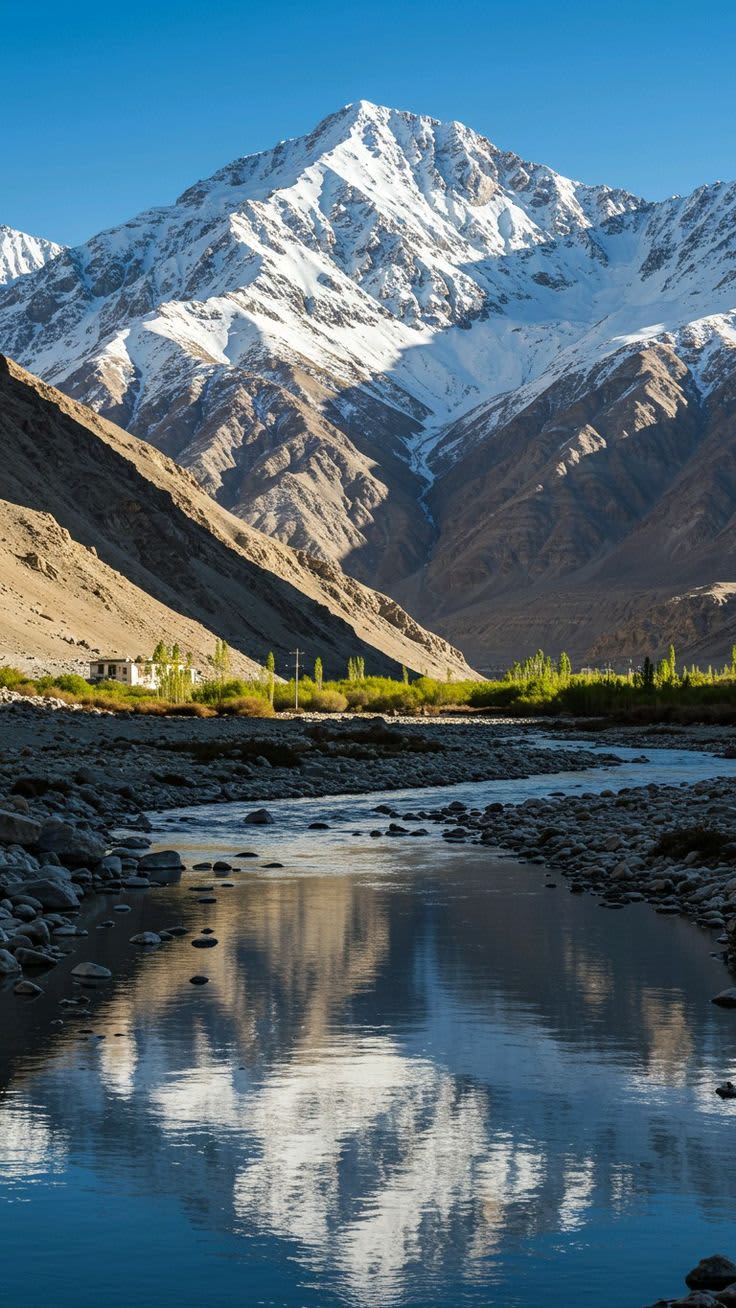
Ladakh, the Land of High Passes, is India's largest, least populated, and perhaps most spectacular region — a high-altitude desert where ancient Buddhist culture thrives amid one of the world's most dramatic landscapes of barren mountains, glacial rivers, and impossibly blue skies. The region's legendary monasteries at Hemis, Thiksey, Lamayuru, and Alchi preserve centuries of Tibetan Buddhist art and learning, while the landscape hosts some of the planet's most ambitious adventure routes. From the azure waters of Pangong and Tso Moriri lakes to the frozen Chadar trek on the Zanskar River, Ladakh is a destination of superlatives that every traveler should experience.
Kinnaur Valley
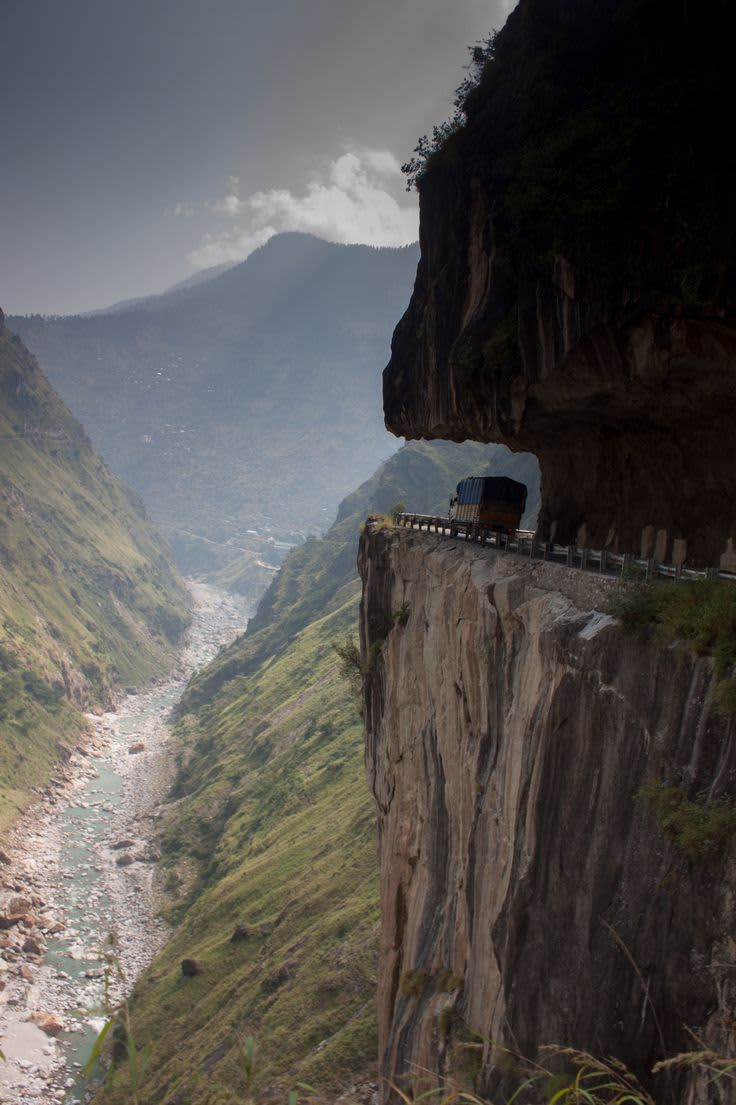
Kinnaur Valley, nestled in the southeastern corner of Himachal Pradesh bordering Tibet, is a land of extraordinary contrasts where lush apple orchards meet barren Tibetan plateaus and ancient Hinduism blends seamlessly with Tibetan Buddhism. The spectacular Hindustan-Tibet Highway winds through the valley past cliff-hugging roads, deep gorges, and dramatically perched monasteries. Highlights include the sacred Kinnaur Kailash peak, the fortress-temple of Dhankar, and the charming village of Kalpa with its panoramic Kailash views.
Nearby destinations
Lahaul
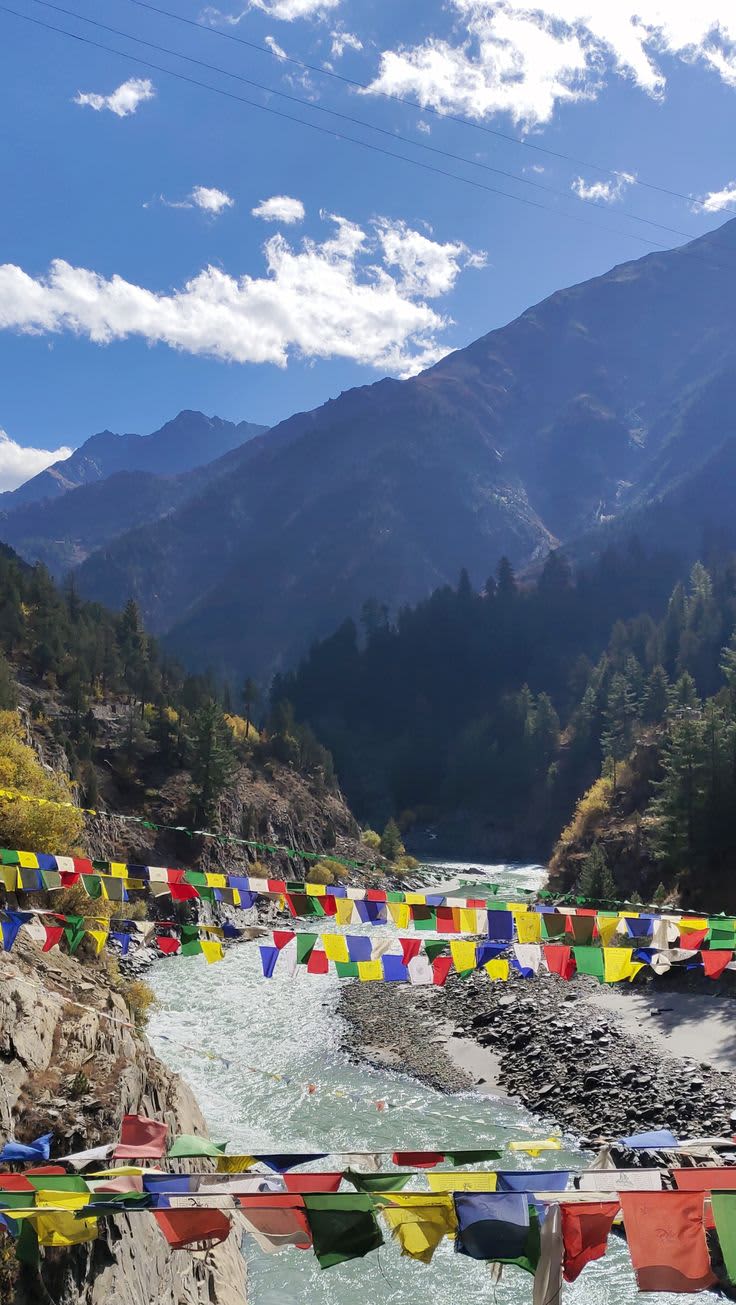
34 km · Lahaul, the northern of the twin districts of Lahaul and Spiti in Himachal Pradesh, is a remote high-altitude valley carved by the Chandra and Bhaga rivers before they merge to form the Chandrabhaga (Chenab) River. Unlike the arid landscape of Spiti to the south, Lahaul has a slightly greener character with potato and pea fields at lower altitudes giving way to barren glacial terrain above. The historic Keylong town serves as the district headquarters, and the valley's ancient Tibetan Buddhist gompas, including the Kardang Monastery, and the dramatic road to the Baralacha La pass connecting to Ladakh make Lahaul a compelling destination for intrepid travelers.

Manali
46 km · Manali, situated at 2,050 meters in the Kullu Valley of Himachal Pradesh, is India's adventure capital and a year-round magnet for travelers seeking snow, thrills, and Himalayan beauty. In winter, the slopes of Solang Valley and Rohtang Pass transform into a snowy playground for skiing and snowboarding, while summer brings trekkers, paragliders, and mountaineers. The ancient Hadimba Devi Temple, the hippie haven of Old Manali, and the dramatic Rohtang Pass make this high-altitude town an unparalleled destination in the Indian Himalayas.
Spiti Valley
60 km · Spiti Valley, a cold desert mountain valley in the trans-Himalayan region of Himachal Pradesh, is one of India's most remote and spectacular destinations. At an average altitude of 3,800 meters, the barren yet dramatic landscape of rugged peaks, ancient monasteries, and turquoise rivers feels otherworldly. The ancient Key Monastery, the tiny village of Kibber, the Chandratal Lake, and the iconic Kunzum Pass are highlights of this bucket-list destination accessible only a few months of the year due to heavy snowfall.