Places to visit near Neil Island
Places to visit near Neil Island
Neil Island, officially renamed Shaheed Dweep, is the smallest and most laid-back of the major tourist islands in the Andamans, offering an idyllic combination of pristine beaches, natural coral bridges, and a pace of life so relaxed it feels like time has stopped. The iconic Natural Bridge rock formation at Laxmanpur Beach, carved by waves into an arching coral doorway, is one of the Andamans' most photographed natural wonders. With excellent snorkeling directly from its beaches, firefly-lit evenings, and a handful of charming guesthouses serving fresh seafood, Neil Island is the perfect antidote to modern travel stress and a paradise for those seeking simple, authentic island living.

22 km
Havelock Island
→Havelock Island, officially renamed Swaraj Dweep, is the crown jewel of the Andaman archipelago and home to Radhanagar Beach — consistently rated one of the best beaches in Asia for its extraordinary combination of pristine white sand, crystal-clear turquoise waters, and lush forest backdrop. The island offers some of the finest scuba diving and snorkeling in India, with thriving coral gardens, sea turtles, and diverse tropical fish accessible from the shore. Elephant Beach — reachable by boat or a forest trek — and the world-famous Radhanagar sunset are experiences that make Havelock Island a must-visit for anyone seeking India's most spectacular island scenery.

43 km
Andaman & Nicobar Islands
→The Andaman & Nicobar Islands, an archipelago of 572 islands in the Bay of Bengal, is India's tropical island paradise — home to some of Asia's finest beaches, world-class diving and snorkeling in pristine coral reefs, dense tropical rainforests, and some of the world's last surviving isolated indigenous tribes. Port Blair, the capital, is home to the historic Cellular Jail — a sobering reminder of India's freedom struggle — while the turquoise waters and white sand beaches of Havelock (Swaraj Dweep) and Neil (Shaheed Dweep) Islands consistently rank among the world's best beaches. The marine biodiversity, including sea turtles, manta rays, whale sharks, and rare endemic bird species, make the Andamans a dream destination for divers and nature lovers.
1165 km
Konark
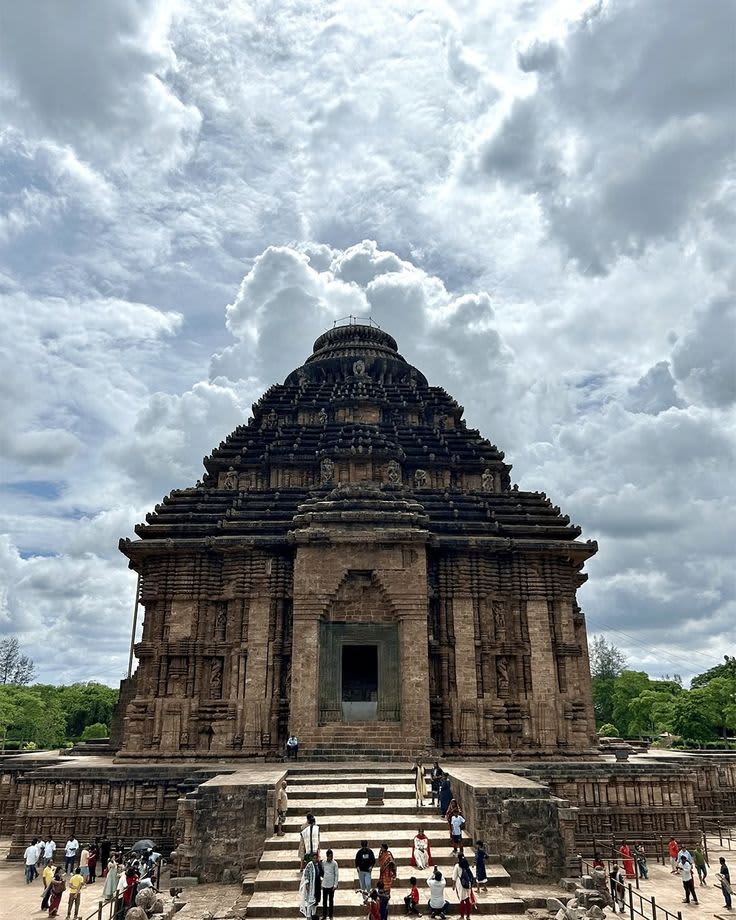
→Konark, a small town on Odisha's coast 35 kilometers from Puri, is home to one of India's greatest architectural wonders — the Sun Temple, a UNESCO World Heritage Site built in the 13th century by King Narasimhadeva I, conceived as a colossal stone chariot of the Sun God Surya with 24 intricately carved wheels and seven horses. The temple's thousands of sculptures depicting celestial beings, erotic carvings, animals, and mythological scenes represent the apex of Odishan temple architecture and craftsmanship. The annual Konark Dance Festival held against the dramatic backdrop of the illuminated Sun Temple is one of India's most magnificent cultural events.
1177 km
Puri
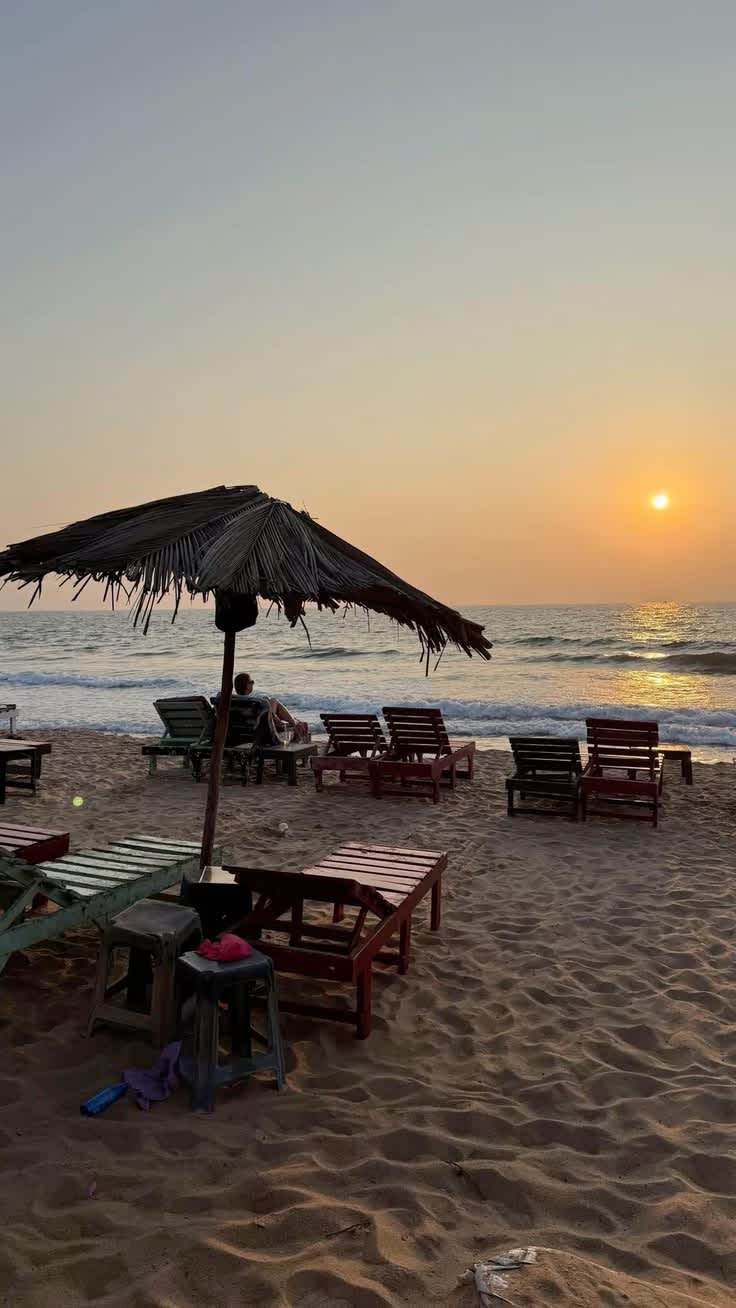
→Puri, on Odisha's Bay of Bengal coast, is one of the four sacred dhams (pilgrimage sites) of Hinduism and home to the Jagannath Temple — one of the most important and powerful Vaishnava temples in India, dedicated to Lord Jagannath (a form of Vishnu/Krishna) and famous for its annual Rath Yatra chariot festival, one of the world's largest religious processions. The long, golden Puri Beach is one of the most beautiful on India's eastern coast, and the lively beach culture of fishermen, sand artists, and evening aarti ceremonies creates a unique spiritual-seaside atmosphere. The temple town's traditional patta chitra art and its generous servings of prasad at the Ananda Bazar make Puri a destination of both devotion and delight.
1230 km
Sundarbans
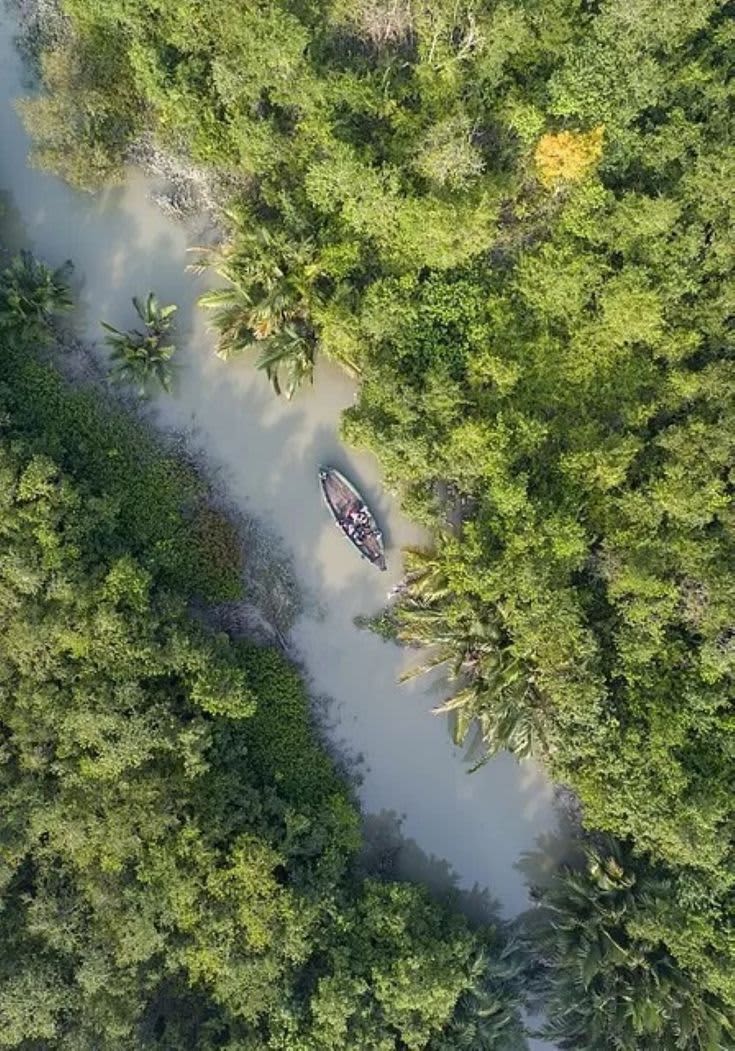
→The Sundarbans, a UNESCO World Heritage Site and the world's largest mangrove delta shared between India and Bangladesh, is one of the most unique and mysterious wildlife habitats on earth. Home to the Bengal tiger — uniquely adapted to swimming between islands — as well as saltwater crocodiles, Irrawaddy dolphins, and the endangered Gangetic dolphin, the Sundarbans is a biodiversity hotspot unlike any other. Boat safaris through the labyrinthine network of tidal creeks and mangrove channels in the West Bengal delta offer an eerie, exhilarating, and deeply memorable wildlife experience.
1242 km
Visakhapatnam
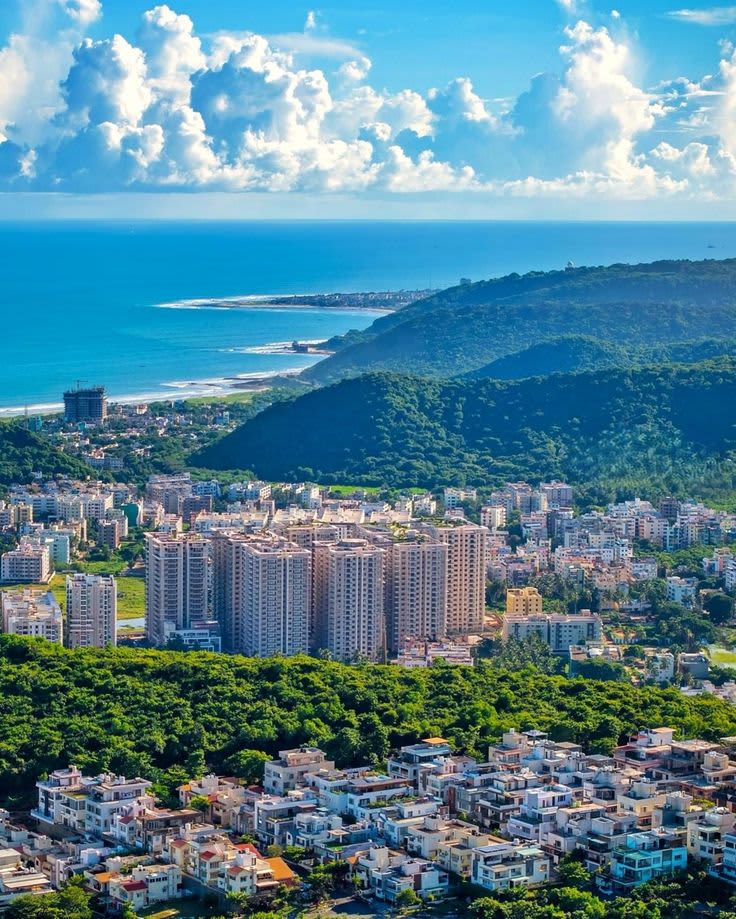
→Visakhapatnam, affectionately known as Vizag, is Andhra Pradesh's largest city and premier port, beautifully situated between the Eastern Ghats and the Bay of Bengal, making it one of India's few cities where beach, mountain, and urban life coexist seamlessly. The Rushikonda Beach, Rishikonda Hills, and the famous submarine museum INS Kursura are among Vizag's most popular attractions, while the nearby Araku Valley hill station — accessible via one of India's most scenic train journeys — adds a natural dimension to the city's appeal. Vizag's rapidly growing status as a tech and business hub, combined with its scenic coastline and hospitable Telugu culture, makes it one of India's most livable and visiting cities.
1454 km
Kanchipuram
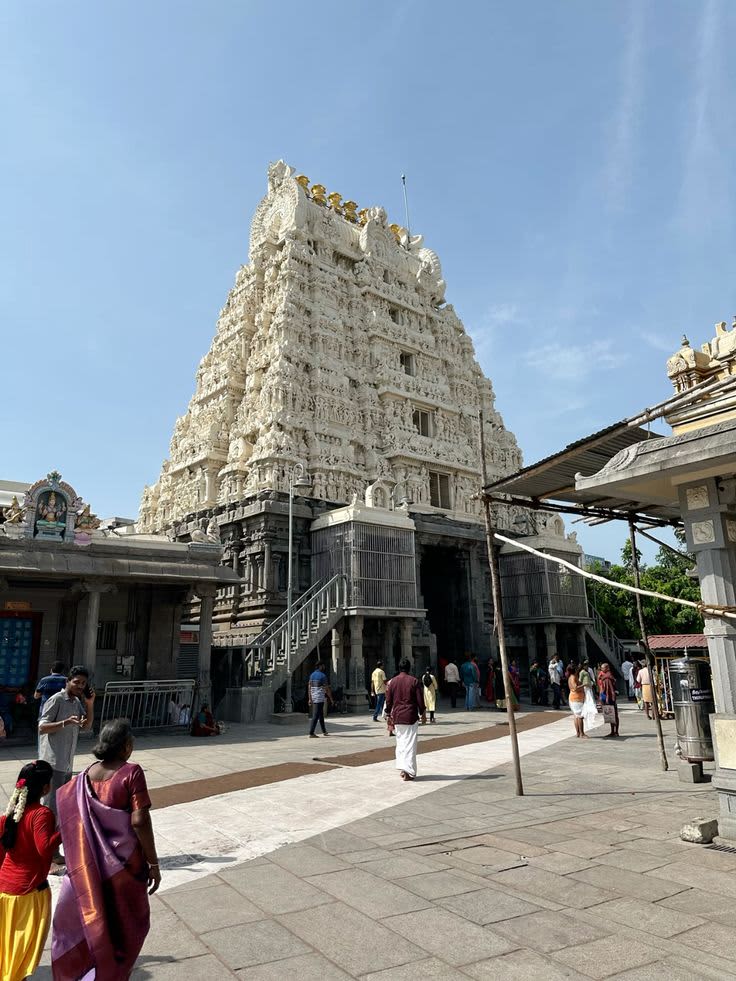
→Kanchipuram, one of India's seven sacred pilgrimage cities and the Temple City of Tamil Nadu, is home to over 1,000 temples and is equally renowned worldwide as the Silk City for its exquisite handwoven Kanchipuram silk sarees, prized as among the finest in the world. The magnificent Ekambaranatha Temple, Kamakshi Amman Temple, and the Kailasanathar Temple — one of the oldest temples in South India — are masterpieces of Pallava and Chola Dravidian architecture. Kanchipuram has been a seat of Hindu philosophical learning for centuries and remains a living embodiment of Tamil cultural and spiritual heritage.

1492 km
Tirupati
→Tirupati, in Andhra Pradesh, is home to the Tirumala Venkateswara Temple atop the Tirumala Hills — the most visited place of worship on earth, receiving an average of 60,000 to 100,000 pilgrims daily. Dedicated to Lord Venkateswara, a form of Vishnu, the temple is not only the world's richest religious institution but also one of the most spiritually charged destinations in Hinduism. The famous 'Tirupati laddu' prasad, the tradition of tonsuring one's head as an offering, and the breathtaking view of the gilded gopuram rising above the Nallamala Hills make a Tirupati pilgrimage an unforgettable experience.
1501 km
Cherrapunji
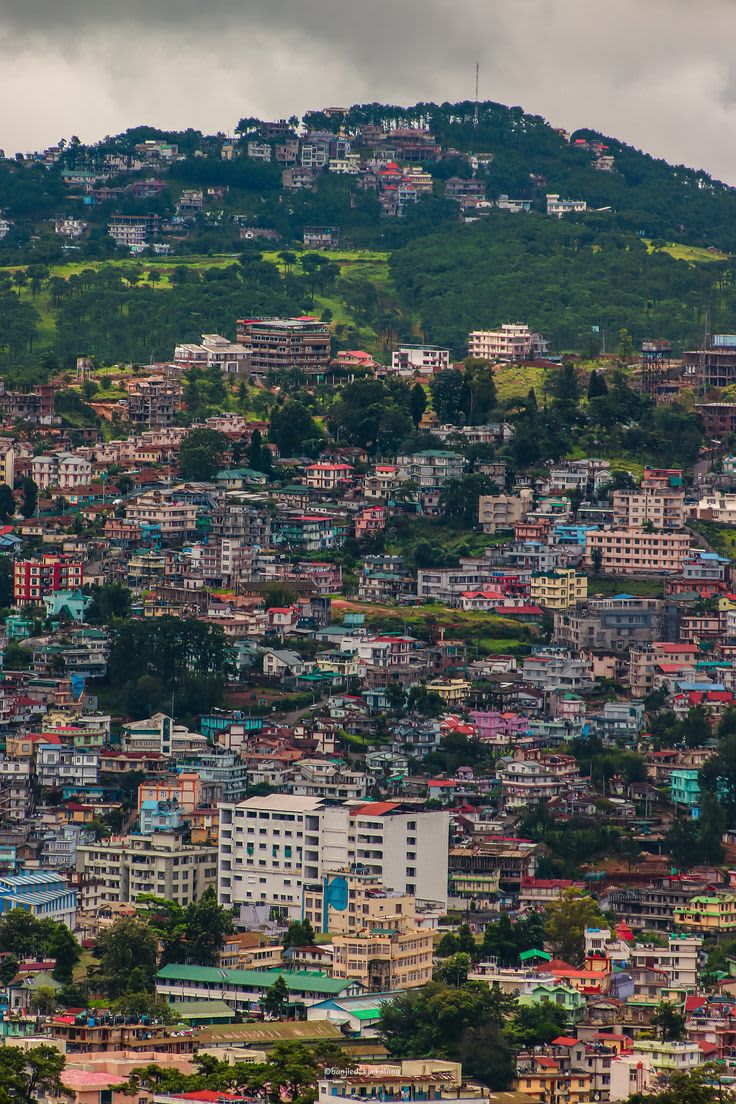
→Cherrapunji, locally known as Sohra, in the East Khasi Hills of Meghalaya holds the record for some of the highest rainfall ever recorded on earth and is a land of extraordinary waterfalls, dramatic gorges, and the most remarkable feat of human bio-engineering — the living root bridges grown by the indigenous Khasi people by training ficus tree roots across streams over centuries. The Nohkalikai Falls — India's tallest plunge waterfall dropping 340 meters into a turquoise pool — and the panoramic views across the Bangladesh plains from the plateau edge make Cherrapunji one of India's most dramatic natural destinations.
1527 km
Rameswaram
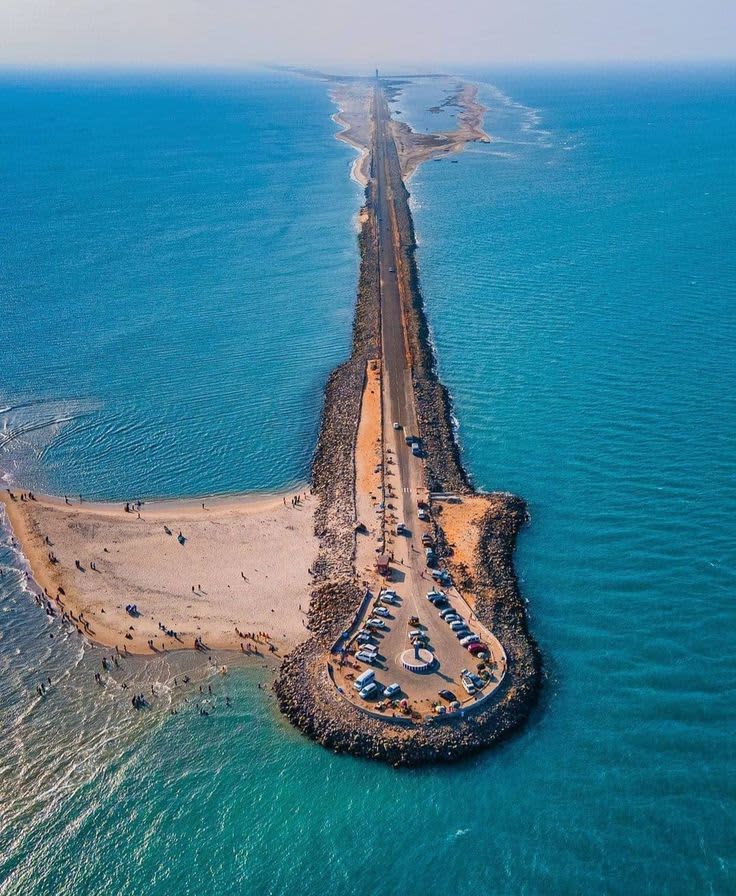
→Rameswaram, an island town in Tamil Nadu connected to the mainland by the iconic Pamban Bridge, is one of the holiest sites in Hinduism and one of the four sacred dhams (Char Dham) that every devout Hindu aspires to visit. The Ramanathaswamy Temple, famous for its 1,200-meter-long ornate corridors — the longest in any Hindu temple in the world — and its 22 sacred theerthams (water tanks), is the spiritual heart of the island. The pristine beaches, the mythological connection to the Ramayana, and the dramatic vistas of the Pamban Railway Bridge make Rameswaram a unique confluence of faith, history, and natural beauty.