Cherrapunji, locally known as Sohra, in the East Khasi Hills of Meghalaya holds the record for some of the highest rainfall ever recorded on earth and is a land of extraordinary waterfalls, dramatic g...
Cherrapunji
Wettest Place on Earth
Meghalaya, India
4.8
Living Root BridgesWaterfallsEndless Greenery
hillStationnature
Duration: 1–2 Days
Budget/day: ₹1,500 – ₹4,000
Best season: Oct – Jan
Altitude: 1,430 m
Nearest airport: Umroi Airport, Shillong (90 km) or Guwahati Airport (150 km)
Nearest railway: Guwahati Railway Station (150 km)
Best places to visit in Cherrapunji


Things to do in Cherrapunji
- No photoTrekView full guide
4–5 hours (full round trip)
Double Decker Living Root Bridge trek
One of the most extraordinary sights in India — a naturally formed bridge made of living rubber tree roots, carefully trained over generations by the Khasi people into a fully load-bearing double-decker crossing over a crystal-clear jungle stream. The 3,500-step trek down through dense rainforest is challenging but deeply rewarding, and the bridge itself is unlike anything else you will encounter anywhere in the world.
- No photoNatureView full guide
1–2 hours
Nohkalikai Falls viewpoint
Standing at 340 metres, Nohkalikai is the tallest plunge waterfall in India and one of the most dramatic in all of Asia. It drops sheer off a cliff edge into a turquoise-green pool far below, surrounded by layered limestone cliffs and misty forested gorges. The viewpoint is easily accessible and the sight of that wall of water disappearing into the valley below is nothing short of breathtaking.
- No photoNatureView full guide
1 hour
Seven Sisters Falls (Nohsngithiang) view
During the monsoon, seven separate streams pour off a single cliff face in near-parallel lines, creating the spectacular Seven Sisters waterfall — one of the widest waterfalls in India. From the viewpoint across the gorge, you get the full width of all seven cascades at once, framed by the green plateau edge and the Bangladesh plains far below. It is one of those rare natural spectacles that photographs simply cannot do justice to.
Best Time to Visit and Weather Info
Best time: October to January
Cherrapunji (Sohra) is one of the wettest places on Earth. Waterfalls are active June–November but July–August brings extreme, dangerous rainfall. October–November is the sweet spot — active waterfalls with manageable weather.
Post-Monsoon
Best Time ⭐Oct – Jan
8°C – 20°C
Waterfalls are at full force, skies clear up, and the valley views into Bangladesh are spectacular. Best time to trek to living root bridges.
- Nohkalikai Falls (India's tallest plunge waterfall at 340 m) is most dramatic in Oct–Nov
- Trek to Nongriat's double-decker living root bridge — challenging but magnificent
Monsoon
Good 🟡Jun – Sep
15°C – 25°C
Waterfalls are in full glory but rainfall can be dangerously heavy. July–August can receive 1,000 mm of rain in a single week.
- July–August extreme rainfall can make roads and trails hazardous
- Waterfalls are most powerful in August–September
Winter & Spring
Good 🟡Feb – Apr
8°C – 22°C
Dry season — waterfalls reduce in volume but the weather is pleasant. Best time for living root bridge treks without slippery trails.
- Waterfalls may be reduced or dry in March–April
- Ideal for the Nongriat trek without slippery trails
How to Reach
✈️By Air
Airport: Umroi Airport, Shillong (90 km)
Duration: ~3 hrs by road
Fly to Shillong (via Guwahati) and hire a taxi to Cherrapunji. Most visitors base themselves in Shillong and do day trips.
Taxi: ₹1,200 – ₹2,000 (Shillong to Cherrapunji)
Airlines: IndiGo, Air India
🚂By Train
Station: Guwahati Railway Station (150 km)
Train to Guwahati, then cab or shared taxi to Shillong and onwards to Cherrapunji.
- Rajdhani Express — Delhi to Guwahati (17 hrs)
- Saraighat Express — Delhi to Guwahati (24 hrs)
🚌By Road
Drive from Shillong to Cherrapunji (Sohra) via the scenic Shillong–Cherrapunji Highway. The road is winding but beautiful.
- Shillong: 55 km, 1.5 hrs via Sohra Road
- Guwahati: 150 km, 4.5 hrs via NH-6 – Shillong – Sohra
- Dawki: 80 km, 2.5 hrs via Jowai Road
Itineraries
Local Food
Cherrapunji's food scene is simple and very limited. Most dining happens at resorts, homestays, or the few local eateries in Sohra market.
Jadoh
Red rice cooked with pork — the staple Khasi dish. Simple, nourishing, and available at local dhabas.
Where: Local eateries in Sohra market
₹100 – ₹180
Pork with Bamboo Shoots
Slow-cooked pork with tangy fermented bamboo shoots — a northeastern tribal delicacy.
Where: Local Khasi restaurants
₹120 – ₹200
Kwai (Betel Nut)
Chewing kwai (betel nut with leaf and lime) is a ubiquitous Khasi social custom — a cultural experience rather than food.
Where: Markets and roadside stalls throughout Cherrapunji
₹5 – ₹15 per set
Momos
Pork or chicken dumplings — widely available and popular with trekkers.
Where: Small dhabas in Sohra
₹70 – ₹120
Hot Chai with Local Snacks
Strong tea served with boiled eggs, bread, or local rice crackers — the trekker's refuelling stop.
Where: Tea stalls on the Nongriat trail and in Sohra market
₹15 – ₹40
Cherrapunji has very limited food options. Staying at a resort with meals included is strongly recommended. Carry snacks and water especially for the Nongriat trek.
FAQs
- Cherrapunji (Sohra) is one of the wettest places on Earth, holding several world rainfall records. It is famous for the spectacular Nohkalikai Falls (India's tallest plunge waterfall at 340 m), the double-decker living root bridges at Nongriat, Seven Sisters Falls, Mawsmai Cave, and sweeping views of the Bangladesh plains.
Best Places Similar
Shillong
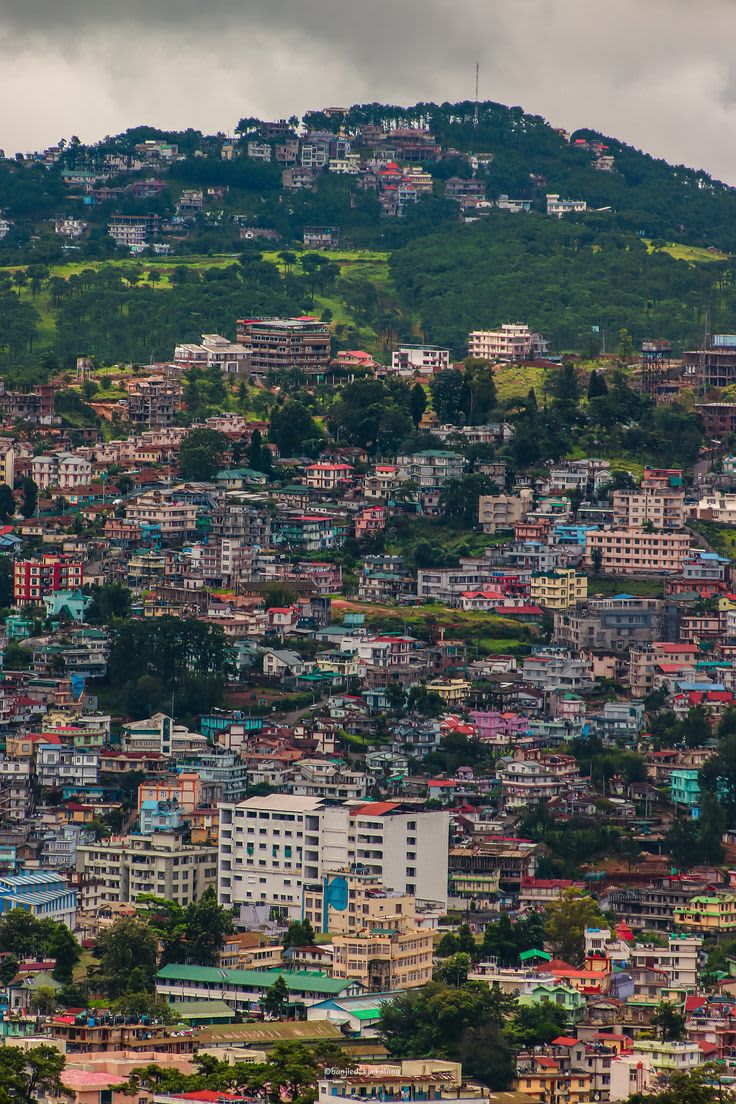
Shillong, the capital of Meghalaya and known as the "Scotland of the East," is a vibrant, rolling hill city at 1,496 meters surrounded by pine-clad hills and waterfalls that formed the backdrop for many a beloved Bollywood romantic scene. The city boasts a unique blend of British colonial architecture, indigenous Khasi culture, and a legendary live music scene that has produced some of India's finest rock musicians. Ward's Lake in the city center, the stunning Elephant Falls, the Cathedral of Mary Help of Christians, and easy day trips to the living root bridges of Cherrapunji make Shillong one of Northeast India's most captivating destinations.
Ziro
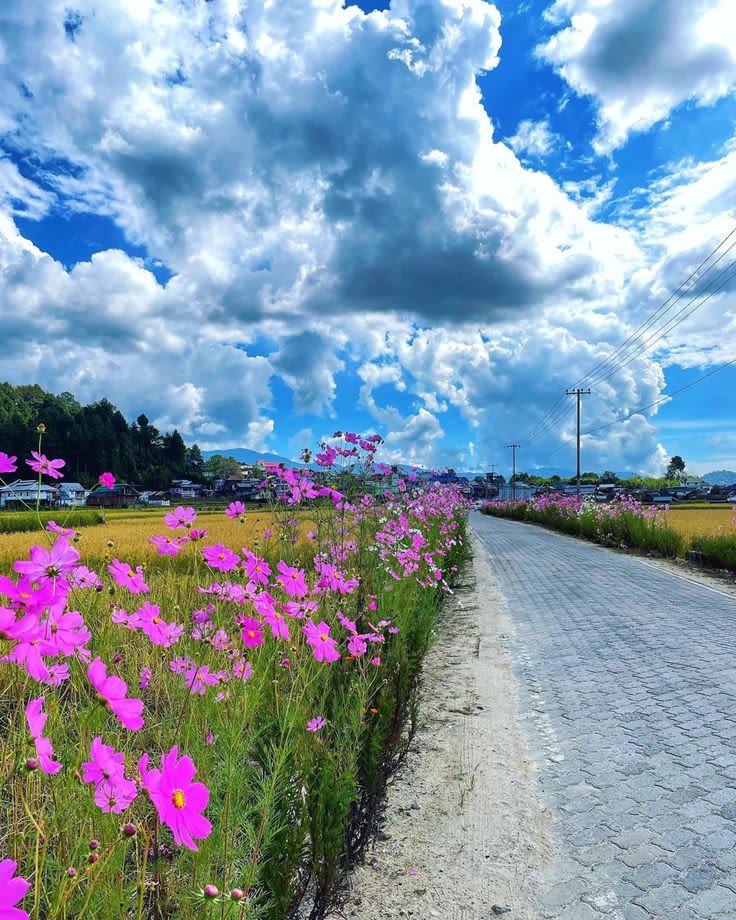
Ziro, a picturesque valley town in Arunachal Pradesh's Lower Subansiri district, is home to the indigenous Apatani tribe and their unique cultural landscape of terraced paddy fields and pine forests, recognized as a UNESCO Tentative World Heritage Site. The Apatani people's traditional agricultural system, intricate face tattoos, and distinctive bamboo architecture make Ziro one of the most culturally fascinating destinations in Northeast India. Every September, the Ziro Music Festival — held against the backdrop of misty mountains and paddy fields — transforms this remote valley into a celebrated gathering of independent musicians from across India and beyond.
Tawang
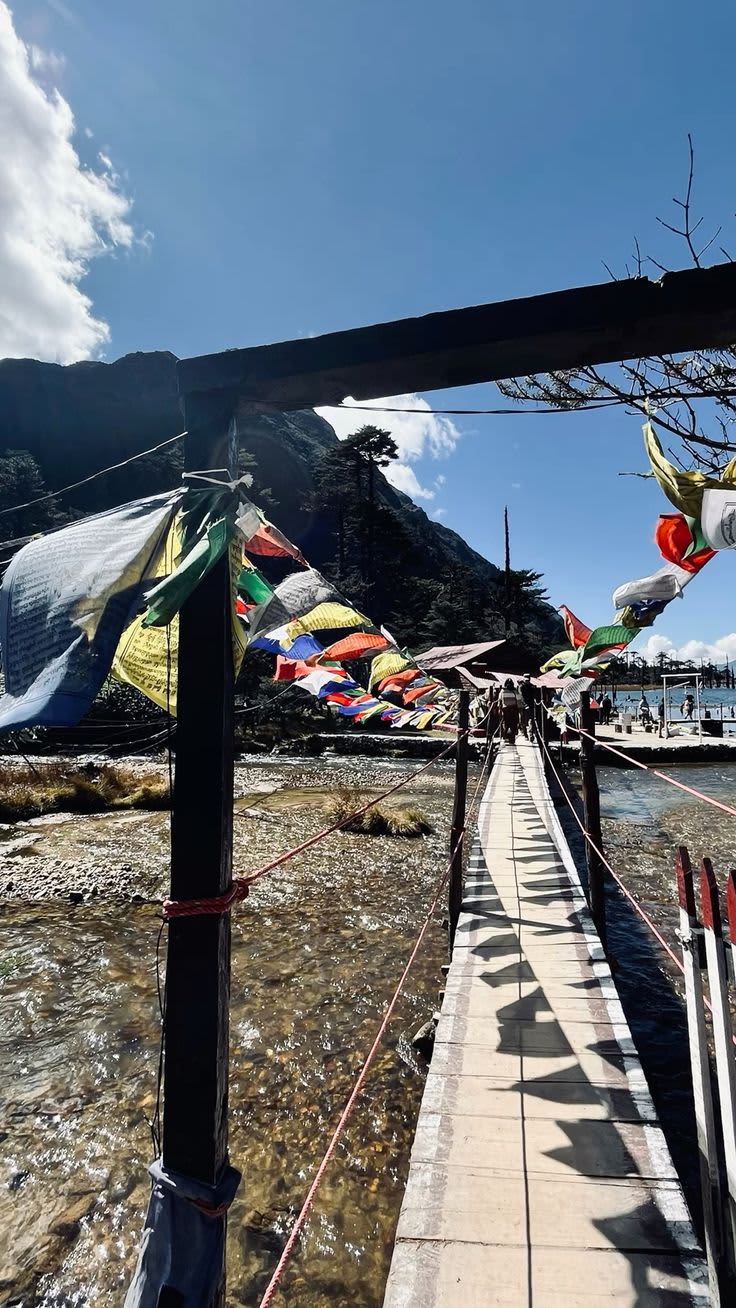
Tawang, nestled at 3,048 meters in the western corner of Arunachal Pradesh bordering Bhutan and China, is a remote and deeply sacred Buddhist destination home to the Tawang Monastery — the largest Buddhist monastery in India and the second largest in the world after Potala Palace in Lhasa. The monastery, perched dramatically on a ridge overlooking the Tawang Valley, was founded in 1680 and is the birthplace of the 6th Dalai Lama, making it one of Tibetan Buddhism's most revered centers. The breathtaking Sela Pass at 4,170 meters, the pristine Madhuri Lake (Shungetser Lake), and the warm hospitality of the Monpa people make Tawang an unforgettable frontier adventure.
Nearby destinations
Shillong
39 km · Shillong, the capital of Meghalaya and known as the "Scotland of the East," is a vibrant, rolling hill city at 1,496 meters surrounded by pine-clad hills and waterfalls that formed the backdrop for many a beloved Bollywood romantic scene. The city boasts a unique blend of British colonial architecture, indigenous Khasi culture, and a legendary live music scene that has produced some of India's finest rock musicians. Ward's Lake in the city center, the stunning Elephant Falls, the Cathedral of Mary Help of Christians, and easy day trips to the living root bridges of Cherrapunji make Shillong one of Northeast India's most captivating destinations.
Kaziranga National Park
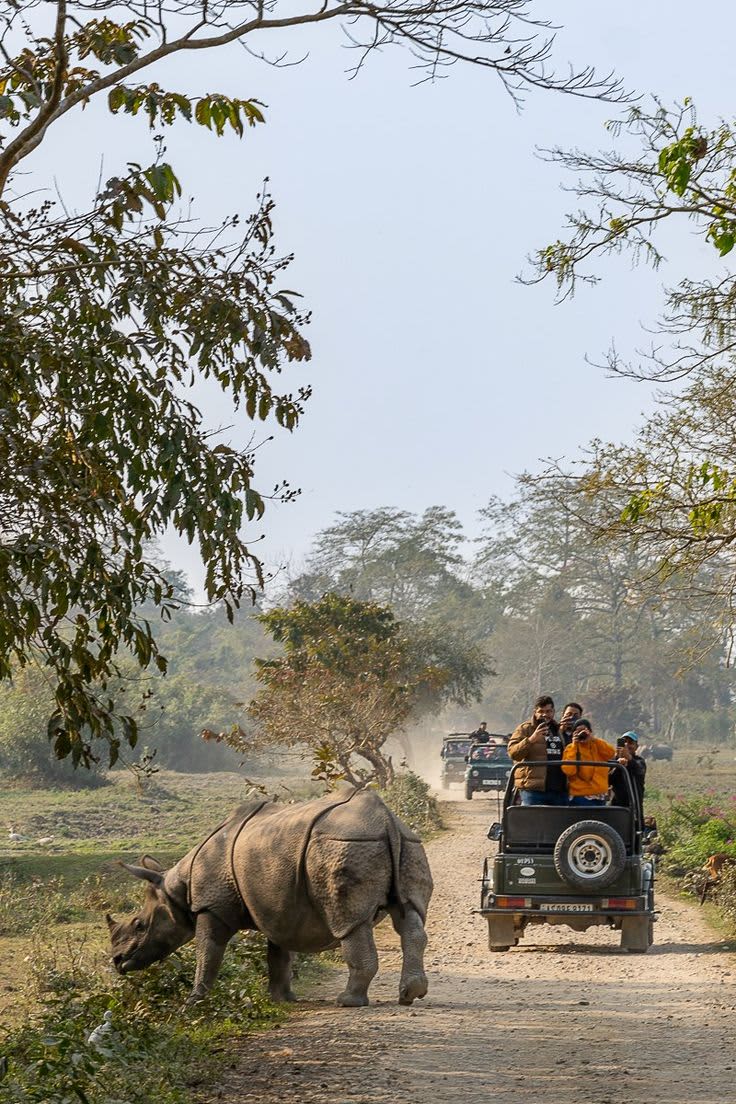
205 km · Kaziranga National Park, a UNESCO World Heritage Site in Assam, is the world's most important refuge for the endangered one-horned rhinoceros, sheltering more than two-thirds of the global population. The park's floodplain landscape of tall elephant grass, dense forests, and wetlands along the Brahmaputra River also supports the world's highest density of tigers, along with wild water buffalo, swamp deer, elephants, and thousands of migratory birds. Jeep and elephant safaris through Kaziranga offer an unparalleled wildlife experience in one of India's most biodiverse ecosystems.
Tawang
259 km · Tawang, nestled at 3,048 meters in the western corner of Arunachal Pradesh bordering Bhutan and China, is a remote and deeply sacred Buddhist destination home to the Tawang Monastery — the largest Buddhist monastery in India and the second largest in the world after Potala Palace in Lhasa. The monastery, perched dramatically on a ridge overlooking the Tawang Valley, was founded in 1680 and is the birthplace of the 6th Dalai Lama, making it one of Tibetan Buddhism's most revered centers. The breathtaking Sela Pass at 4,170 meters, the pristine Madhuri Lake (Shungetser Lake), and the warm hospitality of the Monpa people make Tawang an unforgettable frontier adventure.