Nashik, situated on the banks of the holy Godavari River in Maharashtra, is one of India's most important pilgrimage cities and one of the four sacred venues for the Kumbh Mela, the world's largest hu...
Nashik
Wine Capital & Holy City
Maharashtra, India
4.6
Kumbh MelaWine ToursTemples
spiritual
Duration: 2–3 Days
Budget/day: ₹1,200 – ₹4,000
Best season: Oct – Mar
Altitude: 584 m
Nearest airport: Ozar Airport, Nashik (within 25 km)
Nearest railway: Nashik Road Railway Station (8 km from city)
Best places to visit in Nashik
Things to do in Nashik
- No photoFood & LeisureView full guide
2–3 hours
Sula Vineyards wine tour and tasting
Nashik is India's wine capital, and the Sula Vineyards — the country's largest and most visited — have turned this fact into a world-class agri-tourism experience. A guided tour walks you through the vine rows, the barrel cellar, and the production facility before ending in the tasting room where Sula's full range of Riesling, Chenin Blanc, Cabernet, and rosé wines are poured properly. The hilltop tasting lounge with vineyard views is a wonderful way to spend an afternoon.
- No photoHeritageView full guide
2 hours
Pandavleni Caves exploration
Carved into a hillside overlooking the city, the 24 Pandavleni caves are Buddhist rock-cut structures dating from the 1st century BC to the 3rd century AD — some of the finest early Buddhist architecture in Maharashtra. The carvings of the Hinayana period are remarkably well preserved, and the views over Nashik from the top of the hill reward the climb with a sweeping panorama of the Godavari valley.
- No photoSpiritualView full guide
1–2 hours
Ram Kund and Godavari ghats
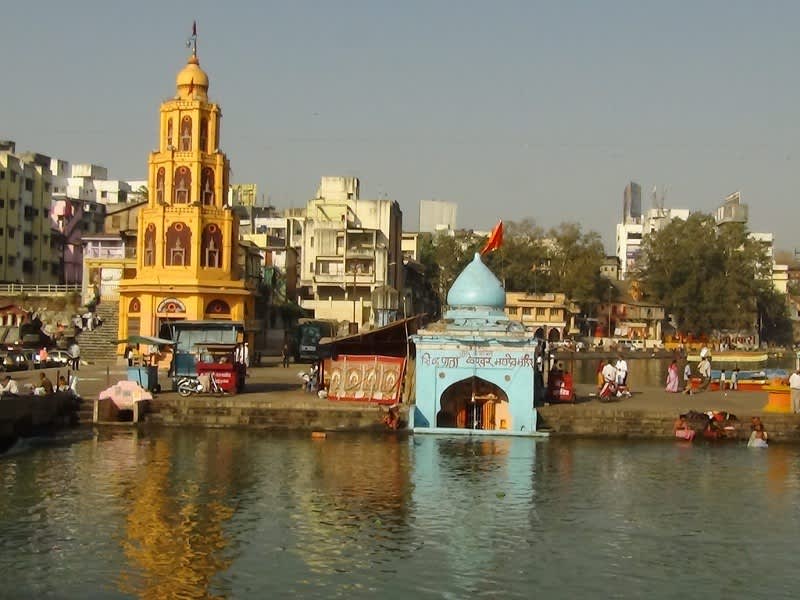
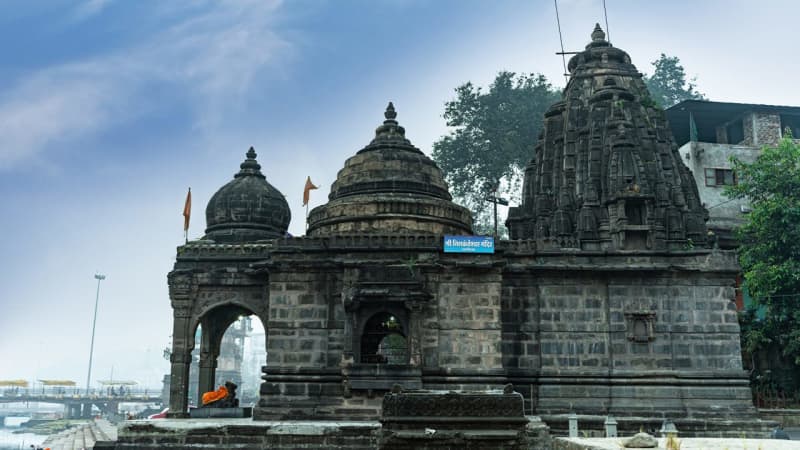
The sacred Ram Kund tank on the banks of the Godavari is where Lord Rama is said to have bathed during his exile, and it remains one of the most important pilgrimage sites in Maharashtra. The surrounding ghats have an atmospheric, lived-in quality — priests conducting rituals, pilgrims taking ritual dips, flower garlands floating on the water — that feels entirely authentic and unchanged.
Best Time to Visit and Weather Info
Best time: October to March
Monsoon (June–September) brings heavy rainfall but also fills waterfalls and vineyards. Summers can be warm.
Winter
Best Time ⭐Oct – Mar
10°C – 30°C
The Nashik wine harvest happens from January–March. Vineyards are lush and wine tasting sessions are at their best. All temples and pilgrimage sites are comfortable to visit.
- The Nashik Grape Harvest Festival (Feb–Mar) is a highlight
- Visit Sula Vineyards for wine tasting and SulaFest (music and wine festival in February)
Monsoon
Good for Nature 🟡Jun – Sep
22°C – 32°C
Waterfalls near Nashik (Gangapur, Someshwar) are spectacular. Vineyards are lush green. Pandavleni caves are set against dramatic clouds.
- Anjneri and Brahmagiri hill treks are beautiful in monsoon
- Igatpuri (nearby) has stunning monsoon landscapes
Summer
Hot 🔴Apr – Jun
28°C – 42°C
Uncomfortable heat in the Deccan Plateau. Not ideal for outdoor sightseeing.
- Avoid unless combining with Trimbakeshwar pilgrimage
- Early morning temple visits are manageable
How to Reach
✈️By Air
Airport: Ozar Airport (Nashik International Airport) (25 km from Nashik city)
Duration: ~45 mins by road
Limited flights from Delhi and Bengaluru. Most travelers come from Mumbai (3 hrs by road/train).
Taxi: ₹700 – ₹1,200 (Airport to city)
Airlines: Air India, IndiGo (limited)
🚂By Train
Station: Nashik Road Railway Station (8 km from city)
Good connectivity from Mumbai (3 hrs), Delhi (15 hrs), and Pune (3.5 hrs) via the Central Railway line.
- Panchavati Express — Mumbai (CST) (~3 hrs to Nashik Road)
- Tapovan Express — Mumbai (CST) (~3 hrs to Nashik Road)
🚌By Road
NH-3 (Mumbai-Agra Highway) passes through Nashik. MSRTC buses and private sleeper coaches are widely available from Mumbai, Pune, and Shirdi.
- Mumbai: 167 km, 3 hrs via NH-3 (Mumbai-Nashik Expressway)
- Pune: 215 km, 4 hrs via NH-60
- Shirdi: 90 km, 2 hrs via NH-160
- Aurangabad: 190 km, 4 hrs via NH-52
Itineraries
Local Food
Nashik's food culture blends Maharashtrian street food with a unique wine culture — it's the only Indian city where a vineyard dinner and a pilgrim thali are equally common.
Misal Pav
Spicy moth bean curry with crispy farsan, onions, and pav bread — Nashik's favourite breakfast and snack.
Where: Sarda Misal, Old Nashik; countless local stalls
₹60 – ₹120
Nashik Wine (Sula, York, Soma)
Nashik produces over 80% of India's wine. Sauvignon blanc, Chenin blanc, and Shiraz from Nashik are internationally acclaimed.
Where: Sula Vineyards, York Winery, Vallonne (winery tours from ₹300–₹500)
₹300 – ₹2,000 per bottle
Sabudana Khichdi
Tapioca pearls cooked with peanuts and green chilies — the standard pilgrimage fasting food in Nashik.
Where: Dhabas near the Godavari ghats and temple areas
₹60 – ₹100
Kande Pohe
Maharashtrian-style flattened rice with onion, mustard seeds, and fresh coconut — the universal morning snack.
Where: Street stalls and tiffin centres across Nashik
₹30 – ₹60
Solkadhi
Cooling pink kokum and coconut milk drink — the perfect digestive after a heavy Marathi meal.
Where: Restaurants in Nashik serving coastal Maharashtra food
₹30 – ₹70
Grape Products
Fresh grapes, grape juice, grape jam, and raisins — all produced locally. The best are available from January to March.
Where: Grape orchards on the Sula road; local markets
₹50 – ₹200 per kg
The Sula Vineyards (17 km from Nashik city) offer walk-in wine tasting, tours, a restaurant (Little Italy), and an annual music festival (SulaFest in February).
FAQs
- Nashik is famous for being one of the four sacred Kumbh Mela sites (Simhastha Kumbh), the Trimbakeshwar Jyotirlinga (one of 12 most sacred Shiva temples), Pandavleni Buddhist caves, and being India's wine capital with the Sula Vineyards.
Best Places Similar
Trimbakeshwar
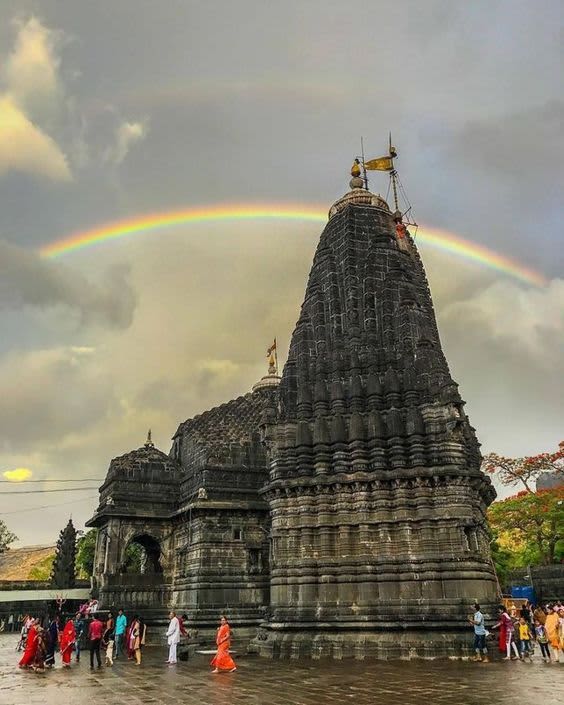
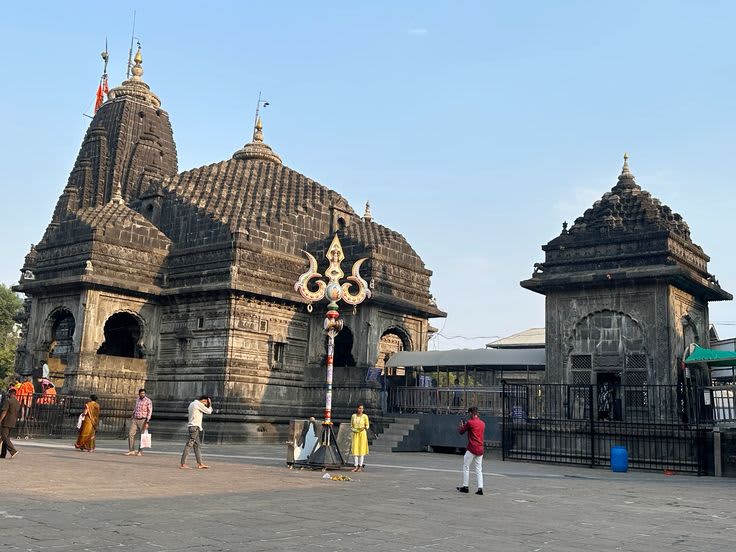
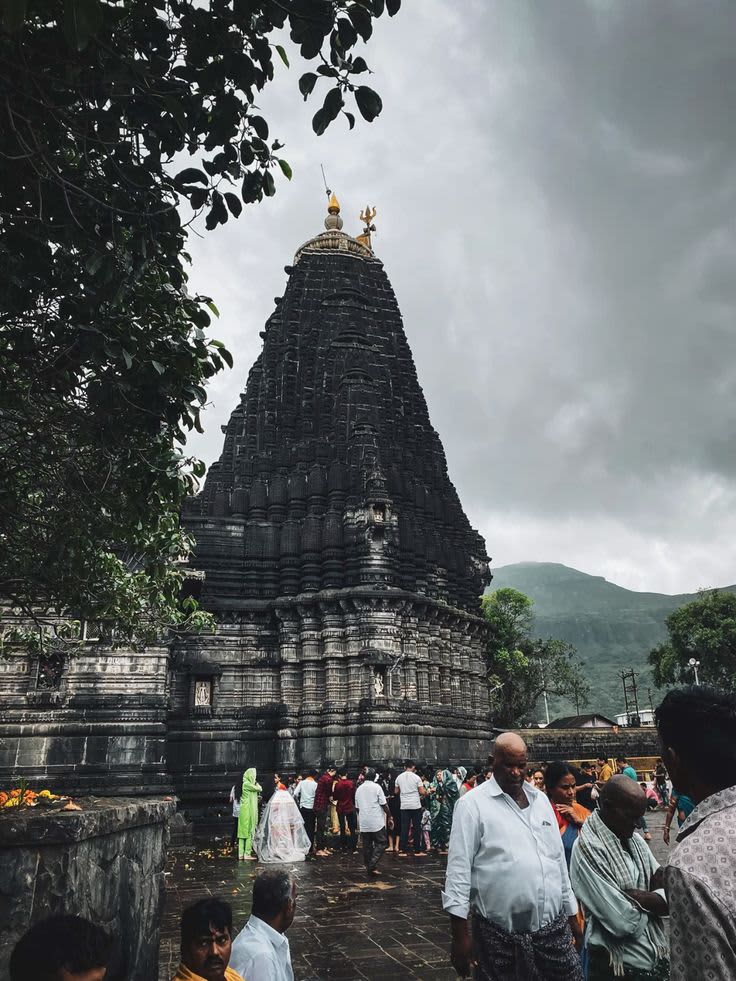
Trimbakeshwar, situated at the source of the sacred Godavari River near Nashik in Maharashtra, is one of the twelve Jyotirlingas — the most sacred shrines of Lord Shiva in Hinduism. The magnificent Trimbakeshwar Shiva Temple, built in the Hemadpanthi style of black stone, is unique in housing a Jyotirlinga with three faces representing Brahma, Vishnu, and Shiva. The temple town is also the starting point of the Brahmagiri mountain trek, from the summit of which the Godavari River originates, making it a deeply sacred and scenically beautiful pilgrimage destination.
Shirdi
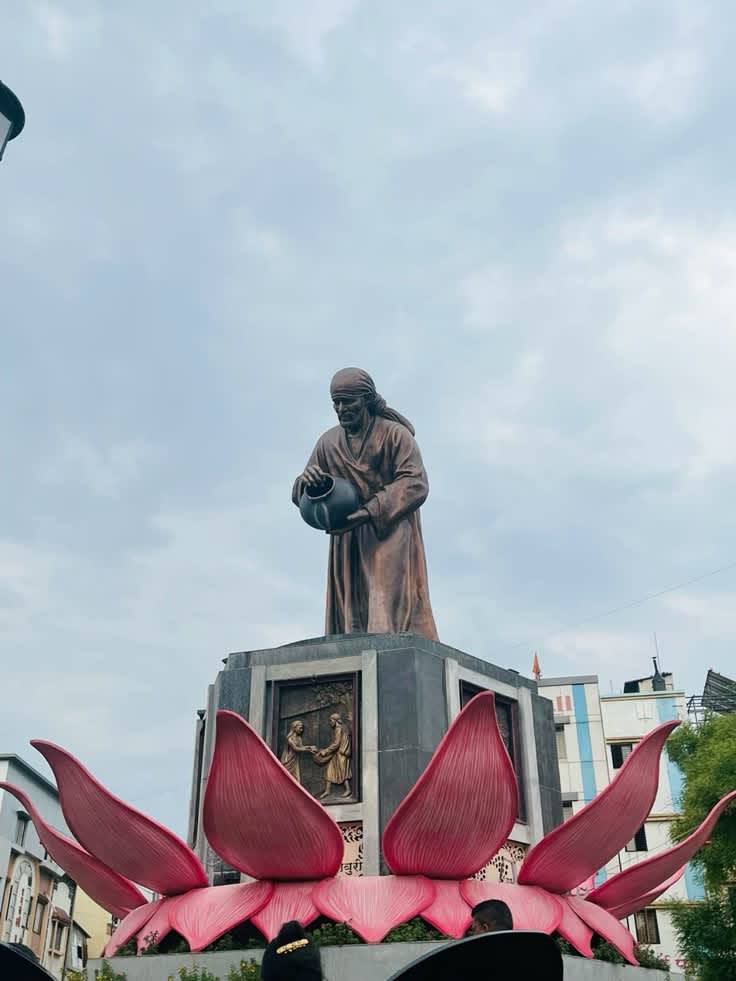
Shirdi, a small town in Maharashtra's Ahmednagar district, is one of the most visited pilgrimage destinations in India — home to the Shri Sai Baba Samadhi Mandir, the shrine of the revered saint Sai Baba of Shirdi, who is worshipped by both Hindus and Muslims as a manifestation of God and whose teachings of love, forgiveness, and brotherhood continue to attract millions of devotees from across India and the world. The Samadhi Mandir housing the marble idol of Sai Baba, the Dwarkamai mosque where Sai Baba lived for much of his life, and the Chavadi where he slept on alternate nights are the three most sacred sites in the Shirdi complex, creating a deeply moving spiritual circuit for devotees of every faith.
Haridwar
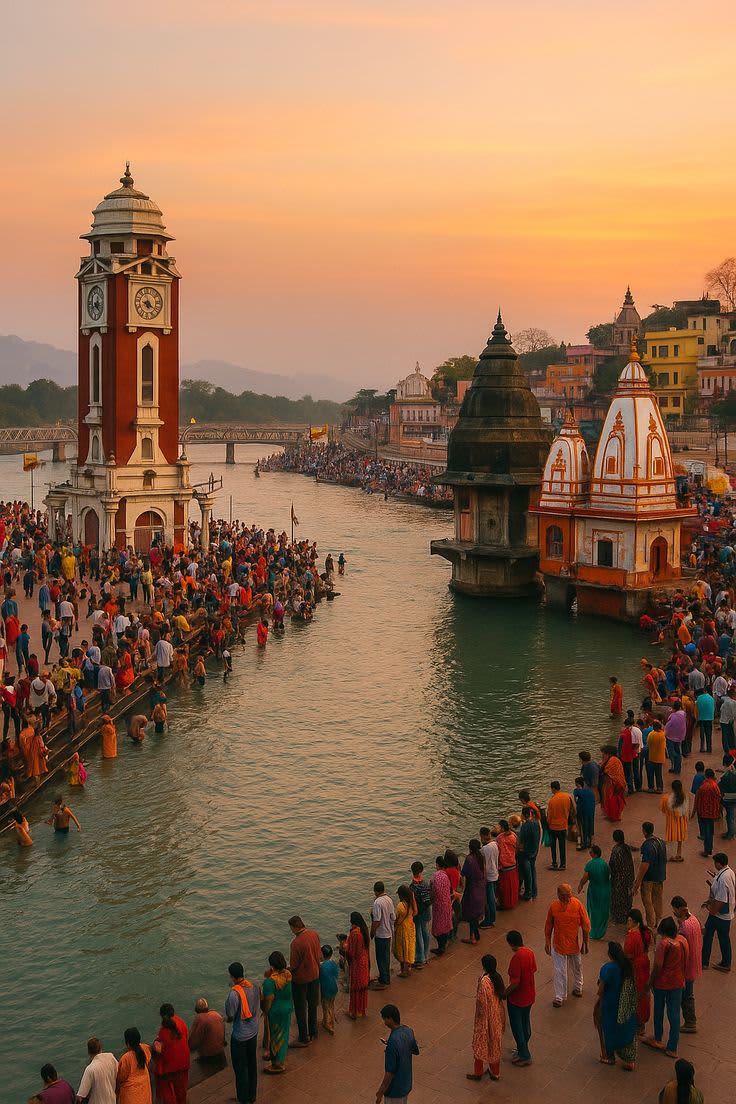
The holy city of Haridwar translates to "Gateway to God," and this breathtaking destination, replete with ancient temples and sacred ghats, is a magnet for religious pilgrims from all over the globe. Religious festivals like Kumbh Mela and Kanwar Yatra hold further draw, and visitors can't help but be compelled by the city's aura of intense spirituality. Don't miss the iconic Har ki Pauri ghat and the hilltop Chandi Devi Temple.
Nearby destinations
Trimbakeshwar
28 km · Trimbakeshwar, situated at the source of the sacred Godavari River near Nashik in Maharashtra, is one of the twelve Jyotirlingas — the most sacred shrines of Lord Shiva in Hinduism. The magnificent Trimbakeshwar Shiva Temple, built in the Hemadpanthi style of black stone, is unique in housing a Jyotirlinga with three faces representing Brahma, Vishnu, and Shiva. The temple town is also the starting point of the Brahmagiri mountain trek, from the summit of which the Godavari River originates, making it a deeply sacred and scenically beautiful pilgrimage destination.
Shirdi
76 km · Shirdi, a small town in Maharashtra's Ahmednagar district, is one of the most visited pilgrimage destinations in India — home to the Shri Sai Baba Samadhi Mandir, the shrine of the revered saint Sai Baba of Shirdi, who is worshipped by both Hindus and Muslims as a manifestation of God and whose teachings of love, forgiveness, and brotherhood continue to attract millions of devotees from across India and the world. The Samadhi Mandir housing the marble idol of Sai Baba, the Dwarkamai mosque where Sai Baba lived for much of his life, and the Chavadi where he slept on alternate nights are the three most sacred sites in the Shirdi complex, creating a deeply moving spiritual circuit for devotees of every faith.
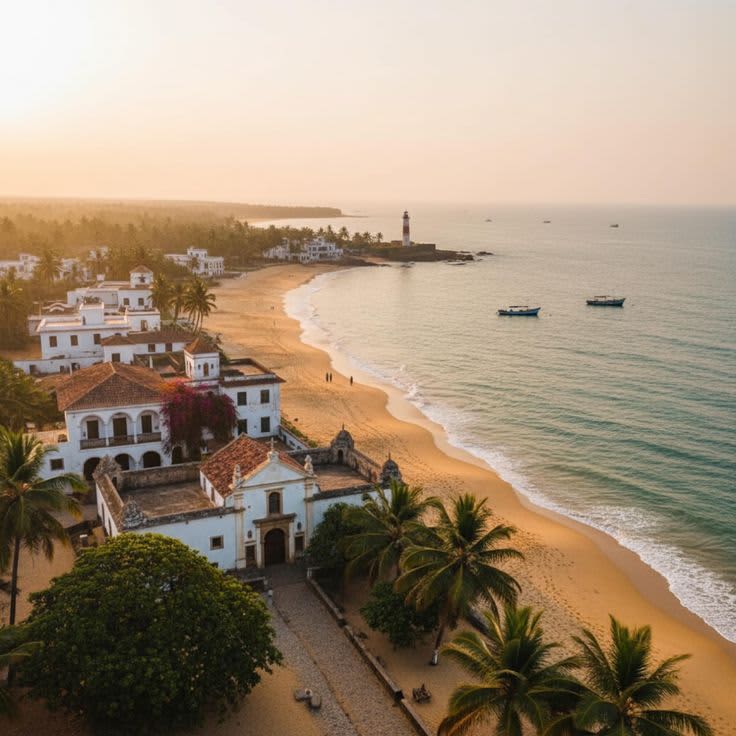
Daman
110 km · Daman, a Union Territory on India's western coast north of Mumbai, is a compact beach destination with a distinctive Portuguese colonial heritage visible in its old churches, forts, and cobbled streets. The Moti Daman Fort and Nani Daman Fort, both well-preserved Portuguese bastions from the 16th century, flank the Damanganga River mouth and reflect Daman's four centuries of Portuguese rule before independence in 1961. The relatively uncrowded Jampore and Devka beaches, the Church of Bom Jesus, and the duty-free liquor policy that makes Daman popular with visitors from neighboring dry state Gujarat add to the town's laid-back beach holiday appeal.