Best places to visit in Nashik
Best places to visit in Nashik
Nashik, situated on the banks of the holy Godavari River in Maharashtra, is one of India's most important pilgrimage cities and one of the four sacred venues for the Kumbh Mela, the world's largest human gathering. The city is famous for its ghats along the Godavari, the Panchavati area associated with the Ramayana, and the ancient cave temples of Pandavleni. Nashik also sits at the heart of India's most celebrated wine country, the Sula Vineyards and surrounding wine region, making it a uniquely dual destination that appeals to both pilgrims and modern lifestyle travelers.
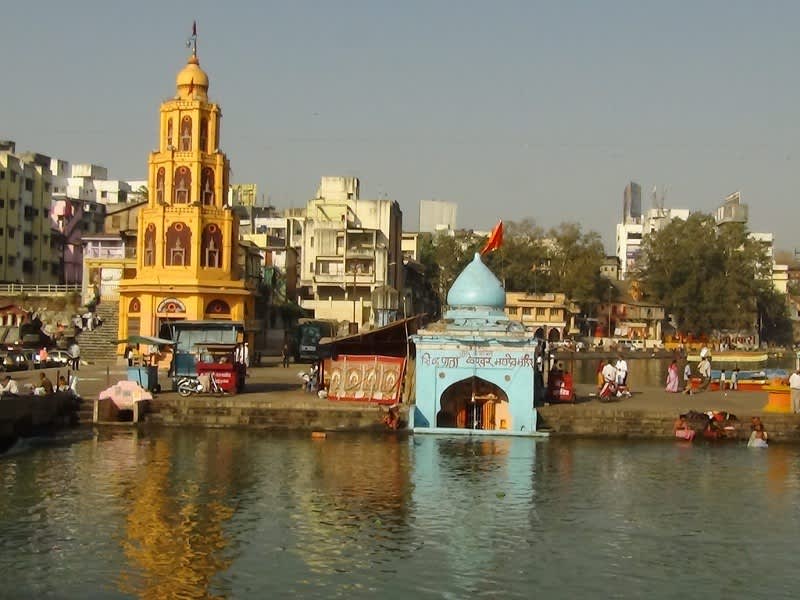
Ramkund
→Ramkund is the most sacred ghat in Nashik on the banks of the Godavari River — where Lord Rama bathed during his 14-year exile and where Laxman cut off Surpanakha's nose, as described in the Ramayana. One of the Kumbh Mela sites (held every 12 years, called Simhastha Kumbh Nashik), it draws millions of Hindu pilgrims for ritual holy dips. Ashes of many prominent Indians, including Pandit Nehru and Mahatma Gandhi, were immersed here. A top Nashik spiritual attraction.
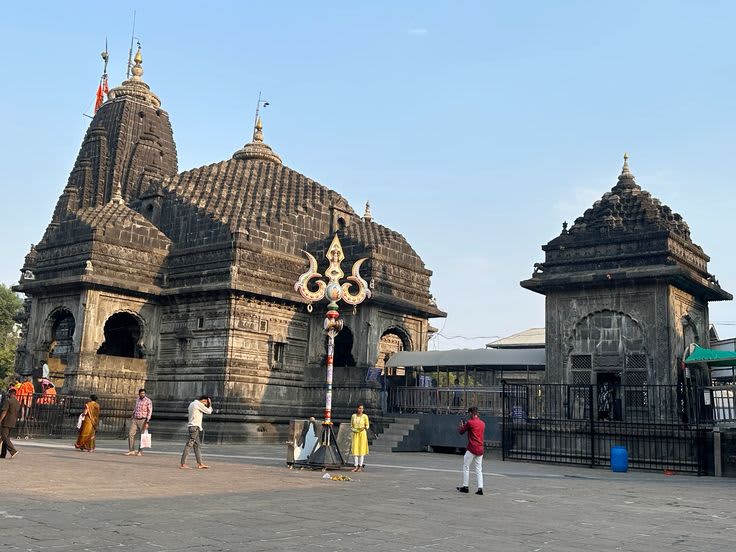
Trimbakeshwar Temple
→Trimbakeshwar is one of the 12 sacred Jyotirlinga shrines of Lord Shiva — a powerful pilgrimage site 28 km from Nashik, where the Godavari River originates from the Brahmagiri hill. The 18th-century black stone temple with its unique three-faced Shivalingam representing Brahma, Vishnu, and Shiva is one of the most revered Shiva temples in India. A key stop on the Nashik Kumbh Mela pilgrimage circuit and a top Maharashtra spiritual destination.
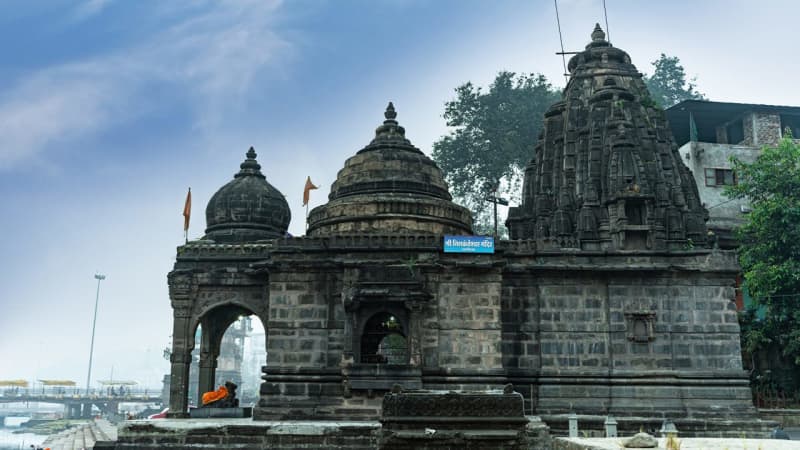
Panchavati
→Panchavati is Nashik's most sacred Ramayana heritage neighbourhood — the forest where Lord Rama, Sita, and Laxman lived during their exile. Named for the five holy banyan trees (pancha = five, vati = banyan), it houses Kalaram Temple, Sita Gumpha (cave where Sita stayed), Tapovan, and the Godavari ghats. A deeply atmospheric pilgrimage neighbourhood for devotees of Lord Rama and a top Nashik heritage sightseeing area connecting India's living Ramayana geography.
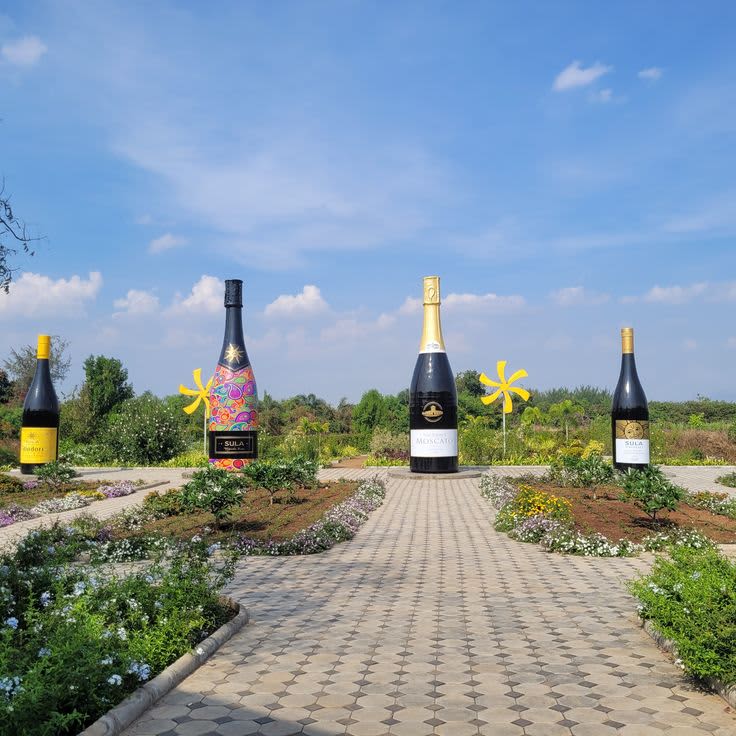
Sula Vineyards
→Sula Vineyards in Nashik is India's most famous and visited winery — producing over 60% of India's wine and putting Nashik firmly on the global wine tourism map. Sula's vineyard tours, wine tastings, a wine resort, and the annual SulaFest (India's premier boutique music and wine festival held in February) draw visitors from across the world. Located 15 km from Nashik city, it is a top Maharashtra agri-tourism destination and the crown jewel of India's wine country.
Anjneri Hill
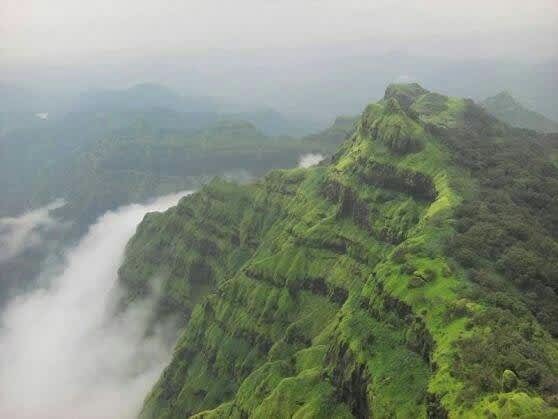
→Anjneri Hill near Trimbakeshwar, 26 km from Nashik, is widely considered the birthplace of Lord Hanuman — a sacred hilltop revered by millions of devotees. The challenging 3 km trek to the summit offers panoramic views of the Sahyadri ranges, ancient caves, and a small Hanuman temple at the peak. A top Nashik trekking and pilgrimage destination combining Ramayana mythology, natural beauty, and Sahyadri mountain adventure. Best visited September to February.

Pandavleni Caves
→Pandavleni Caves are 24 ancient Buddhist rock-cut caves carved between the 1st century BCE and 6th century CE in the Trirashmi hills south of Nashik — one of Maharashtra's most important Buddhist archaeological sites. Cave 3 (Nahapana vihara) and Cave 18 (a chaitya with a stupa) are especially impressive. Named after the Pandavas who legend says sheltered here, the caves offer extraordinary stone carvings and inscriptions. An ASI-protected heritage site near Nashik city.