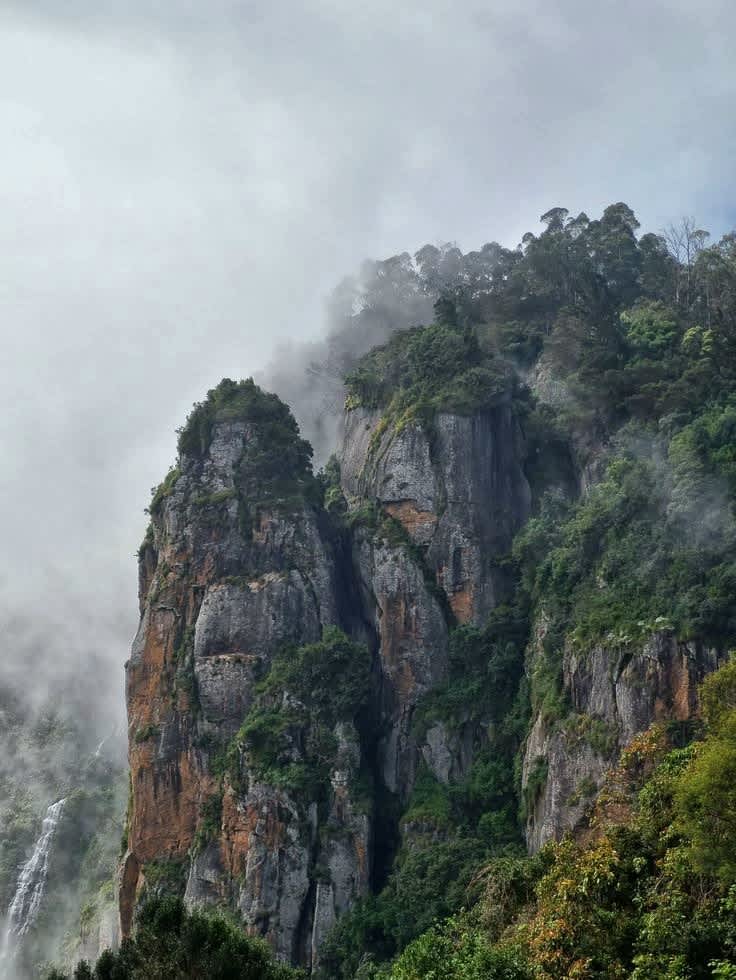
Kodaikanal, the "Princess of Hill Stations" in Tamil Nadu's Palani Hills, sits at 2,133 meters and enchants visitors with its star-shaped Kodai Lake, shola forests, dramatic cliff-top viewpoints, and...
Kodaikanal
Princess of Hill Stations
Tamil Nadu, India
4.7
Star-shaped LakeMisty HillsChocolate & Cheese
hillStation
Duration: 3–4 Days
Budget/day: ₹1,500 – ₹5,000
Best season: Apr – Jun, Sep – Nov
Altitude: 2,133 m
Nearest airport: Madurai Airport (120 km)
Nearest railway: Kodai Road Railway Station (80 km)
Best places to visit in Kodaikanal


Things to do in Kodaikanal
- No photoLeisure / NatureView full guide
2–3 hours
Kodaikanal Lake Cycling and Boating
The star-shaped Kodaikanal Lake is the centrepiece of this beloved Tamil Nadu hill station and cycling around its 5-km perimeter on rented bicycles is one of the most enjoyable and classic things to do in Kodaikanal. The misty lakeside environment, ringed by shola forests and colonial-era buildings, has a timeless quality. Boating on the lake — with its reflections of eucalyptus groves and rolling Palani Hills — is equally delightful and perfect for families.
- No photoNature / SightseeingView full guide
1–1.5 hours
Coaker's Walk Panoramic Promenade
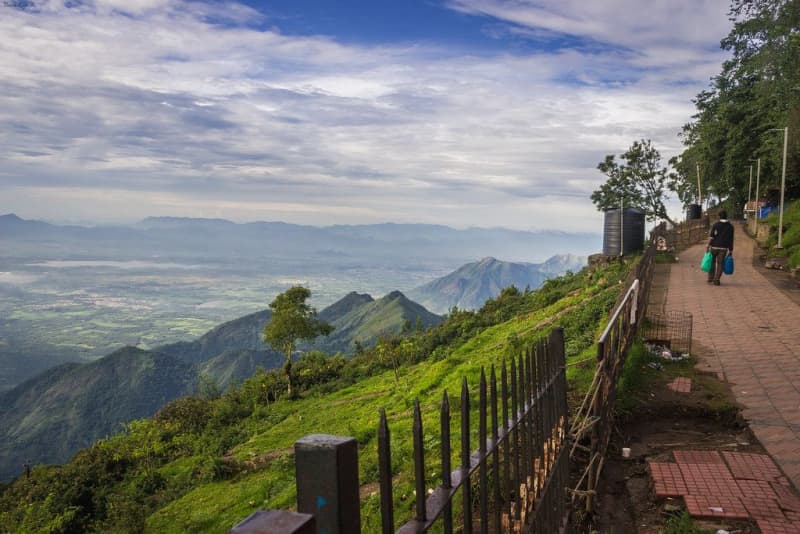
Coaker's Walk is a beautifully maintained 1-km cliff-edge promenade above the Kodaikanal valley that offers dizzying views down 2,000 metres to the plains of Tamil Nadu below on clear days. Built by Lieutenant Coaker in 1872, the walk passes a small solar observatory, a telescope house open to the public, and a series of increasingly dramatic viewpoints. On very clear mornings you can see the coastline near Madurai — a staggering 200-km view.
- No photoNature / TrekkingView full guide
2–3 hours
Pillar Rocks and Devil's Kitchen Trek
The Pillar Rocks are three gigantic granite columns rising 122 metres from the Kodaikanal plateau — one of the most dramatic geological features in the Palani Hills. The short forest trail to the rocks and the nearby Devil's Kitchen (a rocky ravine with a cave kitchen used by local tribals historically) passes through dense shola forest dripping with moss and lichen. It's a wonderfully atmospheric combination of geological drama and ancient ecology.
Best Time to Visit and Weather Info
Best time: April to June, September to November
Heavy rains in monsoon (Jun–Aug). Summer is peak season with pleasant cool weather.
Summer
Best Time ⭐Apr – Jun
8°C – 20°C
Most pleasant weather. Star-shaped lake glitters. Boat rides, cycling, and treks are in full swing.
- Hire a cycle at Kodaikanal Lake
- Trek to Dolphin's Nose and Pillar Rocks
Post-Monsoon
Good 🟡Sep – Nov
10°C – 20°C
Fresh greenery after rains. Waterfalls full. Fewer tourists. Best value for money.
- Silver Cascade Waterfall at full flow
- Good for peaceful walks
Monsoon
Avoid 🔴Jun – Aug
10°C – 18°C
Very heavy rain. Low visibility. Outdoor activities restricted.
- Stay in town — roads get slippery
- Waterfalls beautiful but trek paths dangerous
How to Reach
✈️By Air
Airport: Madurai Airport (120 km)
Duration: ~3 hrs
Cab from Madurai airport. The ghat road is scenic but takes time.
Taxi: ₹1,800 – ₹2,500
Airlines: IndiGo, Air India
🚂By Train
Station: Kodai Road Railway Station (80 km)
Trains from Chennai and Madurai go to Kodai Road. Cab from Kodai Road to Kodaikanal (2 hrs ghat drive).
- Kodai Express — Chennai Egmore (9 hrs to Kodai Road)
🚌By Road
TNSTC and private buses from Madurai, Coimbatore, and Chennai.
- Madurai: 120 km, 3 hrs via NH-544E
- Coimbatore: 175 km, 4 hrs via NH-544E
- Bangalore: 465 km, 9 hrs via NH-44
Itineraries
Local Food
Kodaikanal is known for eucalyptus honey, homemade chocolates, and fresh garlic bread. A mix of Tamil and international café food.
Kodaikanal Honey
Wild Kurinji flower honey — local specialty with unique flavor. Sold in glass jars across town.
Where: Market stalls on Anna Salai
₹150 – ₹400/jar
Homemade Chocolate
Creamy handmade chocolates in dozens of flavors — a Kodaikanal signature.
Where: Pastry Corner, Kodaikanal Lake area
₹100 – ₹300/box
Garlic Bread & Soup
Perfect for the cold hill air — fresh garlic bread with creamy soup at cafés.
Where: Tava Restaurant and cafés near the lake
₹80 – ₹150
Freshly Pressed Carrot-Ginger Juice
Freshly made vegetable juice from local Kodai vegetables.
Where: Juice stalls around Kodaikanal Lake
₹40 – ₹70
Kodaikanal has many cafés catering to international travelers. The local market is great for buying home-made products.
FAQs
- Kodaikanal is famous for its star-shaped lake (Kodaikanal Lake), Pillar Rocks, Dolphin's Nose, Silver Cascade Waterfall, Bryant Park, eucalyptus honey, and homemade chocolates.
Best Places Similar

Ooty
Ooty, officially Udhagamandalam and fondly called the "Queen of Hill Stations," is the crown jewel of Tamil Nadu's Nilgiri Hills, famed for its lush botanical gardens, shimmering Ooty Lake, and the iconic UNESCO-listed Nilgiri Mountain Railway toy train. The cool climate, eucalyptus and pine forests, and terraced tea gardens make Ooty a perennial summer escape and a popular honeymoon destination. The Government Botanical Gardens with over 650 plant species, Doddabetta Peak with panoramic Nilgiri views, and the charming colonial bazaars make Ooty one of South India's most enduring travel classics.

Munnar
Munnar, perched at 1,600 meters in the Western Ghats of Kerala, is one of South India's most stunning hill stations, famous for its endless rolling carpets of tea plantations, misty mountains, and biodiversity-rich forests. The Eravikulam National Park near Munnar is the last stronghold of the endangered Nilgiri Tahr and transforms into a floral wonderland when the rare Neelakurinji flowers bloom every 12 years. Tea museum visits, plantation walks, sunrise at Meesapulimala peak, and stays in colonial-era tea estate bungalows make Munnar a quintessential Kerala highlands experience.
Coonoor
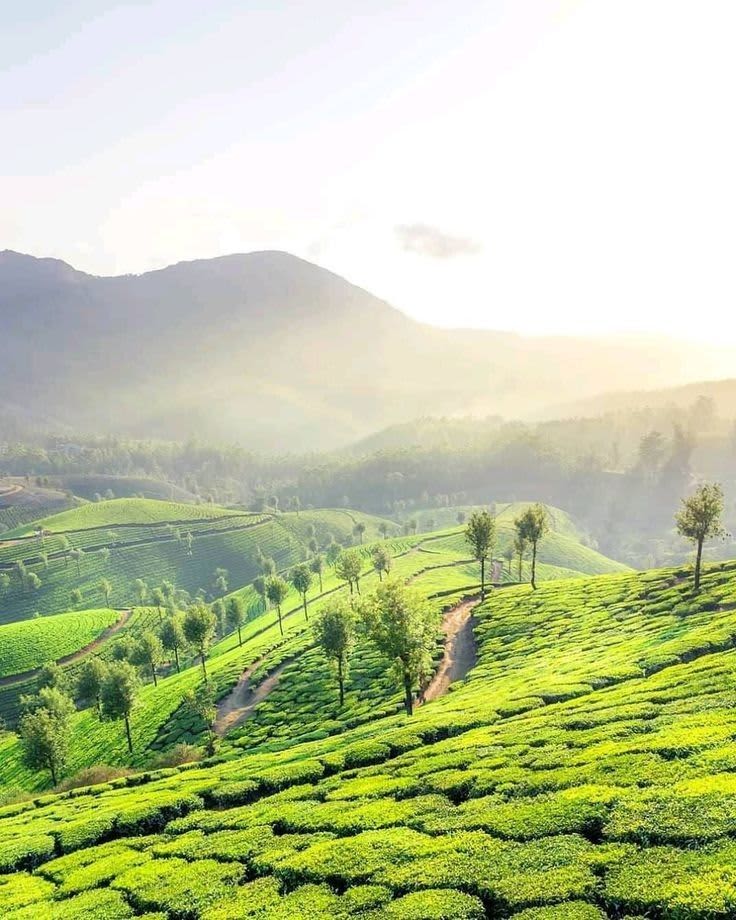
Coonoor, the second-largest hill station in the Nilgiris after Ooty, is a tranquil retreat in Tamil Nadu known for its rolling tea plantations, colonial-era bungalows, and a refreshingly unhurried pace of life. The iconic Nilgiri Mountain Railway — a UNESCO World Heritage toy train — connects Coonoor to Ooty through breathtaking scenery of tea estates and forests. Sim's Park with its impressive botanical collection, the dramatic Dolphin's Nose viewpoint, and proximity to the organic tea gardens of the Nilgiris make Coonoor an ideal offbeat hill station getaway.
Nearby destinations
Munnar
50 km · Munnar, perched at 1,600 meters in the Western Ghats of Kerala, is one of South India's most stunning hill stations, famous for its endless rolling carpets of tea plantations, misty mountains, and biodiversity-rich forests. The Eravikulam National Park near Munnar is the last stronghold of the endangered Nilgiri Tahr and transforms into a floral wonderland when the rare Neelakurinji flowers bloom every 12 years. Tea museum visits, plantation walks, sunrise at Meesapulimala peak, and stays in colonial-era tea estate bungalows make Munnar a quintessential Kerala highlands experience.
Madurai
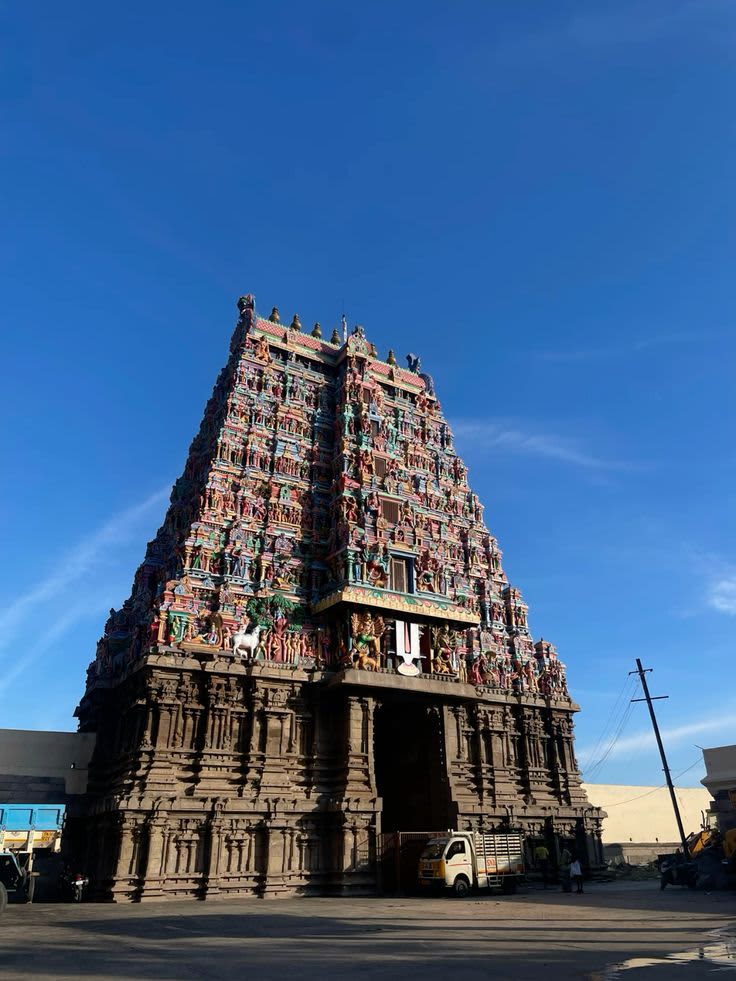
77 km · Madurai, one of the oldest continuously inhabited cities in the world and a major pilgrimage hub in Tamil Nadu, is centered on the awe-inspiring Meenakshi Amman Temple — a Dravidian architectural masterpiece with 14 elaborately sculpted gopurams that tower over the city's skyline. Dedicated to the goddess Meenakshi and her consort Sundareswarar (Shiva), the temple complex with its celebrated Hall of Thousand Pillars and sacred Golden Lotus Tank draws millions of devotees and travelers each year. Madurai's vibrant jasmine flower markets, street food culture, and the evening temple ceremony make it one of South India's most atmospheric and spiritually alive cities.
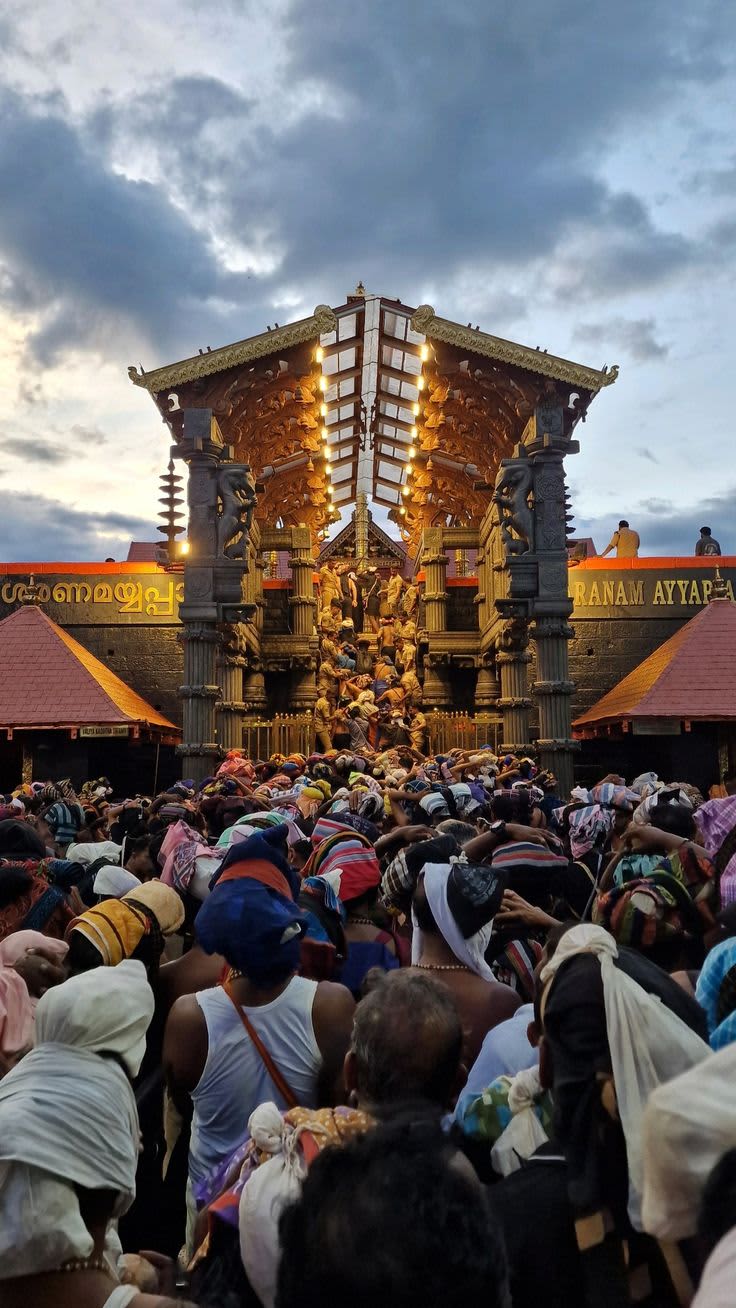
Sabarimala
100 km · Sabarimala, nestled in the forested hills of the Western Ghats in Kerala, is one of the largest Hindu pilgrimage sites in the world and the abode of Lord Ayyappa — a deity embodying dharma, celibacy, and universal brotherhood. The annual pilgrimage season from November to January sees millions of devotees, clad in traditional black attire, undertaking the challenging 5-kilometer trek through dense jungle to reach the hilltop shrine. The journey to Sabarimala is as much a physical and spiritual ordeal as it is an act of devotion, passing through the sacred 18 golden steps before reaching the temple.