Places to visit near Hampi
Places to visit near Hampi
Hampi, a UNESCO World Heritage Site in Karnataka, is one of the most evocative and visually stunning historical destinations in India — the ruins of Vijayanagara, once one of the largest and wealthiest cities in the medieval world and capital of the last great Hindu empire, spread across an otherworldly landscape of giant boulders, banana plantations, and the Tungabhadra River. The Virupaksha Temple, Vittala Temple with its famous Stone Chariot and musical pillars, the Lotus Mahal, and Elephant Stables are architectural masterpieces within a landscape of over 1,600 monuments. Cycling or hiking among Hampi's surreal boulder fields at sunrise and sunset is an experience of rare beauty and historical majesty.
97 km
Pattadakal
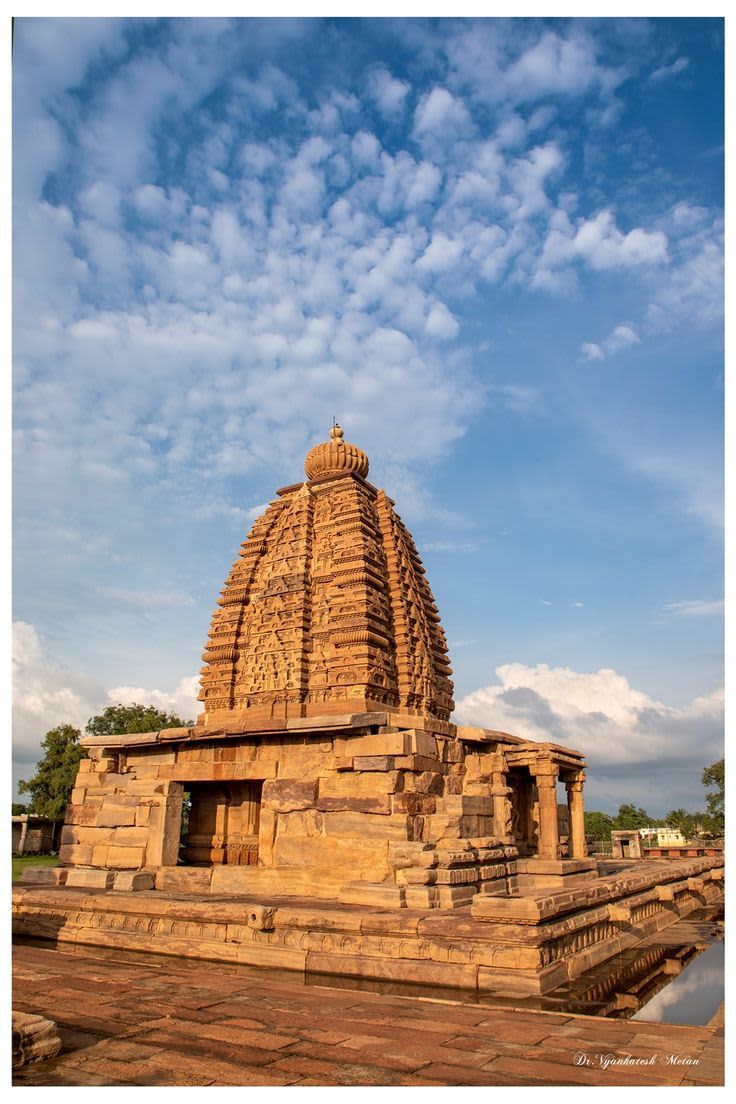
→Pattadakal, a UNESCO World Heritage Site on the banks of the Malaprabha River in Karnataka, is a remarkable gallery of 8th-century Chalukyan temples that uniquely showcases the evolution of two distinct South Indian temple architectural styles — the nagara (northern) and dravidian (southern) — side by side. The Virupaksha Temple, built by Queen Lokamahadevi to commemorate the Chalukyan victory over the Pallavas, is the most impressive of the complex's ten temples and served as the model for the famous Kailasanatha Temple at Ellora. Visiting Pattadakal as part of a Chalukyan heritage trail with Badami and Aihole is one of the most richly rewarding historical journeys in all of South India.
106 km
Badami
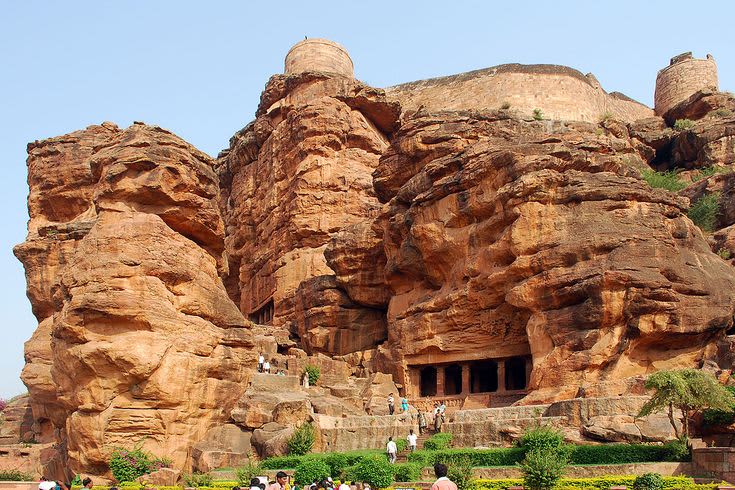
→Badami, the ancient capital of the early Chalukya dynasty in Karnataka, is a historically rich town known above all for its four magnificent rock-cut cave temples carved into the face of a red sandstone cliff overlooking the scenic Agastya Lake in the 6th and 7th centuries CE. The caves contain exceptional sculptures of Shiva as Nataraja with 18 arms, various Vishnu avatars including the colossal reclining Vishnu in Cave 3, and Jain tirthankaras that represent some of the finest examples of early Deccan sculpture. The fortified hilltop above the caves, the temples on the lake's southern shore, and the nearby Pattadakal and Aihole make Badami the hub of an extraordinary ancient Chalukyan heritage trail.
185 km
Bijapur
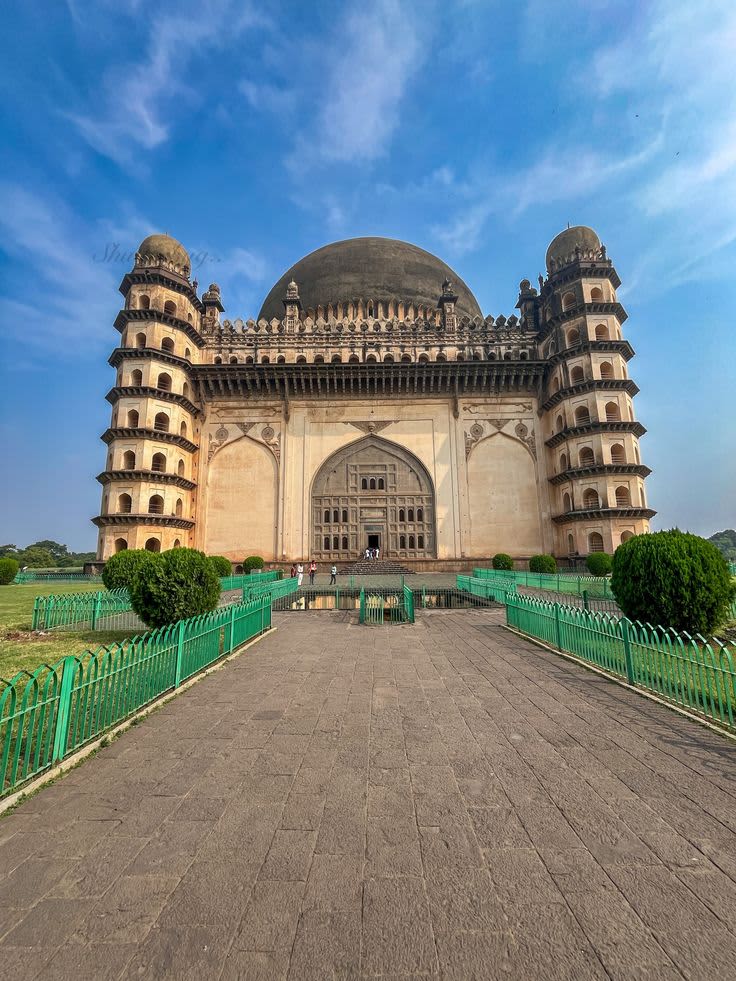
→Bijapur, now officially renamed Vijayapura, in Karnataka is home to some of the finest examples of Deccan Sultanate architecture in India, most magnificently the Gol Gumbaz — the mausoleum of Sultan Muhammad Adil Shah, crowned by the world's second-largest dome after St. Peter's Basilica in Rome, famous for its extraordinary Whispering Gallery where even the softest sound bounces around the dome audibly. The city's wealth of Islamic heritage — including the Ibrahim Rauza (considered more beautiful than the Taj Mahal by some), the Jama Masjid, and the Malik-e-Maidan cannon — makes Bijapur one of the most architecturally significant and underappreciated cities in India.
236 km
Chikmagalur
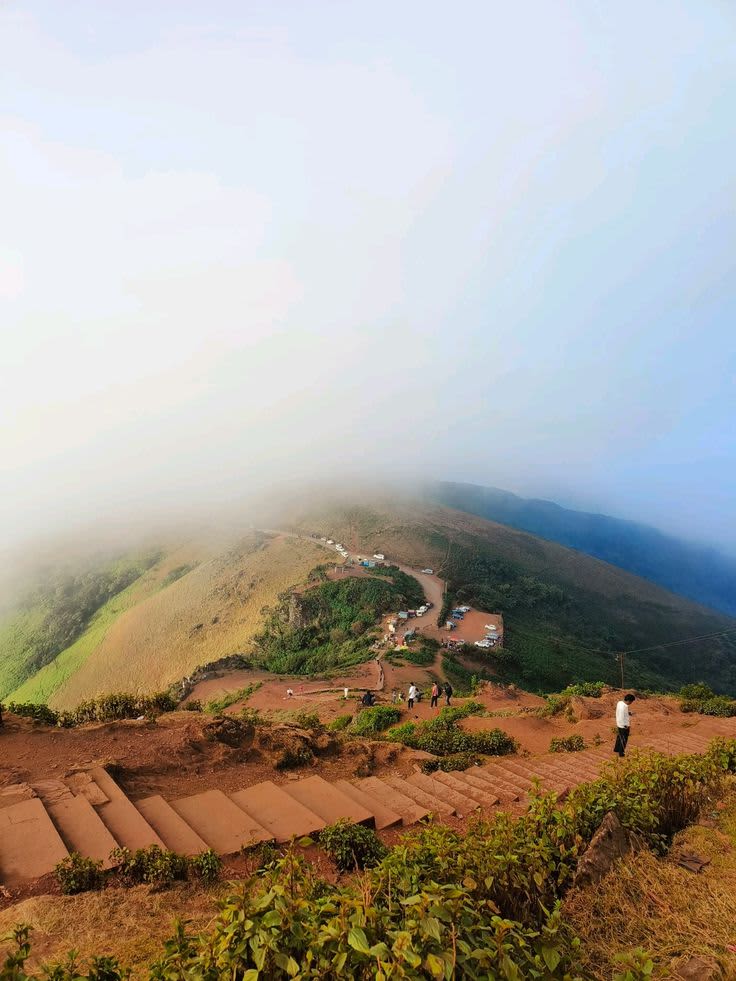
→Chikmagalur, nestled in the Western Ghats of Karnataka, is the birthplace of coffee in India and is blanketed in aromatic coffee and spice plantations that produce some of the country's finest single-origin brews. The lush green hills, misty peaks, and wildlife-rich forests of Mullayanagiri — Karnataka's highest peak — and Kudremukh National Park make it a paradise for trekkers and nature lovers. Waterfall hopping, plantation walks, and stays in heritage coffee estate bungalows complete the Chikmagalur experience.
246 km
Gokarna
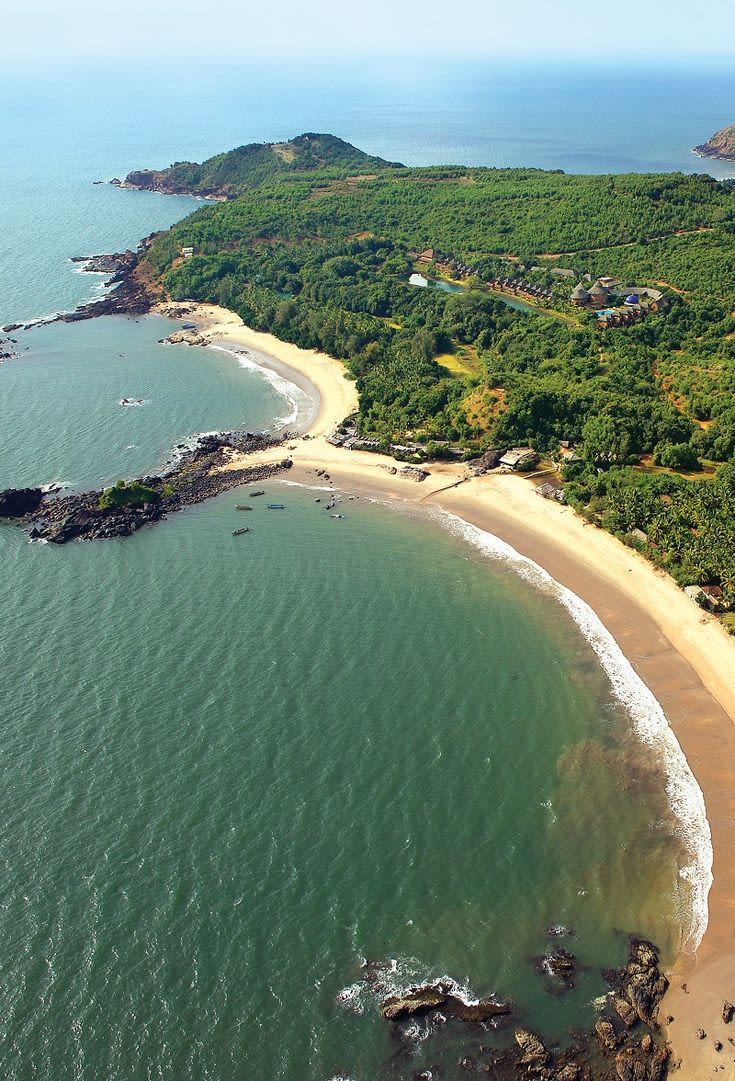
→Gokarna, a small sacred town on the Karnataka coast, is a rare destination where ancient Hindu pilgrimage and idyllic beach life coexist harmoniously, attracting both devout pilgrims and backpackers from across the world. The Mahabaleshwar Temple housing one of the most sacred Shiva lingas in South India stands at the town's spiritual center, while just a short hike over the forested headlands lie some of Karnataka's most beautiful and relatively uncrowded beaches — Om Beach, Half Moon Beach, Paradise Beach, and the main Gokarna Beach. The combination of sacred atmosphere, spectacular beaches, sea cliff sunsets, and affordable beach shacks makes Gokarna a uniquely compelling destination.
251 km
Goa
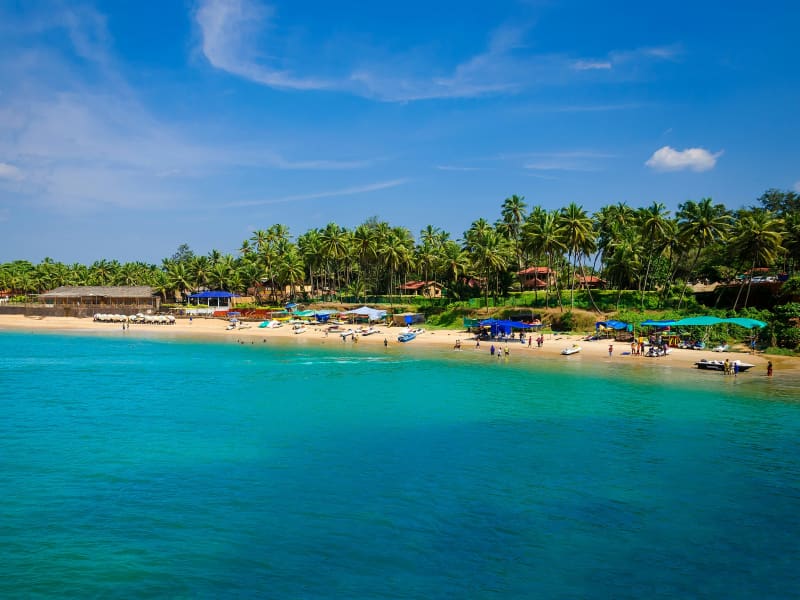
→Goa, India's smallest state nestled on the Konkan Coast, is the country's premier beach destination and a unique cultural fusion of Portuguese colonial heritage, vibrant Hindu traditions, and a cosmopolitan party spirit that draws millions of domestic and international tourists year-round. From the lively club scene of Baga and Calangute in North Goa to the serene palm-fringed shores of Palolem and Agonda in the south, Goa caters to every type of traveler. The spice markets of Old Goa, the baroque cathedrals and churches of Portuguese heritage, the seafood shacks on the beach, and the legendary Goa Carnival make this coastal paradise endlessly appealing.
253 km
Murudeshwar
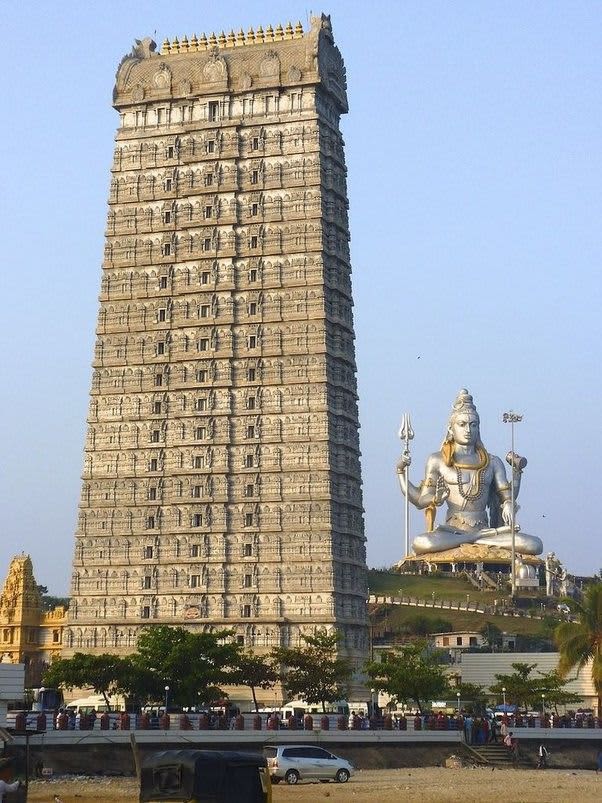
→Murudeshwar, a coastal town in Karnataka's Uttara Kannada district, is dominated by the world's second tallest Shiva statue — a 20-story, 123-foot-high masterpiece visible from miles around, rising dramatically above the temple town against a backdrop of the Arabian Sea. The Murudeshwar Temple complex on the Kanduka Hill peninsula, surrounded by sea on three sides, commands one of the most spectacular locations of any Hindu temple in India. The beautiful Murudeshwar Beach below, the vibrant coral reef with good snorkeling and scuba diving opportunities, and the ease of reaching Murudeshwar by rail make it one of Karnataka's most memorable coastal destinations.
264 km
Palolem
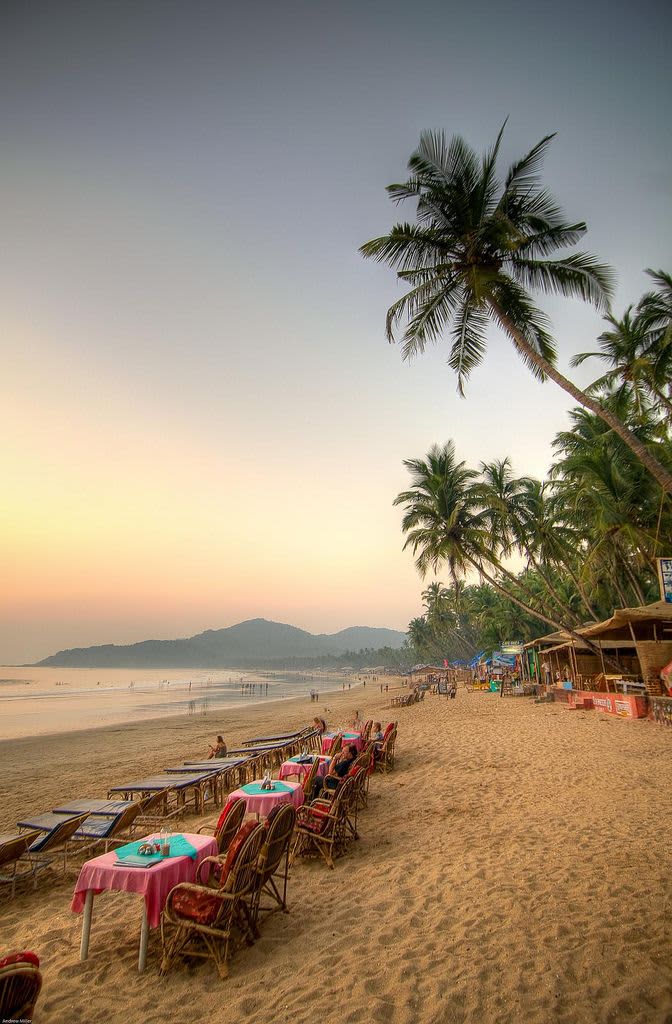
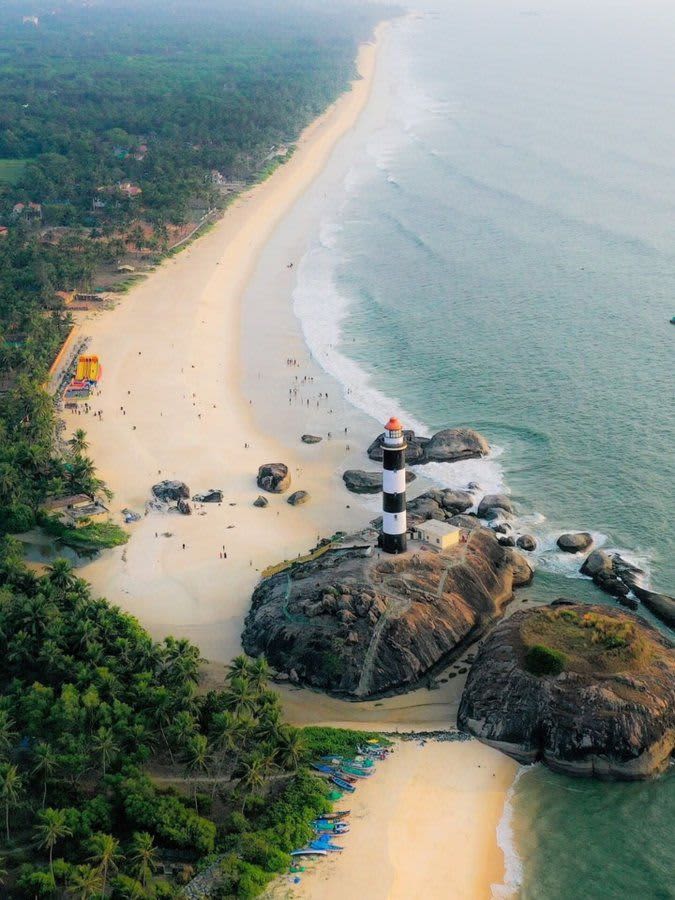
→Palolem, tucked in South Goa's Canacona district, is consistently rated one of India's most beautiful beaches — a horseshoe-shaped crescent of white sand backed by swaying coconut palms and flanked by two rocky headlands that create a naturally sheltered bay with calm, crystal-clear waters ideal for swimming. Far from the noise and crowds of North Goa, Palolem exudes a laid-back, bohemian charm with its colorful wooden beach huts, yoga retreats, dolphin-watching boat trips, and silent disco events. The nearby Cotigao Wildlife Sanctuary and the serene Patnem and Butterfly beaches nearby round out the South Goa experience.
289 km
Udupi
→Udupi, a temple town on Karnataka's Tulu Nadu coast, is revered across India as the birthplace of the Udupi cuisine style — the vegetarian South Indian dishes now famous globally through countless restaurants — and as the home of the ancient Sri Krishna Matha temple founded by philosopher-saint Madhvacharya in the 13th century. The temple's famous Kanakana Kindi window, through which the saint Kanakadasa is said to have received darshan of Krishna, is one of the most touching legends in Vaishnava tradition. The town's pristine Malpe Beach, the tiny St. Mary's Islands with their unique hexagonal basalt rock formations, and the vibrant Udupi market culture make it a destination that delights body and spirit alike.
291 km
Baga
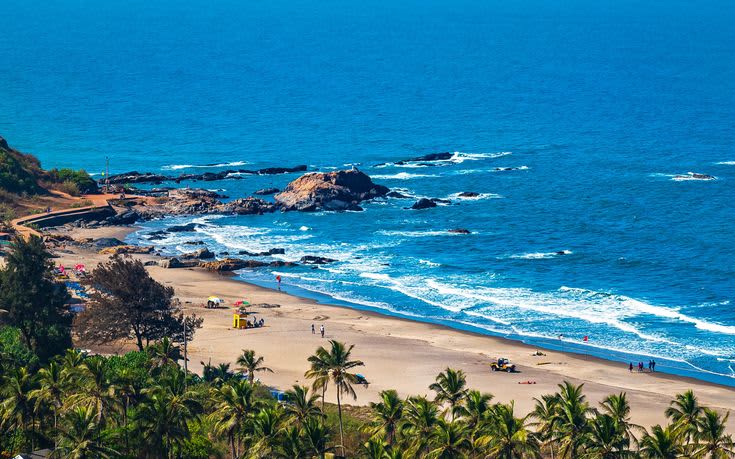
→Baga Beach, one of North Goa's most famous and energetic stretches of coastline, is renowned for its golden sands, lively beach shacks serving fresh seafood and cocktails, and pulsating nightlife that keeps the strip buzzing until the early hours. The iconic Tito's Lane and Club Mambo's are legendary names in Goa's nightlife scene, while the Baga River mouth to the north of the beach adds a scenic serenity in contrast to the activity on the main sands. Water sports including parasailing, jet-skiing, and banana boat rides make Baga a perfect choice for thrill-seekers and those looking for a fully immersive Goan beach experience.