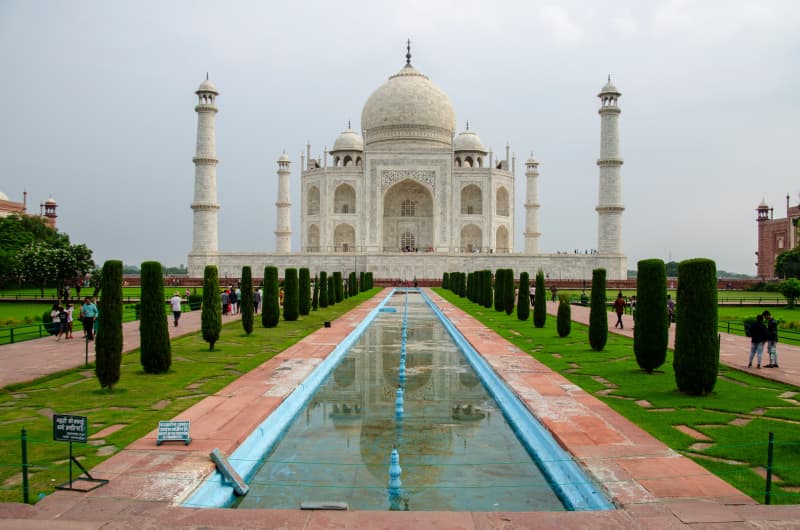
Ayodhya, situated on the banks of the Sarayu River in Uttar Pradesh, is one of the seven sacred cities (Sapta Puri) of Hinduism and the legendary birthplace of Lord Rama — one of the most revered deit...
Ayodhya
Birthplace of Lord Rama
Uttar Pradesh, India
4.8
Ram JanmabhoomiAncient CityRamayana Heritage
spiritual
Duration: 2–3 Days
Budget/day: ₹1,000 – ₹3,500
Best season: Oct – Mar
Altitude: 93 m
Nearest airport: Maharishi Valmiki International Airport, Ayodhya (10 km) / Lucknow Airport (140 km)
Nearest railway: Ayodhya Junction (3 km)
Best places to visit in Ayodhya
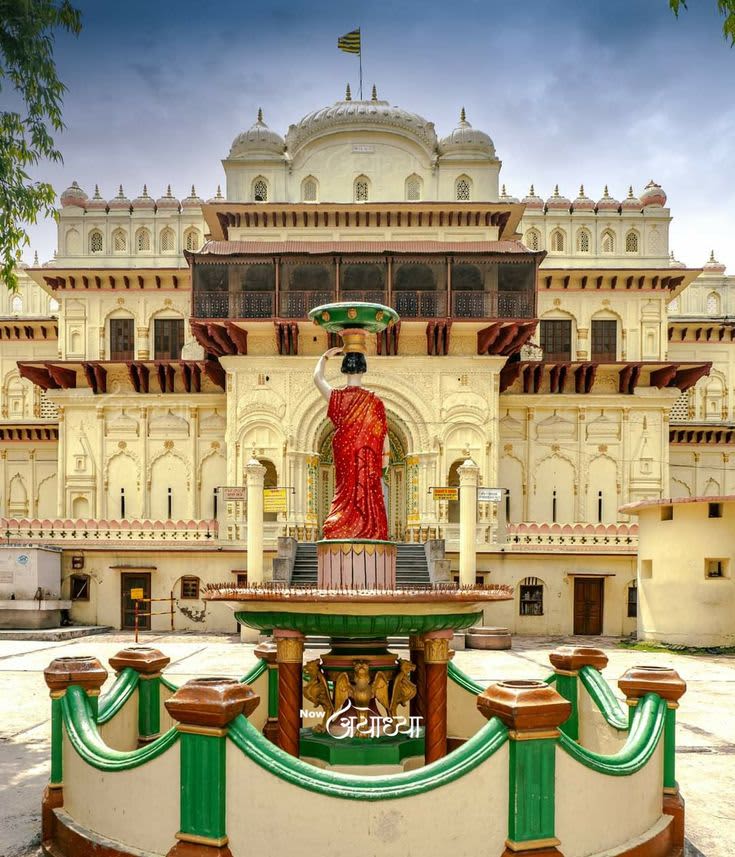
Things to do in Ayodhya
- No photoSpiritualView full guide
2–3 hours (queue-dependent)
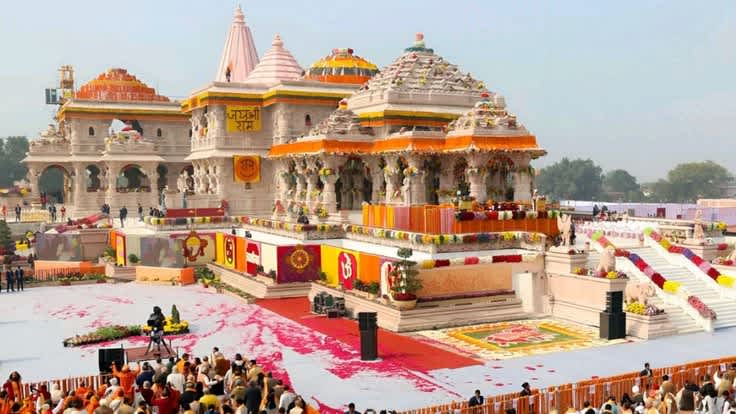
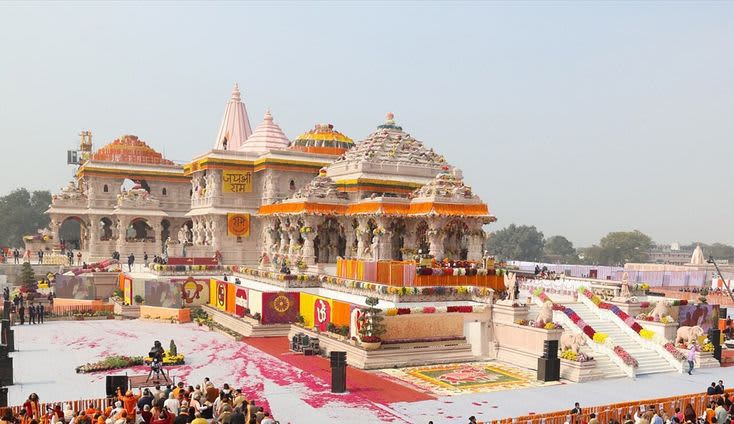
Ram Mandir Visit
Visit the Ram Janmabhoomi Mandir — the newly inaugurated (January 2024) grand temple complex built on the site believed to be the birthplace of Lord Rama. The Nagara-style sandstone temple (161 feet tall) with intricately carved exterior panels is already one of India's most visited pilgrimage destinations.
- No photoSpiritual / CulturalView full guide
2–3 hours
Ghats Walk
Walk along the ghats of the Sarayu River — the sacred river of Ayodhya. Key ghats include Ram Ki Paidi (the main ghat complex with 98 steps), Guptar Ghat (where Rama is believed to have taken jal samadhi — returned to the divine through water), and Swarg Dwar Ghat (gateway to heaven according to Hindu belief).
- No photoSpiritualView full guide
1 hour
Saryu Aarti
Attend the evening Sarayu River Aarti at Ram Ki Paidi — priests perform the fire ritual to the sacred Sarayu River accompanied by Vedic chanting, drumbeats, and conch shells. With the backdrop of the illuminated riverfront and the distant Ram Mandir, this ceremony has become one of North India's most atmospheric spiritual events.
Best Time to Visit and Weather Info
Best time: October to March
Ram Navami (March–April) and Diwali (October–November) are the most spiritually significant festivals with large crowds.
Winter
Best Time ⭐Oct – Mar
8°C – 25°C
Best for pilgrimage and exploration. Deepotsav during Diwali — Ayodhya lit with lakhs of lamps — is spectacular.
- Ram Mandir darshan — arrive by 5 AM for first darshan
- Saryu Ghat aarti at sunrise and sunset
Ram Navami
Festive 🎉Mar – Apr
20°C – 35°C
Ram's birth anniversary — massive celebration at Ram Mandir with special puja and processions.
- Book accommodation 3 months in advance
- Expect lakhs of pilgrims
How to Reach
✈️By Air
Airport: Maharishi Valmiki International Airport, Ayodhya (10 km)
Duration: ~20 mins
New airport with growing connections from Delhi, Mumbai. Taxi from airport.
Taxi: ₹300 – ₹500
Airlines: IndiGo, Air India, SpiceJet
🚂By Train
Station: Ayodhya Junction / Ayodhya Cantt
Well-connected to Delhi, Mumbai, and Lucknow. Special Ram Circuit trains from various cities.
- Ayodhya Express — Delhi (9 hrs)
- Intercity Express — Lucknow (2.5 hrs)
🚌By Road
UPSRTC buses from Lucknow, Allahabad, and Varanasi. Good connectivity on NH-27.
- Lucknow: 140 km, 2.5 hrs via NH-27
- Varanasi: 200 km, 4 hrs via NH-19
- Delhi: 637 km, 10 hrs via NH-27
Local Food
Ayodhya is a sattvic pilgrim city. Famous for Awadhi-style sweets and vegetarian snacks. Non-vegetarian food is unavailable near the temple complex.
Peda
Milk-based sweet — the Ayodhya Peda is famous and distributed as prasadam.
Where: Sweet shops near Ram Mandir
₹200 – ₹400/kg
Aloo Sabzi & Puri
Spiced potato curry with crispy puri — classic North Indian pilgrim breakfast.
Where: Dhabas near Saryu Ghat
₹50 – ₹80
Kheer
Rice pudding with saffron — distributed as temple prasadam.
Where: Temple kitchens and sweet shops
₹40 – ₹80
Laddoo (Ram Laddu)
Besan laddoo sold outside the Ram Mandir — a pilgrim favorite.
Where: Temple gate sweet stalls
₹5 – ₹20/piece
Ayodhya is strictly vegetarian near the Ram Mandir complex. The city follows a sattvic food tradition.
FAQs
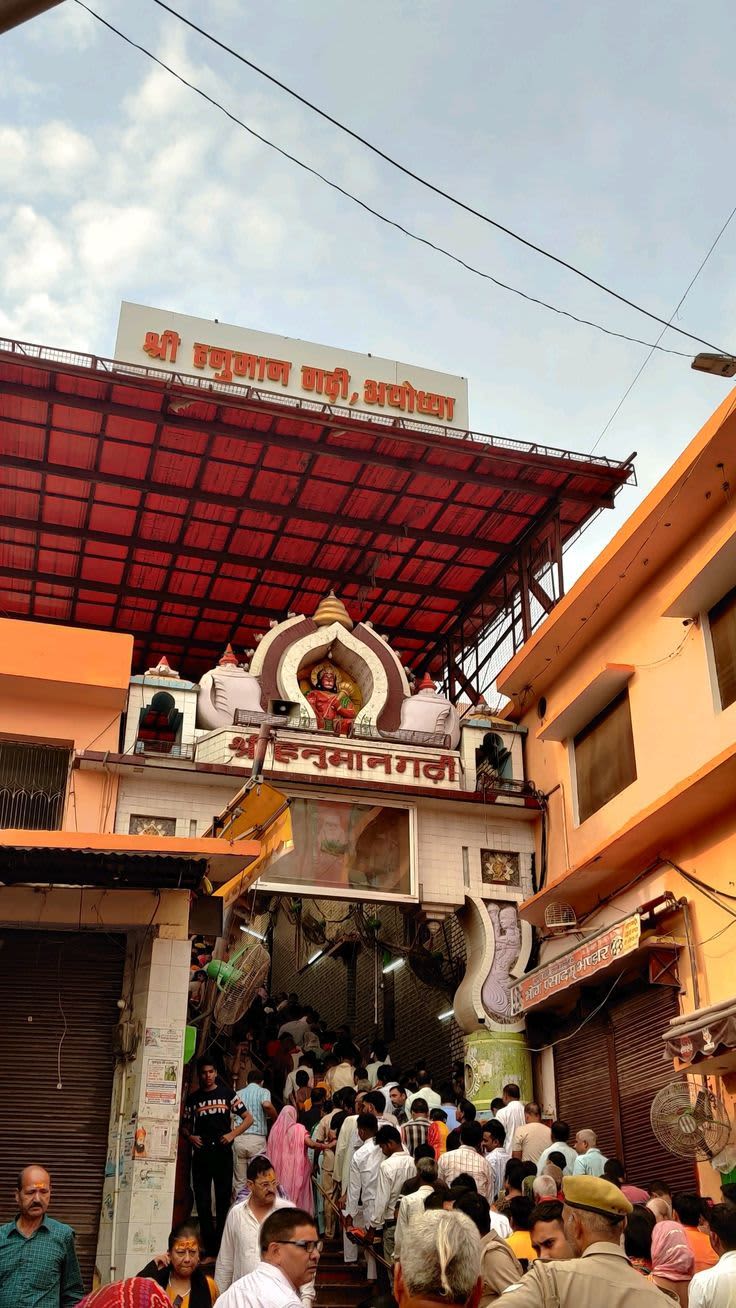
- Ayodhya is the birthplace of Lord Rama and one of the seven sacred cities of Hinduism. The newly consecrated Ram Mandir (2024), Saryu Ghat, Hanuman Garhi, and Kanak Bhawan are the key pilgrimage sites.
Best Places Similar
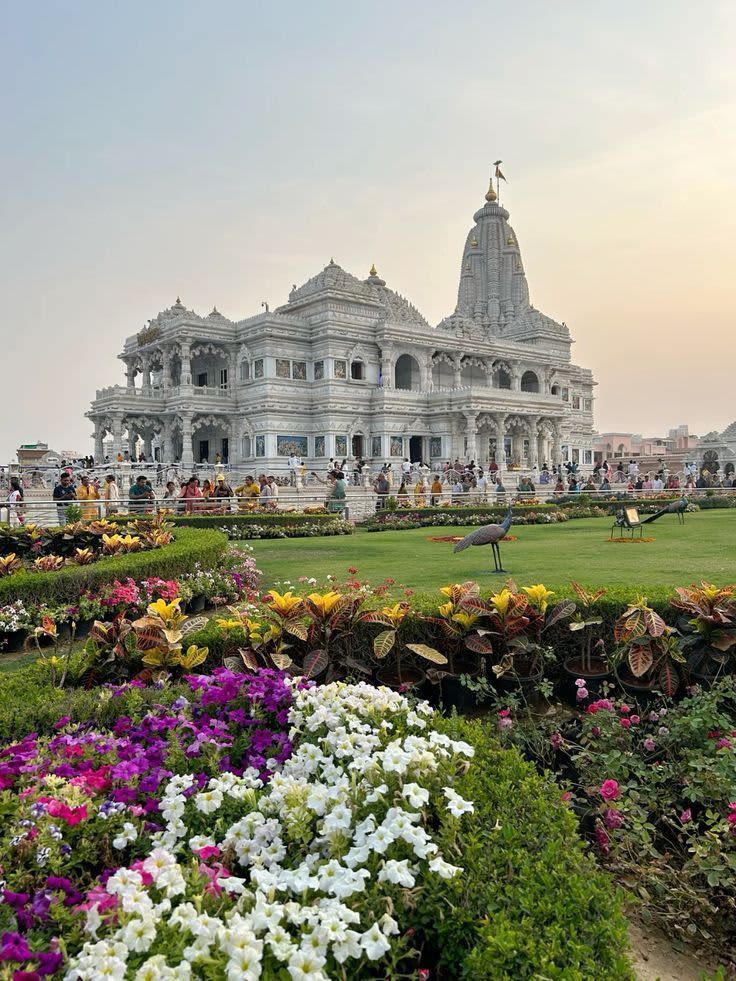
Mathura
Mathura, situated on the western bank of the Yamuna River in Uttar Pradesh, is one of Hinduism's most sacred cities and the birthplace of Lord Krishna — the beloved deity whose life and teachings form the foundation of the Bhagavad Gita. The city's Krishna Janmabhoomi temple complex marks the exact spot of Krishna's birth, while the ghats along the Yamuna, the Dwarkadhish Temple, and dozens of ancient temples make Mathura a vibrant center of Vaishnava devotion. The Holi festival celebrated in Mathura and nearby Vrindavan is one of India's most ecstatic and visually spectacular events, drawing visitors from across the globe.
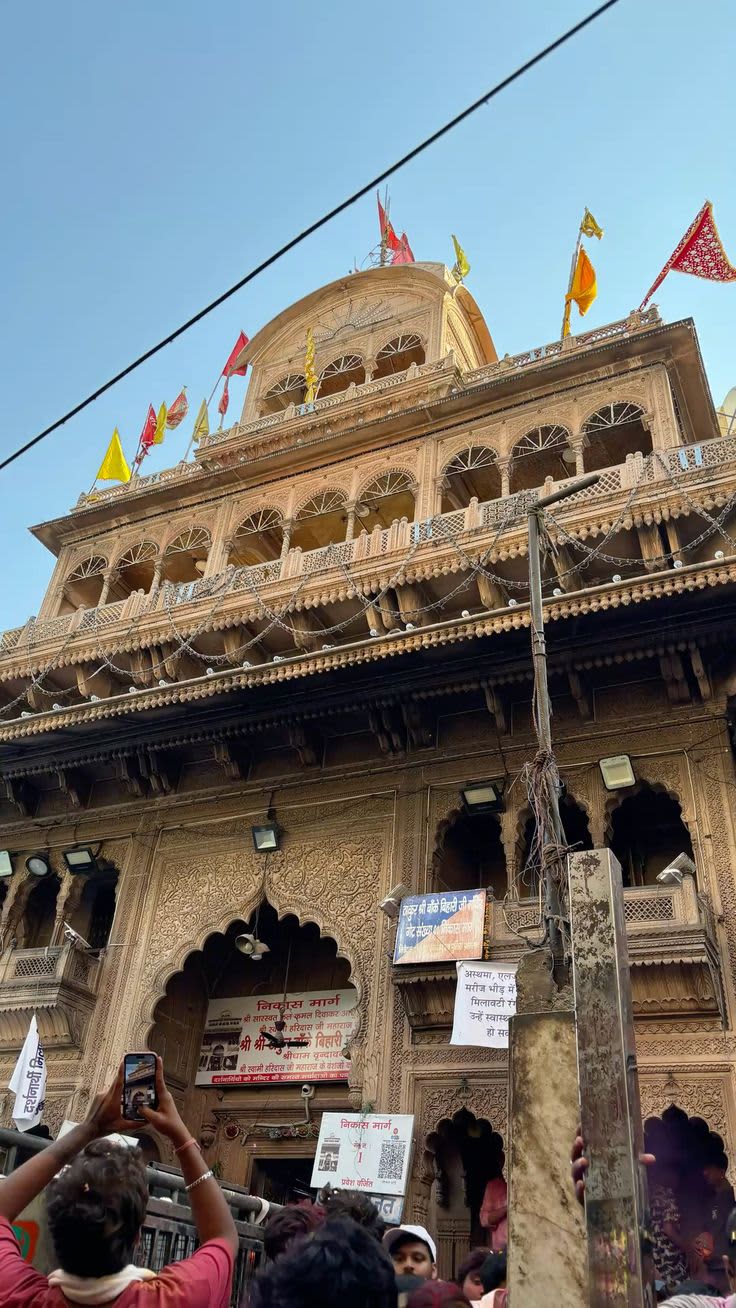
Vrindavan
Vrindavan, a sacred town on the Yamuna River near Mathura in Uttar Pradesh, is revered as the place where young Krishna spent his childhood, and every corner of this town resonates with devotional music, temple bells, and the fragrance of flowers and incense. The town's 5,000-plus temples — including the grand Banke Bihari Mandir, the Radha Raman Temple, and the ISKCON complex — are centers of intense Vaishnava worship that pulsates with joy and bhakti. The enchanting Yamuna ghats, the Nidhivan forest sacred to Radha-Krishna lore, and the festival of Radhashtami make Vrindavan one of India's most spiritually alive and emotionally moving destinations.
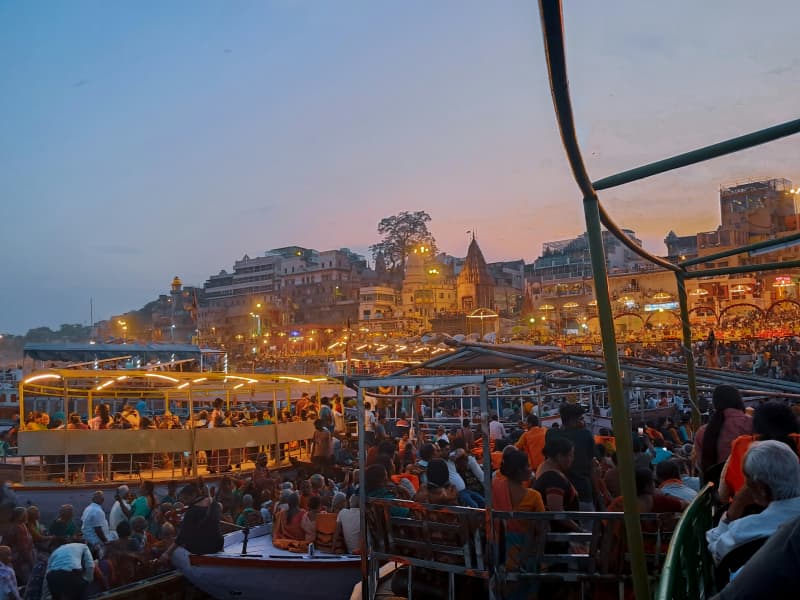
Varanasi
Varanasi, one of the world's oldest continuously inhabited cities and Hinduism's most sacred destination, sits on the banks of the Ganges in Uttar Pradesh and is believed by Hindus to be the city where dying releases one from the cycle of rebirth. The ghats of Varanasi — 84 in all — are the spiritual heartbeat of India, where the faithful bathe at dawn, priests perform elaborate fire rituals, and funeral pyres burn perpetually at the Manikarnika Ghat. The ancient temples, the labyrinthine old city lanes, the evening Ganga Aarti ceremony, and the profound sense of mortality and transcendence make Varanasi the most spiritually intense city in India.
Nearby destinations

Lucknow
125 km · Lucknow, the capital of Uttar Pradesh and the City of Nawabs, is a magnificent and cultured city renowned across India for its exquisite Nawabi-era architecture, the refined Urdu spoken in its bazaars, the legendary tehzeeb (etiquette) of its people, and some of the finest cuisine India has to offer. The Bara Imambara complex with its mesmerizing Bhool Bhulaiya labyrinth, the elegant Residency ruins from the 1857 uprising, and the Rumi Darwaza modeled on a Lucknow gateway in Turkey are architectural landmarks of great distinction. The Hazratganj promenade, the kebab trail on Tunday Kababi street, and the chikankari embroidery bazaars make Lucknow one of India's most pleasurably civilized cities to explore.
Prayagraj
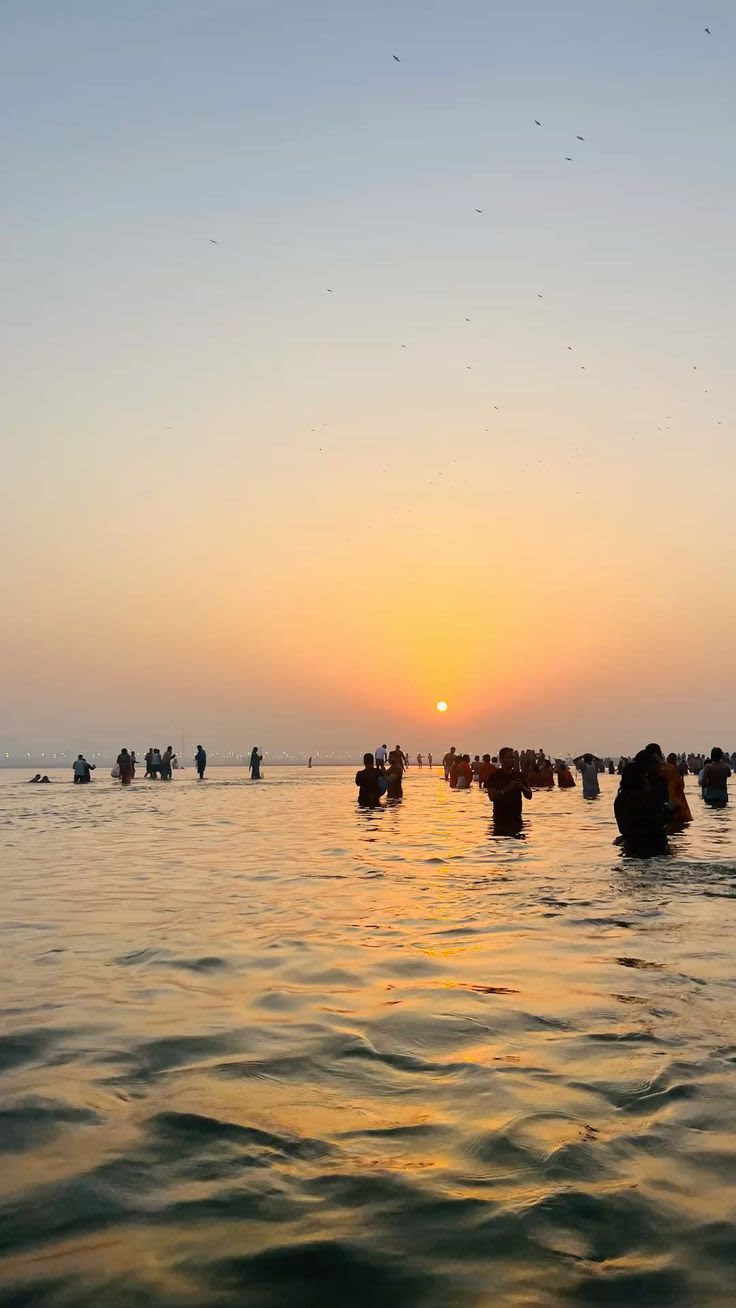
155 km · Prayagraj, formerly known as Allahabad, is one of Hinduism's most sacred cities, situated at the Triveni Sangam — the holy confluence of the Ganges, Yamuna, and the mythical Saraswati rivers — a site of such spiritual significance that bathing here is believed to wash away all sins. Every 12 years, the Maha Kumbh Mela held at Prayagraj becomes the world's largest human gathering, drawing over 100 million pilgrims in a single season. The Kumbh Mela 2026 and 2036 promises to be a once-in-a-generation event. Beyond the ghats, the Allahabad Fort, the Anand Bhawan museum (former home of the Nehru-Gandhi family), and the beautiful Khusro Bagh make Prayagraj a city of great historical depth.
Varanasi
181 km · Varanasi, one of the world's oldest continuously inhabited cities and Hinduism's most sacred destination, sits on the banks of the Ganges in Uttar Pradesh and is believed by Hindus to be the city where dying releases one from the cycle of rebirth. The ghats of Varanasi — 84 in all — are the spiritual heartbeat of India, where the faithful bathe at dawn, priests perform elaborate fire rituals, and funeral pyres burn perpetually at the Manikarnika Ghat. The ancient temples, the labyrinthine old city lanes, the evening Ganga Aarti ceremony, and the profound sense of mortality and transcendence make Varanasi the most spiritually intense city in India.