Places to visit near Ayodhya
Places to visit near Ayodhya
Ayodhya, situated on the banks of the Sarayu River in Uttar Pradesh, is one of the seven sacred cities (Sapta Puri) of Hinduism and the legendary birthplace of Lord Rama — one of the most revered deities in the Hindu faith. The newly constructed Ram Mandir at the Ram Janmabhoomi site has transformed Ayodhya into one of India's most visited and rapidly developing pilgrimage destinations. The city's ancient ghats, the Kanak Bhawan temple, the Hanuman Garhi shrine, and the magical experience of the evening aarti on the Sarayu make Ayodhya a profoundly spiritual destination with deep historical and cultural significance.

125 km
Lucknow
→Lucknow, the capital of Uttar Pradesh and the City of Nawabs, is a magnificent and cultured city renowned across India for its exquisite Nawabi-era architecture, the refined Urdu spoken in its bazaars, the legendary tehzeeb (etiquette) of its people, and some of the finest cuisine India has to offer. The Bara Imambara complex with its mesmerizing Bhool Bhulaiya labyrinth, the elegant Residency ruins from the 1857 uprising, and the Rumi Darwaza modeled on a Lucknow gateway in Turkey are architectural landmarks of great distinction. The Hazratganj promenade, the kebab trail on Tunday Kababi street, and the chikankari embroidery bazaars make Lucknow one of India's most pleasurably civilized cities to explore.
155 km
Prayagraj
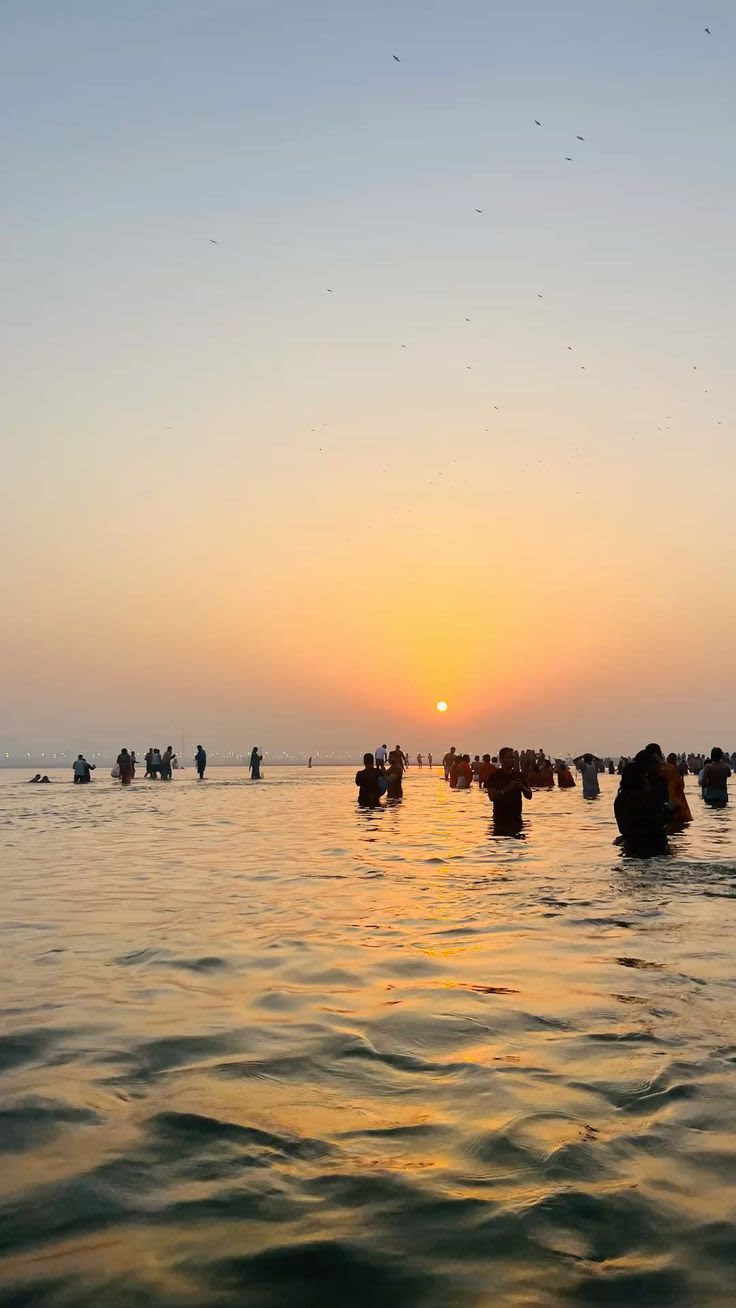
→Prayagraj, formerly known as Allahabad, is one of Hinduism's most sacred cities, situated at the Triveni Sangam — the holy confluence of the Ganges, Yamuna, and the mythical Saraswati rivers — a site of such spiritual significance that bathing here is believed to wash away all sins. Every 12 years, the Maha Kumbh Mela held at Prayagraj becomes the world's largest human gathering, drawing over 100 million pilgrims in a single season. The Kumbh Mela 2026 and 2036 promises to be a once-in-a-generation event. Beyond the ghats, the Allahabad Fort, the Anand Bhawan museum (former home of the Nehru-Gandhi family), and the beautiful Khusro Bagh make Prayagraj a city of great historical depth.
181 km
Varanasi
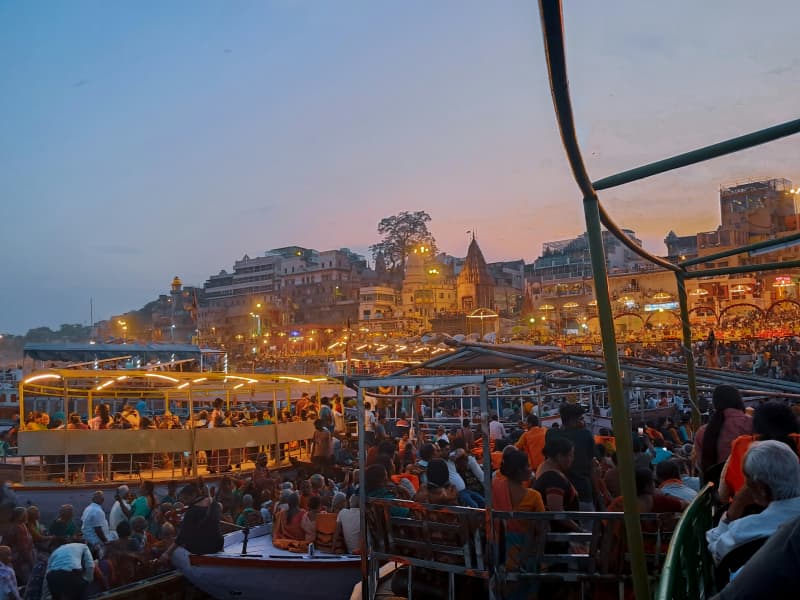
→Varanasi, one of the world's oldest continuously inhabited cities and Hinduism's most sacred destination, sits on the banks of the Ganges in Uttar Pradesh and is believed by Hindus to be the city where dying releases one from the cycle of rebirth. The ghats of Varanasi — 84 in all — are the spiritual heartbeat of India, where the faithful bathe at dawn, priests perform elaborate fire rituals, and funeral pyres burn perpetually at the Manikarnika Ghat. The ancient temples, the labyrinthine old city lanes, the evening Ganga Aarti ceremony, and the profound sense of mortality and transcendence make Varanasi the most spiritually intense city in India.
316 km
Khajuraho
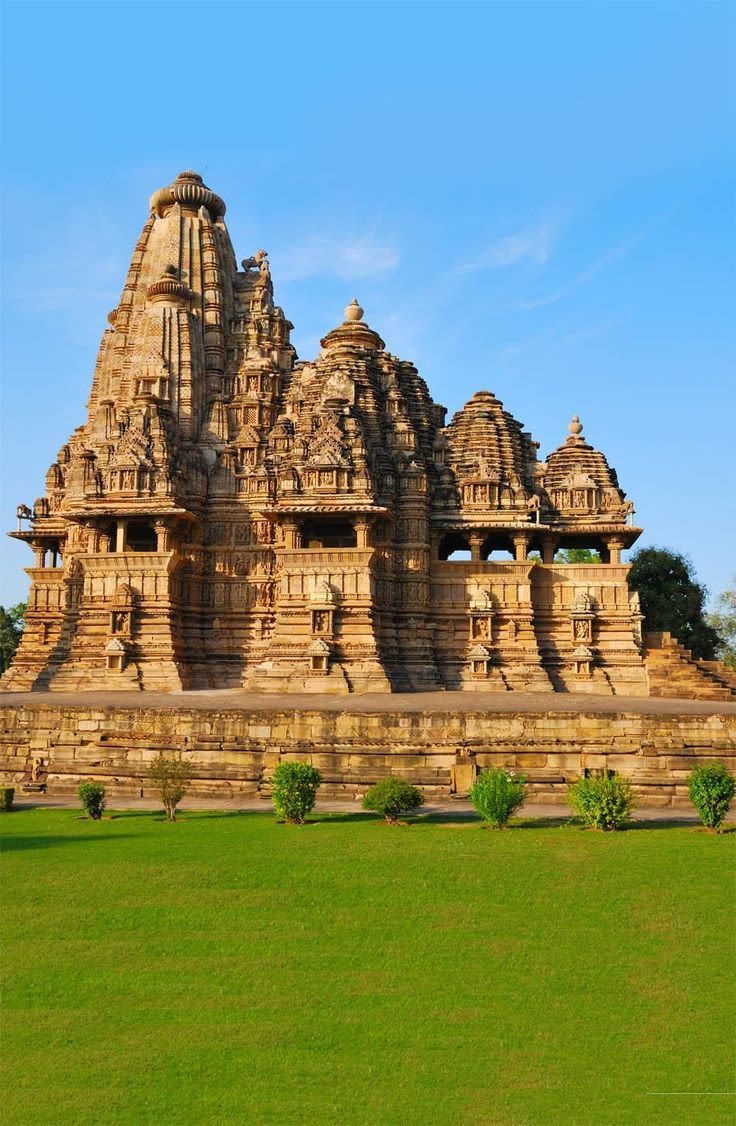
→Khajuraho, a small town in Madhya Pradesh, is home to one of India's most extraordinary UNESCO World Heritage Sites — a group of medieval Hindu and Jain temples built by the Chandela dynasty between 950 and 1050 CE, celebrated worldwide for their exquisite erotic sculptures that represent only a fraction of the temples' vast iconographic program. The three temple complexes — Western, Eastern, and Southern — contain 20 surviving temples of the original 85, each a masterpiece of Nagara-style architecture adorned with thousands of meticulously carved figures depicting every aspect of human life, divine beings, and erotic union. The annual Khajuraho Dance Festival held in front of the illuminated temple facades is a cultural highlight of India's classical arts calendar.
363 km
Bandhavgarh National Park
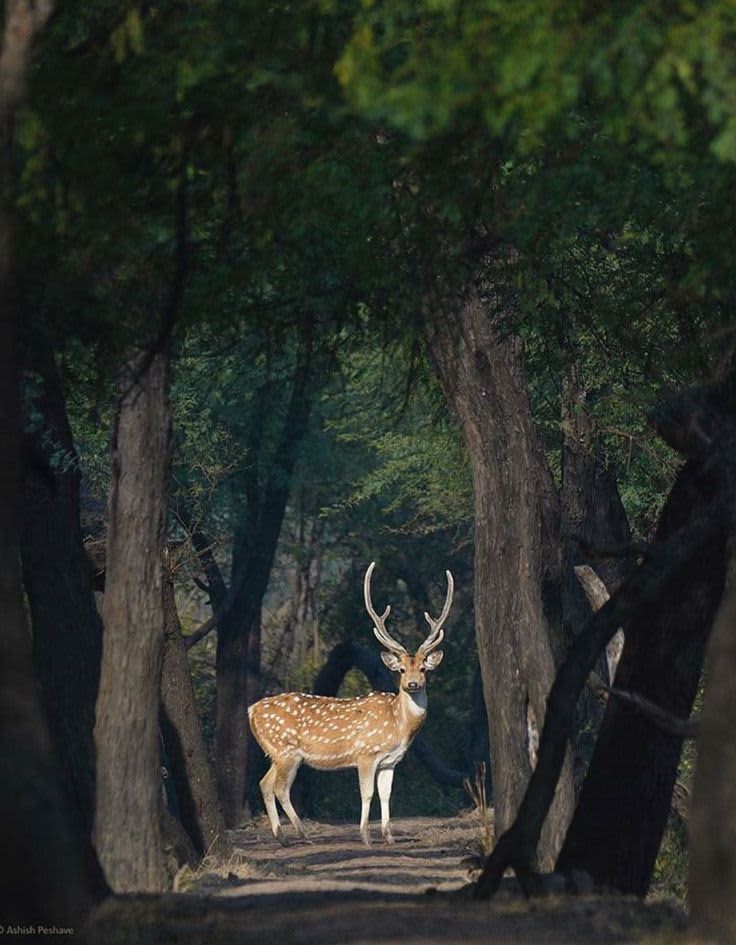
→Bandhavgarh National Park in Madhya Pradesh boasts the highest density of Bengal tigers of any national park in India, making it one of the most thrilling destinations for big cat enthusiasts and wildlife photographers. The park's diverse terrain of dense sal forests, meadows, and bamboo groves is dominated by the ancient Bandhavgarh Fort, which according to legend was built by the Hindu god Rama. Multiple daily safari zones, including the highly sought-after Tala zone, ensure excellent opportunities to witness tigers, leopards, sloth bears, and abundant birdlife in their natural environment.
390 km
Orchha
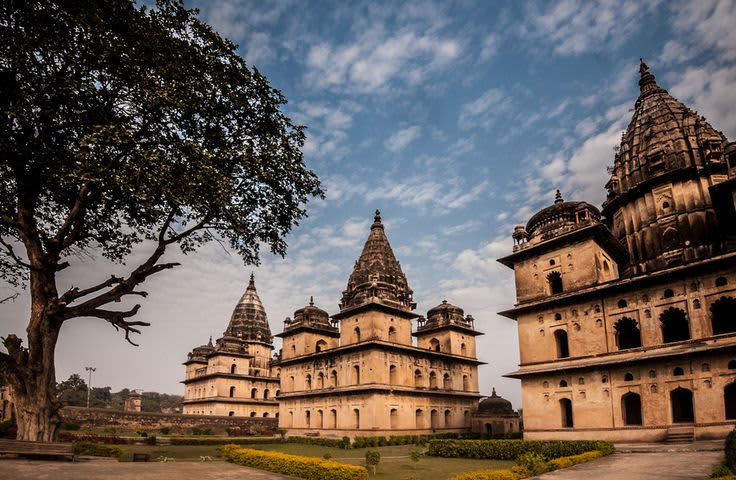
→Orchha, a small medieval town on the Betwa River in Madhya Pradesh, is one of India's most underrated historical gems — a perfectly preserved Bundela-era capital of palaces, cenotaphs, and temples that appear frozen in time since the 16th and 17th centuries. The Jahangir Mahal palace, built to honor the Mughal Emperor's visit, is a breathtaking example of Mughal-Rajput architecture, while the Ram Raja Temple — the only temple in India where Lord Rama is worshipped as a king — is an extraordinary religious and cultural anomaly. Orchha's chaturbhuj temples rising above the Betwa River, the evening light-and-sound show at the palace complex, and the vultures nesting in the riverside cenotaphs create an atmosphere of remarkable historical enchantment.
394 km
Nainital
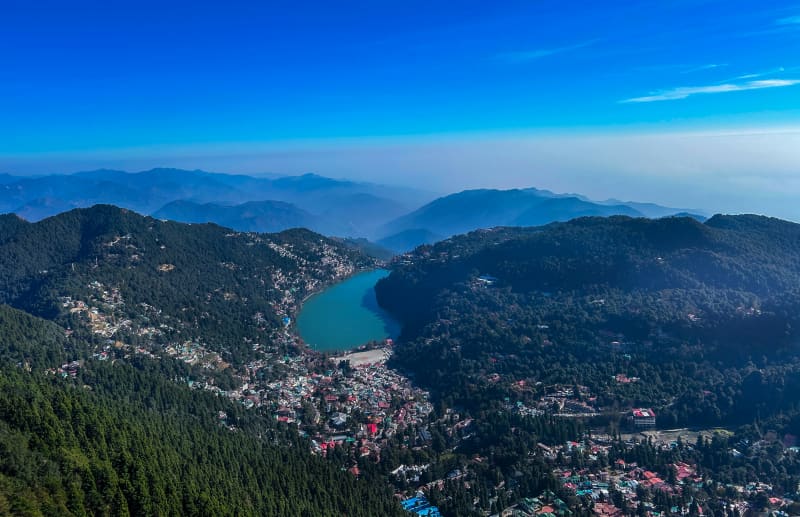
→Nainital, the lake district jewel of Uttarakhand, is built around the serene Naini Lake nestled among seven hills at an altitude of 2,084 meters. This charming hill station offers breathtaking views of the surrounding Kumaon Himalayas, with boating on the lake, a cable car ride to Snow View Point, and the bustling Mall Road shopping strip among the top experiences. The Naina Devi Temple on the northern shore of the lake adds a deep spiritual dimension to this naturally stunning destination.
399 km
Almora
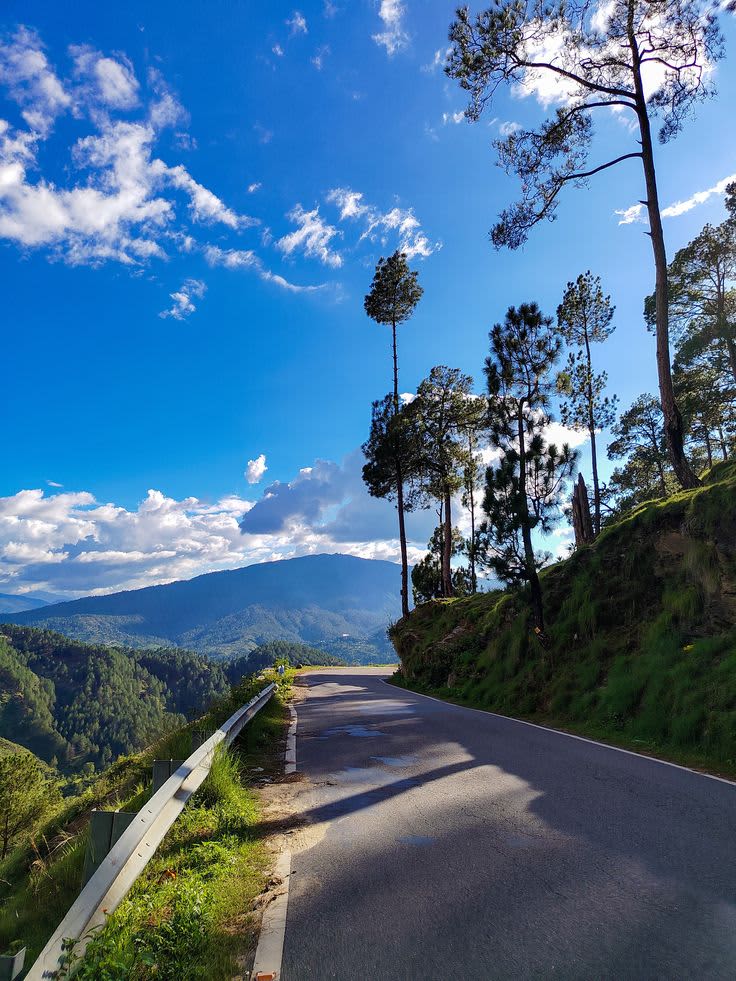
→Almora, perched on a horseshoe-shaped ridge at 1,638 meters in the Kumaon Himalayas of Uttarakhand, is a centuries-old cultural capital with a rich artistic heritage that has inspired philosophers like Swami Vivekananda and writers like Bill Aitken. The town's distinctive Kumaoni architecture, the ancient Nanda Devi Temple, and the bustling Lal Bazar with its copper handicrafts and traditional Bal Mithai sweet shops reflect a cultural depth rarely found in commercial hill stations. Panoramic Himalayan views from Kasar Devi ridge — a place of meditation for seekers from around the world — and the nearby Jageshwar Jyotirlinga temple complex make Almora an intellectually and spiritually stimulating destination.
405 km
Gwalior
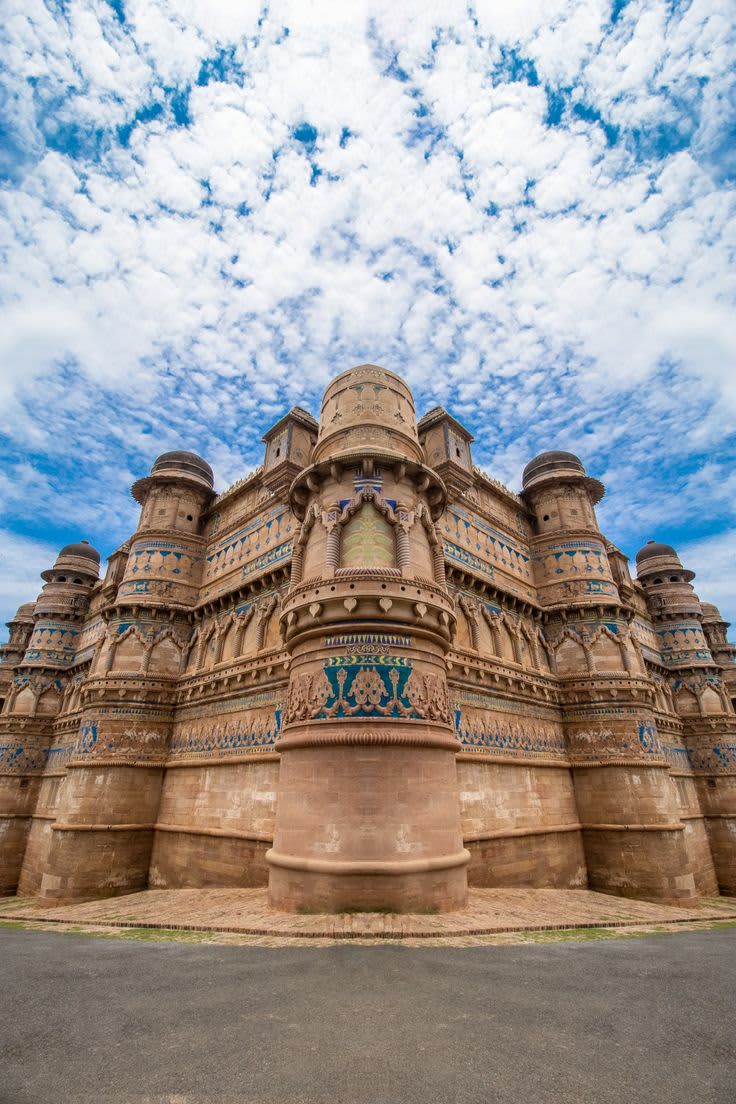
→Gwalior, in Madhya Pradesh, is dominated by one of India's most spectacular forts — the Gwalior Fort, rising 100 meters on a rocky hill above the city, described by the Mughal Emperor Babur as the pearl among fortresses of Hind. The fort complex encompasses palaces including the magnificent Man Mandir Palace with its brilliant tile work, Jain rock-cut sculptures, temples, and water tanks spanning over a thousand years of architectural history. The city also celebrates its deep musical heritage as the birthplace of the Gwalior Gharana, one of the most prestigious classical music traditions in Hindustani music, through the Tansen Music Festival held each November.
417 km
Ranikhet
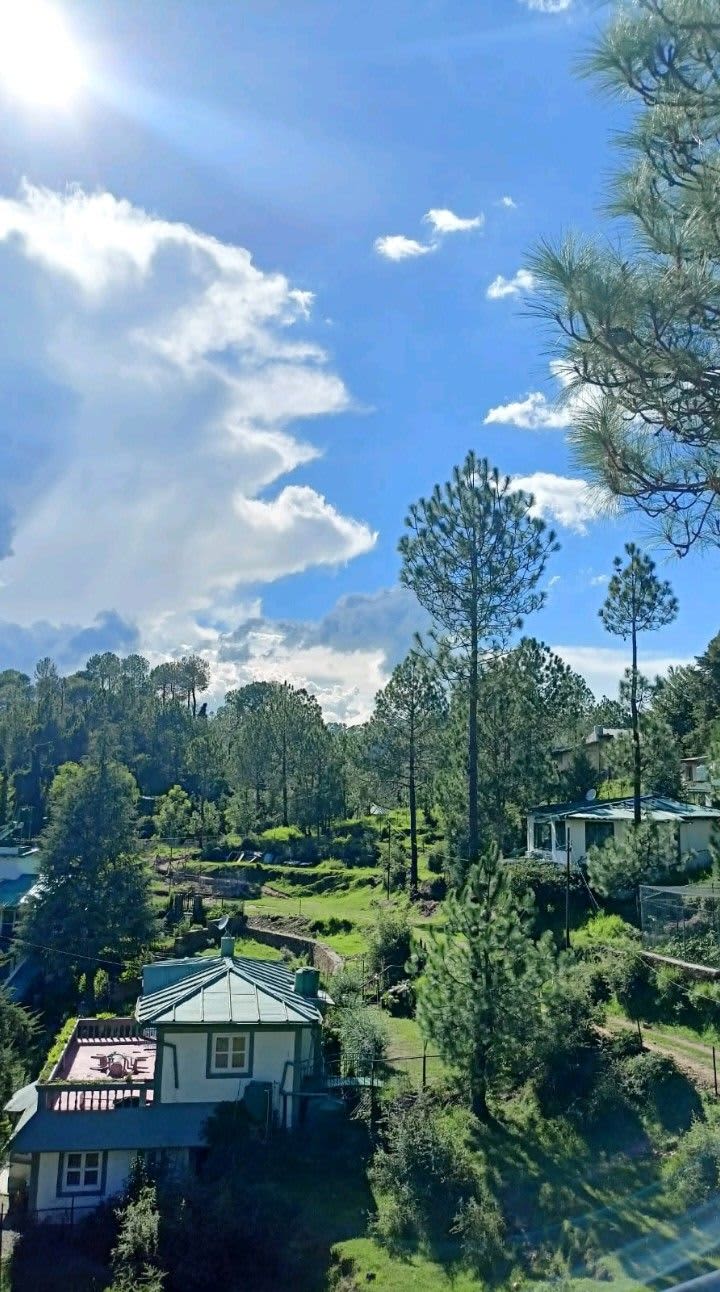
→Ranikhet, meaning "Queen's Meadow," is a tranquil British-era cantonment hill station in Uttarakhand's Kumaon region offering sweeping views of snow-clad Himalayan peaks including Nanda Devi, Trishul, and Nanda Ghunti. Unlike the more commercialized hill stations, Ranikhet has preserved its old-world charm through dense oak and rhododendron forests, apple orchards, and well-maintained colonial bungalows. The Jhula Devi Temple, Asia's highest golf course, and the scenic Chaubatia Gardens make Ranikhet a perfect off-the-beaten-path retreat for nature lovers.