Ajmer, a city in the heart of Rajasthan, is one of the most important Islamic pilgrimage sites in South Asia, home to the Dargah Sharif — the tomb of the Sufi saint Khwaja Moinuddin Chishti, who is re...
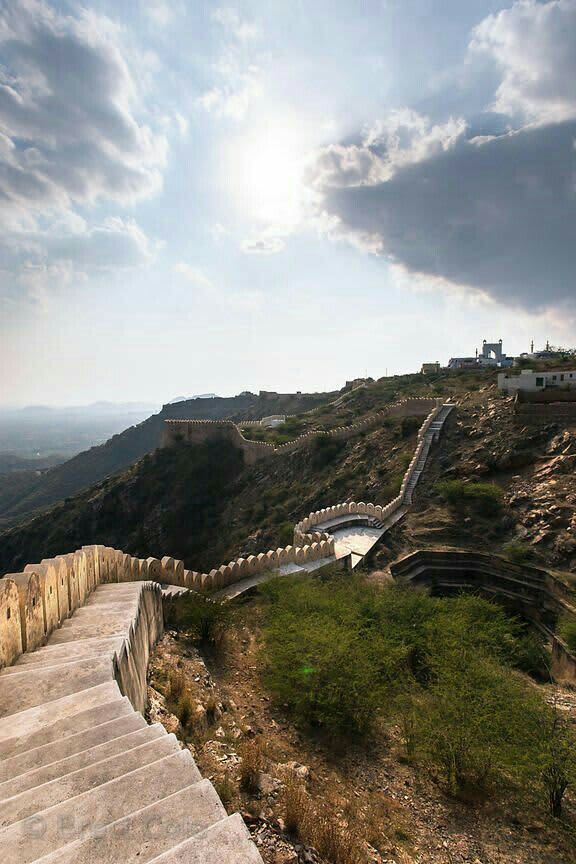
Ajmer
City of Sufi Saints
Rajasthan, India
4.5
Dargah SharifAna Sagar LakeTaragarh Fort
spiritual
Duration: 1–2 Days
Budget/day: ₹1,000 – ₹3,000
Best season: Oct – Mar
Altitude: 486 m
Nearest airport: Kishangarh Airport (30 km) / Jaipur Airport (135 km)
Nearest railway: Ajmer Junction (2 km)
Best places to visit in Ajmer


Things to do in Ajmer
- No photoSpiritual / CulturalView full guide
2–3 hours
Dargah Sharif of Khwaja Moinuddin Chishti
The Dargah of Khwaja Moinuddin Chishti is one of the most important Islamic pilgrimage sites in Asia, drawing millions of devotees of every faith who come to seek blessings at the tomb of the 12th-century Sufi saint. The atmosphere — filled with qawwali music, rose petals, and profound devotion — transcends religion entirely.
- No photoLeisure / HeritageView full guide
1.5–2 hours
Ana Sagar Lake Sunset Walk
Stroll along the marble-colonnaded baradari (pavilions) on the banks of the serene Ana Sagar Lake built by Anaji, grandfather of Prithviraj Chauhan, in the 12th century. The sunset over the lake with the Aravalli hills in the background is one of Ajmer's most peaceful and photogenic moments.
- No photoHeritage / HistoricalView full guide
1–1.5 hours
Adhai Din Ka Jhopra Archaeological Visit
Hidden behind the Dargah, this extraordinary 12th-century mosque built in just two-and-a-half days (hence the name) is one of India's earliest examples of Indo-Islamic architecture — its ornate Arabic calligraphy-carved arches and delicate pillars looted from Hindu temples create a fascinating and complex historical site.
Best Time to Visit and Weather Info
Best time: October to March
Urs festival (Rajab month on Islamic calendar) sees massive crowds from across the world. Check dates annually.
Winter
Best Time ⭐Oct – Mar
8°C – 25°C
Best weather for exploring the Dargah, Anasagar Lake, and Adhai Din Ka Jhonpra.
- Visit Dargah Sharif early morning to avoid crowds
- Ana Sagar Lake boating is pleasant in winter
Urs Festival
Festive 🎉Varies (Islamic calendar)
Varies
The annual Urs of Khwaja Moinuddin Chishti — the biggest Sufi festival in India, attended by millions of devotees.
- Book accommodation 3 months ahead
- Massive crowds — plan very early arrival at Dargah
How to Reach
✈️By Air
Airport: Kishangarh Airport (30 km) (30 km)
Duration: ~45 mins
Flights from Delhi and Mumbai to Kishangarh. Taxi to Ajmer.
Taxi: ₹600 – ₹900
Airlines: IndiGo, Air India
🚂By Train
Station: Ajmer Junction
Major junction on the Delhi–Mumbai line. Excellent connectivity.
- Ajmer Shatabdi — Delhi (5.5 hrs)
- Aravali Express — Mumbai (18 hrs)
🚌By Road
RSRTC and private buses from Jaipur (135 km), Jodhpur (205 km), and Delhi (400 km).
- Jaipur: 135 km, 2.5 hrs via NH-48
- Pushkar: 11 km, 20 mins via NH-158
- Jodhpur: 205 km, 4 hrs via NH-62
Itineraries
Local Food
Ajmer's food reflects its composite Hindu-Muslim culture — biryani and kebabs coexist with Rajasthani thali and sweets.
Ajmeri Biryani
Fragrant slow-cooked biryani with local spices — sold around the Dargah area.
Where: Restaurants near Dargah Bazaar
₹100 – ₹200
Sohan Halwa
Rich, dense Ajmer specialty sweet made from wheat, ghee, and dry fruits.
Where: Sweet shops near Dargah gate
₹400 – ₹800/kg
Shahi Tukda
Fried bread soaked in saffron-infused milk and topped with rabri — a regal Mughal dessert.
Where: Muslim eateries near Dargah
₹80 – ₹150
Dal Baati Churma
Rajasthani classic available at dhabas across the city.
Where: Rajasthani restaurants on Station Road
₹120 – ₹200
Ajmer has both vegetarian Rajasthani eateries and excellent Muslim cuisine around the Dargah area.
FAQs
- Ajmer is famous for the Dargah Sharif of Khwaja Moinuddin Chishti — one of the most important Sufi shrines in the world, visited by Muslims, Hindus, and people of all faiths. Also notable for Adhai Din Ka Jhonpra and Ana Sagar Lake.
Best Places Similar
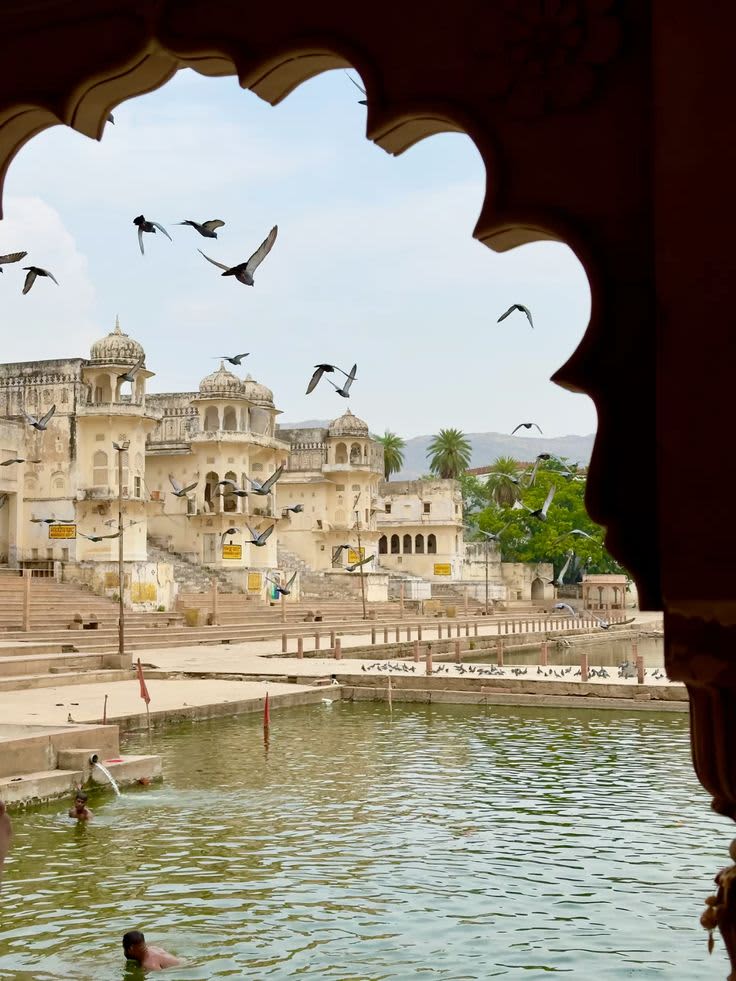
Pushkar
Pushkar, a sacred lake town in Rajasthan's Ajmer district, is built around the holy Pushkar Lake and is one of the five sacred dhams (pilgrimage sites) in Hinduism, home to the Brahma Temple — one of the very few temples in the world dedicated to the creator god Brahma. The 52 ghats surrounding the lake are the scene of continuous ritual activity and evening aarti ceremonies, while the flower-filled bazaars and the proliferation of ashrams and yoga centers give Pushkar a genuinely spiritual and otherworldly atmosphere. Every November, the Pushkar Camel Fair transforms the desert surrounds into the world's largest camel fair and a spectacular pageant of Rajasthani folk culture.
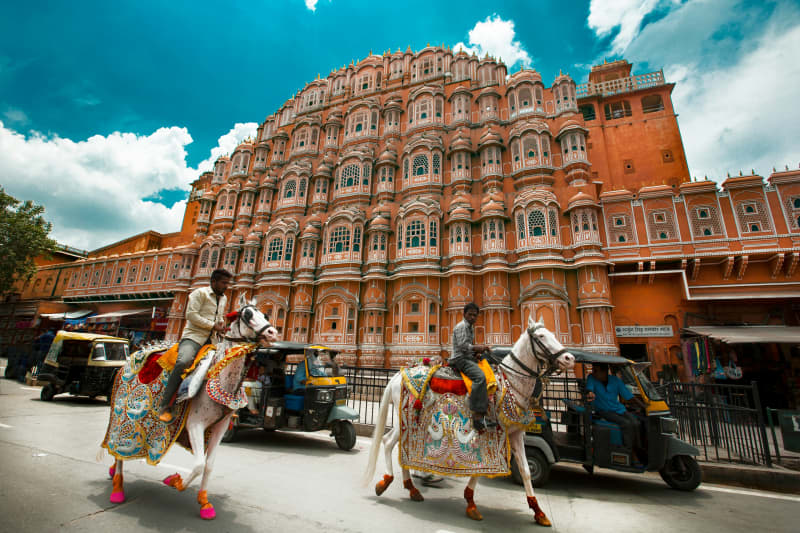
Jaipur
Jaipur, the Pink City and capital of Rajasthan, is one of India's most vibrant and photogenic destinations, famous for its rose-tinted heritage architecture, colorful bazaars overflowing with textiles and jewelry, and the formidable Amer Fort. Built by Maharaja Jai Singh II in 1727 as India's first planned city, Jaipur's geometric street layout and magnificent palaces — including the City Palace and the iconic Hawa Mahal — reflect the opulence of Rajput royalty. The city is the gateway to Rajasthan's royal heartland and forms the third vertex of India's legendary Golden Triangle alongside Delhi and Agra.
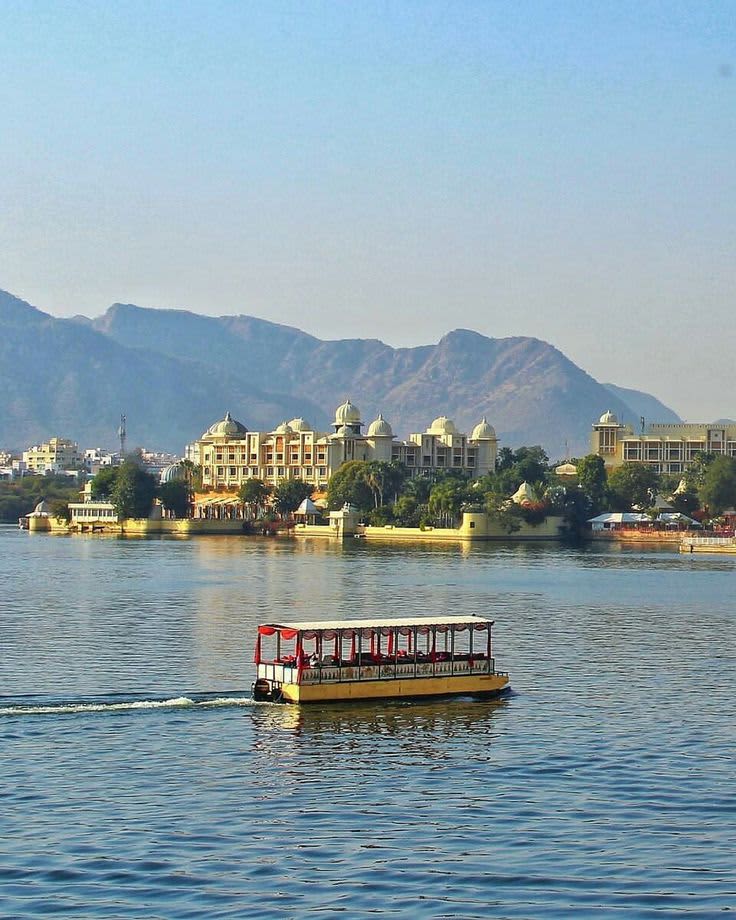
Udaipur
Udaipur, the City of Lakes in Rajasthan, is widely considered one of the most romantic cities in India, a dreamlike destination of shimmering lake palaces, white marble temples, and haveli-lined ghats reflected in the placid waters of Lake Pichola. The iconic Lake Palace — seemingly floating on the waters of Pichola — and the grand City Palace complex are among the finest examples of Rajput architecture anywhere in India. Udaipur's vibrant arts scene, exquisite handicrafts, and the mesmerizing evening boat rides on the lake make it a city that captures hearts and refuses to let go.
Nearby destinations
Pushkar
10 km · Pushkar, a sacred lake town in Rajasthan's Ajmer district, is built around the holy Pushkar Lake and is one of the five sacred dhams (pilgrimage sites) in Hinduism, home to the Brahma Temple — one of the very few temples in the world dedicated to the creator god Brahma. The 52 ghats surrounding the lake are the scene of continuous ritual activity and evening aarti ceremonies, while the flower-filled bazaars and the proliferation of ashrams and yoga centers give Pushkar a genuinely spiritual and otherworldly atmosphere. Every November, the Pushkar Camel Fair transforms the desert surrounds into the world's largest camel fair and a spectacular pageant of Rajasthani folk culture.
Jaipur
125 km · Jaipur, the Pink City and capital of Rajasthan, is one of India's most vibrant and photogenic destinations, famous for its rose-tinted heritage architecture, colorful bazaars overflowing with textiles and jewelry, and the formidable Amer Fort. Built by Maharaja Jai Singh II in 1727 as India's first planned city, Jaipur's geometric street layout and magnificent palaces — including the City Palace and the iconic Hawa Mahal — reflect the opulence of Rajput royalty. The city is the gateway to Rajasthan's royal heartland and forms the third vertex of India's legendary Golden Triangle alongside Delhi and Agra.
Jodhpur
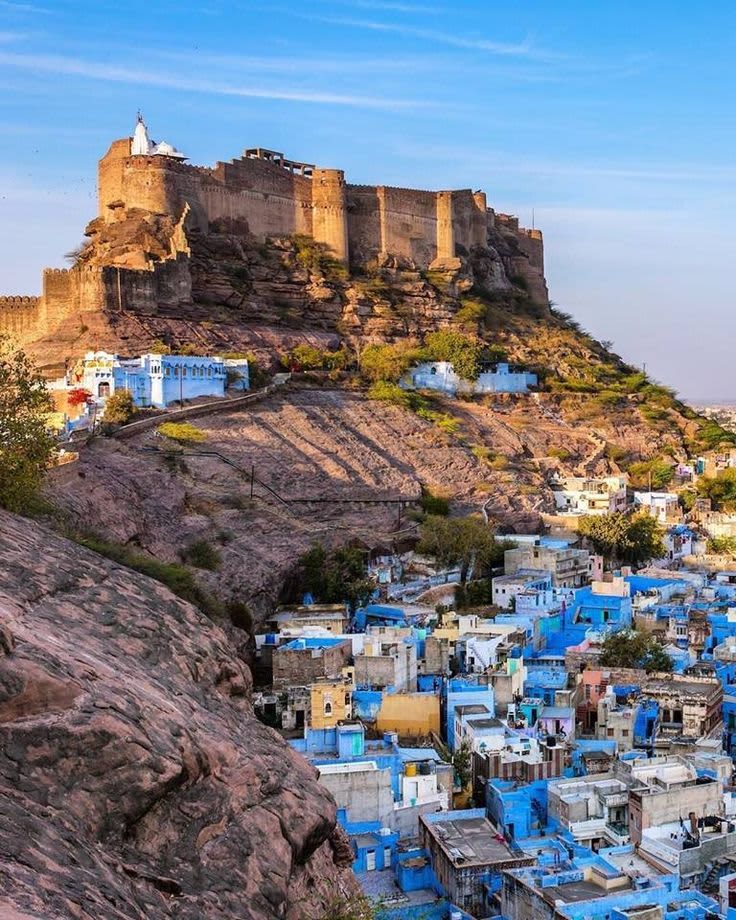
163 km · Jodhpur, the Blue City of Rajasthan, is dominated by the magnificent Mehrangarh Fort — one of India's largest and best-preserved forts — rising 150 meters above a sea of indigo-painted houses in the old city below, creating one of the most dramatic urban vistas on earth. The city's blue color, traditionally used by Brahmin residents to distinguish their homes, has now been adopted across the old city, giving it its poetic nickname. The bustling Clock Tower market, the ornate Umaid Bhawan Palace, and the narrow lanes of the old city teeming with spice merchants and craftspeople make Jodhpur an unmissable Rajasthani experience.