Things to do in Ajmer
Things to do in Ajmer
Ajmer, a city in the heart of Rajasthan, is one of the most important Islamic pilgrimage sites in South Asia, home to the Dargah Sharif — the tomb of the Sufi saint Khwaja Moinuddin Chishti, who is revered by Muslims and Hindus alike as a symbol of love, tolerance, and universal brotherhood. Millions of pilgrims visit the Dargah each year, particularly during the annual Urs festival, to seek blessings at the shrine's gilded tomb. The 12th-century Adhai Din Ka Jhonpra mosque and the stunning Ana Sagar Lake, where Emperor Jahangir built a beautiful marble pavilion, make Ajmer a city of remarkable composite heritage and spiritual significance.
- No photoSpiritual / CulturalView full guide
2–3 hours
Dargah Sharif of Khwaja Moinuddin Chishti
The Dargah of Khwaja Moinuddin Chishti is one of the most important Islamic pilgrimage sites in Asia, drawing millions of devotees of every faith who come to seek blessings at the tomb of the 12th-century Sufi saint. The atmosphere — filled with qawwali music, rose petals, and profound devotion — transcends religion entirely.
- No photoLeisure / HeritageView full guide
1.5–2 hours
Ana Sagar Lake Sunset Walk
Stroll along the marble-colonnaded baradari (pavilions) on the banks of the serene Ana Sagar Lake built by Anaji, grandfather of Prithviraj Chauhan, in the 12th century. The sunset over the lake with the Aravalli hills in the background is one of Ajmer's most peaceful and photogenic moments.
- No photoHeritage / HistoricalView full guide
1–1.5 hours
Adhai Din Ka Jhopra Archaeological Visit
Hidden behind the Dargah, this extraordinary 12th-century mosque built in just two-and-a-half days (hence the name) is one of India's earliest examples of Indo-Islamic architecture — its ornate Arabic calligraphy-carved arches and delicate pillars looted from Hindu temples create a fascinating and complex historical site.
- No photoHeritage / AdventureView full guide
3–4 hours (round trip)
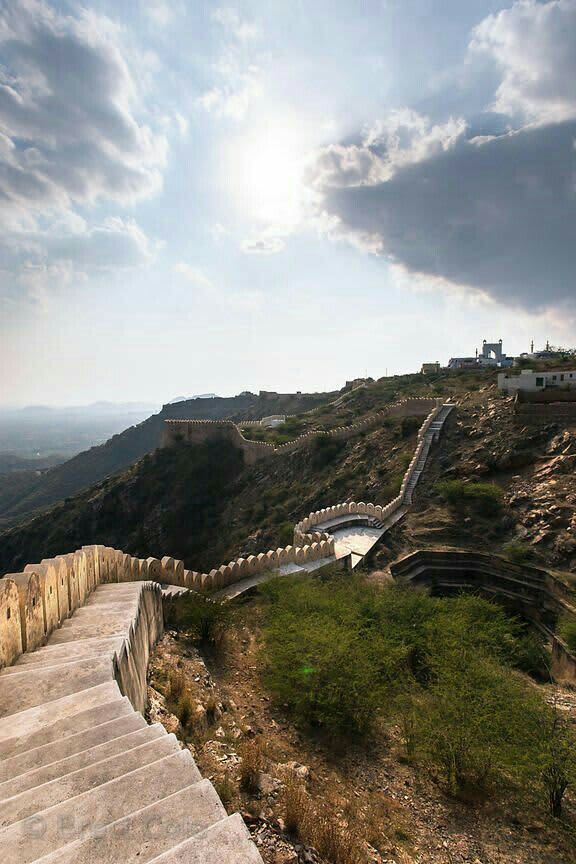
Taragarh Fort Trek
Hike up to Taragarh Fort perched 870 metres above Ajmer, one of India's oldest hill forts, from where you can see the entire Ajmer valley, Ana Sagar Lake, and the Aravalli ranges stretching to the horizon. The fort has fascinating Mughal-era cisterns, bastions, and the tomb of Mittha Shah within its crumbling walls.
- No photoCultural / ShoppingView full guide
1.5–2 hours
Pushkar Road Local Bazaar Exploration
The markets around the Dargah and Naya Bazaar in Ajmer are a sensory overload of rose water, attar perfumes, embroidered chadars, Rajasthani street food, and religious paraphernalia. Shopping here — for perfume, textiles, or just the experience — is an authentic deep-dive into Rajasthani Muslim mercantile culture.