Best Places Similar in Vaishno Devi
Best Places Similar to Vaishno Devi
Vaishno Devi, one of the most visited Hindu pilgrimage sites in India, is a sacred cave shrine nestled in the Trikuta Mountains of Jammu & Kashmir at an altitude of 1,560 meters, dedicated to the manifestation of the Mother Goddess (Shakti). The 13-kilometer pilgrimage trek from Katra through pine forests and mountain terrain to the holy cave, where the goddess is worshipped in the form of three natural rock formations (pindies), is undertaken by millions of devotees annually. The journey is as much about spiritual dedication as it is about the beauty of the Himalayan landscape through which the pilgrimage route winds.
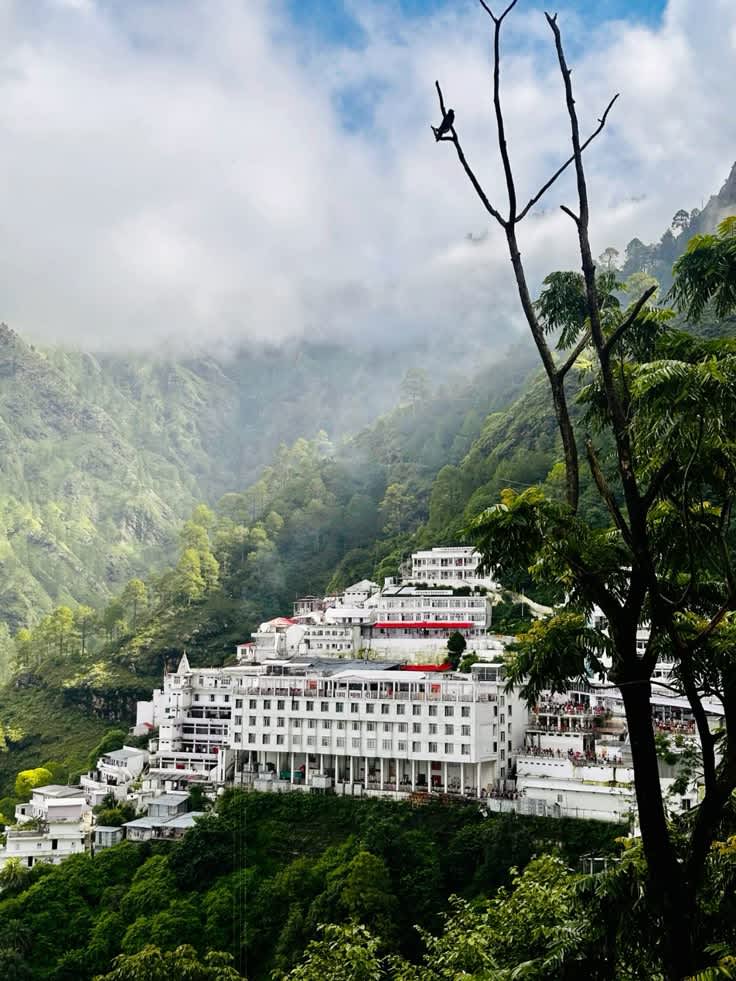
Katra
→Katra is the base camp town in Jammu & Kashmir for the pilgrimage to the revered Vaishno Devi shrine, one of the most visited Hindu pilgrimage sites in India attracting millions of devotees every year. The 12-kilometer trek from Katra through the Trikuta mountain range to the holy cave shrine of Goddess Vaishno Devi is a spiritually charged and scenically beautiful journey through forests and mountains. The town itself offers a range of accommodations and is the starting point for the thrilling helicopter service to the shrine, making it an important gateway for pilgrims across India.
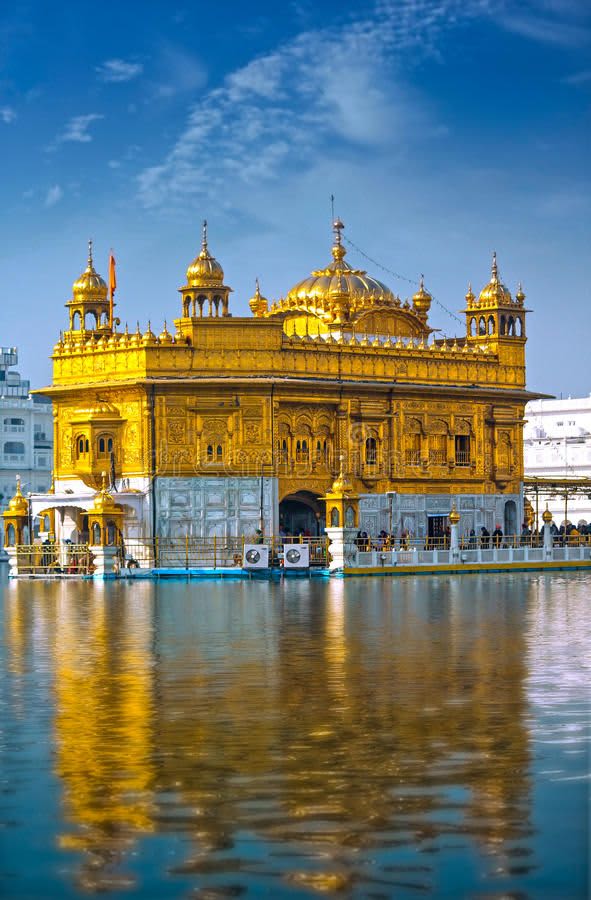
Amritsar
→Amritsar, Punjab's holiest city, is home to the Harmandir Sahib — commonly known as the Golden Temple — the most sacred shrine in Sikhism and one of the most breathtakingly beautiful religious sites in the world, its golden facade reflected in the sacred Amrit Sarovar (Pool of Nectar) that surrounds it. The temple's langar, where up to 100,000 free meals are served daily regardless of caste, religion, or nationality, embodies the Sikh values of equality and service. The Wagah Border ceremony, the historic Jallianwala Bagh garden, and the delectable Amritsari cuisine of kulcha-chhole and lassi make Amritsar a destination that nourishes both body and soul.
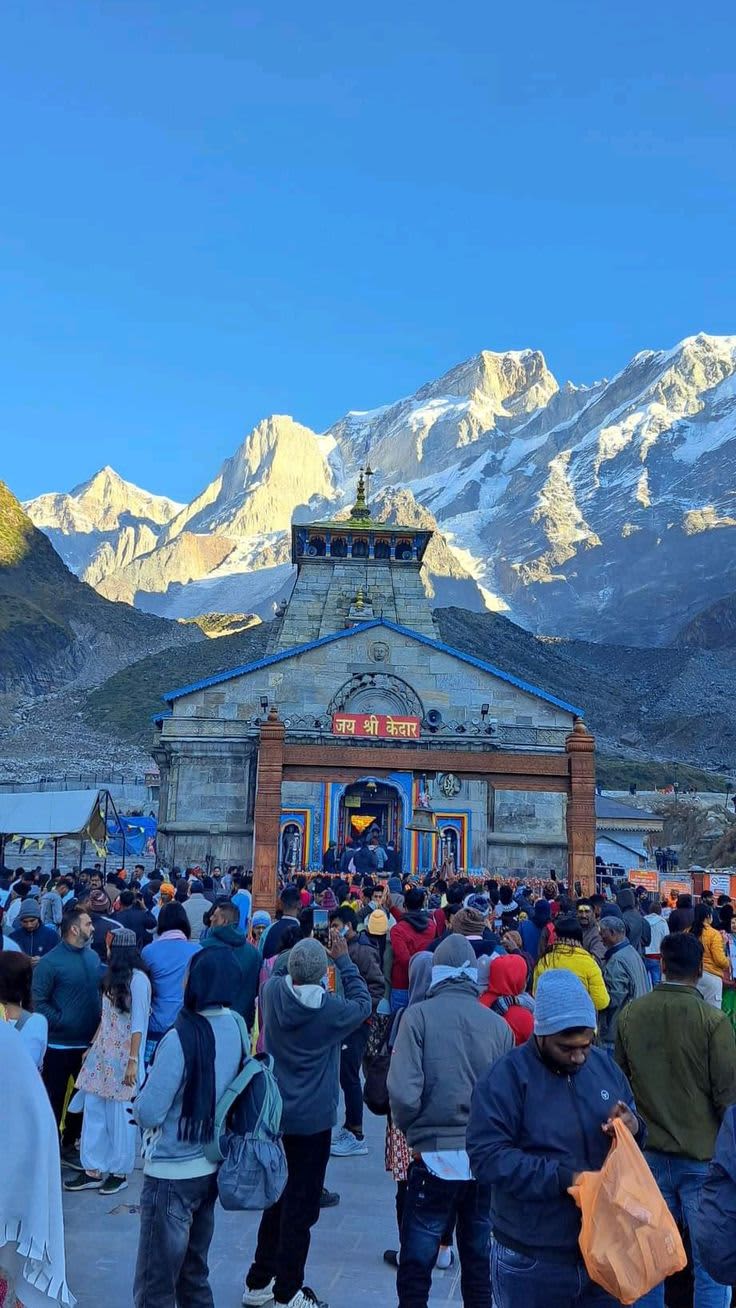
Kedarnath
→Kedarnath, one of the twelve Jyotirlingas of Shiva and the highest of the four Char Dham pilgrimage sites, sits at a staggering altitude of 3,583 meters in the Garhwal Himalayas of Uttarakhand, accessible only by an 18-kilometer trek through breathtaking Himalayan scenery. The ancient Kedarnath Temple, believed to have been originally built by the Pandavas of the Mahabharata and reconstructed by Adi Shankaracharya in the 8th century, stands surrounded by glaciers and snow-capped peaks — a setting of overwhelming natural grandeur and spiritual power. The temple is open only from May to November, and the annual opening ceremony with the Shiva idol's arrival is a profoundly moving experience.
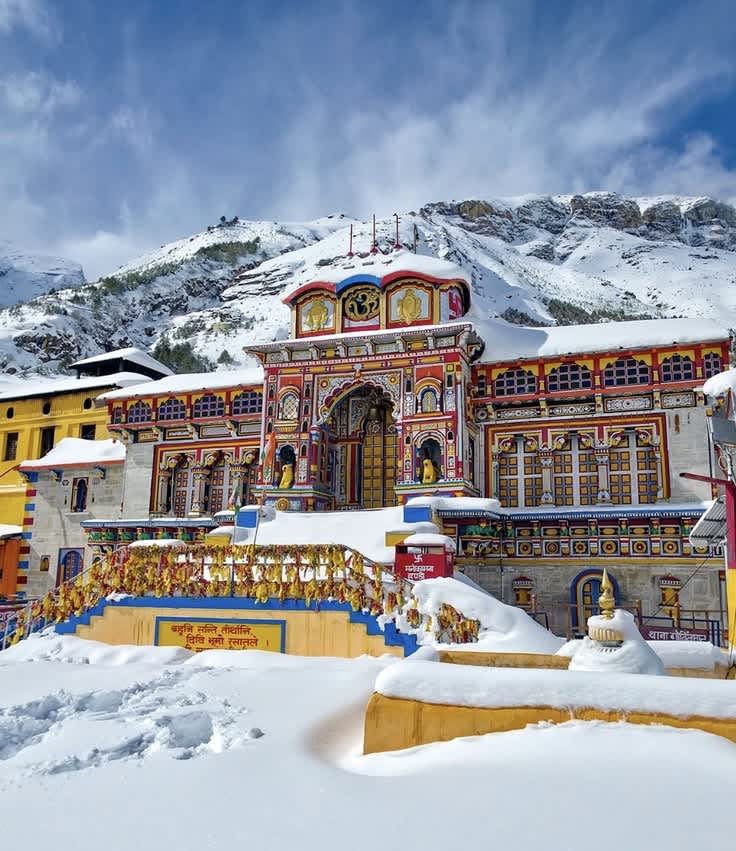
Badrinath
→Badrinath, one of the most revered Vishnu shrines in Hinduism and the final destination on the Char Dham pilgrimage circuit, sits at 3,133 meters in the Garhwal Himalayas of Uttarakhand on the banks of the Alaknanda River. The colorful Badrinath Temple, framed by the towering Nilkantha Peak, draws hundreds of thousands of pilgrims during its six-month opening season each year. The nearby Tapt Kund hot springs for ritual bathing, the mythologically significant Brahma Kapal ghat, and the Valley of Flowers and Hemkund Sahib nearby make Badrinath a destination of extraordinary spiritual and natural richness.
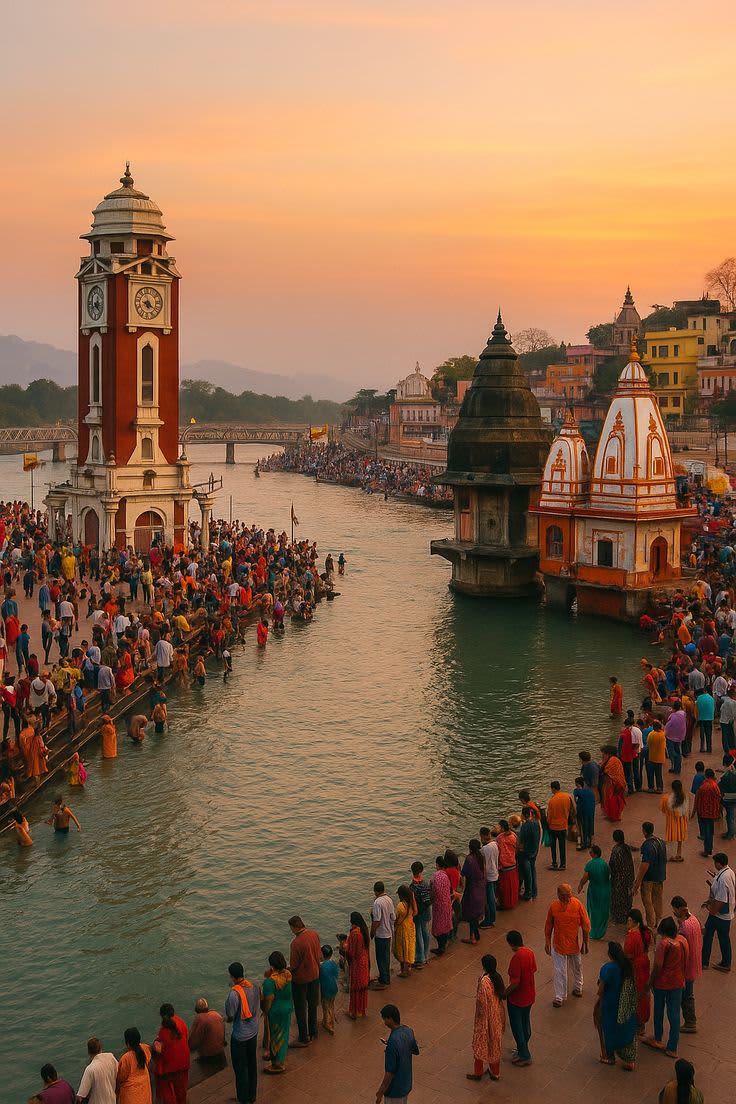
Haridwar
→The holy city of Haridwar translates to "Gateway to God," and this breathtaking destination, replete with ancient temples and sacred ghats, is a magnet for religious pilgrims from all over the globe. Religious festivals like Kumbh Mela and Kanwar Yatra hold further draw, and visitors can't help but be compelled by the city's aura of intense spirituality. Don't miss the iconic Har ki Pauri ghat and the hilltop Chandi Devi Temple.
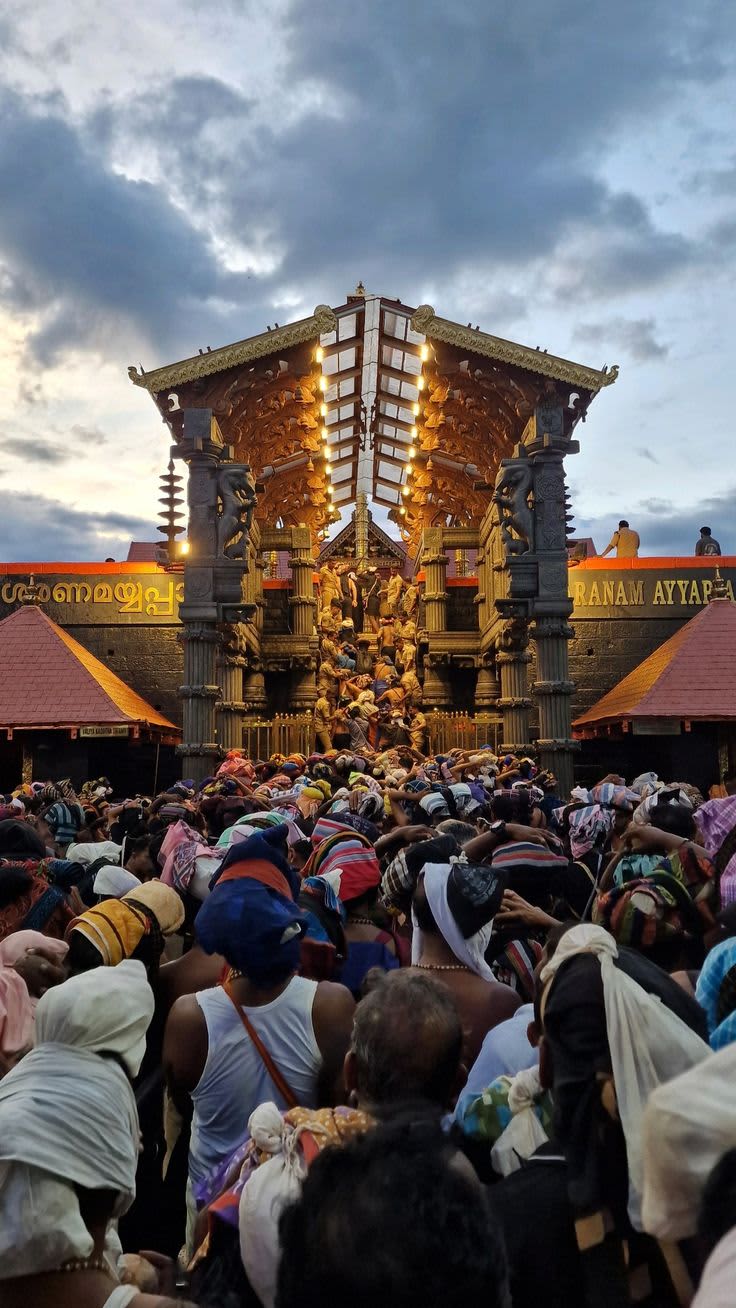
Sabarimala
→Sabarimala, nestled in the forested hills of the Western Ghats in Kerala, is one of the largest Hindu pilgrimage sites in the world and the abode of Lord Ayyappa — a deity embodying dharma, celibacy, and universal brotherhood. The annual pilgrimage season from November to January sees millions of devotees, clad in traditional black attire, undertaking the challenging 5-kilometer trek through dense jungle to reach the hilltop shrine. The journey to Sabarimala is as much a physical and spiritual ordeal as it is an act of devotion, passing through the sacred 18 golden steps before reaching the temple.

Tirupati
→Tirupati, in Andhra Pradesh, is home to the Tirumala Venkateswara Temple atop the Tirumala Hills — the most visited place of worship on earth, receiving an average of 60,000 to 100,000 pilgrims daily. Dedicated to Lord Venkateswara, a form of Vishnu, the temple is not only the world's richest religious institution but also one of the most spiritually charged destinations in Hinduism. The famous 'Tirupati laddu' prasad, the tradition of tonsuring one's head as an offering, and the breathtaking view of the gilded gopuram rising above the Nallamala Hills make a Tirupati pilgrimage an unforgettable experience.
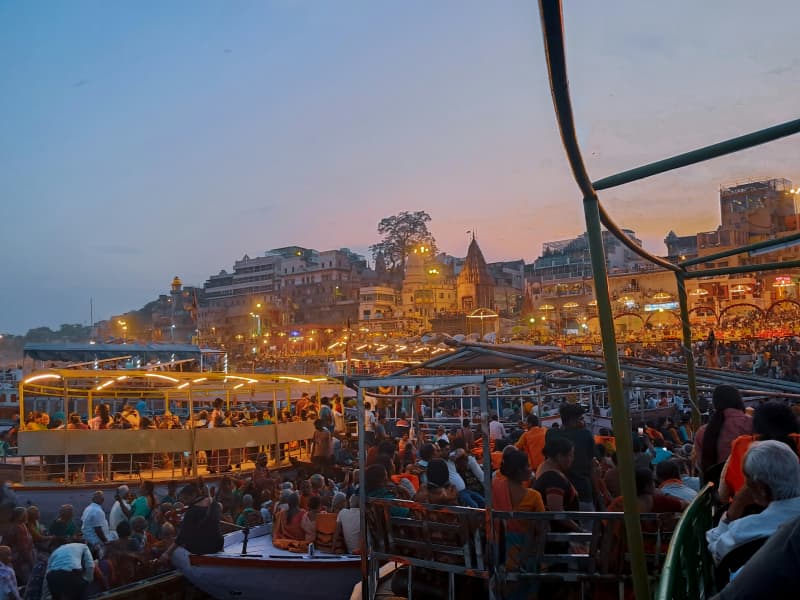
Varanasi
→Varanasi, one of the world's oldest continuously inhabited cities and Hinduism's most sacred destination, sits on the banks of the Ganges in Uttar Pradesh and is believed by Hindus to be the city where dying releases one from the cycle of rebirth. The ghats of Varanasi — 84 in all — are the spiritual heartbeat of India, where the faithful bathe at dawn, priests perform elaborate fire rituals, and funeral pyres burn perpetually at the Manikarnika Ghat. The ancient temples, the labyrinthine old city lanes, the evening Ganga Aarti ceremony, and the profound sense of mortality and transcendence make Varanasi the most spiritually intense city in India.
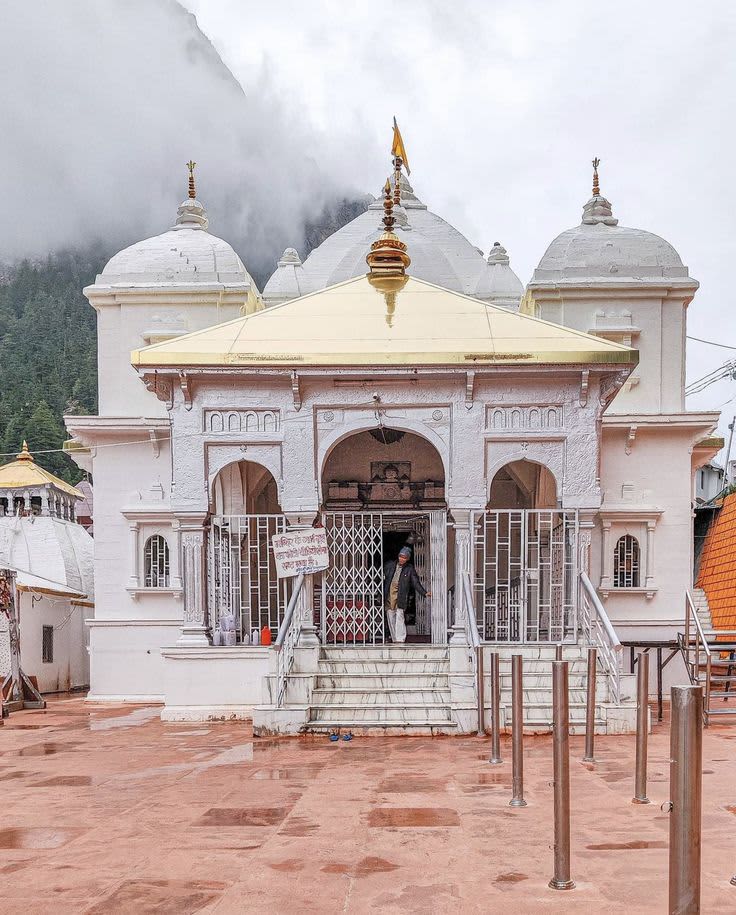
Gangotri
→Gangotri, situated at 3,100 meters in the Uttarkashi district of Uttarakhand, is the site of the Gangotri Temple dedicated to the River Goddess Ganga and the starting point for the trek to Gaumukh — the actual glacial source of the holy Ganges River. One of the four sacred Char Dham pilgrimage sites, Gangotri is believed to be the place where the sage Bhagirath meditated for thousands of years to bring the divine river Ganga to earth. The dramatic setting amid soaring Himalayan peaks, including the magnificent Bhagirathi group visible from the temple, makes Gangotri as visually awe-inspiring as it is spiritually significant.
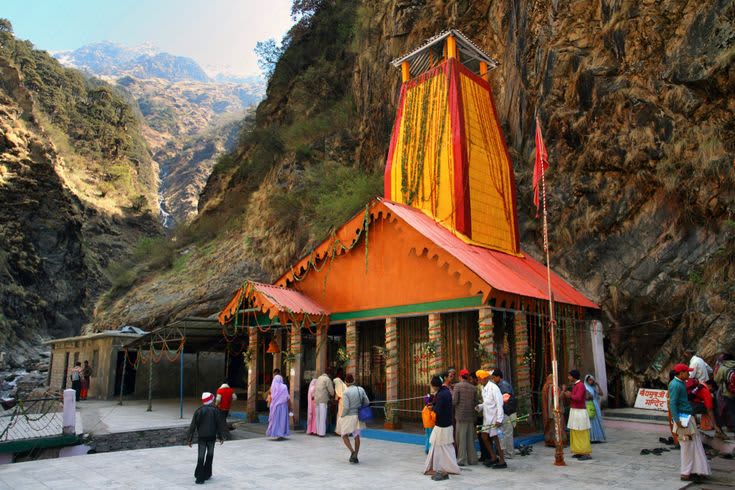
Yamunotri
→Yamunotri, the source of the sacred Yamuna River and the first stop on the Char Dham pilgrimage circuit in Uttarakhand, sits at 3,293 meters in the Garhwal Himalayas and can only be reached by a 6-kilometer trek from Janki Chatti through majestic mountain scenery. The Yamunotri Temple, dedicated to the goddess Yamuna, is flanked by natural thermal springs where pilgrims cook rice and potatoes in the boiling water as a sacred offering. The Divya Shila rock pillar near the temple and the dramatic glacial Champasar Glacier above form a setting of raw Himalayan grandeur that leaves a lasting spiritual impression.