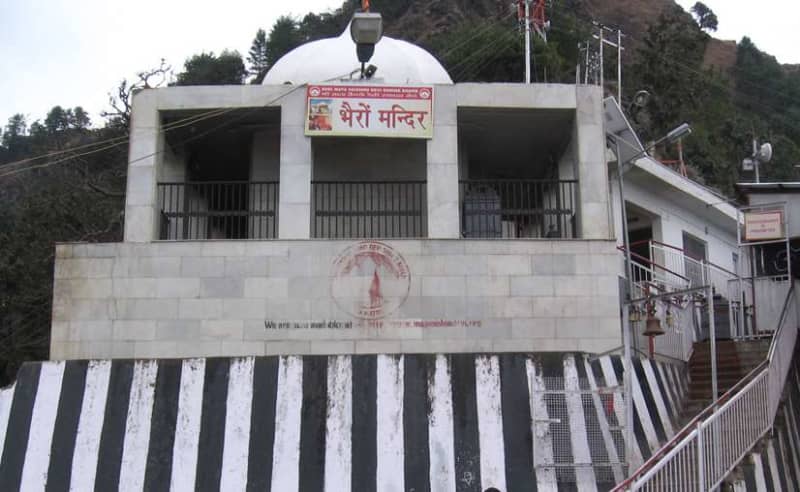
Vaishno Devi, one of the most visited Hindu pilgrimage sites in India, is a sacred cave shrine nestled in the Trikuta Mountains of Jammu & Kashmir at an altitude of 1,560 meters, dedicated to the mani...

Vaishno Devi
Sacred Shakti Peeth in Himalayas
Jammu and Kashmir, India
4.9
Shakti PeethCave TempleMountain Trek
spiritualmountain
Duration: 2–3 Days
Budget/day: ₹1,500 – ₹4,500
Best season: Mar – May & Sep – Nov
Altitude: 1,584 m (Shrine)
Nearest airport: Jammu Airport (50 km from Katra)
Nearest railway: Katra Railway Station (in-city)
Best places to visit in Vaishno Devi


Things to do in Vaishno Devi
- No photoSpiritual / TrekkingView full guide
6–8 hours (round trip)
Vaishno Devi Shrine Trek
Embark on the iconic 12-kilometre pilgrimage trek from Katra base camp to the holy cave shrine of Mata Vaishno Devi — one of the most visited pilgrimage sites in all of India. The trail climbs through mountains, passing checkpoints, langar stalls, and panoramic viewpoints that keep pilgrims energized throughout.
- No photoSpiritualView full guide
1–2 hours
Bhawan Cave Darshan
Enter the sanctum sanctorum of the cave temple to seek blessings from the three natural rock formations — Mahakali, Mahalakshmi, and Mahasaraswati — known as the Pindies. The spiritual energy inside the cave is something every visitor describes as deeply moving and transformative.
- No photoSpiritualView full guide
30–45 minutes
Ardh Kuwari Cave Visit
Break your Vaishno Devi trek at the Ardh Kuwari cave midway, where legend says the goddess meditated for nine months inside a narrow rock crevice. Crawling through the tight passage of Garbh Joon cave is considered a purifying experience and is a must-do on the pilgrimage route.
Best Time to Visit and Weather Info
Best time: March to May and September to November
The shrine is open year-round. Navratri (March–April and October) draws millions — plan well in advance. Summers are comfortable. Winters bring snowfall on the trail.
Spring & Autumn
Best Time ⭐Mar – May & Sep – Nov
10°C – 25°C
Most pleasant weather for the trek. Navratri periods (March–April and October) are spiritually charged but very crowded.
- Register on the official Shrine Board website (maavaishnodevi.org) before visiting
- Book Yatra Parchi (token) online to avoid long waits
Winter
Good 🟡Dec – Feb
2°C – 15°C
Cold and fewer crowds. Snow on the upper sections of the trek adds a magical atmosphere.
- Carry heavy woolens and waterproof shoes
- Path can be icy — use trekking poles or rent them at Katra
Summer
Good 🟡Jun – Aug
20°C – 35°C
Warm weather and manageable crowds. Moderate rainfall in July–August but trek remains open.
- Start the trek early morning to avoid heat and afternoon rain
- Carry rain gear in July–August
How to Reach
✈️By Air
Airport: Jammu Airport (Satwari Airport) (50 km from Katra)
Duration: ~1.5 hrs by road
Flights from Delhi, Mumbai, and other cities to Jammu. Taxi from Jammu to Katra base camp.
Taxi: ₹1,000 – ₹1,500 (Jammu to Katra)
Airlines: IndiGo, Air India, SpiceJet
🚂By Train
Station: Katra Railway Station (in-city base camp)
Katra is directly connected to Delhi by train via the Udhampur–Srinagar–Baramulla Rail Link. Most convenient option.
- Vande Bharat Express — Delhi to Katra (8 hrs)
- Uttar Sampark Kranti Express — Delhi (10 hrs to Katra)
- Jammu Mail — Delhi (change at Jammu) (8 hrs to Jammu)
🚌By Road
Katra is the base camp for Vaishno Devi. J&K SRTC and private buses run from Jammu to Katra regularly.
- Jammu: 50 km, 1.5 hrs via NH-244A
- Delhi: 720 km, 12–13 hrs via NH-44 – Jammu – Katra
- Amritsar: 220 km, 4 hrs via NH-44 to Jammu
Local Food
Katra and the Vaishno Devi route are dominated by vegetarian food serving pilgrims. Simple, nutritious, and wholesome.
Poori Chole
Classic pilgrim meal — deep-fried bread with spiced chickpeas, available at all dhabas.
Where: Dhabas along the Katra–Banganga trek route
₹60 – ₹100
Langar Prasad
Free community meal served by the Vaishno Devi Shrine Board — simple dal, rice, and khichdi.
Where: Shrine Board community kitchens on the route
Free
Rajma Chawal
Kidney beans in a spiced tomato gravy with steamed rice — a Dogri specialty and pilgrim favourite.
Where: Dhabas at Banganga and Adhkwari
₹80 – ₹150
Kheer Prasad
Sweet rice pudding distributed as prasad after the shrine darshan.
Where: Shrine complex
Nominal
Dogri Kadhi Chawal
Tangy yogurt-based curry with rice — a traditional Dogra household meal.
Where: Local eateries in Katra town
₹80 – ₹130
Patisa (Soan Papdi)
Flaky, melt-in-mouth sweet made from chickpea flour and sugar — popular pilgrim sweet.
Where: Sweet shops throughout Katra
₹100 – ₹300/250g
The entire route from Katra to Vaishno Devi is strictly vegetarian and alcohol-free. No non-veg food is available on the trek.
FAQs
- Vaishno Devi is one of the most visited Hindu pilgrimage sites in India, with over 8 million pilgrims annually. The cave shrine houses natural rock formations (pindis) representing Goddess Vaishno Devi — Maha Kali, Maha Lakshmi, and Maha Saraswati.
Best Places Similar
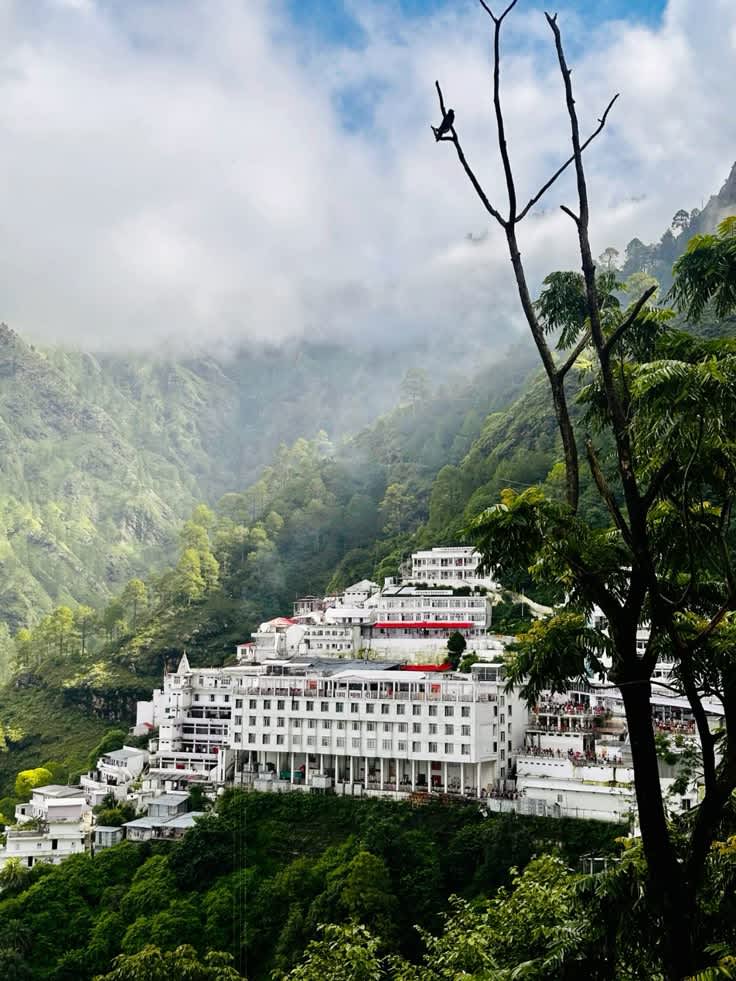
Katra
Katra is the base camp town in Jammu & Kashmir for the pilgrimage to the revered Vaishno Devi shrine, one of the most visited Hindu pilgrimage sites in India attracting millions of devotees every year. The 12-kilometer trek from Katra through the Trikuta mountain range to the holy cave shrine of Goddess Vaishno Devi is a spiritually charged and scenically beautiful journey through forests and mountains. The town itself offers a range of accommodations and is the starting point for the thrilling helicopter service to the shrine, making it an important gateway for pilgrims across India.
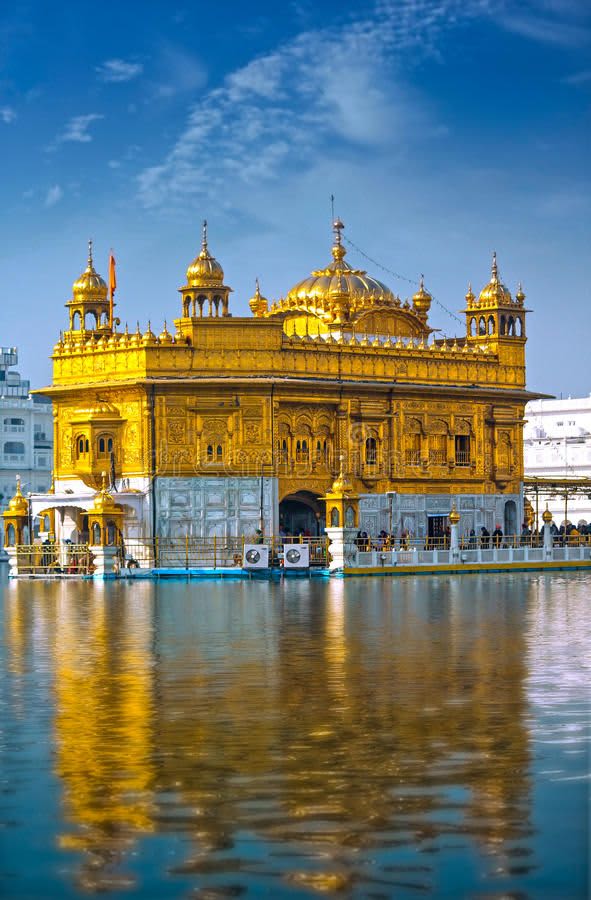
Amritsar
Amritsar, Punjab's holiest city, is home to the Harmandir Sahib — commonly known as the Golden Temple — the most sacred shrine in Sikhism and one of the most breathtakingly beautiful religious sites in the world, its golden facade reflected in the sacred Amrit Sarovar (Pool of Nectar) that surrounds it. The temple's langar, where up to 100,000 free meals are served daily regardless of caste, religion, or nationality, embodies the Sikh values of equality and service. The Wagah Border ceremony, the historic Jallianwala Bagh garden, and the delectable Amritsari cuisine of kulcha-chhole and lassi make Amritsar a destination that nourishes both body and soul.
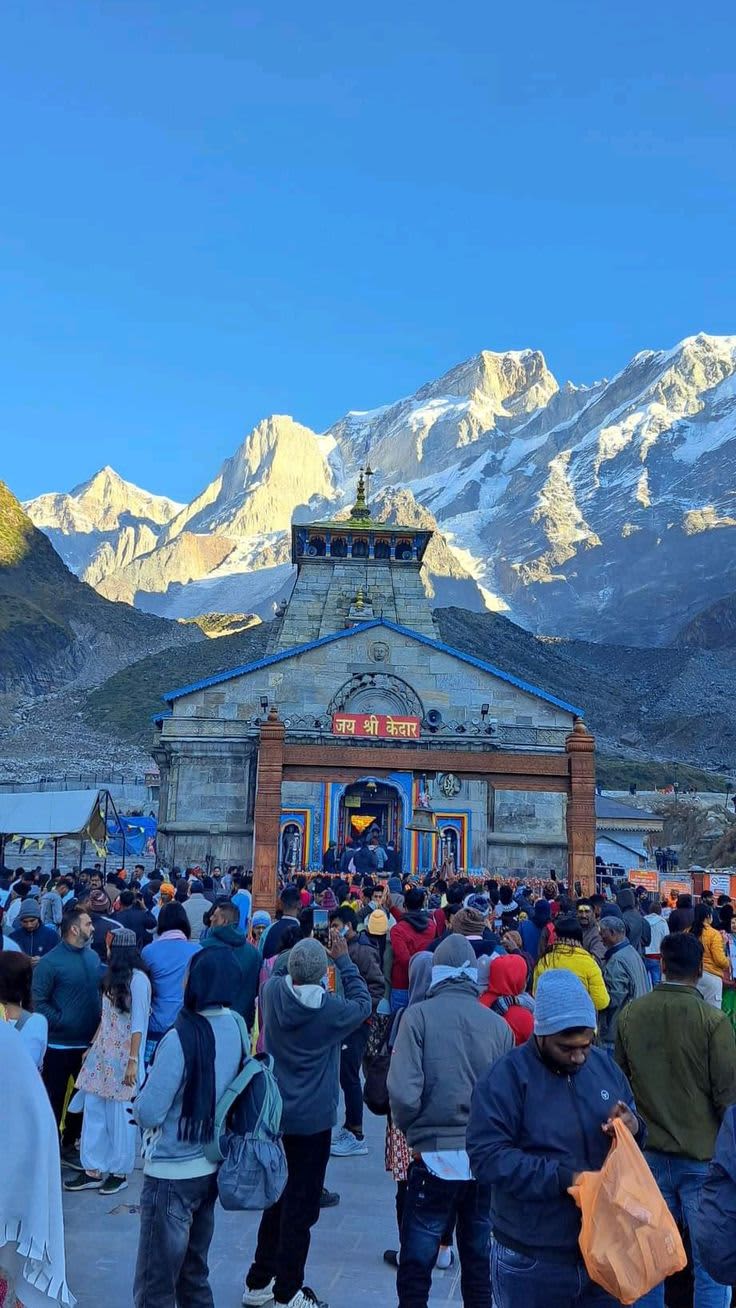
Kedarnath
Kedarnath, one of the twelve Jyotirlingas of Shiva and the highest of the four Char Dham pilgrimage sites, sits at a staggering altitude of 3,583 meters in the Garhwal Himalayas of Uttarakhand, accessible only by an 18-kilometer trek through breathtaking Himalayan scenery. The ancient Kedarnath Temple, believed to have been originally built by the Pandavas of the Mahabharata and reconstructed by Adi Shankaracharya in the 8th century, stands surrounded by glaciers and snow-capped peaks — a setting of overwhelming natural grandeur and spiritual power. The temple is open only from May to November, and the annual opening ceremony with the Shiva idol's arrival is a profoundly moving experience.
Nearby destinations
Katra
5 km · Katra is the base camp town in Jammu & Kashmir for the pilgrimage to the revered Vaishno Devi shrine, one of the most visited Hindu pilgrimage sites in India attracting millions of devotees every year. The 12-kilometer trek from Katra through the Trikuta mountain range to the holy cave shrine of Goddess Vaishno Devi is a spiritually charged and scenically beautiful journey through forests and mountains. The town itself offers a range of accommodations and is the starting point for the thrilling helicopter service to the shrine, making it an important gateway for pilgrims across India.
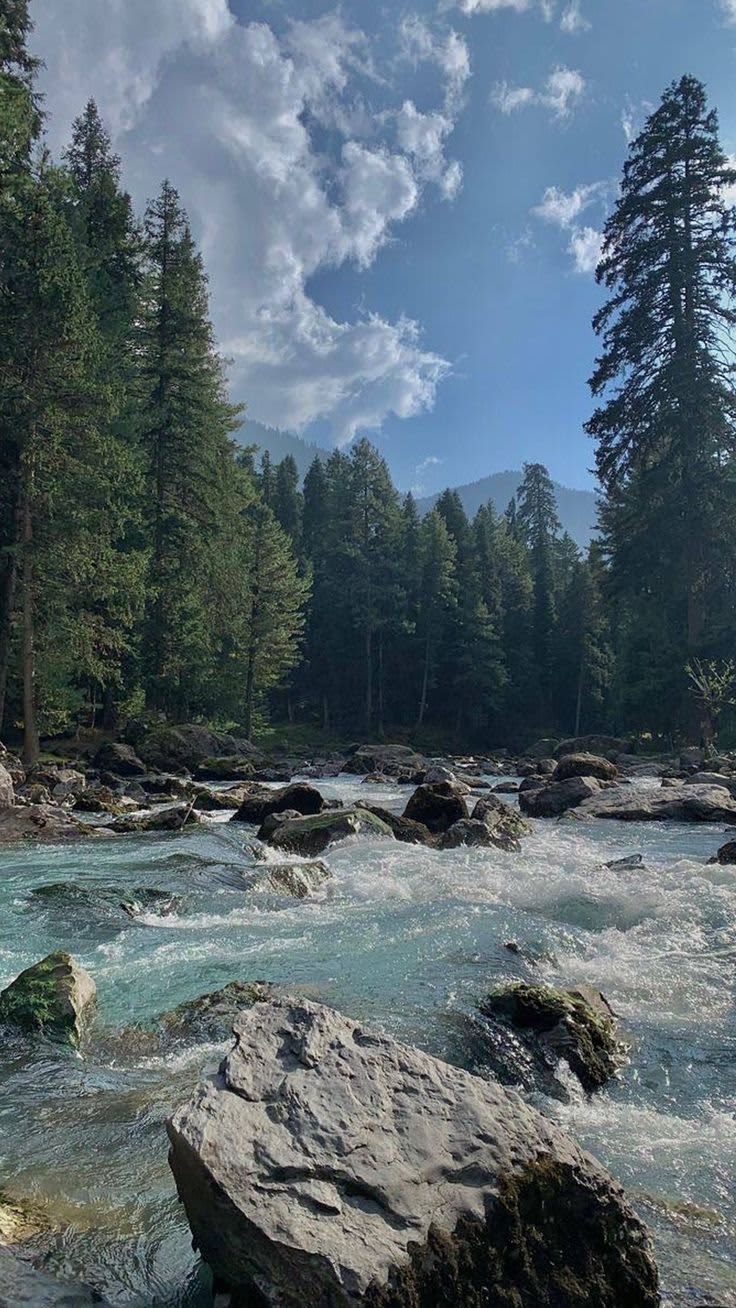
Doodhpathri
100 km · Doodhpathri, meaning "Valley of Milk," is a pristine meadow destination in the Budgam district of Jammu & Kashmir, famous for its milky white streams flowing through lush green meadows and dense conifer forests, creating an almost ethereally beautiful landscape. Unlike the more commercialized destinations in Kashmir, Doodhpathri retains its unspoiled character and offers a genuinely peaceful retreat amid grazing grounds, wildflowers, and mountain streams. The surrounding forests of fir, pine, and birch, and the backdrop of distant snow-capped peaks, make Doodhpathri one of Kashmir's most enchanting yet underrated natural getaways.
Dalhousie
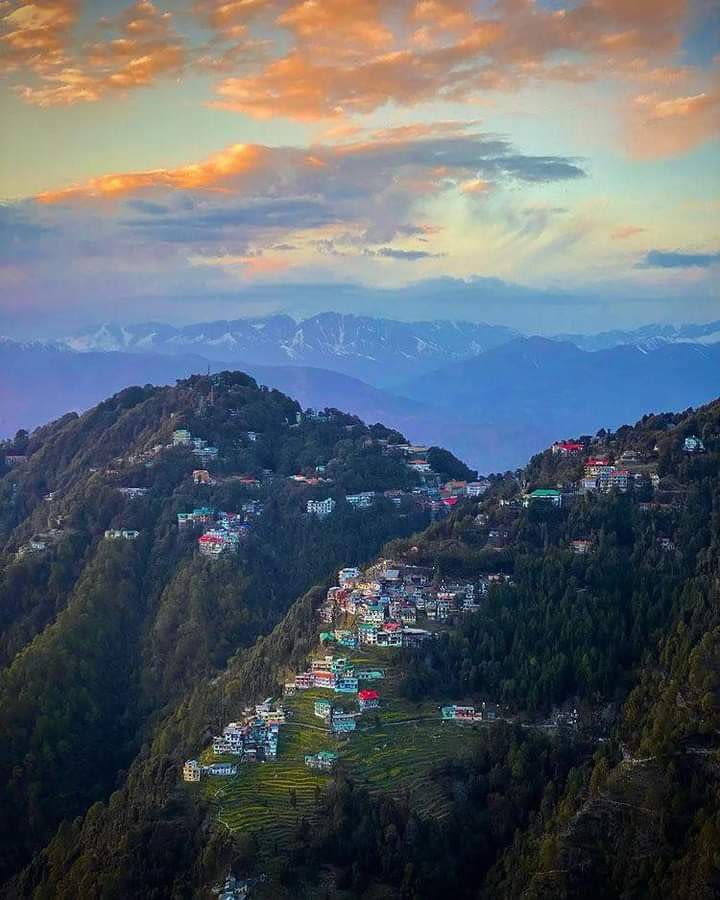
108 km · Dalhousie, a charming hill station in Himachal Pradesh named after Lord Dalhousie, sits across five hills at altitudes ranging from 1,525 to 2,036 meters and retains much of its Scottish and Victorian colonial character through its architecture and churches. The panoramic Dainkund Peak, the beautiful Khajjiar — India's mini Switzerland — and the cascading Satdhara Falls are among the most visited attractions in the area. Dalhousie's pine-scented air, colonial bungalows, and proximity to the ancient Chamba Valley make it an enchanting and often-overlooked hill station destination.