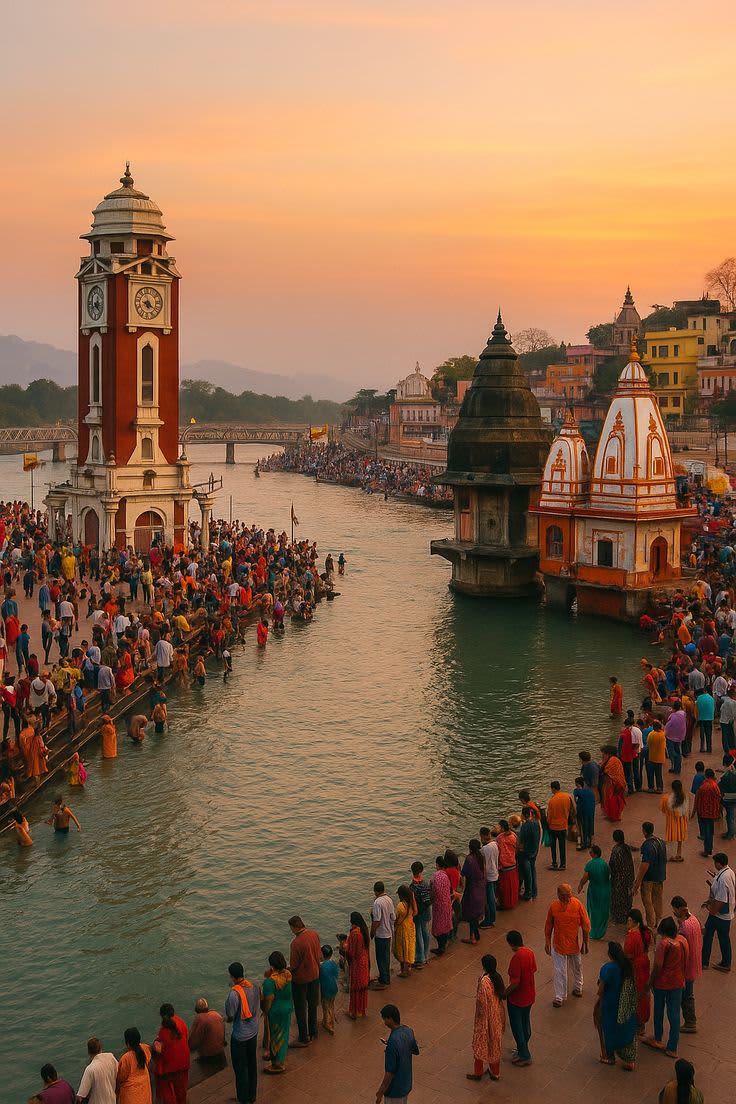
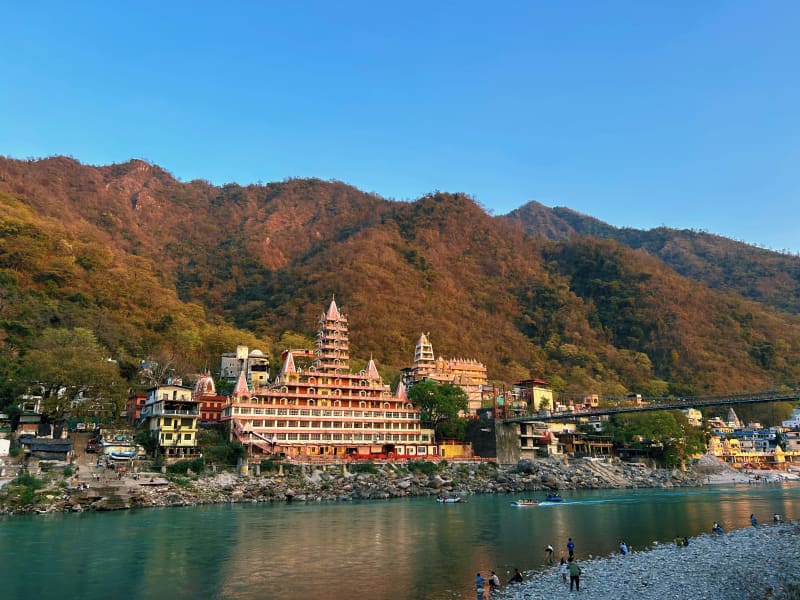
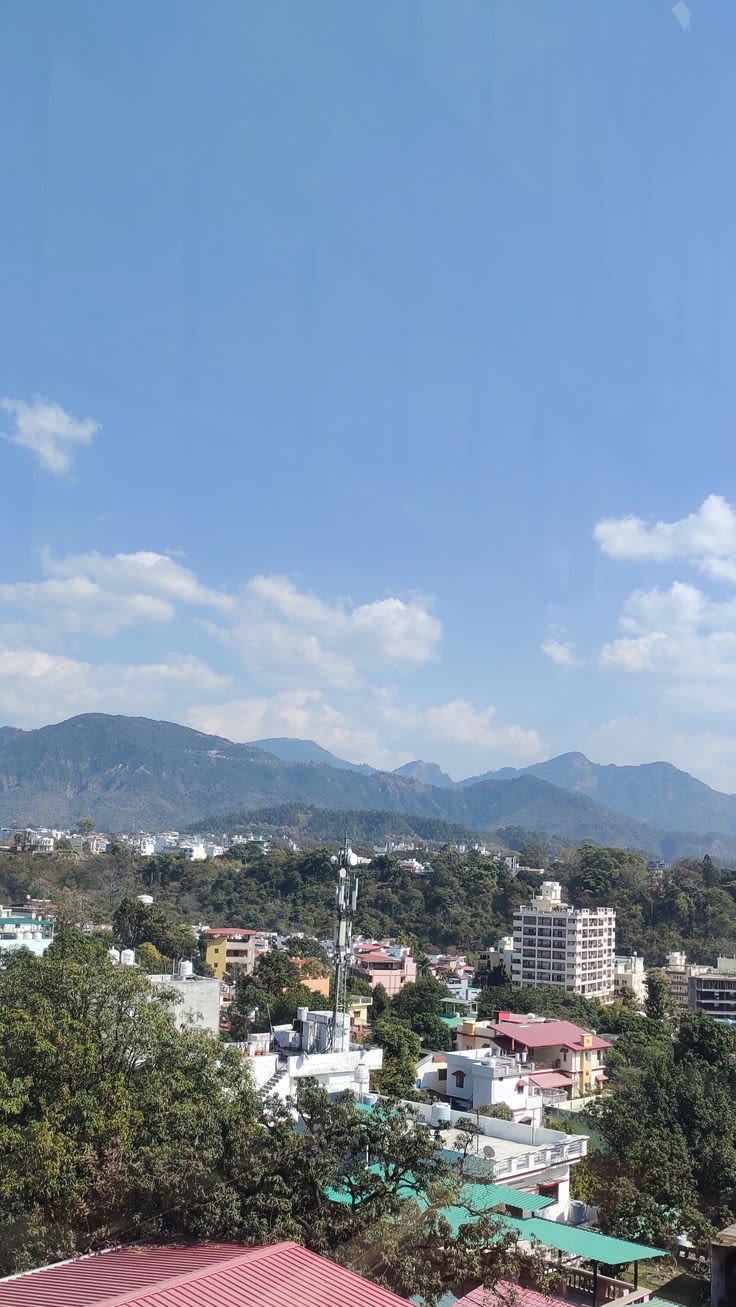
Gangotri, situated at 3,100 meters in the Uttarkashi district of Uttarakhand, is the site of the Gangotri Temple dedicated to the River Goddess Ganga and the starting point for the trek to Gaumukh — t...
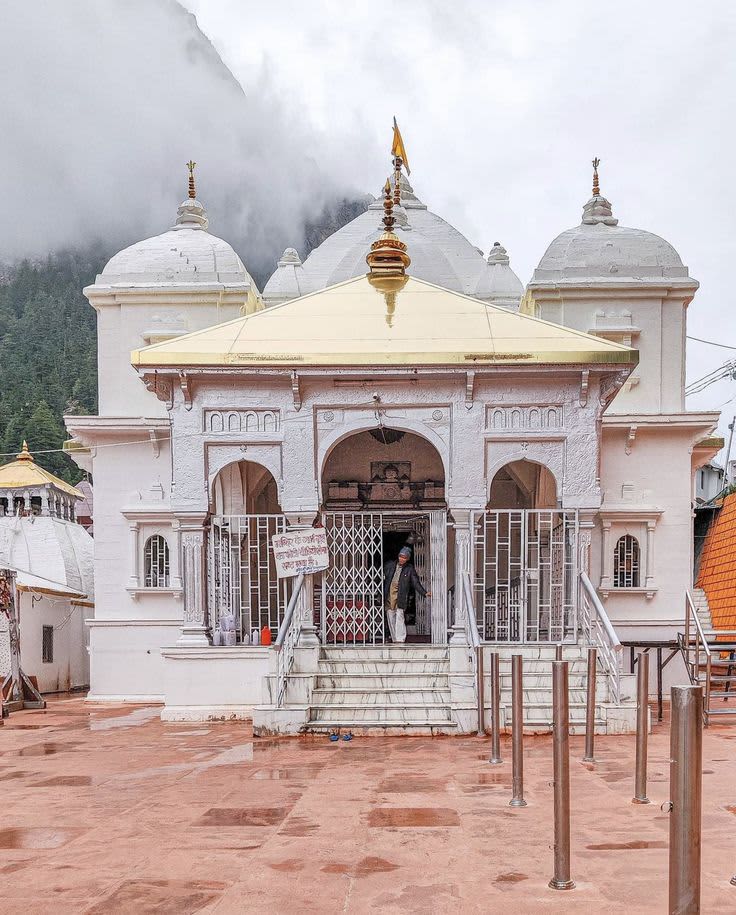
Gangotri
Origin of the Holy Ganges
Uttarakhand, India
4.8
Char DhamGanga OriginHimalayan Beauty
spiritualmountain
Duration: 1–2 Days
Budget/day: ₹1,500 – ₹4,500
Best season: May – Jun & Sep – Oct
Altitude: 3,048 m
Nearest airport: Jolly Grant Airport, Dehradun (270 km)
Nearest railway: Rishikesh Junction (272 km)
Best places to visit in Gangotri


Things to do in Gangotri
- No photoAdventure / SpiritualView full guide
2–3 days
Gangotri Glacier Trek
Trek through one of the most sacred and breathtaking glacial trails in the Himalayas, leading to the source of the holy River Ganga. The route passes through dense alpine forests, moraine fields, and offers jaw-dropping views of peaks like Shivling and Bhagirathi.
- No photoSpiritualView full guide
1–2 hours
Gangotri Temple Darshan
Pay your respects at the revered Gangotri Temple, dedicated to Goddess Ganga and perched at 3,100 meters above sea level. The white stone temple and its setting beside the roaring Bhagirathi river create an atmosphere that feels truly otherworldly.
- No photoAdventureView full guide
1 night
Bhagirathi River Camping
Camp along the banks of the crystal-clear Bhagirathi River surrounded by towering Himalayan peaks. Nights here are filled with a blanket of stars and the gentle sound of glacial waters — an experience that resets the soul completely.
Best Time to Visit and Weather Info
Best time: May to June and September to October
Gangotri Temple opens on Akshaya Tritiya and closes on Diwali. Monsoon (July–August) brings heavy rains and risk of landslides.
May–June
Best Time ⭐May – Jun
5°C – 18°C
Temple opening season. Clear skies, fresh snowfields, and blooming alpine flowers.
- Register for Char Dham Yatra online
- Good season for Gaumukh Glacier Trek (20 km from Gangotri)
Sep–Oct
Best Time ⭐Sep – Oct
2°C – 15°C
Post-monsoon clarity offers spectacular views. Autumn colors in the valley. Temple closes in October (Diwali).
- Best time for Gaumukh and Tapovan Trek
- Nights are cold — carry quality sleeping gear
Monsoon
Avoid 🔴Jul – Aug
10°C – 22°C
Heavy rainfall, frequent landslides, and dangerous road conditions. Temple remains open but access is risky.
- Landslide risk on Uttarkashi–Gangotri highway
- Do not attempt Gaumukh Trek during monsoon
How to Reach
✈️By Air
Airport: Jolly Grant Airport, Dehradun (270 km)
Duration: ~9 hrs by road
Fly to Dehradun, then drive via Rishikesh, Uttarkashi to Gangotri.
Taxi: ₹6,000 – ₹9,000 (Dehradun to Gangotri)
Airlines: IndiGo, Air India
🚂By Train
Station: Rishikesh Junction (272 km)
Train to Rishikesh/Haridwar, then a road journey via Uttarkashi to Gangotri.
- Shatabdi Express — Delhi to Haridwar (4.5 hrs)
🚌By Road
Drive via Rishikesh, Chamba, Uttarkashi to Gangotri. Uttarakhand roadways buses available up to Uttarkashi; private taxis to Gangotri.
- Rishikesh: 272 km, 8–9 hrs via Chamba – Uttarkashi
- Uttarkashi: 100 km, 3.5 hrs via NH-108
- Haridwar: 282 km, 9–10 hrs via Rishikesh – Uttarkashi
Local Food
Gangotri has very limited food options due to its remote and high-altitude location. Basic dhabas serve simple vegetarian meals.
Dal Chawal
Simple lentil soup and rice — the most nourishing and available meal at high altitude.
Where: Dhabas near the temple
₹80 – ₹150
Aloo Paratha
Stuffed flatbread with butter — hot and filling, best for cold mountain mornings.
Where: Roadside dhabas en route and in Gangotri
₹50 – ₹80
Chai
Hot ginger and cardamom tea — a must to stay warm at 3,000+ metres.
Where: All tea stalls on the route
₹10 – ₹20
Maggi
Instant noodles — universally available and comforting at high altitude.
Where: Tea stalls on the Gaumukh trek route
₹30 – ₹60
Langar Prasad
Free community food served at the Gangotri Temple by charitable organizations.
Where: Gangotri Temple complex
Free
Gangotri is strictly vegetarian. Carry your own dry snacks, energy bars, nuts, and medicines for the high altitude. Fresh produce is scarce.
FAQs
- Gangotri is one of the four Char Dham sites and the origin point of the sacred Bhagirathi River (which joins the Alaknanda to form the Ganga). The Gangotri Temple is dedicated to Goddess Ganga. The actual glacial source of the river — Gaumukh — is 18 km further by trek.
Best Places Similar
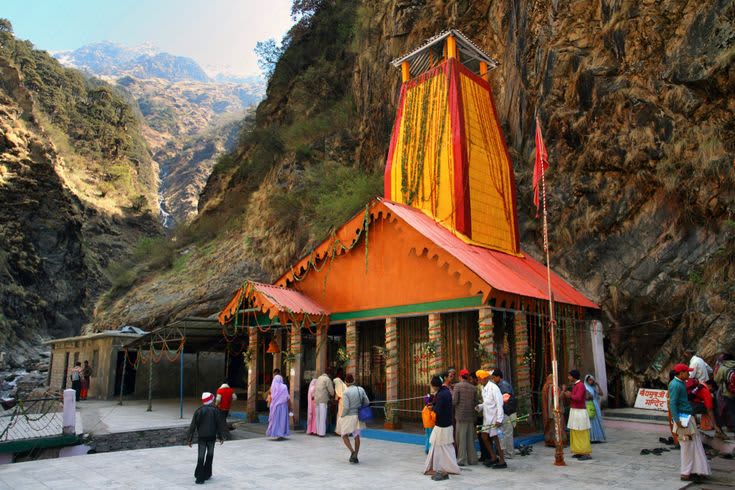
Yamunotri
Yamunotri, the source of the sacred Yamuna River and the first stop on the Char Dham pilgrimage circuit in Uttarakhand, sits at 3,293 meters in the Garhwal Himalayas and can only be reached by a 6-kilometer trek from Janki Chatti through majestic mountain scenery. The Yamunotri Temple, dedicated to the goddess Yamuna, is flanked by natural thermal springs where pilgrims cook rice and potatoes in the boiling water as a sacred offering. The Divya Shila rock pillar near the temple and the dramatic glacial Champasar Glacier above form a setting of raw Himalayan grandeur that leaves a lasting spiritual impression.
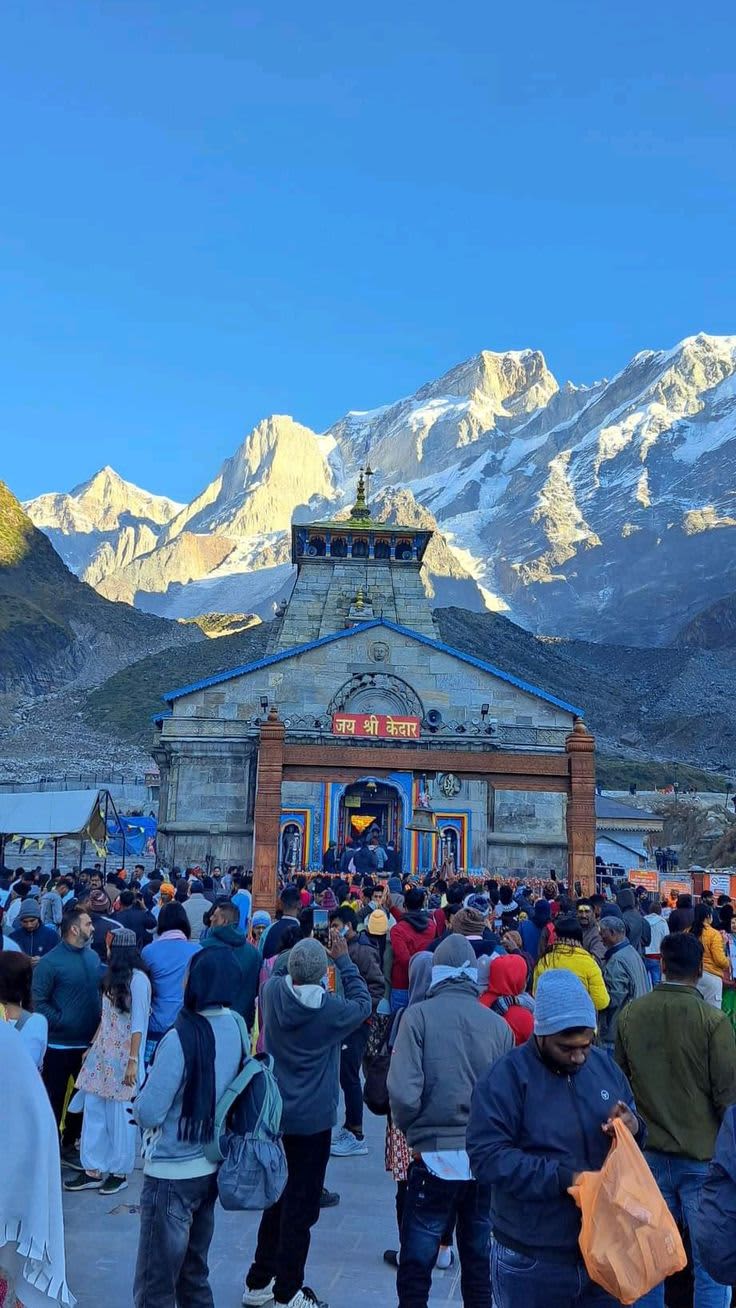
Kedarnath
Kedarnath, one of the twelve Jyotirlingas of Shiva and the highest of the four Char Dham pilgrimage sites, sits at a staggering altitude of 3,583 meters in the Garhwal Himalayas of Uttarakhand, accessible only by an 18-kilometer trek through breathtaking Himalayan scenery. The ancient Kedarnath Temple, believed to have been originally built by the Pandavas of the Mahabharata and reconstructed by Adi Shankaracharya in the 8th century, stands surrounded by glaciers and snow-capped peaks — a setting of overwhelming natural grandeur and spiritual power. The temple is open only from May to November, and the annual opening ceremony with the Shiva idol's arrival is a profoundly moving experience.
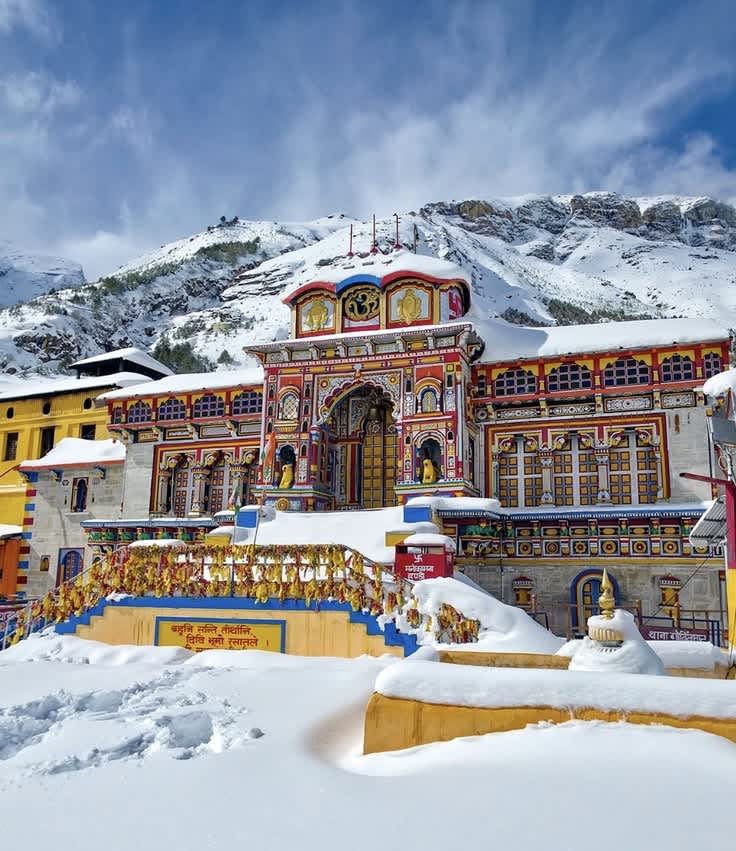
Badrinath
Badrinath, one of the most revered Vishnu shrines in Hinduism and the final destination on the Char Dham pilgrimage circuit, sits at 3,133 meters in the Garhwal Himalayas of Uttarakhand on the banks of the Alaknanda River. The colorful Badrinath Temple, framed by the towering Nilkantha Peak, draws hundreds of thousands of pilgrims during its six-month opening season each year. The nearby Tapt Kund hot springs for ritual bathing, the mythologically significant Brahma Kapal ghat, and the Valley of Flowers and Hemkund Sahib nearby make Badrinath a destination of extraordinary spiritual and natural richness.
Nearby destinations
Kedarnath
32 km · Kedarnath, one of the twelve Jyotirlingas of Shiva and the highest of the four Char Dham pilgrimage sites, sits at a staggering altitude of 3,583 meters in the Garhwal Himalayas of Uttarakhand, accessible only by an 18-kilometer trek through breathtaking Himalayan scenery. The ancient Kedarnath Temple, believed to have been originally built by the Pandavas of the Mahabharata and reconstructed by Adi Shankaracharya in the 8th century, stands surrounded by glaciers and snow-capped peaks — a setting of overwhelming natural grandeur and spiritual power. The temple is open only from May to November, and the annual opening ceremony with the Shiva idol's arrival is a profoundly moving experience.
Yamunotri
47 km · Yamunotri, the source of the sacred Yamuna River and the first stop on the Char Dham pilgrimage circuit in Uttarakhand, sits at 3,293 meters in the Garhwal Himalayas and can only be reached by a 6-kilometer trek from Janki Chatti through majestic mountain scenery. The Yamunotri Temple, dedicated to the goddess Yamuna, is flanked by natural thermal springs where pilgrims cook rice and potatoes in the boiling water as a sacred offering. The Divya Shila rock pillar near the temple and the dramatic glacial Champasar Glacier above form a setting of raw Himalayan grandeur that leaves a lasting spiritual impression.
Badrinath
60 km · Badrinath, one of the most revered Vishnu shrines in Hinduism and the final destination on the Char Dham pilgrimage circuit, sits at 3,133 meters in the Garhwal Himalayas of Uttarakhand on the banks of the Alaknanda River. The colorful Badrinath Temple, framed by the towering Nilkantha Peak, draws hundreds of thousands of pilgrims during its six-month opening season each year. The nearby Tapt Kund hot springs for ritual bathing, the mythologically significant Brahma Kapal ghat, and the Valley of Flowers and Hemkund Sahib nearby make Badrinath a destination of extraordinary spiritual and natural richness.